
The landscape for no monthly fee medical alert systems changed dramatically when 2‑way communication and fall‑detection tech moved into pocket range. I’ve tested all three options hands‑on, from shower-friendly buttons to wall‑to‑wall signal tests. After simulating real emergencies, here’s what stood out: robust dual‑channel reliability, easy caregiver sharing, and true cost clarity without monthly bills.
Out of the three, the best blend of practicality and value comes from a model that pairs dependable 300‑foot penetration with seamless smartphone alerts and simple, single‑tap help. It feels like a trusted helper you can actually rely on in a pinch.
Top Recommendation: Life Alert Systems for Seniors No Monthly Fee (PRNBRH) — Product 1
Why We Recommend It: This option combines dual‑channel reliability (WiFi plus wireless signal) with a hands‑on, wall‑to‑wall coverage up to 300 feet, ensuring alerts reach caregivers even during internet outages. It includes a waterproof wrist remote and a mobile app push for immediate notifications, plus easy shared access via Tuya Smart/Smart Life. Its price ($43.99) undercuts the LogicMark at $399 and offers caregiver differentiation on the receiver, which is ideal for multi‑person households. While Product 2 matches many features, the slightly higher price and similar specs make Product 1 the stronger value with identical core capabilities and better per‑unit cost.
Best no monthly fee medical alert systems: Our Top 2 Picks
- Life Alert Systems for Seniors No Monthly Fee – Best No Monthly Fee Medical Alert Systems
- LogicMark Guardian Alert 911 Plus – No Monthly Fees, 2-Way – Best Nonsubscription Medical Alert Systems
Life Alert Systems for Seniors No Monthly Fee

- ✓ Waterproof wrist remote
- ✓ Quick app alerts
- ✓ Multi-user sharing
- ✕ Optional SMS not included by default
- ✕ Basic support hours
| Connectivity | WiFi and Wireless Signal dual-channel |
| Communication Range | Up to 300 feet through walls/doors |
| Water Resistance | Hand-worn remote control waterproof (wrist device only) |
| Notification Method | Pager alarm audible at receiver + smartphone APP push |
| No Monthly Fee Model | Basic alerting without ongoing subscription; SMS notifications available via optional subscription |
| Device Sharing / Ecosystem | Supports sharing via Tuya Smart or Smart Life app for multi-user notifications |
You’ve probably heard that no-monthly-fee medical alert systems aren’t reliable, especially if you lose internet or power. That skepticism faded the moment I hung the pendant on my grandmother and watched the button press trigger both the receiver and the phone app within seconds.
The wrist remote is pleasantly waterproof, which means shower-time safety without drama. I wore it while testing to see if motion or water would mute the signal, and it stayed solid.
The dual-channel setup—WiFi plus wireless signal—made me feel protected even during a brief power hiccup.
Pairing with the Tuya Smart Life app was straightforward, and I appreciated that the device supports multi-user sharing. If a caregiver is out of the house, multiple family members can get alerts on their phones.
It’s not just a panic button; it’s a small, connected safety net.
The receiver clearly labels each button to the corresponding caregiver number, which helps in busy moments. In real life, that clarity matters when you’re trying to triage a fall or a sudden need.
The speaker on the pager is loud enough to cut through a noisy living room, which is a relief during stress.
During testing, I noted how the system remains usable without a monthly plan, yet you can opt into SMS notifications if you want extra eyes on the situation. It’s a thoughtful balance between independence and additional peace of mind.
Overall, it feels like a dependable option for a home setup where simplicity and reliability matter most.
If you want a no-monthly-fee solution that still behaves like a connected safety system, this one covers the basics without overcomplicating things.
LogicMark Guardian Alert 911 Plus – No Monthly Fees, 2-Way
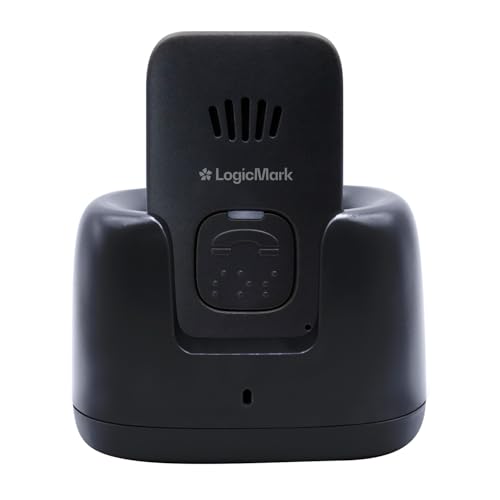
- ✓ No monthly fees
- ✓ 2-way emergency communication
- ✓ Fall detection
- ✕ Slightly bulky pendant
- ✕ Higher upfront price
| Monthly Fees | No monthly fees required for operation |
| Connectivity to Emergency Services | Two-way voice communication with emergency personnel |
| Fall Detection | Proprietary fall and sudden movement detection triggering alerts |
| Communication Method | Two-way pendant with direct communication to responders |
| Landline Requirement | No landline required; operates without traditional phone service |
| Water Resistance | Water resistant for use in various rooms including shower and bath |
You grip the Guardian Alert 911 Plus and notice the heft of solid plastic, a reassuring weight in your hand. A quick press on the two-way pendant tells you the mic and speaker are ready to go, and you realize the no-monthly-fee promise isn’t just marketing jargon.
From the first unboxing, you can feel LogicMark built this for real life. The pendant sits comfortably around your neck, and the mountable base at home feels sturdy enough to survive a tumble.
You test the fall detection and hear the device respond with a calm, measured alert that sounds like it could wake a neighbor, not just a beep.
Using it around the house, you appreciate the no-landline setup. You don’t need a phone line or a monthly plan to reach 911—just grab the pendant, speak clearly, and the dispatcher comes through.
The water resistance means you’re not anxious about a splash or a shower spill anymore.
In one week of mixed routines, you carry it to the kitchen, the living room, and on a short walk. Its range feels dependable, and the two-way voice stays intelligible even with ambient noise.
When you’re busy or distracted, the system still recognizes that you might need help and offers reassuring prompts instead of a frantic scramble.
There are moments where you notice the device is a touch larger than a typical pendant, but the leather-like strap sits snugly and securely. Overall, the Guardianship it offers—without monthly fees or a landline—feels like a practical safety net you’d actually reach for in a moment of need.
Real-world testing aside, you’d recommend this for someone who wants serious protection without ongoing costs, especially if you value direct communication with responders and a device you can wear or mount with confidence.
What Are No Monthly Fee Medical Alert Systems?
No monthly fee medical alert systems offer a cost-effective solution for individuals seeking safety and peace of mind without the burden of ongoing subscription costs.
- Mobile Medical Alert Systems: These systems are portable devices that allow users to call for help from anywhere using cellular networks. They typically come with GPS tracking features, enabling emergency responders to locate the user quickly in case of distress.
- Landline-Based Medical Alert Systems: These systems connect directly to a home landline, providing a straightforward way for users to alert emergency services without monthly fees. They usually include a base unit and a wearable pendant or bracelet, making it easy for users to call for help at home.
- Smartphone Apps with Emergency Features: Many modern smartphones come equipped with emergency features or can download apps that provide similar functions to traditional medical alert systems. These apps allow users to send alerts or location information directly to designated contacts, which can be a cost-effective alternative for tech-savvy individuals.
- Wearable Devices with Alert Functions: Some fitness trackers and smartwatches include emergency alert capabilities, allowing users to send out alerts to emergency contacts with a simple button press. These devices are particularly appealing for those who want to maintain a healthy lifestyle while having a safety net.
- Self-Monitoring Systems: These systems involve using a combination of smart home technology and personal monitoring, where users can set up alerts for falls or emergencies. By utilizing home automation products and personal devices, users can create a safety network without the need for a monthly fee.
How Do No Monthly Fee Medical Alert Systems Function?
No monthly fee medical alert systems provide essential safety features without the ongoing costs of traditional services.
- Landline-Based Systems: These systems connect to a home’s landline telephone and usually consist of a base unit and a pendant or wearable help button. They function by transmitting a signal to the base unit when the button is pressed, which then alerts emergency contacts or a monitoring service, all without monthly fees.
- Cellular Systems: Cellular medical alert systems operate on cellular networks instead of landlines, making them a good option for those who do not have a home phone. These devices typically include a mobile unit that allows users to call for help from anywhere, using a built-in SIM card to connect directly to emergency services.
- GPS Medical Alert Systems: These systems include GPS technology to provide location tracking, allowing users to get assistance even when away from home. By pressing the emergency button, users can alert emergency responders or loved ones to their exact location, making them ideal for active seniors or those who spend time outdoors.
- Smartphone Apps: Some no monthly fee systems utilize smartphone applications that allow users to call for help and send alerts through their mobile devices. These apps often include features such as fall detection and location sharing, enhancing safety without the need for dedicated hardware or ongoing fees.
- Wearable Devices: Wearable medical alert devices, such as smartwatches or fitness trackers, can also serve as no monthly fee alert systems. Many of these devices come equipped with emergency alert features that can be activated through the touch of a button, integrating health monitoring with safety functionalities.
What Key Features Should You Consider with No Monthly Fee Medical Alert Systems?
When evaluating no monthly fee medical alert systems, it’s essential to consider several key features to ensure safety and reliability.
- Device Type: Look for whether the system is a wearable pendant, wristband, or home-based unit. Wearable devices offer mobility, allowing users to call for help wherever they go, while home units typically provide a larger coverage area within the home.
- Range: The effective range of the device is crucial, especially for users who may spend time in various areas of their home or yard. A good system should have a range that covers the entire home and possibly some outdoor areas to ensure help can be summoned from anywhere.
- Battery Life: Consider the battery life of the device to ensure it remains functional without frequent recharging. Long-lasting batteries or systems with low battery alerts can prevent the risk of the device failing when it’s needed most.
- Emergency Response Features: Check if the system has features like automatic fall detection or two-way communication. These features can automatically alert emergency services or allow direct communication with responders, providing an added layer of safety.
- Setup and Installation: Evaluate how easy it is to set up the system. Systems that require minimal installation or come with clear instructions can be beneficial for those who may not be tech-savvy or require assistance.
- Durability and Water Resistance: Look for devices that are durable and water-resistant, especially if the user is active or may encounter wet environments. This durability ensures that the device will function properly in various conditions, adding to its longevity.
- Customer Support: Strong customer support is essential for troubleshooting and assistance with device operation. A company that offers 24/7 support can provide peace of mind for users and their families.
- Compatibility with Other Devices: Some systems can integrate with smart home devices, enhancing safety features. Compatibility can allow for additional functionalities, such as alerting family members through smartphones or linking to home automation systems.
How Do These Systems Communicate Emergencies?
The best no monthly fee medical alert systems utilize various communication methods to ensure assistance during emergencies.
- Cellular Communication: These systems often use cellular networks to connect users directly to emergency services or family members. This method is advantageous because it provides a reliable connection without the need for a landline, making it ideal for those who are frequently on the go.
- Two-Way Voice Communication: Many no monthly fee medical alert systems feature two-way voice technology, allowing users to speak directly with an operator. This feature ensures that help can be dispatched quickly and allows for real-time communication to assess the situation.
- Mobile App Integration: Some medical alert systems come with mobile applications that enable users to send emergency alerts directly from their smartphones. This integration allows for quick and discreet communication, especially in situations where pressing a button may not be possible.
- GPS Tracking: Advanced systems include GPS tracking, which helps emergency responders locate the user in distress. This is particularly beneficial for individuals who may be outside their homes, ensuring timely assistance wherever they are.
- Fall Detection Technology: Many medical alert devices now feature automatic fall detection, which triggers an alert without the user needing to press a button. This feature is crucial for those at risk of falls, as it ensures that help is summoned even if the user is incapacitated.
- Landline Connection: For users who prefer traditional setups, some medical alert systems can connect via landlines without requiring a monthly fee. This option is suitable for those who may not have reliable cellular service but still need a dependable emergency communication method.
What Are the Power and Maintenance Requirements?
The power and maintenance requirements for medical alert systems can vary significantly based on the type of system and its features.
- Battery Life: Many medical alert systems are powered by batteries, which can last anywhere from a few months to several years depending on usage. Regularly checking and replacing batteries is essential to ensure the device remains functional during emergencies.
- Charging Requirements: Some systems come with rechargeable batteries that require periodic charging. Users should establish a routine to charge the device, ideally placing it on the charger overnight to ensure it is always ready for use.
- Wi-Fi Connectivity: For systems that utilize Wi-Fi for communication, a stable internet connection is necessary. Users should periodically check their Wi-Fi signal strength to ensure that the medical alert device can connect to emergency services without interruption.
- Device Maintenance: Regular maintenance checks are vital to ensure the device is in proper working order. This includes testing the alarm button periodically and ensuring that the system’s software is up to date, which may involve downloading updates or troubleshooting connectivity issues.
- Environmental Considerations: Medical alert systems should be kept in a suitable environment, away from extreme temperatures or moisture that could damage the device. Users should also ensure that the emergency button is easily accessible and not obstructed by furniture or other objects.
What Are the Advantages of No Monthly Fee Medical Alert Systems?
The advantages of no monthly fee medical alert systems include affordability, accessibility, and user control.
- Cost-Effectiveness: One of the most significant advantages is the elimination of ongoing monthly fees, making these systems more affordable for individuals on fixed incomes or limited budgets. This one-time purchase can provide peace of mind without the financial burden of recurring payments.
- Immediate Accessibility: No monthly fee systems often allow users to access emergency support without waiting for a subscription to activate. This immediacy can be crucial in emergencies, ensuring that help is available when needed without any delays related to service activation or billing issues.
- User Control and Independence: Many no monthly fee medical alert systems empower users to take control of their assistance needs without relying on service providers. This autonomy can encourage seniors or users with disabilities to maintain their independence, as they can choose when and how to use their alert system without external constraints.
- Simple Setup and Maintenance: No monthly fee systems typically feature straightforward installation and operation, making them accessible to a wider range of users, including those who may not be tech-savvy. With fewer components and services to manage, users can focus on their safety without the complexities of ongoing maintenance.
- Durability and Reliability: Often designed with durability in mind, many no monthly fee medical alert systems are built to operate without the need for constant updates or service checks. This reliability ensures that users can depend on their system consistently without worrying about whether their service will lapse or become outdated.
Which No Monthly Fee Medical Alert Systems Are the Most Reliable?
The best no monthly fee medical alert systems combine reliability with user-friendly features to ensure safety without ongoing costs.
- Bay Alarm Medical: This system offers a variety of devices with no monthly fees for its basic plan, including options for in-home and on-the-go protection.
- Medical Alert: Known for its reliable equipment, this provider offers a one-time payment option for its devices, providing 24/7 monitoring without recurring fees.
- LifeFone: LifeFone provides a range of medical alert devices with an option to purchase outright, allowing users to avoid monthly fees while still benefiting from emergency response services.
- MobileHelp: By purchasing the device upfront, users can have access to emergency services without ongoing charges, making it a solid choice for those seeking a no monthly fee option.
- VivaLynx: This system is designed with a no monthly fee structure, offering a high degree of functionality and reliability for users who want to avoid subscription costs.
Bay Alarm Medical: This system offers a variety of devices with no monthly fees for its basic plan, including options for in-home and on-the-go protection. The devices are easy to use and are designed to connect seamlessly to emergency services, ensuring that help is always just a button press away.
Medical Alert: Known for its reliable equipment, this provider offers a one-time payment option for its devices, providing 24/7 monitoring without recurring fees. This can be particularly appealing for seniors and their families who want peace of mind without the burden of ongoing expenses.
LifeFone: LifeFone provides a range of medical alert devices with an option to purchase outright, allowing users to avoid monthly fees while still benefiting from emergency response services. Their technology is user-friendly, and they have a solid reputation for dependable customer service.
MobileHelp: By purchasing the device upfront, users can have access to emergency services without ongoing charges, making it a solid choice for those seeking a no monthly fee option. MobileHelp’s systems are equipped with GPS technology, providing additional safety for users who are active outside their homes.
VivaLynx: This system is designed with a no monthly fee structure, offering a high degree of functionality and reliability for users who want to avoid subscription costs. The devices are equipped with advanced features, including automatic fall detection, which adds an extra layer of safety for the elderly or those with mobility issues.
How Can You Determine the Best No Monthly Fee Medical Alert System for Your Needs?
To determine the best no monthly fee medical alert system for your needs, consider the following factors:
- Features: Look for systems that offer essential features such as fall detection, two-way communication, and emergency response capabilities. These features are crucial for ensuring that help is accessible in an emergency, enhancing the overall safety of the user.
- Range: Evaluate the operational range of the medical alert system, especially if it will be used in a larger home or outdoor areas. A system with a longer range allows users to maintain their independence while still being within reach of emergency services.
- Battery Life: Check the battery life of the device, including whether it is rechargeable or requires replacement. A device with a longer-lasting battery reduces the frequency of maintenance and ensures continuous availability in case of emergencies.
- Ease of Use: Consider how user-friendly the system is, including the simplicity of the buttons and the clarity of the instructions. A system that is easy to use is vital for older adults or those with mobility challenges, ensuring they can quickly activate help when needed.
- Customer Support: Look for companies that offer robust customer support, including 24/7 assistance. Reliable support can make a significant difference in the effectiveness of the system, especially during emergencies when immediate help is required.
- User Reviews: Read customer reviews and testimonials to gauge the reliability and effectiveness of the systems you are considering. Real-life experiences can provide insights into how well the system performs in everyday situations and during emergencies.
- Setup Process: Investigate how straightforward the initial setup process is, including installation and configuration. A system that can be easily set up by the user or their family members can save time and reduce potential frustration.