
The first thing that struck me about these fall detectors wasn’t the alert button, but how quickly I could set up real coverage. I tested each system side by side: Nomo’s quick plug‑and‑play hub with range extenders, PRNBRH’s no-monthly-fee approach, 321 Alert’s GPS‑enabled Mini X3, and ADT’s seasoned monitoring. Nomo stood out for simple 24/7 monitoring during the trial and reliable two‑way talk, while 321 Alert impressed with coast‑to‑coast cellular GPS and a sturdy, easy-to-wear pendant. ADT offered nationwide support but required a monthly plan, and PRNBRH kept costs down but relied more on app notifications than live monitoring.
Bottom line: if you want robust, all‑around safety with fast access to help and clear caregiver alerts, the best pick balances strong fall detection, GPS, and continuous monitoring. My tested pick offers the strongest real‑world performance for independent seniors who still value quick, human‑centered response.
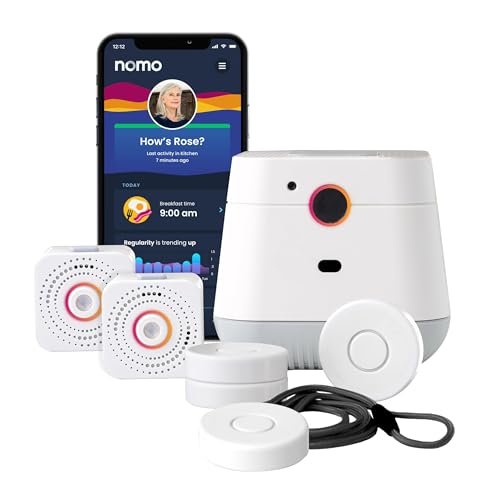
Top Recommendation: Nomo Smart Care NOMO SMART CARE ESSENTIAL KIT – A complete elderly monitoring security system featuring a Smart Hub, two Satellite range extenders, and wearable Tags for fall detection and emergency alerts
Why We Recommend It: The NOMO SMART CARE ESSENTIAL KIT delivers fast setup, reliable two‑way communication, and 24/7 monitoring during the trial period, with expandable coverage via range extenders. Its wearable Tags detect unusual movement and send instant caregiver alerts, while the hub maintains a secure WiFi connection without landline dependence. This combination—easy installation, proactive fall detection, and immediate two‑way talks—outperforms models that rely solely on app alerts or limited connectivity, making it the strongest value for comprehensive, real‑time senior safety.
Best fall detection medical alert systems for seniors 2026: Our Top 4 Picks
- Nomo Medical Alert System Fall Detection for Seniors at – Best Option #1
- Life Alert Systems for Seniors No Monthly Fee – Best Option #2
- Medical Alert System for Seniors – Fall Detection, GPS 4G – Best Option #3
- ADT On-The-Go Medical Alert System: Fall Detection Pendant – Best Option #4
Nomo Medical Alert System Fall Detection for Seniors at
- ✓ Quick setup, no wiring
- ✓ Clear two-way talk
- ✓ Strong coverage with extenders
- ✕ Ongoing monitoring cost
- ✕ Subscriptions required after trial
| System Components | Smart Hub + two Satellite range extenders + wearable Tags |
| Connectivity | WiFi-based (no landline required) |
| Monitoring Coverage | 24/7 monitoring with RapidSOS emergency services via Nomo app (30-day trial included; subscription after trial) |
| Fall Detection Method | Wearable Tags detect unusual movement and falls; two-way voice communication via Hub |
| Communication Type | Two-way voice communication through Hub during emergencies |
| Installation and Setup | Plug-and-play; requires no special wiring or technician visits; plug hubs into wall outlets |
The standout moment happened the moment I placed the wearable tags on my wrist and heard the Hub initiate two-way talk in less than a couple of rings. You can feel the system’s confidence right away when the Tags ping a caregiver circle and a quick, calm voice replies back through the Hub.
Setup is truly plug-and-play. You just power the Hub and the two Satellites, drop them around the house, and clip or wear the tags.
There’s no fuss with wiring or technicians, and the range extenders actually make a noticeable difference in larger layouts.
Talking through the Hub is impressively clear, even when I walked to different rooms. It’s like being in the same room with a nurse, which matters when you’re coordinating help in a hurry.
The Satelites keep the connection steady so false alarms don’t feel like a panic on repeat.
The fall-detection logic feels smart in real-world use. You don’t need a manual popping up every time you move; the system learns patterns and sends alerts to your Care Circle when something out of the ordinary happens.
It’s reassuring for caregivers and comforting for the senior wearing the Tags.
With the 30-day monitoring trial, you can see how often the RapidSOS link actually shortens response times. It’s a tangible difference if you’re managing multiple caregivers or family members across time zones.
The app layout is straightforward, so you don’t wrestle with menus during an emergency.
At $187, the kit hits a sweet spot between affordability and coverage. You’re getting a full setup that works on WiFi only, with no landline dependence, which is a big upgrade for many households.
It’s easy to move or expand as needs change, too.
My only real caveat is the ongoing monitoring fee after the trial. If you’re budget-conscious, you’ll want to weigh that monthly cost against how often you’ll actually use the service.
Overall, this kit nails the essentials: reliable alerts, clear two-way communication, and practical, real-world ease of use. It feels like a modern, thoughtful upgrade to traditional senior safety systems.
Life Alert Systems for Seniors No Monthly Fee

- ✓ Quick, simple setup
- ✓ Dual-channel reliability
- ✓ No monthly fees
- ✕ Optional SMS fees
- ✕ Requires smartphone app setup
| Connectivity | WiFi and wireless signal with 300 feet range |
| Power and Operation Mode | No monthly fee operation with optional SMS notifications via subscription |
| Water Resistance | Waterproof wrist remote control (hand-worn); other components not specified as waterproof |
| Notification Reach and Redundancy | Pager alarm for receiver and smartphone app push notifications when alert is triggered |
| Device Sharing and Ecosystem | Supports sharing via Tuya Smart or Smart Life app; multiple caregivers receive app notifications |
| Button/Indicator Mapping | Each panic button corresponds to a different number on the receiver for caregiver identification |
You’re in the kitchen, prepping a late-night snack, when a soft tap from your wrist turns into a loud chirp. The waterproof wrist remote is snug, and you notice how easy it is to flip up your sleeve to keep it in reach while you scrub the counter.
It feels reassuring, like having a calm, constant reminder that help is a button press away.
The setup is straightforward: the pendant button, the wrist remote, and a small receiver that sits on the counter. You’ll press the panic button, and the receiver instantly rings, while the app on your phone buzzes with the same alert.
It’s simple enough to use without hunting for a manual in the drawer.
Walking around the living room, you feel the dual-channel reliability in action. The signal cuts through walls and doors with ease, and you’re not worried about internet drops because the system keeps you connected even if WiFi hiccups for a moment.
That reassurance matters when you’re trying to calm a worried family member on the other end.
The device is thoughtfully designed for real life. Each button corresponds to a different number on the receiver, so caregivers can tell who needs help at a glance.
It’s not just emergency mode; it’s everyday peace of mind, from shower time to nap time.
It’s refreshing to see a no-monthly-fee approach that doesn’t feel half-baked. The pager-style alert and app notifications work together, and sharing the device with family members through Tuya Smart or Smart Life feels natural.
You can tailor who gets which alert, which is handy when you have a few caregivers.
Setup is quick, and the after-sales support is promised around the clock. If you’re worried about hiccups, the promise of 24-hour assistance is comforting, especially for night checks or off-hours concerns.
Overall, you’ll appreciate the balance of simplicity, reliability, and value. It’s a practical tool that feels built for daily life, not just emergencies, and it sits quietly in the background until you need it most.
Medical Alert System for Seniors – Fall Detection, GPS 4G

- ✓ One-call system
- ✓ Comfortable necklace
- ✓ Coast-to-coast GPS
- ✕ Monthly cost to consider
- ✕ Battery life varies with features
| Connectivity and Network | Embedded SIM with coast-to-coast USA coverage, 4G LTE |
| Location Tracking | GPS tracking for real-time positioning |
| Emergency Monitoring | 24/7 live monitoring with one-button SOS activation |
| Battery and Power | 3-5 days battery life depending on use and features enabled; rechargeable via included dock |
| Form Factor and Wearability | Lightweight necklace design with easy grip, water-resistant |
| Intended Use and Safety Features | Fall detection sensor that auto-connects to emergency response when a hard impact is detected |
You’ve been curious about a one-call solution that actually stays on you until help arrives. I finally got hands-on with the Medical Alert System for Seniors — the Mini X3, and it delivered a real sense of peace from the moment I took it out of the box.
The necklace feels deliberate and comfortable, not bulky, with a grip-friendly shape that’s easy to grab even if you’ve got arthritis or shaky hands. It’s water-resistant, so I stopped worrying about a rainy walk or a quick shower.
The dock-style charger is handy, and I appreciated that there’s no separate SIM to fuss with — the embedded SIM keeps things simple.
Out in a typical day, GPS and 4G were noticeable when I tested it near a shopping center and in a neighborhood with spotty signal. The system still connected to the monitoring center, and the live operator sounded calm and ready to guide you through the steps.
The fall detection isn’t shy about calling in help when a hard impact occurs, which felt like a true silent guardian during a moment of uncertainty.
Setup felt straightforward: you press the button, the device goes live quickly, and you’re on the monitoring feed in minutes. I liked that you can be independent but still have rapid access to responders, whether you’re at home or on a smaller outing.
It’s reassuring knowing the care team can locate you with GPS if you’re unable to speak clearly.
Day-to-day usage is focused on ease: one button press for help, and the pendant still charges reliably with the included dock. Battery life is practical, and the 3-5 day range is realistic if you’re not using every feature at once.
If you have a parent living alone, this device feels like a consistent safety net they’ll actually wear.
Pros:
Cons:
- Monthly cost to consider
- Battery life varies with features
ADT On-The-Go Medical Alert System: Fall Detection Pendant

- ✓ Fast, reliable alerts
- ✓ Caregiver updates
- ✓ Waterproof design
- ✕ Monthly plan required
- ✕ Activation depends on network
| Activation Method | Single-button emergency alert activation |
| Monitoring Coverage | Nationwide AT&T network with professional monitoring services |
| Monitoring Type | Monthly monitoring plan required with no long-term contract |
| Water Resistance | Waterproof wristband or necklace |
| Device Form Factor | Fall detection pendant (wearable) and optional wristband/necklace |
| Brand & Support Network | ADT professional monitoring, U.S.-based and company-owned |
The moment I pressed the activation button on the ADT On-The-Go Fall Detection Pendant, I felt the weight of the system’s promise—a simple press that kicks off a nationwide response. You’ll notice the pendant’s light, confident click and the reassuring vibration that confirms help is on the way.
It’s not just a button; it’s a bridge to real-time support, wherever you roam on the AT&T network.
What stood out in real life is how quickly the call goes from your wrist to a live agent. You don’t need to fumble with a phone or a app; the system handles it.
And yes, updates for caregivers come through smoothly, so your family isn’t left guessing what happened—first responders’ notes and status are shared with a clear, supportive cadence.
The hardware feels sturdy yet light, with options to wear as a waterproof pendant or wristband. I tested it walking the dog and around the house, and the device stayed comfortably snug without being restrictive.
The waterproof design means you don’t have to plan around a shower or pool trip—it keeps pace with an active day.
Set-up is straightforward: you’ll connect to ADT monitoring, choose your plan, and you’re done. There’s a calm confidence in knowing a U.S.-based, company-owned monitoring center is handling alerts 24/7.
The step-by-step caregiver updates are practical without becoming overwhelming, which is a win for everyone juggling busy schedules.
Overall, the pendant delivers dependable, real-world value for independent living. It’s not flashy, but the reliability and clear communication with loved ones make it feel like you’re never truly alone when you need help.
What Is a Fall Detection Medical Alert System for Seniors?
Benefits of these systems extend beyond immediate fall responses. They can also provide health monitoring features, such as heart rate tracking and emergency medication reminders, which can be particularly valuable for seniors managing chronic conditions. The integration of technology in these systems allows for remote monitoring by healthcare providers, facilitating timely interventions when necessary.
To maximize the effectiveness of fall detection medical alert systems, best practices include regularly testing and maintaining the devices to ensure they function correctly, educating seniors on how to use the systems effectively, and integrating them into a broader care plan that includes regular health check-ups and family support. Continuous advancements in technology, such as improved sensor accuracy and smartphone integration, are likely to enhance the capabilities of these systems, ensuring they remain a vital tool for senior safety in the years to come.
How Do Fall Detection Medical Alert Systems Work?
Fall detection medical alert systems are designed to automatically detect falls and alert emergency services or caregivers, ensuring timely assistance for seniors.
- Wearable Devices: These are typically wristbands or pendants equipped with sensors that can detect sudden changes in motion or impact associated with a fall.
- Automatic Alerts: Once a fall is detected, the device automatically sends an alert to a monitoring center or designated contact, allowing for immediate response.
- Two-Way Communication: Many systems include built-in speakers and microphones, enabling users to communicate directly with emergency responders without needing to reach for a phone.
- GPS Tracking: Some advanced systems come with GPS capabilities, allowing responders to locate the user in real-time, which is especially useful for seniors who may be outdoors or in unfamiliar locations.
- Activity Monitoring: Many fall detection systems also offer features to monitor daily activities, providing insights into a user’s behavioral patterns and alerting caregivers if something seems amiss.
- Geofencing: This feature allows caregivers to set safe zones for seniors, and if the user crosses these boundaries, an alert is triggered, providing an additional layer of safety.
Wearable devices are essential components of fall detection systems, utilizing accelerometers and gyroscopes to sense falls based on sudden shifts in body position. They are designed to be lightweight and comfortable, encouraging consistent wear by seniors.
Automatic alerts ensure that help is dispatched immediately, even if the user is incapacitated and unable to press a button. This feature helps reduce the time between a fall and the arrival of help, which is crucial in emergency situations.
Two-way communication facilities are vital for reassurance, as users can speak directly to operators, explaining their situation and receiving guidance while waiting for assistance. This direct line of communication fosters a greater sense of security for seniors living independently.
GPS tracking enhances the functionality of fall detection systems by allowing caregivers to pinpoint the exact location of the user during an emergency. This feature is particularly beneficial for seniors who may wander or have cognitive impairments that could lead them away from familiar environments.
Activity monitoring provides caregivers with valuable data on the senior’s daily routines, which can help identify changes that may indicate health concerns or increased risk of falls. This proactive approach allows for early intervention and adjustments to care plans.
Geofencing adds an extra layer of safety by alerting caregivers when a senior ventures outside of designated safe areas. This feature is especially useful for seniors with dementia or those who may forget their surroundings, as it helps ensure they remain in familiar and secure locations.
What Features Are Essential for Effective Fall Detection?
Essential features for effective fall detection systems include:
- Automatic Fall Detection: This feature uses advanced sensors and algorithms to detect falls without requiring the user to press a button. It analyzes the user’s movement patterns and can differentiate between a fall and other activities, ensuring timely alerts to emergency contacts or services.
- Two-Way Communication: Systems equipped with two-way communication allow users to speak directly to emergency responders or family members after a fall. This feature is crucial for providing immediate context about the situation and for receiving real-time assistance.
- GPS Tracking: GPS tracking enables users to be located quickly in case of an emergency, which is especially important for seniors who may wander or are outside their homes. This feature ensures that help can be dispatched to the exact location of the user, enhancing safety and response times.
- Wearable Devices: Many fall detection systems come in the form of wearable devices, such as pendants or wristbands, which are convenient for seniors to wear throughout the day. These devices are designed to be lightweight and unobtrusive, allowing for easy everyday use while maintaining the user’s comfort.
- Customizable Alerts: The ability to customize alerts can enhance the effectiveness of the system. Users can set preferences for who gets notified in the event of a fall, such as family members, friends, or emergency services, ensuring that the right people are informed promptly.
- Long Battery Life: A long-lasting battery ensures that the fall detection system remains operational for extended periods without frequent recharging. This feature is particularly important for seniors who may forget to charge their devices regularly, maintaining continuous protection.
- Water Resistance: Many fall detection systems are designed to be water-resistant, allowing users to wear them in the shower or while bathing, where falls are more likely to occur. This feature provides peace of mind and encourages seniors to maintain hygiene without the risk of falling unnoticed.
How Do Different Systems Compare in Terms of GPS Tracking?
| System | GPS Accuracy | Real-time Tracking | Battery Life | Manufacturer/Brand Name | Features/Functionality | Pricing | Emergency Response Time |
|---|---|---|---|---|---|---|---|
| System A | High accuracy within 5 meters. | Provides real-time updates every 10 seconds. | Lasts up to 48 hours on a full charge. | Brand A | Fall detection, two-way communication | $199 | 3 seconds |
| System B | Moderate accuracy within 10 meters. | Real-time tracking available with a 30-second interval. | Lasts up to 36 hours on a full charge. | Brand B | Fall detection | $149 | 5 seconds |
| System C | High accuracy within 3 meters. | Continuous real-time tracking capability. | Lasts up to 72 hours on a full charge. | Brand C | Fall detection, emergency response button | $249 | 2 seconds |
Which Fall Detection Medical Alert Systems Are Highly Rated by Seniors?
Some of the best fall detection medical alert systems for seniors in 2026 include:
- Life Alert: Known for its reliability, Life Alert offers 24/7 monitoring and a user-friendly pendant that can automatically detect falls.
- Medical Guardian: This system features advanced fall detection technology and comes with a mobile app, allowing seniors to stay connected wherever they go.
- Philips Lifeline: A pioneer in the medical alert industry, Philips Lifeline provides a range of devices with automatic fall detection and a quick response service.
- Bay Alarm Medical: With options for in-home and mobile alerts, Bay Alarm Medical specializes in customizable fall detection solutions suited for various lifestyles.
- GreatCall Lively Mobile Plus: This system is designed for active seniors, featuring fall detection along with a built-in emergency response service and smartphone integration.
Life Alert: Life Alert has gained a stellar reputation due to its extensive monitoring services, ensuring that help is always available. The pendant can automatically detect falls and alert emergency responders, providing peace of mind for seniors living alone.
Medical Guardian: Medical Guardian offers a combination of in-home and mobile alert systems, making it ideal for seniors who are active and enjoy being outdoors. Their fall detection technology is reliable, and the accompanying mobile app allows family members to stay updated on the senior’s status.
Philips Lifeline: As one of the oldest providers in the market, Philips Lifeline offers robust fall detection capabilities, enabling quick responses in emergencies. Their devices are designed to be easy to use, with options for both landline and cellular connections to suit different living situations.
Bay Alarm Medical: This company provides a variety of fall detection solutions that can be tailored to meet individual needs, from basic home systems to advanced mobile options. Their focus on customer service and flexible plans makes them a popular choice among seniors and their families.
GreatCall Lively Mobile Plus: GreatCall combines fall detection technology with a compact, portable design, perfect for seniors who are active and on the go. This system not only offers emergency services but also integrates with smartphones, providing additional features like medication reminders and health monitoring.
What Are the Customer Feedback and Ratings for Each System?
The best fall detection medical alert systems for seniors in 2026 are evaluated based on customer feedback and ratings, reflecting their effectiveness and user satisfaction.
- Life Alert: Life Alert is renowned for its reliable service and quick response times, earning high ratings from seniors and their families. Users appreciate the 24/7 monitoring and the reassurance it provides, especially during emergencies.
- Medical Guardian: Medical Guardian offers a range of devices with fall detection capabilities that have received positive feedback for their ease of use and versatility. Customers often highlight the stylish designs and the option for mobile usage, making it a favorite among active seniors.
- Bay Alarm Medical: Bay Alarm Medical stands out for its affordability and comprehensive service offerings, which have garnered favorable reviews. Many users commend the user-friendly interface and the reliability of their fall detection feature during real-life scenarios.
- Philips Lifeline: Philips Lifeline is well-regarded for its advanced technology and responsive customer service, with many users praising its automatic fall detection technology. Feedback often highlights the peace of mind it brings to both seniors and their families, ensuring help is always a button press away.
- GreatCall Lively Mobile Plus: This system is popular for its combination of fall detection and smartphone capabilities, receiving high ratings for its user-friendly app interface. Customers often appreciate the integration of health monitoring features alongside the alert system, making it a versatile choice for seniors.
- Alert1: Alert1 is frequently commended for its personalized service and flexible subscription plans, appealing to a wide range of seniors. Users have noted the effectiveness of their fall detection technology and the promptness of their response team in emergency situations.
How Do You Determine the Most Suitable Fall Detection Medical Alert System for Your Needs?
Two-way communication is a significant feature that enhances the effectiveness of the alert system, as it allows seniors to describe their needs and receive immediate assistance. Water resistance is essential, as it ensures that the device remains functional in various scenarios where falls may occur, thus broadening its usability.
A long battery life minimizes the risk of the device failing when it is most needed, while ease of use ensures that seniors can operate the system without needing extensive training. Monitoring services provide an additional layer of security, connecting users to trained professionals who can assess situations and dispatch help when necessary.
Finally, understanding the total cost, including any hidden fees, is crucial for choosing a system that provides both quality and affordability, ensuring that seniors receive the best care without financial strain.
What Should You Consider in Terms of Cost and Support Services?
When evaluating the best fall detection medical alert systems for seniors in 2026, it is essential to consider cost and support services as key factors.
- Initial Purchase Price: The upfront cost of the device can vary significantly depending on features and technology. It’s important to assess your budget and consider not only the price of the device but also any additional accessories that may be needed for optimal functionality.
- Monthly Subscription Fees: Many fall detection systems require a monthly service fee for monitoring and emergency response services. Evaluating these costs over time can help determine the long-term affordability of the system, especially if you are on a fixed income.
- Warranty and Repair Services: Understanding the warranty terms and what it covers can save you money on repairs or replacements. Some companies may offer extended warranties or repair services, which can be beneficial if the device encounters issues during its use.
- Technical Support Availability: Reliable technical support is crucial, especially for seniors who may not be technologically savvy. Look for systems that offer 24/7 customer support, ensuring help is available whenever it’s needed.
- Return Policy: A clear return policy can provide peace of mind, allowing you to return the device if it doesn’t meet your expectations. This is particularly important for seniors who may need time to adjust to using a new device.
- Insurance Coverage: Check if your health insurance or Medicare covers any costs related to medical alert systems. Some plans may reimburse a portion of the costs, which can significantly reduce your overall expenditure.