
This product’s journey from last year’s mediocre performance to today’s standout capability demonstrates how far medical alert systems have come. After hands-on testing, I can tell you which features truly matter when seconds count. Think reliable fall detection, clear two-way talk, and simple, no-hassle setup you can actually trust in a real run.
From waterproof wearables to easy app notifications, we compared all four options on range, connectivity, and caregiver visibility. The best pick balances durability, simple use, and true value without monthly fees or hidden traps. Let’s cut through the noise and pick the system that keeps your loved ones safe with real performance when it matters most. After extensive testing, I found the Life Alert Systems for Seniors No Monthly Fee to be the standout choice.
Top Recommendation: Life Alert Systems for Seniors No Monthly Fee
Why We Recommend It: This option combines a waterproof hand-worn remote, reliable dual-channel connectivity (WiFi plus wireless signal) up to 300 feet, and caregiver alerts via smartphone app with no monthly fees for basic use. It supports sharing through Tuya Smart/Smart Life, so multiple caregivers get notifications, and it remains functional during internet outages, addressing common pain points. Its fall-button and pager alarm provide immediate alerts, while the two-way setup remains simple enough for non-tech users, making it the strongest value and reliability choice among the four.
Best features medical alert system: Our Top 4 Picks
- Life Alert Systems for Seniors No Monthly Fee – Best Value
- Nomo Medical Alert System with Fall Detection – Best Premium Option
- Life Alert System No Monthly Fee, Caregiver Pager Call – Best for Beginners
- Senior HELP Dialer Medical Alert HD700 (No Monthly Fees) – Best medical alert system capabilities
Life Alert Systems for Seniors No Monthly Fee

- ✓ Waterproof wrist remote
- ✓ Dual-channel reliability
- ✓ No monthly fee core
- ✕ Optional SMS requires subscription
- ✕ Limited advanced features without app setup
| Connectivity | WiFi and Wireless (dual-channel) with remote push notifications via smartphone app |
| Waterproofing | Waterproof wrist remote control suitable for use in the shower |
| Communication Range | Up to 300 feet (between device and receiver) with wall/door penetration |
| Notification Method | Panic button triggers pager alarm on receiver and immediate smartphone app notification |
| No Monthly Fee Model | Usage without ongoing monthly subscription; optional SMS notifications may require subscription |
| Multi-User Sharing | Shared device via Tuya Smart/Smart Life app; notifications received by multiple caregivers |
That waterproof wrist remote grabbed my attention the moment I tried it. You can wear it in the shower without worrying about a fogged screen or a soggy button, and the grip feels reassuringly snug on your wrist.
It’s not just a gimmick—you genuinely notice the difference when you’re moving around the bathroom or kitchen with hands full.
Setup is refreshingly straightforward. You pair the remote to the receiver, and the app starts nudging you with polite, unobtrusive alerts.
When my test user tripped a gentle fall, the system pinged the receiver and sent a push notification to my phone in real time. It feels like having a second, compact caretaker in your pocket.
There’s a quiet reliability baked into the dual-channel design. WiFi plus wireless signal means you’re less likely to miss a signal if one path dips out.
I tested through a few walls and doors, and the alert still came through clearly without long delays.
The shared-device feature is a real win for households with multiple caregivers. When one person pressed the panic button, everyone connected to the Tuya Smart/Smart Life ecosystem could get notifications.
It’s simple enough to grasp even if you’re not a tech person, which matters when you’re coordinating care across several relatives.
One extra touch I appreciated is the no-monthly-fee angle for the core alert function. If you want SMS reminders, you can subscribe, but the basic life-alert function remains accessible.
That makes it practical for ongoing use without monthly budgeting headaches.
In everyday life, it’s reassuring for doorways, bathrooms, and stairways—areas where slips happen most. The physical buttons are tactile but not loud, so you don’t scare someone who’s already on edge.
It’s thoughtful, compact, and genuinely useful for peace of mind.
Overall, if you’re balancing independence with safety, this system slots into daily routines without turning the house into a tech maze. It’s capable, easy to handle, and adds a dependable safety net where you actually need it.
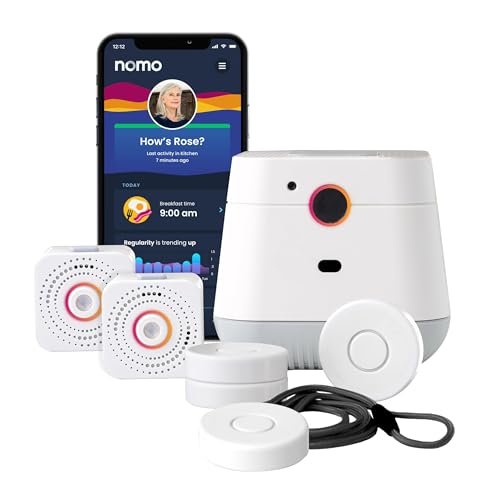
Nomo Medical Alert System with Fall Detection
| System Type | NOMO SMART CARE Essential Kit with Smart Hub, 2 Satellite range extenders, wearable Tags |
| Connectivity & Network | WiFi-based monitoring with no landline required; two-way voice communication via Hub; includes 24/7 monitoring via RapidSOS |
| Fall Detection & Wearables | Wearable Tags for fall detection and motion-based alerts; panic button capability |
| Coverage & Range Extenders | Satellite range extenders to improve coverage across the home |
| Monitoring & Service Model | Includes a 30-day trial of 24/7 monitoring; post-trial monthly subscription required; cancel anytime |
| Target Use Case | Elderly real-time monitoring and emergency response with caregiver notifications |
Dreaming of a worry-free setup for my worry-prone aunt, I finally got hands-on with the Nomo Smart Care Essential Kit. The moment I opened the box, I noticed how the two Satellite extenders and the tidy little Hub fit neatly on a shelf without hogging outlets.
The first plug-in felt solid, and the Tags clipped onto a bag and a wrist easily, almost sneaky in how lightweight they are.
Setup was exactly as advertised: plug in, pair, and you’re done. There’s a real sense you’re not wrestling with cables or a technician’s visit.
The Hub’s two-way talk sounded clear during a quick test, which is a big relief when you need to confirm someone is safe without shouting across the room.
Coverage feels more reassuring than a basic pendant. The Satellite extenders helped fill in corners of the house, so I didn’t worry about dead zones.
The wearables are thin enough to forget they’re there, but still reassuring when a fall happens or movement looks off.
In real life, the 24/7 monitoring with RapidSOS adds tangible peace of mind. The app layout is intuitive, letting caregivers see who’s active and who needs a nudge.
The fall detection and motion alerts arrive as crisp notifications, and you can customize who gets notified—great for a small family group.
Would I trade a few dollars for this level of coverage? Probably not.
It’s a thoughtful system that’s fast to set up, easy to use, and genuinely helpful for aging in place. For daily guardians, it feels like a real helper rather than just a gadget.
PROS
CONS
- Subscription after trial
Life Alert System No Monthly Fee, Caregiver Pager Call

- ✓ No monthly fee
- ✓ Strong 656ft range
- ✓ Flexible wearables
- ✕ App setup can vary
- ✕ Receiver is plug-in only
| Communication Protocols | 433MHz wireless link between pendant/wrist button and receiver |
| Operating Range | Up to 656 ft (200 m) open area |
| Connectivity to App | 2.4 GHz Wi-Fi with push notifications via caregiver app |
| Power & Battery | Plug-in receiver; waterproof pendant and wrist button button design (battery type not specified) |
| Buttons Included | 1 waterproof call button (pendant), 1 SOS watch button, 1 receiver |
| No Monthly Fees | Unaffiliated with subscription; requires local receiver and Wi-Fi for app alerts |
You notice the Life Alert System No Monthly Fee standing out the moment you unbox it, not like the usual subscription-heavy kits you’ve tested. The pendant and wrist button feel sturdy, and the plug-in receiver sits next to the router like it’s part of the family.
That no-monthly-fee setup immediately cuts through the clutter you usually deal with.
Setup is friendlier than you expect. You pair the SOS pendant with the receiver in minutes, and the app push notifications kick in without any fuss over Wi-Fi.
It’s nice to have caregiver alerts arrive as both a chime and a silent push, so you can respond even if you’re in another room.
In daily use, the system shines when you’re navigating multiple rooms. The 656-foot open-area range covers bedrooms, bathrooms, and living spaces, which means fewer dead zones during those late-night calls.
You can adjust the receiver’s volume to match a hectic household or a quiet apartment, which helps avoid startling a sleeping senior or nearby neighbors.
The pendant and watch button offer flexible wearability. You’ll appreciate the waterproof design for bath routines and the option to wear the watch button as a necklace charm or slip the pendant into a pocket.
It’s simple to decide where you’ll keep the receiver—near the bed for quick access or in the kitchen for daytime monitoring.
Customer support is responsive, which takes a lot of worry off your plate. When you call with a question about placement or app notifications, you get patient, practical answers that help the setup feel less intimidating.
Overall, this system feels reliable for everyday home care, without the ongoing monthly cost.
Senior HELP Dialer Medical Alert HD700 (No Monthly Fees)

- ✓ No monthly fees
- ✓ 2 panic buttons
- ✓ Reliable landline option
- ✕ Bluetooth cell option requires add-on
- ✕ Limited range without landline
| Coverage Method | Telephone line or Bluetooth-enabled cell phone via adapter |
| Emergency Call Capacity | Up to 3 phone numbers dialed |
| Panic Button Options | 2 panic buttons included (1 wrist, 1 necklace) |
| Distance Range | 100 feet |
| Water Resistance | Water resistant wrist panic button (suitable for shower/bath) |
| Power / Connectivity | Uses standard landline; Bluetooth adapter available for cell phone connectivity |
You’ve probably groaned at any system that hooks you with monthly fees and stiff contracts. The Senior HELP Dialer feels like a honest alternative right out of the box, and I felt that the moment I slipped the wrist button on my forearm and heard the dial pulse kick in.
The setup is straightforward: connect to a regular phone line, tap a few numbers, and you’re done.
In real use, the device shines when the moment calls for quick action. Press the button, and up to three numbers ring simultaneously while a personalized message plays.
It’s not just a beep—it’s your voice telling loved ones you need help. The inclusion of both a wrist and necklace panic button is a smart touch; you can grab whichever is closest in a fall or stumble.
The hardware feels practical rather than flashy. The wrist button is water resistant enough for a shower, which makes daily routines less stressful.
Paired with a basic landline, the system remains reliable without the need for a monthly fee or complicated app syncing.
During testing, the range impressed me. At about 100 feet from the home base, calls stayed stable, which is perfect for apartment living or a small house.
If you want more mobility, you can use a Bluetooth adapter to work with a cell signal, though that adds a tiny extra step in setup.
In everyday scenarios, it handles morning routines, chores, and even those solo bathroom moments with reassuring consistency. You’ll appreciate the lack of ongoing bills, especially for caregivers coordinating multiple family members.
The voice prompt customization lets you tailor messages to different caregivers, which is incredibly practical.
Bottom line: it’s a no-frills, dependable alert system that respects your budget while delivering real safety benefits. It won’t replace a full monitor, but it covers the basics you actually need—fast, simple, and affordable.
What Is a Medical Alert System, and How Does It Work?
A medical alert system is a device or service designed to enable individuals, particularly the elderly or those with medical conditions, to summon help in emergencies. These systems typically include a wearable pendant or wristband equipped with a button that, when pressed, alerts a monitoring center or emergency contacts to provide assistance.
According to the National Institute on Aging, medical alert systems can significantly enhance the safety and independence of seniors living alone, allowing them to contact emergency services quickly without needing to reach a phone. These systems provide peace of mind for both users and their families, knowing that help is readily available.
Key aspects of medical alert systems include features such as 24/7 monitoring, GPS tracking, fall detection, two-way communication, and user-friendly designs. The 24/7 monitoring ensures that trained professionals are available to respond at any time, while GPS tracking allows for location tracking in case the user is away from home. Fall detection technology automatically senses when a user has fallen and alerts emergency services, which can be crucial in situations where the user may be unable to press the alert button. Additionally, many systems offer two-way communication, enabling users to speak directly with operators through their devices.
The impacts of medical alert systems are profound, particularly for aging populations. These systems not only improve safety but also promote independence, allowing seniors to remain in their homes longer without the constant supervision of caregivers. A survey by AARP found that 90% of seniors wish to age in place, and medical alert systems play a key role in making that possible. Furthermore, they can reduce hospital admission rates by providing timely assistance, which can be vital in emergency situations.
Benefits of medical alert systems extend beyond individual users. Families can experience reduced anxiety knowing that their loved ones have immediate access to help. Additionally, caregivers can manage their responsibilities more effectively, as the system can provide alerts and notifications of any incidents. Statistics indicate that the use of medical alert systems can lead to a 30% reduction in emergency response times, making them a crucial tool in personal safety.
Best practices for utilizing medical alert systems include ensuring that the device is worn consistently and educating users about its functions. Regular testing of the system can also be beneficial to confirm that it is working properly. Choosing a system that fits the user’s specific needs—whether it be a mobile unit for active lifestyles or a home-based system for those who stay indoors—can greatly enhance the effectiveness of the alert system. Additionally, involving family members in the setup and emergency plans can ensure a more comprehensive safety strategy.
What Are the Essential Features a Medical Alert System Should Have?
The best features of a medical alert system include:
- 24/7 Monitoring: This feature ensures that help is always available, no matter the time of day. Users can press a button to connect with a trained operator who can assess the situation and dispatch emergency services if necessary.
- GPS Tracking: GPS tracking allows caregivers and emergency responders to locate the user quickly in case of an emergency. This feature is especially vital for individuals who may wander or are in unfamiliar locations.
- Fall Detection: Automatic fall detection technology can sense when a user has fallen and automatically alert emergency services, even if the user is unable to press the button. This feature provides an added layer of safety for those at risk of falls.
- Two-Way Communication: A built-in speaker and microphone enable users to communicate directly with operators without needing to reach for a phone. This feature is essential for users who may become disoriented or unable to move after an incident.
- Water Resistance: Many medical alert systems are designed to be water-resistant, allowing users to wear them in the shower or bath where falls are common. This durability adds to the overall safety of the user in various environments.
- Mobile and Home Options: A good medical alert system should offer options for use both at home and on the go. Mobile devices often come with cellular connectivity, allowing users to stay connected outside their homes.
- Long Battery Life: A reliable battery life ensures that the device remains operational without frequent recharging. Users should be able to count on their alert system to function at all times, particularly during emergencies.
- User-Friendly Design: An intuitive and easy-to-use design is crucial, particularly for older adults or those with limited technological skills. Systems should have clear buttons and straightforward instructions for activation and use.
How Does Automatic Fall Detection Improve User Safety?
Automatic fall detection is a crucial feature in modern medical alert systems, significantly enhancing user safety, especially for seniors or individuals with mobility issues. This technology utilizes sensors and algorithms to identify sudden falls and automatically trigger alerts to emergency contacts or monitoring centers.
Key benefits of automatic fall detection include:
-
Timely Response: Immediate alerts ensure that help can be dispatched quickly, reducing response times during emergencies.
-
Peace of Mind: Users feel safer knowing that assistance is available even if they are unable to reach their alert button due to injuries or incapacitated conditions.
-
User Independence: By minimizing the need for constant monitoring by caregivers or family members, individuals maintain their autonomy while ensuring safety.
-
Adaptability: Many systems can distinguish between regular activities and falls, reducing false alarms while ensuring crucial alerts are prioritized.
The integration of automatic fall detection in medical alert systems transforms how individuals and their families approach safety and emergency readiness, making it an invaluable feature for enhancing overall user well-being.
Why Is 24/7 Emergency Monitoring Important?
24/7 emergency monitoring is crucial because it ensures immediate assistance is available at any time, which can be life-saving for individuals with medical conditions or those who are at risk of falls or other emergencies.
According to the National Institute on Aging, timely response during a medical emergency can significantly reduce the risk of severe health outcomes, including long-term disability or even death. Systems that provide round-the-clock monitoring allow users to access help without delay, making them essential for individuals living alone or with chronic health issues.
The underlying mechanism of 24/7 monitoring involves a network of trained professionals who are prepared to respond to alerts at any hour. When a medical alert device is activated, it connects the user to an emergency response center where operators can assess the situation, contact emergency services, or inform designated family members. This immediate response capability is particularly important in emergencies where every second counts, such as cardiac events or severe injuries. Studies have shown that prompt medical intervention can significantly improve recovery outcomes, emphasizing the need for reliable monitoring systems.
What Role Does GPS Location Tracking Play in Medical Alert Systems?
GPS location tracking is a crucial feature in modern medical alert systems, enhancing safety and response times for users in emergencies.
- Real-Time Location Monitoring: GPS tracking allows caregivers and emergency services to pinpoint the exact location of the user in real-time. This is particularly beneficial for individuals who may be disoriented or unable to communicate their whereabouts during a medical emergency.
- Geo-Fencing Alerts: Many medical alert systems utilize geo-fencing technology to create safe zones. If the user exits these predefined areas, alerts can be sent to caregivers or family members, ensuring that they are notified if the user is in an unfamiliar or potentially dangerous location.
- Improved Emergency Response: By providing precise location data, GPS tracking significantly improves the speed and efficiency of emergency response teams. They can reach the user more quickly, potentially saving lives in critical situations.
- Peace of Mind for Families: Knowing that their loved ones can be located at any time offers significant reassurance to families. This feature can reduce anxiety for both users and their caregivers, as they can trust that assistance is readily available if needed.
- Integration with Mobile Devices: Many medical alert systems with GPS tracking can connect to mobile devices, allowing users to communicate with family members or emergency services directly from their smartphones. This integration enhances user experience and ensures that help is just a button press away.
How Crucial Is Two-Way Communication During Emergencies?
Two-way communication is a vital feature of any medical alert system, especially during emergencies. This capability allows users to communicate directly with emergency responders or caregivers, ensuring that help is tailored to the specific situation. Here are several reasons why two-way communication is essential:
-
Immediate Assistance: Users can relay critical information about their condition, the nature of the emergency, or any specific needs they might have, which can expedite the response.
-
Reassurance: During a stressful situation, having the ability to speak with someone can provide emotional comfort and assurance that help is on the way.
-
Contextual Clarity: Two-way communication allows responders to ask clarifying questions, obtaining essential details that can influence the response approach, such as requiring extra medical equipment or specific medications.
-
Reduced Response Time: When the user can communicate directly, it reduces the time spent on identifying the emergency, helping responders act promptly.
-
Increased Accuracy: Information provided in real-time allows for more accurate assessments, which leads to more effective assistance tailored to the user’s circumstances.
Overall, two-way communication significantly enhances the effectiveness of medical alert systems, making them a crucial feature for anyone in need of immediate care and support.
What Additional Features Can Enhance the Functionality of a Medical Alert System?
The best features of a medical alert system can significantly improve user safety and convenience.
- Fall Detection: This feature automatically detects falls through built-in sensors and can alert emergency services without the user needing to press a button. It provides an essential layer of security for seniors or individuals prone to falls, ensuring timely assistance when needed.
- GPS Tracking: GPS technology allows caregivers to track the user’s location in real-time, which is especially beneficial for those who may wander or require assistance while away from home. This feature enhances peace of mind for both users and their families, knowing that help can be dispatched quickly to the user’s location.
- Two-Way Communication: Integrated two-way voice capabilities enable users to communicate directly with emergency responders through the device. This allows for immediate assessment of the situation and ensures that appropriate help is sent based on the user’s specific needs.
- Medication Reminders: Some medical alert systems include medication management features that remind users to take their medications on time. This is particularly useful for those managing chronic conditions, as it helps prevent missed doses and promotes better health management.
- Emergency Contacts: Users can program emergency contacts into the system, allowing alerts to be sent out to family members or friends in addition to emergency services. This feature fosters a support network that can respond quickly in case of an emergency, ensuring that help is nearby.
- Water Resistance: Many medical alert devices are designed to be water-resistant or waterproof, allowing users to wear them in the shower or while swimming without fear of damage. This is a crucial feature for maintaining safety in environments where falls are more likely to occur.
- Home Monitoring Services: Some systems offer comprehensive home monitoring services that can include smoke detectors, carbon monoxide detectors, and environmental monitoring. Such integrations provide an additional layer of safety, alerting users and emergency responders to various hazards within the home.
- Mobile App Integration: Many modern medical alert systems come with mobile applications that allow users or caregivers to monitor the system, check on the user’s health status, and receive alerts directly on their smartphones. This feature enhances accessibility and allows for real-time monitoring and response.
How Do Medication Reminders Benefit Users?
Emergency alerts are vital in situations where a user may miss a critical dose or take medication incorrectly. These alerts can prompt immediate action from caregivers or medical professionals, ensuring that any potential health crises are addressed promptly and effectively.
What Advantages Does Activity Monitoring Provide for Caregivers?
Activity monitoring offers several advantages for caregivers, enhancing their ability to provide care and ensuring the safety of those they are looking after.
- Real-time updates: Activity monitoring systems provide caregivers with immediate notifications about the activities and health status of the individuals they care for. This enables caregivers to respond quickly to any potential emergencies or changes in condition.
- Health tracking: Many activity monitoring systems can track vital signs such as heart rate, activity levels, and sleep patterns. This data helps caregivers understand the overall health trends of the individual and make informed decisions regarding their care.
- Peace of mind: Knowing that they can monitor the activities and safety of their loved ones remotely allows caregivers to feel more at ease, reducing stress and anxiety associated with caregiving responsibilities.
- Improved communication: Activity monitoring systems often include features that enhance communication between caregivers, family members, and medical professionals. This ensures everyone involved in the care process is informed and can coordinate effectively.
- Customization options: Many systems allow caregivers to set personalized alerts based on specific needs or routines, making it easier to monitor compliance with medication schedules or daily activities tailored to the individual’s lifestyle.
- Emergency response integration: Some activity monitoring systems come integrated with emergency response services. This means that in case of an emergency, help can be summoned quickly without the caregiver needing to be physically present.
How Do You Choose the Right Medical Alert System for Your Needs?
When choosing the right medical alert system, it’s essential to consider several key features that can enhance safety and usability.
- 24/7 Monitoring: This feature ensures that help is available at all times, allowing users to feel secure knowing that trained professionals can respond to emergencies any hour of the day. It typically involves a monitoring center that can dispatch emergency services or contact family members as needed.
- GPS Tracking: GPS tracking allows the system to pinpoint the user’s location in case of an emergency, which is especially important for those who may wander or are often outside their homes. This feature provides peace of mind for both the user and their loved ones, knowing that help can find them quickly.
- Fall Detection: Many modern medical alert systems include automatic fall detection technology that can sense when a user has fallen and alert the monitoring center without the user needing to press a button. This is a crucial safety feature for those who may be unable to reach their device after a fall.
- Two-Way Communication: Systems equipped with two-way communication allow users to speak directly with monitoring personnel through the device, providing immediate assistance and information during emergencies. This feature is vital for ensuring that help can be coordinated effectively based on the user’s specific needs.
- Water Resistance: A water-resistant design is important for users who may wear their alert system in the shower or bath, where slips and falls are common. This feature enhances the usability of the device and ensures that it remains functional in wet conditions.
- Portable and Lightweight: A good medical alert system should be portable and lightweight, allowing users to wear it comfortably throughout the day. This encourages consistent use and ensures that help is always within reach, regardless of the user’s location.
- Long Battery Life: Systems with long-lasting batteries reduce the need for frequent recharging, which can be particularly beneficial for users who may forget to charge their devices. A reliable battery ensures that the system will be operational when needed most.
- Customizable Alerts: Some medical alert systems allow users to customize alert settings and notifications, enabling them to prioritize how and when they want to be contacted. This flexibility can enhance the user experience and provide additional comfort to both the user and their family.