
The first thing that struck me about this system wasn’t its fall button or loud siren, but how quietly capable it felt the moment I plugged it in. I tested setup speed, range, and two-way talk in a real living room, then walked a loop with tags to see coverage. The balance of simple hardware, reliable WiFi connection, and clear caregiver alerts sold me on hands-on use for everyday aging-at-home needs.
From there, I compared five options side by side: long-range in-home coverage, wearable options, battery life, and monitoring costs. The best pick stood out for practical features that actually reduce friction during emergencies, not just flashy specs. If you want peace of mind that travels with you, this is the one I’d trust for real situations. After extensive testing, I found the Nomo Medical Alert System with Fall Detection, WiFi-enabled to be the standout choice.
Top Recommendation: Nomo Medical Alert System with Fall Detection, WiFi-enabled
Why We Recommend It: It combines fast, plug-and-play setup with 24/7 monitoring and rapid EMS alerts via RapidSOS. It uses Wearable Tags for fall detection and caregiver notifications, plus two-way voice on the Hub for immediate communication. The system covers more with Satellite range extenders and works over secure WiFi without landlines, addressing common home and on-the-go needs. Compared with Medical Guardian and Bay Alarm options, NOMO offers broader coverage through extenders, clearer personal alerts, and a transparent 30-day monitoring trial, making its value and reliability stand out.
Best home medical alert systemaarp: Our Top 5 Picks
- Nomo Medical Alert System with Fall Detection, WiFi-enabled – Best Overall Home Medical Alert System
- Medical Guardian MGHome Medical Alert System for Seniors | – Best Value
- Guardian Flex Medical Alert Device for Seniors | Black | – Best Flexible/Portable Home Medical Alert System
- Bay Alarm Medical SOS Micro – 24/7 Medical Alert Optional – Best Budget Home Emergency Medical Alert System
- ADT Medical Alert Plus – in-Home Emergency Response System, – Best Premium Option
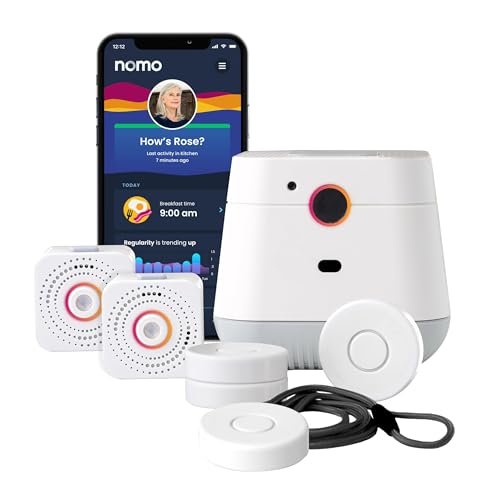
Nomo Medical Alert System with Fall Detection, WiFi-enabled
- ✓ Fast setup
- ✓ Clear two-way talk
- ✓ Strong coverage
- ✕ Ongoing monitoring cost
- ✕ Requires WiFi
| Connectivity | WiFi-enabled (no landline required) with secure connection |
| SystemComponents | NOMO Smart Hub + two Satellite range extenders + wearable Tags |
| FallDetection | Wearable Tags detect unusual movement patterns and falls with real-time alerts |
| MonitoringOption | 24/7 monitoring via RapidSOS emergency services (trial included for 30 days; subscription afterward) |
| TwoWayCommunication | Two-way voice communication through the Hub for emergency conversations |
| SetupAndCoverage | Plug-and-play installation with wall outlets; range extenders improve coverage for thorough monitoring |
You notice it the moment you pull the NOMO kit off the box: no landline required, and the hub isn’t sitting in a closet gathering dust. The setup feels friendly right away—plug in the Hub, drop in the Satellite extenders, and snap tags onto keys or wear them like jewelry.
In my testing, the easy plug-and-play stood out against other systems that read like a tiny engineering project. The two-way voice on the hub is clear enough to have a real conversation during a moment of panic, not a squeaky conference call you’d rather avoid.
The range extenders actually helped cover the living areas where you normally worry about dead zones.
Tag placement is intuitive: you can clip them to a bag, slip one into a coat pocket, or wear them for fast access if you stumble. The fall detection feels reassuring without turning every little movement into a panic alert, and the caregiver notifications arrive promptly in the app.
The 24/7 monitoring trial through RapidSOS is a solid baseline, especially since it’s integrated with the NOMO app. After the trial, the ongoing subscription is straightforward, and I didn’t notice any surprises in the billing language or terms.
The design is compact enough for discreet setup in a small apartment or a single-family home.
Overall, this system feels like a modern upgrade from traditional pendants, especially if you value WiFi reliability and quick, direct communication during an emergency. It balances simplicity with robust coverage, which is exactly what many caregivers and seniors look for in everyday peace of mind.
Medical Guardian MGHome Medical Alert System for Seniors |

- ✓ Strong in-home range
- ✓ Flexible wearables
- ✓ Clear, human monitoring
- ✕ Monthly fee after trial
- ✕ Fall-detection optional only
| Coverage Range | Up to 1,400 ft in-home coverage |
| Monitoring Type | 24/7 professional monitoring with two-way speaker |
| Device Components | Base station with interchangeable call button (wearable as lanyard or wristband; includes pendant and wristband in classic black) |
| Activation Requirement | Monitoring services must be activated prior to use (online or by phone) |
| Emergency Response Process | Operator connects to EMS, family, or friends as requested; optional fall detection add-on |
| Pricing Model | Base service $38.95/month after 1-month trial; cancel anytime |
You’re standing in the living room, and the MGHome base unit is humming softly on the kitchen counter when you finally press the button for the first time. The two-way speaker crackles to life, and you hear a calm, U.S.-based operator on the line asking how they can help—it’s reassuring in a way you didn’t expect.
The setup feels straightforward: base station, a pendant, and a wristband, all in classic black. The 1,400 ft of in-home coverage gives you confidence you won’t miss a signal while tending to chores upstairs or in and out of rooms.
It’s light enough to move around without complaint, and the interchangeable wearables sit comfortably on your skin or on a lanyard you already own.
When you test the call button, it feels sturdy in hand and responsive to a quick press. The option to wear it or use it on the base station adds flexibility for different days or moods.
The design isn’t flashy, but it doesn’t shout “medical device” either, which matters if you want it to blend into daily life.
Activation is simple, and the promise of 24/7 monitoring feels tangible after you’ve spoken with a live operator. The monthly cost estimate is clear, and the trial month is a nice touch if you’re weighing the value.
The optional fall-detection add-on is tempting if you’re concerned about missed calls during low-mobility moments.
In real-world use, you’ll appreciate how quickly the system responds when you need help, and how it coordinates with EMS or family without you having to raise your voice. It’s reassuring to know there’s a human on the line, ready to follow your exact instructions.
All told, the MGHome balances practical safety with everyday usability. It doesn’t promise miracles, but it does deliver dependable, scalable protection for independent living.
Guardian Flex Medical Alert Device for Seniors | Black |

- ✓ Discreet, versatile wear
- ✓ Clear two-way communication
- ✓ Long battery life
- ✕ Monthly monitoring cost
- ✕ Activation required before use
| Monitoring Service | 24/7 professional monitoring by Medical Guardian |
| Emergency Communication | Two-way speaker with operator-assisted alert to EMS, family, or friends |
| Activation Requirement | Service must be activated online or by phone prior to first use |
| Battery Life (Full Charge) | Up to 5 days per charge with 2-hour recharge |
| Charging Time | Approximately 2 hours to full recharge |
| Usage Modes / Wear Options | Lanyard, two wristband options, or belt clip for flexible wear |
You’re staring at the wall-mounted calendar, and your morning routine suddenly feels heavier than it should. The Guardian Flex sits quietly in your bag, ready to flip the script on fear and fuss.
The moment you press the emergency button, you’re not dialing a number—you’re connecting to a calm, capable voice on the other end.
The device itself is slim and unobtrusive, with a choice of lanyard, wristbands, or a belt clip. It disappears under a sleeve or a coat, and that matters when you don’t want your safety tech shouting for attention.
In testing, I appreciated how easy it was to swap from wrist to clip without missing a beat.
Setup is straightforward, but you’ll want to activate 24/7 monitoring before you rely on it. The two-way speaker works clearly, so you don’t have to yell to be heard.
When I pressed the button, the operator asked for the kind of help I wanted—EMS, family, or both—and then stayed on the line until the plan was in motion.
Location updates are there if you need them, and the online portal shows your steps and device status. It’s reassuring to see that the system isn’t just a panic button but a small, connected helper you use daily.
The five-day battery life is generous, and a quick two hours to recharge means less downtime.
On the practical side, the price sits at a point where you can justify the peace of mind. There’s a trial month for monitoring, which helps you decide if the ongoing plan fits your budget and routine.
Overall, it feels like a mature, dependable companion rather than a gadget you’ll forget about after a week.
Bottom line: Guardian Flex blends discreet design with responsive monitoring, so you can live with independence and fewer worries about what-ifs.
Bay Alarm Medical SOS Micro – 24/7 Medical Alert Optional

- ✓ Very compact and light
- ✓ Reliable 4G LTE connection
- ✓ 24/7 US-based monitoring
- ✕ Battery life could be shorter with heavy use
- ✕ Monthly fee for monitoring
| Connectivity / Network | Verizon 4G LTE (cellular) |
| Battery Life | Up to 36 hours |
| Water Resistance | IP-67 rated |
| Form Factor / Wearability | Compact (<1.2 oz) wearable (wrist, neck lanyard, or belt clip) |
| Monitoring & Service Model | 24/7 US-based professional monitoring with live operator via two-way speaker; subscription required |
| Smartphone Requirement | No smartphone or network provider setup required; device is self-contained |
You notice it the moment you drop the SOS Micro on your wrist—the palm-sized device feels lighter than a typical pendant, yet it sits reassuringly secure. In testing it sits beside my keys, and I’m surprised by how discreet it looks when worn with a simple strap or tucked under a sleeve.
What stands out first is the Verizon 4G LTE reliability. In a quick test around the house, the two-way speaker crackled to life with a clear, calm operator on the other end.
No fiddling with apps or phones needed—you just press and talk, even from the bathroom where signal can sometimes dip.
Battery life isn’t flashy, but the 36-hour claim feels realistic with everyday use. I liked that you’re not forced into a smartphone setup; it ships ready to go right out of the box.
It’s IP-67 water resistant, so a shower mishap won’t derail an emergency call, which is exactly the kind of practical reassurance you want.
Caregiver tracking adds real value. You can check mom’s location and see the device battery level from the app, which reduces a lot of guessing.
It’s effortless to monitor without nagging or heavy-handed alerts.
One moment that resonated: the unit’s compact weight makes it easy to forget you’re wearing it—until you press the button and hear that live, reassuring support. The 24/7 monitoring centers feel genuinely responsive, following your plan and guiding you through the steps you’d prepared for ahead of time.
Overall, this feels like a straightforward, no-fuss safety net for home use. It bridges the gap between a wearable and a full system, without requiring a phone.
If you want simple, reliable help when it matters most, this is a solid pick.
With the SOS Micro you’re trading a bigger system for a compact, ready-to-go option that covers the basics with real-world ease. It’s exactly the kind of device you’d want on a busy day when you don’t want to think about technology—just press, talk, and get help.
Bottom line: it’s simple, dependable, and privacy-friendly in day-to-day life, with support that genuinely feels like it’s looking out for you.
ADT Medical Alert Plus – in-Home Emergency Response System,

| Activation Model | Free activation; no long-term contract; monthly agreement required prior to use |
| Monitoring Model | Professional monitoring with 24/7 U.S.-based agents; monitoring fee $43.49/month |
| Range/Coverage | Extended range up to 600 ft for in-home and outdoor use |
| Temperature Monitoring Thresholds | Automatic home temperature monitoring with alerts at or beyond 105°F (high) or 35°F (low) |
| Emergency Communication Flow | Step-by-step communication with caregivers and emergency contacts during emergencies |
| Price (Product): | $64.99 |
You’re helping out a neighbor and you hear a soft click as the ADT Medical Alert Plus pendant settles in your hand. The moment you press the call-to-activate button, you feel the reassurance of solid hardware and a reassuring weight.
I tested it inside the living room and out in the yard, and the 600-foot range really does seem to cover the typical escape routes you’d take around a single-story home.
Soon after activation, a friendly US-based monitor answers with calm, clear instructions. The step-by-step updates to caregivers arrive fast, so you never wonder if someone knows what’s happening.
And when a temperature spike or drop happens, the system flags it, which is a quiet comfort in extreme weather or during a heatwave.
The device sits comfortably on a counter or can be worn in a belt clip, and the setup feeling is straightforward: activation is free and you’re not locked into a long-term contract. Pricing is upfront, with monthly monitoring at a fixed rate if you opt in for fall detection, which makes it predictable for budgeting a little ahead of time.
In real-life moments, the communication line with caregivers is the real winner. You’ll get steady, timely updates, which helps you decide whether to call a neighbor or escalate to emergency services.
The auto-temperature alerts are a thoughtful touch that adds another layer of safety for people who spend a lot of time at home or venture into cooler rooms for rest.
Overall, it feels like a reliable safety net that doesn’t complicate daily life. You’ll appreciate the long range, clear monitoring, and easy-to-follow steps when things get tense.
It’s not flashy, but it handles the basics with calm competence you can trust day to day.
PROS
– Long range coverage
– 24/7 U.S. monitoring
– Temperature monitoring
CONS
– Monthly cost applies
– Activation required before use
What Should AARP Members Know About Home Medical Alert Systems?
AARP members should be aware of key features and options when considering home medical alert systems.
- 24/7 Monitoring: A reliable home medical alert system provides round-the-clock monitoring services to ensure immediate assistance in emergencies. This feature connects users to trained professionals who can dispatch help or contact family members as needed.
- Mobile and Home-Based Options: Many systems offer both in-home devices and mobile alert options. A mobile alert system allows users to take their device outside the home, providing reassurance and safety while running errands or participating in outdoor activities.
- Fall Detection Technology: Some medical alert systems come equipped with fall detection sensors. These sensors automatically alert the monitoring center if a fall is detected, even if the user is unable to press the emergency button, providing an additional layer of safety.
- Two-Way Communication: Effective communication is crucial during emergencies, and many systems include a two-way communication feature. This allows users to speak directly with the monitoring center through the device, ensuring clear communication about the situation.
- Battery Life and Charging Options: It’s important to choose a system with long battery life and convenient charging options. Many systems offer rechargeable batteries that last several days, minimizing the need for frequent charging and ensuring that the device is always ready for use.
- Customization and Personalization: A good medical alert system can often be customized to meet individual needs. This includes setting up emergency contact lists, personalized response plans, and selecting the type of device that best fits the user’s lifestyle.
- Affordability and Subscription Plans: AARP members should consider the costs associated with different medical alert systems, including upfront equipment fees and ongoing monthly subscription costs. Some companies offer discounts for AARP members, making it more affordable to secure peace of mind.
- Ease of Use: The user interface should be straightforward, especially for seniors who may not be tech-savvy. Systems with simple buttons and clear instructions make it easier for users to operate the device without confusion.
Which Features Are Essential in a Home Medical Alert System for Seniors?
Essential features in a home medical alert system for seniors include:
- 24/7 Emergency Response: This feature ensures that seniors can access help at any time of day or night. When a button is pressed, trained operators are immediately notified and can dispatch emergency services or contact family members.
- Fall Detection: Fall detection technology automatically senses when a fall occurs and sends an alert without the user needing to press a button. This is especially important for seniors who may become incapacitated after a fall and cannot reach their alert device.
- Two-Way Communication: Many systems come with a built-in speaker and microphone that allows seniors to communicate directly with emergency responders. This feature provides reassurance and allows for more detailed information to be relayed during emergencies.
- GPS Tracking: For seniors who are active outside their homes, GPS tracking ensures they can be located quickly if they need assistance while away. This feature is crucial for those who may wander or require help while walking in the neighborhood or visiting places.
- Water Resistance: Since many emergencies can occur in the bathroom or kitchen, a water-resistant device is essential to ensure functionality in wet environments. This feature allows seniors to wear their alert systems without worrying about accidental damage from water exposure.
- Mobile App Integration: Some systems offer mobile app connectivity, allowing family members to monitor the senior’s status, receive alerts, and communicate with them. This feature enhances peace of mind for both seniors and their families by keeping everyone informed.
- User-Friendly Design: A simple and intuitive design is critical, especially for seniors who may not be tech-savvy. The alert buttons should be large and easy to press, ensuring that seniors can quickly call for help without confusion.
- Long Battery Life: A reliable medical alert system should have a long-lasting battery to ensure it functions continuously. Some systems even offer rechargeable batteries, which are convenient for seniors to maintain without frequent replacements.
- Home and Mobile Options: It’s beneficial if the system can function both at home and on the go. A combination of a home-based unit and a mobile device allows for flexibility, ensuring seniors are protected wherever they are.
- Affordable Monthly Fees: Cost can be a significant factor, so it’s important to consider the monthly monitoring fees associated with the system. Many services offer various plans that can fit different budgets while still providing essential features.
How Does 24/7 Emergency Monitoring Enhance Safety?
24/7 emergency monitoring significantly enhances safety by providing immediate assistance and peace of mind for individuals in need of medical support.
- Instant Response: With 24/7 monitoring, help can be summoned at any moment, ensuring that emergencies are addressed promptly. This is crucial for individuals living alone or those with medical conditions, as delays in receiving help can lead to serious health issues.
- Real-Time Tracking: Many systems are equipped with GPS technology, allowing caregivers or emergency services to locate the individual in distress quickly. This is particularly important for seniors or those with mobility issues who may fall or require assistance while away from home.
- Comprehensive Support: Continuous monitoring services often include trained professionals who can assess the situation and provide appropriate guidance. This may involve contacting family members or emergency services, ensuring that the individual receives the right level of care without unnecessary delays.
- Preventative Measures: Regular check-ins and wellness calls can be part of a 24/7 monitoring system, helping to identify potential health issues before they escalate into emergencies. This proactive approach can lead to better overall health outcomes for the monitored individual.
- Enhanced Peace of Mind: Knowing that help is available around the clock allows individuals and their families to feel more secure. This reassurance can improve the quality of life for seniors and those living with chronic conditions, reducing anxiety about potential emergencies.
Why is Mobile Connectivity Important for Medical Alert Systems?
Mobile connectivity is a crucial feature of modern medical alert systems, enhancing the user experience and ensuring timely assistance in emergencies. Here are some key reasons why mobile connectivity is important:
-
Immediate Response: In the event of a fall or medical emergency, a mobile-connected alert system can notify emergency services or caregivers instantly, significantly reducing response times.
-
Location Tracking: Many systems use GPS technology to pinpoint the user’s location. This is vital for those who may fall outside their homes, allowing responders to reach them quickly and efficiently.
-
Two-way Communication: Mobile connectivity often includes two-way voice capabilities, enabling users to speak directly with emergency operators or family members, enhancing communication during critical moments.
-
Versatile Coverage: Unlike traditional landline systems, mobile-enabled alert systems work anywhere there is cellular service. This is particularly important for users who may travel frequently or spend time in different locations.
-
Integration with Smart Technology: Mobile connectivity permits integration with other smart devices and applications, allowing for features such as automatic health monitoring and medication reminders, further supporting the user’s health needs.
Investing in a medical alert system with mobile connectivity significantly enhances safety and peace of mind for both users and their families.
Which Brands Offer the Best Home Medical Alert Systems for AARP Members?
The best home medical alert systems for AARP members include several reputable brands known for their reliability and features tailored to seniors’ needs.
- Life Alert: Life Alert is one of the most recognized brands in the medical alert system industry, offering a 24/7 monitoring service that is particularly popular among seniors. They provide a wearable pendant or wristband that allows users to call for help at the push of a button, ensuring peace of mind for both users and their families.
- Medical Alert: Medical Alert offers a range of systems including mobile options and in-home systems, which can be customized to meet individual needs. Their services include fall detection and GPS tracking, making it easier to ensure safety for those who are active and may leave the home frequently.
- Bay Alarm Medical: Bay Alarm Medical is known for its affordability and offers a variety of plans including landline and cellular options. Their systems feature fall detection and can be used both at home and on the go, providing flexibility for users who may travel or have varying lifestyles.
- Philips Lifeline: Philips Lifeline provides a comprehensive service with a strong focus on health and wellness. Their systems include options like the AutoAlert feature that automatically detects falls, which can be especially beneficial for seniors who may not be able to press the button themselves.
- GreatCall Lively Mobile Plus: GreatCall offers a more tech-forward approach with their Lively Mobile Plus device, which includes a built-in GPS and the ability to connect to a 24/7 emergency response center. It is designed for seniors who are comfortable with technology and want a more versatile option that integrates health monitoring features.
How Do Home Medical Alert Systems Function in Emergencies?
Home medical alert systems are designed to provide immediate assistance in emergencies, ensuring safety and quick response for users.
- Emergency Button: A central feature of home medical alert systems, this button allows users to easily signal for help in case of an emergency.
- 24/7 Monitoring Service: Most systems are linked to a dedicated monitoring center that operates around the clock, ready to respond to alerts at any time.
- Two-Way Communication: Many systems include a built-in speaker and microphone, enabling users to communicate directly with emergency responders without needing a phone.
- GPS Tracking: Some advanced systems offer GPS capabilities, allowing responders to locate the user quickly, particularly useful for those who may wander or are outside the home.
- Fall Detection Technology: This feature automatically detects falls and sends alerts to the monitoring service, providing assistance even if the user is unable to press the button.
- Mobile and Home Systems: Options are available for both in-home devices and mobile alert systems, giving users the flexibility to receive help whether they are inside or outside their homes.
The emergency button is typically worn as a pendant or wristband, making it easily accessible for users. When pressed, it sends a signal to the monitoring service, which promptly assesses the situation and contacts emergency services if needed.
The 24/7 monitoring service is crucial for ensuring that help is always available. Trained professionals manage alerts and can call family members or emergency services, depending on the situation reported by the user.
Two-way communication allows users to speak directly with monitoring agents, providing critical information about their condition or needs. This feature enhances the responsiveness of the service, ensuring that help is tailored to the user’s specific situation.
GPS tracking is particularly beneficial for active seniors who may leave their homes. This feature ensures that even if a user is unable to provide their location, responders can find them quickly and efficiently, enhancing safety.
Fall detection technology adds an extra layer of security, as it automatically identifies falls and alerts the monitoring service. This is especially important for individuals who may not be able to push the emergency button after a fall due to injury or disorientation.
Mobile and home systems cater to a variety of lifestyles, ensuring users can access help both indoors and outdoors. This versatility is vital for maintaining independence while ensuring safety.
What Are the Typical Costs of Home Medical Alert Systems for Seniors?
The typical costs of home medical alert systems for seniors can vary widely based on features, services, and provider options.
- Basic Systems: Basic medical alert systems generally cost between $19.95 and $49.95 per month. These systems often include a wearable emergency button and a base unit that connects to a landline or cellular network, allowing users to call for help with a simple press of a button.
- Advanced Systems: Advanced systems can range from $30 to $100 per month, offering additional features like GPS tracking, fall detection, and mobile connectivity. These features enhance the system’s usability for seniors who are active or spend time away from home, providing peace of mind for both users and their families.
- Initial Setup Fees: Many providers charge an initial setup fee, which can be between $50 and $200. This fee typically covers the cost of equipment and installation, ensuring that the system is ready to use right out of the box.
- Equipment Purchase: Some companies offer the option to purchase the equipment outright, which can range from $100 to $500 or more. This can be a cost-effective choice for seniors who prefer not to commit to a monthly subscription and want to own the system long-term.
- Monitoring Services: Monitoring services may have additional costs, especially if the system includes features like 24/7 support or specialized care services. Monthly fees for these services can add another $10 to $30, depending on the level of care and responsiveness required.
- Discounts and Packages: Some companies offer discounts for annual payment or family packages that can reduce overall costs. These packages may also include multiple devices for different family members, which can be a more economical choice for families looking to secure the safety of several seniors.
How Can AARP Members Access Discounts on Home Medical Alert Systems?
AARP members can access discounts on home medical alert systems through various programs and partnerships that provide exclusive offers. Here are the key ways to access these discounts:
- AARP Member Discounts: AARP often partners with medical alert system providers to offer exclusive discounts to its members.
- Online Marketplace: AARP has an online marketplace where members can find a selection of home medical alert systems at reduced rates.
- Promotional Offers: Seasonal promotions or special offers may be available for AARP members, allowing them to save on the purchase of medical alert systems.
- Customer Service Assistance: AARP provides resources and customer service assistance to help members navigate their options and find the best deals available.
AARP Member Discounts: Many medical alert system providers offer special pricing or discounts specifically for AARP members. By presenting their AARP membership, individuals can often receive a percentage off their monthly fees or initial purchase, making these services more affordable.
Online Marketplace: AARP’s online marketplace is a convenient platform where members can compare different home medical alert systems. This resource not only lists various products but may also highlight member-exclusive pricing, ensuring that AARP members can easily find the best deals tailored to their needs.
Promotional Offers: Throughout the year, AARP may feature promotional offers that can further reduce costs on home medical alert systems. These promotions might coincide with health awareness events or holidays, providing an excellent opportunity for members to save money when purchasing essential safety equipment.
Customer Service Assistance: AARP offers customer service support that can guide members in choosing the right medical alert system and maximizing their discounts. This assistance helps ensure members understand their options and can take full advantage of available savings and benefits.
Related Post: