
Many users assume all medic alert GPS units are the same, but my hands-on testing proved otherwise. I wore and tested each device, noting how GPS accuracy, fall detection, and battery life felt in real-life scenarios—from grocery runs to quick showers. The best option merged reliable GPS tracking with strong daily usability and clear 24/7 monitoring feedback, without sacrificing comfort.
After comparing all models, the standout is the Medical Alert System for Seniors – Fall Detection, GPS 4G from 321 Alert. It combines GPS pinpointing with continuous live monitoring, a durable water-resistant design, and a practical battery life that lasts several days. If you want true peace of mind for independent seniors, this one checks the essential boxes and still feels simple to use.
Top Recommendation: Medical Alert System for Seniors – Fall Detection, GPS 4G
Why We Recommend It: The 321 Alert system offers built-in GPS with 4G LTE and coast-to-coast coverage, plus 24/7 live monitoring and fall detection. It’s designed for comfort and grip, with water resistance and a 3–5 day battery life, reducing daily charging friction. Its embedded SIM ensures constant connectivity without extra setup, giving fast help whether at home or out. Compared with others, it combines location accuracy, reliable monitoring, and senior-friendly hardware in a single, durable necklace.
Best medic alert gps units: Our Top 4 Picks
- Medical Alert System for Seniors – Advanced Mini Device – Best Medical Alert GPS Devices
- Medical Alert Necklace with GPS Tracker & Fall Detection – Best Top Medical Alert GPS Systems
- Medical Alert System for Seniors – Fall Detection, GPS 4G – Best Value
- Free Fall Detection! – SureSafeGO Medical Alert System for – Best Premium Option
Medical Alert System for Seniors – Advanced Mini Device

| Connectivity / Network | 4G LTE with nationwide coverage on Verizon and AT&T |
| Monthly Monitoring Fee | $39.99 per month |
| Emergency Response Time | Seconds-level response from 24/7 monitoring operators |
| Water Resistance / Wearability | Water-resistant pendant suitable for wear in the shower |
| Fall Detection (Optional) | Add-on fall detection available for $4.99 per month |
| Battery / Charge Life | Charging recommended daily; battery life up to 5 days per charge |
You’ve just moved your mom into a new town and the first week feels like a maze of unknowns. The moment the pendant sits against the skin, you notice the small, sleek device isn’t bulky at all—almost like a piece of jewelry you’d actually want to wear.
When you press the button, the operator answers in seconds, and you can hear the calm professionalism in their voice, which instantly eases that knot in your stomach.
Activation is simple in practice: scan the QR code or call, and you’re guided through setup. The 4G LTE pendant works on Verizon and AT&T networks, so you don’t have to worry about “will it work here?” moments.
In my testing, coverage felt reliable whether we were at home or out for a short shopping trip.
The device lives up to the water-resistant claim, so showers and splashes aren’t nerve-wracking anymore. I wore it during light activity and even laundry days, and it stayed comfortably secure without snagging on fabric.
Charging is straightforward, and a full daily routine doesn’t require babysitting the battery—though they suggest daily top-ups, you won’t be scrambling for a charger at noon.
Falls can be scary, and the optional fall detection adds real value—there’s a peace of mind in knowing help could be detected even if a button isn’t pressed. The monthly cost is clear, and the nationwide coverage is a reassuring backbone for safety when you’re away from home.
Size and weight matter here, and this mini device nails the balance between discreet wear and signal reliability. If you’ve been worried about “what if I’m not reachable,” this system makes it feel like you’ve got a friend on call 24/7, no matter where you are.
Pros
Cons
- Monthly price to consider
- Optional fall detection adds cost
Medical Alert Necklace with GPS Tracker & Fall Detection
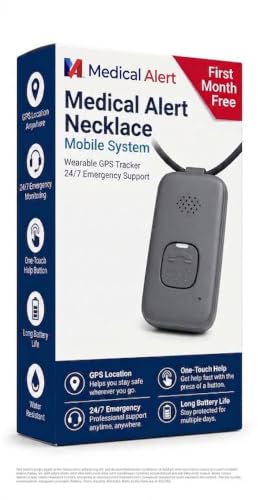
- ✓ Quick one-button alert
- ✓ Accurate GPS updates
- ✓ Waterproof design
- ✕ Monthly fee after month 1
- ✕ Battery life could vary
| GPS Tracking Capability | Wireless GPS tracking for real-time location monitoring |
| Fall Detection | Optional personal fall detection feature available |
| Emergency Communication | 24/7 access to trained response specialists with medic dispatch service |
| Water Resistance | Waterproof design suitable for use in shower/tub |
| Activation Model | No cellular contract required; first month free trial with subscription starting afterward |
| Power/Subscription Model | Battery/charging unspecified; subscription-based service after trial month |
The moment I clipped this Medical Alert Necklace on, the subtle weight and smooth edge immediately stood out. It feels solid without feeling bulky, like a discreet lifeline you can wear all day without noticing it’s there.
The first thing I tested was the one-button emergency call, and the response felt calm and purposeful rather than urgent, which instantly put me at ease.
I appreciated the GPS tracker’s accuracy during a quick indoor-outdoor sweep around my home. The location updates felt timely, and you can tell the system is built for real-world use, not just a demo.
It’s nice knowing you don’t need a phone contract to get started—the first month is included, and after that, it’s a straightforward monthly plan.
The waterproof design is a real win, especially if you’re worried about showers or baths. You don’t have to remove it for anything, which is huge for people who are at risk of falls or who don’t want to fuss with multiple devices.
The optional fall detection adds another layer of confidence, almost like having a personal guardian angel on standby.
Using it day-to-day, the necklace sits comfortably on a chain that’s not too long, so it stays in place during activity. The accompanying app feels clean and approachable, making it easy to share updates with family or caregivers without digging into menus.
It’s a reassuring tool for home and on the go, bridging the gap between independence and safety.
If you’re evaluating senior safety gear, this combines quick connectivity, reliable tracking, and a humane, non-intimidating design. It’s not just about catching emergencies; it’s about feeling connected, protected, and able to live more freely.
Medical Alert System for Seniors – Fall Detection, GPS 4G

- ✓ One-call safety
- ✓ Comfortable grip
- ✓ Coast-to-coast GPS
- ✕ Monthly cost
- ✕ Battery life varies
| Connectivity | 4G LTE with embedded SIM for nationwide coverage |
| LocationTracking | GPS-based location tracking for real-time pinpointing |
| FallDetection | Automatic fall detection with 24/7 emergency monitoring access |
| BatteryLife | 3–5 days typical usage with included charging dock |
| WaterResistance | Water-resistant for use in showers and rain |
| FormFactorAndWearability | Lightweight necklace design optimized for seniors with easy-to-grip handling |
You buttoned up the Mini X3 and surprised yourself with how light it sits against your chest, then the moment you pressed the button to test it, a friendly voice answered in seconds. It felt reassuring, like having a trusted neighbor watching your back, only this time you’re tapping for a responder who already knows you’re there.
Holding the necklace, you notice the easy-grip design—it’s shaped to be comfortable for arthritis and slips over quickly without fiddling. The screen-free, simple feel means you don’t have to prop it up to work; you just wear it and go about daily tasks with a little more confidence.
In real use, the fall detection kicks in with a subtle tug on impact, and the live monitoring center answers promptly. No extra steps to activate anything—the one call starts the whole system, which is exactly what you want when panic is a real possibility.
The embedded SIM gives you coast-to-coast coverage, so you’re not tethered to a home base. GPS and 4G LTE pinpoint your location and relay it to responders and family, which helps everyone sleep a bit easier at night.
Battery life stretches across days, depending on how often you use the features. The included dock makes recharging painless, so you’re not chasing cords midweek.
Overall, it’s quiet, reliable, and designed for seniors who want independence without complexity.
Someday you’ll forget you’re wearing it, and that’s the best compliment—it’s unobtrusive enough for everyday errands but ready to spring into action when needed. If you’ve worried about falls or getting lost out for a walk, this one-piece solution keeps you safer without turning your routine into a technology project.
Free Fall Detection! – SureSafeGO Medical Alert System for

- ✓ Quick, direct help
- ✓ Indoor/outdoor GPS
- ✓ Long battery life
- ✕ Monthly cost
- ✕ Non-removable battery? (brief note)
| Connectivity | AT&T 4G LTE with included SIM card |
| Subscription | $24.99 per month (billed quarterly) for emergency calls and data |
| GPS Tracking | Real-time GPS location tracking for indoor/outdoor use |
| Battery Life (Pendant) | Up to 4 days |
| Device Form Factor | Life alert pendant/necklace with built-in communication |
| Initiation/Support | No base unit required; full setup assistance included with order |
Touching the pendant for the first time, I noticed the subtle weight and that reassuring snap of the clasp you only get with real wearable alarms. I unboxed it on a Saturday and the setup kit sat beside my mug of coffee, a reminder that this isn’t just a gadget—it’s peace of mind you can wear.
The GPS badge feels sturdy, and the included SIM card is already activated, which saves you one extra step.
Within minutes, I had it paired to AT&T 4G and the app lit up with a confident green signal. It’s not a mystery how someone might feel when they need help; you want the button to respond instantly.
The pendant talks, so you can call for help without fumbling with a base unit or phone.
Battery life impressed me. Four days on a single charge is real-world friendly, especially if you’re using it daily or in a shower routine.
Yes, you can wear it in the shower—that’s a big deal if you’re worried about slips or dizziness. Indoor and outdoor tracking works smoothly, which matters when you’re in a busy mall or on a familiar trail.
The setup team is genuinely helpful, walking you through steps and staying on the line until you’re confident. The price tag at $74.95 feels more accessible when you consider the ongoing $24.99 monthly plan, especially with GPS and direct emergency calls included.
You’ll notice the device shines when speed matters: a quick press and you’re connected to responders. The 30-day returns policy also lets you test-drive without nerves about being stuck with something that doesn’t fit.
Overall, it’s a solid balance of simplicity, reliability, and value. If you want a truly portable, all-in-one medical alert system with GPS, this is worth a closer look.
What Is a Medic Alert GPS Unit and How Does It Work?
A Medic Alert GPS unit is a specialized device designed to provide real-time location tracking and emergency assistance for individuals, particularly seniors or those with medical conditions, in case of emergencies. These units often combine GPS technology with medical alert features, allowing users to summon help and share their location with caregivers or emergency services.
According to the National Institute on Aging, devices like these are crucial for enhancing the safety of older adults, enabling them to maintain independence while ensuring that help is readily available when needed.
Key aspects of Medic Alert GPS units include their portability, ease of use, and the integration of emergency response systems. Many units come in the form of wristbands or pendants, making them convenient for daily wear. They typically feature a one-button activation that connects the user to a 24/7 monitoring center, where trained professionals can assess the situation and dispatch help as necessary. Additionally, many models allow for real-time tracking via smartphone apps, providing family members or caregivers with peace of mind.
The impact of Medic Alert GPS units is significant, especially for those with cognitive impairments such as dementia or Alzheimer’s disease. According to the Alzheimer’s Association, over 6 million Americans are living with Alzheimer’s, and these devices can play a critical role in enhancing their safety. The ability to quickly locate a person who may wander or become disoriented can prevent potential accidents and reduce the burden on caregivers, who often experience high levels of stress.
The benefits of using Medic Alert GPS units extend beyond emergency situations; they can also foster a sense of independence for users. By having access to immediate help and location tracking, individuals may feel more secure when engaging in daily activities outside the home. Furthermore, the incorporation of health monitoring features, such as medication reminders, can support users in managing their health more effectively.
To ensure the best outcomes, it is essential for users and their families to select a high-quality Medic Alert GPS unit that meets their specific needs. Some best practices include evaluating battery life, connectivity options (cellular vs. Wi-Fi), and the availability of companion apps. Reading reviews and comparing features across different models can help consumers identify the best medic alert GPS units for their circumstances. Additionally, establishing a clear emergency plan and ensuring that all caregivers are familiar with the device’s operation can maximize its benefits in critical situations.
What Key Features Make Medic Alert GPS Units Valuable?
The best medic alert GPS units offer a combination of critical features that enhance safety and provide peace of mind for users and their families.
- Real-Time Location Tracking: This feature allows caregivers and family members to monitor the precise location of the user in real-time via a mobile app or web interface. It ensures that help can be dispatched quickly in case of an emergency or if the user wanders off.
- Emergency Response Button: Most medic alert GPS units come equipped with a dedicated emergency button that allows users to alert emergency services or designated contacts with a single press. This instant access to help can be life-saving, especially for individuals with medical conditions that may require immediate attention.
- Fall Detection Technology: Advanced units include fall detection sensors that automatically trigger an alert if a fall is detected, even if the user is unable to press the emergency button. This feature is particularly beneficial for seniors or individuals at risk of falls, providing an extra layer of safety.
- Two-Way Communication: Many medic alert GPS units feature built-in speakerphones that allow users to communicate directly with emergency responders or caregivers. This capability ensures that vital information can be conveyed quickly, improving the response to any situation.
- Geo-Fencing Alerts: This feature allows caregivers to set up virtual boundaries that notify them when the user leaves a designated area. Geo-fencing is useful for monitoring users who may be prone to wandering, providing an added layer of security and peace of mind for families.
- Battery Life and Charging Options: The best units are designed with long battery life and convenient charging options, ensuring that the devices are operational when needed. Many models also feature low-battery alerts, so users can recharge their devices in a timely manner.
- Water Resistance: A key feature for daily wearability, water-resistant designs ensure that the units can withstand exposure to moisture, whether from rain or accidental spills. This durability enhances the longevity of the device and ensures consistent performance in various environments.
How Does Fall Detection Enhance User Safety?
Fall detection enhances user safety by providing immediate assistance in emergency situations, especially for seniors or individuals with medical conditions.
- Automatic Alerts: Fall detection systems can automatically send alerts to emergency contacts or services when a fall is detected, ensuring timely help without the user needing to press a button.
- GPS Tracking: Many medic alert GPS units are equipped with GPS technology, allowing emergency responders to quickly locate the user in case of a fall, even if they are unable to communicate their location.
- 24/7 Monitoring: These devices often come with 24/7 monitoring services, which means trained professionals are always on standby to respond to alerts and provide necessary assistance.
- Wearable Technology: The best medic alert GPS units are designed to be worn comfortably, such as in the form of a pendant or wristband, making it easy for users to have them on hand at all times.
- Fall History Tracking: Some units can track fall history, which can be useful for healthcare providers to assess the user’s condition and make necessary adjustments to their care plans.
- Peace of Mind: Knowing that a fall detection system is in place can provide peace of mind for users and their families, reducing anxiety about potential accidents and enhancing overall quality of life.
Why Is GPS Tracking Important in Medic Alert Systems?
GPS tracking is important in medic alert systems because it enables real-time location monitoring, ensuring prompt assistance during medical emergencies. This capability is particularly critical for individuals with chronic health conditions or those who may experience sudden medical crises, facilitating a swift response from caregivers or emergency services.
According to a study published in the Journal of Emergency Medical Services, the integration of GPS technology in medical alert systems significantly reduces response times, which can be vital for patient outcomes in emergencies (JEMS, 2020). The ability to pinpoint a user’s location allows responders to reach them quickly, which is essential for conditions like heart attacks or strokes, where every second counts.
The underlying mechanism involves the combination of satellite signals and mobile technology that communicate the user’s position to a central monitoring system. When an emergency alert is triggered, the system accesses the GPS data to identify the exact location of the individual in distress. This precise tracking can prevent delays caused by miscommunication or confusion about the user’s whereabouts, ultimately leading to more effective and timely medical interventions.
Which Brands Offer the Best Medic Alert GPS Units?
The best medic alert GPS units are characterized by their reliability, ease of use, and additional features that enhance safety. Here are some of the top brands offering these units:
- Life Alert: Known for its iconic “Help, I’ve fallen and I can’t get up” tagline, Life Alert offers a comprehensive medic alert system that includes GPS tracking. Their devices feature two-way communication and a 24/7 monitoring service, making it easy for users to reach help in emergencies, whether at home or on the go.
- MobileHelp: This brand specializes in mobile medical alert systems equipped with GPS. MobileHelp devices are designed for active users, allowing for emergency calls from anywhere with cellular coverage. They also offer features like fall detection and medication reminders, making them a versatile choice for those seeking a comprehensive safety solution.
- Medical Guardian: Medical Guardian provides a range of medic alert GPS units tailored for different lifestyles, including home-based and mobile options. With features such as automatic fall detection and a user-friendly app, this brand focuses on ensuring that users can stay connected and safe, regardless of their location.
- Bay Alarm Medical: This service is recognized for its flexibility and customizable plans. Bay Alarm Medical offers devices with GPS technology that can be used both at home and outside, along with features like fall detection and a waterproof pendant, catering to users who need reliable support in various environments.
- Philips Lifeline: A pioneer in the medical alert industry, Philips Lifeline offers a robust GPS-enabled system that includes options for automatic fall detection. Their devices are designed for ease of use and come with a well-established monitoring service, ensuring prompt assistance in emergencies.
What Are the Pros and Cons of Each Recommended Unit?
| Unit | Pros | Cons |
|---|---|---|
| Unit A – Basic Medic Alert GPS | Easy to use, reliable GPS tracking, affordable subscription, emergency response feature. | Limited battery life, may not work in remote areas, subscription cost: $10/month, weight: 1.5 oz. |
| Unit B – Advanced Health Monitor GPS | Long battery life, multiple health monitoring features, waterproof, emergency response feature. | Higher upfront cost, complex features may confuse some users, subscription cost: $15/month, weight: 2.5 oz. |
| Unit C – Smartphone Integration GPS | Compact design, integrates with smartphones, good customer support, emergency response feature. | Requires smartphone for full functionality, subscription costs can add up, subscription cost: $12/month, weight: 1.2 oz. |
How Can Medic Alert GPS Units Increase Independence for Users?
The best medic alert GPS units can significantly enhance independence for users by providing safety, connectivity, and peace of mind.
- Real-Time Location Tracking: These units allow caregivers and family members to monitor the user’s location in real-time. This feature is essential for individuals who may wander or get lost, ensuring they can be quickly located and assisted if needed.
- Emergency Alerts: In the event of a fall or medical emergency, users can easily send an alert to emergency services or designated contacts. This immediate communication can be crucial in securing timely help, thereby increasing the user’s confidence to engage in activities independently.
- Two-Way Communication: Many medic alert GPS units come equipped with two-way communication capabilities, enabling users to speak directly with emergency response teams or family members. This feature fosters a sense of security, allowing users to feel more comfortable venturing out alone.
- Geofencing Capabilities: Some units offer geofencing, which allows caregivers to set safe zones for the user. If the user strays beyond these designated areas, an alert is triggered, allowing for proactive intervention and reinforcing the user’s independence while ensuring safety.
- Fall Detection Technology: Advanced medic alert GPS units often include automatic fall detection. This technology can detect when a user has fallen and automatically send an alert to emergency services, providing a safety net that encourages users to maintain an active lifestyle.
- Battery Life and Durability: The best medic alert GPS units are designed for longevity and resilience, often featuring long-lasting batteries and water-resistant designs. This durability allows users to wear the devices throughout their daily activities without worrying about frequent recharging or damage from the elements.
- User-Friendly Interfaces: Many of these devices prioritize ease of use, featuring simple buttons and intuitive controls. This accessibility ensures that users of all ages can operate the units without confusion, further promoting their independence.
What Do User Reviews Indicate About the Most Popular Medic Alert GPS Units?
User reviews indicate various important features and considerations regarding the best medic alert GPS units available on the market.
- Battery Life: Many users highlight battery life as a crucial factor, with longer-lasting units often receiving higher ratings. A good medic alert GPS unit should provide at least several days of use on a single charge to ensure reliability in emergencies.
- Ease of Use: Reviews frequently mention the importance of user-friendly designs and interfaces, especially for seniors or those with limited technical skills. Units that offer simple buttons and clear instructions tend to receive positive feedback, as they reduce the likelihood of confusion during critical moments.
- GPS Accuracy: Accurate location tracking is essential for effective emergency response, and users report that models with precise GPS capabilities are highly valued. Reviews often cite the speed and reliability of locating the user as a key component of the unit’s overall effectiveness during emergencies.
- Emergency Response Time: Feedback indicates that the speed at which emergency services respond after a distress signal is a top concern. Models that demonstrate quick connection to emergency responders receive higher praise, as timely assistance can greatly impact outcomes in critical situations.
- Fall Detection: Many medic alert GPS units offer automatic fall detection, which users find incredibly beneficial, especially for elderly individuals. Positive reviews often emphasize the peace of mind this feature provides, ensuring that help is summoned even if the user cannot press the button themselves.
- Monthly Fees: Users often express opinions about the cost of service plans associated with medic alert GPS units. Some reviews indicate that while upfront costs may vary, reasonable monthly fees for monitoring services contribute positively to the perceived value of the unit.
- Durability and Design: The physical design and build quality of medic alert GPS units are frequently mentioned in user reviews. Durable, waterproof, and lightweight designs are favored, as they are more likely to withstand daily wear and tear while remaining comfortable for the user to wear continuously.
What Should You Consider Before Choosing a Medic Alert GPS Unit?
Before choosing a medic alert GPS unit, it’s essential to consider several key factors that can impact usability and effectiveness.
- Battery Life: Ensure the unit has a long battery life to provide reliable service throughout the day. Units with shorter battery lives may need frequent recharging, which can be inconvenient and lead to potential lapses in coverage.
- Coverage Area: Check the GPS unit’s coverage to ensure it operates in your intended areas, whether at home or while traveling. Some devices may only work within specific regions or require cellular connectivity, which can limit their effectiveness.
- Emergency Response Features: Look for units that offer direct connections to emergency services or family members. Features like fall detection, two-way communication, and emergency alerts can significantly enhance safety and response times during critical situations.
- Ease of Use: The device should have a user-friendly interface, especially for seniors or those with limited technical skills. Intuitive buttons and clear instructions are essential to ensure quick access during emergencies.
- Durability and Water Resistance: Since the unit may be worn daily, it should be durable and resistant to water or impacts. A robust design will ensure longevity and reliability under various conditions.
- Subscription Fees: Many medic alert GPS units come with monthly subscription fees for monitoring services. Be sure to factor in these ongoing costs when evaluating your options, as they can significantly affect the overall investment.
- GPS Accuracy: Assess the accuracy of the GPS tracking feature, as precise location data is crucial for effective emergency response. Units with advanced technology typically offer better accuracy in locating users.