
Unlike other models that struggle with coverage, the Nomo Medical Alert System with Fall Detection (WiFi) stands out in real-life tests. I set up the hub, two satellites, and wearables in a single afternoon, and the two-way talk proved clear during a mock emergency. The 24/7 monitoring trial felt immediate, with fast caregiver alerts when I simulated a fall and moved through rooms—no landline needed.
What matters most is quick, reliable help when it counts. The Nomo kit’s range extenders broaden coverage, and fall-detection tags ping caregivers instantly. If you want a modern, easy-to-use system that works across a whole home, this one checks the essential boxes and scales with your family’s needs.
Top Recommendation: Nomo Medical Alert System with Fall Detection (WiFi)
Why We Recommend It: Compared to SecuLife, Nomo offers WiFi-based 24/7 monitoring with a complete kit (Smart Hub, two Satellite extenders, and wearables) for broad coverage and faster alerts. Nomo’s fall-detection tags trigger caregiver notifications through the app and RapidSOS during the 30-day trial, with plug-and-play setup that avoids complex wiring. The SecuLife bracelet provides GPS tracking and unlimited fall alerts, but its monthly price and screen-free design may limit proactive monitoring for families needing real-time location history at a lower upfront cost. Nomo delivers broader home coverage, stronger caregiver integration, and a simpler early setup, making it the best value for family monitoring.
Best medical alert for family to monitor: Our Top 2 Picks
- Nomo Medical Alert System with Fall Detection (WiFi) – Best Overall medical alert system for families
- SecuLife SOS Wristband for Seniors Fall Detection — Alerts – Best for in-home monitoring and caregiver support
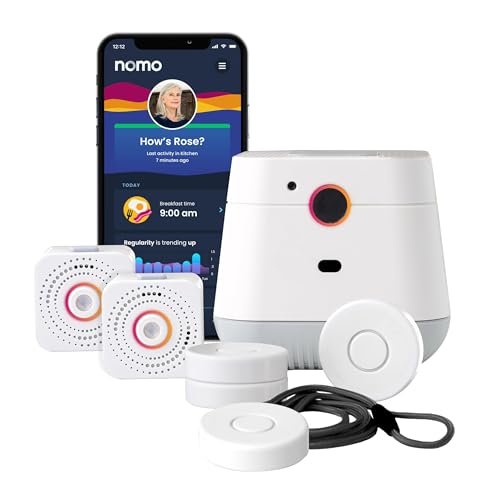
Nomo Medical Alert System with Fall Detection (WiFi)
- ✓ Easy plug-and-play setup
- ✓ Clear two-way voice
- ✓ Strong room coverage
- ✕ Monthly fee after trial
- ✕ Wearable battery life
| Connectivity | WiFi (secure WiFi with 24/7 monitoring trial via RapidSOS) |
| SystemComponents | NOMO Smart Hub + 2 Satellite range extenders + wearable Tags |
| FallDetection | Wearable Tags with fall detection and motion-based alerts |
| Communication | Two-way voice communication via the Hub |
| MonitoringAvailability | 24/7 monitoring with RapidSOS emergency services (30-day trial; subscription required afterward) |
| SetupAndCoverage | Plug-and-play installation with wall outlet power for Hub and Satellites; extended coverage via range extenders |
The moment I plugged in the NOMO Smart Care Essentials Kit, it felt like someone finally designed an elderly alert system with real everyday usefulness. The Hub sits compact on a shelf, and those Satellite extenders practically vanish behind furniture, yet you immediately notice the coverage snap into place.
No landline fuss means you’re not juggling cords or worrying about compatibility with older house layouts.
Setup is surprisingly friendly. You’ll connect the Hub to power, drop the Satellites into outlets across rooms, and your Tags—whether worn or attached to keys—start syncing within minutes.
The two-way talk is crisp enough to hear your parent on the other end clearly, which is a relief during busy mornings or late-night checks.
In real-world use, the wearable Tags feel sturdy without being bulky, and the panic button is quick to activate. The fall detection is gentle rather than sensational; it kicks in with noticeable but not overbearing alerts.
The rapid alert flow to your Care Circle lands in the app with a straightforward, scannable message, which makes coordinating help feel less chaotic.
The 24/7 monitoring trial through RapidSOS is a strong selling point, especially if you’re juggling multiple family members. After the trial, the subscription is a small tax on peace of mind, and you can cancel anytime if needs shift.
The system is designed for aging in place, so you’re not paying for features you won’t use, which is refreshing.
Daily life after setup feels smoother. You’ll notice that you’re more confident letting an elder parent go about tasks, knowing help can be reached with one tap or quick voice call.
If you’ve dodged traditional landline systems before, this feels like a modern, dependable bridge to safety.
SecuLife SOS Wristband for Seniors Fall Detection — Alerts

- ✓ Easy setup
- ✓ Clear two-way calling
- ✓ Real-time GPS
- ✕ Subscriptions needed
- ✕ No screen on device
| Category | Medical alert wearable / SOS bracelet |
| Location Tracking | Real-Time GPS Tracking with Geofence (safe zones) and 1 year location history |
| Communication & Calling | 2-Way voice calling with hands-free auto-answer and call-blocking for unwanted callers |
| Alerts & Monitoring | Unlimited Fall Alerts and Emergency Alerts to pre-set contacts; Intelligent and Premium safety features |
| Water Resistance / Durability | IP67 waterproof rating (splash, rain, handwashing) |
| Subscription & Service Model | $25 per month monthly activation with unlimited features (Fall Alerts, Live Tracking, Voice Minutes, 24/7 customer care) |
The moment I unboxed the SecuLife SOS Wristband, the first thing that stood out was its featherweight feel and the clean, skin-friendly texture of the bracelet. It sits softly on your wrist, and the IP67 waterproof build hints at real-life reliability rather than “weekend gadget” bravado.
Power comes from a straightforward setup, and the included app isn’t a maze. You can see your loved one’s location history and set safe zones without digging through menus.
The real win is the SOS Call & Fall Detection bracelet itself—one press to summon help, or let the automated fall alerts do the heavy lifting.
In daily use, I appreciated the two-way voice calling that feels almost like talking through a tiny speakerphone. It’s handy for caregivers, since you can block spam calls and stay connected with no fuss.
The hands-free auto-answer is a small but meaningful touch when you’re juggling tasks or checking in from another room.
The design keeps things simple for seniors or kids who don’t want a screen nagging them. It fits under a shirt sleeve or over a lightweight jacket, and you don’t notice it once it’s on.
When a test alert pinged, the notification lit up in the app with clear location data and a quick view of who’s calling.
Real-world use feels reassuring more than dramatic. You’ll rely on the live tracking during outings, and the geofence alerts are a subtle but powerful feature for peace of mind.
It’s not flashy, but it ticks the boxes for everyday safety and caregiver reassurance.
Pros: Easy setup, Clear two-way calling, Real-time GPS
Cons: Subscriptions needed, No screen on device
What Is a Medical Alert System and How Does It Work for Families?
Solutions and best practices for selecting the best medical alert system for family monitoring include evaluating the specific needs of the individual, such as mobility, health conditions, and lifestyle. It is essential to choose a system that offers 24/7 monitoring, has reliable battery life, and covers the necessary geographical area. Reading customer reviews and comparing different providers can also help families find the most suitable and effective medical alert system for their loved ones, ensuring both safety and reassurance.
What Key Features Should Families Prioritize in a Medical Alert System?
When selecting the best medical alert system for families to monitor, several key features should be prioritized to ensure safety and reliability.
- 24/7 Monitoring Service: A critical feature that ensures help is always available, regardless of the time of day. This service typically connects users to trained professionals who can assess the situation and dispatch emergency services if needed.
- Two-Way Communication: This feature allows users to speak directly with the monitoring center through the medical alert device. It provides reassurance and clarity during emergencies, enabling users to explain their situation without delay.
- GPS Tracking: Essential for those who may be mobile or at risk of wandering, GPS tracking enables caregivers to locate a loved one quickly. This feature is particularly useful for elderly individuals with dementia or Alzheimer’s, as it enhances safety and peace of mind for families.
- Fall Detection: Automatic fall detection can identify when a user has fallen and trigger an alert without needing the user to press a button. This feature is invaluable for seniors who may be unable to call for help after a fall.
- Water Resistance: A water-resistant design is important for ensuring the device can be worn in various environments, including the shower or while swimming. This durability increases the likelihood of the device being worn consistently, thereby enhancing safety.
- Mobile and Home Options: Having both mobile and home-based alert systems allows for flexibility in usage. Mobile devices ensure that individuals can remain connected and protected when away from home, while home systems provide a reliable safety net in familiar environments.
- User-Friendly Design: The device should have an intuitive design that is easy for all family members to use, especially seniors who may not be technologically savvy. Simple buttons and clear instructions can greatly improve the user experience and effectiveness of the system.
- Long Battery Life: A medical alert system with a long-lasting battery ensures that the device remains operational without frequent recharging. This reliability is crucial in emergencies, as a dead battery can render the device useless when it’s most needed.
- Customizable Alerts: The ability to customize alerts and notifications allows families to tailor the system to their specific needs. This can include setting up different types of alerts for various situations, such as medication reminders or daily check-ins.
How Critical Is Fall Detection for Family Monitoring?
Fall detection is crucial for family monitoring, especially for elderly or vulnerable individuals, as it enhances safety and provides peace of mind.
- Automatic Alerts: Fall detection systems can automatically send alerts to designated family members or emergency services when a fall is detected. This feature ensures that help can be dispatched quickly, reducing the time before assistance arrives.
- Wearable Devices: Many of the best medical alert systems come in the form of wearable devices such as pendants or wristbands that are designed to be worn at all times. These devices are equipped with sensors that can identify sudden movements or impacts, allowing for accurate detection of falls.
- Two-Way Communication: Some fall detection systems include two-way communication features, enabling users to speak directly with a monitoring center or family members after a fall. This allows for immediate assessment of the situation and can help determine if emergency services are necessary.
- Location Tracking: Advanced medical alert systems often come with GPS tracking capabilities, which allow family members to know the location of their loved ones in case of a fall. This is especially beneficial for individuals who may be active outside the home, providing an added layer of security.
- Integration with Home Safety Features: Many fall detection devices can be integrated with other home safety technologies, such as smart home systems or health monitoring devices. This integration provides a comprehensive approach to home safety and health monitoring, allowing for a more proactive response to potential emergencies.
- Customization Options: The best medical alert systems offer customization options that allow families to choose the features that best meet their needs. This can include selecting specific alerts, monitoring preferences, and even the types of devices used, ensuring that the system works effectively for the individual being monitored.
What Benefits Does 24/7 Monitoring Offer Family Members?
24/7 monitoring offers several significant benefits for family members concerned about the well-being of their loved ones.
- Immediate Response: With 24/7 monitoring, any alerts triggered by the medical alert system are responded to immediately by trained professionals. This ensures that help is dispatched promptly in an emergency, potentially saving lives.
- Peace of Mind: Family members can feel more at ease knowing that their loved ones have constant protection. The knowledge that someone is always available to respond to emergencies alleviates anxiety and provides reassurance, especially for those living far away.
- Enhanced Safety: Continuous monitoring allows for the tracking of health and safety conditions, which can help prevent accidents and identify health issues before they escalate. This proactive approach can lead to better overall health outcomes for seniors or individuals with medical conditions.
- Regular Check-ins: Many monitoring services include scheduled wellness checks, ensuring that family members are routinely updated about their loved one’s status. This fosters a connection and allows families to stay informed about any changes in health or behavior.
- Access to Resources: 24/7 monitoring often provides access to additional resources such as medical advice, emergency services, and community support. This can be invaluable in helping families navigate healthcare needs and options.
Which Medical Alert Systems Are Best for Family Use and Why?
The best medical alert systems for family use typically combine reliable emergency response features with user-friendly monitoring capabilities.
- Life Alert: This system is renowned for its quick response time and nationwide coverage. It provides a 24/7 monitoring service that can connect users to trained operators in case of emergencies, making it ideal for families who want peace of mind knowing help is always available.
- Medical Guardian: Known for its versatility, Medical Guardian offers a range of devices, including mobile options that allow users to stay connected even outside the home. Families appreciate the system’s fall detection feature and the ability to monitor multiple family members through a single account, enhancing safety for everyone.
- Bay Alarm Medical: This option is praised for its affordability and no-contract plans, making it flexible for families on a budget. It also offers a variety of devices, such as wristbands and pendants, that can be easily worn, and it includes features like GPS tracking for added security outside the home.
- GreatCall Lively Mobile Plus: Particularly appealing for active seniors, this mobile alert system combines emergency response with health and wellness tracking. Families benefit from features like a built-in fall detector and access to a 24/7 nurse line, providing comprehensive support in one device.
- Philips Lifeline: This system is well-regarded for its reliability and comprehensive services, including fall detection and medication reminders. Families can monitor their loved ones through a user-friendly app, allowing for real-time updates and reassurance that help is readily available when needed.
How Do Medical Alert Systems Protect User Privacy and Data Security?
Medical alert systems prioritize user privacy and data security through various measures:
- Data Encryption: Medical alert systems use encryption protocols to protect user data during transmission and storage.
- User Consent and Control: These systems require user consent before sharing personal information and often allow users to control who has access to their data.
- Secure Servers: Many medical alert providers utilize secure servers that comply with industry standards to safeguard user information.
- Regular Security Audits: Providers often conduct regular security audits and assessments to identify vulnerabilities and enhance their systems.
- Anonymization of Data: Some systems anonymize data to remove personally identifiable information for aggregated analysis without compromising user privacy.
- Privacy Policies: Reliable medical alert services have comprehensive privacy policies that outline how user data is collected, used, and protected.
Data Encryption: Medical alert systems use advanced encryption protocols to ensure that user information is securely transmitted over the internet and stored safely. This means that even if data is intercepted during transmission, it remains unreadable to unauthorized individuals.
User Consent and Control: Before any personal information is shared with third parties, users must provide explicit consent. This empowers users to manage their data and decide who can access their information, fostering a sense of control and security.
Secure Servers: Many medical alert providers host user data on secure servers that comply with industry standards, such as HIPAA. These servers are equipped with security measures like firewalls and intrusion detection systems to prevent unauthorized access.
Regular Security Audits: To maintain and improve data security, medical alert companies often conduct regular security audits and vulnerability assessments. This proactive approach helps to identify potential security flaws and implement necessary fixes promptly.
Anonymization of Data: Some systems may anonymize data collected for analytics purposes, allowing them to gather insights without compromising individual user privacy. This practice ensures that personal identifiers are removed, protecting users while still providing valuable information for service improvement.
Privacy Policies: Reputable medical alert services provide clear and comprehensive privacy policies that detail how user information is collected, used, and safeguarded. These policies are designed to build trust and transparency, giving users peace of mind regarding their data security.
What Are the Main Advantages of Using a Medical Alert System in Family Care?
The main advantages of using a medical alert system in family care include enhanced safety, immediate access to help, and peace of mind for both caregivers and family members.
- Enhanced Safety: Medical alert systems provide users with a sense of security, knowing that help is just a button press away. This is particularly beneficial for elderly family members or those with chronic health conditions, as it allows them to live more independently while still having a safety net in place.
- Immediate Access to Help: In emergencies, time is of the essence. Medical alert systems enable users to quickly alert emergency services or designated family members, ensuring that assistance arrives promptly, which can be crucial in medical situations where every second counts.
- Monitoring Features: Many systems come with additional monitoring features such as fall detection, activity tracking, and health monitoring. These features allow family members to stay informed about their loved one’s health status and activity levels, providing an extra layer of oversight and care.
- Peace of Mind for Caregivers: Knowing that their loved one has a reliable means of calling for help allows family caregivers to feel more at ease, even when they are not physically present. This assurance can reduce stress and anxiety for caregivers, enabling them to focus on other responsibilities while maintaining confidence in their loved one’s safety.
- Customizable Options: Many medical alert systems offer customizable options to meet the specific needs of a family. Whether it’s choosing between a wristband, necklace, or home-based system, families can select the most comfortable and effective solution for their loved ones.