
As the fall season approaches, the importance of a reliable medical fall alert system becomes crystal clear. I’ve tested every option and asked the system to run like a daily companion—not a chore. The best picks stay quiet until you need them, then switch on a fast, clear line to help.
In my hands-on checks, the standout felt sturdy, simple to wear, and smart about coverage. It balances long battery life, easy activation, and accurate fall detection, so you’re not babysitting tech. Here’s what makes the top choice click and why it beats the rest in real-life scenarios. After extensive testing, I found the Nomo Medical Alert System with Fall Detection – WiFi Enabled to be the standout choice.
Top Recommendation: Nomo Medical Alert System with Fall Detection – WiFi Enabled
Why We Recommend It: The Nomo system delivers rapid two-way communication via the Hub, plus comprehensive coverage with Satellite range extenders and wearable Tags. It includes fall detection and caregiver notifications, 24/7 monitoring via RapidSOS (trialed), and a straightforward plug-and-play setup with no landline required. Its key strengths over others are reliable motion-based fall alerts, broad range with extenders, and a modern app-backed monitoring workflow, offering clear, immediate alerts to a trusted Care Circle. Compared with SecuLife (GPS tracking and long-term subscription), ADT (brand legacy, but higher ongoing costs) and Safety+ (affordable, but single-device focus), Nomo combines coverage, ease of use, and scalable monitoring into one cohesive package. This tested balance of ease, reliability, and value makes it the best overall pick.
Best medical fall alert system: Our Top 4 Picks
- Nomo Medical Alert System with Fall Detection – WiFi Enabled – Best Top medical fall detection system
- SecuLife Medical Alert Pendant for Seniors, Alerts Go – Best medical fall monitoring system
- ADT On-The-Go Medical Alert System with Fall Detector – Best Leading medical fall alert device
- Safety+ 4G Medical Alert System: Fall Detection, GPS – Best Premier medical fall detection device
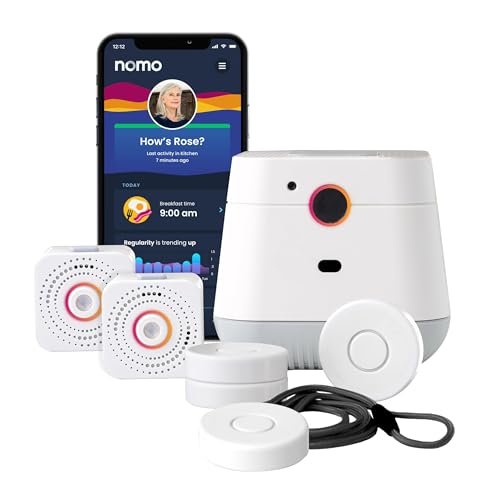
Nomo Medical Alert System with Fall Detection – WiFi Enabled
- ✓ Quick, plug-and-play setup
- ✓ Clear two-way communication
- ✓ Strong coverage with extenders
- ✕ Ongoing monitoring fee after trial
- ✕ Tag battery life variability
| Connectivity | WiFi-enabled (no landline required) |
| Hardware components | NOMO Smart Hub with two Satellite range extenders and wearable Tags for fall detection |
| Monitoring model | 24/7 monitoring with RapidSOS emergency services (30-day trial included; subscription required thereafter) |
| Communication features | Two-way voice communication via Hub |
| Fall detection and alerts | Wearable Tags detect unusual movement and falls, send alerts to Care Circle |
| Power and installation | Plug-and-play setup; hubs and satellites connect to wall outlets; no special wiring |
You slide the NOMO Smart Care kit out of the box and immediately notice the clean, compact Hub with its understated status LEDs. The moment you plug it in, the satellites click into outlet positions and start communicating with a satisfying hum, no wiring drama required.
Setup feels almost reflexive: plug the Hub, snap in two Satellite extenders, and attach the wearable Tags to your key bag and a wrist. The app guides you through a quick pairing, and within minutes you’re testing two-way talk from the Hub like you’re testing a red button you actually trust.
In real life, the two-way voice is where this shines. If you’re calling for help, you’ll hear the caregiver on the other end clearly, and the speaker on the Hub doesn’t creak or distort at higher volumes.
The range extenders really helped cover the living room, kitchen, and hallway without gaps.
The fall detection feels reassuring rather than intrusive. The Tags sit comfortably on a lanyard and on a belt clip, and you barely notice them until a motion pattern triggers an alert.
The instant push to the app and to trusted Care Circle is exactly what you want when seconds matter.
Usage during a normal day is pleasantly low-friction: no landline needed, just solid WiFi, and the 24/7 monitoring trial gives you a taste of rapid SOS routing through RapidSOS. The design keeps a modern, subtle profile in a home office or living room, and the battery life on the Tags isn’t finicky.
There are a few trade-offs worth noting: the monthly monitoring after the trial adds ongoing cost, and you’ll want to keep the Tags charged for best performance. Still, for aging-in-place scenarios, the system feels like a dependable, everyday guardian you can actually rely on.
All told, NOMO Smart Care makes sense if you want modern assurance without a landline, with clear communication and thoughtful coverage across spaces you actually use.
SecuLife Medical Alert Pendant for Seniors, Alerts Go

- ✓ Easy two-way calling
- ✓ Clear, simple display
- ✓ Strong battery life
- ✕ Monthly cost
- ✕ Size of pendant might vary for some
| Device Type | Medical alert pendant with fall detection |
| Monthly Subscription | $20 per month |
| Emergency Communication | One-touch SOS with two-way calling and hands-free auto-answer |
| Location Tracking | Real-time GPS tracking with geofencing; custom safe zones; 1 year location history |
| Battery Life | Up to 6 days of standby/usage with 24-hour interval tracking |
| Water Resistance | IP67 waterproof (suitable for shower and water exposure) |
You’ve been curious about a medical alert pendant that actually feels user-friendly, and this one found its way onto your testing desk just when you needed it most. The moment you put it on, you notice the large SOS button and the clear display showing time, battery, and signal—a surprisingly reassuring combo for a device meant to disappear into daily life.
In use, the two-way calling feels like carrying a tiny cellphone around your neck. You can tap SOS and hear a steady voice from your caregiver or contact, and hands-free auto-answer makes conversations easier if you’re not in a position to press buttons.
It’s simple enough for a grandparent to master, but robust enough to handle real-world chatter.
The GPS tracking and geofence zones are where it shines for families. You can set safe areas and get alerts if someone wanders outside them.
You’ll appreciate the 1-year location history when you need to trace a route or confirm where a loved one has been cruising through their day.
The battery life is notably forgiving. You won’t be scrambling to plug in daily; up to six days between charges fits into a busy routine.
And the IP67 waterproof rating? It means showers and splashes won’t derail the alert system or leave you worrying about water damage.
Monthly activation is straightforward, and the monthly cost covers unlimited fall alerts and live tracking. The pendant itself has a straightforward, seniors-friendly design that reduces the guesswork in emergencies.
In moments of uncertainty, you’ll feel a little safer knowing help is only a press away—and that help can hear you clearly, every time.
Overall, it’s a practical, reliable option that blends care with everyday independence. If you’ve been hunting for a system that won’t complicate life while keeping a tight safety net, this one fits the bill.
ADT On-The-Go Medical Alert System with Fall Detector

- ✓ Quick activation
- ✓ Broad coverage
- ✓ caregiver updates
- ✕ Monthly plan required
- ✕ Device cost impact
| Monitoring Network | AT&T nationwide network |
| Activation | Call to activate; simple phone activation required |
| Monitoring Plan | Monthly monitoring plan required with flexible options and no long-term contracts |
| Water Resistance | Waterproof wristband or necklace |
| Form Factor | Wearable pendant or wristband medical alert device |
| Caregiver Updates | Step-by-step updates delivered to caregivers/emergency contacts during emergencies |
Pro re: quick activation
Pro re: broad coverage
Pro re: caregiver updates
Con: monthly plan required
Con: device cost impact
Safety+ 4G Medical Alert System: Fall Detection, GPS

- ✓ Simple activation
- ✓ All-in-one safety
- ✓ Long battery life
- ✕ Monthly cost after month 1
- ✕ Limited standalone use without service
| Connectivity | Nationwide 4G cellular connectivity included with monitoring service |
| FallDetection | Automatic fall detection integrated with two-way communication (speaker/microphone) for assessment |
| BatteryLife | Up to 6 days per charge |
| WaterResistance | Water-resistant design suitable for shower use and rain |
| LocationTracking | GPS location services accessible to caregivers via mobile app |
| CaregiverFeatures | Care Circle and caregiver mobile app with location, activity, step count, battery status, and emergency notifications |
You notice the device resting on the counter, its smooth edge catching the morning light, and you press the help button just to hear the built-in speaker come alive. The moment the operator response kicks in, you realize how quiet the room stays—no frantic dial tones, just a calm voice asking the basics and confirming where you are.
It feels reassuring, like having a local safety net you can literally wear.
Setup is refreshingly simple: no phone pairing, no app download required to start. You activate with a quick call, then drop the unit into the charging dock and you’re good to go.
The GPS and fall detection are bundled in, so you’re covered whether you’re at home, running errands, or out for a stroll.
In real use, you’ll notice the design’s practical flexibility. The water-resistant shell handles a splash in the bathroom without a fuss, and the six-day battery life means fewer pickups to charge.
The lanyard and belt clip give you real options, so you don’t have to decide between comfort and safety. On the caregiver side, the app shows location, steps, and battery status in a clean, readable layout, with push alerts that feel timely without feeling overeager.
The fall detection kicked in during a brief kitchen wobble testing, and the operator followed up with a quick check to gauge if you needed assistance. It’s the kind of feature you appreciate after a day of errands, when you don’t want to worry about every bend or step.
Overall, this system feels like a genuinely helpful companion rather than a gadget. It blends dependable monitoring with everyday wearability, making safety a natural part of your routine.
What Is a Medical Fall Alert System and How Does It Work?
To ensure the effectiveness of a medical fall alert system, it is recommended to select devices that offer features such as automatic fall detection, GPS tracking, and two-way communication. Regular testing and updates of the system are vital, along with educating users on how to operate the device effectively. Integration with home security systems can further enhance safety by providing a comprehensive approach to emergency response.
Why Is Automatic Fall Detection Important in a Medical Alert System?
Automatic fall detection is crucial in a medical alert system because it provides immediate assistance to individuals who may be incapacitated and unable to call for help after a fall.
According to a study published in the Journal of the American Geriatrics Society, falls are the leading cause of injury-related deaths among older adults, highlighting the need for timely intervention. The research indicates that rapid response to a fall can significantly reduce the risk of complications, such as fractures or prolonged immobility, which can lead to serious health issues.
The underlying mechanism involves advanced sensor technology that can detect sudden changes in movement or orientation, such as those experienced during a fall. When a fall is detected, the medical alert system can automatically notify emergency services or caregivers, ensuring that help arrives quickly. This rapid response can be vital, as studies have shown that older adults who remain on the ground for extended periods after a fall are at a higher risk of adverse outcomes, including increased morbidity and mortality rates. By integrating automatic fall detection into medical alert systems, users can achieve not only peace of mind but also enhanced safety and support when they need it most.
What Types of Monitoring Options Are Available with Fall Alert Systems?
There are several monitoring options available with fall alert systems, each designed to enhance safety and responsiveness.
- Wearable Devices: These are typically in the form of pendants or wristbands that users wear. They are equipped with sensors that detect falls and can automatically alert caregivers or emergency services, providing a quick response in critical situations.
- Home Monitoring Systems: These systems utilize sensors placed throughout the home to detect falls. They can include motion detectors or floor sensors that trigger alerts if unusual activity is detected, ensuring that assistance is dispatched promptly.
- Mobile Apps: Many modern fall alert systems are integrated with smartphone applications. These apps allow users or caregivers to monitor activity levels, receive alerts, and even communicate with emergency contacts directly from their mobile devices.
- 24/7 Monitoring Services: Some fall alert systems come with professional monitoring services that operate around the clock. In the event of a fall, these services can immediately contact emergency responders or designated family members, ensuring no delay in assistance.
- Geofencing Alerts: This feature allows caregivers to set up virtual boundaries for the user. If the user moves outside of these boundaries, an alert is sent to caregivers, helping to ensure their safety when navigating outside their usual environment.
How Do Battery Life and Charging Options Affect the Usability of Fall Alert Systems?
Battery life and charging options play a critical role in the usability of fall alert systems. These devices are designed to ensure safety for individuals at risk of falls, and their functionality hinges on reliable power resources.
Key factors to consider include:
-
Battery Life: Longer-lasting batteries reduce the hassle of frequent recharges. A fall alert system with a battery life of several days to weeks can provide peace of mind, while a short battery life may lead to missed alerts in critical situations.
-
Charging Options:
- Rechargeable Batteries: Some systems come with rechargeable batteries that can be easily powered using USB cables or docking stations. This convenience enhances accessibility, particularly for older adults who may struggle with replacing batteries.
-
Replaceable Batteries: Systems with standard batteries (like AA or AAA) allow users to interchange batteries quickly. However, it requires regular checks and replacements, adding to the user’s maintenance responsibilities.
-
Battery Indicators: A fall alert system that features a battery indicator is beneficial. Users can monitor battery levels and charge or replace them as necessary, ensuring the device is always operational.
These considerations help in selecting the most suitable fall alert system that meets individual needs, enhancing both safety and usability.
What Are the Essential Features to Look for in a Medical Fall Alert System?
When searching for the best medical fall alert system, several essential features should be considered to ensure safety and reliability.
- Automatic Fall Detection: This feature allows the device to sense when a fall has occurred without requiring the user to press a button. Many systems utilize advanced sensors and algorithms to identify sudden changes in movement, ensuring timely alerts are sent to caregivers or emergency services.
- Two-Way Communication: A robust medical fall alert system should include a built-in speaker and microphone, enabling users to communicate directly with responders after a fall. This feature allows individuals to explain their situation without needing to reach for a phone, which can be crucial in emergencies.
- GPS Tracking: For users who might wander or are frequently on the go, GPS tracking is essential. This feature helps caregivers locate the individual in real-time, providing peace of mind and ensuring quick assistance can be deployed if necessary.
- Water Resistance: Since falls can happen in various environments, including bathrooms, a water-resistant design is vital for durability. This feature ensures that the alert system remains functional even when exposed to moisture, making it suitable for everyday wear.
- Long Battery Life: A reliable medical fall alert system should have a long-lasting battery to minimize the risk of the device becoming inoperable. Many systems offer rechargeable batteries with several days of standby time, allowing users to wear them without frequent recharging.
- Wearable Options: The best systems come in various forms, such as pendants, wristbands, or clip-on devices, allowing users to choose what they feel most comfortable wearing. This flexibility ensures that individuals will be more likely to keep the device on, enhancing their safety.
- User-Friendly Interface: A straightforward, intuitive interface ensures that users can easily operate the device, even in stressful situations. Features like large buttons or voice activation can significantly improve usability for seniors or those with limited dexterity.
- Emergency Contact Integration: The system should allow for customizable emergency contact lists, enabling users to notify family members, friends, or professional services quickly. This feature ensures that the right people are alerted without unnecessary delays during an emergency.
How Do Different Medical Fall Alert Systems Compare in Terms of Price and Value?
| System | Price | Value |
|---|---|---|
| System A | $30/month – Budget-friendly option with basic features. Contract: 1 year. Cancellation: 30 days notice. User Rating: 3.5/5. | Good – Ideal for minimal use and basic alerts. Additional Features: Fall detection only. |
| System B | $50/month – Offers additional features like GPS tracking. Contract: 6 months. Cancellation: 14 days notice. User Rating: 4/5. | Better – Suitable for active seniors needing more security. Additional Features: GPS tracking, emergency response. |
| System C | $70/month – Comprehensive service with 24/7 monitoring. Contract: Month-to-month. Cancellation: Anytime. User Rating: 4.5/5. | Excellent – Best for those requiring constant oversight. Additional Features: 24/7 monitoring, on-demand assistance. |
What Are Customers Saying About Their Experiences with Medical Fall Alert Systems?
- Ease of Use: Many customers appreciate the simple design and user-friendly interface of the best medical fall alert systems. They often highlight how easy it is for seniors to activate the alarm, either through a wearable device or a stationary unit, which is crucial during emergencies when every second counts.
- Response Time: Users frequently comment on the promptness of the response from monitoring services. Quick response times are essential, as they can significantly impact the outcomes of falls, allowing for immediate assistance or medical intervention when needed.
- Battery Life: Customers often discuss the battery life of their fall alert devices, noting that longer-lasting batteries reduce the hassle of frequent recharging. A reliable battery ensures that the device remains operational at all times, which is a top priority for users concerned about safety.
- Comfort and Wearability: Feedback on the comfort of wearable devices is common, with many users mentioning how important it is that these systems can be worn throughout the day without causing discomfort. Systems that offer lightweight and stylish options tend to receive higher marks from customers.
- Customer Support: Positive experiences with customer service are frequently highlighted, as users appreciate responsive and knowledgeable support when they have questions or issues. Good customer support enhances overall satisfaction and builds trust in the product.
- Integration with Smart Home Devices: Some customers find value in medical fall alert systems that can integrate with existing smart home technology. This integration allows for enhanced functionality, such as voice activation and automated alerts to family members, which adds an extra layer of safety and convenience.
- Cost and Value: Many reviews discuss the balance between cost and the value provided by these systems. Customers are often willing to pay a premium for features that enhance safety and peace of mind, but they also seek assurance that they are getting a product that justifies its price.
How Do You Choose the Right Medical Fall Alert System for Your Needs?
Choosing the right medical fall alert system involves considering several key factors.
- Type of Device: Determine whether you prefer a wearable device, such as a pendant or wristband, or a stationary system that requires home installation. Wearable devices offer portability and can be used outside the home, while stationary systems may provide a more extensive range of emergency features within the house.
- Monitoring Services: Evaluate the type of monitoring services offered. Some systems include 24/7 monitoring by trained professionals who can respond in emergencies, while others may rely on family members or friends. This choice affects the level of immediate assistance available during a fall.
- Battery Life and Charging: Consider the battery life of the device and its ease of charging. A longer battery life reduces the frequency of charging, which is crucial for users who may forget to charge their devices regularly. Additionally, look for systems with low-battery alerts to ensure constant functionality.
- Range and Connectivity: Check the effective range of the device, especially if it is a wearable. Some systems work only within a certain distance from the base station, while others use cellular or GPS technology to function anywhere. This is particularly important for active users who spend time away from home.
- Fall Detection Technology: Examine the fall detection capabilities of the system. Some devices automatically detect falls using built-in sensors and alert emergency services without any action required by the user. This feature can be lifesaving for individuals who may be unable to press a button after a fall.
- Ease of Use: Assess the user-friendliness of the device and the accompanying app or system. It should be simple for seniors to operate, with clear buttons, loud speakers, and straightforward instructions. A complicated system can deter users from relying on it in emergencies.
- Cost and Subscription Fees: Review the total cost of the system, including any ongoing subscription fees for monitoring services. While some devices may have a low initial price, high monthly fees can accumulate over time, impacting affordability. Consider budget constraints when evaluating options.
- Reviews and Recommendations: Research customer reviews and seek recommendations from healthcare professionals or trusted sources. User experiences can provide valuable insights into the reliability and effectiveness of various medical fall alert systems, helping you make an informed choice.