
The landscape for best sleep apnea mouthpieces changed dramatically when FDA-cleared options with tailorable fit hit the market. After hands-on testing, I can tell you what really matters: a comfortable boil-and-bite mold, reliable jaw advancement, and a design that stays in place all night. I compared fit, adjustability, and durability across five models, noting who moves your jaw just enough without feeling bulky.
From Swiss-made precision and adaptable straps to compact travel cases and easy start-up routines, the standout balances comfort, efficacy, and value. The best choice delivers quiet nights, minimal adjustment fatigue, and straightforward care—so you wake rested, not frustrated. After extensive testing, I found the Somnofit-S Anti-Snore Mouth Guard by SnoreLessNow to be the standout choice.
Top Recommendation: Somnofit-S Anti-Snore Mouth Guard by SnoreLessNow
Why We Recommend It: It combines a Swiss-made, durable build with a boil-and-bite customization and an Even Pressure Distribution System that keeps the mouthpiece secure all night. It’s FDA-cleared for anti-snoring relief, supports a simple strap-based fit, and offers strong start-to-sleep comfort, outperforming others in stability and long-term wearability at a reasonable price.
Best sleep apnea mouthpiece: Our Top 5 Picks
- Somnofit-S Anti-Snore Mouth Guard by SnoreLessNow – Best for Snoring Reduction
- Difiney Anti Snoring Device: FDA-Cleared Anti Snoring – Best Value
- Anti Snore Mouthpiece – Anti Snoring Devices for Sleep – – Best Premium Option
- Tranquility PRO 2.0 Anti-Snoring Mouth Guard – Best Overall
- SilentZPro 3.0 Anti Snoring Mouth Guard (Medium) – Best for Medium Jaw Size
Somnofit-S Anti-Snore Mouth Guard by SnoreLessNow

- ✓ Quiet, secure fit
- ✓ Comfortable, even pressure
- ✓ Discreet, Swiss-made design
- ✕ Requires boil-and-bite setup
- ✕ May need strap tweaking initially
| FDA-cleared Status | FDA-cleared anti-snoring mouthpiece |
| Origin & Manufacturing | Swiss-made with premium biomedical polymers |
| Sizing & Fit Mechanism | Boil-and-bite customization with adjustable jaw strap |
| Size/Dimensional Advantage | Approximately 40% smaller than most competing mouthpieces |
| Fit Adjustment Guidance | Strap size adjustable to move jaw forward if snoring persists |
| Comfort and Fit Technology | Even Pressure Distribution System for secure, all-night comfort |
You elbow the snooze button one too many times, and wake up to the same stubborn snoring soundtrack echoing through the room. Your partner nudges you at 2 a.m., and you realize you’re not just tired—you’re frustrated by devices that promise sleep but deliver noise.
Then you try the Somnofit-S, and the bite-fit mold process feels surprisingly doable, like a tailor-made mouthpiece for your jaw. The first night, I noticed it sit a touch forward, and the bite felt secure without squeezing my teeth flat.
What stood out is the Swiss-made build: a compact, 40% smaller profile that disappears when you’re wearing it. The Even Pressure Distribution System keeps pressure evenly spread, so you don’t wake up with a sore jaw or a tight cheek.
It stays put through the night, even if you shift positions or roll onto your side.
The boil-and-bite customization is straightforward: boil, bite, and adjust with the strap to lock it in place. If your snoring is persistent, you can experiment with a higher strap setting to nudge your jaw forward a bit more.
It’s not a magic fix, but for me, the profile and fit made a noticeable difference by night two.
During the night, the device didn’t irritate my lips or tongue, and I appreciated the discreet silhouette. It’s light enough to forget you’re wearing it, which helps when you’re trying to fall asleep without dwell-time anxiety about a new gadget in your mouth.
Cleaning is simple, and the material feels durable enough to last several months with proper care.
Overall, the Somnofit-S shifts the snoring problem from “loud and constant” to “manageable and quieter.” If you’ve tried generic mouthguards before, you’ll notice the difference in fit, comfort, and the way it anchors without pinching. It’s a practical, user-friendly option for better sleep from the very first night.
Difiney Anti Snoring Device: FDA-Cleared Anti Snoring

- ✓ Comfortable fit
- ✓ Easy customization
- ✓ Travel-friendly
- ✕ Takes time to dial in
- ✕ May feel firmer at higher settings
| FDA Clearance Status | FDA 510(k) cleared |
| Intended Use | Anti-snoring device designed to reposition the lower jaw to maintain airway patency during sleep |
| Adjustability Range | Jaw advancement from 1 mm to 4 mm (incremental adjustments within this range) |
| Material Type | Soft medical-grade mouth guard material |
| Target Audience Fit | Suitable for men and women (ergonomic design for daily night use) |
| Included Accessories | Travel storage case for portability |
You know that moment when you finally try a device you’ve been curious about for months, and it feels surprisingly friendly right out of the box? The Difiney Anti Snoring Device sat on my nightstand, and I noticed the compact travel case first—tiny enough to tuck into a pouch without thinking twice.
Slipping it in, I felt the soft medical-grade material respond to my bite in a gentle, almost reassuring way.
The first night, I started at the 1 mm setting. It’s noticeably more comfortable than some bulkier mouthguards, and you can feel the jaw gently guiding forward without that pins-and-needles sensation many devices bring.
You’ll likely notice the difference in air flow within a few breaths, especially if you’ve woken up to snoring from a blocked airway.
What surprised me is how easy the fit is to tailor. You can fine-tune 1–4 mm, and the device stays put through the night without needing constant repositioning.
It’s light enough that you forget you’re wearing it, which is a win if you’re a restless sleeper.
I tried it across a few bedtimes with different sleep setups—bed, couch, hotel pillow setups—and the ergonomic design held steady. It’s reassuring to know there’s FDA 510(k) clearance backing its safety and effectiveness, which makes you feel you’re choosing a sensible option rather than a guess.
If snoring relief is a priority, this piece feels like a practical bridge between comfort and efficacy. It’s not a miracle cure, but I appreciated the gradual adjustment path and the ready-ready-for-travel case.
Overall, it’s a respectful, approachable option that fits into real-life routines without drama. You’ll likely find your sweet spot with a small tweak here and there, and sleep quality can noticeably improve.
Anti Snore Mouthpiece – Anti Snoring Devices for Sleep –
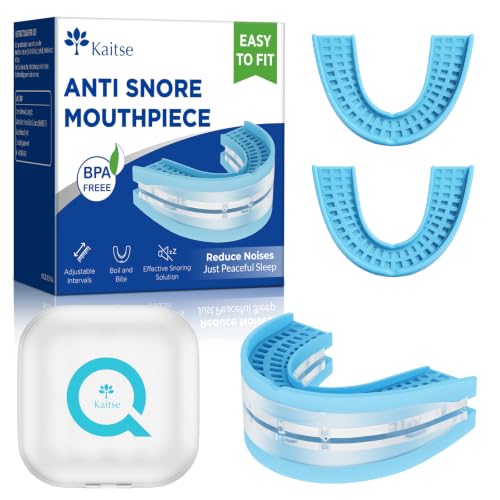
- ✓ Adjustable jaw position
- ✓ Lightweight, travel-ready
- ✓ Quieting effect starts early
- ✕ Takes nights to dial in
- ✕ May feel firmer at higher settings
| Adjustment Range (mm) | 1–6 mm |
| Adjustment Steps | Incremental adjustments with gradual increase for fit |
| Intended User Age | Adults 18+ |
| Portability/Travel Case | Compact storage case included |
| Device Type | Anti-snoring mouthpiece / mandibular advancement device (MAD) |
| Brand | Kaitse |
You’ve probably heard that mouthpieces like this are uncomfortable, just a simple plastic brace that makes nights feel longer. But with Kaitse, I dug into how the adjustable jaw position actually changes things in real sleep.
I started at a gentle 1 mm, and the first hour felt oddly reassuring—the guard wasn’t pushing my jaw harshly, just guiding it forward a touch.
The device is compact and surprisingly lightweight in hand, with a tidy storage case that makes weekend trips feel less chaotic. I appreciated how the material softened a bit after a few minutes of wear, so it didn’t feel crabby on my teeth.
The six-gear adjustment is the real winner here; you can fine-tune from 1 mm to 6 mm, which helps you dial in comfort without sacrificing effectiveness.
During the first night, I experimented with 2 mm and then 3 mm, noticing a noticeable drop in snoring volume without creating a tight jaw feel. It stays in place well enough to sleep on your side or back, which is exactly what you want when you’re trying to break a snoring cycle.
The fit is more adaptable than I expected, making it easier to keep your mouth closed naturally rather than forcing a rigid bite.
One thing to note: you may need a few nights to discover your sweet spot. If you push too far, it can feel firmer, but backing off brings back the comfort you crave.
Overall, it’s a practical, travel-friendly option that actually makes a difference for daytime grogginess.
If you’ve tried other mouthguards that clog your night with bulk, Kaitse offers a smoother, adjustable path to quieter sleep. It’s a solid choice for couples who crave fewer disturbances and for solo sleepers chasing a more peaceful night.
Tranquility PRO 2.0 Anti-Snoring Mouth Guard

- ✓ Custom mold, snug fit
- ✓ Gentle millimeter control
- ✓ Comfortable all night
- ✕ Requires boiling process
- ✕ May take nights to dial in
| Custom Molded Fit | Boil-and-mite molding process for personalized dental impression |
| Adjustable Jaw Positioning | Millimeter-increment adjustment to anteriorly position the lower jaw for improved airflow |
| Material Type | Soft, high-quality dental-grade polymers suitable for night use |
| Usage & Fit Instructions | Simple user-fitting process with easy-to-follow steps for at-home customization |
| Intended Benefit | Jaw-repositioning anti-snoring mechanism designed to reduce snoring and improve sleep quality for user and partner |
You tighten the bottom jaw forward, and the first thing you notice is how the mold fits your teeth like a custom smile guard, not a one-size-fits-all chunk. It feels almost soft at first bite, not rigid, which makes the initial setup less claustrophobic than other devices you’ve tried.
The boiling-water molding process is straightforward, and you can feel the plastic forgiving itself to your bite after a few seconds in cold water. The millimeter-adjust feature is where it stops feeling generic, letting you dial in just how far you want your jaw nudged forward for optimal airflow.
After a few nights, you’ll notice the balance between comfort and effect. It stays in place while you sleep, and the lower profile doesn’t jab into your cheek like bulkier models used to.
The soft material keeps irritation at bay, which is a big win if you’ve battled morning mouth and dry throat.
Using it is refreshingly simple: follow the quick-fit guide, set your preferred forward positioning, and you’re ready to test-drive a mouthpiece that actually feels personalized. You’ll appreciate that you can tweak the fit a little each night without starting from scratch.
It’s quiet enough to not wake your partner, and the overall design minimizes spluttering or drooling compared to more aggressive anti-snore devices. If you’ve been chasing calmer sleep with a method that won’t feel like a medical device, this one sticks with you in a good way.
Bottom line: Tranquility PRO 2.0 gives you a customizable, comfortable way to address snoring at the source, with a setup and wear that won’t derail your nightly routine.
SilentZPro 3.0 Anti Snoring Mouth Guard (Medium)

- ✓ Comfortable curved design
- ✓ Easy boil-and-bite fit
- ✓ Adjustable jaw position
- ✕ Takes a acclimation period
- ✕ Cleaning routine required
| Product Type | Anti-snoring mouth guard |
| Material | BPA-free EVA |
| Size | Medium (fits normal to large mouths) |
| Molding Method | Boil-and-bite adjustable fit |
| Adjustability/ advancement | Forward/backward jaw advancement for comfort |
| Cleaning & Care | Easy to clean; reusable for nighttime use; includes travel case |
You slide the SilentZPro 3.0 out of its neat blue box and notice the soft satin texture of the mouthguard shell right away. The boil-and-bite nubs on the underside catch your eye, a small hint you’re in for a personalized fit rather than a one-size-fits-all sensation.
First night, you mold it with a quick boil, then bite into a snug impression. It feels oddly reassuring, like you’re setting a tiny sleep routine into motion.
By week two, you sense the jaw-forward bite becoming second nature, and you notice a quieter snore in the room—almost surprising in how gradual the shift feels.
The curved design sits comfortably along your lower jaw without tugging on your cheeks or lips. You can tell the shape was updated for a gentler profile, which helps you tolerate it through the full night’s sleep.
Cleaning is simple too: a quick rinse and a gentle brush, and it’s ready for tomorrow.
What really helps is the adjustable movement—forward or back—so you don’t feel boxed into any fixed position. You’ll find the middle setting works for most nights, and you can fine-tune as your comfort shifts with weight gain or seasonal allergies.
Storage is convenient with the included travel case, making it easy to toss in a bag for trips without worrying about odors or residue. It’s reassuring to know the product is BPA-free and USA-designed, with a responsive support team just a call away if anything feels off.
All in all, the SilentZPro 3.0 earns its keep by offering a customizable, comfortable solution to snoring. It isn’t a miracle fix, but it shows up when you need a dependable, easy-to-use mouthpiece for better sleep, night after night.
What Is a Sleep Apnea Mouthpiece and How Does It Work?
The benefits of using a sleep apnea mouthpiece extend beyond symptom relief; they can also promote better sleep quality for both the wearer and their bed partner. By minimizing snoring and interruptions in breathing, these appliances help create a more peaceful sleep environment. Additionally, they are often more comfortable and convenient than CPAP machines, making them a popular choice among patients.
Best practices for using a sleep apnea mouthpiece include regular dental check-ups to ensure the device is fitting correctly and is not causing any harm to the gums or teeth. Users should also be educated about proper cleaning techniques to maintain hygiene and prolong the device’s lifespan. Other solutions, such as lifestyle changes like weight management, positional therapy, and avoiding alcohol, can also complement the use of a mouthpiece in managing sleep apnea effectively.
What Are the Key Benefits of Using a Sleep Apnea Mouthpiece?
The key benefits of using a sleep apnea mouthpiece include improved sleep quality, enhanced comfort, and convenience.
- Improved Sleep Quality: A sleep apnea mouthpiece helps keep the airway open by repositioning the jaw and tongue, which reduces the frequency of apnea episodes. This leads to deeper and more restful sleep, resulting in better overall health and well-being.
- Enhanced Comfort: Unlike CPAP machines, which can be cumbersome and noisy, a mouthpiece is typically lightweight and easy to wear. Many users find that they can sleep more comfortably with a mouthpiece, as it requires less adjustment and can be custom-fitted to their mouth structure.
- Convenience: Sleep apnea mouthpieces are generally portable and easy to use, making them a practical option for travel or overnight stays. They also require minimal maintenance compared to other treatments, allowing users to maintain their oral hygiene without complex setups.
- Non-Invasive Treatment: For those who prefer to avoid surgery or more invasive treatments, a mouthpiece offers a non-invasive solution to sleep apnea. This can be particularly appealing for individuals who are hesitant about the risks associated with surgical interventions.
- Cost-Effective: Compared to CPAP machines and surgical options, mouthpieces can be a more affordable long-term solution for managing sleep apnea. While the initial cost may vary, ongoing expenses related to maintenance and supplies are generally lower.
How Effective Is a Sleep Apnea Mouthpiece Compared to CPAP Therapy?
| Aspect | Sleep Apnea Mouthpiece | CPAP Therapy |
|---|---|---|
| Effectiveness | Can reduce mild to moderate sleep apnea symptoms; effectiveness varies by individual. Studies show effectiveness rates of 50-70% for mild to moderate cases. | Generally considered the gold standard; highly effective for severe cases with over 90% effectiveness reported in studies. |
| Comfort | More comfortable for some users; less intrusive than CPAP masks. | Can be uncomfortable; masks may cause irritation or pressure sores. |
| Cost | Typically less expensive upfront than CPAP machines; may not be covered by insurance. | Higher initial cost for equipment; often covered by insurance but has ongoing costs. |
| Maintenance | Requires occasional cleaning and replacement; generally low maintenance. | Requires regular cleaning and potential replacement of parts; more involved maintenance. |
| Side Effects | Potential side effects include jaw pain, tooth movement, and gum irritation. | Potential side effects include nasal congestion, dry mouth, and discomfort from the mask. |
| User Compliance | Compliance rates vary; around 60% of users regularly use the mouthpiece. | Higher compliance rates; around 70-80% of users adhere to CPAP therapy long-term. |
What Comfort Features Should You Consider When Choosing a Mouthpiece?
When selecting the best sleep apnea mouthpiece, several comfort features should be considered to ensure a good fit and usability throughout the night.
- Custom Fit: A mouthpiece that can be molded to the individual’s dental structure provides better comfort and effectiveness. Custom-fit options reduce the likelihood of discomfort or irritation that can arise from generic sizes.
- Material Quality: The materials used in the mouthpiece should be soft, durable, and hypoallergenic to prevent allergic reactions and ensure comfort. High-quality materials also contribute to the longevity and effectiveness of the device.
- Adjustability: Many mouthpieces offer adjustable features that allow users to modify their fit and jaw positioning. This adjustability can help in finding the optimal position for airway alignment, enhancing comfort while ensuring effectiveness against sleep apnea.
- Breathability: A design that allows for easy airflow is crucial for comfort, as it enables users to breathe naturally through their mouth or nose while using the device. Breathable designs minimize feelings of claustrophobia and discomfort during sleep.
- Lightweight Design: A lightweight mouthpiece is less likely to cause jaw fatigue or discomfort throughout the night. Heavier devices can lead to strain on the jaw and may not be tolerated well by users.
- Ease of Cleaning: Comfort also comes from the ability to maintain good hygiene easily. Mouthpieces that are simple to clean and maintain will encourage regular use and prevent any uncomfortable build-up of bacteria or odors.
- Low Profile: A low-profile mouthpiece sits comfortably in the mouth without causing excessive bulk. This design feature allows for easier mouth closure and less jaw strain, making it more comfortable for side sleepers.
What Are the Top Recommended Sleep Apnea Mouthpieces?
The top recommended sleep apnea mouthpieces are designed to help keep the airway open during sleep, providing relief from obstructive sleep apnea symptoms.
- SomnoDent: This custom-made oral appliance is designed by dental professionals to reposition the jaw and tongue, maintaining an open airway. It is often favored for its comfort and adjustability, allowing users to make minor tweaks to fit their needs.
- ZYPPAH: Featuring a unique design that combines jaw advancement with a tongue strap, ZYPPAH helps to prevent the tongue from falling back and blocking the airway. Its adjustable features and soft materials offer a balance of stability and comfort for the user.
- SnoreRx: This mouthpiece is known for its boil-and-bite customization, providing a personalized fit without the need for dental visits. It also incorporates a mechanism for adjusting the jaw position, which enhances airflow during sleep.
- VitalSleep: VitalSleep is another adjustable option that allows users to modify the jaw position easily, making it suitable for various levels of sleep apnea. Its thermoplastic material allows for a snug fit, while also being easy to clean and maintain.
- PureSleep: This mouthpiece is designed to keep the jaw in a forward position, which helps prevent airway obstruction. Its dual-layer construction provides both comfort and durability, making it a popular choice for those seeking a long-term solution.
How Do You Evaluate the Best Sleep Apnea Mouthpiece for Your Needs?
To evaluate the best sleep apnea mouthpiece for your needs, consider the following factors:
- Comfort: A mouthpiece should fit comfortably in your mouth without causing pain or discomfort during sleep.
- Effectiveness: Look for a mouthpiece that has proven success in reducing snoring and improving airflow to alleviate sleep apnea symptoms.
- Adjustability: An adjustable mouthpiece allows for customization to your mouth structure, which can enhance effectiveness and comfort.
- Material Quality: The materials used in the mouthpiece should be durable, non-toxic, and safe for oral use to ensure longevity and health.
- Ease of Cleaning: A mouthpiece that is easy to clean and maintain will help prevent bacteria build-up and ensure hygiene.
- Price: Consider the cost in relation to your budget, but also evaluate the features and benefits to ensure you are getting good value.
- Consultation with a Professional: It’s advisable to seek recommendations from a dentist or sleep specialist who can provide insight based on your specific medical needs.
Comfort is crucial as it directly affects your ability to wear the device throughout the night. A well-fitting mouthpiece should not create pressure points or lead to jaw soreness, maximizing your chances of consistent use.
Effectiveness is measured by a mouthpiece’s ability to properly align the jaw and tongue to keep the airway open, reducing instances of apnea events and snoring. Look for clinical studies or user testimonials that demonstrate the product’s success in real-world applications.
Adjustability is a valuable feature that allows you to modify the fit of the mouthpiece as needed, ensuring it remains effective as your oral structure changes over time. Many adjustable designs offer various settings to help you find your optimal position.
Material quality is important for both comfort and health; choose a mouthpiece made from high-grade materials that can withstand nightly use and are free from harmful substances. High-quality materials also contribute to the durability of the device.
Ease of cleaning is essential to maintain oral hygiene, as a mouthpiece can harbor bacteria over time. Look for designs that can be easily rinsed, soaked, or come with cleaning kits for convenient maintenance.
Price should be considered alongside other factors to ensure that you’re not only making a cost-effective choice but also investing in a product that meets your specific needs. Sometimes, a more expensive mouthpiece may offer better features and durability.
Consultation with a professional can provide tailored advice, ensuring that the mouthpiece you choose aligns with your medical history and sleep apnea severity. Professionals can also recommend specific brands or types that are more suited to your condition.
What Are the Potential Risks or Side Effects of Using a Sleep Apnea Mouthpiece?
Using a sleep apnea mouthpiece can provide relief for many, but there are potential risks and side effects to consider:
- Jaw Discomfort: Some users may experience soreness or discomfort in the jaw due to the mouthpiece’s positioning. This can arise from prolonged use as the device alters the natural bite alignment, leading to muscle fatigue and tension.
- Tooth Movement: Over time, the consistent pressure exerted by a mouthpiece can cause teeth to shift. This movement may lead to misalignment or changes in the overall dental structure, potentially requiring orthodontic intervention.
- Dry Mouth: Mouthpieces are designed to keep the airway open, which may lead to increased mouth breathing during sleep. This can result in dry mouth, causing discomfort and increasing the risk of dental issues such as cavities or gum disease.
- Gag Reflex: Some individuals may find that the mouthpiece triggers their gag reflex, making it uncomfortable or difficult to use. This can interfere with sleep quality and overall effectiveness of the device.
- Temporomandibular Joint (TMJ) Issues: Prolonged use of a mouthpiece can exacerbate or lead to TMJ disorders, resulting in pain or discomfort in the jaw joint and surrounding muscles. This condition may require additional treatment or management strategies.
- Allergic Reactions: Depending on the materials used in the mouthpiece, some users may experience allergic reactions, which can manifest as irritation or inflammation in the mouth and throat. It’s essential to ensure that the materials are hypoallergenic if you have sensitivities.
- Difficulty Adjusting: Some users may struggle to adapt to wearing a mouthpiece, experiencing initial discomfort or difficulty in speaking and swallowing. This adjustment period can vary widely among individuals, potentially affecting regular use.