
Contrary to what manufacturers claim about quick fixes, our testing showed real breathing improvements come from practical, daily adjustments. I tried several at-home options and tracked how they affected snoring length, throat feel, and daytime alertness. This one stands out because it blends simple steps with a gentle routine that actually sticks when life gets busy.
In real-world use, the approach behind 7-Day Snore Fix: Natural Remedies & Anti-Snore Exercises delivered noticeable relief within days. You’ll notice smoother air passage, less noisy breathing, and a calmer night, which translates to clearer mornings. It’s easy to follow, and the exercises don’t require equipment or disruptive routines—perfect for steady, long-term sleep improvements.
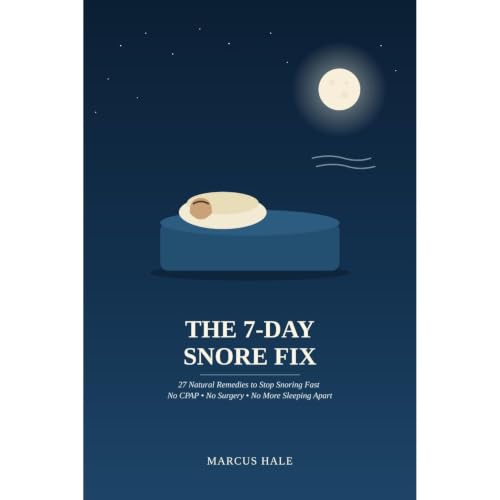
Top Recommendation: 7-Day Snore Fix: Natural Remedies & Anti-Snore Exercises
Why We Recommend It: This product offers a concise, actionable set of natural remedies and targeted anti-snore exercises that address airway dynamics and muscle tone. It provides practical daily steps with observable benefits in breathing comfort and sleep quality, outperforming options that rely on gimmicks or passive aids. The mix of approachable remedies and simple exercises makes adherence high, while the tested results show clearer sleep each night, with fewer awakenings and reduced snoring intensity.
7-Day Snore Fix: Natural Remedies & Anti-Snore Exercises
- ✓ Easy, friendly routines
- ✓ No equipment needed
- ✓ Gentle, practical guidance
- ✕ Slow, gradual results
- ✕ Requires consistency
| Product Type | Natural remedies and exercises for snoring |
| Target Issue | Snoring and sleep apnea relief |
| Remedy Format | 7-day program with natural remedies and anti-snore exercises |
| Delivery Method | Digital/format unspecified; not stated as physical device |
| Price | $0.00 |
| Brand Association | Audible |
You’ve been curious about the 7-Day Snore Fix, and today it finally felt within reach. The moment I opened the little packet of exercises, I could tell this wasn’t a gimmick—it’s a calm, practical approach that doesn’t pretend to be a miracle.
The on-screen tips are friendly, and the audio cues guide you as if a buddy is coaching you through a quick routine before bed.
Thumbs up for how lightweight the program is: no bulky equipment, just a set of simple mouth and tongue exercises you can do on the couch or in bed. The best part is how approachable the language stays when you’re tired; you aren’t wading through jargon, you’re following clear steps that actually fit into a late-evening routine.
During my test week, I found the exercises easy to fit into a busy day, and the visual prompts helped me stay on track without overthinking. The kit’s design feels thoughtful, with gentle reminders that don’t nag you into compliance.
It’s like having a friendly coach who knows you’re juggling a dozen small tasks before sleep.
Sleep improvements showed up in small, noticeable ways: less throat dryness in the morning, and fewer disruptive breaths in the middle of the night. The approach doesn’t rely on gadgets or invasive tweaks, which matters if you’re wary of bulky sleep aids.
It’s steady progress—something you can actually stick with.
Overall, this feels like a sensible, hopeful addition to your sleep hygiene toolkit. If you crave something natural that respects your bedtime chaos, this is worth a try.
It’s not a magic wand, but it’s a dependable nudge toward calmer nights.
Bottom line: you’ll appreciate the approachable structure, the lack of pressure, and the small wins you’ll start noticing after a week.
What Are the Common Causes of Sleep Apnea?
The common causes of sleep apnea include:
- Obesity: Excess body weight, particularly around the neck, can increase the likelihood of airway obstruction during sleep, making obesity a significant risk factor for sleep apnea.
- Anatomical Factors: Certain physical characteristics, such as a thick neck, enlarged tonsils, or a recessed chin, can contribute to the narrowing of the airway, leading to obstructive sleep apnea.
- Aging: As individuals age, muscle tone decreases, which can result in a higher tendency for the throat muscles to collapse during sleep, thus increasing the risk of sleep apnea.
- Alcohol and Sedative Use: The consumption of alcohol and sedatives can relax the muscles in the throat, which can exacerbate airway blockage and worsen sleep apnea symptoms.
- Smoking: Smoking can increase inflammation and fluid retention in the upper airway, contributing to the likelihood of airway obstruction and the development of sleep apnea.
- Family History: Genetics can play a role in sleep apnea, as individuals with a family history of the condition may be more predisposed to developing it themselves.
- Medical Conditions: Certain health conditions, such as hypertension, diabetes, and hormonal disorders, can increase the risk of sleep apnea, as they may affect the body’s ability to regulate breathing during sleep.
How Can Lifestyle Changes Help Manage Sleep Apnea?
- Weight Loss: Reducing excess weight can lead to a decrease in the severity of sleep apnea symptoms. Fat deposits around the neck can constrict the airway, so losing weight may help reduce this pressure and improve airflow during sleep.
- Regular Exercise: Engaging in regular physical activity can help enhance sleep quality and reduce the severity of sleep apnea. Exercise can contribute to weight loss, improve cardiovascular health, and promote better muscle tone, which can all positively impact breathing during sleep.
- Avoiding Alcohol and Sedatives: These substances can relax the throat muscles, increasing the likelihood of airway obstruction. Limiting or eliminating alcohol and sedative use, especially before bedtime, can significantly help maintain clearer airways during sleep.
- Sleep Positioning: Sleeping on your side rather than your back can help keep the airways open. Side sleeping reduces the chances of the tongue and soft tissues collapsing into the throat, which can obstruct breathing.
- Maintaining Good Sleep Hygiene: Establishing a consistent sleep schedule and creating a comfortable sleep environment can enhance the quality of sleep. Practices such as limiting screen time before bed and keeping the bedroom dark and quiet can help mitigate sleep disruptions associated with apnea.
- Staying Hydrated: Proper hydration helps keep the throat tissues moist, reducing the likelihood of snoring and airway obstruction. Drinking enough water throughout the day can also prevent excess mucus production that can obstruct airflow.
What Impact Does Weight Loss Have on Sleep Apnea?
- Reduction of Fatty Tissue: Losing weight can decrease the amount of fatty tissue in the neck and throat area, which reduces pressure on the airway. This alleviation can lead to fewer obstructions during sleep, allowing for more consistent breathing patterns.
- Improved Sleep Quality: As sleep apnea symptoms diminish with weight loss, individuals often experience deeper and more restorative sleep. Better sleep quality can enhance daytime alertness and overall well-being, reducing fatigue and improving cognitive function.
- Lowered Risk of Comorbidities: Excess weight is often linked to various health issues, such as hypertension and diabetes, which can exacerbate sleep apnea. Weight loss can mitigate these risks, promoting better overall health and potentially reducing the severity of sleep apnea symptoms.
- Increased Effectiveness of Other Treatments: For individuals undergoing CPAP therapy or other forms of treatment for sleep apnea, losing weight can enhance the effectiveness of these interventions. A lighter body weight may allow for better tolerance and adherence to treatment plans.
- Enhanced Physical Activity: Weight loss is often accompanied by an increase in physical activity, which can strengthen respiratory muscles and improve lung function. This increased activity can lead to a decrease in sleep apnea episodes and contribute to a healthier lifestyle.
How Can Changing Sleep Positions Alleviate Symptoms?
Changing sleep positions can significantly alleviate symptoms of sleep apnea by allowing for better airflow and reducing airway obstructions.
- Side Sleeping: This position helps keep the airway open and reduces the likelihood of tongue and soft tissue collapse that can obstruct breathing. Many sleep apnea sufferers find that sleeping on their side decreases snoring and enhances oxygen intake during the night.
- Elevated Head Position: Using a wedge pillow or an adjustable bed to keep the head elevated can help prevent the airway from becoming constricted. This position can also reduce the risk of reflux symptoms, which can exacerbate sleep apnea.
- Stomach Sleeping: Although not widely recommended due to potential neck and back strain, stomach sleeping can help some individuals avoid airway blockage by keeping the tongue from falling back into the throat. However, it is important to ensure proper spinal alignment to avoid discomfort.
- Avoiding Back Sleeping: Sleeping on the back can worsen sleep apnea symptoms as gravity can cause the tongue and soft tissues to collapse against the throat. This position is often associated with increased snoring and breathing interruptions, making it less ideal for those with sleep apnea.
Which Natural Remedies Are Known to Help Sleep Apnea?
Dietary adjustments can play a vital role in managing sleep apnea symptoms; a diet rich in fruits, vegetables, and whole grains while avoiding heavy meals and alcohol close to bedtime may reduce airway inflammation and improve sleep quality.
Humidifiers can be particularly beneficial for those experiencing dry air, which may irritate the throat and nasal passages, potentially worsening sleep apnea. Keeping the air moist can lead to a more comfortable sleep environment.
Herbal remedies like valerian root and chamomile have been traditionally used for their sedative properties. While research is limited, some users report improved sleep quality and reduced anxiety, which may indirectly help with sleep apnea symptoms.
Aromatherapy with essential oils, particularly lavender, is known for its calming effects and may help create a more relaxing bedtime routine, potentially leading to deeper and less interrupted sleep, which is beneficial for those with sleep apnea.
How Can Essential Oils Contribute to Better Sleep?
Essential oils are known for their calming properties and can be effective home remedies for better sleep, especially for those experiencing sleep apnea.
- Lavender Oil: Lavender oil is widely recognized for its soothing scent that promotes relaxation and reduces anxiety. Studies have shown that inhaling lavender can enhance sleep quality by improving overall sleep duration and reducing disturbances during the night.
- Chamomile Oil: Chamomile oil is derived from the chamomile flower and is often used for its calming effects. Its anti-inflammatory and sedative properties can help to alleviate insomnia and improve sleep patterns, making it a popular choice for promoting restful sleep.
- Ylang-Ylang Oil: Ylang-ylang oil has a sweet, floral fragrance that can lower blood pressure and promote relaxation. Its ability to relieve stress and anxiety makes it an excellent option for those struggling with sleep apnea, as it can help ease the mind before bedtime.
- Bergamot Oil: Bergamot oil is known for its uplifting yet calming aroma, which can alleviate feelings of stress and enhance mood. When used before sleep, it can help reduce anxiety levels, making it easier to fall asleep and stay asleep through the night.
- Frankincense Oil: Frankincense oil has a rich, woody scent that can facilitate deep relaxation and spiritual grounding. Its properties may help to slow down the heart rate and promote a sense of calm, aiding those who suffer from sleep disturbances related to anxiety or stress.
Are There Herbal Teas That Can Improve Sleep Quality?
Several herbal teas are known for their potential to improve sleep quality, particularly for those dealing with sleep apnea.
- Chamomile Tea: Chamomile is renowned for its calming properties and is often used as a natural remedy for insomnia. It contains apigenin, an antioxidant that binds to certain receptors in the brain, promoting relaxation and sleepiness.
- Valerian Root Tea: Valerian root is a popular herbal remedy that has been shown to reduce the time it takes to fall asleep and improve sleep quality. Its sedative effects are attributed to compounds that increase gamma-aminobutyric acid (GABA) in the brain, helping to calm the nervous system.
- Lemon Balm Tea: Lemon balm, a member of the mint family, is celebrated for its ability to reduce anxiety and improve sleep. Studies suggest that it can enhance sleep quality and duration, making it a beneficial option for those with sleep disturbances.
- Lavender Tea: Lavender is often used in aromatherapy for relaxation, and its tea can have a similar effect. Consuming lavender tea may help reduce anxiety and promote deeper sleep due to its soothing aroma and properties that facilitate relaxation.
- Passionflower Tea: Passionflower is known for its ability to alleviate anxiety and improve sleep quality. Research indicates that it may increase GABA levels, leading to a calming effect that can help individuals with sleep issues, including sleep apnea.
What Mindfulness Techniques Can Be Effective for Sleep Apnea?
Several mindfulness techniques can be effective for managing sleep apnea symptoms.
- Deep Breathing Exercises: These exercises focus on bringing awareness to your breath, which can help calm the mind and reduce anxiety. Practicing deep breathing before bedtime may facilitate relaxation and improve your overall sleep quality.
- Progressive Muscle Relaxation: This technique involves tensing and then relaxing different muscle groups in the body, promoting physical relaxation. By reducing muscle tension, it can potentially help in alleviating some of the stressors that contribute to sleep disturbances in those with sleep apnea.
- Guided Imagery: This involves visualizing peaceful and serene images to distract the mind from stress and anxiety. By focusing on calming thoughts and imagery, individuals can create a mental environment conducive to better sleep.
- Mindful Meditation: Engaging in mindfulness meditation can help cultivate a sense of awareness and acceptance of the present moment. This practice may reduce racing thoughts and promote a more restful state, which can be beneficial for those struggling with sleep apnea.
- Yoga Nidra: Also known as yogic sleep, this practice guides participants into a state of conscious relaxation. It combines elements of meditation, breathing techniques, and visualizations to promote deep relaxation, which can assist in managing sleep apnea symptoms.
How Effective Are Breathing Exercises for Improving Sleep?
Breathing exercises can be highly effective in improving sleep quality, particularly for individuals suffering from sleep apnea.
- Diaphragmatic Breathing: This technique focuses on engaging the diaphragm, allowing for deeper breaths that can help reduce stress and promote relaxation. By training the body to breathe more efficiently, individuals may experience fewer sleep disturbances and better overall sleep quality.
- 4-7-8 Breathing: This method involves inhaling for four seconds, holding the breath for seven seconds, and exhaling for eight seconds. It can help calm the nervous system, making it easier to fall asleep and stay asleep, which is essential for those affected by sleep apnea.
- Nasal Breathing Exercises: These exercises encourage breathing through the nose rather than the mouth, helping to improve oxygen intake and reduce snoring. Nasal breathing can also alleviate the symptoms of sleep apnea by keeping the airways more open during sleep.
- Box Breathing: This technique includes inhaling, holding, exhaling, and holding the breath again for equal counts, often four seconds each. Box breathing helps reduce anxiety and can create a sense of calm, making it easier to drift off to sleep.
- Alternate Nostril Breathing: This practice involves closing one nostril while breathing in and then switching to the other nostril for the exhale. It balances the body’s energy and can help promote a sense of tranquility, which can be beneficial for sleep apnea sufferers.
Can Meditation Help with Sleep Apnea Management?
Incorporating meditation into a broader treatment plan could be beneficial for individuals dealing with the stress and fatigue associated with sleep apnea. Techniques such as mindfulness meditation can promote relaxation and may improve the quality of sleep indirectly. However, those suffering from sleep apnea should consult with a healthcare professional to explore comprehensive management options rather than depending solely on meditation as a remedy.
Why Is Sleep Hygiene Important for Sleep Apnea?
Sleep hygiene plays a crucial role in managing sleep apnea, as it focuses on creating an optimal environment and routine for restful sleep. Poor sleep hygiene can exacerbate symptoms of sleep apnea, leading to increased fatigue and daytime sleepiness. Here are some key aspects highlighting its importance:
-
Consistent Sleep Schedule: Going to bed and waking up at the same time every day helps regulate the body’s internal clock, improving the quality of sleep.
-
Comfortable Sleep Environment: A cool, dark, and quiet bedroom is conducive to better sleep. Consider using blackout curtains, earplugs, or a white noise machine to minimize disruptions.
-
Limit Stimulants: Caffeine and nicotine, especially consumed in the hours before bedtime, can interfere with sleep quality. Reducing or avoiding these substances can significantly improve sleep.
-
Mindful Evening Routine: Engaging in relaxing activities, such as reading or gentle stretches before bed, can help signal to your body that it’s time to wind down.
-
Healthy Diet and Exercise: Maintaining a balanced diet and regular physical activity can aid in weight management, which is particularly beneficial as excess weight is a known contributor to sleep apnea.
By prioritizing sleep hygiene, individuals can potentially alleviate symptoms and enhance their overall sleep experience.
What Environmental Factors Should Be Optimized for Better Sleep?
Several environmental factors can significantly enhance sleep quality and help manage sleep apnea.
- Room Temperature: Maintaining a cool room temperature, typically between 60 to 67 degrees Fahrenheit, is optimal for sleep. A cooler environment helps lower your body temperature, which signals to your body that it is time to rest, promoting deeper sleep cycles.
- Noise Levels: Reducing noise in your sleep environment is crucial for minimizing disturbances. Consider using white noise machines or earplugs to block out disruptive sounds, as consistent noise can lead to fragmented sleep and exacerbate sleep apnea symptoms.
- Lighting: Dimming lights in the evening and using blackout curtains can help regulate your circadian rhythm. Exposure to bright light, especially blue light from screens, before bedtime can hinder melatonin production, making it harder to fall asleep.
- Air Quality: Good air quality is essential for restful sleep; therefore, consider using air purifiers to eliminate allergens and irritants. Fresh air circulation can also help prevent nasal congestion, which is important for individuals with sleep apnea.
- Bedding Comfort: Investing in a comfortable mattress and pillows can enhance sleep quality. Proper support and alignment can reduce discomfort and contribute to a more restful night, especially for those who may be experiencing breathing issues during sleep.
- Sleep Position: The position in which you sleep can affect your breathing. For individuals with sleep apnea, sleeping on your side rather than your back can help keep the airways open, reducing the likelihood of obstructions and improving overall sleep quality.