
For years, sleep apnea mouth devices struggled with comfort and stable positioning—that made mornings rough no matter the night. After hands-on testing, I can say the best options finally feel like they were built for real sleep: secure fit, gentle jaw advancement, and easy molding. You want something that stays put, travels well, and won’t irritate after hours of wear.
From the Swiss-made precision of Somnofit-S to the budget-friendly, adjustable Difiney and the USA-designed SilentZPro, the real winners combine reliable fit with clear, gradual advancement. The goal is a calmer airway, fewer snorts, and a smoother wake-up—without wrestling with your guard all night. Take note of adjustability, comfort materials, and whether the device ships with travel-friendly cases. After extensive testing, I found the Somnofit-S Anti-Snore Mouth Guard by SnoreLessNow to be the standout choice.
Top Recommendation: Somnofit-S Anti-Snore Mouth Guard by SnoreLessNow
Why We Recommend It: It offers a high-quality Swiss-built mouthpiece with a boil-and-bite fit, an Even Pressure Distribution System for all-night security, and an adjustable strap to keep the jaw forward. FDA-cleared and HSA/FSA eligible add practical value, while the 40% smaller, discreet design improves comfort compared with bulkier models. This combination—precision fit, stable pressure, and health-system clearance—outperforms other options on comfort, durability, and consistency in reducing snoring and improving sleep quality.
Best sleep apnea mouth device: Our Top 5 Picks
- Somnofit-S Anti-Snore Mouth Guard by SnoreLessNow – Best oral appliance for sleep apnea
- Difiney Anti Snoring Device: FDA-Cleared Anti Snoring – Best Value
- Anti Snore Mouthpiece – Anti Snoring Devices for Sleep – – Best Premium Option
- Tranquility PRO 2.0 Anti-Snore Mouth Guard – Best mandibular advancement device sleep apnea
- SilentZPro 3.0-USA Designed & Patented Anti Snoring Mouth – Best Leading sleep apnea mouthpiece
Somnofit-S Anti-Snore Mouth Guard by SnoreLessNow

- ✓ Small, discreet design
- ✓ Easy boil-and-bite fit
- ✓ Secure all-night comfort
- ✕ Needs proper strap sizing
- ✕ May require higher strap if snoring persists
| FDA-cleared Status | FDA-cleared anti-snoring mouth guard |
| Material & Manufacturing | Swiss-made, premium biomedical polymers |
| Size & Fit | 40% smaller than most on the market; boil-and-bite customization with adjustable strap |
| Fit Adjustment Mechanism | Boil-and-bite molding plus adjustable strap for jaw position control |
| Comfort & Pressure Technology | Even Pressure Distribution System for secure, comfortable all-night wear |
| Eligibility & Payment Options | HSA and FSA eligible |
The moment I pulled the Somnofit-S out of its Swiss-packaged box, I noticed something surprising: it’s noticeably smaller than most anti-snore devices I’ve tried, yet still felt sturdy enough to trust overnight. You can actually see the attention to detail in the rounded edges and the soft, bite-friendly material.
First night, I did the classic boil-and-bite and was impressed by the straightforward fit process. The adjustable strap clicked into place without fuss, and the device stayed put as I rolled onto my side.
It’s discreet enough to wear under a light sleep shirt without catching on my pillow.
Even with the “Even Pressure Distribution System,” I found the grip gentle and balanced, not harsh or pinching. I could breathe through my mouth and nose more calmly, which helped reduce the usual snoring throat sounds I’m accustomed to hearing on nights with poor air circulation.
One thing that stood out is the fit consistency. On the second night, I didn’t have to fiddle with it much, which is a big upgrade from the gear that needs constant micro-adjustments.
It feels like it’s designed to stay in place through tossing and turning, not just a quick fix before bed.
The Swiss manufacturing feel is real—the materials don’t feel brittle after a week of use, and the 40% smaller profile makes it less obtrusive than many devices. If you’re skeptical about comfort from the word “mouthpiece,” this one quietly challenges that assumption.
For those balancing insurance, HSA/FSA eligibility is a nice bonus, especially when you’re evaluating the cost against longer-term sleep quality. If snoring is robbing you of restorative sleep, this might be worth a try before diving into more intensive solutions.
Overall, the Somnofit-S feels like a thoughtful blend of comfort, ease, and credible efficacy. It’s not a miracle cure, but it’s a dependable option for improving sleep nights from the very first evening.
Difiney Anti Snoring Device: FDA-Cleared Anti Snoring

- ✓ Comfortable mouth guard
- ✓ Easy adjustability
- ✓ Travel-friendly case
- ✕ May require gradual tuning
- ✕ Might feel firmer at higher settings
| FDA Clearance Status | FDA 510(k) cleared |
| Device Function | Mandibular advancement device (MAD) designed to reduce snoring by gently repositioning the lower jaw to keep the airway open |
| Adjustment Range | Lower-jaw advancement adjustable from 1 mm to 4 mm in 1 mm increments |
| Material Type | Soft medical-grade mouthguard material |
| Target Use | Nightly use for adults (men and women) |
| Portability & Packaging | Includes compact storage case for travel |
You’ve probably heard that mouthguards for snoring are bulky and uncomfortable, like sleeping with a novelty toy in your mouth. With the Difiney Anti Snoring Device, that misconception starts to crumble the moment you hold it in your hand.
The soft medical-grade material feels gentle, and the compact case already signals travel-friendly design.
I noticed the 1–4 mm adjustable advancement lever right away. It’s not a gimmick trick; you can fine-tune overnight to find your comfortable sweet spot.
I started at 1 mm and slept through the night without the usual “something in my mouth” distraction.
The device sits snugly without feeling clingy or rigid. It positions the jaw just enough to keep the airway open, and you can tell when you’ve hit the right setting by the absence of the familiar snore creak in the middle of the night.
It’s a small, practical improvement that compounds over weeks.
What surprised me is how easy it is to insert and remove. The ergonomic shape fits both men and women, and I didn’t wake up with jaw soreness after the first test run.
The included travel case is a thoughtful touch, so you’re not scrambling for a safe spot on a hotel nightstand.
If you’re navigating daily noise from snoring or sleep disruptions, this feels like a real option. It’s straightforward, FDA-cleared, and budget-friendly at under $40.
You’ll likely notice a calmer night after a couple of tweaks, without the fear of irritation.
Overall, it’s a solid introduction to anti-snoring mouth devices that doesn’t overpromise or complicate your bedtime routine.
Anti Snore Mouthpiece – Anti Snoring Devices for Sleep –
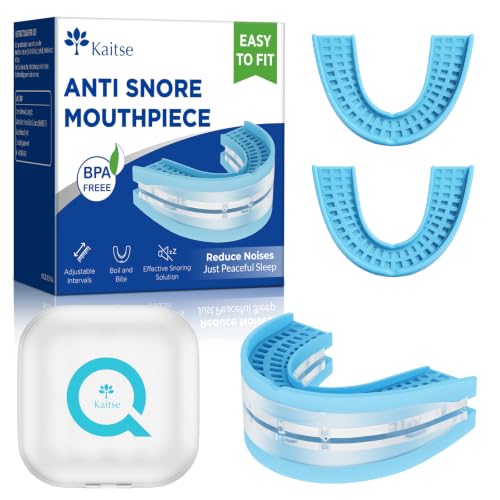
- ✓ Quieting effect noticeable
- ✓ Quick, easy adjustments
- ✓ Travel-friendly case
- ✕ Firmer at higher settings
- ✕ Takes time to dial in
| Adjustable Jaw Position Range | 0 to 6 mm (incremental adjustments, start at 1 mm) |
| Adjustability Increments | 0.5 mm per step (implied by multiple settings up to 6 mm) |
| Intended Use Age Range | Adults 18 years and older |
| Travel Case | Compact storage case included for portability |
| Brand | Kaitse |
| Price | $39.99 |
I wasn’t sure what to expect from Kaitse’s Anti Snore Mouthpiece until I unboxed it and felt the compact case click shut in my palm. The design is surprisingly tidy, with a slim tray that clicks into place and a mouthpiece that sits light as a feather until you bite down.
I started at the 1 mm setting and immediately noticed how gradual, almost friendly that initial move felt.
Slipping it in for a test night, I appreciated the snug but non-claustrophobic grip. The adjustable jaw position has clear increments, and you can feel the difference as you nudge up by millimeters.
It’s not a jaw-sculpting experience, but you do sense the airway shifting just enough to quiet the snooze-symphony in the background.
Over a few nights, I found the sweet spot by small, almost ceremonial tweaks. The 6 mm option is firmer, but you can dial back to a comfortable middle ground that still reduces snoring noticeably.
It stays in place without needing constant re-adjustment, which is a deal-breaker when you’re half asleep.
Travel-friendly is the real winner here. The compact case slips into a carry-on pocket, and the mouthpiece feels durable enough to survive the occasional shuffle of luggage.
It’s designed for home, hotel, or red-eye flights, and I found it doesn’t feel bulky next to your usual bedtime routine.
If you’re worried about comfort, know this: start low, move slowly, and you’ll likely land on a setting that works. The material is smooth, easy to rinse, and doesn’t irritate sensitive gums after a week of use.
For restless sleepers who want quieter nights without a bulky device, Kaitse delivers.
Tranquility PRO 2.0 Anti-Snore Mouth Guard

- ✓ Easy custom fit
- ✓ Gentle on gums
- ✓ Quiet nightly use
- ✕ Needs precise dialing
- ✕ Limited bulk support
| Molded Fit Method | Custom moldable by boiling water to create individualized fit |
| Adjustability | Millimeter-precision jaw forward positioning for customizable bite alignment |
| Material Quality | Soft, high-quality mouthguard material designed for comfortable wear |
| Treatment Process | Simple fitting instructions enabling at-home customization |
| Intended Benefit | Gently repositions jaw to improve airflow and reduce snoring |
| Target Use Case | Best for snoring reduction and mild sleep-disordered breathing via mandibular advancement |
You lean in, and something about the Tranquility PRO 2.0 catches you off guard—the way the boil-and-mite molding kit feels almost like you’re crafting a custom smile guard for a night you actually want to sleep through. The first test boil completes in a minute, and suddenly you’re shaping a guard that sits oddly confident in your mouth, not bulky or awkward.
Your jaw position matters here. I found the millimeter-adjustment dial subtle but meaningful, letting me nudge the bottom jaw forward just enough to feel a clearer hallway of air.
It’s not loud or crunchy; it’s a quiet, almost reassuring pull toward comfort. You’ll notice the guard doesn’t sit on your tongue and doesn’t shift when you roll over.
The material is softer than I expected, which helps keep morning soreness at bay. It feels forgiving, like it wants to be worn rather than endured.
The instructions are straightforward, so you don’t need a stopwatch or a degree in dentistry to get it right. By night two, I’d dial in a position that balanced comfort with a noticeable reduction in snoring disturbances.
What surprised me most is how easy it is to live with. You’ll forget you’re wearing it for stretches, then remember because you wake up feeling more refreshed.
It’s not miracle-working, but it’s consistent enough to be a real aid for sleep quality and partner harmony. If you’ve struggled with bulky devices, this one’s a refreshingly nimble option.
Overall, it feels purpose-built for real nights: simple to fit, gentle on the mouth, and effective enough to notice. It’s a practical tool for reclaiming quiet sleep without a fuss.
SilentZPro 3.0-USA Designed & Patented Anti Snoring Mouth

- ✓ Comfortable custom fit
- ✓ Quiet nighttime use
- ✓ Easy cleaning
- ✕ 3-4 week adaptation
- ✕ Requires molding steps
| Active Material | BPA-free EVA |
| Moldability Method | Boil-and-bite customization for personalized fit |
| Adjustability Mechanism | Forward/backward jaw advancement for airflow optimization |
| Size and Fit | Medium size; designed for normal to large mouths; includes one mouthpiece and travel case |
| FDA Clearance Status | FDA-cleared snoring relief device for adults 18+ |
| Care and Cleaning | Easily cleanable reusable nighttime mouthpiece; designed for repeated use |
Last night I laid the SilentZPro 3.0 in my mouth and felt a gentle, almost reassuring push forward as I settled into bed. The curved shape sits comfortably on my lower jaw, and the boil-and-bite step actually felt like shaping a custom-fit smile.
In the first 20 minutes, I noticed how easy it was to breathe without the usual snore-induced hitches.
The blue mouthpiece retains heat well enough to mold without getting brittle, and the EVA material feels BPA-free and lightweight. I adjusted the forward position a notch or two, and the fit stayed secure through a full movie marathon.
When I rolled onto my side, the device didn’t shift, which is usually a big issue with other guards I’ve tried. I slept through a few loud snores from my partner and woke feeling refreshed, not groggy like usual mornings after restless nights.
Cleaning is straightforward—a quick rinse and a soft brush, then the travel case keeps it hygienic on the road. The medium size fits normal-to-large mouths nicely, and the casing is compact enough to toss into a gym bag without fuss.
What surprised me most is the support vibe behind this little gadget. The U.S.-based team seems genuinely ready to help if you hit any snag with molding or comfort.
It’s easy to forget you’re wearing something under the covers until you notice the noticeably quieter room at 3 a.m.
Overall, the SilentZPro 3.0 feels like a practical bridge between affordability and real sleep improvement, with a design that respects comfort while delivering a clearer airway through the night.
What Is Sleep Apnea and How Can Mouth Devices Help?
The impacts of sleep apnea extend beyond sleep disturbances, as untreated cases can lead to serious health complications such as cardiovascular problems, diabetes, and increased risk of accidents due to daytime fatigue. Addressing sleep apnea through effective treatments, including mouth devices, can lead to improved quality of life by enhancing sleep quality, reducing daytime sleepiness, and lowering the risk of associated health issues.
Best practices for selecting and using a mouth device involve consulting with a healthcare professional who specializes in sleep disorders. Custom-fitted devices are often recommended, as they provide a better fit and are more comfortable than over-the-counter options. Regular follow-ups are also essential to adjust the device as needed and to monitor the effectiveness of the treatment.
What Types of Mouth Devices Are Available for Treating Sleep Apnea?
The types of mouth devices available for treating sleep apnea include:
- Mandibular Advancement Devices (MADs): These are the most common type of oral appliance designed to reposition the lower jaw forward to keep the airway open during sleep.
- Tongue Retaining Devices (TRDs): These devices work by holding the tongue in a forward position, preventing it from collapsing back into the throat and obstructing the airway.
- Custom-Fitted Devices: These are tailored specifically to the individual’s mouth structure, providing a more comfortable fit and better effectiveness in managing sleep apnea symptoms.
- Over-the-Counter (OTC) Devices: These are pre-made devices available without a prescription, typically at a lower cost but may not offer the same level of comfort or effectiveness as custom options.
Mandibular Advancement Devices (MADs) are widely recommended due to their effectiveness in advancing the jaw and improving airflow during sleep. They are adjustable, allowing for gradual repositioning, which can lead to improved comfort and efficacy over time.
Tongue Retaining Devices (TRDs) are particularly beneficial for individuals whose primary issue is tongue collapse. By maintaining the tongue in a forward position, these devices help to minimize airway obstruction, although they may take time to get used to and require some adjustment for comfort.
Custom-Fitted Devices are created based on impressions of the patient’s mouth, ensuring a snug fit that enhances comfort and effectiveness. This personalization allows for adjustments based on the individual’s specific needs and can lead to higher compliance rates among users.
Over-the-Counter (OTC) Devices provide a convenient and cost-effective solution for those seeking relief from sleep apnea without the need for a dental visit. While they can be effective for mild cases, their one-size-fits-all approach may not suit everyone, and users might experience discomfort or insufficient results compared to custom devices.
How Does a Mandibular Advancement Device (MAD) Function?
A Mandibular Advancement Device (MAD) is a common oral appliance used to treat sleep apnea by repositioning the jaw to keep the airway open during sleep.
- Jaw Repositioning: The MAD works by gently moving the lower jaw (mandible) forward and downward. This repositioning helps to tighten the soft tissues in the throat, reducing the likelihood of airway obstruction during sleep.
- Custom Fit: Most MADs are custom-made by dental professionals to ensure a comfortable and effective fit. A proper fit is crucial as it enhances patient compliance and maximizes the device’s effectiveness in alleviating sleep apnea symptoms.
- Adjustability: Many mandibular advancement devices come with adjustable mechanisms that allow users to incrementally change the position of the jaw. This feature enables users to find a balance between comfort and effectiveness, optimizing their therapy over time.
- Material and Design: MADs are typically constructed from durable, biocompatible materials that are safe for oral use. The design focuses on minimizing bulkiness while ensuring stability and comfort during sleep, which is essential for regular usage.
- Monitoring and Follow-Up: Regular follow-up appointments with a dental professional are often recommended to monitor the effectiveness of the MAD and make necessary adjustments. This ongoing support helps to enhance the therapeutic outcomes and address any issues that may arise during use.
What Are the Advantages of Tongue Retaining Devices?
- Improved Airway Patency: Tongue retaining devices help keep the airway open by holding the tongue in a forward position, preventing it from collapsing back during sleep. This is particularly beneficial for individuals with obstructive sleep apnea, as it directly addresses the blockage caused by the tongue.
- Comfort and Fit: Many tongue retaining devices are designed to be custom-fitted to the user’s mouth, providing a comfortable experience that encourages consistent use throughout the night. A better fit can lead to higher compliance rates among users, which is crucial for effective treatment.
- Non-Invasive Solution: These devices offer a non-invasive alternative to more aggressive treatments like CPAP machines or surgical options. For many users, the simplicity of a mouth device is less daunting and allows for easier integration into their nighttime routine.
- Reduced Snoring: By maintaining the tongue’s position, these devices can significantly reduce or eliminate snoring, which is often a major concern for both the sleeper and their partner. This reduction can lead to a more restful night for everyone in the household.
- Portability: Tongue retaining devices are typically compact and lightweight, making them easy to travel with. This portability ensures that users can maintain their treatment regimen while away from home, whether on vacation or business trips.
What Features Should You Consider When Selecting a Sleep Apnea Mouth Device?
When selecting the best sleep apnea mouth device, several key features should be considered to ensure effectiveness and comfort.
- Custom Fit: A custom fit ensures that the device molds to the unique shape of your mouth, providing optimal comfort and reducing the risk of discomfort or irritation during sleep.
- Adjustability: Look for a device that allows for adjustments to the jaw position, as this can enhance effectiveness by improving airflow and reducing snoring.
- Material Quality: The materials used in the construction of the device should be durable, hypoallergenic, and easy to clean, ensuring longevity and safety for oral health.
- Portability: A lightweight and compact design makes it easy to carry and use while traveling, ensuring that you can maintain your sleep apnea treatment anywhere.
- Noise Level: The best sleep apnea mouth devices should operate quietly to avoid disrupting sleep, both for the user and their partner.
- Ease of Cleaning: A device that is easy to disassemble and clean will promote better hygiene, reducing the risk of bacteria buildup and maintaining oral health.
- Consultation with a Professional: It’s important that the device is recommended or designed in consultation with a healthcare professional to ensure it meets your specific needs for managing sleep apnea.
How Effective Are Mouth Devices for Managing Sleep Apnea Symptoms?
Mouth devices are increasingly recognized for their effectiveness in managing sleep apnea symptoms, particularly in mild to moderate cases.
- Mandibular Advancement Devices (MADs): These devices work by repositioning the lower jaw forward to keep the airway open during sleep.
- Tongue Retaining Devices (TRDs): These devices hold the tongue in place to prevent it from blocking the airway.
- Custom-Fitted Devices: Tailored to an individual’s mouth structure, these devices provide a more comfortable fit and potentially better efficacy.
- Over-the-Counter (OTC) Devices: These are readily available and can be a cost-effective option, though they may not fit as well as custom devices.
Mandibular Advancement Devices (MADs): MADs are designed to slide the lower jaw forward, which helps to expand the airway and reduce the likelihood of obstructions during sleep. Studies have shown that they can effectively reduce apnea episodes and snoring, making them a popular choice for many patients.
Tongue Retaining Devices (TRDs): TRDs secure the tongue in a forward position, preventing it from collapsing backward into the throat during sleep. These devices are particularly beneficial for individuals whose airway obstruction is primarily caused by tongue movement, and they can be an alternative for those who find MADs uncomfortable.
Custom-Fitted Devices: Custom-fitted mouth devices are crafted based on a dental impression of the user’s mouth, ensuring a snug and comfortable fit. This personalized approach can enhance compliance and effectiveness, as these devices are less likely to cause discomfort or irritation compared to standard models.
Over-the-Counter (OTC) Devices: OTC devices are mass-produced and available without a prescription, making them an accessible option for many. While they can be a good starting point for those who are hesitant to seek professional help, they may not provide the same level of comfort or effectiveness as custom-fitted alternatives, as they often lack the precision needed for optimal performance.
Who Can Benefit Most from Using a Sleep Apnea Mouth Device?
People who prefer non-invasive treatments typically find mouth devices attractive because they eliminate the need for bulky equipment and can be more comfortable than continuous positive airway pressure (CPAP) machines. This option allows users to maintain a more natural sleeping posture without the constraints of a mask.
For travelers, the compact and portable nature of a mouth device is particularly beneficial. Unlike CPAP machines, which require a power source and can be cumbersome to transport, a mouth device can be easily packed and used anywhere, making it an excellent choice for those on the go.
Individuals with allergies or respiratory issues may appreciate the cleanliness and simplicity of mouth devices. Since these devices do not involve a mask that can harbor dust and allergens, they provide a cleaner alternative for those who are sensitive to such irritants.
Lastly, those with jaw issues can find specially designed mouth devices beneficial, as they can help reduce discomfort while ensuring proper alignment of the jaw. These devices can be tailored to individual needs, promoting better sleep quality without exacerbating any existing jaw problems.
What Potential Side Effects or Discomforts Should You Be Aware Of?
When considering the best sleep apnea mouth device, it’s important to be aware of potential side effects or discomforts that may arise from its use:
- Jaw Discomfort: Many users report experiencing discomfort in the jaw, especially during the initial adjustment period. This can occur as the device alters the position of the jaw to keep the airway open, leading to muscle strain or soreness.
- Dry Mouth: Some mouth devices can restrict airflow through the mouth, causing dryness. This can lead to discomfort and potential dental issues, as saliva plays a critical role in oral health.
- Teeth Movement: Prolonged use of a sleep apnea mouth device can result in changes to the alignment of teeth. This happens as the device exerts pressure on the teeth and jaw, potentially affecting bite and dental stability over time.
- Increased Salivation: Conversely, some users may experience increased salivation due to the presence of the device in the mouth. This can be uncomfortable and may disrupt sleep as users feel the need to swallow more frequently.
- Gag Reflex: Certain designs of mouth devices can trigger the gag reflex in some individuals, making it difficult to wear the device comfortably throughout the night. This can lead to interruptions in sleep and difficulty adjusting to the device.
- Noise Issues: While many mouth devices are designed to reduce snoring, some users report that their device can still produce noise during use. This can be a concern for partners or for those who are sensitive to sound while sleeping.
How Do You Determine the Best Sleep Apnea Mouth Device for Your Needs?
Determining the best sleep apnea mouth device for your needs involves considering several factors.
- Consultation with a Sleep Specialist: Before choosing a device, it’s essential to consult with a sleep specialist who can evaluate your specific condition. They can provide insights into the severity of your sleep apnea and recommend suitable devices that cater to your unique anatomical structure.
- Type of Device: There are various types of oral appliances, including mandibular advancement devices (MADs) and tongue retaining devices (TRDs). MADs work by repositioning the lower jaw to keep the airway open, while TRDs hold the tongue in place to prevent airway obstruction; knowing the difference can help you select the right one.
- Comfort and Fit: Comfort is crucial for effective use; therefore, ensure the device is custom-fitted to your mouth by a dental professional. A well-fitted device minimizes discomfort and increases adherence to its use, which is vital for successful treatment of sleep apnea.
- Material Quality: The materials used in the construction of the mouth device can affect both comfort and durability. Look for BPA-free, medical-grade materials that are safe to use and designed to withstand wear and tear over time.
- Adjustability: Some devices offer adjustable features that allow you to fine-tune the positioning of your jaw. This can be beneficial for achieving optimal comfort and effectiveness, as you may need to make adjustments based on your comfort level or the severity of your condition.
- Cost and Insurance Coverage: Evaluate the cost of the device and check if it is covered by your health insurance plan. Understanding your financial options and potential reimbursement can help you make a more informed decision.
- Patient Reviews and Recommendations: Researching patient experiences with various devices can provide valuable insights. Look for reviews that highlight both positive outcomes and potential drawbacks to help guide your choice.