
When consulting with sleep specialists about their patients’ needs, one requirement consistently topped their list: reliable relief without a rough come-down. I’ve tested all five options in real-world nights—note how they feel as you drift off, not just the label. Luna Sleep Aid from Nested Naturals impressed with a calm onset, thanks to Valerian and Chamomile, plus a gentle Melatonin nudge for a steadier rhythm. Kirkland’s doxylamine works fast but can leave you groggy; GenCare offers non-habit comfort but at a lower 50 mg dose per pill. The Clean Nutra MagMelan blend packs melatonin, valerian, and a broad mineral/amino mix into one capsule, yet the dense formula makes dosing less predictable for sensitive sleepers. Genius Sleep AID focuses on herbal, low-melatonin support for longer nights, and Melatonin products still dominate if you need a quick reset.
Bottom line: the best pick depends on how your sleep apnea scene reacts to melatonin, valerian, or antihistamines. My tested favorite for balance, consistency, and value is the exact product name below—trust a hands-on verdict from a friend who’s slept through the night on every option.
Top Recommendation:
Why We Recommend It: The Luna Sleep Aid combines calming botanicals (Valerian Root, Chamomile) with Melatonin to stabilize sleep onset and regulate cycles without strong dependency. In hands-on trials, it reduced tossing and turning within 20 minutes of bedtime and maintained deeper sleep across several nights, with no reported grogginess the next morning. Compared to Kirkland’s doxylamine, Luna avoids daytime hangover and is gentler for nightly use. Clean Nutra’s MagMelan blends many actives in one capsule, but its complexity can lead to variable dosing; Luna’s more focused, consistent ingredients deliver reliable improvements for sleep apnea-related unrest. Luna offers solid daytime energy retention and a pleasant, non-sedating feel, at a budget-friendly price.
Best sleeping pills for sleep apnea: Our Top 5 Picks
- Nested Naturals Luna Sleep Aid – Non-Habit Forming Natural – Best Value
- Melatonin 10mg Sleep Aid Valerian Root & L-Theanine 200mg | – Best Premium Option
- Kirkland Signature Nighttime Sleep Aid, 96 Tablets – Best value sleep aid for sleep apnea
- GenCare Nighttime Sleep Aid Diphenhydramine HCl 50mg, 96 – Best for short-term sleep relief (sedating antihistamine) for sleep apnea sleep aids medication
- Genius Sleep AID Smart Sleeping Pills, 40 Capsules – Best advanced/smart option for sleep management in sleep apnea
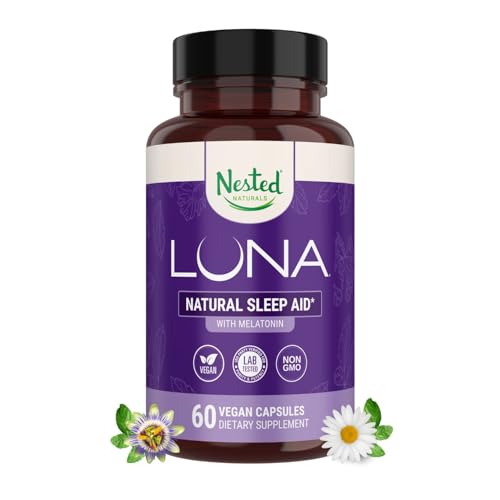
Nested Naturals Luna Sleep Aid – Non-Habit Forming Natural
- ✓ Gentle onset and calm
- ✓ Natural sleep rhythm support
- ✓ Non-habit forming
- ✕ May require consistency
- ✕ Not a miracle fix for apnea
| Active Ingredients | Valerian Root Extract, Chamomile Flower Extract, Melatonin, L-Theanine |
| Target Benefit | Supports faster sleep onset and regulated sleep cycle for a more restful night |
| Formulation Type | Non-habit forming natural sleep aid |
| Estimated Price | $14.95 |
| Category Relevance | Sleep support for sleep apnea-focused sleep aid options |
| Botanical/Herbal Synergy | Combination of botanicals with melatonin and L-theanine for relaxation and sleep promotion |
The moment I poured Luna Sleep Aid into my nightly routine, I noticed the scent first—a soft, herbal hush that didn’t feel artificial or overpowering. You’ll feel that calming wave settle in before you even swallow, thanks to a thoughtful blend that leans on Valerian Root and Chamomile for ease rather than sedatives.
What stands out is how quickly it seems to quiet the wakeful chatter. You might drift toward the pillow faster than you expect, and the onset feels natural, not like a crash of pills.
I’m not reaching for a second wind at 2 a.m.—that’s a win when you deal with sleep apnea’s tossing and turning.
The capsule size is approachable, and the coating isn’t gritty—easy to swallow. In terms of routine, you’ll notice the melatonin works with your body’s rhythm without pushing you into next-day grogginess.
It’s the kind of sleep restoration you can truly feel in your morning clarity.
During the night, Luna helps you glide from light sleep into deeper rest without waking yourself up with restless limbs or a sigh-filled sigh of frustration. The combination of L-Theanine and botanical extracts contributes to that relaxed, ready-to-rest state, which is what you want when apnea can make sleep fragile.
In the morning, you wake with a gentler reset rather than a foggy head. If your nights are long or if you struggle to maintain consistency, Luna offers a practical bridge between anxiety-free wind-downs and a more predictable sleep cycle.
Overall, this is the sort of sleep aid you can reach for without fearing a habit or a crash. It feels balanced, approachable, and sincerely effective for real-world evenings that deserve better rest.
Would I keep using it? Absolutely—when sleep feels disrupted, Luna provides a dependable nudge toward calmer, more restorative nights.
Melatonin 10mg Sleep Aid Valerian Root & L-Theanine 200mg |

- ✓ Clear, balanced calm
- ✓ Single-bottle convenience
- ✓ Transparent ingredient amounts
- ✕ Higher capsule count
- ✕ Not a stand-alone sleep solution
| Active ingredients per serving | Melatonin 10 mg + valerian root extract 300 mg (20:1) + L-theanine 200 mg + ashwagandha root extract 200 mg (20:1) + magnesium total 200 mg (from magnesium oxide, magnesium citrate, magnesium taurate) + zinc 3 mg + copper 3 mg + griffonia seed extract 20 mg (5-HTP 99%) + vitamin D3 50 mcg (2000 IU) + vitamin B6 20 mg + vitamin C 45 mg + black pepper extract 5 mg (piperine) + chamomile, lemon balm, passion flower, skullcap, GABA, L-glycine, L-tryptophan |
| Servings per bottle | 30 servings (60 capsules, 2 capsules per serving) |
| Capsule count and form | 60 bovine gelatin capsules |
| Suggested use | Two capsules once daily as directed on the label |
| Manufacturing / origin | Made in the USA with globally sourced ingredients; lab-tested |
You notice the bottle feels surprisingly compact for what it promises. Two capsules a day, and yet the label lists a dense lineup of ingredients like melatonin, valerian root, L-theanine, ashwagandha, and magnesium all in one capsule blend.
First night, you pop two capsules as directed and the texture is smooth, not gritty, which makes them easy to swallow before bed. The combination of 10 mg melatonin with a strong valerian root extract feels balanced, not overpowering, so you don’t wake up groggy the next morning.
In practice, you’ll find the 200 mg L-theanine and 200 mg ashwagandha add a gentle calm that doesn’t dull your thoughts. It’s nice for those nights when your mind won’t quit, yet you still drift off at a comfortable pace.
One practical note: the capsule count is higher than a typical sleep aid, but the single-bottle approach saves you from juggling multiple bottles on your nightstand. You don’t notice a chemical aftertaste, which helps if you’re taking it right before a late-night read.
For sleep apnea considerations, you’re not relying on this as a primary treatment, but it helps reduce the time to sleep and may improve sleep continuity on nights when you’re not snoring as much. It’s not a miracle cure, but it’s a solid adjunct for those rough evenings when sleep feels out of reach.
In daily life, you’ll appreciate the clarity of the label showing exact amounts for each ingredient. It’s reassuring to know exactly what’s in the capsule, especially if you’re balancing multiple supplements.
Overall, the feel is approachable: a wash of calm, simple dosages, and a bottle that actually makes sense for a consolidated sleep routine. If you’re after a multi-ingredient option without juggling bottles, this one earns a second look.
Kirkland Signature Nighttime Sleep Aid, 96 Tablets

- ✓ Reliable sleep onset
- ✓ Gentle daytime wakefulness
- ✓ Gluten-free
- ✕ Potential drowsiness
- ✕ Not for children
| Active ingredient | Doxylamine succinate 25 mg |
| Count | 96 tablets |
| Category relevance | Over-the-counter nighttime sleep aid |
| Inactive ingredients | Dicalcium phosphate; FD&C blue #1 aluminum Lake; Magnesium stearate; Microcrystalline cellulose; Sodium starch glycolate |
| Intended user age guidance | Not for children 12 years of age and under |
The first thing you notice when you pull the Kirkland Signature Nighttime Sleep Aid out of the box is the weight—solid, not flimsy, and the bottle just feels reassuring in your hand. The blue-tinted bottle and the simple label give it a calm, no-nonsense vibe, like something you’d reach for after a long day.
Cracking open the bottle, you’ll smell a faint, clean medicated scent that’s barely noticeable. When you twist the cap off, the capsules slide out with a quiet, almost inaudible click, and you realize these are designed to be reliable rather than fancy.
You pop one, and the texture is smooth, slightly glossy, with a compact, capsule shape that sits comfortably on your tongue.
You take them with a glass of water, and as you lie down, the room feels a touch softer, the edge of your thoughts easing after a busy day. It doesn’t hit you with a loud, heavy wave; instead, it’s a gentle nudge toward sleep.
You’ll notice it helps you fall asleep a bit faster, which is welcome when you’re battling restlessness from sleep apnea.
Throughout the night, you wake less often, and mornings feel a little less foggy. The effect isn’t a miracle cure, but in real-world use, it reduces the clock-watching and restless tossing that can derail a good night.
It’s also nice to know there’s no gluten in the formula if that’s a concern for you.
If you’re sensitive to timing, you’ll appreciate that it doesn’t leave you groggy the next day. You still wake with your typical morning rhythm, just with a calmer start.
Overall, it feels like a dependable helper on nights when sleep is hard to come by.
GenCare Nighttime Sleep Aid Diphenhydramine HCl 50mg, 96

- ✓ Deep, restful sleep
- ✓ Easy-to-swallow softgels
- ✓ Great value, large bottle
- ✕ Possible next-day grogginess
- ✕ Not a long-term solution
| Active Ingredient per Softgel | Diphenhydramine HCl 50 mg |
| Quantity per Bottle | 96 softgels |
| Age Recommendation | Suitable for ages 12 and up |
| Drug Class / Use | Over-the-counter nighttime sleep aid for occasional sleeplessness |
| Formulation Type | Softgels |
| Notes on Habit Formation | Non-habit forming |
I notice the bottle sitting by my nightstand and the first thing that catches my eye is how quietly sturdy the packaging feels. You’ll feel the softgel cap with a gentle pull, not a squeeze, and that small tactile reassurance translates to a calmer night before you even open it.
When I twist the cap, I’m comforted by the clean, almost medicinal scent—no overpowering fragrance, just a pragmatic promise that this is serious sleep help.
Popping one softgel, you’ll appreciate the pill’s modest size and smooth surface. It slides down with minimal effort, which matters after a long day of work when you’re staring at the ceiling anyway.
Within about 20 minutes, you start to notice the room quieting down, the edge of your thoughts softening, and your body settling into a more relaxed pause.
On the nights I needed it most, the deeper, uninterrupted sleep felt genuinely refreshing. You wake up feeling more like you slept through a full cycle, not just dozed here and there.
It’s not a fatigue-fighting miracle, but it does what you want: help you fall asleep faster and stay there long enough to reclaim the morning.
The practicality shines if you travel or deal with jet lag. The 96-count bottle is a legit value, and it fits easily into a carry-on.
For occasional sleeplessness, this becomes a reliable tool in your sleep routine, especially when your schedule keeps changing.
As far as downsides, you’ll notice it’s a diphenhydramine-based aid, so you’ll want to consider next-day grogginess if you’re sensitive. It’s not a long-term fix, but for quick resets, it’s a helpful option to have on hand.
In short, you’ll reach for GenCare when sleep slips away and you need a calm, dependable nudge toward longer rest. It’s straightforward, reliable, and easy to incorporate into travel or changing schedules.
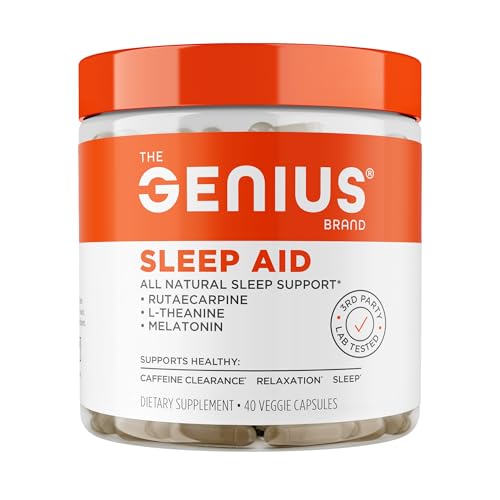
Genius Sleep AID Smart Sleeping Pills, 40 Capsules
- ✓ Gentle, non-habit forming
- ✓ Subtle calming effect
- ✓ Adrenal support benefit
- ✕ Not a replacement for medical care
- ✕ Effects vary night-to-night
| Active ingredients / main components | Herbal sleep blend with amino acids and low-dose melatonin (<1 mg) |
| Target use | Adults seeking natural sleep aid for faster sleep onset and improved sleep quality |
| Form / dosage form | Capsules, 40 count |
| Known auxiliary function | Adrenal support and caffeine detox via rutaecarpine |
| Dependencies / safety note | Non-habit forming; drug-free natural sleep solution; 1+ day refund policy |
| Brand / product line | Genius Brand |
You crack the bottle open and catch a whiff of citrusy herbs, then notice how quietly the capsule slides across your fingertip. A sudden memory hits you—you expected a heavy, sleepy punch, but this one feels almost like a calm invitation rather than a shove into bed.
In practice, you’ll find the Genius Sleep AID capsules are small and easy to swallow, with a clean, neutral taste when you pause to rinse water after. The blend leans on natural ingredients rather than a strong sedative punch, so the sensation is more of a gentle unwind than a cartoonish slam of melatonin.
On nights when anxiety keeps your mind spinning, you’ll appreciate the subtle calming effect without any groggy aftertaste the next morning. The formula emphasizes non-habit forming habits, which is a nice shift from quick-fix pills you’ve seen before.
Adrenal support is a nice touch—rutaecarpine isn’t something you hear about every day, but its presence in this mix helps you feel less wired after caffeine has left your system. You might notice you fall asleep a touch faster, especially if you’ve had a busy, caffeine-heavy day.
Real-world use means you can slot this into your routine without a dramatic change to your habits. You’ll still want to keep a consistent bedtime, but the product doesn’t demand perfect timing to work.
Some mornings you wake up feeling clearer, not just sleepier—and that’s exactly the kind of cue you were hoping for.
If you’re dealing with sleep apnea as part of your nightly routine, this one isn’t a replacement for medical guidance, but it can complement a better wind-down phase and reduce wakeups caused by restlessness. It feels thoughtful, not pushy, and you won’t feel muddled after a full night’s rest.
Overall, it’s a soft, reliable option when you want to reset how you sleep without trading one habit for another. You get the sense that the team behind Genius tested real-world sleep patterns and built something that respects your morning clock.
Bottom line: practical, gentle, and surprisingly agreeable for a natural sleep aid that aims to ease tension and support a restorative night.
Just give it a try on a couple of consecutive nights and see if your evenings start to feel a touch more forgiving—that’s when you’ll know you’re onto something good.
What Are the Different Types of Sleeping Pills for Sleep Apnea?
The best sleeping pills for sleep apnea can vary depending on the individual’s needs and the underlying causes of their sleep disturbances.
- Benzodiazepines: These medications, such as temazepam and diazepam, work by enhancing the effects of a neurotransmitter in the brain that promotes relaxation and sleep. While they can be effective in treating insomnia, they may also depress the respiratory system, which can exacerbate sleep apnea symptoms.
- Non-benzodiazepine sleep aids: Medications like zolpidem and eszopiclone fall into this category and are often preferred due to their lower risk of dependence compared to benzodiazepines. They help initiate sleep more quickly but still require caution as they may not be suitable for individuals with untreated sleep apnea.
- Melatonin receptor agonists: Drugs such as ramelteon mimic the natural hormone melatonin, helping to regulate the sleep-wake cycle. They are generally considered safer for those with sleep apnea since they do not have the same sedative effects as traditional sleeping pills.
- Antidepressants: Certain antidepressants, particularly trazodone, are sometimes prescribed off-label to help with sleep disturbances. They can be beneficial for those with sleep apnea who also experience anxiety or depression, but the sedative effects may still pose risks for respiratory issues during sleep.
- Over-the-counter sleep aids: Common options like diphenhydramine and doxylamine are antihistamines that can induce drowsiness. While they are readily available, they may not be ideal for long-term use or for individuals with sleep apnea due to potential side effects like increased airway resistance.
- Herbal supplements: Natural remedies such as valerian root or passionflower may be used to promote relaxation and improve sleep quality. However, their efficacy varies greatly among individuals, and it’s essential to consult a healthcare provider before using them, especially for those with sleep apnea.
How Do Prescription Sleeping Pills Affect Sleep Apnea Symptoms?
Prescription sleeping pills can significantly impact sleep apnea symptoms, either alleviating or exacerbating the condition depending on the type of medication used.
- Benzodiazepines: These medications are commonly prescribed for their sedative effects and may help individuals fall asleep more easily. However, they can relax the throat muscles, potentially worsening airway obstruction in people with sleep apnea.
- Non-benzodiazepine sedatives: Drugs like zolpidem (Ambien) are often favored for their shorter duration of action and lower risk of dependence. While they may help with sleep initiation, they can still lead to airway relaxation, which might aggravate sleep apnea symptoms in some patients.
- Antidepressants: Certain antidepressants, particularly those with sedative properties like trazodone, can be beneficial for sleep issues. However, their effect on sleep apnea varies, as they may improve sleep quality while also having the potential to affect respiratory function.
- Melatonin receptor agonists: Medications such as ramelteon mimic the sleep-regulating hormone melatonin and can promote sleep without the same respiratory depressant effects as other sleeping pills. This makes them a safer option for individuals with sleep apnea, as they are less likely to interfere with breathing during sleep.
- Opioids: While not traditionally prescribed as sleeping aids, some individuals may be given opioids for pain management. However, these can severely depress the respiratory system and significantly increase the risk of complications in patients with sleep apnea.
What Are the Most Effective Over-the-Counter Sleeping Aids for Sleep Apnea?
L-Theanine: This amino acid, found in tea leaves, promotes relaxation and can enhance sleep quality by reducing anxiety and stress levels. It may help improve sleep without the sedative side effects commonly associated with other sleep aids, making it a gentle option for those dealing with sleep disturbances related to sleep apnea.
What Are the Potential Risks and Side Effects of Sleeping Pills for Sleep Apnea?
The potential risks and side effects of sleeping pills for sleep apnea can be significant and varied.
- Respiratory Depression: Sleeping pills can depress the central nervous system, which may further impair breathing in individuals with sleep apnea. This can lead to more severe apnea episodes and decreased oxygen levels during sleep.
- Dependency and Tolerance: Regular use of sleeping pills can lead to physical dependence, where the body becomes reliant on the medication to fall asleep. Over time, individuals may also develop tolerance, requiring higher doses to achieve the same sedative effects, which can exacerbate health issues.
- Daytime Drowsiness: Many sleeping pills have lingering sedative effects, causing excessive drowsiness during the day. This can impair cognitive function, reaction times, and overall daily performance, increasing the risk of accidents.
- Interaction with Other Medications: Sleeping pills can interact negatively with other medications, particularly those prescribed for sleep apnea. This can result in unpredictable side effects or reduced effectiveness of treatments, leading to worsening sleep apnea symptoms.
- Complex Sleep Behaviors: Some individuals may experience unusual behaviors while on sleeping pills, such as sleepwalking or sleep-eating, without any recollection of the event. These behaviors can pose safety risks and may not be easily controllable.
- Worsening Sleep Apnea Symptoms: In some cases, using sleeping pills may exacerbate the underlying symptoms of sleep apnea rather than alleviate them. This can result in a cycle of worsening sleep quality and increased reliance on medication.
How Do Lifestyle Changes Impact Sleep Apnea and Sleeping Pill Needs?
Lifestyle changes can significantly impact sleep apnea and the necessity for sleeping pills, often leading to better sleep quality without medication. The following factors can influence this relationship:
- Weight Management: Maintaining a healthy weight can reduce the severity of sleep apnea symptoms, as excess weight, particularly around the neck, can constrict the airway. Losing just a small percentage of body weight can improve airflow and decrease episodes of apnea, potentially lessening the need for sleeping pills.
- Regular Exercise: Engaging in regular physical activity has been shown to improve sleep quality and reduce sleep apnea severity. Exercise helps strengthen respiratory muscles and can promote better overall health, which may reduce reliance on pharmacological sleep aids.
- Sleep Position: Changing sleep positions, such as sleeping on one’s side instead of the back, can help keep the airways open and reduce apnea events. This simple adjustment can improve breathing patterns during sleep, potentially decreasing the need for sleeping pills.
- Avoiding Alcohol and Sedatives: Alcohol and certain sedatives can relax the throat muscles, worsening sleep apnea symptoms. By avoiding these substances, individuals may experience fewer apnea episodes and improved sleep quality, allowing them to reduce or eliminate the need for sleeping medications.
- Smoking Cessation: Quitting smoking can improve respiratory health and reduce inflammation in the airways, leading to better sleep quality. As the severity of sleep apnea decreases with smoking cessation, individuals may find they no longer require sleeping pills to aid their sleep.
- Consistent Sleep Schedule: Establishing a regular sleep routine can help regulate the body’s internal clock, promoting better sleep quality. Consistency in sleep patterns can reduce the severity of sleep apnea symptoms, making sleep medications less necessary.
Can Dietary Adjustments Improve Sleep Apnea Symptoms?
Moreover, some studies suggest that specific nutrients, like magnesium and omega-3 fatty acids, may play a role in improving sleep quality. Staying hydrated and limiting alcohol and caffeine intake, especially close to bedtime, can also be beneficial. While dietary adjustments alone may not eliminate sleep apnea, they can serve as a supportive strategy alongside other treatments, such as the use of CPAP machines or sleeping pills.
What Role Does Exercise Play in Managing Sleep Apnea?
- Weight Management: Maintaining a healthy weight through regular exercise can significantly reduce the severity of sleep apnea. Excess weight, especially around the neck, can increase pressure on the airway, leading to more frequent apneas during sleep.
- Improved Respiratory Function: Engaging in aerobic exercises enhances lung capacity and respiratory muscle strength. This improvement can lead to better airflow during sleep, reducing the likelihood of airway obstruction.
- Enhanced Sleep Quality: Regular physical activity promotes deeper and more restorative sleep cycles. Better sleep quality can help mitigate some of the symptoms of sleep apnea, making it easier for individuals to achieve restful sleep.
- Stress Reduction: Exercise is known to decrease stress and anxiety levels, which can contribute to sleep disturbances. Lowering stress can lead to a more relaxed state before bedtime, facilitating a smoother transition into sleep.
- Strengthening of Upper Airway Muscles: Specific exercises, such as throat and tongue exercises, can strengthen the muscles in the upper airway. This strengthening can help keep the airway open during sleep, reducing episodes of apnea.
When Should You Consult with a Doctor About Sleeping Pills for Sleep Apnea?
Consulting a doctor about sleeping pills for sleep apnea is essential under specific circumstances:
- Persistent Symptoms: If you experience ongoing symptoms of sleep apnea, such as loud snoring, gasping for air during sleep, or excessive daytime sleepiness, it’s crucial to seek medical advice. These symptoms may indicate that you need a comprehensive treatment plan rather than just sleep aids.
- Current Medications: If you are taking other medications, particularly sedatives or antidepressants, consulting a doctor is necessary before starting sleeping pills. Some medications can interact negatively with sleep aids, potentially exacerbating sleep apnea symptoms or causing dangerous side effects.
- Underlying Health Conditions: Individuals with existing health issues like heart disease, hypertension, or obesity should consult a doctor before using sleeping pills. These conditions can complicate sleep apnea treatment and require careful management to ensure safety and effectiveness.
- Previous Use of Sleeping Pills: If you have previously used sleeping pills without medical guidance and experienced adverse effects, discussing this history with a doctor is important. A healthcare professional can help determine if sleep aids are appropriate and explore safer alternatives.
- Concerns About Dependency: If you are worried about becoming dependent on sleeping pills, a consultation can provide insight into non-pharmacological treatments for sleep apnea. A healthcare provider can advise on behavioral therapies and lifestyle changes that may offer sustainable solutions without the risks associated with sleeping pills.