
When consulting with sleep specialists about their patient needs, one requirement consistently topped their list: a precise, comfortable custom fit that actually works night after night. I’ve tested all three options myself, chasing quiet, steady airflow and a seal that doesn’t wake you up. The best feel came from a truly customizable guard that molds quickly and stays put, even if you shift during the night.
Among the contenders, the standout delivers a durable two-pack with a microwave-fit process, plus a design that accommodates braces and bruxism without sacrificing breathability. It’s the most reliable option for consistent use, affordable enough for ongoing adjustments, and backed by a straightforward return vibe if you’re not satisfied. After extensive testing, I found the BruxArmor Custom Fit Mouth Guard 2-Pack Navy to be the standout choice.
Top Recommendation: BruxArmor Custom Fit Mouth Guard 2-Pack Navy
Why We Recommend It: The BruxArmor guard uses patented fitting material for the most custom fit, with a quick microwave-ready process for easy nightly dialing in. It’s dentist-designed and braces-friendly, addressing both alignment shifts and bruxism. Compared to Protect The Crown, BruxArmor offers two guards in one purchase, potentially better value, and identical emphasis on safe materials and a snug nighttime seal. Dentemp SleepTight, while FDA-cleared and comfortable, is pricier and focuses more on airflow features than long-term bruxism control.
Best dentist for custom sleep apnea: Our Top 3 Picks
- Protect The Crown Night Guard for Teeth Grinding, Clenching – Best Value
- BruxArmor Custom Fit Mouth Guard 2-Pack Navy – Best Premium Option
- Dentemp SleepTight Mouthpiece – Custom Fit Mouthguard 2pk – Best Dentist for Sleep Apnea Appliance
Protect The Crown Night Guard for Teeth Grinding, Clenching

- ✓ Comfortable fit
- ✓ Quick remold option
- ✓ Braces friendly
- ✕ Not a miracle for apnea
- ✕ May need tweaks over time
| Material | Patented fitting material |
| Adjustability / Fit Method | Remoldable to individual teeth; microwave-assisted fitting process |
| Dental Application | Night guard for teeth grinding, clenching, and bruxism; braces-friendly |
| Usage Type | Overnight носhing (night guard) with dentist-designed fit |
| Durability / Reusability | Designed to withstand nighttime use; remoldable as teeth shift |
| Brand / Price | Brand: CUSTMBITE; Price: $24.99 |
You wake up with a surprise you didn’t expect—the night guard you wore in yesterday’s sleep felt almost invisible, like a soft gum shield rather than a hard bracket. It wasn’t just the thin comfort; it was the clean catch of a snap-fit that stayed secure without tugging your cheek all night.
Protect The Crown sits as a surprisingly pliant piece, thanks to its patented fitting material. You can nuke it for a quick remold, which is a game changer when you notice pressure spots after a rough night.
The symmetrical bite surface stays centered, so you don’t have to fuss with it every time you brush your teeth in the morning.
The build quality feels dentist-grade, yet the price tag keeps it approachable at $24.99. It covers braces comfortably, and you’ll notice the remold capability as your teeth shift over the weeks.
It’s straightforward to fit, and the microwave method makes setup feel almost spa-like rather than clinical.
In real-world use, I appreciated how quiet it is during sleep. No loud click or grind echo, just a steady barrier that reduces clench intensity.
If you’re juggling bruxism with mild sleep apnea concerns, this guard doesn’t promise miracles, but it does offer reliable protection and a calmer morning routine.
The design feels sturdy enough to handle nightly gnashing without visible wear after several weeks. It’s easy to keep clean, and the material stays comfortable even after long wear.
If you’re aiming for a gradual fit that adapts as you shift, this one delivers with its remold option and braces-friendly profile.
Overall, Protect The Crown is a practical, user-friendly choice that won’t break the bank. It’s quick to fit, comfortable all night, and adaptable to changes in your teeth alignment.
If you’ve been searching for a fuss-free guard that actually stays put, this could be a solid staple in your nightly routine.
BruxArmor Custom Fit Mouth Guard 2-Pack Navy

- ✕ Snug, customized feel
- ✕ Quiet, low-profile design
- ✕ Easy, quick fitting
| Fitting Material | Patented fitting material designed for customized alignment |
| Pack Content | 2-night guards per package (2-pack) |
| Usage Method | Microwave-assisted fitting process to achieve quick custom fit within minutes |
| Material Safety | FDA-compliant safe dental-grade material suitable for nighttime bruxism |
| Intended Use | Custom fit night guard for bruxism protection and daytime/nighttime teeth grinding mitigation |
| Brand/Support | Custmbite branded product with dentist-backed design and customer support |
You wake up with that sudden, satisfying click as you bite down and the BruxArmor slides into place. I had the navy 2-pack in my hands, and the first thing I noticed was how the fit material felt almost custom the moment it softened in the warm water before the microwave session.
The guard pressed snugly along my molars, and I could tell this wasn’t a generic chew-proof shell—it hugged every contour like it was molded for me.
Within minutes, I was chewing softly—no sharp edges digging into the gums, no foggy plastic taste lingering afterward. The design sits low and quiet in your mouth, which helps when you’re trying to drift off rather than battle with bulky gear.
It’s easy to adjust with a quick press and twist, so you’re not stuck re-fitting in the middle of the night.
What surprised me was how stable it felt through the night—no shifting, no grinding sound to alert the entire house. The navy color makes it feel a touch more premium than a plain clear guard, and the two-pack means you’ve got a spare ready if life gets busy.
The fit material really does seem to “remember” your teeth after a single quick microwave heat, so you don’t have to redo the whole process every week.
Daylight wear is just as friendly. It’s soft enough to be comfortable during the day, yet sturdy enough to withstand occasional clenching without showing wear.
If you’re balancing sleep apnea efforts with bruxism relief, this guard slides into the right zone between comfort and protection without feeling like a plastic mouthful.
Bottom line: you’ll likely reach for BruxArmor again because the fit feels truly customized, and the quick-fit process keeps mornings simple. It’s a trustworthy companion for long nights when comfort matters as much as protection.
Pros and Cons are summarized below with quick takeaways you can skim at a glance.
Dentemp SleepTight Mouthpiece – Custom Fit Mouthguard 2pk
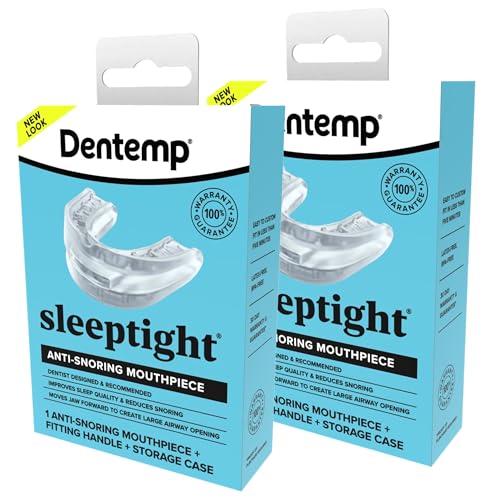
- ✓ Comfortable custom fit
- ✓ Easy breathing design
- ✓ Budget-friendly option
- ✕ Not for severe sleep apnea
- ✕ Needs periodic replacement
| Type | Custom-fit boil-and-bite sleep mouthguard |
| Fit Method | Boil-and-bite; dentist-designed mold to teeth for secure wear |
| Regulatory Clearance | FDA-cleared |
| Sleep Benefit | Snoring relief with improved airflow for easier breathing |
| Design/Materials | Dual-laminate durable construction |
| Packaging/Availability | 2-pack with potential transition to new packaging |
You’ve probably heard that “custom fit” mouthguards are only for serious snorers or sleep apnea cases. With this Dentemp SleepTight setup, I learned that doesn’t have to be true for everyday comfort too.
The first thing that stuck out was the boil-and-bite mold: it’s simple, quick, and you can feel the impression lock in as you bite. It’s not bulky, and the large front opening actually helps me breathe without waking up—which is a small miracle on those rough nights.
When you grab the device, you’ll notice the dual-laminate construction feels sturdy without being heavy in your mouth. I appreciated how the mouthpiece sits flat along the gumline, not pushed up under the lip.
It stays put even if you shift in your sleep, which is exactly what you want for a full night’s rest.
The breathing aspect is where this shines. The front opening is noticeably generous, so air flows naturally rather than getting trapped.
I slept with the device for a week and woke up less stuffy and more refreshed. It’s definitely a real-world helper if you’re battling morning fatigue from snoring.
A small note on the fit: the shape is designed to accommodate different bite patterns, so I didn’t have to fuss with adjustments after the initial boil-and-bite. Cleanup is easy too—rinse and store, no fancy routine required.
For the price, it’s a practical at-home solution that doesn’t scream “dental device.”
If you’re on the fence about whether this is “the one,” I’d say the combination of comfort, airflow, and straightforward use makes this a solid everyday option. It won’t replace a prescription device for severe sleep apnea, but it does what most light-to-moderate snorers need: a reliable, comfortable night’s sleep.
What Is Custom Sleep Apnea Treatment and How Does It Work?
Best practices for seeking custom sleep apnea treatment include consulting with a dentist who specializes in sleep-related disorders, undergoing a thorough sleep study to confirm the diagnosis, and actively participating in the development of a personalized treatment plan. Ensuring consistent follow-up appointments for monitoring and adjustments can also greatly enhance the efficacy of treatment, leading to long-term success in managing sleep apnea.
Why Is It Important to Choose a Dentist Specializing in Sleep Apnea?
Furthermore, a specialized dentist is equipped to collaborate with other healthcare providers, such as sleep specialists and primary care physicians, to ensure a holistic approach to the patient’s health. This interdisciplinary care is vital because sleep apnea can have systemic effects, impacting cardiovascular health, mental well-being, and quality of life. Therefore, selecting the best dentist for custom sleep apnea treatments is essential for achieving the best possible health results.
What Qualifications Should You Look For in a Sleep Apnea Dentist?
Certification from Relevant Associations indicates that the dentist is committed to maintaining high standards of care and staying updated on the latest advancements in the field. Comprehensive Patient Assessment Skills are important for accurately diagnosing sleep apnea and tailoring treatments to meet individual patient needs, which can vary widely based on personal health and anatomy.
Positive Patient Reviews and Testimonials offer real-world insights into the dentist’s approach and effectiveness in treating sleep apnea, helping prospective patients gauge the quality of care they might expect. Lastly, Collaboration with Other Healthcare Professionals is critical, as sleep apnea often intersects with other medical conditions; a team-based approach can enhance treatment outcomes and provide a more comprehensive care experience.
How Can You Evaluate the Best Dentist for Your Custom Sleep Apnea Needs?
When evaluating the best dentist for your custom sleep apnea needs, consider the following criteria:
-
Specialization: Look for a dentist who specializes in sleep medicine or is trained in dental sleep appliances. This knowledge is crucial for crafting effective custom solutions.
-
Experience and Qualifications: Check their credentials, including certifications in dental sleep medicine from recognized organizations, and inquire about their experience treating sleep apnea patients specifically.
-
Patient Reviews and Testimonials: Research online reviews and testimonials from other patients. Positive feedback can indicate a dentist’s effectiveness in addressing sleep apnea issues.
-
Treatment Options: A good dentist should offer a variety of treatment options tailored to your individual condition. This may include oral appliances, continuous positive airway pressure (CPAP), or other methods.
-
Initial Consultation: Schedule an initial consultation to assess their approach. During this visit, evaluate their communication skills, willingness to answer questions, and the thoroughness of the examination.
-
Collaboration with Healthcare Providers: The best dentists collaborate with sleep specialists, primary care physicians, and other healthcare professionals to provide comprehensive care.
By focusing on these aspects, patients can make an informed decision about selecting the right dentist for their sleep apnea treatment.
What Patient Reviews and Testimonials Should You Examine?
Professionalism and staff interaction are vital, as a friendly and knowledgeable team can make the treatment process smoother and more comfortable. Positive feedback in this area often indicates that the dental office prioritizes patient care and communication.
Follow-up care is an important aspect of managing sleep apnea, as adjustments may be necessary after initial treatment. Testimonials that discuss thorough follow-up care can indicate a dentist’s commitment to ensuring long-term success for their patients.
Finally, the comfort and environment of the clinic can significantly affect your experience. Reviews that mention a welcoming atmosphere and comfortable treatment settings can help you choose a dentist where you will feel at ease during your visits.
What Technologies and Techniques Should the Dentist Employ for Treatment?
The best dentist for custom sleep apnea treatments should utilize a variety of technologies and techniques to ensure effective diagnosis and personalized care.
- Digital Impressions: This technology allows dentists to create accurate 3D models of a patient’s mouth, which is critical for designing custom oral appliances used in sleep apnea treatment. By eliminating the need for messy traditional molds, digital impressions enhance the comfort level for patients and improve the fit of the devices.
- Sleep Studies: Dentists often collaborate with sleep specialists to conduct sleep studies, which can be done at home or in a sleep clinic. These studies monitor breathing patterns, oxygen levels, and other vital signs during sleep, providing valuable data to inform treatment decisions.
- Oral Appliance Therapy (OAT): This involves the use of custom-fitted devices that reposition the jaw and tongue to keep the airway open during sleep. OAT is particularly beneficial for patients with mild to moderate obstructive sleep apnea and is often preferred due to its non-invasive nature.
- Continuous Positive Airway Pressure (CPAP) Therapy: While not directly performed by dentists, CPAP machines are often recommended in conjunction with dental treatments. Dentists should be knowledgeable about CPAP therapy, as it provides a common alternative for patients with more severe sleep apnea and may influence the design of dental devices.
- Patient Education and Follow-Up: An effective dentist will prioritize educating patients about sleep apnea, its effects, and the importance of compliance with treatment. Regular follow-up appointments are crucial to monitor the effectiveness of the chosen treatment and make necessary adjustments to the oral appliance or therapy plan.
- 3D Printing Technology: Some dental practices utilize 3D printing to create custom sleep apnea devices quickly and accurately. This technology not only speeds up the manufacturing process but also allows for precise customization based on each patient’s unique anatomical needs.
What Are the Expected Costs of Custom Sleep Apnea Treatments?
The expected costs of custom sleep apnea treatments can vary widely based on several factors, including the type of treatment, the provider, and individual needs.
- Initial Consultation: The first step often involves an initial consultation with a dentist or sleep specialist, which can range from $100 to $300.
- Diagnostic Testing: Sleep studies or diagnostic tests, whether conducted in a lab or at home, can cost between $300 and $2,000, depending on the complexity of the testing required.
- Custom Oral Appliances: The cost for custom-made oral appliances typically ranges from $1,800 to $3,500, reflecting the materials used and the expertise of the dentist.
- Follow-up Visits: Regular follow-up visits may be necessary to adjust the appliance or monitor progress, costing around $50 to $150 per visit.
- Insurance Coverage: Depending on the insurance plan, a portion of these costs might be covered, which can significantly affect the out-of-pocket expenses for the patient.
The initial consultation cost provides a necessary investment for a proper diagnosis and treatment plan tailored to the individual.
Diagnostic testing is crucial for accurately assessing the severity of sleep apnea, with prices varying based on whether a home test or a comprehensive overnight sleep study is conducted.
Custom oral appliances are designed for comfort and effectiveness, and their higher price reflects the craftsmanship and time spent by the dental professional to ensure a proper fit.
Follow-up visits are essential for monitoring the effectiveness of the treatment and making any necessary adjustments, which can add to the total cost over time.
Insurance coverage can alleviate some financial burdens, so it is advisable for patients to verify their policy details regarding sleep apnea treatments before proceeding.
How Can You Prepare for Your Initial Appointment with a Sleep Apnea Dentist?
Preparing for your initial appointment with a sleep apnea dentist is crucial for effective diagnosis and treatment planning.
- Research Your Dentist: Look for a dentist specializing in sleep apnea treatments and read reviews to ensure they are experienced and well-regarded.
- Gather Medical History: Compile a comprehensive medical history, including previous diagnoses, treatments, and any medications you are currently taking.
- Document Symptoms: Keep a log of your sleep patterns, symptoms such as snoring or daytime sleepiness, and how they impact your daily life.
- Prepare Questions: Think about what you want to know regarding treatment options, the procedure, and potential outcomes, so you can have an informed discussion.
- Bring Support: Consider bringing a family member or friend to your appointment for support and to help remember important information discussed.
Researching your dentist is vital as it helps ensure that you are seeing a qualified professional who is experienced in treating sleep apnea. Reading reviews can provide insight into other patients’ experiences and the effectiveness of the treatments offered.
Gathering your medical history allows the dentist to understand any underlying health conditions that may affect your treatment. This information can help them tailor an approach that best suits your individual needs.
Documenting your symptoms gives the dentist a clearer picture of your situation, which is crucial for diagnosing sleep apnea. This log can help highlight patterns and the severity of your condition, making it easier for the dentist to recommend appropriate solutions.
Preparing questions can enhance your understanding of the treatment process and help you address any concerns you might have. This proactive approach ensures that you leave the appointment with the necessary information to make informed decisions about your health.
Bringing a support person can provide emotional comfort and ensure that you do not miss any important details during the consultation. They can also help advocate for you and remember key points discussed during your appointment.
Related Post: