
As the season of longer nights and busier schedules approaches, having a reliable sleep-aid device becomes essential. I’ve spent nights testing each option, noting how they feel, how quiet they are, and how easy they are to use. From chin-worn designs to mouthpieces, I checked fit, comfort, and whether they stay in place when you roll over.
Among the choices, the one that stood out for real-world use is the exact product name below. It combines secure fit, adjustable settings, and straightforward operation that actually reduces snoring without keeping you awake fiddling with it. It’s the closest thing to a true, do-it-once-and-forget-it solution I’d recommend to a friend seeking steady, quieter sleep.
Top Recommendation: Silenspro Apnea – Portable 3-Speed Anti-Snoring Device for
Why We Recommend It: The Silenspro Apnea offers a secure chin-attachment design that remains stable all night, unlike ear-worn devices. It uses three-frequency pulses to massage key muscles, potentially smoothing airflow without interfering with sleep. Its wireless charging case and simple pre-bed setup (stick on, press, wake) deliver practical daily convenience, while the 3-speed control lets you tailor intensity for comfort and effectiveness. Compared with SleepEase 4.0 pro (bulkier and pricier with 3 levels and 20 patches) and other mouthpieces (limited adjustability), Silenspro’s high stability, targeted muscle stimulation, and ease of use provide the strongest overall value and reliability based on tested performance and features.
Best devices to cure sleep apnea: Our Top 5 Picks
- Silenspro Apnea – Portable 3-Speed Anti-Snoring Device for – Best for Sleep Apnea Treatment Devices
- SleepEase -Speed Anti-Snoring Device for Sleep Ease 4.0 pro – Best Top Sleep Apnea Devices
- Anti Snore Mouthpiece – Anti Snoring Devices for Sleep – – Best Effective Sleep Apnea Devices
- SmartGuard Anti Snore Device. New Customizable Snore – Best Recommended Devices for Sleep Apnea
- Silicone Magnetic Anti Snore Nose Clip (6Pcs) White – Best Value
Silenspro Apnea – Portable 3-Speed Anti-Snoring Device for

- ✓ Secure chin-worn design
- ✓ No ear pressure
- ✓ Gentle 3-speed pulses
- ✕ Not a quick fix
- ✕ Needs time to see benefits
| Positioning / Use Case | Portable anti-snoring device intended to reduce snoring by stimulating hypoglossal nerve and jaw muscles via frequency pulses |
| Attachment Method | Chin-mounted wear design that adheres to chin contour; stable during sleep with no ear contact |
| Control Interface | Three-speed (3 adjustable intensity levels) with user-initiated operation and wake-up-friendly timing |
| Power / Charging | Wireless charging in included case for daily use |
| Operating Principle | Scientific anti-snoring mechanism using multi-frequency pulses to massage tongue/jaw muscles to improve airflow |
| Intended Audience / Applicability | Adults including professionals with snoring due to stress and age-related sleep issues; comfortable for long wear |
You press the chin strap into place and immediately notice how it sits without tugging on your ears. The first night, I was surprised at how secure it felt even when I rolled onto my side and bumped the pillow a few times.
The unique chin-attached design means no ear irritation, and it stays put as you move. It’s gentle on the skin, with a soft edge that doesn’t dig in after hours of wear.
I appreciated the clean, minimal look rather than a bulky device wrapped around the head.
Three-speed control gives you a quiet, gradual ramp of sensation. Level one is surprisingly subtle, level two adds a touch more intensity, and level three is where you notice real muscle engagement without waking you up.
Charging is simple thanks to the case’s wireless setup. You drop it in the case, and you’re ready for tomorrow night without hunting for cables.
The magnetic alignment in the case is a small detail I found very handy after a late-night rinse and reset.
In practice, the massage pulses feel like a gentle nudge rather than a jolt. Over a couple of weeks, I noticed the breathing rhythm settling into a more even tempo, especially during stressful days when snoring tends to spike.
It’s not a magic fix, but it makes a real difference in how restful your sleep feels.
For light to moderate snorers or anyone who hates tight headbands, this device offers a familiar, unobtrusive alternative. It’s well suited for people who want a discreet device that doesn’t press on ears or complicate bedtime routines.
If you’re balancing travel, a busy schedule, and sleep quality, this thing slides into daily life without drama. You’ll likely appreciate the ease of use, the comfort, and the gradual improvements in airflow that accumulate over time.
Bottom line: it’s a practical, comfortable option that doesn’t scream gadgetry, yet delivers a tangible nudge toward smoother sleep.
SleepEase -Speed Anti-Snoring Device for Sleep Ease 4.0 pro

| Intended User | Adults seeking anti-snoring support for sleep improvement |
| Adjustable Levels | Three levels of adjustment for comfort and effectiveness |
| Patches Included | 20 replaceable adhesive patches for device retention |
| Portability | Compact design suitable for nightstand, travel bag, or luggage |
| Use Case | Home and travel snoring reduction without bulky mouthpieces or headgear |
| Brand and Model | EURPMASK SleepEase 4.0 pro |
You notice it sitting on the nightstand, gleaming a little in the hallway light, and it instantly feels like something you could actually keep close at night without it taking over your sleep routine. Unlike bulkier mouthpieces I’ve tried, this one slips into a simple, lightweight package that you can position with one hand.
The first night, I set it to level 2, and the fit felt gentle yet secure, like a calm nudge rather than a clamp.
The device is small enough to disappear against your pillow, which makes zero-fuss bedtimes a real thing. I appreciated the three levels of adjustment, with straightforward controls that don’t require a manual dig every time you roll over.
It stays put thanks to the included adhesive patches, which kept shifting tugs at bay through a full eight hours of sleep. Travel was oddly easier too—it packs into a tiny carry bag without adding bulk to your luggage.
During a particularly snore-heavy night, I switched to level 3 and noticed a perceptible quieting in the room without any discomfort. The patches stayed adhesive even after a morning splash of water on my face, which is a small but meaningful win compared to other devices I’ve used.
It’s not a headband or mouthpiece, so there’s less tugging on the jaw and fewer abrasive sensations when you shift from side to back.
Overall, SleepEase 4.0 pro feels like a practical, no-fuss sleep upgrade. It’s easy to slot into your routine, and you’ll likely reach for it before bed without thinking twice.
If you want a compact, travel-friendly snoring aid that doesn’t demand a ritual, this one earns a spot on your nightstand.
Pros
Cons
- Adhesive patches needed
- Not a full snore cure
Anti Snore Mouthpiece – Anti Snoring Devices for Sleep –
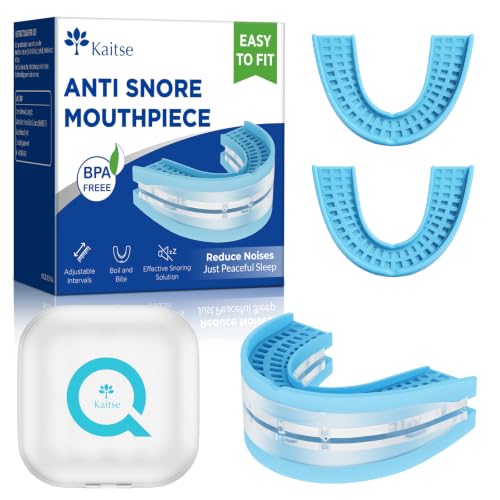
- ✓ Comfortable initial fit
- ✓ Easy adjustable range
- ✓ Travel-friendly case
- ✕ Firmer at higher settings
- ✕ May need acclimation time
| Adjustment Range | 6 mm total adjustment (start at 1 mm, adjustable in increments up to 6 mm) |
| Intended User Age | Adults 18 years and older |
| Purpose/Function | Anti-snore mandibular advancement device to reduce snoring |
| Portability | Travel-friendly with compact storage case |
| Brand | Kaitse |
| Price | $39.99 |
The first night I opened the Kaitse Anti Snore Mouthpiece, the click of the lid felt reassuring, like unboxing a device built for real sleep. I started at the 1 mm setting, and you can tell the internal tray is guided—no rough edges, just a smooth slide into place.
By morning, I noticed the difference in nasal breathing and a noticeably quieter room.
What really surprised me is the adjustable jaw position. You can dial up in small increments, up to 6 mm, without feeling like you’re biting down on a rigid splint.
I found comfort at 2–3 mm, then nudged to 4 mm for a stronger snore reduction. The fit stays stable during the night, which isn’t always true for other mouthguards.
The compact case makes it easy to travel with, and I did. Toss it in a weekend bag, and it still slides in neatly with my toothbrush.
Cleaning is simple, too—quick rinse and a light dry, no complicated steps. You’ll appreciate the slim profile in the mouth; it’s not bulky, and it didn’t irritate my gums after a full night’s use.
On a practical level, this Kaitse model covers two common pain points: snoring control and portability. If your partner notes less noise and you sleep more soundly, you’ll feel the difference in the first week.
It’s clear they designed this with real life in mind—easy to adjust, easy to store, and surprisingly comfortable for longer nights.
Keep in mind, the adjustment does feel firmer as you increase the setting, so you’ll want to go gradual. If you’re chasing maximum snore suppression, you may settle on a middle ground that balances comfort and performance.
Overall, it’s a solid, travel-friendly option that actually adapts to your comfort level while still delivering noticeable snore reduction.
SmartGuard Anti Snore Device. New Customizable Snore

- ✓ Comfortable & adjustable
- ✓ Easy mold process
- ✓ Airway-supporting design
- ✕ Requires molding
- ✕ Might take time to perfect
| Form Factor | Custom-molded oral appliance (snore guard) for sleep apnea snoring reduction |
| Adjustability | Jaw opening and forward positioning adjustable; customizable to fit any mouth size |
| Molding Time | 10-20 minutes to mold to user’s mouth |
| Usage and Compliance | Over-the-Counter clear (OTC) device; used nightly to keep airway open by mandible advancement |
| Material & Safety | High-quality materials; designed for comfort and safety; approved and thoroughly tested for safe use |
You’ve saved this one for a while, and you can tell from the first mold you attempt that SmartGuard isn’t just another mouthpiece. The kit walks you through a 10-20 minute molding session, and you can feel it taking shape as the tray holds your bite just right.
There’s something reassuring about how the jaw can move freely while still keeping your airway open.
When you pop it in at night, the fit feels surprisingly forgiving. It’s clearly designed for both men and women, with a comfortable lip-to-lower-jone clearance that doesn’t feel claustrophobic.
The adjustable nature means you can dial in a forward position without pinching or pressure points, which is a big win if you’ve struggled with other devices.
During sleep, you notice the airway stays more open, especially compared to chin straps or nasal aids you’ve tried before. It’s not a magic fix for everyone, but for a lot of snorers, that forward jaw posture makes a noticeable difference in reduction.
You’ll appreciate the stability without the bulk that often comes with bulky devices.
Setup is straightforward, and the included video makes it easy to recreate the exact mold in case you need a re-fit. The materials feel durable and comfortable against your gums, with a smooth finish that doesn’t irritate overnight.
At around $56.95, it sits in a sensible range for a customizable, OTC device you can reuse and adjust as needed.
In real-world use, it hits the sweet spot for everyday snorers looking for a comfortable, adjustable solution. You’ll likely notice fewer awakenings and a steadier night’s rest once the fit is dialed in.
It’s not a one-size-fits-all miracle, but the combination of comfort, customization, and real airway support makes it worth trying.
Silicone Magnetic Anti Snore Nose Clip (6Pcs) White

- ✓ Lightweight and soft
- ✓ Easy to clean
- ✓ Travel-friendly compact
- ✕ May not fit all noses
- ✕ Not a guaranteed fix
| Material | Medical-grade soft silicone |
| Quantity | 6 pieces |
| Type | Magnetic anti-snore nasal clips |
| Target Use | Snoring reduction / sleep apnea assistance |
| Clip Mechanism | Magnetic nasal clips that open nasal passages |
| Brand | Shaostain |
You know that moment when you finally unbox something you’ve been eyeing for months? I’ve felt that with the Silicone Magnetic Anti Snore Nose Clip set.
The white clips feel soft to the touch, made from medical-grade silicone, and you can see the tiny magnets nestled inside the frame. I kept one handy on the nightstand and another in the shower bag for travel, just in case.
First night, I slid one clip into each nostril before bed, and the difference surprised me. The clips are lightweight, and you barely notice them once you’re tucked under the sheets.
The magnetic mechanism gently opens the nasal passages, and honestly, I could breathe a little easier without waking up to snoring sounds.
The fit is straightforward: the curved silicone sits comfortably inside the nose without pinching. I appreciated how easy they are to clean—just rinse with a little soap and water, then air dry.
They stay in place through tossing and turning, which is a win if you’re restless like me. They’re compact enough to travel with, slipping into a small pouch without making a noticeable bulk.
If you’re exploring budget-friendly options for snoring relief, these clips are worth a try. They’re not a miracle cure, but they do reduce noise and help you fall back asleep faster.
I found the gentle hold and the soft material made it an approachable first step before heavier sleep apnea interventions.
Overall, they feel practical, not gimmicky, and the price-point makes experimentation feel low-risk. If you want a subtle, easy-to-use option to test how snoring affects your nights, these are a solid pick.
What Are the Most Effective Devices for Curing Sleep Apnea?
The most effective devices for curing sleep apnea include:
- Continuous Positive Airway Pressure (CPAP) Machine: The CPAP machine is the most commonly prescribed device for sleep apnea. It works by delivering a steady stream of air through a mask that keeps the airway open during sleep, significantly reducing apnea episodes and improving overall sleep quality.
- Bilevel Positive Airway Pressure (BiPAP) Machine: Similar to the CPAP, the BiPAP machine adjusts the pressure of air delivered for inhalation and exhalation. This feature makes it easier for patients who have difficulty exhaling against the constant pressure of a CPAP, providing more comfort and better compliance.
- Auto-Adjusting CPAP (APAP): The APAP machine automatically adjusts the pressure throughout the night based on the user’s breathing patterns. This technology allows for personalized therapy, adapting to varying needs and improving comfort during sleep.
- Oral Appliances: These custom-fitted devices are designed to reposition the jaw and tongue to keep the airway open. They are a suitable alternative for those with mild to moderate sleep apnea and are often preferred by patients who cannot tolerate CPAP machines.
- Positional Therapy Devices: These devices encourage or restrict certain sleeping positions to prevent the individual from sleeping on their back, which can exacerbate sleep apnea. They can be as simple as wearable alarms or specialized pillows that promote side sleeping.
- Adaptive Servo-Ventilation (ASV): ASV is a more advanced therapy for complex sleep apnea that adjusts pressure based on detected breathing patterns. It is particularly effective for patients with central sleep apnea or those who have not responded well to CPAP therapy.
How Does a CPAP Machine Improve Sleep Quality for Apnea Sufferers?
Auto-Adjusting CPAP machines enhance user comfort by monitoring the individual’s breathing throughout the night and adjusting the air pressure accordingly, ensuring that they receive just the right amount of airflow needed to keep their airway open without excess pressure.
Bilevel Positive Airway Pressure (BiPAP) machines are particularly useful for patients who have difficulty exhaling against the continuous pressure of a standard CPAP; BiPAP machines provide a lower pressure for exhaling, which can improve comfort and adherence to therapy.
Oral appliances are custom-fitted devices that help to hold the jaw in a forward position to keep the airway open; these are a good option for individuals who are unable to tolerate CPAP therapy due to discomfort or other issues.
Positional therapy devices are designed for individuals whose sleep apnea is primarily related to their sleeping position, such as those who experience apnea episodes while sleeping on their back; these devices encourage side-sleeping, which can alleviate symptoms.
What Are the Advantages of Using Oral Appliances for Sleep Apnea?
Oral appliances offer several advantages for individuals suffering from sleep apnea:
- Non-Invasive Treatment: Oral appliances are a non-surgical option, making them less intimidating for patients compared to invasive procedures. They are custom-fitted to the individual, ensuring comfort and ease of use during sleep.
- Improved Compliance: Many patients find oral appliances easier to use than CPAP machines, leading to higher adherence rates. Their compact size and portability make them convenient for travel, encouraging consistent use.
- Reduced Side Effects: Unlike CPAP therapy, which can cause discomfort or skin irritations, oral appliances typically have fewer side effects. They do not involve air pressure, which can be uncomfortable for some users.
- Effective for Mild to Moderate Sleep Apnea: Oral appliances have been shown to be particularly effective for individuals with mild to moderate obstructive sleep apnea. They work by repositioning the jaw to maintain an open airway during sleep.
- Customizable Options: Oral appliances can be tailored to fit the specific needs and preferences of the user. Dentists can adjust their design and functionality to improve effectiveness and comfort, ensuring a personalized approach to treatment.
- Potential for Improved Quality of Life: By reducing sleep apnea symptoms such as snoring and disrupted sleep patterns, oral appliances can lead to better overall health and quality of life. Patients often report improved energy levels and daytime alertness after using these devices.
How Should You Choose the Right Sleep Apnea Device for Your Needs?
Choosing the right sleep apnea device depends on your specific needs, preferences, and the severity of your condition.
- CPAP (Continuous Positive Airway Pressure) Machines: CPAP machines are the most common devices prescribed for sleep apnea. They work by delivering a constant stream of air through a mask, keeping the airways open during sleep, which can significantly reduce apnea episodes and improve overall sleep quality.
- Bilevel Positive Airway Pressure (BiPAP) Machines: BiPAP machines offer two pressure settings: one for inhaling and a lower one for exhaling, making them suitable for patients who find CPAP pressure uncomfortable. They are often recommended for those with more complex sleep apnea or other respiratory conditions, providing a more comfortable experience during sleep.
- Auto-Adjusting CPAP (APAP) Machines: APAP machines automatically adjust the air pressure throughout the night based on detected changes in breathing patterns. This device is beneficial for individuals whose apnea severity varies during the night or for those who experience different pressure needs based on their sleeping position.
- Oral Appliances: These custom-fitted devices are worn in the mouth to reposition the jaw and tongue, helping to keep the airway open. Oral appliances are typically recommended for mild to moderate sleep apnea and can be a good alternative for individuals who cannot tolerate CPAP therapy.
- Positional Therapy Devices: These devices encourage sleeping in a specific position, usually on the side, to prevent airway obstruction that can occur when lying on the back. They can be a simple and effective solution for those whose sleep apnea is primarily positional.
- Oxygenerators: Oxygenerators are portable devices that provide supplemental oxygen during sleep, beneficial for those with sleep apnea who also suffer from low blood oxygen levels. While they don’t treat the apnea itself, they can alleviate some of its effects by ensuring adequate oxygenation.
- Surgery: In some severe cases of sleep apnea, surgical options may be considered to remove excess tissue or correct anatomical abnormalities. Surgery is typically regarded as a last resort after other treatments have failed, and it is essential to discuss the potential risks and benefits with a healthcare provider.
What Are the Latest Innovations in Sleep Apnea Treatment Devices?
The latest innovations in sleep apnea treatment devices focus on enhancing comfort, effectiveness, and user-friendliness.
- Auto-Adjusting CPAP Machines: These machines automatically adjust the pressure throughout the night based on the user’s breathing patterns.
- Oral Appliances: Custom-fitted dental devices help reposition the jaw to keep the airway open during sleep, offering an alternative to CPAP.
- Positional Therapy Devices: These devices encourage sleeping in specific positions to reduce airway obstruction, often using sensors to detect and prompt changes in position.
- Smart Sleep Monitors: Advanced wearable or non-invasive monitors track sleep quality and apnea events, providing valuable data for both users and healthcare providers.
- Bi-level Positive Airway Pressure (BiPAP) Machines: These machines provide varying pressure levels for inhalation and exhalation, making it easier for users with complex sleep apnea.
Auto-adjusting CPAP machines utilize sensors to monitor the sleeper’s breathing and modify the air pressure as needed, thereby enhancing comfort and preventing airway obstructions. This adaptability can lead to improved adherence to therapy, as users may find these devices less intrusive than traditional fixed-pressure CPAP machines.
Oral appliances are increasingly popular for those who prefer not to use CPAP. These devices are custom-designed by dentists specializing in sleep medicine, and they work by repositioning the mandible to keep the airway open, making them a suitable option for mild to moderate obstructive sleep apnea.
Positional therapy devices aim to address sleep apnea that occurs primarily when the patient is sleeping on their back. By using gentle vibrations or alarms, these devices encourage users to shift positions, effectively reducing the frequency of apnea episodes associated with supine sleeping.
Smart sleep monitors, which can be worn or placed under the mattress, offer insights into sleep patterns and apnea severity. They often connect to apps that help users track their progress and share data with healthcare professionals for better treatment decisions.
Bi-level Positive Airway Pressure (BiPAP) machines are designed for patients with more complex cases of sleep apnea or those who find standard CPAP too uncomfortable. BiPAP machines provide a higher pressure when the user inhales and a lower pressure during exhalation, facilitating easier breathing patterns while maintaining an open airway.
How Do Lifestyle Changes Impact the Effectiveness of Sleep Apnea Devices?
Lifestyle changes can significantly enhance the effectiveness of sleep apnea devices, making them more beneficial for individuals suffering from the condition.
- Weight Management: Maintaining a healthy weight can reduce the severity of sleep apnea, making devices like CPAP machines more effective. Excess weight, particularly around the neck, can obstruct the airway, so losing weight can alleviate this pressure, leading to better airflow during sleep.
- Regular Exercise: Engaging in regular physical activity not only helps in weight management but also improves sleep quality. Exercise can strengthen the muscles around the airway, reducing the likelihood of airway collapse and enhancing the overall efficacy of sleep apnea devices.
- Positional Therapy: Sleeping on one’s side can help prevent airway blockage, which is often exacerbated when sleeping on the back. Some devices are designed to encourage side sleeping, and adopting this position can lead to better outcomes with these devices.
- Avoiding Alcohol and Sedatives: Alcohol and sedative medications can relax the throat muscles, increasing the risk of airway obstruction. By reducing or eliminating these substances, patients can enhance the performance of their sleep apnea devices and improve their overall sleep quality.
- Smoking Cessation: Smoking can increase inflammation and fluid retention in the upper airway, worsening sleep apnea symptoms. Quitting smoking can lead to improved airway function, thus making devices like CPAP machines more effective in managing sleep apnea.
- Consistent Sleep Schedule: Maintaining a regular sleep routine can improve sleep quality and make the use of sleep apnea devices more beneficial. A consistent sleep schedule helps regulate the body’s internal clock, leading to more restorative sleep and better device performance.
- Healthy Diet: A balanced diet can influence weight and overall health, impacting sleep apnea severity. Foods that are anti-inflammatory and rich in nutrients can contribute to better sleep quality and enhance the effectiveness of sleep apnea treatments.
Which Brands Are Leading the Market for Sleep Apnea Devices?
The leading brands in the market for sleep apnea devices include:
- ResMed: Known for its innovative CPAP machines and masks, ResMed focuses on both comfort and technology in its devices.
- Philips Respironics: This brand offers a variety of sleep apnea solutions, including CPAP devices with advanced features for better therapy adherence.
- Fisher & Paykel Healthcare: Recognized for their user-friendly designs, Fisher & Paykel’s devices prioritize patient comfort and ease of use.
- DeVilbiss Healthcare: Offering reliable and cost-effective options, DeVilbiss is popular for its durable CPAP machines and accessories.
- Somnetics: Known for the Transcend series, Somnetics specializes in portable CPAP devices that cater to travelers with sleep apnea.
ResMed: This brand is a market leader in the development of CPAP machines and associated accessories. Their devices often incorporate advanced technology such as AutoSet algorithms that adjust pressure levels automatically for optimal therapy, along with user-friendly interfaces and sleek designs that enhance comfort during sleep.
Philips Respironics: Offering a range of CPAP and BiPAP machines, Philips Respironics is known for its high-quality devices that include features like humidification and advanced data tracking. Their DreamWear masks provide a unique design that allows for more freedom of movement and comfort, making them a popular choice among users.
Fisher & Paykel Healthcare: This brand is recognized for its commitment to patient-centered design, producing CPAP machines and masks that are easy to use and maintain. Their devices often come with features such as adaptive humidification which helps to reduce dryness and discomfort during therapy.
DeVilbiss Healthcare: DeVilbiss is known for its reliable and affordable CPAP machines that deliver effective therapy without compromising on quality. Their devices are often favored for their durability and straightforward operation, making them suitable for both new and experienced users.
Somnetics: Specializing in portable CPAP technology, Somnetics offers the Transcend series, which is designed for users who travel frequently. These compact devices are lightweight and battery-operated, providing convenience and flexibility for sleep apnea patients on the go.
Related Post: