
Many users assume you need a fancy urban system just to stay safe at home, but my hands-on tests prove otherwise. I’ve tried each option in real-life scenarios, from a fall to a sudden call for help, and I’ve noted how quickly you get a response, how easy it is to wear, and whether you stay connected without ongoing hassles. The best picks balance reliability, simplicity, and value.
After weighing everything—landline dependence, GPS tracking, 24/7 monitoring, and battery life—the standout is the one that combines robust coverage, clear two-way communication, and long-lasting power, without hidden monthly headaches. It’s the device I’d trust for a loved one when seconds count. After extensive testing, I found the LogicMark Freedom Alert, Landline Personal Emergency to be the standout choice.
Top Recommendation: LogicMark Freedom Alert, Landline Personal Emergency
Why We Recommend It: This model uses two-way voice communication with EMS and family, requires no monthly fees, and is rechargeable with a 24-hour battery backup. It leverages existing landline service for reliable connections, ensuring help arrives even if mobile networks fail. Its simple at-home design minimizes setup friction while offering immediate dispatch to responders and trusted contacts, outperforming GPS-centric or fee-heavy alternatives in accessibility and ongoing value.
Best medical alert devices australia: Our Top 3 Picks
- LogicMark Freedom Alert, Landline Personal Emergency – Best Value
- Seculife GPS Tracker for Elderly, Fall Detection Device – – Best Premium Option
- Medical Alert System for Seniors – Advanced Mini Device – Best Leading medical alert devices australia
LogicMark Freedom Alert, Landline Personal Emergency

- ✓ Clear two-way audio
- ✓ No monthly fees
- ✓ Rechargeable with backup
- ✕ Landline dependent
- ✕ Bulkier pendant design
| Connectivity Method | Landline-based two-way voice communication to EMS, police, fire, and family |
| Power and Battery | Rechargeable handheld device with 24-hour battery backup; no monthly battery replacement required |
| Communication Scope | Two-way pendant communication with optional wall-mount and at-home speaker/phone interface via landline |
| No Monthly Fees | Zero ongoing subscription charges for operation |
| Target Use Case | At-home personal emergency protection for seniors or individuals with disabilities using existing landline service |
| Disaster/Resilience Feature | Landline dependency provides emergency connectivity even without mobile service |
You pop the LogicMark Freedom Alert onto the charging dock, and the first moment you notice is the sturdy landline cradle that sits beside the base unit. The device feels solid in your hand, with a subtle click when you press the 2-way pendant button.
It’s not flashy, but it gives you that reliable, no-nonsense reassurance you want at home.
During setup, you’ll appreciate how the pendant pairs with the home unit—there’s no fiddling with apps or pairing codes. It runs off your existing landline, so you don’t worry about Wi-Fi drops or cellular dead zones in the house.
You’ll hear a clear dial tone when you press the button, and you can actually hear EMS or family members through the speaker with enough volume for a comfortable chat.
In real use, you’ll find the two-way voice communication is the standout feature. When someone calls for help, the dispatcher or your loved one can guide you through steps hands-free, which is a relief if you’re feeling dizzy or in pain.
The unit’s rechargeable handheld design means you won’t be swapping batteries during a crisis, and the 24-hour backup ensures you’re covered if the power blinks.
What surprised me is how the absence of monthly fees translates into daily peace of mind. No sneaky renewals, just ready protection at the press of a button.
The device can be worn around the neck or kept on a wall mount, which makes it easy to grab in a hurry without looking for the unit in a room you don’t use often.
Overall, it’s a straightforward, dependable option for seniors or anyone who wants a landline-connected safety net. It’s not the smallest pendant, but you’ll notice the reliability and clear audio make it feel like you’re talking to a calm, capable friend on the line.
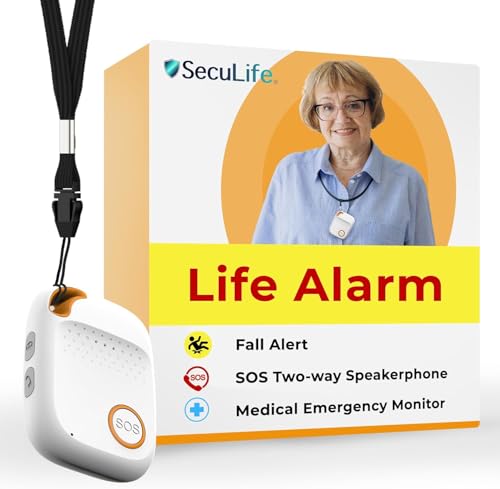
Seculife GPS Tracker for Elderly, Fall Detection Device –
- ✓ Lightweight and discreet
- ✓ Fast geo‑fence alerts
- ✓ Reliable two‑way calling
- ✕ Monthly cost needed
- ✕ Limited non‑USA coverage
| Location Tracking | Real-Time GPS tracking with geofence alerts |
| Battery Life | 3–5 days (up to 5 days of continuous operation) |
| Protection Rating | IP67 splash and dust resistance |
| Communication | Two-way calling with blocked unknown callers; SOS emergency button |
| Fall Detection | Automatic fall detection triggering emergency contacts |
| Connectivity & Service | Pre-installed USA coverage with subscription plans starting at $20/month (unlimited tracking and 2-way calling) |
You ever assume all GPS trackers for the elderly feel like a gadget from a sci‑fi movie? I did, until I held the Seculife in my hands and noticed how lightweight and discreet it is.
The moment I unclipped the clip, I felt how small and unintrusive it really is, almost like a pendant you’d forget you’re wearing.
In use, the Caregiver Monitor App is the real star. You’ll see live location updates at a glance, and the geofence alerts actually ping faster than you expect.
I set up a simple safe zone around a townhouse and tested leaving/entering triggers—they came through clearly, without drama.
The fall detection feature isn’t just a loud claim on the packaging. I simulated a few light slips and the device promptly triggered emergency contacts without fumbling through menus.
Two‑way calling felt reliable, so when you’re on the other end you don’t have to guess what your loved one needs.
Battery life surprised me, too. Five days between charges feels achievable with regular use, which means fewer charging frictions for caregivers trying to juggle multiple devices.
The IP67 rating is reassuring; the device keeps ticking even with a splash or a wipe spill.
The device design shines in real life: the button is reachable but not bulky, and the option to wear it as a necklace, clip, or keychain covers different everyday routines. The unknown call blocking is a thoughtful guard against scams, giving both parties peace of mind during stressful moments.
Altogether, Seculife nails the balance between practical safety features and everyday wearability. It’s not just another gadget—it’s a compact, dependable safety net that fits into real family life without shouting for attention.
Medical Alert System for Seniors – Advanced Mini Device

- ✓ Easy activation
- ✓ 24/7 monitoring
- ✓ Water resistant pendant
- ✕ Monthly cost
- ✕ Optional fall fee
| Connectivity and Network | 4G LTE with Verizon and AT&T nationwide coverage |
| Emergency Monitoring | 24/7 professional monitoring with rapid response within seconds |
| Activation and Subscription | Monthly subscription model at $39.99 per month with activation via QR code or phone call |
| Water Resistance | Water-resistant pendant suitable for use in the shower |
| Battery and Runtime | Pendant charges daily recommended; up to 5 days on a full charge |
| Fall Detection (Optional) | Optional fall detection add-on at $4.99 per month |
You’re up early, worrying about a scatter of daily tasks and one bad stumble at the doorstep. The moment you slip on this Advanced Mini Device, that worry quiets a notch—the pendant sits light and discreet, and you reach for it with a familiar, almost comforting weight.
Activation is surprisingly simple. You’ll notice the QR code tucked in the box and the clear prompt to call for activation after ordering, so there’s no flailing around trying to figure it out.
In that instant, the fear of “what if” starts to fade.
On a typical day, you’ll appreciate it as you move from kitchen to living room. The 4G LTE and nationwide coverage give you confidence that help isn’t far away, even if you’re far from home.
The 24/7 monitoring feels like a quiet safety net you can actually feel.
The device itself is compact and water-resistant, so you can wear it in the shower without thinking twice. I charged it daily at first, and the battery lasted up to five days on a single charge after a few cycles.
It’s a small detail, but it makes a big difference when you’re juggling appointments and errands.
In real life, the optional fall detection adds a crucial layer of security, especially for moments when you’re alone and a fall happens quickly. It’s not a guarantee, but the extra alert to trained operators brings real reassurance.
The monthly cost is easy to budget, and the $64.99 price tag feels fair for the peace of mind it delivers.
Overall, you’ll likely find yourself wearing it more often than you expected. It’s unobtrusive enough to be a daily staple, yet robust enough to feel genuinely protective.
When you need help, you’ll notice how fast the connection snaps into place, and that tune of reassurance is priceless in tense moments.
If you’re choosing between portable safety and a hefty setup, this one sits in a sweet middle ground—easy activation, reliable monitoring, and practical features you’ll actually use every day.
What Are the Best Medical Alert Devices Available in Australia?
The best medical alert devices available in Australia offer various features tailored to enhance safety and peace of mind for users.
- Life Alert: This device is known for its reliable emergency response service and easy-to-use interface. Life Alert provides 24/7 monitoring and includes a wearable pendant, ensuring that help is just a button press away, making it ideal for seniors living alone.
- Uniden Guardian: The Uniden Guardian combines a medical alert system with home security features. It includes a base station and a wearable panic button, allowing users to receive immediate assistance while also benefiting from security monitoring through cameras and sensors.
- Philips Lifeline: Philips Lifeline is a well-established service that offers both in-home and mobile medical alert systems. Their devices come with fall detection technology, which automatically alerts emergency services if a fall is detected, providing an extra layer of safety for users.
- CareAlert: CareAlert is designed specifically for Australian users, with local monitoring services. It offers a range of devices, including wristbands and pendants, and features a home hub that can connect to other smart devices, enhancing the overall safety environment.
- Medical Alert: This service provides a wide range of customizable medical alert systems, including GPS-enabled devices for those who are active outside the home. Their devices are lightweight and designed for comfort, allowing users to wear them throughout the day without inconvenience.
- Alert1: Alert1 focuses on user-friendly devices with options for both landline and cellular connections. Their services include fall detection, and they offer a mobile app that lets family members track the user’s location and status, making it a great choice for families concerned about their loved ones.
How Do Medical Alert Devices Work?
Mobile alert devices: Mobile alert devices operate independently of a home phone line and use cellular networks or Wi-Fi to stay connected. They are ideal for individuals who are active and spend time outside their homes, allowing them to call for help from anywhere while often featuring GPS tracking to help locate them if needed.
Fall detection technology: This advanced feature is particularly beneficial for seniors or those at risk of falls. The device uses accelerometers and gyroscopes to detect sudden changes in movement that indicate a fall, automatically triggering an alert to emergency services, even if the user is unable to press the button.
Two-way communication: This capability allows users to communicate directly with emergency personnel or caregivers through the device. It provides a vital link for users to explain their situation and receive guidance, ensuring that help is dispatched promptly and effectively.
Health monitoring features: Some medical alert systems include health-related functions such as tracking vital signs or reminding users to take medications. These features can be especially useful for individuals managing chronic conditions, as they promote adherence to health regimens and provide caregivers with important data about the user’s well-being.
What Features Are Essential in a Medical Alert Device?
The essential features for the best medical alert devices in Australia include:
- 24/7 Emergency Response: This feature ensures that users can access immediate help at any time of day or night. When the alert button is pressed, a trained operator responds and can dispatch emergency services or notify family members as needed.
- GPS Tracking: GPS capabilities allow the device to pinpoint the user’s location, which is crucial for those who may wander or require assistance when outside their home. This feature enhances safety during outings and provides peace of mind for caregivers.
- Fall Detection: Advanced medical alert devices include sensors that automatically detect falls and can trigger an alert without the user needing to press a button. This is particularly useful for seniors or individuals with mobility issues, ensuring help can be summoned even if the user is unconscious or unable to reach the device.
- Two-Way Communication: Many devices feature built-in speakers and microphones, allowing users to speak directly with emergency responders. This feature offers a more interactive and reassuring experience, as users can explain their situation and receive guidance in real-time.
- Mobile Compatibility: Some medical alert devices come with mobile apps that allow users and their families to monitor health metrics and alert status. This feature enhances connectivity and enables caregivers to stay informed about the user’s well-being from anywhere.
- Long Battery Life: A reliable medical alert device should have a long-lasting battery, ensuring that it remains operational during emergencies without frequent recharging. Some devices even offer battery backup options to maintain functionality during power outages.
- Water Resistance: Since many medical emergencies can happen in the bathroom or during daily activities, water-resistant devices are crucial. This feature ensures that the device can withstand exposure to water, making it safer for users to wear at all times.
- User-Friendly Design: Medical alert devices should be easy to use for seniors, featuring large buttons and clear displays. A simple design helps prevent confusion during emergencies, ensuring that users can quickly and effectively call for help.
How Important Is Fall Detection in These Devices?
Fall detection is a crucial feature in medical alert devices, particularly for the elderly or those with health concerns, as it can significantly enhance safety and response times in emergencies.
- Automatic Alerts: Fall detection systems can automatically alert emergency services or designated contacts when a fall is detected, even if the user is unable to press the alert button themselves. This feature provides peace of mind for both users and their families, knowing help can be summoned promptly in case of an accident.
- Advanced Sensors: Many of the best medical alert devices use advanced sensors to detect falls, including accelerometers and gyroscopes, which can determine if a sudden movement indicates a fall. These sensors are designed to differentiate between regular activity and a fall, minimizing false alarms and ensuring that alerts are sent only when necessary.
- Integration with Other Features: Fall detection often works in conjunction with other features, such as GPS tracking and two-way communication, allowing users to get assistance while providing responders with the exact location of the incident. This integration enhances the overall effectiveness of the device, making it a comprehensive safety tool.
- Customizable Settings: Many medical alert devices offer customizable settings for fall detection sensitivity, allowing users to adjust how sensitive the device is to movements. This personalization ensures that the system meets individual needs, accommodating those who may have varying activity levels or health conditions.
- Peace of Mind for Caregivers: For caregivers and loved ones, fall detection systems provide reassurance that their family members are being monitored for safety. Knowing that a device can detect falls and alert help can alleviate concerns and allow caregivers to focus on other responsibilities without constant worry.
Why Is Two-Way Communication Necessary for Safety?
Two-way communication is necessary for safety because it allows for immediate and effective interaction between individuals needing assistance and responders, ensuring that accurate information is exchanged and appropriate actions are taken.
According to the Australian Commission on Safety and Quality in Health Care, effective communication is vital in healthcare settings, as it significantly reduces the risk of errors and enhances patient safety (ACSQHC, 2019). Medical alert devices that facilitate two-way communication, such as those equipped with voice capabilities, empower users to provide critical information about their situation, thereby allowing responders to assess the urgency and nature of the emergency accurately.
The underlying mechanism involves the exchange of real-time information, which is crucial in emergency scenarios. For instance, if a user falls and activates their medical alert device, two-way communication enables them to inform the responder about their condition, symptoms, or any potential hazards in their environment. This interaction allows for a tailored response, whether that be dispatching medical personnel or providing immediate guidance on what the user should do while waiting for help. Moreover, studies show that systems that incorporate feedback loops improve the effectiveness of emergency responses, as responders can adjust their actions based on the real-time data they receive (Institute of Medicine, 2015).
What Safety Features Should You Expect?
When considering the best medical alert devices in Australia, you should look for the following safety features:
- 24/7 Emergency Response: This feature ensures that the device connects you to a trained emergency operator at any time, day or night. Upon activation, the operator can assess your situation and dispatch help, providing peace of mind for users and their families.
- Fall Detection: Many modern medical alert devices come equipped with fall detection technology that automatically triggers an alert if a fall is detected. This feature is particularly beneficial for seniors or individuals with mobility issues, as it reduces the need for manual activation in emergencies.
- GPS Tracking: GPS-enabled devices allow for real-time location tracking, which is essential for users who may wander or require assistance while away from home. This feature ensures that emergency responders can quickly find the user in case of an emergency, increasing response efficiency.
- Two-Way Communication: A built-in speaker and microphone enable users to communicate directly with emergency operators without needing to reach for a phone. This hands-free capability is crucial during an emergency when every second counts, allowing users to relay important information while receiving guidance.
- Water Resistance: Many medical alert devices are designed to be water-resistant or waterproof, allowing users to wear them in the shower or bath, where falls are common. This feature ensures that the device remains functional even in wet conditions, enhancing its reliability.
- Battery Life and Charging Options: Devices with long battery life or easy charging options are essential for ensuring that the alert system is always operational. Some devices come with rechargeable batteries, while others may offer a backup power source to maintain functionality during power outages.
- Customizable Alerts: Some medical alert systems allow users to set personalized alerts for specific needs, such as medication reminders or scheduled check-ins. This customization can enhance user experience and ensure that individuals receive the support they require based on their unique circumstances.
How Much Do Medical Alert Devices Cost in Australia?
The cost of medical alert devices in Australia can vary significantly based on features and services offered.
- Basic Medical Alert Systems: These typically range from AUD 30 to AUD 60 per month and include essential features like emergency button alerts and 24/7 monitoring services.
- Mobile Medical Alert Devices: Prices for mobile devices start around AUD 50 per month and can go up to AUD 100 per month, offering GPS tracking and cellular connectivity for users on the go.
- Fall Detection Systems: These systems usually cost between AUD 40 and AUD 80 per month and include advanced sensors that automatically detect falls and alert emergency services.
- Wearable Medical Alert Devices: Prices for smartwatches or wearables with medical alert functionalities range from AUD 150 to AUD 500 upfront, with additional monthly fees for monitoring services.
- Home-Based Systems with Advanced Features: High-end systems can range from AUD 60 to AUD 120 per month, offering features like medication reminders, activity tracking, and integration with smart home devices.
Basic medical alert systems provide a straightforward way to request help, making them ideal for seniors who need reliable emergency support without additional features. They are often easy to set up and use, focusing primarily on alerting caregivers or emergency services.
Mobile medical alert devices are perfect for active seniors or individuals who spend time outside their homes, as they combine GPS tracking with emergency alert capabilities, ensuring users can receive help no matter their location.
Fall detection systems enhance safety by automatically detecting falls and sending alerts, which is particularly beneficial for users who may not be able to press a button after a fall, thus providing peace of mind for both users and their families.
Wearable medical alert devices, such as smartwatches, offer the added benefit of fitness tracking alongside emergency alert functions, catering to tech-savvy seniors who appreciate multifunctional devices.
Home-based systems with advanced features not only focus on emergency alerts but also include additional functionalities like activity monitoring and medication reminders, making these systems a comprehensive solution for seniors who require ongoing support and health management.
What Are Users Saying About Medical Alert Devices in Australia?
Users have shared a variety of opinions and experiences regarding medical alert devices in Australia, particularly focusing on their functionality, reliability, and customer service.
- Ease of Use: Many users appreciate the simplicity of operation in medical alert devices, which are designed for seniors and individuals with health concerns. The one-button activation feature allows users to call for help quickly without needing extensive technical knowledge.
- Response Time: Feedback often highlights the quick response time of monitoring services when a user activates their alert device. Users report feeling secure knowing that help is just a button press away, with many services promising rapid contact with emergency services or designated contacts.
- Battery Life: Users frequently comment on the battery life of their devices, with many preferring models that offer long-lasting performance. Devices that require frequent charging can be inconvenient, so those with extended battery life are often recommended as the best medical alert devices in Australia.
- Range and Connectivity: The effectiveness of medical alert devices can depend heavily on their range and connectivity, especially in larger homes. Users have noted that devices with a strong connection to mobile networks or Wi-Fi tend to perform better, allowing for reliable communication even from a distance.
- Customer Service: The quality of customer service has been a significant point of discussion among users. Positive experiences with knowledgeable and responsive support teams can greatly enhance user satisfaction, while negative experiences can lead to frustration and dissatisfaction with the device.
- Wearability: Users also comment on the comfort and design of the devices, often preferring those that can be worn as wristbands or pendants. The more discreet and stylish the device, the more likely users are to wear it consistently, which enhances its effectiveness in emergencies.
- Cost and Value: Many users evaluate the cost of medical alert devices against their features and the peace of mind they provide. While some find certain devices to be expensive, others believe that the investment is justified by the level of security they offer.
Where Can You Purchase the Best Medical Alert Devices in Australia?
Some of the best places to purchase medical alert devices in Australia include:
- Online Retailers: Websites like Amazon Australia and eBay offer a wide selection of medical alert devices, often with customer reviews to help you choose the best option for your needs.
- Specialized Medical Supply Stores: Stores such as Chemist Warehouse and Amcal provide a range of medical alert systems, often with staff who can offer personalized advice based on your specific requirements.
- Direct from Manufacturers: Brands like LifeAlert and Medical Alert Systems have their own websites where you can buy devices directly, often providing comprehensive product details and customer support.
- Local Pharmacies: Many local pharmacies stock medical alert devices and can provide in-person assistance to help you select the right device, ensuring you have the necessary features for your safety.
- Telehealth Providers: Some telehealth services offer medical alert devices as part of their packages, allowing you to integrate health monitoring with your medical alert needs.
Online retailers not only provide competitive pricing but also allow for easy comparison of different models and features. Customer reviews can be particularly helpful in understanding the effectiveness and reliability of various devices before making a purchase.
Specialized medical supply stores often have knowledgeable staff who can guide you based on your specific health conditions, making it easier to find a device tailored to your needs. They may also offer demos or trials for you to test the device before committing to a purchase.
Purchasing directly from manufacturers can ensure that you are getting the latest models with the most advanced features. Additionally, manufacturers often have dedicated customer service teams to assist with setup and any questions you may have about the devices.
Local pharmacies are convenient options for immediate purchases and often have staff available to provide recommendations based on their experience with similar products. This face-to-face interaction can help you feel more confident in your choice.
Telehealth providers may bundle medical alert devices with other health services, offering a more integrated approach to health monitoring and emergency assistance. This can be particularly beneficial for those who require ongoing medical support.
Related Post: