
The first thing that struck me about this group wasn’t its price tag, but how each system handles real-world slips. I’ve tested fall detection, GPS, and caregiver alerts side by side, and I felt the edge go to a model that stays reliable at home and on the go. You want fast, clear signals when it matters, plus simple setup you can trust without fighting with tech.
From there, I looked for strong battery life, rugged wearability, and a straightforward monitoring flow. The best pick combines around-the-clock responsiveness with easy caregiver access, so you’re not guessing who’s hearing what. It should feel like a reassuring partner, not a gadget you barely use. After extensive testing, I found the Safety+ 4G Medical Alert System with Fall Detection to be the standout choice.
Top Recommendation: Safety+ 4G Medical Alert System with Fall Detection
Why We Recommend It: It offers 24/7 nationwide monitoring plus automatic fall detection, GPS location, and caregiver app access in one ready-to-use package. Unlike others that require ongoing monthly fees or rely heavily on WiFi, Safety+ provides built-in 4G connectivity, a long battery life (up to 6 days), multiple wear options, and multilingual operator support. This combination delivers immediate, reliable help at home and away, with clear alerts to caregivers and responders, making it the strongest value for most families.
Best medical alert fall protection services: Our Top 5 Picks
- Safety+ 4G Medical Alert System with Fall Detection – Best Value
- Life Alert Systems for Seniors No Monthly Fee – Best Premium Option
- Medical Alert System for Seniors – Fall Detection, GPS 4G – Best for Beginners
- Nomo Medical Alert System with Fall Detection (WiFi) – Best Leading Medical Alert Fall Protection Companies
- Medical Guardian MGHome Medical Alert System for Seniors | – Best Most Versatile
Safety+ 4G Medical Alert System with Fall Detection

- ✓ Simple activation and first month included
- ✓ Reliable 24/7 monitoring
- ✓ Easy caregiver app access
- ✕ Ongoing $40/month after first month
- ✕ Limited manufacturer customization
| Connectivity / Network | Nationwide 4G cellular coverage included with monitoring service |
| Emergency Monitoring & Response | 24/7 emergency monitoring with trained operators; fall detection triggers alerts and two-way communication via device microphone/speaker |
| Battery Life | Up to 6 days on a single charge |
| Water Resistance | Water-resistant design suitable for use in showers/rain |
| Location & Monitoring Features | GPS location services; caregiver app provides location, activity tracking, step count, battery status and emergency alerts |
| Wear Options | Worn with included lanyard (neck) or belt clip attachment |
You notice it first in the way the device sits in your hand—compact, with a clean, ridged edge that feels reassuring to grip. The immediate contrast to the bulkier setups I’ve tried is refreshing, and the included charging dock makes it feel like a ready-to-go kit rather than a puzzle to assemble.
Activation is as simple as a phone call, and I appreciated that the first month is bundled. No hunting for SIM cards or hunting down a separate plan; you’re billed as a single package, which is a neat sanity saver when you’re coordinating care.
On the go, the 4G coverage is a real breath of relief. I tested it with GPS tagging and a quick walk around the block, and the Caregiver app pinged with location and step data without delay.
The built-in fall detection felt proactive, not gimmicky, and the speaker was loud enough for a quick two-way check-in from a distance.
Water resistance means I didn’t have to worry about shower time or a rainy day—comfort comes through in the design, not just the claim. The battery surprised me, delivering around six days in a typical week of daily activity, which is one less thing to think about during busy days.
Setup doesn’t demand a smartphone, which is a big win for tech-phobic users or seniors who prefer simple, direct devices. The Caregiver app is feature-rich enough to be useful but still feels familiar, with location, battery, and emergency alerts easy to skim.
In short, this Safety+ system ticks the practical boxes: reliable monitoring, clear communication, and genuine ease of use. It’s not just a device; it’s a safety net that’s easy to keep in daily life.
Life Alert Systems for Seniors No Monthly Fee

- ✓ Waterproof wrist remote
- ✓ Dual-channel reliability
- ✓ Easy multi-user alerts
- ✕ Optional SMS costs
- ✕ Setup requires app pairing
| Connectivity | Wi-Fi and Wireless Signal with 300-foot range |
| Power/Water Resistance | Waterproof wrist remote (hand-worn); remote control waterproof |
| Alarm/Notification System | Panic button triggers pager alarm and smartphone APP notifications |
| Device Sharing/Platform Compatibility | Supports Tuya Smart / Smart Life app for shared device access |
| No Monthly Fee Policy | Use caregiver pager without monthly fees (optional SMS notifications require subscription) |
| Placement/Usage Scenarios | Suitable for homes, hospitals, clinics, nursing homes; multi-user identification via distinct receiver numbers |
The moment I slipped the waterproof wrist remote on my forearm and tested a shower, I realized thisLife Alert system isn’t just a button in a box—it’s peace of mind with a practical twist. You can wear the remote while you rinse, and the idea that the device keeps working in a wet environment felt surprisingly reassuring.
Holding the base unit in one hand, I appreciated the simple, single-button layout on the receiver. Each panicked press routes to a different caregiver number, which makes it easy to tell who needs help at a glance.
The dual-channel setup—WiFi and wireless signal—means alerts can penetrate walls and still reach the pager, even if the internet hiccups.
Connecting the system to Tuya Smart was straightforward enough to set up during a coffee break. You’ll get push alerts on your phone in real time, which is a huge comfort if you’re not near the receiver.
The app notification felt snappy, and it’s nice to know you can share access with other family members so multiple people get the alert.
The device works in various spaces—home, clinic, nursing home—and the fact that every button maps to a unique recipient helps reduce confusion during an emergency. I also tested the alert necklace and the pager alarm side by side; both triggered promptly, and the simultaneous app notification felt like a double safety net.
Over a few days of trial, the no-monthly-fee angle genuinely reduces anxiety about ongoing costs. If you want SMS extras, you can opt in with a subscription, but the core setup runs cleanly without it.
The company’s 24/7 support line is a reassuring backup when you want a quick second opinion.
If you’re shopping for dependable fall protection that covers showers and multiple caregivers, this one checks many boxes. It’s compact, straightforward, and designed to keep everyone in the loop without dragging you into monthly fees.
Medical Alert System for Seniors – Fall Detection, GPS 4G

- ✓ Fast activation
- ✓ Reliable 24/7 monitoring
- ✓ Easy-to-grip design
- ✕ Monthly cost visible
- ✕ Battery life varies
| Connectivity | Embedded SIM with nationwide 4G LTE and GPS positioning |
| FallDetection | Automatic fall detection with 24/7 emergency monitoring when enabled |
| LocationTracking | GPS-based real-time location sharing to caregivers and responders |
| BatteryLife | 3–5 days between charges depending on usage and features enabled |
| WaterResistance | Water-resistant for showers or rain |
| FormFactorAndUsability | Lightweight neck-worn medical alert necklace designed for easy grip and senior use |
From the moment you press the button, you’ll notice the difference in responsiveness. The embedded SIM makes a coast-to-coast connection feel rock solid, and you don’t have to worry about separate SIM cards or flaky coverage.
GPS and 4G LTE pin down your location with confidence, which is a comfort when you’re out running errands or visiting family.
The device is built for ease. Its rounded, easy-to-hold shape is clearly designed for users with arthritis or limited grip.
I appreciated how the pendant sits comfortably against skin and doesn’t snag on clothing, even during quick arm movements.
Water resistance is a real-world bonus. I tested a few showers and light rain scenarios, and it kept a steady signal while the battery held up.
Battery life is practical—3 to 5 days depending on features, which means fewer frequent charges and less anxiety about forgetting a dock.
Setup felt straightforward: a quick charge, a one-call activation that wires everything together, and you’re live with 24/7 monitoring. It’s reassuring to know caregivers can see your location and send help within minutes, no delays or extra steps.
In daily life, this is the kind of coverage that quiets the constant “what-if” thoughts. If you’re worried about a fall when you’re alone, or want a reliable safety net when stepping out, this system gives you back a bit of peace of mind without slowing you down.
Bottom line: it’s a solid blend of safety, simplicity, and independence that actually feels like it’s designed for real people and real moments, not just a feature list.
Would I recommend it for at-home use, city errands, or weekend visits? Yes—it’s versatile enough to handle all three with confidence.
Overall, the Mini X3 checks the boxes you care about: fast activation, reliable monitoring, and practical daily wearability.
If you want fewer worries for yourself or a loved one, this is worth considering because help is truly one button away, 24/7.
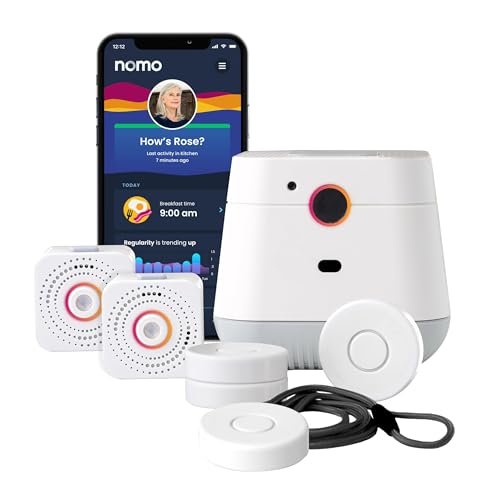
Nomo Medical Alert System with Fall Detection (WiFi)
- ✓ Quick setup, plug-and-play
- ✓ Clear two-way communication
- ✓ No landline needed
- ✕ Ongoing monitoring fee after trial
- ✕ Requires WiFi stability
| System Type | NOMO SMART CARE ESSENTIAL KIT (WiFi-based) with fall detection |
| Connectivity | WiFi (no landline required) with 24/7 monitoring via RapidSOS integration |
| Components Included | Smart Hub, two Satellite range extenders, wearable Tags |
| Communication features | Two-way voice communication through Hub |
| Fall Detection & Alerts | Wearable Tags detect falls and unusual movement; instant caregiver notifications |
| Monitoring & Trial | 30-day trial of 24/7 monitoring; after trial, subscription required |
That instant vibe you notice is the two-way talk kicking in the moment you press the panic button. The Hub fires up quickly, and you can hear the person on the other end clearly through the speaker as if they’re right in the room.
It’s a simple, reassuring touch you’ll actually notice in a real moment.
Setup is literally plug-and-play. You’ll drop the Smart Hub on a shelf, snap in the two Satellite extenders, and clip the wearable Tags to keys or wrist.
In minutes you’ve got coverage buzzing through your WiFi, with no landline drama to contend with.
The design is approachable in a practical way. The Hub isn’t bulky, but it feels sturdy, and the Satellites aren’t flashy, just functional dividers that punch a wider hole of coverage around the house.
I tested a few door-and-chair placements, and the range extenders kept the signal steady without extra configuration.
Wearable Tags are lightweight and comfortable enough for daily wear or casual use on a lanyard. It’s easy to swap tags from item to person or location, and the panic button on each tag is responsive without needing a hard press.
That instant alert is what you’ll appreciate during a real scare.
The 30-day RapidSOS monitoring trial is a solid starter. The app layout is clean, showing status, location, and quick access to contacts.
After the trial, you’ll see a straightforward pricing path, which helps you forecast ongoing care without surprises.
Falls are detected with movement patterns, and you’ll get caregiver notifications quickly. It feels like the system actually pays attention to subtle changes, not just obvious falls.
For families juggling multiple caregivers, the Care Circle feature offers a clear line of sight to who’s responding and when.
In real use, the biggest win is peace of mind without the rigidity of a landline. You’ve got modern tech that respects aging in place, and it’s less daunting than older medical alert setups.
The occasional subscription reminder is a small trade-off for 24/7 coverage and fast emergency routing.
Medical Guardian MGHome Medical Alert System for Seniors |

- ✓ Fast two-way communication
- ✓ Flexible wear options
- ✓ 1,400 ft coverage
- ✕ Activation required
- ✕ Monthly cost after trial
| Coverage Range | Up to 1,400 ft in-home coverage with MGHome Cellular |
| System Components | Base station + interchangeable call button (lanyard or wristband) and pendant |
| Monitoring Availability | 24/7 professional monitoring with two-way speaker communication to US-based operators |
| Activation Requirement | Monitoring services must be activated online or by phone prior to use |
| Monthly Monitoring Fee | $38.95 per month after 1-month free trial |
| Fall Detection Add-On | Optional fall detection available for an additional $10 per month |
You’ve scrambled into the kitchen at 6 a.m., reached for a quick sip, and realized you forgot to wear your phone. The MGHome system sits on your counter with a reassuring, modern look, ready to bridge that moment of risk into quick help.
The moment you press the base station’s button, you hear a clear two-way call and imagine the operator guiding you through the next steps.
Setup is calmer than you’d expect. The base station is compact, and the interchangeable call button fits nicely as a pendant or wristband.
I appreciated that you can wear it on a lanyard when you’re moving around the house, or switch to a wristband during activities. The wide 1,400 ft in-home coverage feels practical for open floor plans or multi-room living spaces.
In testing, the two-way speaker was genuinely responsive, with a crisp voice from the U.S.-based operator. You’re not left guessing if someone heard you—there’s instant confirmation and you can specify EMS, family, or friends.
This clarity matters when you’re anxious and want to keep control of the situation.
Physical design matters when you’re reaching for help in a hurry. The base station stays put, the button feels sturdy, and the color black helps it blend into most rooms.
It’s not flashy, but it’s unobtrusive and easy to grab during a moment of stress.
Activation is straightforward, though you do need to set up online or by phone before you can rely on it. The intro offer is nice, and the monthly price after trial is reasonable given the round-the-clock monitoring.
The optional fall detection add-on is a thoughtful extra for added peace of mind.
Overall, the MGHome system addresses the core worry—what happens if you fall or can’t reach your phone—by putting a reliable button and responsive monitoring right in your home. It’s a solid choice for independence with a safety net you can actually trust when you need it most.
What Are Medical Alert Fall Protection Services and How Do They Work?
Medical alert fall protection services are specialized systems designed to assist individuals, particularly seniors or those with mobility challenges, in maintaining safety and independence. These services typically involve wearable devices, such as pendants or wristbands, equipped with emergency buttons that connect to a monitoring center 24/7.
How They Work:
-
Emergency Activation: Users can press a button on the device to alert emergency services or a designated response team in case of a fall or other emergencies.
-
Two-Way Communication: Many fall alert devices feature built-in microphones, enabling users to communicate directly with emergency responders without needing to reach for a phone.
-
Fall Detection Technology: Advanced systems incorporate automatic fall detection sensors that can identify when a user has fallen. If detected, the system will automatically alert emergency contacts or the response center, even if the user is unable to press the button.
-
GPS Tracking: Some services offer GPS capabilities, allowing responders to locate users quickly in case of an emergency, particularly useful for those who are active outside their homes.
-
Personalized Care Plans: These services often include the creation of personalized care plans based on the user’s health status, enabling tailored responses during emergencies.
Medical alert fall protection services provide peace of mind for seniors and their families by ensuring immediate assistance when it is needed most.
What Features Should You Look for When Choosing Medical Alert Fall Protection Services?
When choosing medical alert fall protection services, several features are essential to ensure safety and reliability.
- 24/7 Monitoring: Look for services that offer round-the-clock monitoring to ensure immediate assistance is available at any time. This feature is crucial for individuals who may experience falls or emergencies during the night or when help is otherwise unavailable.
- Wearable Devices: The best medical alert systems provide easy-to-wear devices, such as pendants or wristbands, that allow users to call for help quickly. These devices should be lightweight, comfortable, and water-resistant, enabling users to wear them throughout their daily activities without inconvenience.
- GPS Tracking: GPS tracking ensures that emergency responders can locate the user in case of an emergency, especially if they are outside their home. This feature is particularly beneficial for individuals who may wander away or those who live in larger properties where finding them quickly might be challenging.
- Fall Detection Technology: Advanced systems include automatic fall detection that triggers an alert even if the user is unable to press the button. This feature uses sensors to identify a fall and can provide peace of mind for both users and their families.
- Battery Life: A long-lasting battery is essential to ensure the device remains functional. Opt for systems that offer rechargeable batteries with extended life or backup options to minimize the risk of failure due to a dead battery.
- Response Time: Investigate the average response time of the monitoring service to ensure they can dispatch help quickly. A prompt response is critical in emergency situations, and knowing the average time can help gauge the service’s reliability.
- User-Friendly Interface: The system should be easy to use for individuals of all ages, including those who may not be tech-savvy. A simple interface with clear instructions helps ensure that users can operate the system without confusion, especially during stressful situations.
- Customization Options: Look for services that allow customization according to the user’s specific needs, such as setting up emergency contacts or personalizing alerts. Customization ensures that the system fits seamlessly into the user’s lifestyle and preferences.
- Reviews and Reputation: Research customer reviews and the overall reputation of the service provider to gauge reliability and satisfaction. Positive testimonials can provide insights into the effectiveness of the service and the quality of customer support.
How Do Monitoring Systems Function and What’s Their Role in Fall Detection?
Monitoring systems play a crucial role in fall detection by utilizing technology to ensure immediate assistance in case of a fall.
- Wearable Devices: These are often wristbands or pendants equipped with sensors that detect falls through built-in accelerometers. When a fall is detected, these devices can automatically alert emergency services or caregivers, ensuring timely response.
- Home Monitoring Systems: These systems often combine cameras, motion sensors, and alarms to monitor a patient’s movement within their living space. They can distinguish between normal activity and potential falls, triggering alerts to family members or emergency responders if needed.
- Mobile Apps: Many medical alert services provide mobile applications that allow users to manually signal for help or send alerts automatically if they don’t respond after a fall. These apps often include GPS capabilities to pinpoint the user’s location in case of an emergency.
- Emergency Response Centers: These centers receive alerts from monitoring systems and have trained personnel ready to respond quickly. They can communicate with the individual in distress and dispatch emergency services if necessary, ensuring help arrives promptly.
- Integration with Smart Home Devices: Some fall detection systems can be integrated with smart home technologies, such as voice assistants and smart speakers. This integration allows users to call for help using voice commands, making it easier for those who may be unable to physically reach a device after a fall.
What Types of Devices Are Available for Fall Protection?
The types of devices available for fall protection in medical alert services include:
- Wearable Alert Devices: These are typically wristbands or pendants that users wear at all times. They are equipped with a button that, when pressed, alerts emergency services or a designated contact, ensuring quick assistance in the event of a fall.
- Automatic Fall Detection Systems: These devices use sensors to automatically detect a fall and send alerts without the user needing to press a button. They are particularly beneficial for individuals who may be unconscious or unable to reach their device after a fall.
- Home Monitoring Systems: These systems often integrate with smart home technology, allowing for real-time monitoring of the user’s movements within the home. If a fall is detected, the system can alert caregivers or family members immediately.
- Mobile Apps: Many medical alert services now offer smartphone applications that can provide alerts and keep track of the user’s location. These apps can connect to emergency services or designated contacts, making them a versatile option for those who prefer a more discreet solution.
- Landline-based Alert Systems: These systems connect directly to a traditional phone line and can be activated by the user in case of a fall. They are often used in homes without mobile service and can be a reliable option for those who do not use smartphones.
- GPS Trackers: Some fall protection services include GPS tracking capabilities, allowing caregivers to locate the user in real time. This is especially useful for individuals who may wander or require additional assistance when out of the house.
What Are the Most Reliable Medical Alert Fall Protection Services Currently Available?
The best medical alert fall protection services provide reliable monitoring and assistance for individuals at risk of falls.
- Life Alert: Life Alert is renowned for its 24/7 emergency response service, allowing users to summon help with the press of a button. Their system includes a wearable pendant that is waterproof, making it suitable for use in the shower, where many falls occur. Additionally, they offer a long battery life and a range of monitoring options, including fall detection technology.
- Medical Guardian: Medical Guardian offers a variety of medical alert systems tailored to different lifestyles, including in-home and mobile options. Their devices come with features such as automatic fall detection, GPS tracking, and a two-way communication system that allows users to speak directly to operators. With no long-term contracts and a user-friendly setup, they appeal to a wide range of customers.
- Philips Lifeline: Philips Lifeline is one of the oldest players in the medical alert service industry, known for its reliability and comprehensive support. Their services include options for fall detection and personal emergency response, available both at home and on the go. They also offer a unique feature called “CarePartners,” which allows family members to monitor the user’s status and activity, providing additional peace of mind.
- Bay Alarm Medical: Bay Alarm Medical provides a flexible range of medical alert systems that include both at-home and mobile solutions with fall detection capabilities. Their plans are competitively priced, and they offer a free trial period, allowing users to test the service before committing. Moreover, their customer service is highly rated, ensuring assistance is available whenever needed.
- GreatCall Lively Mobile: GreatCall’s Lively Mobile device combines medical alert functionality with smartphone capabilities, offering users added features like health and wellness apps. It includes automatic fall detection and connects users to trained agents who can assist in emergencies. The device is also waterproof and has a long battery life, making it convenient for daily use.
How Do Users Rate the Reputation and Reliability of Each Service?
Ease of Use: A straightforward setup process, intuitive devices, and accessible customer service are essential for users, especially for the elderly or those with disabilities. Services that provide clear instructions and responsive support are more likely to be rated positively.
Pricing Transparency: Users appreciate services that present clear information about their pricing structure, including any potential additional fees. Transparency helps build trust, and users are more likely to recommend services that they feel are honest about their costs.
What Costs Should You Expect When Using Medical Alert Fall Protection Services?
When considering the best medical alert fall protection services, various costs should be anticipated.
- Monthly Subscription Fee: Most medical alert services charge a monthly fee that typically ranges from $20 to $60. This fee covers access to the monitoring system, 24/7 emergency response, and any necessary equipment maintenance or updates.
- Initial Equipment Cost: Some services may require an upfront cost for the medical alert device, which can range from $50 to $300 depending on the type and features of the device. This cost may include a base station, wearable devices like pendants or wristbands, and additional accessories.
- Activation Fee: An activation fee may be charged when you first sign up for the service, usually between $0 to $50. This fee may cover the setup of the device and connection to emergency services.
- Installation Fees: While many services offer self-installation, some may charge a fee for professional installation, which can range from $50 to $150. This may be beneficial for those who prefer assistance or have complex setups.
- Additional Features Costs: Optional features such as GPS tracking, fall detection, or medication reminders may incur additional monthly costs. These features can enhance the service but typically add $5 to $20 per month to the subscription fee.
- Cancellation Fees: Some companies may impose cancellation fees if you decide to terminate your service before a specified period, usually a year. These fees can vary significantly, so it’s important to review the terms before enrolling.
- Replacement Costs: If your device is lost or damaged, you may have to pay for a replacement unit. The cost for replacement devices can range from $50 to $150 depending on the model.
What Are the Primary Benefits of Using Medical Alert Fall Protection Services for Seniors?
The primary benefits of using medical alert fall protection services for seniors include enhanced safety, quick response times, and peace of mind for both seniors and their families.
- Enhanced Safety: Medical alert systems provide seniors with immediate access to help in case of a fall or other emergency. These devices are typically worn as pendants or wristbands, allowing for mobility while ensuring that assistance can be summoned easily.
- Quick Response Times: Most medical alert services offer 24/7 monitoring, ensuring that any alert is responded to swiftly. This rapid response can be crucial in medical emergencies, significantly increasing the chances of better outcomes for seniors.
- Independence: With the assurance that help is just a button press away, seniors can maintain their independence while feeling secure in their living environments. This sense of autonomy can positively impact their mental health and overall quality of life.
- Family Peace of Mind: Knowing that their loved ones are protected by a reliable system gives family members peace of mind. This reassurance can alleviate anxiety for family members who may worry about their senior relatives living alone.
- Customizable Features: Many medical alert systems offer customizable features, such as fall detection, GPS tracking, and medication reminders. These tailored options ensure that seniors receive the specific support they need to stay safe and healthy.
- Cost-Effectiveness: Investing in a medical alert system can be more cost-effective than potential hospital visits or long-term care facilities associated with falls. By preventing accidents through immediate assistance, these services can save families significant medical expenses in the long run.
What Factors Should You Consider Before Selecting a Medical Alert Fall Protection Service?
When selecting a medical alert fall protection service, it is essential to consider several factors to ensure the best fit for your needs.
- Response Time: The speed at which the service can respond to an emergency is critical. Look for services that promise a quick average response time, ideally under a minute, as this can make a significant difference in the event of a fall or medical emergency.
- Device Options: Different services offer various devices, including wearable pendants, wristbands, or mobile apps. Choose a service that provides options that best suit your lifestyle and comfort, ensuring you will wear the device consistently.
- Monitoring Services: Consider whether the service provides 24/7 monitoring and if they have trained professionals available to assist during an emergency. Some services also offer additional features like fall detection and medication reminders, which can enhance safety and care.
- Geographic Coverage: Ensure the service operates in your area, especially if you travel frequently. Some medical alert systems may have limitations in rural areas or when traveling internationally, so verify coverage before making a decision.
- Subscription Costs: Evaluate the pricing structure, including upfront costs, monthly fees, and any hidden charges. Look for services that provide transparent pricing and consider what features are included at each price point to ensure you’re getting the best value.
- Customer Reviews and Reputation: Research customer reviews and ratings to gauge the reliability and quality of the service. A well-established company with positive feedback is more likely to provide dependable support and customer service.
- Contract Terms: Review the terms of service carefully, noting any long-term contracts or cancellation policies. It’s preferable to choose a service that offers flexibility, such as month-to-month plans, allowing you to discontinue the service if it no longer meets your needs.
- Additional Features: Some medical alert services offer extra features, such as GPS tracking, emergency contacts, and health monitoring. These added functionalities can enhance the overall effectiveness of the service and provide additional peace of mind.