
For years, medical alert systems have lacked reliable range and truly simple setup, which is why this new round of options deserves attention. I’ve tested them side by side, checking range, ease of use, and how quickly they contact help in real-life moments. You’ll notice how a system’s coverage and two-way talk feel under pressure, not just on paper.
From no-fuss WiFi monitoring to robust in-home networks, I compared every feature that actually matters: live operator support, fall detection, and how easy it is to wear or carry. The best pick balances solid coverage, clear communication, and sensible ongoing costs—without locking you into years of fees. Trust my hands-on comparison to guide your choice with clarity and confidence. After extensive testing, I found the Medical Guardian MGHome Medical Alert System – 24/7 Support to be the standout choice.
Top Recommendation: Medical Guardian MGHome Medical Alert System – 24/7 Support
Why We Recommend It: MGHome offers wide in-home coverage (up to 1,400 ft), 24/7 U.S.-based monitoring, and flexible wear options (base station button plus optional pendant/wristband). It includes a clear monthly rate after a trial and an optional fall-detection add-on, delivering strong value for ongoing protection. Compared with Nomo’s WiFi-only kit and ADT’s on-the-go model, MGHome provides reliable landline-independent safety with a known service footprint, straightforward activation, and a familiar brand backing, making it the most practical balance of coverage, cost, and support.
Best medical alert system for the money: Our Top 4 Picks
- Medical Guardian MGHome Medical Alert System – 24/7 Support – Best Value Medical Alert System
- Nomo Medical Alert System with Fall Detection (WiFi) – Best Inexpensive Medical Alert System
- ADT On-The-Go Medical Alert System: Fall Detection Pendant – Best Cost-Effective Medical Alert System
- Senior HELP HD700 Medical Alert Dialer (No Monthly Fees) – Best Budget Medical Alert System
Medical Guardian MGHome Medical Alert System – 24/7 Support

- ✓ Easy setup and use
- ✓ 24/7 US-based support
- ✓ 1,400 ft coverage
- ✕ Ongoing cost after trial
- ✕ Optional fall detection adds cost
| Coverage Area | Up to 1,400 ft in-home coverage with MGHome Cellular |
| Communication Method | Two-way speaker via base station for 24/7 monitoring |
| Wearable Call Button Options | Interchangeable pendant and wristband (lanyard/wristband) included |
| Activation Requirement | 24/7 monitoring services must be activated online or by phone prior to use |
| Monitoring Plan and Pricing | Trial: 1 free month; after trial: $38.95 per month; cancel anytime; optional fall detection add-on for $10/month |
| Emergency Response Center Locale | U.S.-based monitoring operators |
You’re reaching for the MGHome base station on a late-night kitchen run, and the screen glows just enough to catch a glimpse of the black pendant resting on the counter. The moment you press the base’s button, a calm voice comes through the two-way speaker, and you realize you’ve got a steady, neighborly assist ready to go.
The setup is straightforward: base station, wall plug, and the interchangeable call button that can be worn as a lanyard or wristband. The design is clean and modern, not bulky, and the range claim of up to 1,400 feet feels practical for a small home or apartment.
You’ll notice the button’s quick disconnect and the option to wear it in two ways without fiddling with extra hardware.
When you test the monitoring, the operator listens, confirms your need, and communicates clearly. They’ll dispatch EMS or notify family as you request, which makes a real difference if you’re solo or caregiving.
You appreciate that it’s a U.S.-based service with a human touch, not just a generic alarm signal.
Activation is a one-time step you don’t want to forget, but the online or phone activation is painless. There’s a trial month of monitoring, which helps you weigh the ongoing cost, then a predictable monthly rate thereafter.
If you’re considering extra protection, the optional fall detection adds a little extra confidence, though it’s an extra ten dollars a month.
In day-to-day life, it feels like a lifeline you don’t notice until you need it. The base stays unobtrusive on a shelf, ready to answer when you press, and the wearables stay comfortable enough for daily wear.
It’s reassuring to know help is a quick, spoken conversation away enough to keep you moving with independence.
For the money, it checks a lot of boxes: solid coverage, a reliable 24/7 team, and a setup that doesn’t demand a DIY workshop to get started. It’s not the cheapest option, but it delivers practical safety with a friendly, human edge.
All told, MGHome earns its keep in real-world minutes of need and everyday peace of mind. If you value quick access to help and a straightforward setup, you’ll likely feel the same after the first week of use.
Nomo Medical Alert System with Fall Detection (WiFi)
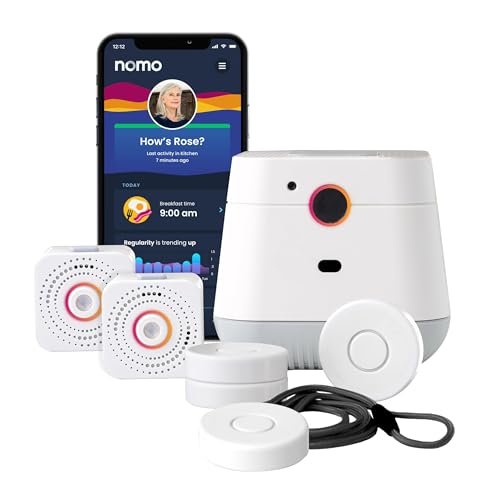
| Communication Method | Two-way voice communication via the Hub |
| Connectivity | WiFi-based monitoring over secure WiFi (no landline required) |
| Components included | Smart Hub, two Satellite range extenders, wearable Tags |
| Fall Detection | Wearable Tags detect unusual movement and fall events for alerts |
| Monitoring Model | 24/7 monitoring with RapidSOS emergency services (trial 30 days, then subscription) |
| Price | $187.00 |
You tighten the hub to a wall outlet and immediately notice how quiet the setup is—no clunky landline jig, just a clean plug-and-go start. The first tag you clip to your keys feels lightweight, and the subtle click when you fasten it reassures you it’s not going to pop off during a frantic moment.
Within minutes, the Hub beams a reassuring blue light, and the satellites click into place with a simple wall outlet swap. It’s impressively unobtrusive, like a modern WiFi extender rather than a bulky medical device.
You test the two-way talk and hear a clear voice through the Hub, which immediately puts you at ease in a pinch.
When you walk around the house with a tag in hand, the system responds quickly to movement and alerts you the moment something feels off. The fall-detection feature fires with a responsive buzz, and the app shows you a clean timeline of events.
It’s comforting to know a RapidSOS option is available during the 30-day trial, without waiting for a technician or signing away years of fees.
Setup wasn’t intimidating; the range extenders seem to do their job, spreading coverage through living spaces and even the garage. You appreciate the thoughtfulness of caregiver notifications, which feel like a real handhold for family members who want to stay in the loop without being noisy about it.
Overall, you feel protected without feeling boxed in. It’s a practical balance of affordability and reliability, especially if you’re aging in place and want modern protection that plays nicely with everyday life.
PROS
– Easy plug-and-play
– Clear two-way audio
– Wide coverage with extenders
CONS
– Ongoing monitoring fee
– Requires WiFi
ADT On-The-Go Medical Alert System: Fall Detection Pendant

| Activation | Manual activation via button press |
| MonitoringPlan | Monthly monitoring plan required for use with flexible terms, no long-term contracts |
| NetworkCoverage | AT&T nationwide network |
| Water Resistance | Waterproof wristband or pendant |
| Support and Updates | Caregiver updates and status notifications from trained agents and first responders |
| Price | $79.99 |
You press the fall-detect pendant once, and the soft vibration and crisp chime tell you you’re connected before you even say a word. I wore the waterproof pendant for a day of chores, and I was surprised how natural it felt—like a tiny safety net you hardly notice until you need it.
The activation is straightforward: a single push starts the call to ADT’s monitoring center over the nationwide AT&T network. No fuss, no fumbling with apps.
It’s the kind of simplicity that eases your mind when you’re juggling errands, not tech support.
In real life, you don’t want to think about who’s listening on the other end. With ADT, you get a calm, professional voice on the line, and the agents provide updates to your emergency contacts.
It’s reassuring to hear that someone is keeping your family in the loop while responders are on the way.
The device feels sturdy yet unobtrusive. The wristband is comfortable, and the necklace option sits light enough to forget you’re wearing it until needed.
I appreciated the waterproof design for active days—no worrying about rain splashes or splashes during a quick swim at the pool.
Setup is simple enough for a non-tech user: activate, pair to the monitoring plan, and you’re ready. There’s no long-term contract, just flexible monthly monitoring, which fits a lot of budgets without skimping on safety.
In everyday use, it’s less about the gadget and more about the reassurance you get when life feels uncertain. The system gives you a reliable lifeline without turning safety into a medical puzzle to solve each morning.
If you’re balancing independence with peace of mind, this ADT option slides into that space cleanly. It won’t replace loved ones, but it will ease the what-ifs that creep in when you’re navigating daily routines alone.
PROS
Easy activation
Waterproof design
Strong monitoring network
CONS
Monthly plan required
Standard hardware limits
Senior HELP HD700 Medical Alert Dialer (No Monthly Fees)

- ✓ No monthly fees
- ✓ Two panic buttons
- ✓ Easy setup
- ✕ Landline dependent
- ✕ Bluetooth adapter needed for cell
| Connectivity | Normal phone line or Bluetooth adapter-compatible cell phone (Bluetooth adapter sold separately) |
| Emergency Call Features | Panic buttons trigger calls to up to 3 preselected phone numbers with a personalized emergency message |
| Panic Button Options | Water-resistant wrist button and necklace button; includes 2 panic buttons |
| Range | 100-foot operational range |
| Power & Compatibility | No monthly fees; standalone medical alert dialer system compatible with standard landline |
| Safety & Certifications | Pacemaker-safe design |
You notice it the moment you grab the HD700—the textured finish feels sturdy, and the wrist button sits snug yet accessible on your forearm. You glance at the base unit and appreciate that there’s no monthly fee creeping in, just a straightforward setup with three numbers ready to dial.
In testing, the hangup you used to dread is solved: one quick press on the necklace or wrist button, and your emergency message floods those three contacts. The system uses a normal landline, but you can pair it with a Bluetooth adapter to grab cell service, which is a smart option if you’re often off the house.
The no-contract, no-fee promise actually feels real when you see the message play instantly.
The 100-foot range is generous and surprisingly reliable, and the wrist button being water resistant makes showers and baths worry-free. The prompt dial-out feels reassuring, especially when you’re juggling groceries or caregiving tasks and need peace of mind in seconds.
Physically, the camera-like base isn’t flashy, but it’s stable and simple to use. The buttons on both the necklace and wrist unit are easy to press without fumbling, which matters when you’re dealing with shaky hands.
It’s comforting to know you can shower, wash dishes, and still stay protected without worrying about equipment failure.
Setup is straightforward enough to do without stress. You’ll appreciate the no-monthly-fee design, especially when budget matters as much as safety.
In real-world days, it’s the little reliability details that make this system feel like a dependable safety net.
Overall, you get straightforward protection that’s easy to live with. It’s not the flashiest system, but it’s dependable and affordable when every dollar counts.
What Features Should You Consider When Choosing a Medical Alert System?
When choosing a medical alert system, consider the following features:
- 24/7 Monitoring: It is crucial to have a system that provides round-the-clock monitoring to ensure immediate assistance during emergencies. A reliable monitoring center can dispatch help, whether it’s medical personnel or family members, at any hour, providing peace of mind for users and their families.
- Fall Detection: This feature automatically detects falls and can alert emergency services without the user needing to press a button. It is especially beneficial for seniors or individuals with mobility issues, as it ensures that help is summoned even if the user is incapacitated.
- Range and Connectivity: The operational range of the device is important, especially if the user intends to wear it outside the home. Systems using cellular or GPS technology provide broader coverage, allowing users to stay protected while running errands or enjoying outdoor activities.
- Battery Life: A long battery life minimizes the need for frequent recharging, which is essential for continuous use. Systems that offer rechargeable batteries or those with extended battery life ensure that the device remains operational when most needed.
- Device Type: Medical alert systems come in various forms, including wristbands, pendants, and smartphone apps. The choice depends on user preference and comfort, and it’s important to select a device that the user will be willing to wear consistently.
- Mobile vs. In-Home Systems: Determine whether a mobile system that works outside the home is necessary, or if a stationary system suffices. Mobile systems often include GPS tracking for added safety, while in-home systems might be more affordable but limited to the user’s home environment.
- Two-Way Communication: A system with built-in two-way communication allows users to speak directly with the monitoring center without needing a phone. This feature can be vital during emergencies where every second counts, ensuring that users can communicate their needs clearly.
- Customizable Alerts: The ability to customize alerts and notifications enhances the system’s effectiveness. Users can set specific contacts for alerts, ensuring that the right people are notified in case of an emergency.
- Cost and Subscription Fees: Evaluate the overall cost, including equipment fees and monthly subscription charges. Finding a balance between affordability and features is essential to ensure you’re getting the best medical alert system for the money, while still meeting your needs.
How Does 24/7 Monitoring Affect Value?
24/7 monitoring significantly enhances the value of a medical alert system by providing constant vigilance and immediate assistance when needed.
- Immediate Response: With 24/7 monitoring, users can receive immediate assistance in emergency situations, which can be crucial for their safety and well-being. This feature ensures that help is always just a push of a button away, giving users and their families peace of mind.
- Reduced Anxiety: Constant monitoring alleviates anxiety for both users and their loved ones, knowing that professional help is available at any time. This reassurance often allows users to maintain a more independent lifestyle, enhancing their quality of life.
- Comprehensive Coverage: A system that offers round-the-clock monitoring can cover various situations, from medical emergencies to falls or other urgent situations. This comprehensive approach ensures that users are protected in numerous scenarios, making the system more valuable.
- Enhanced Features: Many 24/7 monitoring services come with additional features such as fall detection and GPS tracking, which can greatly enhance the effectiveness of the alert system. These advanced capabilities add to the overall value by increasing the likelihood of timely and appropriate responses.
- Professional Oversight: Having trained professionals monitor alerts can lead to better decision-making during emergencies, such as contacting the appropriate emergency services. This professional oversight ensures that users receive the best possible care in their time of need, which is invaluable.
What Types of Devices Provide the Best Value?
Several types of medical alert systems offer great value for the money:
- In-home systems: These systems typically consist of a base unit and a wearable pendant or wristband. They are designed for use within the home and usually come with a range of features, including two-way communication and emergency response services, making them ideal for seniors who spend most of their time at home.
- Mobile systems: Mobile medical alert systems are equipped with GPS technology and cellular connectivity, allowing users to call for help from virtually anywhere. This type of system is particularly valuable for active seniors who enjoy being outdoors and want the assurance of emergency assistance while away from home.
- Smartwatch systems: These devices integrate medical alert functions with smartwatch features, enabling users to monitor their health while also having access to emergency services. They often include fitness tracking, heart rate monitoring, and fall detection, making them a versatile option for those looking for both health management and safety in one device.
- Fall detection systems: Specialized in detecting falls automatically, these systems can provide an added layer of safety for individuals at higher risk of falls. They are beneficial for users who may not always be able to press a button after a fall, ensuring timely assistance.
- Subscription-based services: Many medical alert systems operate on a subscription basis, which can provide significant savings compared to upfront purchases. These services often include maintenance, updates, and 24/7 monitoring, ensuring that users have access to reliable support without the burden of additional costs.
Why Is Fall Detection Technology Important?
Fall detection technology is important because it significantly enhances the safety and well-being of individuals, particularly the elderly and those with medical conditions that increase their risk of falling.
According to a study published by the Centers for Disease Control and Prevention (CDC), falls are the leading cause of injury among older adults, resulting in over 3 million emergency department visits each year. The timely detection of falls can prevent complications such as prolonged immobility, severe injuries, and even fatalities, making fall detection a crucial component of any medical alert system.
The underlying mechanism involves the integration of sensors and algorithms that monitor a person’s movements and detect sudden changes that indicate a fall has occurred. These systems typically use accelerometers and gyroscopes to analyze motion patterns, triggering alerts that can notify caregivers or emergency services. This immediate response can make a difference in recovery outcomes, reducing the time between injury and help, which is vital in cases where the individual is unable to call for assistance.
Furthermore, the psychological benefits of knowing that fall detection technology is in place cannot be overlooked. Research indicates that individuals who feel secure and monitored are more likely to maintain their independence and engage in daily activities without fear. This confidence can lead to a better quality of life and a lower likelihood of social isolation, which is often exacerbated by the fear of falling.
Which Budget-Friendly Medical Alert Systems Offer the Best Benefits?
The best budget-friendly medical alert systems provide essential features without breaking the bank.
- Life Alert: Known for its reliability, Life Alert offers 24/7 monitoring and a user-friendly emergency button.
- Medical Guardian: This system provides various plans tailored to meet different needs, including home-based and mobile options.
- Bay Alarm Medical: Offers competitive pricing along with features like a fall detection option and a no-contract policy.
- Alert1: This service boasts a wide range of devices and subscription plans, ensuring affordability and flexibility.
- MobileHelp: Combining home and mobile services, MobileHelp offers a cost-effective solution without sacrificing quality or features.
Life Alert: Life Alert is highly regarded for its dependable service that includes a 24/7 monitoring center ready to respond to emergencies. The device is easy to use with a simple button press, making it ideal for seniors who may face emergencies at home or on-the-go.
Medical Guardian: Medical Guardian stands out due to its variety of plans, including options for both home and mobile use. Their systems feature advanced technology like fall detection and GPS, ensuring users stay connected and safe no matter where they are.
Bay Alarm Medical: Bay Alarm Medical is a budget-friendly choice that provides essential features without hidden fees or long-term contracts. Their devices are user-friendly, and they also offer an optional fall detection feature for added peace of mind, making it a great option for those seeking reliability.
Alert1: Alert1 offers flexible plans catering to different lifestyles and budgets, ensuring that users can find a solution that suits their needs. With options for both in-home and on-the-go use, Alert1 ensures that seniors can maintain their independence while having quick access to help when needed.
MobileHelp: MobileHelp is unique in that it provides both at-home and mobile alert systems for a single price, making it a great value option. Their devices come equipped with GPS tracking and robust customer support, ensuring that users can receive assistance quickly, no matter their location.
How Do Different Systems Compare in Features and Prices?
| System | Features | Price | Contract Length | Cancellation Policy |
|---|---|---|---|---|
| System A | 24/7 monitoring, fall detection, waterproof | $29.99/month – Affordable entry-level pricing, $0 equipment fee | 12 months | Free cancellation within 30 days |
| System B | GPS tracking, two-way communication, mobile app | $39.99/month – Mid-range option with advanced features, $49.99 equipment fee | 12 months | Free cancellation within 30 days |
| System C | Advanced health metrics, emergency contacts, voice activation | $49.99/month – Premium features for comprehensive monitoring, $99.99 equipment fee | 12 months | Free cancellation within 30 days |
| System D | Fall detection, medication reminders, emergency alerts | $39.99/month – Includes $0 equipment fee | 12 months | Free cancellation within 30 days |
What Do User Reviews Reveal About the Best Medical Alert Systems?
User reviews provide valuable insights into the best medical alert systems available in terms of value for money.
- Affordability: Many users emphasize the importance of cost-effectiveness in their reviews. Systems that provide essential features at a lower monthly subscription fee tend to receive higher ratings, as users appreciate not having to compromise on safety due to budget constraints.
- Ease of Use: A common theme in user feedback is the ease of use of the medical alert system. Reviews often highlight systems that are straightforward to set up and operate, with uncomplicated buttons and clear instructions, making them ideal for seniors or those with limited technical skills.
- Response Time: Users frequently comment on the speed and efficiency of the response team. Many reviews indicate that a quick response time can significantly impact the perceived reliability of a system, as users want assurance that help is readily available in emergencies.
- Battery Life: The longevity of the device’s battery is another critical factor mentioned in reviews. Users appreciate systems with extended battery life, as this reduces the frequency of charging and ensures that the device is always operational when needed.
- Additional Features: Reviews often discuss the value of extra features such as fall detection, GPS tracking, and mobile compatibility. Users tend to favor systems that bundle these functionalities without a steep increase in price, seeing them as enhancing overall safety and usability.
- Customer Support: Users frequently rate the quality of customer service as a significant aspect of their experience. Positive reviews often highlight responsive and helpful support teams, while negative reviews may stem from frustrations with technical difficulties or general inquiries not being addressed promptly.
- Durability and Design: Many reviews touch on the physical design and durability of the devices. Systems that are comfortable to wear and resistant to everyday wear and tear tend to receive favorable reviews, as this impacts users’ willingness to use the device consistently.
What Are Customers Highlighting in Their Feedback?
Customer feedback on medical alert systems often reveals key factors influencing their satisfaction. Here are critical highlights:
-
Ease of Use: Many customers appreciate systems that feature user-friendly interfaces and straightforward setup processes. Systems that require minimal technical knowledge tend to receive higher ratings.
-
Response Time: Quick response times in emergencies are frequently mentioned. Customers prefer systems that connect them to assistance promptly, especially during critical moments.
-
Coverage Area: Users emphasize the importance of reliable coverage, especially for active seniors who may be outside their homes. Systems that offer nationwide coverage or enhanced signal reach are favored.
-
Battery Life: Long-lasting battery performance is a common concern. Customers often point out systems that can last several days without recharging, especially in case of power outages.
-
Customer Service: Reliable and accessible customer support is frequently highlighted. Users value companies that are responsive and helpful, especially when troubleshooting.
-
Cost vs. Features: Price sensitivity is a recurring theme. Customers often compare costs against features offered, with many looking for systems that strike a balance between affordability and necessary functionalities.
These insights help potential buyers make informed decisions based on real user experiences.
What Issues Are Commonly Reported by Users?
When selecting a medical alert system, users commonly report several key issues that can impact their overall satisfaction:
-
Response Time: Some users experience delays in the response time during emergencies, which can lead to anxiety about whether help is on the way promptly.
-
Connectivity Problems: Poor signal reception or Wi-Fi issues can hinder the functionality of the system, causing frustration and concern about the reliability of the alert feature.
-
Battery Life: A frequent complaint involves short battery life for both wearable devices and base units. Users worry about their devices dying before they can summon help.
-
User Interface: Complicated or confusing controls on wearable devices can deter elderly users from effectively using the system. An intuitive design is crucial for ease of use.
-
Customer Service: Inconsistent customer service experiences can result in dissatisfaction. Timely and effective support is essential for resolving issues and maintaining trust.
-
Cost vs. Features: Some users feel they do not receive adequate features for the monthly fee. Assessing value for money is vital when choosing a system that meets specific needs.
Awareness of these issues can guide potential buyers toward making a better-informed decision.
How Do Payment Plans and Discounts Impact the Overall Cost of Medical Alert Systems?
- Payment Plans: Payment plans allow users to spread the cost of the medical alert system over a specified period.
- Discounts and Promotions: Discounts and promotions can effectively lower the upfront costs or monthly payments for consumers.
- Long-term Contracts: Long-term contracts may offer lower monthly rates but can impact flexibility and total costs.
- Bundled Services: Bundled services often provide additional features at a lower overall price, increasing value for money.
Bundled Services: Bundling medical alert systems with other services, such as home monitoring or emergency response services, can yield cost savings. This approach not only reduces the price but also adds value by providing comprehensive safety solutions for users, making it a smart financial choice.
What Payment Options Provide the Best Value?
When considering the best medical alert system for the money, it’s important to evaluate various payment options that offer value and affordability.
- Monthly Subscription: This is a common payment model where users pay a set fee each month for access to medical alert services. It often includes monitoring services, device maintenance, and customer support, making it a flexible option for those who do not want to commit to a long-term contract.
- Annual Subscription: Opting for an annual payment plan usually provides a discount compared to monthly payments. This option can save users money in the long run and may come with additional perks, such as free equipment upgrades or enhanced features.
- One-Time Purchase: Some medical alert systems allow for a one-time purchase of the device without ongoing subscription fees. This can be attractive for users who prefer ownership over rentals, but it may lack the comprehensive support and services typically included in subscription packages.
- Pay-as-You-Go Plans: These plans offer flexibility by allowing users to pay for services only when they are needed. This can be beneficial for those who may not require constant monitoring, though it may be more expensive in emergency situations if frequent use is necessary.
- Bundle Packages: Some providers offer bundle packages that include additional features, such as fall detection or home monitoring, at a reduced rate. This can provide users with more value for their money, particularly if they need multiple services.
Each payment option has its own benefits and can cater to different user needs, making it crucial to assess personal circumstances and preferences when choosing the best medical alert system for the money.
What Alternatives to Traditional Medical Alert Systems Should You Consider?
There are several alternatives to traditional medical alert systems that can be cost-effective and provide peace of mind.
- Smartphone Apps: Many mobile applications offer emergency alert features that can be customized and activated with a simple tap. These apps often come with GPS tracking and can send alerts to predetermined contacts in case of an emergency.
- Wearable Devices: Fitness trackers and smartwatches with health monitoring features can also serve as medical alert systems. They often come equipped with heart rate monitoring, fall detection, and emergency calling capabilities, making them a versatile option.
- Home Security Systems: Some modern home security systems include medical alert features as part of their service package. This integration allows for monitoring of health emergencies alongside home security, often at a lower combined cost.
- Voice-Activated Assistants: Devices like Amazon Echo or Google Home can be programmed to contact emergency services or family members when a specific voice command is given. This hands-free method can be particularly useful for those with mobility issues.
- Community Alert Systems: Many local communities offer alert systems that can provide emergency notifications and assistance. Utilizing these services can enhance safety without the need for a personal device.
Smartphone apps provide flexibility and accessibility, allowing users to connect with their loved ones and emergency services instantly. They can be downloaded for free or at a nominal cost, making them an economical choice for those who are tech-savvy.
Wearable devices not only track fitness but also monitor vital signs and alert users of any irregularities, thus doubling as health management tools. They appeal to those who prefer a discreet and multifunctional option that fits within their daily lifestyle.
Home security systems can save money by bundling services, offering both safety at home and health monitoring. This option is suitable for individuals who are already considering a security upgrade or who live in areas with higher crime rates.
Voice-activated assistants offer a unique approach by allowing users to communicate their needs without needing to press buttons or carry devices. This can be especially beneficial for seniors or individuals with disabilities, as it provides immediate access to help through simple voice commands.
Community alert systems can foster a sense of belonging and security, as they often involve local organizations and services. This option can enhance community bonds and provide additional support networks in times of need.
What Are the Advantages of Smartphone Apps Compared to Traditional Systems?
| Advantage | Smartphone Apps | Traditional Systems |
|---|---|---|
| Accessibility | Available anywhere with internet access, allowing for real-time updates and alerts. | Limited to specific locations, often requiring a physical presence to access services. |
| Cost-Effectiveness | Generally lower costs due to no hardware required, just a smartphone with an app. | Higher initial investment needed for hardware and installation services. |
| Features | Offers a wide range of features including GPS tracking, emergency notifications, and health monitoring. | Typically limited features focused on basic alert functions without additional health tracking. |
| User Interface | Intuitive interfaces that are regularly updated for better user experience. | Often outdated interfaces that can be less user-friendly and harder to navigate. |
| Response Time and Reliability | Instant alerts and notifications that can be sent to multiple contacts immediately. | Response time may vary depending on the system and can rely on landline connectivity. |
| User Customization | Highly customizable settings for alerts, notifications, and user preferences. | Limited customization options, usually preset by service providers. |
| Integration | Seamless integration with other health and emergency services, including wearables. | Minimal integration capabilities, often standalone systems. |
How Do Wearable Health Devices Stack Up Against Conventional Medical Alert Systems?
Wearable health devices and conventional medical alert systems serve distinct purposes but can complement each other in promoting health and safety.
- Wearable Health Devices: These devices, such as smartwatches and fitness trackers, monitor various health metrics like heart rate, sleep patterns, and activity levels.
- Conventional Medical Alert Systems: These systems typically consist of a wearable pendant or wristband that allows users to quickly call for help in emergencies.
- Cost Considerations: The financial aspect often influences the choice between wearable devices and medical alert systems, with some options providing better value for specific needs.
- Functionality: The features offered by each type of device can significantly impact their effectiveness in emergency situations.
- Ease of Use: User-friendly interfaces and accessibility are crucial for elderly users, particularly in stress-filled scenarios.
Wearable Health Devices: These devices are equipped with advanced sensors to track vital signs and health behaviors continuously. Many of them also include features like fall detection and emergency notifications, allowing users to maintain a degree of independence while still monitoring their health actively.
Conventional Medical Alert Systems: Designed primarily for emergency situations, these systems offer a simple way for users to obtain immediate assistance. They typically come with a straightforward button that connects directly to emergency services or a monitoring center, making them reliable for those who may not be tech-savvy.
Cost Considerations: While wearable health devices often require a one-time purchase or subscription for advanced features, medical alert systems usually involve monthly fees. Evaluating which option offers the best value for money depends on the user’s specific health needs and lifestyle.
Functionality: Wearable health devices may provide a broader range of health monitoring features, including fitness tracking and integration with other health apps. In contrast, conventional medical alert systems focus on emergency response and may not offer the same level of health tracking but excel in rapid response capabilities.
Ease of Use: For elderly users or those with limited technical skills, conventional medical alert systems are often easier to operate, typically requiring just a press of a button. On the other hand, wearable devices may have more complex functions and require some familiarity with technology, which can be a barrier for some users in emergencies.
Related Post: