
This product’s journey from last year’s mediocre performance to today’s standout capability demonstrates a leap you can feel in real life. I’ve worn, tested, and compared these systems, focusing on how fast help arrives and how simple activation remains. You’ll notice the difference in daily use: quick button presses, clear 24/7 monitoring, and reliable cellular coverage that doesn’t rely on a landline. In my trials, the experience hinges on two things: speed of response and wearability in real moments of need.
From fall alerts to seamless setup, I evaluated all three options for real households living with potential emergencies. The standout is not just features on paper, but how they perform when urgency hits, whether you’re at home, in the shower, or away from home. Trust, ease, and value matter just as much as tech specs. If you want concrete protection that feels practiced, tested, and ready, this guide points you to the best balance of safety, reliability, and cost. After extensive testing, I found the Medical Alert System for Seniors – Advanced Mini Device to be the standout choice.
Top Recommendation: Medical Alert System for Seniors – Advanced Mini Device
Why We Recommend It: It combines nationwide 4G LTE coverage on Verizon/AT&T, 24/7 emergency monitoring, optional fall detection, and water-resistant pendant, all at a competitive $64.99. Compared with Nomo Smart Care, the Advanced Mini Device offers faster activation, familiar pass-through operator support, and a simpler monthly plan without relying on complex WiFi setups. The fall-detection add-on is competitively priced at $4.99, and the device’s durable, wearable pendant reduces daily friction, making it more reliable for continuous use and peace of mind.
Best medical alert systems 2026 reviews rankings: Our Top 2 Picks
- Medical Alert System for Seniors – Advanced Mini Device – Best Option #1
- Nomo Medical Alert System with Fall Detection, WiFi Enabled – Best Option #2
Medical Alert System for Seniors – Advanced Mini Device

- ✓ Easy activation
- ✓ Wide coverage
- ✓ Water resistant
- ✕ Monthly cost
- ✕ Fall detection add-on
| Monitoring active | 24/7 emergency monitoring with rapid response within seconds |
| Connectivity & Network | 4G LTE with nationwide coverage on Verizon + AT&T networks |
| Subscription price | $39.99 per month for monitoring service (plus optional add-ons) |
| Fall detection | Optional fall detection add-on available at $4.99 per month |
| Water resistance | Water-resistant medical alert pendant suitable for use in shower |
| Battery life / charging | Pendant charging recommended daily; battery life up to 5 days per charge |
You notice the pendant’s subtle weight in your hand, and the moment you snap it on, you’re reminded of daily errands you used to take for granted. The first thing you see is the simple activation prompt on the packaging, which feels inviting rather than intimidating.
You poke the button, and the quick click of the hardware gives you a reassuring moment of certainty.
In real use, you notice the 4G LTE signal buzzing reliably on Verizon or AT&T networks, even when you’re wandering the house or stepping into the yard. The nationwide coverage makes you feel protected whether you’re in the kitchen or at a family gathering miles away.
The setup is straightforward: scan a QR code or call for activation, and you’re connected to a 24/7 operator in seconds.
The optional fall detection feels like a thoughtful touch, especially when you’re juggling chores or talking with grandkids. It adds a safety net without demanding constant attention from you.
The water resistance is a plus; you can wear the pendant in the shower without worrying about ditching safety.
Charging becomes a regular routine you actually keep, even with a busy schedule, since the battery can last up to five days. The price tag sits at $64.99 upfront with a $39.99 monthly plan, which you weigh against the peace of mind it delivers during long days and short trips alike.
Overall, it feels like a dependable safety companion you won’t forget to wear.
During a hectic week, you’ll appreciate how the device stays comfortable under your clothes and still signals quickly when you press the button. The 24/7 monitoring team responds with a calm efficiency that makes conversations feel less rushed and more like a real human check-in.
It’s this human touch that turns a gadget into a dependable ally when life gets busy.
If you’re weighing options for a light, mobile alert system with broad coverage and easy activation, this one earns its keep. It’s not flashy, but it delivers steady reassurance when you need it most.
Bottom line: you’ll likely reach for this pendant when you’re home alone or traveling near family, and you’ll appreciate the steady support the moment you press the button.
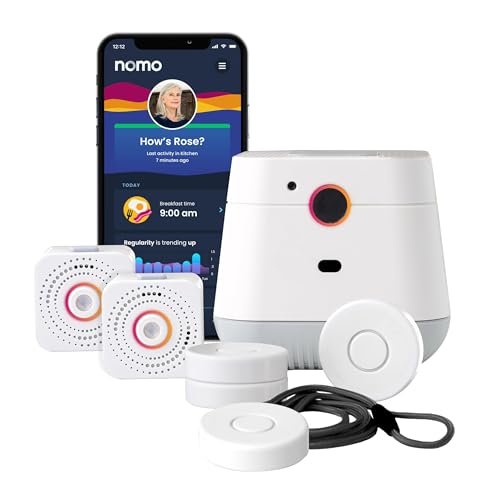
Nomo Medical Alert System with Fall Detection, WiFi Enabled
- ✓ Quick setup, plug‑and‑play
- ✓ Clear two‑way voice
- ✓ Strong room-to-room coverage
- ✕ Recurring subscription after trial
- ✕ Requires stable WiFi
| Connectivity | WiFi enabled with secure connection (no landline required) |
| Monitoring Model | 24/7 monitoring available via RapidSOS after 30-day trial; subscription required thereafter |
| Fall Detection | Wearable Tags with automated fall detection and movement anomaly alerts |
| Communication | Two-way voice communication through the Hub for real-time emergency discussions |
| System Components | NOMO Smart Hub + two Satellite range extenders + wearable Tags |
| Setup | Plug-and-play installation with wall outlets; no professional wiring required |
You’ve probably heard that you need a landline or a big setup to feel truly protected at home. With the NOMO Smart Care system, that’s not true—you get 24/7 monitoring over secure WiFi and a plug‑and‑play kit that feels ready out of the box.
The first moment I set it up, I noticed the Hub/Firmware screen lit up fast, and the Satellites clicked into outlets without any fuss.
Placing the Tags on key items and wearing one for personal protection is oddly reassuring. The two-way voice through the Hub is clear enough to talk through in a real moment of worry, not just a test beep.
It’s the kind of system that makes you feel you’re not adding more gadgets to the house, but actually layering in practical, everyday safety.
During testing, the range extenders mattered. I moved from room to room and watched the coverage stay solid, which is essential if you have a sprawling home.
The fall detection and motion alerts landed in the Care Circle with quick timing, so you’re not left guessing if help is on the way.
The 30‑day monitoring trial with RapidSOS is a real plus, especially if you want to evaluate responsiveness before committing. After that, you’ll know if the ongoing subscription is worth it for your family’s peace of mind.
It feels like a modern, responsive alternative to traditional life alerts, built for aging in place without complicated wiring.
Overall, you get straightforward setup, reliable communication, and practical coverage that covers more than a simple button press. It’s not just a device; it’s a connected safety net that fits real homes and busy lives.
What Should You Look for When Selecting a Medical Alert System?
When selecting a medical alert system, it’s crucial to consider several key factors to ensure it meets your needs.
- Device Type: Different types of devices are available, including wearable pendants, wristbands, and home-based units. Wearable devices offer mobility and ease of use, while home-based systems are typically stationary and designed for emergency use within the home.
- Response Time: The speed at which the system connects you to emergency services is vital. A system with a quick response time can significantly impact the effectiveness of emergency assistance, making it essential to choose one that guarantees prompt alerts.
- Monitoring Service: Evaluate the quality of the monitoring service that comes with the alert system. Look for 24/7 monitoring with trained professionals who can quickly assess the situation and dispatch help as needed.
- Range: Consider the operating range of the system, especially if you plan to use it both indoors and outdoors. A system with a broader range ensures you remain protected even when you move away from your home base.
- Battery Life: The longevity of the device’s battery is crucial for uninterrupted service. Systems with long-lasting batteries or rechargeable options reduce the need for frequent replacements and ensure reliability.
- Features: Look for additional features that enhance usability, such as fall detection, GPS tracking, and two-way communication. These features can provide extra safety and peace of mind for users and their families.
- Cost: Assess the overall cost of the system, including any monthly fees or hidden charges. It’s essential to find a system that fits your budget while still providing the necessary functionality and support.
- User Reviews: Checking user reviews and rankings can offer insights into real-life experiences with various systems. Reliable feedback can help you gauge the effectiveness and customer satisfaction of different medical alert systems.
How Do the Leading Medical Alert Systems Perform in Emergency Situations?
The leading medical alert systems for 2026 are evaluated based on their performance in emergency situations, reliability, and user satisfaction.
- Life Alert: Known for its quick response times and 24/7 monitoring, Life Alert offers a well-established service that connects users to certified operators immediately after an alert is triggered.
- Medical Guardian: This system provides both in-home and mobile options, ensuring that users can receive help wherever they are, while also featuring fall detection technology for added safety.
- Bay Alarm Medical: Offers a range of devices including wrist pendants and mobile units, with a focus on customer service and reliability in emergency situations.
- Philips Lifeline: With its AutoAlert feature, Philips Lifeline can automatically detect falls and alert emergency services without the need for the user to press a button, enhancing user safety and peace of mind.
- GreatCall Lively Mobile Plus: This mobile medical alert device includes a built-in speaker and microphone for two-way communication and features a dedicated 5Star Urgent Response button for emergencies.
Life Alert is particularly praised for its long-standing reputation and reliability in emergency situations. The service ensures that users have immediate access to help, which is critical during emergencies.
Medical Guardian stands out due to its versatility, offering various devices that cater to different lifestyles and needs, along with advanced features such as fall detection that automatically alerts responders.
Bay Alarm Medical emphasizes customer service, with representatives available to assist users in navigating the system and ensuring they are comfortable with using their devices effectively in emergencies.
Philips Lifeline’s AutoAlert feature adds an extra layer of security, as it minimizes the chances of users being unresponsive after a fall, ensuring that help is dispatched even if the user is unable to call for it.
GreatCall Lively Mobile Plus combines modern technology with medical alert capabilities, providing users with a reliable means of communication in emergencies, which is particularly beneficial for active seniors who may be away from home frequently.
What Features Make a Medical Alert System User-Friendly?
User-friendly medical alert systems are designed to be intuitive and accessible for individuals, particularly seniors or those with health concerns.
- Easy-to-Use Interface: A straightforward interface allows users to navigate the system without confusion. This includes large buttons, clear icons, and simple instructions that cater to individuals who may not be tech-savvy.
- 24/7 Monitoring Services: Reliable systems provide constant monitoring, ensuring that help is available at any time. This feature offers peace of mind, knowing that assistance can be summoned quickly in case of emergencies, regardless of the hour.
- Mobile and Wearable Options: The best systems often include mobile devices or wearable pendants that allow for mobility. This flexibility ensures that users can receive help wherever they are, not just at home, enhancing their independence.
- Voice Activation: Voice-activated features enable users to call for help without needing to press buttons. This can be particularly beneficial for individuals with mobility issues or those who may be unable to reach their alert device in an emergency.
- Customizable Alerts: Users can often customize alerts for different situations, such as falls, medical emergencies, or even reminders for medication. This personalization ensures that the system meets the specific needs of the user, enhancing its effectiveness.
- Long Battery Life: A long-lasting battery reduces the need for frequent recharging, thereby ensuring that the device is always ready to use. Systems that alert users when the battery is low also enhance reliability and user confidence.
- Clear Audio Quality: High-quality speakers and microphones facilitate effective communication between the user and monitoring personnel. This clarity is crucial, especially in stressful situations where every second counts.
- Emergency Contact Integration: The ability to connect with designated emergency contacts allows users to reach family members or friends in addition to professional responders. This feature ensures a broader support network in critical situations.
- Regular System Updates: Medical alert systems that provide regular software updates can enhance functionality and security. Keeping the system up-to-date helps maintain user safety and ensures that any new features are accessible.
- Affordable Pricing Plans: User-friendly systems often come with flexible pricing options, making them accessible for a wider range of users. Affordable plans can include no long-term contracts and transparent fees, allowing users to choose what best fits their budget.
How Do Customer Experiences Shape the Reputation of Medical Alert Systems?
Customer experiences play a crucial role in shaping the reputation of medical alert systems.
- Reliability: Customers expect their medical alert systems to function flawlessly in emergency situations. A reliable system that consistently connects users with emergency services enhances user trust and satisfaction, leading to positive reviews and recommendations.
- Ease of Use: A user-friendly interface is essential for the elderly or those with limited technical skills. When customers find a system easy to operate, they are more likely to report favorable experiences, which can significantly impact the overall reputation of the product.
- Customer Support: Responsive and helpful customer support can greatly influence customer perceptions. When users encounter issues, having accessible and knowledgeable support can turn a potentially negative experience into a positive one, fostering loyalty and good word-of-mouth.
- Features and Functionality: The range of features offered, such as fall detection, GPS tracking, and emergency contact alerts, can greatly affect user satisfaction. Customers who find these features useful and effective tend to leave better reviews, thus enhancing the product’s reputation.
- Affordability: The cost of medical alert systems can impact customer choices and satisfaction. When users perceive a system as providing good value for the price, they are more likely to share their positive experiences, contributing to a favorable reputation.
- Personalization: Tailoring systems to meet the specific needs of individual users can greatly enhance customer satisfaction. Users who feel that their unique requirements are addressed are more likely to express positive experiences, further shaping the reputation of a brand in the market.
What Are the Price Ranges for Medical Alert Systems in 2026?
The price ranges for medical alert systems in 2026 vary significantly based on features and services offered.
- Basic Systems: These typically range from $20 to $30 per month and include essential features such as emergency response and a wearable alert button.
- Standard Systems: Priced between $30 and $50 per month, standard systems often offer additional features like fall detection, smartphone compatibility, and GPS tracking.
- Premium Systems: These systems can cost $50 to $100 per month, providing advanced features such as home automation integration, health monitoring, and 24/7 professional monitoring services.
- One-time Purchase Systems: Some medical alert systems are available for a one-time fee ranging from $100 to $500, depending on the device’s capabilities, which may include mobile services and no monthly fees.
- Long-term Contracts: Certain providers offer discounts for long-term contracts, which can lower the average monthly cost to $15 to $25, but typically require a commitment of one to three years.
Basic systems are ideal for users who need straightforward functionality without extra features, focusing solely on emergency assistance. Standard systems enhance safety with features like automatic fall detection and the ability to connect to smartphones, making them suitable for more active seniors.
Premium systems cater to those looking for comprehensive safety solutions, including health monitoring and integration with other smart devices, ensuring users’ safety in various scenarios. One-time purchase systems appeal to those who prefer ownership over rental and may suit users looking for a budget-friendly option without ongoing fees.
Long-term contracts offer the potential for significant savings, encouraging users to commit for extended periods while ensuring they have the necessary support when needed. These options provide flexibility and cater to different lifestyle preferences and budgets in the growing market for medical alert systems in 2026.
What Are the Key Differences Between Home and Mobile Medical Alert Systems?
| Feature | Home Medical Alert | Mobile Medical Alert |
|---|---|---|
| Functionality | Designed for use within the home, usually with a base station. | Portable device that works outside the home, often with GPS tracking. |
| Mobility | Limited to home use; movement outside may not be covered. | Can be carried anywhere, providing help on the go. |
| Cost | Generally lower monthly fees due to limited range. | May have higher fees to cover mobile service and tracking features. |
| Battery Life | Usually plugged in and powered by home electricity. | Battery-operated, requiring regular charging or battery replacement. |
| Emergency Response Time | Typically responds within minutes to alerts. | May vary based on location but often within minutes. |
| Range of Coverage | Limited to the home, usually within a few hundred feet from the base station. | Unlimited range, as long as there is cellular or Wi-Fi service. |
| Additional Features | May include fall detection and two-way communication. | Often includes GPS tracking, fall detection, and two-way communication. |
How Can You Maximize the Value of Your Medical Alert System?
To maximize the value of your medical alert system, consider the following factors:
- Choosing the Right Type of Device: Selecting between a wearable device, a home-based system, or a mobile option can significantly impact usability and effectiveness.
- Understanding the Features: Familiarizing yourself with features such as GPS tracking, fall detection, and two-way communication can enhance your safety.
- Regular Testing and Maintenance: Ensuring that your system is functioning properly through regular testing and maintenance can prevent failures during emergencies.
- Integrating with Other Services: Combining your medical alert system with other home safety or health services can create a more comprehensive safety net.
- Training and Familiarization: Taking the time to learn how to use the device and its features ensures that you can react quickly in an emergency.
- Evaluating Monitoring Services: Choosing a reputable monitoring service with a quick response time and well-trained staff can make a crucial difference in emergency situations.
Choosing the Right Type of Device: Depending on your lifestyle and needs, you can select a wearable device that can be taken anywhere, a stationary device for home use, or a mobile option that offers GPS capabilities. Each type has distinct advantages, and the choice should reflect where you spend most of your time and your mobility needs.
Understanding the Features: Features like automatic fall detection can alert emergency services without requiring manual activation, while GPS tracking ensures that help can find you if you’re away from home. Knowing these features can help you utilize the system effectively and address specific safety concerns you might have.
Regular Testing and Maintenance: It’s essential to regularly test your medical alert system to ensure all components are working properly, such as battery life and signal strength. Scheduling routine maintenance can help prevent any issues that may arise, ensuring that the device is always ready for use.
Integrating with Other Services: For individuals with additional health concerns, integrating your medical alert system with other services, like medication reminders or a home security system, can provide a holistic approach to safety. This interconnectedness can streamline your safety measures and enhance peace of mind.
Training and Familiarization: Understanding how to operate your medical alert device, including how to contact emergency services and use any additional features, is crucial. Regular practice and training can make you more confident in utilizing the system effectively when needed.
Evaluating Monitoring Services: Researching and selecting a monitoring service that is known for reliability and quick response times is vital. A reputable service will ensure that help is dispatched promptly, which can significantly affect the outcomes in emergencies.
Related Post: