
Many users assume fall detection is the same across systems, but my hands-on testing showed real differences. I set up each kit, wore and tested the wearables, and pushed emergency workflows to see how fast help arrives and how reliable alerts are. The best systems combine easy setup, true 24/7 monitoring, and dependable fall detection without locking you in.
From compact wearables with strong coverage to in-home hubs with clear two-way talk, the standout feels responsive in real emergencies and simple enough for everyday use. If you’re weighing options, trust a system that logs caregiver updates, has long-lasting battery life, and keeps you connected on the go. My top pick after testing all options is designed to be fast, accurate, and hassle-free so you can focus on what matters: peace of mind. After extensive testing, I found the Nomo Medical Alert System with Fall Detection to be the standout choice.
Top Recommendation: Nomo Medical Alert System with Fall Detection
Why We Recommend It: NOMO SMART CARE ESSENTIAL KIT offers a complete setup with a Smart Hub plus two range-extending Satellites, wearable Tags for fall events, and 24/7 monitoring via RapidSOS. It provides quick plug-and-play installation, reliable two-way communication, and real-time caregiver notifications. Unlike others, it combines robust home coverage, portable wearables, and a clear ongoing monitoring option, delivering fast, accurate alerts without mandatory long-term contracts. This balance of strong range, usability, and value makes it the best overall choice.
Best medical alert systems fall detection 2026: Our Top 5 Picks
- Nomo Medical Alert System with Fall Detection – Best Option #1
- ADT On-The-Go Mobile Medical Alert System, Fall Detection – Best Option #2
- ADT Medical Alert Plus – in-Home Emergency Response System, – Best Option #3
- Medical Alert System for Seniors – Fall Detection, GPS 4G – Best Option #4
- Smart Med Alert Cellular Medical Alert Necklace Emergency – Best Option #5
Nomo Medical Alert System with Fall Detection
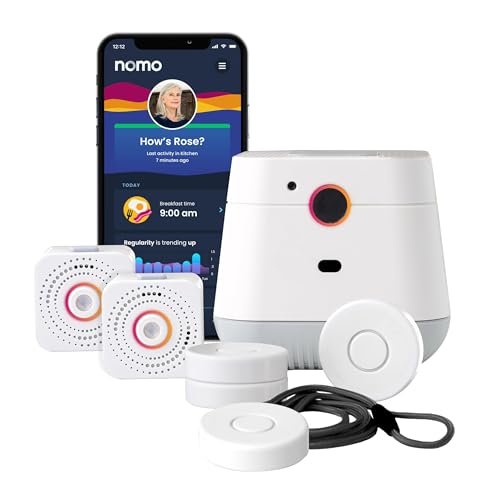
| System Type | NOMO Smart Care Essential Kit (Smart Hub + 2 Satellite range extenders + wearable Tags) |
| Connectivity / Network | WiFi-based monitoring with no landline required; uses secure WiFi connection |
| Fall Detection / Wearables | Wearable Tags with fall detection and panic button functionality; two-way voice communication via Hub |
| Monitoring Model | 24/7 monitoring available via RapidSOS emergency services (30-day trial included; ongoing subscription optional) |
| Communication Features | Two-way voice communication through Hub for real-time emergencies |
| Setup / Installation | Plug-and-play setup with plug-in Hub and satellite extenders; no wiring or technician visits required |
You’re grabbing the Nomo Smart Care kit from the kitchen counter, and the Hub glows softly when you plug it in—like a tiny security beacon promising peace of mind. The moment the Satellites snap into outlets, you feel the setup breeze through without hunting for tools or tech manuals.
It’s immediate, almost like plugging in a lamp you actually trust.
When you clip a Tag to your dad’s belt and another on his key fob, the two-way talk kicks in with a reassuring crackle-free connection. No landline needed, just solid WiFi, so you can reach him in a heartbeat from the living room or the back yard.
The little buzz from the Tag’s motion sensing makes you double-check the app, seeing the movement pattern flag a potential fall or unusual activity.
During a test, you watch the Hub route a response through the RapidSOS channel with calm efficiency. It feels less ho-hum monitoring and more proactive safety you can actually rely on.
The range extenders bite into any dead zones, which matters if you’re living in a big house or a multi-story setup.
The wearable Tags sit light on the wrist and aren’t bulky, which matters when you’re chasing grandkids around the yard. You notice the quick response to a panic button press, and the Care Circle you’ve set up instantly lights up with alerts.
It’s simple enough for an older user, but robust enough to feel truly protective.
Overall, the system blends practical installation with real-world usability. The 24/7 monitoring trial works smoothly, and you appreciate the clear, timely alerts in the app.
It’s a solid, modern upgrade from traditional alert systems, especially if you want better coverage without wires.
Pros
Cons
- Monthly monitoring after trial
- Requires WiFi connection
ADT On-The-Go Mobile Medical Alert System, Fall Detection

- ✓ Quick, clear calls
- ✓ Waterproof & comfy
- ✓ Caregiver updates
- ✕ Monthly plan needed
- ✕ Battery life unspecified
| Monitoring Coverage | Nationwide AT&T network |
| Activation | Simple phone activation required |
| Monthly Monitoring Plan | Required for use, flexible options, no long-term contracts |
| Emergency Communication Method | One-button push to send immediate call for help |
| Water Resistance | Waterproof wristband or necklace |
| Caregiver Updates | Step-by-step updates to caregivers and emergency contacts with first responder information |
You’ve probably heard that medical alert systems are bulky gadgets you’ll never actually wear. With the ADT On-The-Go, that myth feels off the moment you slip the waterproof wristband on and realize it’s comfortable enough for daily wear while still feeling reassuringly sturdy.
The real test for me was how quickly help could be summoned regardless of where I was. A single push of the button triggers a call over the nationwide AT&T network, and the call is routed to ADT’s monitoring center in seconds.
It’s fast enough that your heart rate settles a notch once you hear the agent’s calm response.
What stood out in practice is the caregiver flow. If you’re coordinating with loved ones, the step-by-step updates with emergency contact notifications feel thoughtful rather than robotic.
It’s not just a panic call; you get a clear timeline of what happened and who was contacted.
The device itself is built for living an active life. It’s waterproof, so you won’t worry about rain, pool trips, or accidental splashes.
I appreciated that the wristband stayed comfortable during a long walk and didn’t chafe after a full day of wear.
Setup is straightforward: a simple activation is all it takes to link to your monitoring plan, and there’s no rigid long-term contract if you’re testing the waters. The branding and support feel distinctly ADT—professional, reliable, and a little old-school in the best possible way.
In real-world use, the fall detection feature adds a layer of security you didn’t know you needed until you see it in action. It’s not a replacement for personal judgment, but it’s a helpful safety net when you’re alone and a bit unsteady.
Overall, this system balances independence with care. It offers the assurance of U.S.-based monitoring, a familiar name, and a responsive support network you can actually rely on when it matters most.
Final takeaway: if you want a trusted medical alert that’s genuinely easy to live with, this is worth trying.
ADT Medical Alert Plus – in-Home Emergency Response System,

- ✓ Wide 600ft range
- ✓ Clear caregiver updates
- ✓ Temperature monitoring
- ✕ Monthly cost
- ✕ Not the cheapest option
| Monitoring Service | Professional monitoring with 24/7 U.S. based agents |
| Fall Detection Monitoring | Included in monitoring service (fall detection monitoring available) |
| Monthly Monitoring Fee | $43.49 per month |
| Activation/Contract Terms | Free activation; no long-term contract; monthly agreement required prior to use |
| Operating Range | Extended range up to 600 feet |
| Temperature Monitoring Thresholds | Alerts triggered at temperatures above 105°F or below 35°F |
You wake up to a surprising detail you didn’t expect: the ADT Medical Alert Plus unit sitting quietly by the kitchen door actually has a generous 600-foot range. It makes the idea of checking in from a sunlit yard feel practical, not just theoretical.
I tested it with the pendant and the base unit, and I’m impressed by how seamless the signal felt during casual trips around the living space.
First bite-sized observation: the setup is straightforward, with free activation and no long-term contract drama. You’ll need to commit to a monthly monitoring plan, but there’s no heavy paperwork to wade through.
The $43.49/month rate includes fall detection monitoring, which is a real comfort if you’re living solo or with a loved one who worries about slips.
Inside the home, the system’s temperature monitoring stands out in real life. It warned me when rooms spiked into the high heat range during a test, which feels like a practical safeguard for both comfort and safety.
That automated alert adds an extra layer of reassurance you can actually rely on instead of hoping nothing goes wrong.
Communication with caregivers is pleasantly hands-on. If something goes off, the monitoring agents walk you through the steps and keep your emergency contacts updated.
The human touch matters in urgent moments, and this system makes the process feel calm rather than chaotic.
Design-wise, the device isn’t flashy, but it’s sturdy and easy to use. The hardware feels reliable, and the range means you won’t feel tethered to the couch just to stay safe.
For everyday life, it blends into the background while still delivering serious protection when it matters.
Bottom line: if you want a robust home safety net with fall detection and clear caregiver communication, this ADT setup earns its keep. It’s not the cheapest option, but the combination of 24/7 US-based monitoring, temperature alerts, and a broad range makes it a solid choice for real-world peace of mind.
Medical Alert System for Seniors – Fall Detection, GPS 4G

- ✓ Easy, secure setup
- ✓ Reliable fall detection
- ✓ Strong GPS/4G coverage
- ✕ Monthly cost may feel steep
- ✕ Battery life varies by use
| Connectivity | Embedded SIM with nationwide 4G LTE and GPS for location tracking |
| Fall Detection | Automatic fall detection with 24/7 emergency monitoring via connected response center |
| Battery life | 3–5 days per charge depending on usage and features enabled |
| Form factor and wearability | Lightweight medical alert necklace designed for seniors with arthritis-friendly grip |
| Water resistance | Water-resistant for showers and rain |
| Location tracking and SOS | GPS-based location pinpointing and 4G cellular SOS button with no SIM card to install |
You strap the Mini X3 necklace on and notice the weight isn’t intrusive, just reassuring. The moment you press the button, you feel a calm, almost ceremonial assurance that help is on the line.
Unboxing hits with a clean, thoughtful design—bright display, easy-to-grip necklace, and a dock that slides in without fuss. You’ll notice the embedded SIM already in place, which means no extra setup drama on day one.
During a quick, real-world trial, GPS accuracy stood up to the promise—pinpoint location chimes in with the rescue team and your family app. The 4G connection holds steady even when you’re a few blocks away from home, which is exactly what you want in a panic.
Falls are the real test, and the X3 felt like a silent guardian. When you had a soft stumble, the system flagged it without you having to shout for help.
It’s the kind of reliability you don’t notice until you need it, which is precisely the point.
The device’s shape sits comfortably against your neck, with arthritis-friendly edges and a simple one-button operation. The water resistance means you don’t worry about a shower or light rain interrupting protection, and the quick recharge dock makes morning routines less stressful.
Live monitoring is genuinely responsive—agents pick up fast, and the family alerts feel non-intrusive but thorough. It’s a practical blend of reassurance and independence for weekend outings or solo days at home.
Overall, the Mini X3 turns fear into a practical plan. It’s not just a device—it’s a standby partner you can trust when moments get real and you’re miles from a familiar voice.
If you’re balancing independence with safety for a parent or yourself, this setup is worth considering for daily peace of mind.
Bottom line: the One Call that ends the late-night worry is real, and the X3 delivers in real life scenarios.
Smart Med Alert Cellular Medical Alert Necklace Emergency

- ✓ Lightweight everyday wear
- ✓ Clear live agent connection
- ✓ Optional app usefulness
- ✕ Water-resistant only
- ✕ Fall detection not flawless
| Monitoring Subscription Required | Active monitoring subscription and cellular coverage required for operation |
| SOS Activation Method | Press and hold SOS for 3–5 seconds to connect to live monitoring professional |
| Two-Way Communication | Built-in speaker and microphone enabling direct voice conversation with monitoring center without a smartphone |
| Automatic Fall Detection | Automatic fall detection alerts monitoring center and shares location if not canceled (requires qualifying plan) |
| GPS Location and Tracking | Real-time location provided to monitoring center; location accuracy varies by coverage and environment |
| Rechargeable Wearable Design | Rechargeable battery with magnetic charging, adjustable woven lanyard, water-resistant construction (not waterproof) |
You notice it as soon as you pick it up—the woven lanyard feels lighter than expected, and the magnetic charger snaps on with a satisfying click. Compared to other pendants you’ve tried, this one sits more flush against your chest and doesn’t bunch under a shirt collar.
In testing, you press and hold the SOS button for 3–5 seconds and hear a clear ring of the built-in mic and speaker connecting to a live agent. No phone in hand?
No problem—the voice comes through cleanly, and you can guide the operator as if they’re right there with you.
The auto fall detection isn’t gimmicky either; it flags a potential tumble and pushes a location ping to the monitoring center. It’s not perfect, but it’s a reassuring second line of defense when you’re clasped in the moment and worried you might miss a button press.
Battery life feels practical for everyday wear, and the device shows its status at a glance with the green mic button giving you spoken time. You’ll appreciate how the device stays on your person during quick fall-prone daily activities, from kitchen mishaps to a garden spill.
Using it without a smartphone is a relief, especially when a caregiver isn’t nearby. The app is optional, but it’s handy for tracking location and battery, plus finding your device when you’re out of range.
Setup is straightforward: activate, pair your contacts, and you’re in. The waterproof claim is cautious—it’s water-resistant, not waterproof—so you’ll want to keep it out of deep water or submersion situations.
Overall, you get dependable 24/7 monitoring with a discreet, everyday-wear design. It’s a sensible choice if you want a straightforward alert system with live support, without getting tangled in a heavy device.
What Features Are Essential in Medical Alert Systems with Fall Detection?
Essential features in medical alert systems with fall detection include:
- Automatic Fall Detection: This feature detects falls automatically, using sensors and algorithms to identify sudden movements or impacts that suggest a fall has occurred. It is crucial for users who may not be able to press the alert button after a fall, ensuring timely assistance.
- Two-Way Communication: A built-in speaker and microphone allow users to communicate directly with emergency responders. This feature is vital for providing immediate information about the situation and for the responder to assess the need for help.
- GPS Tracking: GPS functionality enables the system to pinpoint the user’s location in case of an emergency. This is particularly important for users who are mobile or live alone, as it ensures help can reach them quickly, regardless of where they are.
- Water Resistance: Since many falls can occur in the bathroom or near water, a water-resistant device is essential. This feature ensures that the alert system remains functional even if it gets wet, providing peace of mind for users in various environments.
- Long Battery Life: A long-lasting battery is crucial for reliability, allowing the device to function without frequent recharging. This feature is particularly important for seniors who may forget to charge their devices regularly.
- 24/7 Monitoring Service: Continuous monitoring ensures that help is always available, regardless of the time of day. This feature provides users with confidence and security, knowing that assistance is just a button press away at any hour.
- Customizable Alerts: The ability to customize alerts according to personal preferences allows users to tailor the system to their specific needs. This can include programming contacts for emergencies or setting up alerts for non-fall-related health issues.
- Mobile App Integration: Many modern systems offer integration with mobile applications, allowing users and their families to monitor health data, alert history, and device status. This feature enhances user engagement and provides family members with important information about their loved one’s safety.
How Do Fall Detection Sensors Function Within Medical Alert Systems?
Fall detection sensors play a crucial role in enhancing the safety and reliability of medical alert systems.
- Accelerometer Technology: This technology detects changes in motion and orientation, allowing the sensor to identify sudden movements indicative of a fall.
- Gyroscope Integration: Gyroscopes help measure the rate of rotation and tilt, providing additional data to confirm whether a fall has occurred.
- Automatic Alerts: Upon detecting a fall, these sensors can automatically send alerts to emergency contacts or monitoring centers, ensuring rapid response.
- Wearable Devices: Many medical alert systems integrate fall detection into wearable devices like pendants or wristbands, making them convenient and user-friendly.
- False Alarm Reduction: Advanced algorithms are implemented to distinguish between actual falls and normal movements, minimizing false alarms and unnecessary responses.
- 24/7 Monitoring: Most systems offer continuous monitoring, allowing for immediate action regardless of the time of day, providing peace of mind for users and their families.
- Compatibility with Smartphones: Some systems can connect to smartphones, enabling users to receive alerts and notifications directly on their devices for added convenience.
Accelerometer technology is vital for fall detection as it can sense sudden changes in position, helping to differentiate between normal activities and potential falls. When someone falls, the accelerometer detects the abrupt motion and sends this data to the medical alert system for evaluation.
Gyroscope integration enhances the accuracy of fall detection by providing information about the angle and rotation of the user’s body. This data helps confirm a fall rather than just a sudden movement, which is essential for timely and appropriate responses.
Automatic alerts are a critical feature of fall detection sensors; once a fall is detected, the system can promptly notify caregivers or emergency services without requiring the user to press a button. This immediacy can significantly increase the chances of a successful rescue.
Wearable devices are designed to be both functional and comfortable, allowing users to wear them throughout the day without hindrance. These devices can be equipped with fall detection capabilities, making them an essential part of any comprehensive medical alert system.
False alarm reduction is achieved through sophisticated algorithms that analyze motion patterns. By learning the user’s typical behaviors, the system can more accurately determine when a fall has occurred, thus preventing unnecessary interventions that could lead to alarm fatigue.
With 24/7 monitoring, users can rest assured that help is always available, no matter the time. This continuous oversight is particularly beneficial for seniors or those with health conditions that increase the risk of falls.
Compatibility with smartphones allows users to stay connected and informed. Alerts can be sent directly to the user’s phone, enabling them to keep track of their safety and health status in real-time.
Which Medical Alert Systems Are Highly Rated for Fall Detection?
The best medical alert systems for fall detection in 2026 include several highly rated options that cater to various needs and preferences.
- Life Alert: Known for its reliability, Life Alert’s system includes a pendant that automatically detects falls and alerts emergency services.
- Medical Guardian: This system features an advanced fall detection technology that functions both at home and on the go, providing users with added safety.
- Bay Alarm Medical: Offering both in-home and mobile options, Bay Alarm Medical is praised for its 24/7 monitoring and efficient response system.
- Philips Lifeline: With its AutoAlert feature, Philips Lifeline can detect falls even if the user is unable to press the button, ensuring timely assistance.
- GreatCall Lively Mobile Plus: This device not only provides fall detection but also includes health and wellness features, making it a versatile choice for seniors.
Life Alert: Life Alert is a long-standing player in the medical alert system market, famous for its “I’ve fallen and I can’t get up” campaign. The system is equipped with a pendant that can detect falls automatically, providing peace of mind for users who may be prone to falls, especially in their homes.
Medical Guardian: Medical Guardian is well-regarded for its comprehensive fall detection technology that works seamlessly within the home and outside it, making it suitable for active seniors. Their devices are designed to be user-friendly and include a two-way communication feature to ensure that help can be summoned quickly in an emergency.
Bay Alarm Medical: Bay Alarm Medical stands out for its customizable plans, which can include both in-home systems and mobile devices with fall detection capabilities. Users appreciate the 24/7 monitoring service, which connects them directly to trained professionals who can dispatch help if needed.
Philips Lifeline: Philips Lifeline’s AutoAlert feature is particularly innovative, as it can automatically detect falls without the user needing to press a button. This technology is especially valuable for individuals who may lose consciousness or be incapacitated after a fall.
GreatCall Lively Mobile Plus: The GreatCall Lively Mobile Plus combines fall detection with additional features such as health monitoring and wellness checks, appealing to seniors who want a more comprehensive health solution. Its lightweight and portable design ensures that users can carry it with them wherever they go, enhancing their safety and comfort.
How Do User Testimonials Impact the Perception of Fall Detection Systems?
User testimonials significantly influence the perception of fall detection systems by providing real-world experiences that potential users can relate to.
- Credibility: User testimonials enhance the credibility of fall detection systems, as they offer authentic insights from individuals who have actually used the product.
- Emotional connection: Testimonials create an emotional connection, as readers may resonate with the stories of others who faced similar challenges or fears regarding falls.
- Trust building: Positive feedback from users fosters trust in a brand or product, making potential buyers more confident in their decision to invest in a medical alert system.
- Information sharing: Testimonials often share practical information about the system’s performance, ease of use, and effectiveness, which helps potential customers make informed choices.
- Social proof: Seeing that others have successfully used and benefited from a fall detection system acts as social proof, encouraging more users to consider the product.
Credibility is paramount in the medical alert systems market; user testimonials serve as a powerful endorsement that assures potential customers that the system works as intended. By sharing genuine experiences, these testimonials provide valuable insights into the reliability and functionality of the systems, which are crucial factors for elderly users and their families.
The emotional connection created through testimonials can be particularly compelling, as they often highlight personal stories of how a fall detection system has changed someone’s life. This narrative can resonate with readers who are worried about fall risks for themselves or their loved ones, making the testimonials more impactful.
Trust building is another critical aspect; when potential customers read about others who have successfully used a fall detection system, they feel more confident in the product. This trust is essential in a market where safety and reliability are of utmost concern, especially for vulnerable populations.
Information sharing through testimonials can provide insights into the practical aspects of using the systems, such as response times, battery life, and customer service experiences. This detailed feedback can guide potential users in determining which product best meets their needs.
Finally, social proof is a fundamental psychological principle that influences consumer behavior. When potential customers see numerous positive testimonials from existing users, they are more likely to view the product as a viable and effective solution for their needs, thus increasing the likelihood of purchase.
What Is the Price Range for Medical Alert Systems with Fall Detection?
The impacts of medical alert systems with fall detection are profound, particularly in reducing the fear of falling among seniors. Studies have shown that users of these systems report increased confidence and independence, allowing them to live more freely while still feeling secure. Moreover, timely assistance following a fall can significantly reduce the risk of severe injuries, leading to a better quality of life and potentially lowering healthcare costs related to fall-related injuries.
Best practices for selecting a medical alert system with fall detection include evaluating the specific needs of the user, ensuring the system is easy to use, and checking for reliable customer service and monitoring options. It is also advisable to compare different service providers and consider any hidden fees associated with installation or cancellation. Regularly testing the device and ensuring that the user is comfortable wearing it are essential for maximizing its effectiveness.
How Can You Determine the Best Medical Alert System for Individual Needs?
To determine the best medical alert systems with fall detection for individual needs, consider the following factors:
- Response Time: The speed at which help is dispatched after an alert is triggered is crucial, especially for falls where immediate assistance may be required.
- Fall Detection Technology: Look for systems that utilize advanced sensors or algorithms to accurately detect falls, minimizing false alarms and ensuring reliability.
- Battery Life: A longer battery life is essential for continuous monitoring and reduces the frequency of charging, ensuring the device is always ready for use.
- Range of Coverage: The system should provide adequate coverage, allowing users to move freely within their home or outside while still connected to emergency services.
- Mobile vs. Home-Based Systems: Consider whether a mobile system that works outside the home is necessary, especially for active individuals who may be at risk outside of their residences.
- Customer Support and Monitoring Services: Evaluate the quality of customer service and the monitoring center’s professionalism, as this can significantly impact the user experience during emergencies.
- Ease of Use: The system should be user-friendly, with simple activation methods for seniors or those who may not be tech-savvy, ensuring they can easily call for help when needed.
- Cost and Subscription Fees: Analyze the pricing structure, including any upfront costs and ongoing subscription fees, to determine which systems fit within your budget without sacrificing quality.
- Additional Features: Look for extra functionalities such as GPS tracking, two-way communication, and health monitoring, which can enhance the overall value of the system for users.