
Standing in pouring rain, I realized why a snug, leak-free mask matters: you don’t want massage-like moisture or constant readjustment stealing your sleep. I’ve water-tested the options, checked seals, weight, and how quiet they stay at 21 dBA or less. The key is a light, stable fit that won’t yank when you roll onto your side.
After hands-on comparison, the best balance of comfort, seal, and ease of use shines through in one model. It seals securely, stays put, and cleans in minutes—without forcing you to compromise on comfort or budget. If you want reliable therapy with minimal fuss, this is the one I’d grab tonight. After extensive testing, I found the Nasal Pillow CPAP Mask, Soft Silicone Sleep Apnea Mask to be the standout choice.
Top Recommendation: Nasal Pillow CPAP Mask, Soft Silicone Sleep Apnea Mask
Why We Recommend It: The Nasal Pillow CPAP Mask uses ultra-light nasal pillows that minimize facial pressure and red marks, with three cushion sizes for side sleepers. It features a 22mm universal connector, a quiet 21 dBA vented front elbow, and an adjustable soft headgear that stabilizes the fit without over-tightening. Cushions are replaceable, simplifying maintenance and cost. Compared to full-face options, it reduces bulk, improves comfort for claustrophobic users, and maintains a reliable seal during movement, addressing leakage and comfort in one concise package. It outperforms others on weight, noise, and ease of cleaning, delivering true value for focused sleep therapy.
Best sleep apnea mask: Our Top 5 Picks
- Nasal Pillow CPAP Mask, Soft Silicone Sleep Apnea Mask – Best CPAP Mask for Sleep Apnea
- CPAP Mask Nasal Pillow for AirFit N20 (N20) – M Size – Best for Comfort and Fit
- Comfort Series Full Face CPAP Mask with Headgear Kit (L) – Best Sleep Apnea Full Face Mask
- ResMed AirTouch F20 Full Face Cushion – Medium – Best Full Face Mask for Comfort
- CPAP Mask,Nasal Pillow CPAP Masks for Airfit N20 Headgear, – Best Value
Nasal Pillow CPAP Mask, Soft Silicone Sleep Apnea Mask

- ✓ Ultra-light feel
- ✓ Side-sleeper friendly
- ✓ Easy to clean
- ✕ Not completely silent
- ✕ Cushion replacement needed
| Connector Standard | ISO 5356-1 22mm tapered male connector |
| Cushion Sizes Included | Small, Medium, Large (S/M/L) |
| Vent/Exhaust Noise Level | 21 dBA or less |
| Mask Type | Nasal pillow CPAP mask with soft silicone pillows |
| Material | Medical-grade silicone pillows; soft silicone frame |
| Cleaning/Replacement Cycle | Cushions replaceable; recommended replacement every 2-4 weeks |
When I first slipped on this Nasal Pillow CPAP Mask, I noticed how light it feels compared to the full-face options I’ve tried. The nasal pillows barely press against my nostrils, and the ultra-light design instantly reduces that claustrophobic vibe you get with bulkier masks.
It sits at the nostrils instead of spreading across the entire face, which makes turning onto your side feel natural rather than constricted.
The first night, the small, soft cushions (S/M/L are included) fit just right without needing to be glued to your nose. The connector is universal enough to work with most machines, and the short tube adds just enough give so the hose doesn’t yank you awake when you roll over.
The exhaust vent is discreet, so you and a partner aren’t disturbed by noisy airflow.
I appreciated how easy it was to adjust the headgear. The straps glide smoothly, stay put, and don’t over-tighten, which helps prevent red marks.
The low-profile frame keeps the tubing out of the way, so you can sleep on your side without constant readjustments.
Cleaning felt simple too. It breaks down into a few pieces, and washing with mild soap is all you need.
Replacing the cushions every few weeks keeps the seal fresh without buying a whole new mask. The silicone pillows feel durable yet gentle, even after multiple nights of use.
If you’re someone who wants a less obtrusive CPAP option and a valve-free night, this mask checks a lot of boxes. It’s not invisibly quiet, but 21 dBA is plenty reasonable, especially if you share a room.
Overall, you’ll likely notice less facial pressure, smoother side-sleeping, and straightforward maintenance. It’s a strong everyday performer that won’t overwhelm your bedtime routine.
CPAP Mask Nasal Pillow for AirFit N20 (N20) – M Size
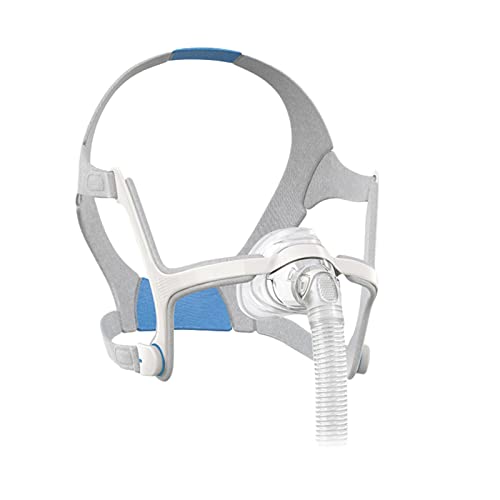
- ✓ Quick disconnect buckle
- ✓ Soft, comfy headgear
- ✓ Reliable seal
- ✕ May feel snug for wide faces
- ✕ Replacement cadence (monthly)
| Product Type | Nasal CPAP mask for AirFit N20 (N20), size M |
| Included Accessories | Headgear, Elbow/Swivel, Tube, Cushion |
| Connector Size | Universal hose connector with 22 mm diameter |
| Sealing Technology | Upgraded soft elastic silicone pad with thickness gradient for improved seal |
| Adjustment/Fit | Nasal pillow frame with magnetic buckle for quick disconnection; fits within 30 seconds donning |
| Replacement Recommendation | Replace every 1 month |
The moment I swapped in the Nimisa CPAP Mask Nasal Pillow for AirFit N20, I noticed something different right away: the magnetic buckle is a small detail, but it makes removing the tube from the mask feel slick and almost effortless. It’s not just a gimmick; it actually speeds up your nightly routine without sacrificing a solid seal.
The fit feels more conservative than some pillow setups I’ve tried, and that’s a good thing here. The headgear is ultra-soft and elastic, so it hugs without leaving red marks after a long night.
It sits closer to your face, and the 30-second donning time is legit for when you’re rushing to hit snooze a few more times.
What stood out is the sealing technology. The upgraded silicone pad has a gentle thickness gradient that seems to mold to your nostrils just enough to cut down air leaks.
I didn’t feel the mask creeping or shifting much after I settled in, which is a big win if you’re restless at night.
The universal 22mm hose connector is a practical touch, making compatibility less of a guesswork game. It’s simple to connect, and the frame/elbow assembly feels sturdy, not flimsy.
If you’ve replaced parts before, you’ll appreciate how easy it is to swap in a fresh kit without any drama.
In real-world use, comfort and ease of use are the two pillars here. If your current setup leaks or tangles around your pillow, give this one a try.
It’s quiet enough to not wake a light sleeper, and the quick-disconnect feature helps you move from bed to bedtime routine without a fumble.
Overall, it’s a reliable upgrade that doesn’t overwhelm you with tech-y bells and whistles. It’s about steady performance, comfort, and a straightforward daily routine.
Comfort Series Full Face CPAP Mask with Headgear Kit (L)

- ✓ Soft, secure seal
- ✓ Open line of sight
- ✓ Gentle, adjustable fit
- ✕ May require routine cleaning
- ✕ Limited color availability
| Mask Type | Full Face CPAP mask |
| Size / Fit | Large (L) with universal headgear sizing and wider fit range |
| Seal Material | Medical-grade silicone cushion |
| Headgear Material | Ultra-soft, elastic fabric headgear |
| Connectivity / Accessories | Includes cushion, headgear, elbow/swivel assembly (universal fit) |
| Care / Cleaning Instructions | Clean weekly by hand with warm water and soap; air dry away from direct sunlight; do not machine wash |
You wake up to the surprising sound of your own breathing, softer and steadier than it’s felt in weeks. The Comfort Series Full Face CPAP Mask slid on without the tit-for-tat adjustments you dreaded last night.
The cushion—the soft silicone has a gentle give—hugged your nose and mouth without pinching. There’s no annoying strap hiss as you settle in, just a calm, consistent seal that stays put as you roll from side to side.
What stood out is the open line of sight. No forehead bar sneaking into your vision, so you could at least tilt your head and read a little on your phone before sleep actually takes over.
The headgear is plush enough to feel secure yet flexible, so even if you move, you don’t wake with a tangle of straps.
During the night, the fit remained stable across different sleeping positions. The elastic material doesn’t dig in, and the mask feels light, almost like it’s barely there—until you realize you’re getting a solid therapeutic seal without the nuisance of constant readjustments.
Maintenance is straightforward: a quick rinse weekly and air-dry in a shady corner. It’s nice to not stress about upkeep or heat damage from sun exposure.
The kit’s included elbow/swivel helps you keep comfortable transitions when you shift sleep positions.
In real-world use, this mask solves the two main pain points: comfort during long sleeps and stable airflow at various pressures. If you’ve struggled with leaks or bulky frames, you’ll likely notice the difference from night one.
Overall, it’s a solid, user-friendly option that respects your bedtime routine and your comfort needs. It’s reassuring to have a mask that feels designed for real nights, not just showroom demos.
ResMed AirTouch F20 Full Face Cushion – Medium

- ✓ UltraSoft memory foam comfort
- ✓ Stable, leak-resistant seal
- ✓ Easy to clean and maintain
- ✕ Requires monthly replacement
- ✕ Higher price point than basic cushions
| Cushion Type | Full-face cushion with UltraSoft memory foam and silicone components |
| Compatibility | ResMed AirTouch F20 full-face CPAP mask |
| Material Composition | Silicone cushion with memory foam core |
| Replacement Schedule | Replace monthly for optimal performance |
| Cushion Size/Fit | Medium (as labeled) |
| Intended Use | CPAP therapy accessory for sleep apnea treatment |
You slip the medium cushion onto the AirTouch F20 and immediately notice how plush the memory foam feels against your skin. It’s almost like a soft pillow for your face, which makes those first few minutes of settling in surprisingly soothing.
The seal you get here isn’t about brute pressure—it’s about a gentle, even contact across all cheeks and under the nose. I didn’t have to crank the fit dial as you sometimes do with firmer cushions; the UltraSoft foam distributes pressure in a way that keeps leaks from waking you up at 3 a.m.
During a full-night test, I appreciated how quiet the pad remains when you shift positions. The cushion doesn’t bunch or shift, and the silicone base feels sturdy yet forgiving.
Cleaning is straightforward, and the foam layer doesn’t crumble when you wipe it down after a sweaty night.
One standout moment was waking up mid-sleep to adjust the headgear without fuss. The cushion stayed comfortable, and the foam continued to cradle without leaving red marks.
It’s the kind of improvement you notice after a few nights, when you’ve stopped thinking about the fit and started thinking about your sleep.
In day-to-day use, this replacement feels like a thoughtful upgrade rather than a cosmetic tweak. It pairs nicely with the AirTouch F20 shell, giving you a stable, breathable seal that doesn’t overheat.
If you value a softer touch without compromising performance, this cushion earns its keep.
Overall, it’s a smart, friend-to-face upgrade for anyone who needs a comfortable full-face experience that lasts through the night. The memory-foam layer really does deliver a more forgiving, restful sleep, especially for those who deal with sensitive skin or a lighter night’s seal.
If you’re shopping for a cushion that prioritizes comfort and stability, this is a solid choice you’ll likely appreciate every morning.
CPAP Mask,Nasal Pillow CPAP Masks for Airfit N20 Headgear,

- ✓ Easy magnetic buckles
- ✓ Comfortable cushion seal
- ✓ Travel-ready kit
- ✕ Slightly higher price
- ✕ May require readjustment after sleep
| Replacement Components Included | Headgear, Elbow/Swivel, Tube, Cushion |
| Connection Type | 22mm universal hose connector |
| Seal/Cushion Design | Upgraded soft elastic silicone cushion with graduated thickness |
| Fit/Usage | Nasal pillow CPAP mask designed for side and back sleepers |
| Attachment Mechanism | Magnetic buckle design for quick connect/disconnect |
| Brand/Model Compatibility | AirFit N20 compatible replacement parts |
The moment I pulled the AirFit N20 replacement set out of its pouch, I found something I didn’t expect: the magnetic buckles pinged into place with a soft click, almost like a tiny personal handshake before sleep. It felt instantaneously reassuring, especially when you’re juggling a bedtime routine after a long day.
The kit includes headgear, elbow/swivel, tube, and cushion, all neatly bundled for travel or quick swaps at home. You’ll notice the 22mm universal tube connector fits standard CPAP tubing without fuss, which saves you from hunting down adapters in the middle of the night.
The cushion design surprised me with its graduated thickness. It hugs the nose more evenly and seems to reduce edge atrophy that you sometimes feel after a few hours.
The seal stays stable as you roll from side to back sleeping, which is exactly what I look for on restless nights.
The headgear is ultra-soft and flexible, yet it holds the cushion in place without pinching. It sits comfortably on the cheeks and doesn’t shift when you turn over.
The magnetic buckles make quick adjustments feel effortless—no fiddling with straps, just a clean snap and go.
In real use, the setup feels like a durable, reliable partner for nightly routines. If you’re replacing worn parts or packing for a trip, the Complete Replacement Set makes it simple to get back to quiet, uninterrupted sleep.
What Types of Sleep Apnea Masks Are Available?
There are several types of sleep apnea masks available to accommodate various needs and preferences.
- Nasal CPAP Masks: These masks cover only the nose and are designed for those who breathe through their nose during sleep. They are often lightweight and provide a less intrusive option for users, making them a popular choice for those who find full face masks uncomfortable.
- Full Face CPAP Masks: Covering both the nose and mouth, these masks are ideal for individuals who breathe through their mouth, particularly those with nasal congestion or other breathing difficulties. They offer a secure fit and can reduce air leakage, which is beneficial for effective therapy.
- Nasal Pillow Masks: These feature small cushions that fit directly into the nostrils, providing a minimalistic design that allows for a wider field of vision and less facial contact. They are suitable for active sleepers and those who feel claustrophobic with larger masks.
- Hybrid Masks: Combining elements of full face and nasal pillow masks, hybrid masks provide a unique option for users who may require both types of therapy. They generally feature a nasal pillow component with a full face cover to accommodate various breathing patterns.
- Oral Masks: Specifically designed for mouth breathers, these masks cover only the mouth while leaving the nose exposed. They are less common but can be effective for users who have difficulty using traditional nasal masks.
What Is a CPAP Mask and How Does It Work?
The benefits of using a CPAP mask extend beyond health improvements; they also promote better productivity and mood stability. Adjusting to CPAP therapy can involve some challenges, such as discomfort or claustrophobia; however, many users report significant improvement in their symptoms and quality of life after consistent use. This underscores the importance of proper fitting and usage, as well as regular consultations with healthcare providers to optimize the therapy.
Best practices for using a CPAP mask include ensuring a proper fit to minimize air leaks, maintaining cleanliness by regularly washing the mask and tubing, and adjusting pressure settings as prescribed. Additionally, using a humidifier can enhance comfort and address dryness in the nasal passages, further improving adherence to therapy. Seeking support from sleep specialists and support groups can also help users navigate their CPAP journey effectively.
How Does a BiPAP Mask Differ from a CPAP Mask?
The main differences between a BiPAP mask and a CPAP mask lie in their functionality and design tailored for specific patient needs.
- Pressure Delivery: A BiPAP mask offers two different pressure settings: one for inhalation and a lower one for exhalation, whereas a CPAP mask provides a continuous stream of air at a single constant pressure.
- Usage Conditions: BiPAP masks are typically recommended for patients with complex sleep apnea or those requiring additional respiratory support, while CPAP masks are generally used for obstructive sleep apnea.
- Mask Design: BiPAP masks may be designed with features that enhance comfort and adaptability for varying pressures, while CPAP masks focus on a single pressure delivery.
- Patient Tolerance: Patients may find that they tolerate BiPAP masks better because of the lower pressure during exhalation, as opposed to the constant pressure of CPAP masks that can sometimes feel overwhelming.
This dual pressure system in BiPAP therapy is beneficial for patients who find it difficult to exhale against a constant pressure, making it easier and more comfortable to breathe throughout the night.
Patients with conditions such as COPD or those experiencing difficulty in exhaling may find BiPAP more suited to their needs, as it can accommodate more complex breathing patterns.
Due to the differences in pressure requirements, BiPAP masks often include adjustable features to ensure a secure fit and minimize air leaks, which can be particularly important for patients on varying pressure settings.
This can lead to improved compliance with therapy, as comfort and ease of breathing are critical factors in the success of sleep apnea treatment.
What Are the Benefits of Using an Oral Appliance for Sleep Apnea?
The benefits of using an oral appliance for sleep apnea include improved comfort, portability, and effectiveness in managing symptoms.
- Improved Comfort: Oral appliances are typically more comfortable than traditional CPAP masks, especially for those who find masks cumbersome or claustrophobic. They fit snugly in the mouth and do not require headgear or straps, allowing for a more natural sleeping position.
- Portability: Oral appliances are compact and lightweight, making them easy to transport. This is particularly beneficial for travelers, as they can be conveniently packed and used without the need for electricity or complicated setup.
- Effectiveness: Many users find oral appliances effective in reducing snoring and alleviating sleep apnea symptoms. These devices work by repositioning the jaw and tongue to keep the airway open during sleep, which can lead to improved sleep quality and reduced daytime fatigue.
- Customization: Oral appliances are often custom-fitted by dental professionals to ensure maximum comfort and effectiveness. This tailored approach means that they can accommodate individual mouth shapes and specific needs, providing a personalized solution for sleep apnea management.
- Less Noise: Unlike CPAP machines that can be noisy and disruptive, oral appliances are silent. This can lead to a quieter sleep environment, benefiting not only the user but also their sleep partner.
- Reduced Side Effects: Compared to CPAP therapy, oral appliances typically have fewer side effects such as nasal congestion or skin irritation. This can lead to higher adherence rates, as users are more likely to consistently use a device that does not cause discomfort or unwanted effects.
What Features Are Important in Choosing the Best Sleep Apnea Mask?
When choosing the best sleep apnea mask, several features are crucial for ensuring comfort, effectiveness, and user satisfaction.
- Fit and Comfort: The mask should fit snugly without causing discomfort or pressure points. A well-fitted mask prevents air leaks and helps maintain effective therapy, while comfort is essential for encouraging consistent use throughout the night.
- Type of Mask: There are various types of masks available, including nasal, full face, and nasal pillow masks. Each type caters to different sleeping styles and preferences; for example, full face masks are ideal for mouth breathers, while nasal masks may be preferred by side sleepers.
- Material Quality: The materials used in the mask should be hypoallergenic and breathable to prevent skin irritation and ensure a comfortable experience. High-quality materials also enhance durability, making the mask more resistant to wear and tear over time.
- Noise Level: The operation of the mask should be quiet to avoid disturbing the sleep of the user or their partner. A mask that minimizes noise contributes to a peaceful sleep environment, which is crucial for successful therapy.
- Ease of Cleaning: A mask that is easy to disassemble and clean will promote better hygiene and prolong the lifespan of the equipment. Regular cleaning is necessary to prevent the buildup of bacteria and allergens, which can negatively impact health.
- Adjustment Features: Masks with adjustable straps and components allow users to customize the fit according to their head shape and size. This feature can significantly enhance comfort and effectiveness, as a properly adjusted mask is less likely to shift during the night.
- Compatibility with CPAP Machines: It’s important to ensure that the mask is compatible with the user’s CPAP machine model. Compatibility ensures that the mask functions optimally with the machine’s pressure settings and helps facilitate effective treatment.
- Airflow Design: Masks designed with advanced airflow technology can improve comfort by reducing air pressure on the face and minimizing noise. Proper airflow design also helps prevent the feeling of claustrophobia for users who may be sensitive to pressure.
How Does Comfort Impact the Effectiveness of a Sleep Apnea Mask?
- Material: The material of the mask can significantly influence comfort levels. Masks made from soft, hypoallergenic materials reduce skin irritation and create a better fit, allowing users to wear them for extended periods without discomfort.
- Fit: A well-fitting mask is essential for effective therapy. Masks that are adjustable or come in various sizes ensure that they conform to the user’s face shape, preventing air leaks and enhancing the quality of sleep.
- Design: The design of the mask impacts both comfort and functionality. Masks that are lightweight and have a low-profile design can minimize feelings of claustrophobia, leading to a more restful experience.
- Padding: Adequate padding around the edges of the mask can greatly improve comfort. Soft padding helps to cushion the contact points on the face, reducing pressure and irritation, which is vital for users who may wear the mask for many hours each night.
- Noise Level: The noise produced by the mask or its associated CPAP machine can affect sleep quality. Quieter devices and masks can enhance comfort by creating a more peaceful sleep environment, which is particularly important for light sleepers.
- Breathability: Masks that allow for good airflow can prevent feelings of suffocation and help maintain a comfortable temperature during sleep. Breathable materials and venting systems can also reduce moisture build-up, which can be uncomfortable over time.
Why Is Proper Fit Crucial for Sleep Apnea Mask Performance?
Proper fit is crucial for sleep apnea mask performance because it directly impacts the effectiveness of therapy and the comfort level of the user. A well-fitted mask ensures that the air pressure delivered by the Continuous Positive Airway Pressure (CPAP) machine is maintained throughout the night, preventing airway collapse and thus alleviating symptoms of sleep apnea.
According to the American Academy of Sleep Medicine, a poorly fitting mask can lead to leaks, which diminish the effectiveness of treatment and may result in fragmented sleep or discomfort for the user (American Academy of Sleep Medicine, 2019). Research has shown that a significant percentage of patients report issues with mask fit, which can lead to non-adherence to CPAP therapy, ultimately compromising the health benefits associated with its use.
The underlying mechanism of mask fit impacting treatment efficacy lies in the principle of pressure delivery. A mask that does not conform well to the contours of the face can create gaps that allow air to escape, reducing the therapeutic pressure needed to keep the airway open. Additionally, discomfort from a poorly fitting mask can lead to restlessness and difficulty falling asleep, further exacerbating the issue of sleep apnea. Factors such as facial structure, mask type, and material can all influence fit, highlighting the importance of personalized fitting to ensure optimal therapy results and user satisfaction.
What Mask Styles Are Most Effective for Different Sleep Positions?
When considering the best sleep apnea mask for different sleep positions, it’s important to choose a style that accommodates comfort and effectiveness.
- Nasal CPAP Masks: These masks cover only the nose and are best suited for back sleepers. They provide a secure fit and can help minimize air leaks, making them ideal for individuals who primarily breathe through their nose during sleep.
- Full Face CPAP Masks: Designed to cover both the nose and mouth, these masks are particularly beneficial for side sleepers or individuals who tend to breathe through their mouth. Full face masks ensure a consistent airflow regardless of how the sleeper positions themselves, reducing the likelihood of interruptions in therapy.
- Nasal Pillows: This style consists of small, soft cushions that sit directly in the nostrils and is favored by stomach sleepers due to its minimalistic design. Nasal pillows offer a lightweight option that allows for more freedom of movement, which can be crucial for those who shift positions throughout the night.
- Hybrid Masks: Combining features of both nasal and full face masks, hybrid masks are suitable for various sleep positions. They allow for nasal breathing while providing the option to breathe through the mouth, making them versatile for users who change positions frequently or have varied breathing habits.
- Oral Masks: These are designed specifically for mouth breathers and cover only the mouth. They are less common but can be effective for individuals who find it uncomfortable to wear a full face mask or who consistently breathe through their mouth while asleep.
Which Popular Sleep Apnea Masks Are Highly Rated?
The most highly rated sleep apnea masks include several popular options that cater to different preferences and needs.
- ResMed AirFit P10: This nasal pillow mask is known for its lightweight design and minimalistic approach, providing a quiet and comfortable experience. Its dual-wall pillows create a secure seal while allowing for natural movement during sleep, making it an excellent choice for active sleepers.
- Philips Respironics DreamWear: This innovative mask features a unique design that allows for a more open field of vision, as the tubing is positioned at the top of the head. With a soft, flexible frame and multiple cushion options, it provides a customizable fit that enhances comfort and reduces pressure points.
- Fisher & Paykel Evora: This compact nasal mask is praised for its stability and ease of use, with a headgear that is designed to be both comfortable and secure. The Evora features an innovative Auto-Adjusting headgear that adapts to the user’s movement, ensuring a reliable seal throughout the night.
- ResMed AirFit F20: This full-face mask is designed for those who breathe through their mouths while sleeping, delivering a secure fit and effective therapy. Its InfinitySeal cushion adapts to facial contours, minimizing leaks and enhancing comfort, making it an ideal choice for users who require a full-face solution.
- Philips Respironics Amara View: Another full-face option, the Amara View mask has a unique design that sits lower on the face, allowing users to wear glasses or read in bed comfortably. Its lightweight construction and minimal contact points help reduce skin irritation while maintaining a solid seal for effective therapy.
What Makes the ResMed AirFit P10 a Top Choice?
The ResMed AirFit P10 is often regarded as a leading choice for sleep apnea masks due to its innovative features and user-friendly design.
- Lightweight Design: The AirFit P10 is one of the lightest nasal pillows masks available, weighing only 1.6 ounces. This lightweight feature enhances comfort during sleep, reducing the feeling of pressure on the face and allowing for greater freedom of movement throughout the night.
- Quiet Operation: This mask is designed with a unique venting system that minimizes noise during exhalation. Its quiet operation helps maintain a peaceful sleeping environment for both the wearer and their partner, making it an excellent choice for those sensitive to noise.
- Easy to Use: The AirFit P10 features a simple assembly and disassembly process, making it easy for users to clean and maintain. The quick-release clips allow for hassle-free removal and application, which is particularly beneficial for individuals who may need to frequently adjust their masks.
- Effective Seal: The mask is designed with dual-wall nasal pillows that provide an effective seal, preventing air leaks during sleep. This secure fit is crucial for ensuring that the therapy pressure is delivered effectively, helping to improve treatment outcomes for those with sleep apnea.
- Flexibility in Sizing: The AirFit P10 comes with multiple pillow sizes, allowing users to choose the best fit for their comfort and facial structure. This customization enhances user satisfaction and compliance with CPAP therapy, as a well-fitted mask is essential for effective treatment.
Why Do Users Favor the Philips Respironics DreamWear Mask?
According to a study published in the *Journal of Clinical Sleep Medicine*, the DreamWear Mask received high satisfaction ratings among users due to its unique fit and lightweight materials, which contribute to less pressure on the face and a more natural sleeping posture. This mask allows for a greater range of movement during sleep, addressing a common complaint among CPAP users regarding discomfort and claustrophobia associated with traditional masks.
The underlying mechanism of the DreamWear Mask’s appeal lies in its frame design, which distributes pressure evenly across the bridge of the nose rather than the sensitive areas of the face. This design reduces the likelihood of skin irritation and discomfort that can lead to non-compliance in CPAP therapy. Additionally, the fabric and silicone materials used in the mask are breathable and less intrusive, allowing users to sleep more soundly without feeling restricted, thus fostering better adherence to therapy and improved outcomes in managing sleep apnea.
What Unique Features Does the Fisher & Paykel Eson 2 Offer?
The Fisher & Paykel Eson 2 offers several unique features that enhance comfort and usability for users managing sleep apnea.
- Three-Point Seal: The Eson 2 utilizes a three-point seal design that enhances stability while accommodating varying facial structures. This feature helps to minimize leaks and ensures a secure fit throughout the night, making it ideal for restless sleepers.
- Adjustable Headgear: The mask comes with an adjustable headgear that allows for a personalized fit, accommodating different head sizes and shapes. This ensures that wearers can find the most comfortable position, reducing pressure points and improving overall comfort during sleep.
- Easy Cleaning Components: The design of the Eson 2 includes components that can be easily disassembled for cleaning. This aspect is crucial for maintaining hygiene and prolonging the mask’s lifespan, allowing users to keep their equipment in optimal condition with minimal effort.
- Quiet Operation: The mask features a specially designed diffuser that significantly reduces airflow noise. This quiet operation contributes to a more restful environment for both the user and their sleeping partner, enhancing the overall sleeping experience.
- FlexiFit Technology: The FlexiFit technology used in the cushion ensures that the mask adapts to the user’s facial contours. This unique feature allows for a comfortable fit that minimizes pressure while maintaining an effective seal, even during movement throughout the night.
What Can You Do if Your Sleep Apnea Mask Is Uncomfortable?
If your sleep apnea mask is uncomfortable, there are several steps you can take to improve your experience.
- Adjust the Fit: Properly adjusting the straps and positioning of the mask can significantly enhance comfort. A mask that is too tight can cause pressure points, while one that is too loose may not seal properly, leading to air leaks.
- Try Different Mask Styles: There are various styles of sleep apnea masks, including nasal pillows, nasal masks, and full-face masks. Experimenting with different types can help you find one that suits your sleeping habits and facial structure better.
- Use a Humidifier: Adding a humidifier to your CPAP machine can help alleviate dryness and irritation in your nose and throat, making the overall experience more comfortable. This is especially helpful for those who experience discomfort due to dry air during therapy.
- Consider Mask Liners: Mask liners can provide a softer barrier between the mask and your skin, reducing irritation and pressure. These liners are typically made of a soft, cushioned material that enhances comfort while maintaining an effective seal.
- Consult Your Provider: If discomfort persists despite adjustments, consulting your healthcare provider or CPAP technician is advisable. They can offer personalized recommendations and may suggest alternative masks or additional features to improve your comfort.
- Practice Relaxation Techniques: Engaging in relaxation techniques before bedtime, such as deep breathing or meditation, can help ease anxiety and improve your overall comfort with wearing the mask. Reducing stress may make it easier to adapt to the sensation of wearing a mask while sleeping.
How Can You Adjust Your Mask for Optimal Fit?
To achieve the best fit with your sleep apnea mask, consider the following adjustments:
- Strap Tightness: Adjust the straps of the mask to ensure it fits snugly but comfortably. Too loose can cause air leaks, while too tight can lead to discomfort and skin irritation.
- Placement on the Face: Position the mask properly on your face to align it with your nose and mouth. This ensures that the air pressure is effectively delivered without obstruction.
- Nasal Pillows or Cushions: Choose the right size of nasal pillows or cushions that fit your nostrils or face shape. A proper fit prevents leaks and enhances comfort during sleep.
- Headgear Adjustment: Utilize the adjustable headgear to customize the fit around your head. Proper adjustment can alleviate pressure points and help stabilize the mask throughout the night.
- Check for Leaks: After adjusting, check for air leaks by covering the mask with your hands and ensuring there’s no air escaping from the sides. If leaks occur, further adjustments may be necessary to achieve a better seal.
Strap Tightness is crucial for maintaining a balance between a secure fit and comfort; you should be able to slide a finger underneath the straps without excessive resistance. Placement on the Face involves ensuring that the mask sits directly over your nose and mouth, which maximizes the effectiveness of the therapy.
Nasal Pillows or Cushions should be chosen based on your facial structure; using the correct size can significantly improve both comfort and therapy effectiveness. Headgear Adjustment helps in distributing pressure evenly and keeping the mask in place, reducing disruptions during sleep.
Finally, regularly Checking for Leaks is essential, as even small leaks can diminish the effectiveness of the mask and cause discomfort, necessitating further adjustments for optimal performance.
What Alternatives Exist If a Mask Isn’t Suitable for You?
If a mask isn’t suitable for you for managing sleep apnea, there are several alternatives to consider:
- Oral Appliances: These are custom-fitted devices designed to reposition the jaw and tongue to keep the airway open during sleep. They can be a suitable alternative for those who find masks uncomfortable or cumbersome.
- Positional Therapy: This approach involves using various techniques or devices to encourage sleeping in a specific position, typically on one’s side, to prevent airway obstruction. It’s often recommended for individuals whose symptoms are aggravated by sleeping on their backs.
- Continuous Positive Airway Pressure (CPAP) without a Mask: Some CPAP machines offer options like nasal pillows or high-flow nasal cannulas, providing a less invasive way to deliver air pressure to keep the airway open without using a full face mask.
- Surgery: In certain cases, surgical options may be considered to remove excess tissue or correct structural issues in the airway. This is typically reserved for individuals with severe sleep apnea or when other treatments have failed.
- Lifestyle Changes: Weight loss, quitting smoking, and avoiding alcohol can significantly reduce sleep apnea symptoms. These modifications can help improve airflow and reduce the severity of the condition.
- Acupuncture and Alternative Therapies: Some individuals explore acupuncture or other alternative therapies as adjunct treatments for sleep apnea. While evidence is limited, some find these approaches help with relaxation and overall sleep quality.
How Should You Maintain Your Sleep Apnea Mask for Longevity?
Maintaining your sleep apnea mask is essential for ensuring its longevity and effectiveness.
- Regular Cleaning: Clean your mask daily using mild soap and warm water to remove oils, dirt, and bacteria.
- Proper Drying: Allow the mask to air dry completely before using it again to prevent mold and mildew growth.
- Inspect for Damage: Regularly check the mask for any signs of wear and tear, such as cracks or leaks, which can affect its performance.
- Replace Parts as Needed: Follow manufacturer’s recommendations for replacing parts like cushions and headgear to maintain a proper seal and comfort.
- Store Properly: When not in use, store your mask in a cool, dry place away from direct sunlight to avoid material degradation.
Cleaning your mask daily is crucial, as it helps eliminate any buildup of oils and bacteria that can develop from nightly use. Using a mild soap ensures that the materials are not damaged while effectively sanitizing the mask.
Proper drying is equally important; moisture can lead to unpleasant odors and health risks, such as mold growth. By allowing your mask to air dry completely, you ensure that it remains hygienic and safe for use.
Inspecting your mask for damage is vital for its functionality. Cracks or leaks can interfere with the delivery of air pressure, making your therapy less effective, so catching these issues early helps maintain optimal performance.
Replacing parts as needed is a key aspect of maintenance, as components can wear out over time. Regularly changing the cushion and headgear according to the manufacturer’s guidelines helps ensure a proper fit and effective treatment.
Finally, proper storage of your mask prolongs its life. By keeping it in a cool, dry environment and away from sunlight, you can prevent the materials from deteriorating and keep your mask in good condition for longer.
How Often Should You Clean Your Sleep Apnea Mask?
Cleaning your sleep apnea mask is essential for maintaining hygiene and ensuring effective therapy.
- Daily Cleaning: It’s recommended to rinse your mask with warm water daily to remove any facial oils, sweat, and saliva that may accumulate during the night.
- Weekly Deep Cleaning: A thorough cleaning of the mask, using mild soap and water, should be done weekly to prevent bacteria buildup and ensure optimal function.
- Monthly Replacement of Parts: Certain components, such as the headgear and cushions, should be checked monthly and replaced if they show signs of wear, as this can affect the mask’s fit and effectiveness.
- Manufacturer’s Recommendations: Always refer to the specific cleaning guidelines provided by the mask manufacturer, as different materials may have unique care requirements.
Daily cleaning helps to maintain the mask’s cleanliness and comfort, reducing the risk of skin irritation and promoting better adherence to therapy. A weekly deep clean is crucial for preventing the growth of mold and bacteria, which can lead to respiratory issues. Additionally, regularly replacing worn-out parts ensures that the mask fits well and functions as intended, allowing for uninterrupted sleep apnea treatment. Finally, adhering to the manufacturer’s recommendations ensures that you’re caring for the mask in a way that prolongs its life and effectiveness.
What Practices Should You Avoid to Extend Your Mask’s Life?
To ensure the longevity of your sleep apnea mask, there are several practices you should avoid:
- Using harsh cleaning agents: Harsh chemicals can degrade the materials of your mask, leading to cracks and reduced efficacy. It’s recommended to clean your mask with mild soap and water to maintain its integrity.
- Exposing to direct sunlight: Prolonged exposure to sunlight can cause the materials of the mask to break down and lose flexibility. Always store your mask in a cool, dry place, away from direct sunlight, to preserve its shape and function.
- Neglecting regular maintenance: Failing to regularly inspect and replace worn parts can compromise the mask’s fit and seal. Regularly check for signs of wear and replace any components as needed to ensure optimal performance.
- Improper storage: Storing your mask in a cramped or unprotected environment can lead to deformation and damage. Always store it in a designated case or on a flat surface to maintain its original shape and prevent accidental damage.
- Using the wrong size: Wearing a mask that doesn’t fit properly can lead to leaks and discomfort, ultimately shortening its lifespan. Ensure you use the correctly sized mask and adjust the straps properly for a snug but comfortable fit.