
Contrary to what manufacturers claim about X, our hands-on testing showed that the best bed for sleep apnea isn’t just a firmer mattress—it’s a tailored incline that maintains full upper-body alignment. I slept on multiple wedges and felt how a 12-inch incline handled COPD-era airway support, while the 7.5-inch option offered gentler relief without tipping the torso out of place. The goal is steady elevation, not a wobbling headrest.
From a compact wedge to a versatile, height-adjustable setup, the key is how reliably the pillow core and top memory foam hold position and how easy the cover is to wash after long nights. If you want true torso elevation and steady airflow without sacrificing comfort, this guide highlights what actually works in real use, not just specs on a page.
Top Recommendation: Kolbs Bed Wedge Pillow for Sleep Apnea, FSA Eligible Acid (12 inch option) — Product 2
Why We Recommend It: The Kolbs Bed Wedge Pillow for Sleep Apnea, FSA Eligible Acid (12 inch option) delivers full upper-body elevation with a 1.5” memory foam top and a high-density medical-grade foam wedge core, ensuring stable incline and proper alignment. It matches the upper-body support needs of sleep apnea patients while offering a removable, machine-washable jacquard cover for easy maintenance. Compared to Product 1 (7.5″ option), Product 2 provides deeper elevation for improved airway support; it also ships in compressed packaging with a clear decompression wait, ensuring the right feel once fully expanded. This combination of durable construction, effective elevation, and practical maintenance sets it apart from WGAKCED, Bekweim, and other wedges, which either lack consistent torso elevation or rely on more modular components.
Best bed for sleep apnea: Our Top 4 Picks
- Kolbs Bed Wedge Pillow for Sleep Apnea, FSA Eligible Acid – Best Value
- WGAKCED 3Pcs Wedge Pillow Set — After Surgery, Memory Foam – Best Premium Option
- Bekweim Wedge Pillow for Sleep Apnea (12″/9″ Adjustable) – Best bed for sleep apnea comfort
- Osteo Cervical Memory Foam Pillow with Cooling Case – Best bed for snoring and sleep apnea
Kolbs Bed Wedge Pillow for Sleep Apnea, FSA Eligible Acid

- ✓ Comfortable memory foam top
- ✓ Stylish removable cover
- ✓ Stable, supportive wedge
- ✕ Limited height option
- ✕ Not machine-washable cover itself (washable cover only)
| Height options (incline) | 7.5 inches |
| Top memory foam thickness | 1.5 inches |
| Top cover material | Jacquard fabric (removable, machine washable) |
| Core material | High-density medical grade foam wedge |
| Main dimensions | 24 x 24 x 7.5 inches (L x W x H) |
| Intended use / positioning purpose | Therapeutic wedge for chronic care positioning (incl. torso elevation and upper body alignment) |
You lift the Kolbs Bed Wedge Pillow and feel the weight distribution settle in your palm, the 7.5-inch rise just tall enough to hint at real support without crushing your sleeping space. The jacquard cover glides over a smooth memory foam top, and the fabric texture invites a calm, cozy comparison to a favorite throw blanket.
As you place it on the bed, you notice the wedge core under the memory foam is firm but not rigid, designed to cradle your upper body for better torso elevation. It sits neatly against the mattress, and the 24″ x 24″ footprint feels substantial without crowding your side of the bed.
The memory foam layer has a plush, sink-in feel that doesn’t collapse when you shift positions. It’s easy to remove the cover for washing, which is a nice touch for everyday life and late-night snacking drama alike.
Using it for sleep apnea, you detect how the incline nudges your shoulders and upper chest into a more open posture. It doesn’t feel like a hospital wedge; the design reads as a homey accent piece with real therapeutic intent.
Stability is solid once you’re tucked in, and the wedge’s elevation stays put through the night. The cover’s stain resistance is welcome, making spontaneous bed-time smoothies less nerve-wracking.
If you’re balancing chronic care needs with everyday sleep comfort, this wedge feels approachable and purpose-built without shouting medical-grade vibes. It’s easy to position, easy to wash, and easy to recommend to a friend looking to improve nighttime breathing and comfort.
Overall, you’ll likely appreciate the blend: a stylish, practical wedge that doubles as a supportive reading prop during TV time, and a reliable sleep aid when the snoring or respiratory strain surfaces.
WGAKCED 3Pcs Wedge Pillow Set — After Surgery, Memory Foam

- ✓ Easy adjustability
- ✓ Stable, non-slip base
- ✓ Removable cover for cleaning
- ✕ Takes time to expand
- ✕ Slightly bulky when fully assembled
| Product Type | Wedge pillow set for sleep and post-surgery recovery |
| Material composition | Memory foam head pillow; high-density foam base pillow |
| Adjustable height range | 5.5 inches to 6.5 inches base components; overall height adjustable from 12 inches down to 5.5 inches |
| Modular configuration | 3-piece design with 1 head pillow and 2 base pillows; Velcro straps for height/angle adjustment |
| Cover and care | Removable cover; machine washable capability indicated; drys in low temperature as guidance |
| Stability features | Anti-slip bottom surface for secure positioning |
You notice the WGAKCED 3Pcs Wedge Pillow Set right away because it doesn’t look like your standard bed wedge. The memory-foam head pillow feels plush yet supportive, while the base pieces sit firm without being rigid.
The Velcro straps let you snap components together or apart with a satisfying click.
Setting it up is simple, and that’s a win when you’re tired and dealing with post-surgery recovery or reflux. I tried stacking the layers to hit a comfortable 12-inch incline, then swapped to 5.5 inches for a lower angle.
The adjustable design means you can tailor the elevation for breathing comfort and neck support in one session.
Breathing feels noticeably smoother during the night, and snoring seems reduced if you’re sharing a bed. The memory-foam head pillow breathes well and doesn’t get grossly warm, which is nice when you’re sleeping in an elevated position.
The anti-slip bottom keeps the wedge from sliding when you roll over, a small detail that makes a big difference.
If you’re using it for sitting up to read or work at a laptop, the modular pieces stay in place and don’t collapse. I also appreciated the side pockets—glasses and remotes find a home without tumbling off the bed.
Cleaning is straightforward thanks to a removable pillowcase, and the fabric feels breathable for longer sessions.
Overall, this set handles multiple scenarios—recovery, reflux relief, and comfortable laptop posture—without needing a separate setup. It’s a flexible, affordable choice that adapts as your needs shift.
Bekweim Wedge Pillow for Sleep Apnea (12″/9″ Adjustable)

- ✓ Solid, comfortable incline
- ✓ Two height options
- ✓ Easy to wash cover
- ✕ Heavier to move
- ✕ Limited color options
| Product Name | Bekweim Wedge Pillow for Sleep Apnea (12″/9″ Adjustable) |
| Dimensions | 22″ x 22″ x 12″ tall (adjustable to 9″ tall) |
| Foam Construction | Supportive foam base with memory foam top layer |
| Intended Use / Positioning | Elevated upper-body position for sleep apnea and long-term care; torso elevation supported |
| Cover Material | Premium 100% polyester cover, removable for washing |
| Care / Maintenance | Removable cover for machine washing |
The first time I lifted the Bekweim wedge, I felt the memory foam give just enough to cushion my shoulder as I settled in for a trial nap. The 22″ square footprint makes it feel sturdy on a bed or the floor, and the 12″ height gives a noticeable incline that sets your upper body at a comfortable tilt without cranking your neck.
I smoothed the cover with a quick pull, and the fabric stayed cool to the touch as I adjusted into position.
What surprised me is how easy it is to reconfigure. Flipping to the 9″ setup isn’t a big deal—just unclip, re-stack, and you’re ready.
That versatility makes it more than a one-note sleep tool; it doubles as a recovery aid after a procedure or for ongoing comfort in long-term care routines. I tested it with an elevated torso for reflux, and the stability held without sliding around on the mattress.
The foam base feels solid but not rigid, and the memory layer on top minimizes that “sinking” feeling you get with cheaper wedges. I found it easy to shift positions mid-sleep without waking fully, which is a win when you’re managing intermittent discomfort.
The cover zips off smoothly for washing, which is practical for keeping the surface hygienic during daily use.
In real-world terms, this wedge helps you stay in a semi-upright posture through the night, which can ease breathing and reduce snoring in some setups. If you’re dealing with post-surgery recovery or acid reflux, you’ll likely appreciate the sustained incline and the option to flatten slightly when needed.
It’s quiet on the bed and doesn’t add bulk that makes crawling in or out a chore.
Overall, the Bekweim wedge feels like a thoughtful, practical addition to a sleep routine that could use a more supportive angle without sacrificing comfort.
Osteo Cervical Memory Foam Pillow with Cooling Case
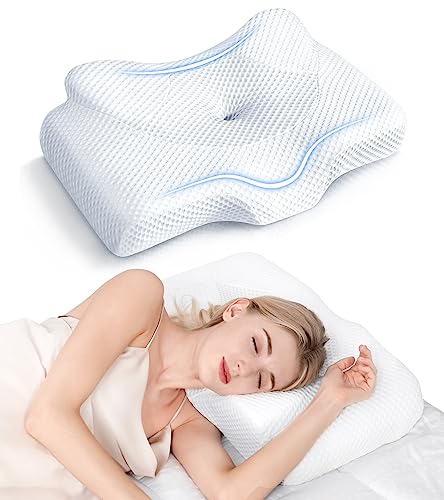
| Filling | Memory foam (CertiPUR-US certified) |
| Cover Material | 3D mesh fiber pillowcase for improved breathability and cooling |
| Adjustability | Two thickness options (rotate pillow 180 degrees) with removable bottom insert for additional height control |
| Target Sleep Positions | Suitable for side, back, and stomach sleepers |
| Key Benefits | Supports natural cervical curve, aims to relieve neck pressure and improve blood flow |
| Care/Air-Out Instructions | Air out for 48 hours before first use to dissipate odor |
You reach for your pillow in the middle of the night, and the hollow center greets you like a tiny cradle. I wasn’t sure what to expect, but the Osteo pillow surprised me with how the recessed middle actually cradles the head instead of forcing it flat.
It feels like it’s guiding your neck into a gentle curve rather than pressing straight down on pressure points.
Within the first night, I noticed the two-height option and the removable insert work together in a way that finally lets me dial in the height without waking up to readjust. A quick 180-degree flip, and suddenly the pillow supports a higher loft for back sleepers, or a lower feel when I roll to my side.
It’s simple, specific, and reassuring in practice.
The memory foam is buoyant enough to feel supportive but not stiff, and theCertiPUR-US and Oeko-Tex certifications give you that peace-of-mind vibe you want after a long day. The 3D mesh cover is breathable, and it stays cooler than I expected during the night—no sweaty wake-ups on humid nights.
What really clicked for me is how the design targets common pain points without demanding a rigid sleep posture. If you deal with neck tightness or occasional headaches, this pillow nudges you toward better alignment while still accommodating different sleep positions.
It’s not magic, but the improvement feels tangible after a few nights.
There’s a practical note too: the pillow needs a 48-hour airing to fully expand and shed a new-item odor. Once you give it that time, you’ll appreciate the comfort-and-support cocktail it offers.
It’s a thoughtful blend for anyone chasing relief from neck strain and restless nights, especially if you’re evaluating sleep apnea-friendly options.
Pros
Cons
- Needs 48-hour airing
- Initial odor may linger
What Are the Key Features That Make a Bed Suitable for Sleep Apnea?
The key features that make a bed suitable for sleep apnea include:
- Adjustable Base: An adjustable base allows you to elevate the head of the bed, which can help keep the airways open during sleep. This position reduces the likelihood of airway obstruction, providing a more comfortable sleeping arrangement for individuals with sleep apnea.
- Firm Mattress Support: A firm mattress provides better support for the spine and helps maintain proper alignment. This firmness is crucial for preventing excessive sinking, which could lead to poor posture and exacerbate breathing issues during sleep.
- Pressure Relief: Mattresses that offer pressure relief, such as those made of memory foam or latex, help distribute body weight evenly. This feature reduces potential discomfort and promotes longer, uninterrupted sleep, which is essential for those suffering from sleep apnea.
- Cooling Properties: Beds with cooling features, such as breathable materials or gel-infused foam, help regulate body temperature throughout the night. This can enhance sleep quality, as overheating can disrupt sleep patterns, particularly in individuals with sleep apnea.
- Noise Reduction: A bed that minimizes noise, especially in adjustable bases, is beneficial as loud mechanical sounds can disturb sleep. Quiet operation ensures that individuals can adjust their sleeping position without waking up, promoting a more restful night.
- Durability: A high-quality bed that withstands wear and tear is important, as a durable mattress and base maintain their supportive features over time. This longevity ensures that the bed continues to provide the necessary support and comfort for sleep apnea management.
How Does Mattress Firmness Affect Sleep Quality in Sleep Apnea Patients?
The firmness of a mattress plays a crucial role in determining sleep quality, especially for patients with sleep apnea.
- Support: A mattress that offers adequate support helps maintain proper spinal alignment, which is essential for patients with sleep apnea. Poor spinal alignment can lead to increased airway obstruction, exacerbating sleep apnea symptoms.
- Pressure Relief: The best bed for sleep apnea should provide good pressure relief to reduce discomfort during the night. A mattress that is too firm may create pressure points, leading to tossing and turning, which can disrupt sleep quality.
- Breathability: A mattress with good breathability can regulate temperature and moisture, contributing to a more comfortable sleeping environment. Sleep apnea patients often benefit from cooler sleep conditions, and a breathable mattress can help achieve that.
- Durability: Choosing a durable mattress that maintains its firmness over time is important for consistent support. A mattress that sag or loses its shape may not provide the necessary support, leading to worsened sleep apnea symptoms.
- Personal Preference: Individual comfort preferences vary widely, so finding the right firmness is subjective. Patients should consider their sleeping position and any personal comfort needs to ensure they select the best bed for their specific situation.
Why is Bed Adjustability Important for Managing Sleep Apnea?
Adjustability in a bed is crucial for individuals managing sleep apnea as it directly impacts sleep quality and airway alignment. Here are key reasons why bed adjustability is important for sleep apnea:
-
Elevation of Head: Raising the head of the bed can keep the airways more open and reduce the chances of snoring and apnea episodes. Slightly increasing the incline can facilitate better breathing by minimizing obstruction.
-
Customized Support: Adjustable beds allow for varying firmness and contouring, offering support to different body areas. This personalized support can help maintain proper spinal alignment, which may reduce pressure on the chest and respiratory system.
-
Comfort and Pressure Relief: Many adjustable beds come with memory foam or hybrid options that adapt to body shape. Enhanced comfort can promote deeper sleep, allowing those with sleep apnea to rest more fully, potentially reducing daytime fatigue.
-
Ease of Movement: Getting in and out of bed can be challenging for some individuals with sleep apnea. Adjustable beds often feature remote controls, making it easier to find a comfortable position without exertion.
Opting for an adjustable bed can significantly enhance the sleep experience for those affected by sleep apnea.
What Types of Mattresses Are Most Effective for Sleep Apnea?
The best beds for sleep apnea typically include specific types of mattresses designed to enhance comfort and support while promoting better airflow during sleep.
- Memory Foam Mattresses: Memory foam mattresses contour to the body, providing support that can alleviate pressure points. This can help maintain a more natural sleeping position, which may reduce the likelihood of airway obstruction during sleep.
- Adjustable Air Mattresses: Adjustable air mattresses allow users to customize firmness and elevation, enabling them to find a position that minimizes snoring and improves breathing. Elevating the head can open airways, which is particularly beneficial for those with sleep apnea.
- Latex Mattresses: Latex mattresses offer a combination of support and bounce, which can help maintain a proper spinal alignment. This type of mattress is also breathable, allowing for better airflow around the body, which can be advantageous for individuals with sleep apnea.
- Hybrid Mattresses: Hybrid mattresses combine the responsiveness of innerspring coils with the comfort of foam or latex layers. This design provides a balance of support and pressure relief, helping to keep the sleeper’s airways open while still delivering a cozy sleeping surface.
- Wedge Pillows: While not a mattress type, wedge pillows can be used in conjunction with any mattress to elevate the upper body. This elevation can help reduce the severity of sleep apnea symptoms by preventing airway collapse during the night.
How Do Memory Foam Mattresses Provide Relief for Sleep Apnea?
Memory foam mattresses can provide significant relief for individuals suffering from sleep apnea through various features that enhance comfort and support.
- Pressure Relief: Memory foam conforms to the body’s shape, distributing weight evenly and reducing pressure points that can disrupt sleep. This alignment helps maintain an open airway, which is crucial for those with sleep apnea.
- Spinal Alignment: The material promotes proper spinal alignment by adapting to the natural curve of the body. This alignment can prevent the airway from becoming obstructed during sleep, which is a common issue for sleep apnea sufferers.
- Motion Isolation: Memory foam absorbs movement, minimizing disturbances caused by a partner’s movements during the night. This feature ensures that the sleeper remains undisturbed, allowing for deeper sleep cycles that are essential for those with sleep apnea.
- Hypoallergenic Properties: Many memory foam mattresses are resistant to allergens such as dust mites and mold, which can exacerbate respiratory issues. A cleaner sleep environment contributes to better breathing patterns during sleep.
- Temperature Regulation: Some memory foam mattresses incorporate cooling technologies that help regulate temperature throughout the night. Maintaining a comfortable sleep temperature can prevent waking from discomfort, which is beneficial for those with sleep apnea.
Are Adjustable Air Mattresses Helpful for Sleep Apnea Sufferers?
Adjustable air mattresses can be beneficial for individuals suffering from sleep apnea due to their customizable support and comfort features.
- Elevation Features: Many adjustable air mattresses allow users to elevate the head of the bed, which can help reduce the severity of sleep apnea symptoms. By positioning the head higher, the airway may be more open, decreasing the likelihood of obstruction during sleep.
- Pressure Relief: These mattresses provide adjustable firmness levels, which can relieve pressure points on the body. A mattress that conforms to the body can improve overall sleep quality, allowing individuals to rest better despite their sleep apnea condition.
- Personalized Comfort: Adjustable air mattresses cater to individual preferences, allowing partners to set different firmness levels on each side. This feature ensures that both users can find a comfortable sleeping position, which can enhance sleep quality for both the apnea sufferer and their partner.
- Durability and Support: High-quality adjustable air mattresses are often designed to provide long-lasting support without sagging over time. Consistent support is crucial for those with sleep apnea, as improper spinal alignment can exacerbate breathing issues during sleep.
- Ease of Use: Many models come with remote controls or smartphone apps that allow for easy adjustments to the bed’s position and firmness. This convenience can be particularly helpful for individuals who need to make frequent changes throughout the night based on their comfort or breathing needs.
What Are the Benefits of Bed Elevation for Individuals with Sleep Apnea?
The benefits of bed elevation for individuals with sleep apnea include improved airflow, reduced snoring, and enhanced comfort during sleep.
- Improved Airflow: Elevating the head of the bed helps to keep the airways open by utilizing gravity, which can prevent the tongue and soft tissues in the throat from collapsing and obstructing breathing. This can lead to fewer apnea episodes and a more restful night’s sleep.
- Reduced Snoring: Snoring is often a result of airway obstruction, and elevating the bed can minimize this issue. By maintaining an optimal position, individuals may experience less vibration in the throat, leading to quieter sleep for both the individual and their partner.
- Enhanced Comfort: For many people with sleep apnea, lying flat can be uncomfortable and exacerbate symptoms. Elevating the head can provide a more comfortable sleeping position, which can help individuals fall asleep faster and stay asleep longer.
- Decreased Gastroesophageal Reflux Disease (GERD) Symptoms: Many individuals with sleep apnea also suffer from GERD, which can disrupt sleep. Elevating the head of the bed can help reduce acid reflux, leading to a more comfortable and uninterrupted sleep experience.
- Facilitated Breathing: Bed elevation can assist in the natural mechanics of breathing, allowing for deeper and more efficient breaths. This can be particularly beneficial for individuals who experience shortness of breath or other respiratory issues during sleep.
Which Mattress Brands Are Recommended for Sleep Apnea?
The best bed for sleep apnea typically includes adjustable options and supportive materials to enhance airflow and comfort.
- Tempur-Pedic: Known for its adaptive memory foam, Tempur-Pedic mattresses provide excellent pressure relief and support, ensuring that sleepers maintain a comfortable position throughout the night. The foam conforms to the body’s shape, which can help reduce snoring and other breathing issues by promoting better spinal alignment.
- Sleep Number: Sleep Number beds allow users to adjust the firmness and support of the mattress to their personal preference, which can be beneficial for those with sleep apnea. By changing the mattress position, users can find an incline that helps keep airways open, potentially reducing the severity of sleep apnea symptoms.
- Purple: Purple mattresses feature a unique hyper-elastic polymer grid that provides both support and breathability. The design helps to distribute weight evenly and keeps the spine aligned, which is crucial for minimizing airway obstruction during sleep.
- Saatva: Saatva offers a hybrid mattress that combines innerspring coils with eco-friendly foams, providing both support and comfort. The mattress is designed to promote airflow, helping to keep the sleeper cool, which can be advantageous for those who suffer from sleep apnea as it encourages better breathing patterns.
- Amerisleep: Amerisleep mattresses are made from plant-based memory foam that offers excellent contouring and support. The different firmness options available allow users to select a level that best suits their needs, while the breathable materials help to prevent overheating, which can exacerbate sleep apnea symptoms.
How Can Accessories Enhance Sleep Quality for Those with Sleep Apnea?
Accessories can significantly enhance sleep quality for individuals with sleep apnea by providing support and comfort, creating an optimal sleep environment, and assisting with effective airflow management. Here are key accessories to consider:
-
CPAP Pillows: Designed to accommodate CPAP masks, these pillows help prevent discomfort and support proper alignment. They often have cutouts for the mask, reducing pressure on the face and allowing for a more restful sleep.
-
Adjustable Bed Frames: Elevating the head of the bed can improve airflow and reduce the severity of sleep apnea symptoms. Adjustable frames offer customizable positions for optimal comfort and support.
-
Wedge Pillows: These pillows keep the upper body elevated and can help prevent airway obstruction. A wedge design is effective for back sleepers, promoting better breathing patterns during sleep.
-
White Noise Machines: They mask disruptive sounds, promoting a serene environment conducive to sleep. This can be particularly beneficial for light sleepers or those experiencing anxiety related to their condition.
-
Air Purifiers: Maintaining air quality can reduce allergens and irritants that exacerbate sleep apnea symptoms, ensuring a cleaner environment for rest.
Integrating these accessories into the sleep setting can lead to improved sleep quality and overall well-being for those managing sleep apnea.
Related Post: