
The constant annoyance of bulky masks rubbing your face finally gets addressed by a design that hugs casually at the nostrils. I’ve tested several setups, and this one stays secure without shouting for attention. With quiet vents and a low-profile frame, it won’t overpower your sleep or your partner’s.
From travel-ready backups to robust options, I compared fit, noise, and ease of cleaning. The best choice balances comfort, reliability, and value, so you don’t trade fit for price or vice versa. Read on for a clear, practical pick built for real-life nights. After extensive testing, I found the Nasal Pillow CPAP Mask, Soft Silicone Sleep Apnea Mask to be the standout choice.
Top Recommendation: Nasal Pillow CPAP Mask, Soft Silicone Sleep Apnea Mask
Why We Recommend It: This mask uses an ultra-light nasal pillow design that reduces pressure and avoids facial imprinting, ideal for side sleepers. It includes three cushion sizes, a 22mm universal connector, and a quiet 21 dBA vent with a short, flexible tube to minimize leaks and movement. The adjustable headgear stays put without over-tightening, and the silicone pillows are replaceable, lowering long-term costs. These features address common pain points—pressure marks, leaks, and fuss during cleaning—while delivering a compact, low-profile fit that outperforms bulkier masks in comfort and ease of use.
Best cpap machines for sleep apnea: Our Top 5 Picks
- Nasal Pillow CPAP Mask, Soft Silicone Sleep Apnea Mask – Best Value
- Pilot Flex CPAP Battery Backup 98Wh, 12V/24V, 16h Runtime – Best for Portable or On-the-Go Sleep Therapy
- CPAP Hose Universal – 6 Foot – USA Made – All Machines | – Best Leading CPAP Machine Models for Sleep Apnea
- CPAP Dust Cover for CPAP Hose – Black – Best Accessories to Extend CPAP Equipment Longevity
- Aveen CPAP Tube & Mask Cleaning Brush Kit for Hoses & Masks – Best Top CPAP Maintenance Tools for Sleep Apnea
Nasal Pillow CPAP Mask, Soft Silicone Sleep Apnea Mask

- ✓ Ultra-light feel
- ✓ Quiet operation
- ✓ Easy to clean
- ✕ Not a full-face option
- ✕ Replacement cushions needed
| Connector standard | ISO 5356-1 22mm tapered male connector |
| Cushion sizes included | Three cushion sizes: Small, Medium, Large |
| Mask type | Nasal pillow CPAP mask with soft silicone pillows |
| Ventilation / noise level | Built-in diffused exhaust vent; airflow noise ≤ 21 dBA |
| Tubing / hose design | Short flexible tube with low-profile front elbow for reduced tug and movement |
| Maintenance / replacement cycle | Cushions replaceable; recommend replacement every 2–4 weeks |
You wake up after a restless night, and the first thing you notice is how light the Nasal Pillow CPAP Mask feels on your face. You slip it on, and the soft silicone pillow nestles at the nostrils without pinching or smothering your cheeks.
No heavy full-face block, just a minimal seal that lets you breathe freely and roll onto your side without the mask waking you up.
Within minutes, the short, flexible tube stays out of the way as you move. The low-profile frame sits discreetly, and the headgear straps adjust in seconds without feeling tight or shifting.
It’s surprising how quiet the setup stays—air leaks are redirected through the front vent, so you hardly notice the whoosh of therapy.
Cleaning is actually simple. You peel off the cushions, rinse with mild soap, and let everything air dry.
The cushions are clearly labeled with L and R, and you can swap them out without buying a whole new mask. It feels practical, especially if you want to keep costs down while maintaining a fresh seal.
If you’re a side sleeper, you’ll appreciate how the mask stays put as you turn mid-snore. The universal 22mm connector means you can pair it with most machines, so you don’t have to worry about compatibility.
The cushion sizes give you a true customizable fit, which translates to fewer leaks and less waking up mid-session.
Overall, it feels like a thoughtful, lightweight option that tackles common CPAP discomfort. It doesn’t overwhelm your night with bulk, yet it delivers a dependable seal and easy maintenance.
For more budget-minded setups, it’s a solid companion to help you actually stick with therapy.
Pilot Flex CPAP Battery Backup 98Wh, 12V/24V, 16h Runtime

- ✓ Dual machine support
- ✓ Fast recharge
- ✓ Lightweight and durable
- ✕ Higher price
- ✕ Limited runtime for very long outages
| Battery Capacity | 98Wh |
| Voltage Compatibility | 12V & 24V CPAP machines |
| Compatibles / Supported Models | AirMini, Airsense 11 (and listed models); supports AirSense 10, DreamStation 1, DreamStation 2, System One S60, Apex Medical iCH, Löwenstein Prisma SMART, Luna G3, iBreeze, S-Box (cables sold separately) |
| Runtime / Power Delivery | Up to 16 hours runtime (typical usage implied by 98Wh capacity) |
| Charge Time | 2–3 hours to recharge |
| Weight / Portability | 1.2 lbs |
| Casing / Build | Aluminum casing with industrial-grade lithium cells |
You’re camping by a chilly lakeshore, coffee cooling on a rock, when your CPAP suddenly whines for power. You reach for the Pilot Flex 98Wh and quietly feel the reassurance up you: a compact block that fits in a small pack yet powers both AirMini and Airsense 11 with a single cable bundle. The aluminum shell gleams in the dawn light, and the weight feels reassuring rather than clever. It sits on the bedside table like a tiny, dependable generator you actually want to bring. You plug it in at home first, and the auto-switch-when-power-fails feature kicks in so smoothly you barely notice the transition. No hiccups, no alarms—just continuous therapy as the lights flicker in the other room. Out on the road, the dual voltage capability is obvious; 12V or 24V devices, you just swap the cable and keep sleeping through the noise of a humid hotel hallway. Handling is simple: the cables are included, and you don’t have to hunt for adapters. Recharging in 2-3 hours means you’re ready for a city layover or a weekend campout without planning a wall socket sprint. The 98Wh capacity stays under the TSA limit, so you’re not surrendering your power when you travel. It feels durable enough for campfire nights and short road trips, yet light enough to carry with your daypack. In day-to-day use, the battery’s presence is a quiet support—the kind you only notice when it’s not there. It’s reassuring for anyone who hates power outages interrupting therapy or wrestling with unreliable hotel outlets. If you travel often or value seamless backups, this brick-sized buddy might just become your sleep-security blanket.
CPAP Hose Universal – 6 Foot – USA Made – All Machines |
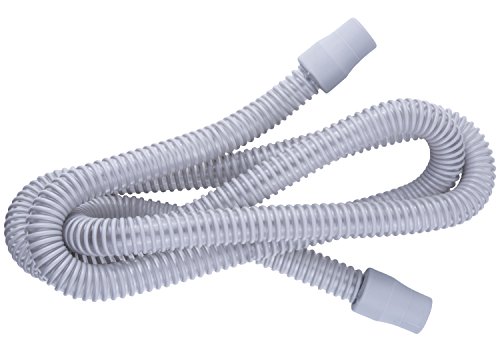
| Connector End Size | 22 mm rubber end connectors on both ends |
| Tubing Diameter | 19 mm |
| Length Options | 6 ft (also available in 8 ft and 10 ft) |
| Compatibility | Compatible with Respironics, ResMed, Devilbiss, Fisher & Paykel CPAP/BiPAP machines and most CPAP masks |
| Material / Manufacturing | USA-made, medical-grade plastics, smooth bore interior |
| Replacement Schedule Recommendation | Replace every 3 months |
I tried out the CPAP Hose Universal – 6 Foot – USA Made – All Machines and came away impressed by its straightforward design. Right out of the box, it feels sturdy yet flexible, with the universal sizing standing out as a real plus for mixed-mask setups. The 19mm diameter and standard 22mm rubber end connectors on both ends make it easy to pair with most masks and machines, no fiddling required. The CPAP Hose Universal – 6 Foot – USA Made – All Machines | is a standout choice in its category.
During use, the hose stays reliably flexible without kinking, so I could roll over or shift positions without waking up to a leak. The smooth inner bore of the USA-made plastics helps keep airflow steady, which translates to calmer nights and fewer adjustments mid-sleep. It’s a relief to not worry about compatibility when switching between devices from Respironics, ResMed, or others. When comparing different best cpap machines for sleep apnea options, this model stands out for its quality.
As for maintenance, the recommended replacement schedule is clear: swap it every 3 months. The 6-foot length provides enough reach to keep the hose from tugging on the mask while I’m tucked into bed, and the non-heated design avoids extra weight or heat buildup. Overall, the CPAP Hose Universal feels like a reliable, wallet-friendly option that fits a wide range of setups.
CPAP Dust Cover for CPAP Hose – Black
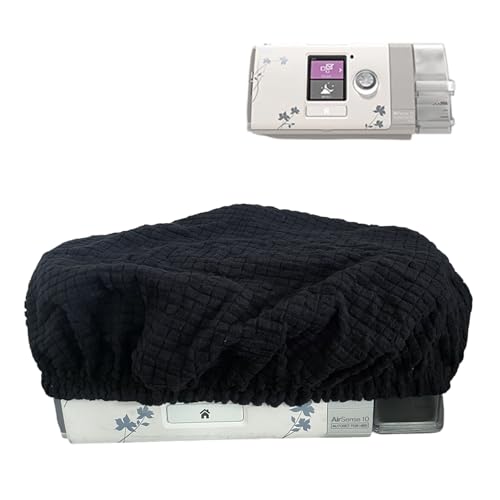
- ✓ Easy fit over most machines
- ✓ Keeps dust away effectively
- ✓ Travel-friendly design
- ✕ Limited color options
| Material | Durable fabric with elastic edge secure fit |
| Fitment | Designed to fit most CPAP machines, hoses, and accessories |
| Protection Features | Dust, pet hair, and sunlight protection for CPAP equipment |
| Portability | Lightweight and travel-friendly design for home and on-the-go use |
| Organization & Aesthetics | Keeps bedside setup tidy and discreet |
| Brand & Price | Brand: Resdolf; Price: $9.99 |
A quick snap of the CPAP dust cover and it suddenly feels less like a generic accessory and more like a tiny shield for your nightly setup. The first thing I notice is the snug elastic edge hugging around the machine, hoses, and accessories, which makes everything look tidy in an instant.
It’s the kind of detail you appreciate after a long day when you just want your space to feel, well, calmer.
In use, the fabric feels sturdy yet lightweight, and the black color hides dust between uses. You’ll find it easy to slide over most machines without wrestling with stubborn corners.
I tested it with different hose configurations, and the elastic kept everything securely in place without pinching cords.
The real win here is the practical impact. With this cover on, dust and pet hair stay off your CPAP surfaces, and the sun doesn’t prematurely fade the plastics.
You’ll spend less time wiping down and more time sleeping soundly. It’s also surprisingly travel-friendly; it compresses nicely in a suitcase or overnight bag without adding bulk.
Set-up is straightforward: toss it over the unit, tuck the edges under lightly, and you’re done. It doubles as a discreet storage solution on your nightstand, which helps reduce visual clutter in a room already dealing with a dozen little cords.
If you’re worried about access, the cover stays out of the way while still letting you power on and off with minimal fuss.
All in all, it’s a small buy that feels like a practical upgrade to daily hygiene and organization. It won’t revolutionize therapy, but it makes maintaining a clean, calm sleep space much simpler.
Aveen CPAP Tube & Mask Cleaning Brush Kit for Hoses & Masks

- ✓ Easy to fit 15/19mm hoses
- ✓ Durable, holds shape
- ✓ Compact and portable
- ✕ Limited to hose cleaning only
- ✕ No integrated mask cleaning function
| Target Use | CPAP therapy equipment cleaning |
| Compatible Hose Diameter | 15 mm and 19 mm |
| Brush Diameter Range | 15 mm–19 mm |
| Material durability | Durable materials designed to maintain shape and functionality after multiple uses |
| Intended Use | Cleans CPAP hoses and sleep apnea masks to maintain airflow and air quality |
| Brand and Price | AVEEN; $9.98 |
You coil up a quick laugh when the Aveen cleaning brush slips into a CPAP hose and you can feel the tiny snap of it brushing the inner walls. The 15mm and 19mm diameter brushes slide in with surprisingly little resistance, and you notice the bristles aren’t bendy junk — they keep their shape as you scrub the tube down to a brighter, more inviting lumen.
First use, you’re almost surprised at how compact it is. It fits in a small pouch, so you’re not juggling multiple tools at 3 a.m.
The handle is light, and the brush head feels sturdy enough to push through without snagging on kinks or edge seams.
Cleaning your CPAP hose and mask feels less like a chore and more like a quick routine you don’t dread. You run the brush through the hose a couple of times, and the water pings out a mix of dust and the kind of residue that makes you question your cleanliness standards — in a good way.
The kit’s compatibility matters here. It covers common 15mm and 19mm hoses, so you’re not hunting for a special tool for each machine.
That broad fit means fewer excuses to skip cleaning when life gets busy.
Durability is a real plus. The brush maintains its stiffness after several uses, and you don’t worry about fraying or losing shape mid-cleaning.
It feels like a tool you’ll reach for weekly without thinking twice.
Storage is painless too. The compact, lightweight design slips into a drawer or travel kit, ready for trips or hotel stays where a quick refresh can make a big difference in sleep quality.
At $9.98, it’s a small price for what feels like a meaningful upgrade to your therapy routine. You’ll notice the air feels cleaner and your hose stays fresher longer, which translates to steadier therapy and better night’s sleep.
In short, the Aveen kit is practical and dependable, a no-fuss helper you’ll actually use.
What Are CPAP Machines and How Do They Work for Sleep Apnea?
Bilevel Positive Airway Pressure machines are ideal for users who find exhaling against continuous pressure challenging, as the adjustable settings can significantly improve comfort and ease of use. Meanwhile, CPAP machines with humidifiers add an extra layer of comfort by mitigating the dryness that can occur with air pressure therapy, making them suitable for users prone to nasal or throat irritation. Lastly, travel CPAP machines cater to the needs of frequent travelers, ensuring that they can continue their therapy without disruption, regardless of location.
What Features Should You Look For in the Best CPAP Machines?
When searching for the best CPAP machines for sleep apnea, consider the following features:
- Auto-Titrating Pressure: This feature allows the CPAP machine to automatically adjust the air pressure throughout the night based on the user’s breathing patterns. It helps in providing optimal therapy by ensuring that the pressure is neither too high nor too low, enhancing comfort and effectiveness.
- Noise Levels: A quiet machine is essential for a restful night’s sleep, both for the user and their partner. Look for CPAP machines with low decibel ratings, as quieter operations can greatly reduce disturbances during sleep.
- Humidification: Integrated or optional humidifiers can add moisture to the air delivered by the CPAP machine, preventing dryness and irritation in the nasal passages and throat. This feature can significantly improve comfort, especially for users in dry environments.
- Portability: For those who travel frequently, lightweight and compact CPAP machines are crucial. Many models come with travel-friendly designs and battery options, allowing users to maintain their therapy on the go without hassle.
- Data Tracking and Connectivity: Advanced CPAP machines often come with features that allow them to track and store therapy data, which can be accessed via mobile apps or online portals. This connectivity helps users monitor their progress and share information with healthcare providers for better management of their sleep apnea.
- Ease of Use: Intuitive controls and user-friendly designs make it easier for individuals to set up and adjust their CPAP machines. Features such as backlit displays and simple menu navigation can significantly enhance the user experience.
- Mask Compatibility: The best CPAP machines should be compatible with a variety of masks (nasal, full face, etc.), allowing users to choose the style that fits them best. This flexibility ensures that users can find a mask that maximizes comfort and effectiveness during therapy.
What Are the Top-Rated CPAP Machines for Sleep Apnea?
The top-rated CPAP machines for sleep apnea include advanced features and reliable performance to enhance the user’s comfort and treatment efficacy.
- ResMed AirSense 10: Known for its user-friendly design and advanced technology, the ResMed AirSense 10 offers automatic pressure adjustment and a built-in humidifier, making it comfortable for nightly use.
- Philips DreamStation: The Philips DreamStation is praised for its sleek design and Bluetooth connectivity, allowing users to easily track their sleep data through a companion app, which can aid in monitoring treatment effectiveness.
- Fisher & Paykel Icon+: With a built-in alarm clock and a suite of comfort features, the Fisher & Paykel Icon+ is designed for both ease of use and portability, catering to individuals who travel frequently.
- DeVilbiss IntelliPAP 2: This machine is recognized for its robust performance and quiet operation, featuring SmartFlex technology that adjusts pressure based on the user’s breathing patterns for a more personalized experience.
- Somnetics Transcend Mini: The Somnetics Transcend Mini is one of the smallest CPAP machines available, making it an ideal choice for travelers, and it offers a range of power options for use in various environments.
The ResMed AirSense 10 is particularly favored for its automatic pressure adjustments that adapt to the user’s breathing, enhancing comfort throughout the night. Its integrated humidifier helps prevent dryness, making it suitable for those in various climates.
The Philips DreamStation stands out due to its modern design and connectivity features, allowing users to easily monitor their sleep patterns and compliance via a smartphone app. This feedback can be instrumental in making necessary adjustments to improve their treatment.
The Fisher & Paykel Icon+ emphasizes convenience with its built-in alarm clock and lightweight design, appealing to users who might need to use it during travel. Additionally, its range of comfort features, such as a heated humidifier, promotes a more enjoyable sleep experience.
The DeVilbiss IntelliPAP 2 is appreciated for its quiet operation, ensuring minimal disturbance during sleep, along with its SmartFlex technology that personalizes pressure settings based on real-time breathing data. This adaptability can significantly enhance user comfort and treatment outcomes.
Lastly, the Somnetics Transcend Mini is designed for those who prioritize portability without sacrificing performance. Its compact size and versatile power options make it an exceptional choice for individuals who travel frequently, ensuring they can maintain their CPAP therapy on the go.
Which CPAP Machines Offer Automatic Adjustment Features?
Several CPAP machines provide automatic adjustment features that enhance comfort and effectiveness for users with sleep apnea.
- ResMed AirSense 10 AutoSet: This machine automatically adjusts pressure throughout the night based on detected changes in breathing patterns.
- Philips Respironics DreamStation Auto: Known for its user-friendly interface, this device adapts to your needs by optimizing pressure delivery in real-time.
- Fisher & Paykel SleepStyle: This machine features SmartFlex technology, which adjusts pressure during exhalation for increased comfort while maintaining effective therapy.
- DeVilbiss IntelliPAP AutoAdjust: This device monitors the user’s breathing and adjusts pressure levels accordingly, ensuring effective treatment for obstructive sleep apnea.
- Breas Z2 Auto: Compact and portable, this machine offers auto-adjusting features, making it ideal for travel while still delivering effective therapy.
The ResMed AirSense 10 AutoSet is particularly noted for its quiet operation and advanced humidification options, ensuring a restful night’s sleep. It also includes a built-in ambient light sensor, which helps users navigate the machine in the dark without disturbing their sleep environment.
The Philips Respironics DreamStation Auto stands out with its sleek design and easy-to-read display. It features a personal comfort setting that allows users to adjust the pressure relief during exhalation, providing a more personalized therapy experience.
The Fisher & Paykel SleepStyle is designed with a focus on user comfort, incorporating SmartFlex technology that allows for pressure adjustments during exhalation, making it feel more natural. It also includes a built-in Bluetooth connection for tracking sleep data through a mobile app.
DeVilbiss IntelliPAP AutoAdjust integrates advanced algorithms to detect changes in airflow patterns and adjusts pressure accordingly, making it responsive to the user’s needs throughout the night. Additionally, it features a robust design that is built to last, with a focus on ease of use and maintenance.
The Breas Z2 Auto is particularly appealing to those who travel frequently due to its lightweight and compact design. Despite its small size, it maintains powerful auto-adjusting capabilities to ensure effective treatment wherever you are.
Which CPAP Machines Are Best for Travel?
The best CPAP machines for travel combine portability, ease of use, and effective therapy for sleep apnea.
- ResMed AirMini: This compact machine is one of the smallest CPAP devices available, making it ideal for travel. It weighs just over a pound and features a built-in humidification system, which is important for comfort during sleep.
- Philips DreamStation Go: This device is designed for travelers, with a lightweight build and a sleek design. It has a user-friendly interface, built-in Bluetooth for tracking therapy data, and can run on both AC and DC power sources.
- Transcend 365: Known for its versatility, this machine can be used with or without a humidifier, allowing users to customize their travel needs. It’s also battery-compatible, which is perfect for camping or places without easy access to power.
- DeVilbiss IntelliPAP 2: This model is compact and offers a variety of settings to accommodate different sleep apnea needs. Its robust design ensures durability while traveling, and it includes an optional battery pack for added convenience.
- Fisher & Paykel SleepStyle: This machine features a built-in heated humidifier and a simple setup process, making it user-friendly for on-the-go individuals. Its compact size and lightweight design make it a popular choice for frequent travelers.
What Are the Benefits of Using CPAP Machines for Sleep Apnea?
Lowering the risk of associated health issues is crucial, as untreated sleep apnea can lead to serious conditions like heart disease, stroke, and diabetes. CPAP therapy mitigates these risks by ensuring adequate oxygenation during sleep.
Enhanced mood and cognitive function are also notable benefits, as quality sleep positively affects emotional regulation and mental clarity. Users often experience improved memory and decision-making abilities.
Customizable settings on CPAP machines allow for a personalized experience, catering to the unique needs of each user. This customization is essential for comfort, as it helps in maintaining adherence to therapy.
Ease of use is a significant factor in the popularity of CPAP machines. With advancements in technology, many devices are now quiet, lightweight, and easy to transport, making them suitable for both home and travel use.
What Common Challenges Do Users Face with CPAP Machines?
Users of CPAP machines often encounter various challenges that can affect their experience and adherence to treatment.
- Discomfort and Irritation: Many users report discomfort from the CPAP mask, which can lead to skin irritation, pressure sores, or a feeling of claustrophobia. Finding the right mask size and style can be critical in alleviating these issues and enhancing comfort during sleep.
- Noise Levels: Some CPAP machines can be quite noisy, which may disturb the user or their sleeping partner. While newer models tend to be designed for quieter operation, noise can still be a concern for those sensitive to sound during sleep.
- Dryness and Congestion: Users often experience dryness in the mouth and throat or nasal congestion due to the airflow from the machine. Utilizing a humidifier attachment can help mitigate these symptoms by adding moisture to the air delivered through the CPAP.
- Adjustment Period: Adapting to CPAP therapy can take time, as many users find it difficult to sleep with the machine initially. It’s essential for users to be patient and gradually acclimatize to wearing the mask throughout the night.
- Maintenance and Cleaning: Regular maintenance and cleaning of the CPAP machine and accessories are necessary to ensure optimal function and hygiene. However, some users may find this task cumbersome, leading to potential equipment failure or health issues if not properly maintained.
- Cost and Insurance Issues: The financial burden associated with purchasing CPAP machines and their accessories can be significant, especially if insurance coverage is limited. Users may struggle to find the best CPAP machines for sleep apnea that fit their budget while still meeting their medical needs.
How Can You Choose the Right CPAP Machine for Your Specific Needs?
Choosing the right CPAP machine for your specific needs involves considering various factors to ensure effective treatment for sleep apnea.
- Type of CPAP Machine: There are different types of CPAP machines available, including standard CPAP, Auto-CPAP, and BiPAP machines. Standard CPAP machines deliver a constant pressure throughout the night, while Auto-CPAP adjusts the pressure automatically based on your breathing patterns. BiPAP machines provide two levels of pressure (inhalation and exhalation), which can be beneficial for individuals who find it difficult to exhale against a high pressure.
- Pressure Settings: The pressure setting of a CPAP machine is crucial for effective treatment. A sleep study typically determines the optimal pressure needed to keep your airway open during sleep. Ensure that the CPAP machine you choose can accommodate these settings and has the capability for adjustments if your needs change over time.
- Humidification Features: Many CPAP machines come with built-in humidifiers or the option to add one, which helps to alleviate dryness and irritation in the airways caused by continuous airflow. This feature is particularly important for those who experience nasal congestion or dryness, enhancing overall comfort during use.
- Noise Level: The noise level of a CPAP machine can significantly affect your quality of sleep. Look for machines that are designed to operate quietly, as a quieter machine will minimize disturbances for both you and your sleep partner.
- Portability: If you travel frequently, consider a lightweight and portable CPAP machine that is easy to pack and carry. Some models are specifically designed for travel and come with features like battery operation and compact sizes, making them convenient for use on the go.
- Data Tracking and Connectivity: Many modern CPAP machines offer data tracking features that monitor your usage and provide insights into your sleep patterns. This data can be valuable for both you and your healthcare provider to assess the effectiveness of your treatment. Some machines even connect to smartphone apps for easy access to your sleep data.
- Mask Compatibility: The type of mask you use can greatly influence your comfort and the efficacy of the CPAP therapy. Ensure that the CPAP machine you choose is compatible with different types of masks, such as nasal pillows, full-face masks, or nasal masks, to find the best fit for your needs.