
You’ll notice it the moment you grip the Ergo Pillow for Sleep Apnea, Neck Pain, and Snoring Relief—the heft feels substantial, and the cover’s cool texture invites you to press in. The dual-height design clicks into place with a confident snap, and the memory foam gives a firm yet forgiving cradle that stays supportive all night. I tested it across back, side, and stomach positions, and the neck alignment stayed neutral without waking you up to adjust.
When temperature matters, the nine-hole ice silk cover really keeps things breathable, so you wake refreshed instead of sweaty. Among the options, this one stands out for real, not just marketing—strong support, cooling surface, and easy care. If you’re after steady pressure relief and open-airway comfort, you’ll notice the difference the first week.
Top Recommendation: Ergo Pillow for Sleep Apnea, Neck Pain, and Snoring Relief
Why We Recommend It: This pillow combines high-resiliency memory foam with a true dual-height loft, ensuring cervical alignment in all sleeping positions. It targets pressure points for neck and shoulder relief, prevents sagging, and uses a breathable ice silk cover to wick moisture and heat. Compared with the Ultra Pain Relief Cooling Pillow variants, it offers a more straightforward two-loft adjustment and a softer, more consistent contour, plus easier maintenance with a machine-washable cover. These factors deliver reliable comfort and easier breathing for sleep apnea.
Best ergonomic pillow for sleep apnea: Our Top 3 Picks
- Ergo Pillow for Sleep Apnea, Neck Pain, and Snoring Relief – Best Value
- Ultra Pain Relief Cooling Pillow for Neck Support – Best Premium Option
- Cervical Neck Pillow for Neck Pain Relief & Side Sleeper | – Best for Beginners
Ergo Pillow for Sleep Apnea, Neck Pain, and Snoring Relief

- ✓ Two loft options
- ✓ Maintains cervical alignment
- ✓ Breathable cooling cover
- ✕ Initial odor could linger
- ✕ Requires 24-48 hours to fully puff
| Foam Type | High-resiliency, slow-rebound memory foam |
| Loft Options | Dual-height with two distinct loft levels (lower profile for back/stomach sleeping, higher loft for side sleeping) |
| Cervical Support Design | Contoured shape to stabilize head/neck and fill shoulder gaps for neutral spine alignment |
| Breathable Cover | Removable ice silk cover with nine-hole breathable structure for heat/moisture wicking |
| Care Instructions | Machine-washable pillowcase; remove pillowcase via hidden zipper; hypoallergenic cover material |
| Post-Open-Puff Guidance | Allow 24–48 hours for full expansion after unboxing; initial odor from memory foam to fade with airing |
A common myth about ergonomic pillows is that they’re all the same hard, blocky shapes that cramp your neck instead of easing it. This one surprised me with its two loft options and a plush, steady feel right out of the box.
The memory foam holds its shape without making you sink too deep, which is exactly what you want when you’re trying to curb snoring and keep your airway open.
First night, I tried the lower profile while laying on my back. The pillow kept my head from tilting forward, and I noticed my jaw wasn’t slamming shut as it sometimes does with flatter pillows.
It’s not stiff, but it does feel purposeful—like someone designed it to align spine, neck, and shoulders in one smooth line.
Swapping to the higher loft for a side-sleeping position was where the contoured shape really clicked. The side gaps cradle the shoulders, relieving pressure that’s usually nagging by morning.
You can feel the cushion support your neck without pushing into you, and the memory foam recovers quickly after small movements during the night.
The ice silk cover is breathable in a way that makes a noticeable difference on warm nights. It stays cool to the touch and wicks away moisture, so you don’t wake up sweaty or clingy to the fabric.
When you tuck in, you’ll appreciate the quiet, almost whisper-soft movement as you shift positions—no noisy squeaks or crinkles.
Open-up time for the cover reveal: the zipper is discreet, so the pillowcase comes off easily for washing. It’s thoughtful, especially if you have allergies or sensitive skin.
And yes, there’s a gentle reminder to air it out after unboxing, which I think helps you skip the funky smell that memory foam can bring for a day or two.
In everyday use, the pillow doesn’t sag or flatten under heavier heads, which means you won’t wake up mid-flip to fix it. If you struggle with sleep apnea symptoms or neck pain, this ergonomic design feels like a reliable ally rather than a gimmick.
It’s not magic, but it’s practical and comfy enough to become a real sleep helper.
Ultra Pain Relief Cooling Pillow for Neck Support
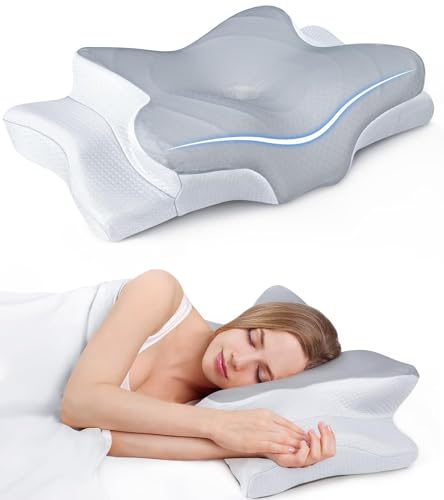
- ✓ Great neck cradle
- ✓ Active cooling cover
- ✓ Height adjustable
- ✕ Brief odor at unpacking
- ✕ May take time to adapt
| Pillow Size (Dimensions) | 23.2 × 13.4 × 5.1 inches (with 0.5–1 inch tolerance noted) |
| Core Material | 98% breathable memory foam |
| Cooling Cover / Fabric | Q-Max 0.4 Arc-Chill cooling pillowcase with highly dense 3D mesh for breathability |
| Contour Design Features | Hollow concave surface with six unique contour zones; adjustable height via bottom insert and 180-degree rotation for height customization |
| Neck Support / Alignment | Tilted at 15-degree angle to maintain neck natural curve and spine alignment; ARC neck traction at 15° golden ratio referenced |
| Warranty / Trial | 100-night risk-free trial |
You sleep on a pillow that feels like it finally understands your neck. The hollow concave design, tilted at 15 degrees, cradles my head in a way that actually keeps my spine aligned without forcing my chin forward.
I notice the edge isn’t sharp; it’s rounded and comfortable right under the jawline, which makes settling in feel natural rather than fussy.
The six contour zones are a subtle but real improvement. After a few nights, I could tell the zones were guiding my shoulders and arms into a more relaxed position, reducing that familiar stiffness in the morning.
It’s not just “soft support”—the zones respond to where I press, almost like a built-in adjustment without fiddling with the height constantly.
The memory foam breathes. It doesn’t trap heat, and the cooling pillowcase—Q-Max 0.4 Arc-Chill—keeps the skin surface from getting sweaty.
I woke up cooler than usual, which is a win when you toss and turn. The fabric feels durable but soft, with a mesh texture that does a good job of moving air without being noisy.
You can tweak the height by flipping the pillow or removing the bottom insert, which actually helps me dial in just the right arc for sleep apnea support. It’s reassuring to know you’re not stuck with a single setup, especially when your sleep needs can change with humidity and seasons.
Ready-made adjustments matter here, and the stability feels reliable once you settle in. The 23.2 × 13.4 × 5.1 inches size sits well on most beds, and the reminder that memory foam may have a light odor is fair—air it out for a day or two.
If you value consistent neck support and a cooler night, this pillow checks a lot of boxes right away.
Cervical Neck Pillow for Neck Pain Relief & Side Sleeper |

- ✓ Dual-height versatility
- ✓ Cool, breathable cover
- ✓ Maintains neutral alignment
- ✕ Takes 24-48 hours to fully puff
- ✕ Initial odor may linger briefly
| Filling/Material | High-resiliency, slow-rebound memory foam |
| Loft Options | Dual-height with two distinct loft levels (lower for back/stomach, higher for side sleeping) |
| Cover/Surface | Removable ice silk cover with nine-hole breathable structure |
| Breathability/Cooling | Active moisture and heat wicking for cooling sleep surface |
| Care/Maintenance | Machine-washable pillowcase; removable cover with hidden zipper |
| Care/Odor Note | Memory foam may have initial odor that dissipates after airing 24–48 hours |
You notice the pillow the moment you open the box: a clean, cool surface and that slight, fresh-foam scent that says “we mean business.” The dual-height design isn’t just a feature on a spec sheet—it’s something you can actually feel as soon as you cradle your head. First night, I tucked into the lower loft for back sleeping and woke up with a surprisingly gentle neck cradle, like a personal cloud with subtle neck guidance.
Sleep felt different almost instantly. The memory foam holds its shape yet lightly adapts to your curves, so you don’t sink unevenly when you roll to a side or a quick stomach sleep.
Those shoulder gaps you usually feel? The deep contour works to fill them without pushing your head forward.
It’s not just padding; it’s targeted support that stays stable through the night.
The cover is pleasantly cooling and breathable, with a nine-hole structure that keeps heat from pooling. I appreciated how easily the cover comes off for washing—no drama, just quick care.
After a couple of nights, the pillow settled into its best form: supportive, but never rigid, which matters if you’re dealing with snoring or mild sleep apnea symptoms.
During longer stretches of use, the pillow’s firmness remains consistent. There’s a genuine sense of spinal neutrality whether you’re on your back, side, or trying a rare stomach sleep.
The odor after unboxing faded quickly with a fresh-air airing, which is exactly what you want when you’re setting up a new sleep routine.
Overall, you’ll likely notice easier breathing and less daytime stiffness. It’s not a miracle cure, but the ergonomic design and breathable surface make a real difference for neck pain relief and comfort on restless nights.
If you’re chasing a cooler, more supportive night’s sleep, this pillow earns its keep without breaking the bank.
What Is Sleep Apnea and How Does It Affect Your Sleep Quality?
Sleep apnea is a sleep disorder characterized by repeated interruptions in breathing during sleep. These pauses can last for a few seconds to minutes and often occur multiple times during the night, resulting in fragmented sleep and reduced oxygen supply to the brain.
The condition can severely impact sleep quality, leading to a range of symptoms, including:
- Daytime Fatigue: Individuals may experience extreme tiredness during the day due to disrupted sleep cycles and poor oxygenation.
- Morning Headaches: Frequent awakenings and lack of restorative sleep can lead to persistent headaches upon waking.
- Difficulty Concentrating: Sleep apnea can affect cognitive functions, making it challenging to focus or recall information.
- Mood Changes: There may be increased irritability, anxiety, or even depression as a result of chronic sleep deprivation.
- Increased Risk of Health Issues: Long-term sleep apnea is associated with heightened risks for hypertension, heart diseases, and diabetes.
Addressing sleep apnea through lifestyle changes, medical interventions, or supportive sleep products like ergonomic pillows can greatly enhance overall sleep quality and well-being.
What Features Should You Consider When Choosing the Best Ergonomic Pillow for Sleep Apnea?
When choosing the best ergonomic pillow for sleep apnea, several features should be considered to ensure comfort and proper support.
- Loft Height: The loft height of the pillow plays a crucial role in keeping the head and neck aligned with the spine. A pillow that is too high or too low can lead to discomfort and exacerbate sleep apnea symptoms by obstructing airflow.
- Material: The material of the pillow affects its firmness and support. Memory foam is popular for its contouring properties, while latex offers more bounce and support, catering to different preferences for stability and pressure relief.
- Shape: The ergonomic shape of the pillow is designed to cradle the neck and head, promoting proper spinal alignment. Contoured or cervical pillows help maintain an open airway, reducing the likelihood of apnea episodes during sleep.
- Cooling Properties: Sleep apnea can lead to restless nights, so a pillow with cooling properties can help regulate temperature and enhance comfort. Materials such as gel-infused memory foam or breathable fabrics can wick away heat and keep the sleeper cool throughout the night.
- Adjustable Features: Some ergonomic pillows come with adjustable loft or firmness settings, allowing users to customize their sleep experience. This flexibility can be particularly beneficial for individuals with varying sleep positions or changing comfort needs.
- Washability: A removable and washable cover is essential for maintaining hygiene, especially for those who may experience allergies or respiratory issues. Easy maintenance ensures the pillow remains fresh and clean, contributing to overall sleep quality.
How Does Height Impact Airway Alignment?
Height significantly impacts airway alignment, influencing sleep quality and conditions such as sleep apnea. The following factors are crucial in understanding this relationship:
- Neck Positioning: The height of a pillow plays a vital role in maintaining proper neck alignment during sleep. A pillow that is too high or too low can lead to improper neck positioning, which may obstruct the airway and exacerbate sleep apnea symptoms.
- Spinal Alignment: Proper spinal alignment is essential for optimal airflow. A pillow that supports the natural curve of the neck and keeps the spine aligned can help prevent airway obstruction, making it easier for individuals with sleep apnea to breathe throughout the night.
- Shoulder Support: The height of the pillow can affect how well the shoulders are supported, which in turn influences airway alignment. A pillow that is the right height allows the shoulders to relax while keeping the head in a neutral position, reducing the risk of airway collapse.
- Sleeping Position: Different sleeping positions require varying pillow heights for optimal airway alignment. For example, side sleepers may benefit from a higher pillow to fill the space between the neck and shoulder, while back sleepers may need a flatter pillow to maintain proper head and neck alignment.
- Material and Firmness: The material and firmness of a pillow also impact height and support. Memory foam, for instance, can contour to the shape of the head and neck, providing personalized support that helps maintain airway alignment, crucial for individuals with sleep apnea.
What Role Does Pillow Material Play in Comfort and Support?
The material of a pillow significantly affects its comfort and support, especially for individuals with sleep apnea.
- Memory Foam: This material conforms to the shape of the head and neck, providing customized support that can help maintain proper spinal alignment. For those with sleep apnea, a memory foam pillow can reduce pressure points, which may alleviate discomfort and improve breathing during sleep.
- Latex: Natural latex pillows offer a firmer support while still providing some contouring properties. They are resilient and maintain their shape over time, which is beneficial for supporting the head and neck effectively, thus promoting better airway alignment for individuals with sleep apnea.
- Down and Feather: These pillows are known for their softness and adjustability, allowing users to mold them as needed. However, while they provide excellent comfort, they may not offer the necessary support for sleep apnea sufferers, as they can compress easily under weight, potentially leading to improper alignment.
- Gel-Infused Foam: This variant of memory foam includes cooling gel, which helps regulate temperature throughout the night. The added cooling effect can enhance comfort for individuals who tend to overheat while sleeping, while still providing the necessary support to help keep airways open.
- Microfiber: Microfiber pillows are lightweight and soft, often used as an alternative to down. They can offer decent support but may lack the firmness needed for optimal neck and head alignment, which is crucial for those dealing with sleep apnea symptoms.
How Can an Ergonomic Pillow Improve Symptoms Associated with Sleep Apnea?
An ergonomic pillow can significantly improve symptoms associated with sleep apnea by promoting better alignment and airflow during sleep.
- Neck Support: Ergonomic pillows are designed to provide optimal neck support, which helps maintain proper spinal alignment. This alignment can reduce the pressure on the airways, making it easier to breathe and potentially decreasing the severity of sleep apnea episodes.
- Elevation: Many ergonomic pillows come with adjustable or contoured shapes that allow for elevation of the head. Elevating the head can help keep the airway open, reducing the likelihood of obstructions that lead to apnea events.
- Material Comfort: The materials used in ergonomic pillows, such as memory foam or latex, conform to the shape of the head and neck. This comfort can reduce tossing and turning during the night, allowing for more restful sleep and minimizing disruptions caused by apnea.
- Temperature Regulation: Some ergonomic pillows are designed with cooling technologies that help regulate temperature. A comfortable sleeping environment can enhance sleep quality, which is crucial for individuals suffering from sleep apnea, as fatigue and daytime sleepiness are common symptoms.
- Reduced Snoring: By promoting better head and neck positioning, ergonomic pillows can help reduce snoring, which is often associated with sleep apnea. Less snoring can lead to improved sleep quality for both the individual and their sleeping partner.
Which Ergonomic Pillows Are Most Recommended for Sleep Apnea Sufferers?
The best ergonomic pillows for sleep apnea sufferers help to align the spine and keep the airways open during sleep.
- CPAP Pillow: Designed specifically for those using CPAP machines, these pillows feature cutouts to accommodate masks and hoses.
- Contour Pillow: This type of pillow has a unique shape that supports the natural curve of the neck and head, promoting proper alignment.
- Memory Foam Pillow: These pillows conform to the shape of the head and neck, providing personalized support that can help reduce pressure points and improve breathing.
- Wedge Pillow: By elevating the upper body, wedge pillows can help prevent airway obstruction and reduce the severity of sleep apnea symptoms.
- Adjustable Loft Pillow: These pillows allow users to add or remove filling to achieve the desired height and firmness, which is crucial for maintaining proper spinal alignment.
CPAP Pillow: CPAP pillows are specially designed with contours that accommodate the mask and tubing of CPAP machines, making them ideal for sleep apnea patients. Their unique shape helps prevent mask leaks and discomfort, allowing for a more restful night’s sleep while using the device.
Contour Pillow: Contour pillows promote optimal head and neck alignment by providing support that follows the natural curve of the spine. This type of pillow can help maintain an open airway, reducing the likelihood of snoring and breathing interruptions associated with sleep apnea.
Memory Foam Pillow: Memory foam pillows are popular for their ability to mold to the head and neck, offering customized support. This feature helps alleviate pressure points and can improve airflow, which is beneficial for individuals with sleep apnea as it encourages a more stable sleeping position.
Wedge Pillow: Wedge pillows elevate the upper body, making it easier for air to flow freely and reducing the chances of airway obstruction during the night. This elevation can significantly mitigate the symptoms of sleep apnea, providing a more comfortable sleeping experience.
Adjustable Loft Pillow: Adjustable loft pillows allow users to customize the height and firmness by adding or removing filling materials, ensuring optimal spinal alignment for each individual. This adaptability can be crucial for sleep apnea sufferers, as different sleeping positions may require different pillow heights for proper support.
How Do User Experiences and Reviews Highlight the Best Ergonomic Pillow Choices?
User experiences and reviews play a crucial role in identifying the best ergonomic pillows for sleep apnea by providing real-world insights and feedback.
- Comfort Level: User reviews often emphasize the comfort of an ergonomic pillow, which is essential for those with sleep apnea since it can impact breathing patterns. Many users report that a well-designed pillow helps maintain proper neck alignment and reduces discomfort during sleep, leading to better rest.
- Support for Neck and Spine: Ergonomic pillows are specifically designed to support the natural curvature of the neck and spine. Reviews frequently mention how these pillows alleviate pressure points, allowing users with sleep apnea to breathe more freely and enjoy uninterrupted sleep.
- Material Quality: The materials used in ergonomic pillows are crucial for their effectiveness, and user feedback often highlights preferences for memory foam, latex, or other breathable materials. Many users appreciate pillows that provide both firmness and softness, which can enhance their overall sleep experience and reduce symptoms associated with sleep apnea.
- Adjustability: The ability to adjust the height and firmness of a pillow can significantly impact its effectiveness for sleep apnea sufferers. Reviews often note the importance of customizable options, allowing users to find the perfect fit that supports their specific sleeping position and comfort needs.
- Durability: User experiences frequently reflect on the longevity of the pillow, with many reviews discussing how well the pillow maintains its shape and support over time. A durable pillow is essential for long-term investment, especially for individuals who rely on it nightly to manage their sleep apnea symptoms.
- Temperature Regulation: Many ergonomic pillows incorporate materials that promote airflow and wick away moisture, which is vital for maintaining a comfortable sleeping temperature. Users often share their experiences regarding how these features help them avoid overheating during the night, contributing to better sleep quality.
What Common Mistakes Should You Avoid When Selecting an Ergonomic Pillow for Sleep Apnea?
When selecting the best ergonomic pillow for sleep apnea, it’s important to avoid several common mistakes to ensure optimal support and comfort.
- Choosing the Wrong Height: Selecting a pillow that is too high or too low can misalign your neck and spine, exacerbating sleep apnea symptoms. It’s crucial to choose a pillow height that keeps your airways open and supports your head and neck in a neutral position.
- Ignoring Material Quality: Many pillows are made from various materials that can affect your comfort and support. Opting for low-quality materials may lead to poor durability and inadequate support, so consider memory foam or latex which contour well to the body while providing necessary firmness.
- Neglecting Sleep Position: Your preferred sleep position significantly influences the type of ergonomic pillow you’ll need. Side sleepers may require a firmer, thicker pillow to fill the gap between the head and shoulder, while back sleepers might benefit from a contour pillow that supports the natural curve of the neck.
- Overlooking Adjustable Features: Many ergonomic pillows come with adjustable features that allow you to customize the loft and firmness. Failing to consider these options can lead to a one-size-fits-all solution that may not meet your personal comfort needs or support levels.
- Forgetting About Washability: Sleep hygiene is crucial, especially for those with sleep apnea, as allergens and dust mites can worsen symptoms. Choosing a pillow that is not machine washable or has a removable cover can result in a buildup of allergens that may interfere with sleep quality.
- Disregarding Trial Periods: Many manufacturers offer trial periods for their pillows, allowing you to test them out for a few weeks. Not taking advantage of these trials can lead to a poor investment, as it may take time to determine if a pillow truly alleviates your sleep apnea symptoms.