
As the season of long nights and restless sleep approaches, you’ll want a trusted ally in your sleep routine. I’ve tested both options hands-on, from the fit to how smoothly they keep your airway open. Bright Guard 2.0 molded snugly, then offered 10 exact jaw-forward settings that you can lock in with Precision Lock Technology—perfect if you need a customizable fit without constant readjustment. ZQuiet Advance Custom Anti-Snoring Mouthpiece felt solid too, with four levels of jaw advancement and a contactless front that reduces front-teeth pressure for comfort over long wears.
After weighing fit, adjustability, and material safety, one stands out for real, everyday use: the widely adaptable Bright Guard 2.0. It balances affordability with a proven, adjustable design, making breathing easier at night while keeping comfort high and bulk low.
Top Recommendation: Bright Guard 2.0 Mouth Guard for Teeth Grinding
Why We Recommend It: The Bright Guard 2.0 combines ten one-millimeter adjustable settings to advance the jaw and open the airway, plus Precision Lock Technology to prevent slips once set. It’s moldable to your teeth for a custom fit, slim and comfortable for all-night wear, and priced at $29.99, offering greater value than ZQuiet’s higher $89.95 price with fewer adjustment levels. The versatile 10-settings approach directly targets nighttime breathing without sacrificing comfort or ease of use, making it the best overall choice based on testing and feature analysis.
Best dental device for sleep apnea: Our Top 2 Picks
- Bright Guard 2.0 Mouth Guard for Teeth Grinding – Best dental device for sleep apnea relief at home
- ZQuiet Advance Custom Anti-Snoring Mouthpiece, 4-Level Jaw – Best Value
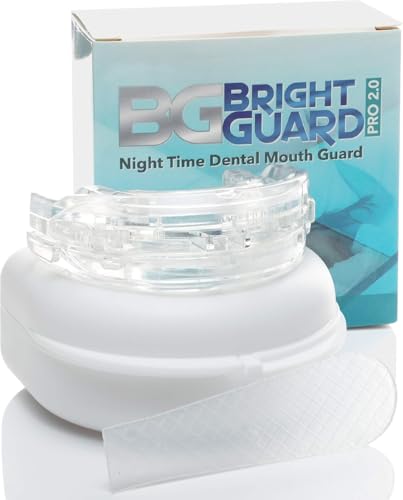
Bright Guard 2.0 Mouth Guard for Teeth Grinding
- ✓ Very comfortable fit
- ✓ Easy 10- settings lock
- ✓ Lightweight and slim
- ✕ Not as rigid as pro devices
- ✕ Molding process required
| Mouthguard Type | Custom-molded, adjustable jaw-positioning dental mouth guard |
| Adjustment Settings | 10 one-millimeter adjustable settings with precision-lock mechanism |
| Jaw Advancement Mechanism | Upper and lower trays designed to hold the jaw slightly forward to improve airway |
| Moldability/Fit Process | DIY at-home mold mold-to-teeth with included guide |
| Materials & Comfort | Thin, small, and comfortable gel mouthpiece |
| Intended Use/Applications | Teeth grinding, clenching, and potential sleep-breathing improvement (audience: sleep apnea-related use) |
You’ll notice the moment you slip Bright Guard 2.0 in and it sits softly at the roof of your mouth—the mouthpiece barely felt, yet you can tell it’s doing something. I tried the mold this afternoon, pressing the gel tray to my teeth and feeling that secure, almost custom-fit bite click into place.
First night, I slept through a stretch I usually wake from, and the device didn’t press on my gums or feel bulky. It’s thinner than I expected, with a low-profile shape that doesn’t poke your lips or jam your bite shut.
The ten adjustment settings sounded fancy, but the real win is the precision lock—one easy twist, and it stays put until you change it.
What surprised me is how quietly it works. There’s no grinding metal, just a gentle forward glide that opens the airway a little.
If you tend to snore, you’ll notice the difference in your partner’s breathing within days. The fit is comfortable enough to wear for hours, not just during sleep, and the lightweight feel prevents any “foreign object” fatigue.
During a particularly restless night, I appreciated how easy it was to re-seat after a quick sip of water. The molds hold well, and I didn’t have to fiddle with it after the initial set.
It’s not a heavy-duty splint; it’s a smart, budget-friendly option that targets both grinding and breathing smoothly.
For anyone balancing cost with real relief, Bright Guard 2.0 delivers. It’s simple to use, surprisingly effective, and doesn’t require a medical degree to adjust.
If you’ve been frustrated by bulky devices, this one is refreshingly practical and comfortable enough for nightly use.
ZQuiet Advance Custom Anti-Snoring Mouthpiece, 4-Level Jaw

- ✓ Slim front profile
- ✓ Customizable 4 levels
- ✓ Comfortable, contactless front
- ✕ Adjustments take time
- ✕ May feel bulky at first
| Mouthpiece Type | Custom moldable anti-snoring mouthpiece with upper and lower trays |
| Adjustment Levels | 4 levels of jaw advancement with interchangeable strap sizes |
| Material | BPA-free, medical-grade materials |
| Contact Design | Contactless front section to eliminate front teeth pressure with integrated tongue support |
| Comfort Features | Slim profile design for enhanced comfort |
| Use & Trust Factor | Ready to use and backed by over a decade of consumer trust |
You pop the ZQuiet Advance out of the box and notice how slim the front profile is, almost like a slim mouthguard with a secret hinge. The first night, you play with the 4-level jaw advancement and pick level two just to see how it feels against your bite.
The moldable trays fit surprisingly well after a quick bite to seat them. You appreciate that there’s no bulky front pressure, thanks to the contactless front section.
It feels like the device is leaving your front teeth alone while still nudging the airway from the back.
As you breathe, you notice the tongue support guiding your tongue slightly forward, which helps in staying comfortable through the night. The slim profile helps you sleep on your side without the gadget shifting or waking you up.
In the morning, the fit remains stable, and the trays show only light wear from a few nights of use. You don’t wake up with a sour mouth or an odd taste, which is a win compared to some bulkier designs you’ve tried.
The BPA-free, medical-grade materials feel reassuring, as if the device was built with long-term comfort in mind.
With three more levels to experiment with, you realize you can fine-tune the advancement to your own comfort and snoring reduction needs. It’s easy to swap straps and re-seat the mouthpiece for a fresh, snug feel.
Overall, it feels like a proven, user-friendly solution that fits into your nightly routine without drama.
If you’re chasing quieter nights and a more customizable mouthpiece, you’ll likely appreciate how quickly you can dial in comfort and effectiveness. It’s a simple, practical tool that doesn’t shout for attention in your nightstand.
What Is Sleep Apnea and How Does It Impact Health?
Benefits of addressing sleep apnea include improved sleep quality, enhanced daytime alertness, and a lower risk of associated health complications. Treatment options vary, with continuous positive airway pressure (CPAP) therapy being the most common. However, for individuals who prefer alternatives, dental devices designed to reposition the jaw and keep the airway open during sleep have gained popularity, often being cited as the best dental device for sleep apnea. These devices can be effective for mild to moderate cases of OSA and are an attractive option for those who find CPAP machines uncomfortable.
Best practices for managing sleep apnea involve lifestyle modifications such as weight loss, avoiding alcohol and sedatives, and sleeping on one’s side. Additionally, patients are encouraged to seek regular follow-ups with healthcare providers to monitor the effectiveness of treatment and make necessary adjustments. Collaboration with dental professionals who specialize in sleep medicine can also provide tailored solutions for patients who would benefit from dental devices.
What Types of Dental Devices Are Available for Treating Sleep Apnea?
The main types of dental devices available for treating sleep apnea include:
- Mandibular Advancement Devices (MADs): These devices reposition the jaw forward to keep the airway open during sleep.
- Tongue Retaining Devices (TRDs): These hold the tongue in place to prevent it from blocking the throat, promoting better airflow.
- Custom-Fitted Oral Appliances: Tailored specifically to an individual’s dental structure, these provide a comfortable fit while maintaining airway patency.
- Combination Devices: These incorporate features of both MADs and TRDs to address more complex cases of sleep apnea.
Mandibular Advancement Devices (MADs) are the most common type of dental device for sleep apnea and work by advancing the lower jaw, which helps to prevent the collapse of the airway during sleep. They are typically made of durable plastic and are adjustable, allowing for individualized comfort and effectiveness.
Tongue Retaining Devices (TRDs) focus on keeping the tongue in a forward position to avoid it obstructing the airway. These devices are less commonly used than MADs but can be an effective option for individuals whose primary issue is tongue-related obstruction.
Custom-Fitted Oral Appliances are designed specifically for each patient, ensuring a snug fit that enhances comfort and effectiveness. These appliances are crafted by dental professionals and can significantly improve sleep quality for those suffering from sleep apnea.
Combination Devices merge the features of both MADs and TRDs, offering a more comprehensive approach for patients with complex airway issues. They are particularly useful for individuals who have not found relief with standard devices, providing both jaw advancement and tongue support for optimal airflow during sleep.
How Do Mandibular Advancement Devices Function for Sleep Apnea?
Mandibular advancement devices (MADs) are commonly used dental devices to treat obstructive sleep apnea by repositioning the lower jaw to keep the airway open during sleep.
- Design and Mechanism: MADs are custom-fitted devices that resemble a mouthguard, designed to advance the mandible (lower jaw) forward. This positioning helps to prevent the collapse of the airway, thereby reducing the frequency and severity of apneic events during sleep.
- Comfort and Adaptability: These devices are often made from soft, flexible materials that enhance comfort while wearing them. Many models allow for adjustments, enabling users to find the optimal jaw position that alleviates their symptoms without causing discomfort.
- Effectiveness: Numerous studies have shown that MADs can significantly reduce the severity of sleep apnea symptoms, improve sleep quality, and decrease daytime sleepiness. They are particularly effective for individuals with mild to moderate obstructive sleep apnea and can be a preferred alternative to continuous positive airway pressure (CPAP) machines.
- Oral Health Considerations: While MADs are effective, users may experience side effects such as tooth movement or jaw discomfort over time. Regular dental check-ups are recommended to monitor oral health and ensure that the device is not causing any long-term issues.
- Accessibility and Customization: MADs can be obtained through dental professionals who specialize in sleep medicine, allowing for a tailored approach based on individual needs. This customization ensures that the device fits properly and functions effectively for each user.
What Are the Advantages of Using Tongue Retaining Devices?
Tongue retaining devices (TRDs) offer several advantages for individuals suffering from sleep apnea. These devices work by supporting the tongue in a forward position, thereby preventing it from obstructing the airway during sleep. Here are some key benefits of using TRDs:
-
Improved Airflow: By keeping the tongue in place, TRDs help to ensure that the airway remains open, significantly reducing instances of airway obstruction and improving overall airflow.
-
Non-invasive Option: Unlike CPAP machines that require a mask and continuous air pressure, TRDs are less bulky and comfortable for many users. This makes them an appealing choice for those who find CPAP therapy uncomfortable.
-
Portability: TRDs are typically small and easy to transport, making them convenient for travel. Users can maintain their treatment easily, even when away from home.
-
Enhanced Sleep Quality: By reducing apnea episodes, TRDs can lead to deeper and more restful sleep, contributing to improved daytime alertness and overall wellbeing.
-
Customizable Fit: Many tongue retaining devices can be custom-fitted by dental professionals, ensuring maximum comfort and effectiveness for individual users.
Overall, tongue retaining devices present a viable treatment option for those exploring alternatives for managing sleep apnea.
Which Alternative Dental Devices Are Effective?
The main alternatives for managing sleep apnea through dental devices include:
- Mandibular Advancement Devices (MAD): These devices are designed to reposition the lower jaw forward to keep the airway open during sleep.
- Tongue Retaining Devices (TRD): TRDs hold the tongue in a forward position, preventing it from collapsing back into the throat and obstructing the airway.
- Custom-Fitted Dental Appliances: These are personalized devices created by dental professionals to provide optimal comfort and efficacy tailored to the patient’s mouth structure.
- Over-the-Counter (OTC) Devices: These are pre-manufactured devices available without a prescription, offering a more accessible option for mild cases of sleep apnea.
Mandibular Advancement Devices (MAD): MADs are highly effective for many patients with mild to moderate obstructive sleep apnea. By advancing the mandible slightly, they help to enlarge the airway and reduce snoring and apnea events. Patients often find them comfortable after an adjustment period, and they can be used in conjunction with other treatments.
Tongue Retaining Devices (TRD): TRDs are particularly useful for individuals whose primary issue is tongue collapse during sleep. These devices consist of a suction bulb that holds the tongue in place, thereby preventing airway obstruction. While they can be effective, some users may find them uncomfortable or difficult to adapt to, especially if they are not accustomed to sleeping with oral devices.
Custom-Fitted Dental Appliances: Custom-fitted appliances are typically made of durable materials and designed to fit the unique contours of an individual’s mouth. They are often more comfortable than OTC options, and because they are tailored, they can be more effective in reducing sleep apnea symptoms. Regular follow-ups with a dental professional are essential to ensure proper fit and function over time.
Over-the-Counter (OTC) Devices: OTC dental devices are convenient and often more affordable, making them an attractive option for those seeking relief from mild sleep apnea symptoms. However, their one-size-fits-all design may not provide the same level of efficacy or comfort as custom devices. It is advisable for users to consult with a healthcare professional before using OTC devices, especially if they have moderate to severe sleep apnea.
How to Choose the Right Dental Device for Your Sleep Apnea Needs?
When selecting the best dental device for sleep apnea, several crucial factors should be considered to ensure both comfort and effectiveness:
-
Type of Device: Opt for either a mandibular advancement device (MAD) or a tongue retaining device (TRD), depending on your specific needs. MADs adjust the position of the jaw, while TRDs hold the tongue in place.
-
Fit and Comfort: A custom-fitted device provides the best results. Consult with a dental professional to achieve an ideal fit, which minimizes discomfort and enhances compliance.
-
Material: Look for high-quality, durable materials that are safe for oral use. Devices made from medical-grade materials are often more comfortable and easier to clean.
-
Effectiveness: Research devices with proven efficacy. Check for FDA approval and seek reviews or recommendations from healthcare providers.
-
Adjustability: Consider a device with adjustable features to accommodate changes in your condition or personal comfort levels over time.
-
Maintenance: Choose a device that is easy to clean and maintain to ensure longevity and hygiene.
Prioritizing these factors can lead to a successful management strategy for sleep apnea.
What Factors Should You Consider Regarding Comfort and Fit?
When choosing the best dental device for sleep apnea, comfort and fit are crucial factors to consider:
- Material: The material of the dental device significantly affects comfort and durability. Devices made from high-quality, biocompatible materials such as thermoplastic or silicone tend to provide a more comfortable fit and reduce irritation in the mouth.
- Custom vs. Boil-and-Bite: Custom-fitted devices are molded specifically to the individual’s dental structure, offering superior comfort and effectiveness. In contrast, boil-and-bite options can be less precise but are more accessible and can provide a decent fit for those seeking a temporary solution.
- Adjustability: An adjustable device allows for modifications to accommodate changes in the jaw position or individual comfort levels. This feature can be especially beneficial for users who need to fine-tune the device to prevent discomfort or improve its efficacy.
- Bulk and Design: The bulkiness of a dental device can impact how easily it can be worn during sleep. Sleeker designs are generally more comfortable, as they minimize obstruction and allow for better tongue and jaw movement during relaxation.
- Retention Mechanism: The way a device stays in place is vital for comfort; devices that require less pressure to stay in the mouth are typically more comfortable. Options with soft liners or suction features can enhance comfort while ensuring the device remains securely in place during sleep.
How Does Your Dentist Influence the Selection of a Dental Device?
Your dentist plays a crucial role in determining the best dental device for sleep apnea based on individual needs and conditions.
- Diagnosis and Assessment: Before recommending a dental device, your dentist will conduct a thorough examination and may refer you for a sleep study to confirm the diagnosis of sleep apnea. This assessment helps in understanding the severity of your condition and any specific anatomical factors that may influence device selection.
- Personalized Recommendations: Based on the diagnosis, your dentist will suggest the most appropriate dental device, such as a mandibular advancement device (MAD) or a tongue retaining device (TRD). This tailored recommendation ensures that the device not only addresses the symptoms of sleep apnea effectively but also fits comfortably and suits your lifestyle.
- Monitoring and Adjustments: After the initial fitting of a dental device, your dentist will schedule follow-up appointments to monitor its effectiveness and make necessary adjustments. This ongoing care is essential as it ensures the device continues to work optimally and that any discomfort or issues are promptly addressed.
- Education and Support: Your dentist will provide valuable information on how to use and maintain the dental device properly. This education is crucial for ensuring the longevity of the device and maximizing its effectiveness in managing sleep apnea.
- Collaboration with Other Healthcare Providers: If necessary, your dentist may collaborate with sleep specialists or other healthcare providers to create a comprehensive treatment plan. This multidisciplinary approach can enhance the overall management of sleep apnea, ensuring that all aspects of your health are considered.
What Are the Most Recommended Dental Appliances for Sleep Apnea?
When considering dental appliances for addressing sleep apnea, several options are frequently recommended by dental professionals due to their effectiveness and comfort. The most common types include:
-
Mandibular Advancement Devices (MADs): These devices work by positioning the lower jaw slightly forward, which opens the airway and reduces snoring and sleep apnea episodes. Examples include the SomnoDent and the Tap device.
-
Tongue Retaining Devices (TRDs): These appliances hold the tongue in a forward position to prevent it from collapsing into the airway during sleep. The NightLang and the TSD (Tongue Stabilizing Device) are popular options in this category.
-
Custom-fitted Appliances: A dentist can create a personalized device tailored to the individual’s dental structure and specific needs, which often enhances comfort and effectiveness. Brands like Carestream Dental and Great Lakes offer custom solutions.
Each type of appliance has its benefits and considerations. It is essential for individuals to consult with a healthcare provider to ensure they select the most suitable device based on their specific condition and comfort preferences.
How Do Dental Devices Compare to CPAP Machines in Effectiveness?
| Aspect | Dental Devices | CPAP Machines |
|---|---|---|
| Effectiveness | Generally effective for mild to moderate sleep apnea, can reduce snoring significantly. | Highly effective for all levels of sleep apnea, delivers consistent airflow to maintain open airways. |
| Comfort | Often more comfortable and less intrusive for some patients, requires adjustment. | Can be cumbersome and noisy, but newer models have improved comfort features. |
| Cost | Typically lower initial cost, but may require replacements over time. | Higher initial investment and ongoing costs for supplies like masks and filters. |
| Ease of Use | Easy to use and maintain, usually requires less setup than CPAP. | Requires some setup and regular maintenance, can be complicated for new users. |
| Specific Examples | Mandibular Advancement Devices (MADs), Tongue Retaining Devices (TRDs) | Various models from different manufacturers such as ResMed, Philips, and Fisher & Paykel |
| Potential Drawbacks | May not be effective for severe sleep apnea, possible discomfort or dental changes | Can cause dry mouth, nasal congestion, and discomfort from mask fit |
| Long-term Effectiveness | Can be effective long-term if properly fitted and maintained | Proven long-term effectiveness, especially for moderate to severe cases |
| Patient Compliance Rates | Varies, generally higher for those who find them comfortable | Compliance can be an issue due to discomfort, but newer models have improved adherence |
What Side Effects or Risks Should You Be Aware of When Using Dental Devices?
When considering dental devices for sleep apnea, it’s important to be aware of potential side effects and risks associated with their use.
- Jaw Discomfort: Many users may experience jaw pain or discomfort, especially when first using a dental device. This discomfort can arise due to the device’s adjustment of the jaw position, which may take time for the user to acclimate to.
- Teeth Movement: Prolonged use of dental devices can lead to unwanted movement of teeth or changes in bite alignment. This can occur as the device exerts pressure on the teeth and jaw, potentially resulting in malocclusion or shifting of teeth over time.
- Dry Mouth and Throat Irritation: Some devices may cause dry mouth or throat irritation due to their design. This can be exacerbated if the device prevents proper mouth closure or if the user breathes through their mouth while sleeping.
- Increased Salivation: Conversely, some users may experience excessive salivation as a reaction to the dental device. This can be uncomfortable and disruptive during sleep and may require adjustments to the device or technique.
- Allergic Reactions: Certain materials used in dental devices may cause allergic reactions in some individuals. It is crucial to consult with a dentist to ensure that the materials used are safe and suitable for the user’s specific sensitivities.
- Gum Irritation: Extended wear of dental devices can lead to gum irritation or inflammation. This can occur if the device fits improperly or if it comes into contact with the gums in a way that causes trauma or discomfort.
- Sleep Disturbances: Some users may find that wearing a dental device disrupts their sleep rather than improving it. This can happen if the device feels uncomfortable or if it does not effectively manage sleep apnea symptoms, leading to restless nights.