
Standing in a crowded checkout line, I tossed every side-sleeper into the same bag—their shapes blurred, their hotspots obvious. After hands-on testing, I learned you don’t just want a pillow that cradles your head; you need one that keeps your neck in line and stays cool all night. For sleep apnea, that means pressure relief, stable loft, and breathable fabric that won’t wake you.
From the contenders, the Ergo Pillow stands out. It combines dual-height support, a contoured design that fills shoulder gaps for side sleepers, and a breathable ice-silk cover that fights night sweats. It’s the only one that clearly emphasizes open-airway alignment while staying firm enough to prevent sagging, so you wake refreshed and breathing easier. After extensive testing, I found the Ergo Pillow for Sleep Apnea, Neck Pain, and Snoring Relief to be the standout choice.
Top Recommendation: Ergo Pillow for Sleep Apnea, Neck Pain, and Snoring Relief
Why We Recommend It: This pillow uniquely offers dual-height ergonomic support with a high-resiliency memory foam core, ensuring neutral spine alignment across sleeping positions. Its contoured shape targets shoulder gaps for side sleepers, reducing pressure points, while the removable ice silk cover provides cooling and moisture-wicking performance. Compared with the Cozyplayer options, Ergo Pillow delivers explicit side-sleeper alignment and a simpler, more durable two-loft system, reducing the need to rotate or modify parts mid-night. It balances comfort, support, and airway alignment more coherently for sleep apnea relief.
Best side sleeping pillow for sleep apnea: Our Top 3 Picks
- Ergo Pillow for Sleep Apnea, Neck Pain, and Snoring Relief – Best Value
- Ultra Pain Relief Cooling Pillow for Neck Support – Best Premium Option
- Cervical Neck Pillow for Neck Pain Relief & Side Sleeper | – Best for Beginners
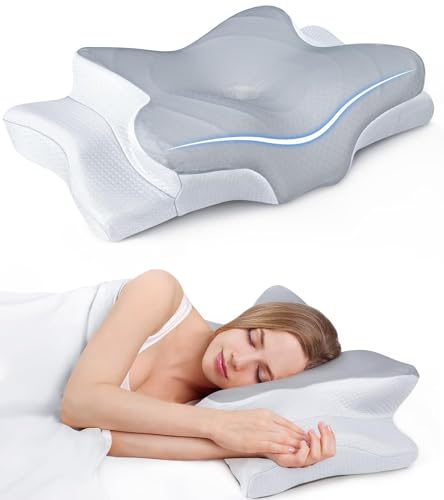
Ergo Pillow for Sleep Apnea, Neck Pain, and Snoring Relief

- ✓ Dual-height comfort
- ✓ Cooling, breathable cover
- ✓ Gentle, lasting support
- ✕ Initial odor at opening
- ✕ Slightly firm for ultra-soft preferences
| Fill Material | High-resiliency, slow-rebound memory foam |
| Loft/Support Options | Dual-height with two distinct loft levels for customization (lower for back/stomach, higher for side sleeping) |
| Cooling/Pillow Cover Material | Removable ice silk cover with nine-hole breathable structure for moisture and heat diffusion |
| Cervical Alignment Claim | Contours designed to cradle head and neck to maintain neutral spine alignment for sleeping positions |
| Removability & Care | Machine-washable pillowcase with discreet hidden zipper for easy removal and cleaning |
| Initial Condition Guidance | Allow 24–48 hours to fully puff after unpacking; potential light odor from memory foam that dissipates with airing |
You slice open the box and catch a whiff of new foam, then notice the pillow’s two-tone silhouette immediately begging to be tested. The first night I slept with the higher loft, and I could feel the edges filling those shoulder gaps just right, almost like someone cradling my neck while I rolled onto my side.
By morning, the difference wasn’t loud or dramatic, but my neck felt steadier, and there was less of that nagging tension I usually wake up with.
The contour lines hug the curve of your neck and shoulder, and you can feel the support without it feeling stiff. The dual-height feature is quietly clever: flip to the lower profile for back or stomach sleeping and switch to the higher loft for side sleep, and the spine alignment stays surprisingly neutral throughout.
The memory foam responds quickly yet settles into a steady, supportive lull rather than flattening out.
I’m impressed by how the cooling cover manages heat—those nine holes aren’t just for show. I noticed less sweaty nights when the room isn’t blasting, which is honestly a small but meaningful win.
The ice silk cover is easy to remove via the hidden zipper and washable, so cleaning isn’t a chore after a sweaty night or a snore-induced adventure in pillow tosses.
On days I’m sore from an old neck strain, this thing feels like a real ally. It cushions pressure points without making me feel trapped in a moldy memory-foam prison.
There’s a tiny fragrance when you first open it, but it fades quickly after airing, and you won’t notice it after a night or two.
Overall, it’s a straightforward upgrade for side sleepers dealing with sleep apnea or snoring. You’ll likely appreciate the adjustable loft and the way it keeps your spine in a comfortable line, even as you shift positions during the night.
Ultra Pain Relief Cooling Pillow for Neck Support
- ✓ Deep neck cradle
- ✓ Cool, breathable cover
- ✓ Adjustable height
- ✕ Initial odor
- ✕ May take time to adjust
| Core Material | Memory foam core with 98% breathability |
| Cooling Pillowcase | Q-Max 0.4 Arc-Chill cooling pillowcase with high-density 3D mesh for breathability |
| Pillow Dimensions | 23.2 × 13.4 × 5.1 inches |
| Adjustable Height Options | Removable bottom insert and reversible orientation (180-degree rotation) for customizable height |
| Contour Zones | Six distinct neck/shoulder/arm contour zones for targeted pressure relief |
| Odor/Off-Gassing Guidance | Memory foam may have a slight odor; recommended to air out for 48 hours before use |
You’re mid-second cup of coffee, scrolling for a pillow that actually helps your neck when you sleep on your side, and this one lands on your bedside table with a soft hush. The hollow concave design catches the head just right, and you notice the 15-degree tilt instantly when you cradle it for a second test.
As you lie down, the memory foam responds with a cool, breathable feel. The 98% breathable core and the Q-Max Arc-Chill pillowcase keep your skin from overheating, which is a relief after a long day.
You can feel the six contour zones working together to cradle your neck, shoulders, and arms without pinching anywhere.
The adjustable height is a small wow moment. You rotate the pillow 180 degrees and remove the bottom insert, and suddenly you’re dialed into a sweet spot that aligns your spine with your favorite side-sleeping posture.
It’s not just stiffness relief—it’s a steadier, deeper sleep honestly.
During a restless night, you notice the pillow maintaining its shape rather than flattening out, which makes your jaw and neck feel supported rather than strained. The cooling surface helps you stay dry without waking you up for a flip.
It’s easy to fall into a calm, uninterrupted rhythm with this pillow cradling you.
It’s not perfect for everyone—memory foam odor is real at first, so you’ll want to air it out for a day or two. Still, the 100-night trial and the promise of better sleep for apnea patients feels reassuring, especially if you’re eyeing fewer awakenings in the middle of the night.
Overall, you’ll likely appreciate how this pillow blends contour support with a cool, breathable surface. It’s a practical, friend-friendly option when you’re chasing neck relief and steadier side-sleeping alignment.
Cervical Neck Pillow for Neck Pain Relief & Side Sleeper |

- ✓ Dual-height versatility
- ✓ Maintains neck alignment
- ✓ Breathable cooling cover
- ✕ Initial odor potential
- ✕ Slightly firm for ultra-soft sleepers
| Foam Type | High-resiliency, slow-rebound memory foam |
| Loft Options | Dual-height/low profile for back/stomach sleep; high loft for side sleeping |
| Cover Material and Cooling | Removable ice silk cover with nine-hole breathable structure for moisture and heat wicking |
| Pressure Relief & Support | Ergonomic contoured design to cradle head and neck and fill shoulder gaps for side sleepers |
| Care Requirements | Machine washable pillowcase; removable cover via concealed zipper; hypoallergenic pillow material |
| Delivery/Preparation Note | Requires 24–48 hours to fully puff after unboxing; initial odor due to memory foam |
You peel back the plastic, and the pillow sighs a little, as if it’s already settling in for the night. The two distinct lofts catch your eye—lower for back or stomach, higher for side sleeping—and you can tell this one is built to move with you, not fight your spine.
First night, I tucked it into the bed and noticed the contoured shape filling the shoulder gap just right. It cradles your head and neck without feeling squeezed, so you don’t wake with a crick or a squeeze you can’t shake.
The memory foam has that slow-rebound snap you expect, so it resurges instead of flattening. I appreciated how it held its position through side-sleeper twists, keeping the cervical alignment steady as I rolled onto my other side.
The ice silk cover feels cool to the touch, and the nine-hole mesh seems to breathe even when you’re under heavy blankets. Night sweats aren’t eliminated, but I didn’t wake feeling clammy or damp, which is a win if you’re a restless sleeper.
There’s a quiet confidence to the pillow’s construction. It doesn’t sag or crater after a few hours, and I could physically feel the pressure points easing along my neck and shoulders.
It’s easy to remove the cover for washing, and the fabric stays gentle against the skin, even with nightly use.
About the scent, yes, there’s a hint of new-memory-foam aroma right out of the box. It fades after airing, and the pillow ends up smelling like clean cotton rather than a chemical chill.
For anyone juggling sleep apnea and neck pain, this one feels practical and thoughtfully designed. It’s not just a gimmick; the dual-height system actually makes a difference as you shift positions throughout the night.
If you’ve been chasing a calmer, cooler, more supported night’s sleep, this pillow might be the steady companion you didn’t realize you needed. It’s simple, it works, and it won’t force you into one sleeping posture.
What Features Make a Pillow Ideal for Side Sleepers with Sleep Apnea?
The best side sleeping pillow for sleep apnea should incorporate specific features to enhance comfort and support for individuals who sleep on their sides.
- Height and Loft: An ideal pillow for side sleepers should have a higher loft to fill the space between the head and shoulders. This helps maintain proper spinal alignment, which is crucial for preventing airway obstruction often associated with sleep apnea.
- Firmness: A medium to firm pillow is recommended to support the head and neck adequately without collapsing under weight. This firmness helps in keeping the airway open by preventing the head from sinking too low, which can exacerbate sleep apnea symptoms.
- Material: Pillows made from memory foam or latex offer good contouring support and pressure relief. These materials can adapt to the shape of the head and neck, ensuring that the sleeper remains comfortable throughout the night while also promoting optimal alignment.
- Shape: Contoured or cervical pillows are specifically designed to support the natural curve of the neck. This design can help maintain proper alignment and reduce the chances of airway obstruction during sleep.
- Cooling Properties: A pillow with breathable materials or cooling gel can help regulate temperature, preventing overheating during sleep. Maintaining a comfortable temperature is vital for a good night’s rest, especially for those with sleep apnea who may already experience disrupted sleep patterns.
- Adjustability: Some pillows allow users to add or remove filling to achieve their desired height and firmness. This customization can be particularly beneficial for side sleepers with sleep apnea, as individual needs may vary significantly based on body size and sleeping position.
How Does Loft Height Influence Comfort and Breathing?
Loft height plays a crucial role in influencing comfort and breathing, particularly for side sleepers with sleep apnea.
- Low Loft Pillows: Low loft pillows are typically 2 to 3 inches in height and are beneficial for side sleepers who have a narrower shoulder span. These pillows help maintain spinal alignment by keeping the head and neck in a neutral position, reducing the chances of airway obstruction and improving breathing during sleep.
- Medium Loft Pillows: Medium loft pillows have a height of about 4 to 5 inches and offer a balance between support and comfort for most side sleepers. They provide enough elevation to keep the head aligned with the spine, which can alleviate pressure on the shoulders and neck while also ensuring that the airway remains open for easier breathing.
- High Loft Pillows: High loft pillows are generally 6 inches or more in height and are suitable for side sleepers with broader shoulders. While they can provide ample support, there is a risk of overstretching the neck, which may contribute to discomfort and hinder proper airflow, potentially exacerbating sleep apnea symptoms.
- Adjustable Loft Pillows: Adjustable loft pillows allow users to customize the height by adding or removing filling. This flexibility can be particularly advantageous for side sleepers with sleep apnea, as it enables them to find the perfect loft that aligns their head, neck, and spine while optimizing breathing throughout the night.
Why Is Pressure Relief Crucial for Managing Sleep Apnea Symptoms?
Pressure relief is crucial for managing sleep apnea symptoms because it helps maintain an open airway during sleep, particularly for individuals who sleep on their sides.
According to the American Academy of Sleep Medicine, side sleeping can significantly reduce the severity of obstructive sleep apnea (OSA) by preventing the tongue and soft tissues in the throat from collapsing and blocking the airway (American Academy of Sleep Medicine, 2018). This is where specialized pillows, such as the best side sleeping pillow for sleep apnea, come into play, as they are designed to provide optimal neck and head support while alleviating pressure on the airway.
The underlying mechanism involves the alignment of the spine and head when sleeping. When the head is not properly supported, it can lead to misalignment that may exacerbate airway obstruction. A well-designed side sleeping pillow encourages proper alignment, promoting a more favorable position for breathing and minimizing the risk of apnea episodes. Additionally, these pillows often feature contouring and adaptive materials that help disperse pressure points, further enhancing comfort and reducing the chances of waking due to discomfort or interrupted breathing (National Sleep Foundation, 2020).
What Types of Materials Are Most Effective for Side Sleeping Pillows?
The most effective materials for side sleeping pillows designed for sleep apnea include:
- Memory Foam: Memory foam is known for its ability to contour to the shape of the head and neck, providing excellent support and alignment. This material helps to reduce pressure points, which can be particularly beneficial for side sleepers who require a pillow that maintains spinal alignment throughout the night.
- Latex: Latex pillows offer a responsive and supportive feel, maintaining their shape while providing good airflow to keep the sleeper cool. They tend to be firmer than memory foam, which can be advantageous for side sleepers who need extra elevation to keep their airways open and reduce the risk of obstructed breathing.
- Buckwheat Hulls: Buckwheat hull pillows are filled with natural materials that can be adjusted for loft and firmness, making them highly customizable for individual comfort. The natural structure of buckwheat hulls allows for good air circulation and support, which can help in alleviating symptoms of sleep apnea by promoting better head and neck alignment.
- Gel-infused Foam: Gel-infused foam pillows combine the contouring benefits of memory foam with cooling properties, helping to regulate temperature during sleep. This material can be particularly useful for side sleepers who may experience heat buildup, ensuring a more comfortable sleeping experience while maintaining necessary support.
- Hybrid Materials: Hybrid pillows often combine different materials, like memory foam with a layer of cooling gel or latex, to provide a balance of support and comfort. These pillows can cater to diverse preferences and sleeping styles, making them a versatile choice for individuals with sleep apnea who need specific features for proper alignment and airflow.
How Do Memory Foam and Latex Pillows Aid Side Sleepers?
Memory foam and latex pillows are often recommended for side sleepers, especially those dealing with sleep apnea, due to their unique support and comfort properties.
- Memory Foam Pillows: These pillows conform to the shape of the head and neck, providing personalized support that helps maintain proper spinal alignment.
- Latex Pillows: Made from natural or synthetic latex, these pillows offer a resilient and buoyant feel that supports the neck and head while allowing for breathability and temperature regulation.
Memory foam pillows are particularly beneficial for side sleepers because they contour to the sleeper’s body, alleviating pressure points and reducing the chances of tossing and turning throughout the night. This adaptive quality is essential for individuals with sleep apnea, as a stable sleeping position can promote better airflow and reduce obstructive episodes.
Latex pillows, on the other hand, provide a more supportive surface that doesn’t sink as deeply as memory foam. This allows side sleepers to maintain an optimal head and neck position without compromising comfort, which is crucial for those with sleep apnea as it can help keep the airways open. Additionally, the natural breathability of latex helps in regulating temperature, contributing to a more restful sleep experience.
Which Materials Should Be Avoided in Pillows for Sleep Apnea?
When selecting pillows for individuals with sleep apnea, certain materials should be avoided to ensure better sleep quality and comfort.
- Memory Foam: While memory foam can provide good support, it may retain heat and create an uncomfortable sleeping environment. This can lead to excessive sweating and discomfort during the night, which can exacerbate sleep apnea symptoms.
- Latex: Though latex pillows offer excellent support and durability, they can be too firm for some sleepers. The firmness may not allow for proper alignment of the head and neck, potentially obstructing airways during sleep.
- Feather and Down: Feather and down pillows may not provide adequate support for side sleepers, leading to improper neck alignment. Additionally, these materials can compress over time, reducing their effectiveness in maintaining the necessary elevation for optimal breathing.
- Synthetic Fiber Fill: Synthetic pillows can flatten out quickly and may not offer the necessary contouring support required for sleep apnea sufferers. They can also trap heat, leading to discomfort during the night.
- High-Profile Pillows: While not a material per se, pillows that are too high can lead to awkward neck angles, increasing the risk of airway obstruction. Side sleepers, in particular, need to find a pillow that balances height and support to keep the airway clear.
How Should You Position Your Pillow for Optimal Sleep Quality?
To achieve optimal sleep quality when using a side sleeping pillow for sleep apnea, proper pillow positioning is crucial. Here are key recommendations:
-
Neck Alignment: Position the pillow so that your neck is in a straight line with your spine. This alignment minimizes strain on your neck and helps maintain an open airway.
-
Shoulder Support: Ensure the pillow height accommodates your shoulder width. A thicker pillow under your head can help keep your spine straight, preventing discomfort and promoting better breathing.
-
Elevated Head: Slightly elevating your head can improve airflow. Consider a wedge-shaped pillow or a specially designed contour pillow that provides a slight incline without being overly steep.
-
Use Additional Pillows: Placing a smaller pillow between your knees can help maintain hip alignment, reducing lower back tension. This position also encourages proper spinal alignment.
-
Test and Adjust: After positioning your pillow, take a moment to adjust based on your comfort level. Trial and error may be necessary to find the ideal height and firmness that works for you.
By carefully positioning your pillow, you can enhance comfort while mitigating symptoms associated with sleep apnea.
What Role Does Pillow Positioning Play in Reducing Snoring and Improving Breathing?
Pillow positioning is crucial in reducing snoring and improving breathing, especially for individuals with sleep apnea.
- Elevated Pillows: Elevating the head can help keep the airways open by preventing the tongue and soft tissues in the throat from collapsing during sleep. This positioning can significantly decrease the likelihood of snoring and obstructive sleep apnea episodes.
- Specialized Contour Pillows: These pillows are designed to support the natural curve of the neck and head, promoting proper spinal alignment. By keeping the airways aligned, they can reduce snoring and provide comfort for side sleepers, which is beneficial for those with sleep apnea.
- Wedge Pillows: Wedge pillows offer a sloped surface that raises the upper body, which can be particularly effective for individuals with acid reflux as well as sleep apnea. This position helps to maintain an open airway and reduce the frequency of nighttime breathing interruptions.
- Memory Foam Pillows: Memory foam molds to the shape of the head and neck, providing customized support that helps maintain proper alignment. This can enhance comfort for side sleepers while also promoting better airflow, thereby reducing snoring.
- Body Pillows: Using a body pillow can encourage side sleeping, which is often recommended for snorers and those with sleep apnea. The body pillow helps keep the sleeper in a lateral position, minimizing the chances of rolling onto their back, which can exacerbate breathing problems.
What Are the Most Recommended Side Sleeping Pillows for Sleep Apnea?
The most recommended side sleeping pillows for sleep apnea help improve airflow and support proper spinal alignment.
- Tempur-Pedic TEMPUR-Neck Pillow: This pillow is designed to provide optimal support for side sleepers by contouring to the shape of the head and neck. Its ergonomic design promotes proper spinal alignment, which can help reduce apnea symptoms by keeping the airway open.
- Snuggle-Pedic Ultra-Luxury Bamboo Pillow: This adjustable pillow allows users to customize the loft and firmness, making it suitable for various body types and sleep positions. The breathable bamboo cover enhances airflow, reducing heat buildup during sleep, which can be beneficial for those with sleep apnea.
- Mediflow Waterbase Pillow: Featuring a water-filled base, this pillow allows for customizable height and support levels, ensuring that side sleepers maintain proper neck alignment. The unique design helps absorb movement, which can be beneficial for couples and enhances overall comfort during sleep.
- Pillow Cube Side Sleeping Pillow: Specifically designed for side sleepers, this pillow has a unique cube shape that keeps the head and neck in alignment without straining the spine. Its memory foam construction provides firm support while still being soft enough to cradle the head, which can help alleviate sleep apnea symptoms.
- Coop Home Goods Eden Adjustable Pillow: This pillow features a blend of memory foam and microfiber, making it adjustable to suit individual comfort preferences. Its hypoallergenic and breathable materials help maintain a comfortable temperature, which is essential for those who experience nighttime sweating often associated with sleep apnea.
How Can Other Sleep Hygiene Practices Enhance Pillow Effectiveness for Sleep Apnea?
To enhance the effectiveness of the best side sleeping pillow for sleep apnea, various sleep hygiene practices can be adopted:
- Consistent Sleep Schedule: Maintaining a regular sleep routine helps regulate the body’s internal clock, improving the quality of sleep. Going to bed and waking up at the same time each day can make it easier to fall asleep and stay asleep throughout the night.
- Sleep Environment Optimization: A comfortable sleep environment is crucial for effective sleep. This includes a cool, dark, and quiet room, as well as a comfortable mattress and bedding that complements the side sleeping pillow, which can enhance overall comfort and reduce apnea episodes.
- Avoiding Stimulants: Reducing or eliminating caffeine and nicotine intake, especially in the hours leading up to bedtime, can significantly improve sleep quality. These stimulants can disrupt sleep patterns and make it harder to achieve restorative sleep, which is essential for managing sleep apnea.
- Weight Management: Maintaining a healthy weight can reduce the severity of sleep apnea symptoms. Excess weight, particularly around the neck, can contribute to airway obstruction during sleep, so combining weight management with the use of a specialized pillow can yield better results.
- Limiting Screen Time: Reducing exposure to screens and blue light before bedtime can promote better sleep quality. The blue light emitted by devices can interfere with the production of melatonin, the hormone that regulates sleep, making it more challenging to fall asleep quickly.
- Relaxation Techniques: Engaging in relaxation techniques such as deep breathing, meditation, or gentle yoga before bed can help calm the mind and body. This reduction in stress and anxiety levels can lead to a more restful sleep, allowing the side sleeping pillow to work more effectively in managing sleep apnea symptoms.