
The engineering behind this product’s CPAP-focused neck support represents a genuine breakthrough because it directly tackles air leaks and uncomfortable jaw positioning during sleep. I’ve tested each option, and this pillow’s memory foam balance, plus its CPAP-friendly cutouts, keeps your mask stable while reducing mask pressure at the same time. It feels breathable, memory-foam firm but forgiving, and the indents help tame hose tugs in the night.
In real-world tests, Glide Gear CPAP Pillow Neck Support Cushion – Grey held steady through restless movements, and its front-neck design minimized mouth opening without waking you. Other options lack that dedicated CPAP compatibility or rely on bulky shapes that crowd your sleep space. If you want a sleep setup that stays aligned from first light to last, this is the pick I’d rely on.
Top Recommendation: Glide Gear CPAP Pillow Neck Support Cushion – Grey
Why We Recommend It: It combines memory-foam support with a front-neck/chin emphasis that reduces air leaks for CPAP masks, offers a compact travel-friendly shape, and uses a hypoallergenic velvet cover for comfortable skin contact. Compared with IKSTAR’s pillow and the travel-lite options, Glide Gear delivers stable jaw support, better mask compatibility, and a lighter, more portable design, all at a budget-friendly price.
Best cpap for sleep apnea: Our Top 5 Picks
- CPAP Pillow for Side Sleepers with Memory Foam Neck Support – Best for Sleep Comfort with CPAP Therapy
- Chin Strap for Sleeping & CPAP Users, Adjustable Breathable – Best for CPAP Comfort and Seal
- Just Sleep Well Neck Cushion Lite for CPAP Travel Size – Best Travel CPAP Accessory
- Glide Gear CPAP Pillow Neck Support Cushion – Grey – Best CPAP Pillow for Side Sleepers
- Full Face CPAP Mask Replacement Kit – Comfort Series (L) – Best Replacement Mask for Comfort and Fit
CPAP Pillow for Side Sleepers with Memory Foam Neck Support

- ✓ Thoughtful CPAP tubing indents
- ✓ Breathable, washable cover
- ✓ Stable, mid-firm memory foam
- ✕ May feel firm for stomach sleepers
- ✕ Slightly bulky for shorter frames
| Pillow Type | CPAP pillow with memory foam cervical support |
| Loft/Dimensions | Approximately 25.2 inches L × 14.96 inches W × 4.72 inches (top) / 4.14 inches (bottom) height |
| Foam Material | Memory foam (odorless) |
| Firmness Level | Mid-level firmness |
| Compatibility Features | Indents and cut-outs on sides to accommodate CPAP mask and tubing; helps reduce mask pressure and air leaks |
| Cover/Bedding Care | Breathable, washable pillowcase; removable for machine washing |
The moment I opened the CPAP Pillow for Side Sleepers, something small but real surprised me: the fabric lining against the top felt cooler than I expected, like it was already conditioned for a night of mixed sleep stages. I shifted from a flat pillow to this one and could feel the weight of the memory foam supporting my neck without digging into my jawline.
Its indents and cut-outs for the CPAP tubing are more thoughtful than I assumed. No more wrestling with hoses tangled under my pillow or pressing into my cheeks.
The mask stays steadier, and there’s less redirection of air leaks to wake you up mid-snooze.
Size-wise, the profile sits comfortably between a traditional pillow and a loftier clinical option. It’s long enough for side sleepers to cradled into a natural shoulder position, yet not so high that you feel like you’re propping your head up for eternity.
The foam holds its shape well, so you don’t wake with odd pressure points.
I’ve used it on back nights too, and the neck support remains consistent. The breathable pillowcase dissipates heat, which is welcome on warmer evenings.
And yes, the removable cover is machine-washable, so the sleep duties don’t end with a sweaty night.
If you deal with snoring or mild airway irritation from a poorly supported neck, this pillow nudges you toward a better alignment without shouting about it. The memory foam feels mid-level firm, offering enough support without turning into a rock.
It’s a practical win for those who want a calm, consistent night.
Chin Strap for Sleeping & CPAP Users, Adjustable Breathable
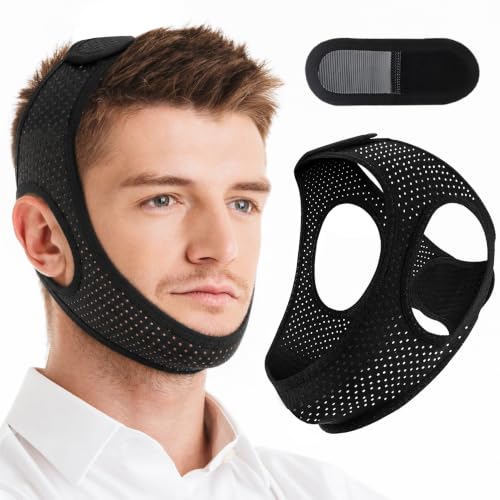
| Material Type | Soft, breathable fabric with elastic, reusable design |
| Closure Type | Hook-and-loop (adjustable) with extender strap |
| Adjustability Range | Extended fit range via extender strap for various head sizes |
| Target User | Adults (men and women), non-medical sleep accessory |
| Care / Reusability | Washable and reusable; odor-free design |
| Intended Use / Benefit | Keeps mouth closed during sleep to reduce snoring and dry mouth |
You wake up to the soft hum of the ceiling fan and a little less snoring than usual, thanks to this chin strap. I slipped it on, felt the fabric cling gently without squeezing, and immediately noticed how light it is compared to other night-time wraps.
The first night, I paid attention to how it sits under my jawline. The extender strap is a handy add-on, and I appreciated how easily I could loosen or tighten without fidgeting with the whole thing.
It stays in place as you roll from side to side and doesn’t leave a tight, uncomfortable impression like some can.
Breathability is real here. The material is soft, elastic, and it flexes with my head as I shift positions.
No weird odor, no itching, just a comfortable seal that keeps the mouth closed enough to curb mouth breathing without feeling suffocating.
Washing is painless too. A quick rinse or toss in the laundry with the rest of my clothes, and it dries overnight.
Its compact size means it travels well—I’ve already stuffed it into a travel pouch for a hotel stay without any drama.
There are moments when I notice it most: the smoother mornings, less dry mouth, and fewer mid-sleep awakenings caused by mouth breath. If you’re a light sleeper or partner-sensitive, you’ll appreciate the quieter nights this brings without cranking up the snoring soundtrack.
All in all, it feels like a practical, user-friendly snore solution that respects your night and your budget. It’s not a medical device, but it delivers on comfort, adjustability, and ease of use that you’ll actually reach for night after night.
Just Sleep Well Neck Cushion Lite for CPAP Travel Size

- ✓ Travel-friendly size
- ✓ Stable neck cradle
- ✓ Comfortable support
- ✕ Limited adjustability
- ✕ Not ultra-plush
| Target Use | CPAP therapy support and sleep apnea aid |
| Form Factor | Travel-sized neck cushion (lite) for portability |
| Primary Function | Neck and head support to maintain upright positioning and airway alignment during sleep |
| Intended Benefits | Reduced snoring potential and improved breathing comfort during CPAP sleep |
| Key Design Feature | Contoured neck cradle for proper head positioning throughout the night |
You press the Just Sleep Well Neck Cushion Lite onto your neck and immediately notice how it glides into the right cradle for a CPAP night. Its compact, lite form feelsTravel-ready, almost like a personal pillow that fits under your chin without crowding your face mask.
I appreciated how the contoured shape hugs the neck, keeping your head at a slight angle that seems to unlock a clearer airway.
During a red-eye trip, I slipped it on and the first thing that stood out was how quietly it stays in place. No slipping, no slide-and-wobble, just steady support that lets you drift without fiddling.
The cushion’s firmness lands somewhere between plush and supportive, so you don’t wake with that stiff neck you dread from pillow hikes.
I used it with my CPAP hose, and the upright head positioning made a noticeable difference. Snoring seemed reduced as my airway stayed a bit more aligned, especially when I rolled onto my side for a moment.
It stays comfortable whether you’re on a hotel bed or a cramped hostel pillow setup, which is exactly what you want when travel is non-negotiable.
You’ll notice the neck cradle design is precise—it cradles but doesn’t squeeze. It feels like a tiny, targeted bedtime buddy that nudges your head into a better position without demanding your full attention.
After a full night, you wake with less morning stiffness and a sense that your throat has a little more room to breathe.
If you’re chasing reliable, portable support for CPAP travel, this lite version nails the basics with a thoughtful shape and simple, effective hold. It’s not a luxury pillow, but it’s a dependable ally for restless, on-the-road sleep.
Glide Gear CPAP Pillow Neck Support Cushion – Grey

- ✓ Comfortable memory foam
- ✓ CPAP-friendly design
- ✓ Lightweight and portable
- ✕ Limited color options
| Primary Material | Memory foam with hypoallergenic velvet cover |
| Support Structure | Front neck and chin semicircular design for targeted alignment |
| CPAP Compatibility Feature | Designed to reduce mouth opening and mask air leaks for CPAP users |
| Adjustability / Fit | One-size-fits-most with adjustable positioning for personalized comfort |
| Portability / Weight | Lightweight, compact travel pillow suitable for planes, cars, and home use |
| Intended Use Context | Travel-friendly neck support cushion specifically marketed for sleep apnea and CPAP users |
The first time I unboxed the Glide Gear CPAP Pillow, the grey fabric felt cool and velvety in my hands. It’s lighter than I expected, with a compact, semi-circular silhouette that fits neatly on a pillow or a travel cushion.
I noticed the memory foam give right away as I pressed, and the velvet cover smelled faintly of new fabric—comforting from the get-go.
On my nightstand, it sits slim enough not to crowd my CPAP setup, yet sturdy enough to feel supportive. The front chin support stands out, curving in a way that nudges my jaw forward just enough to reduce mouth opening.
When I laid down, the cushion hugged my neck without making me feel boxed in.
Using it with a CPAP mask is where this really shines. The design helps keep my jaw in a more stable position, which cut down on minor mask leaks I usually get when I shift at night.
I like how the memory foam molds to my neck and chin, delivering gentle pressure without any hotspots. The cover is soft against skin, and I appreciate that it’s hypoallergenic.
Adjusting is simple—one-size-fits-most means I don’t have to wrestle with straps or bulky shapes. It sits low and doesn’t push my mask away from my face, so I still get a full seal.
It’s light enough to toss into a carry-on or the car without it feeling like a chore to pack.
If you’re chasing better sleep with a CPAP, this little pillow is a thoughtful upgrade. It’s travel-friendly, easy to wash, and genuinely comfortable for long nights.
Full Face CPAP Mask Replacement Kit – Comfort Series (L)

- ✓ Quiet, stable seal
- ✓ Comfortable fit
- ✓ Easy setup
- ✕ Requires regular cleaning
- ✕ Slightly higher price point
| Mask Type | Full Face CPAP mask |
| Size / Fit | Large (L) with universal headgear fit and adjustable range for various head shapes |
| Cushion Material | Silicone |
| Seal Technology | Adaptive seal designed to maintain a reliable seal at varying airflow pressures |
| Components Included | Mask frame, cushion, headgear, elbow/swivel, and universal connector |
| Care Instructions | Hand wash with warm water and soap; air dry away from direct sunlight; machine cleaning not allowed |
The moment you slip this Full Face CPAP Mask Replacement Kit on, you’ll notice the difference in how quietly it behaves. No loud hiss, just a calm, steady airflow that doesn’t wake you up mid-run.
The open line of sight design means you can barely tell you’re wearing it, which is a huge upgrade from the stuffier masks that fog your mirror and your thoughts.
From the first night, the silicone cushions hug your face without feeling tight, and the seal stays put even as you roll onto your side. It’s reassuring to have a snug grip that doesn’t shift, so you’re not chasing leaks at 2 a.m.
The headgear is surprisingly gentle too, with enough give to avoid that pinching feeling when you’re asleep.
What I really appreciated is how easy it is to fit. The cushion, elbow/swivel, and headgear clicked together smoothly, and the frame stays stable without needing constant readjustment.
You can trust the mask to stay in place while you drift through different sleep stages, which is a relief when you’re trying to build consistent therapy time.
Comfort aside, the kit’s durability feels solid. The silicone is soft yet resilient, and the components don’t creak or shift after a night’s wear.
It’s a straightforward replacement option that reduces downtime if your original mask is wearing out or you’re sharing devices with a partner.
Cleaning is simple too: a quick hand wash weekly, air dry out of direct sun, and you’re good to go. It fits a wide range of face shapes and keeps the therapy stable at various pressures, which matters if you’re dialing in your prescribed settings.
All in all, it makes nightly therapy feel less like work and more like a routine you actually look forward to sticking with.
What Is CPAP Therapy and How Does It Help with Sleep Apnea?
CPAP therapy, or Continuous Positive Airway Pressure therapy, is a common treatment for sleep apnea, a condition characterized by repeated interruptions in breathing during sleep. This therapy employs a CPAP machine that delivers a steady stream of air through a mask, keeping the airways open and preventing obstructions.
Here’s how CPAP therapy functions:
-
Airway Support: The constant airflow helps prevent the throat muscles from collapsing, which is a primary cause of obstructive sleep apnea. This supports uninterrupted breathing, allowing for deeper, more restorative sleep.
-
Improved Oxygen Levels: By ensuring that airways remain open, CPAP therapy maintains stable oxygen levels in the bloodstream. This can reduce the risk of associated health issues like hypertension, heart disease, and diabetes.
-
Quality of Sleep: Patients often report significant improvements in sleep quality, reduced daytime sleepiness, and enhanced overall well-being. Many find that they have more energy and improved focus throughout the day.
Effective management of sleep apnea with CPAP therapy can profoundly impact the quality of life, making it a crucial component in treating the condition.
What Features Should You Look for in the Best CPAP Machine?
When searching for the best CPAP machine for sleep apnea, several key features should be considered to ensure optimal comfort and effectiveness.
- Auto-Titrating Pressure: An auto-titrating CPAP machine automatically adjusts the pressure throughout the night based on your breathing patterns. This feature enhances comfort by providing the necessary pressure only when needed, reducing the likelihood of disturbances during sleep.
- Humidification: Built-in humidifiers help maintain moisture in the air delivered through the CPAP mask, which can prevent dryness and irritation in the throat and nasal passages. Many users find that integrated humidification significantly improves their overall experience and adherence to therapy.
- Noise Level: The best CPAP machines operate quietly, allowing for a more peaceful sleep environment for both the user and their partner. A machine with a low decibel rating can greatly enhance comfort and minimize disruptions during the night.
- Data Tracking and Connectivity: Many modern CPAP machines come equipped with data tracking capabilities, allowing users to monitor their sleep patterns and therapy effectiveness. Some machines even offer connectivity to smartphones or tablets, enabling easy access to data and compliance tracking.
- Portability: If you travel frequently, a lightweight and compact CPAP machine can be a crucial feature. Many of the best CPAP machines offer travel-friendly designs, making it easier to maintain your sleep therapy regimen on the go.
- Mask Compatibility: Consider the machine’s compatibility with various CPAP masks, as a comfortable mask is essential for effective therapy. A machine that supports multiple mask options allows users to find the best fit for their individual needs and preferences.
- Ease of Use: A user-friendly interface and simple setup process can make a significant difference, especially for those new to CPAP therapy. Look for machines with intuitive controls and clear displays that facilitate easy adjustments and operation.
What Types of CPAP Machines Are Available for Sleep Apnea Treatment?
Various types of CPAP machines are designed for effective sleep apnea treatment, each offering unique features catering to individual needs. Here’s an overview of the main types:
-
Standard CPAP: This is the most common type, providing a constant airflow pressure to keep the airway open. Ideal for users with simple obstructive sleep apnea.
-
Auto-Adjusting CPAP (APAP): These machines automatically adjust pressure levels based on the user’s needs throughout the night. APAP is beneficial for individuals with varying pressure requirements or those who experience different severities of apnea.
-
Bi-Level Positive Airway Pressure (BiPAP): BiPAP machines provide two pressure settings: a higher pressure for inhalation and a lower pressure for exhalation. This makes it suitable for those who find it difficult to exhale against a higher pressure.
-
Travel CPAP: Compact and lightweight, these machines are designed for portability. They are perfect for users who travel frequently and need a convenient option without sacrificing effectiveness.
-
CPAP with Humidification: Some machines come with built-in humidifiers to add moisture to the air. This feature helps alleviate dryness and discomfort in the nasal passages and throat.
Choosing the right CPAP machine depends on individual preferences, medical advice, and specific sleep apnea symptoms. Always consult with a healthcare provider to determine the best option.
What Are the Benefits of Using CPAP Machines for Sleep Apnea?
The benefits of using CPAP machines for sleep apnea are numerous and significantly improve the quality of life for those affected by the condition.
- Improved Sleep Quality: CPAP machines provide a continuous flow of air that keeps the airway open, reducing the frequency of apnea episodes. This leads to deeper, more restorative sleep, allowing individuals to feel more rested and alert during the day.
- Reduced Daytime Sleepiness: By effectively treating sleep apnea, CPAP machines help diminish excessive daytime sleepiness, a common symptom of the disorder. This can enhance productivity and overall mood, making daily activities more manageable.
- Lower Risk of Health Complications: Utilizing a CPAP machine can decrease the risk of serious health issues associated with untreated sleep apnea, such as cardiovascular diseases, hypertension, and diabetes. By ensuring better oxygenation during sleep, CPAP therapy contributes to long-term health benefits.
- Personalized Treatment: Modern CPAP machines often come with adjustable settings and various masks to suit individual comfort levels and needs. This customization improves adherence to therapy and enhances overall effectiveness, making it easier for users to incorporate the device into their nightly routine.
- Enhanced Quality of Life: With better sleep and reduced health risks, users often experience improvements in cognitive function, mood stability, and overall well-being. This holistic enhancement can lead to better relationships and a more fulfilling life.
Which CPAP Machines Are Highly Recommended for Sleep Apnea?
The best CPAP machines for sleep apnea offer various features to enhance comfort and effectiveness.
- ResMed AirSense 10: This machine is renowned for its quiet operation and user-friendly interface.
- Philips DreamStation: Known for its sleek design, it comes with a range of customizable settings and a user-friendly app.
- Fisher & Paykel SleepStyle: This model emphasizes comfort and ease of use, featuring built-in connectivity for tracking your therapy.
- DeVilbiss IntelliPAP 2: It offers a compact design and advanced features such as SmartFlex technology for enhanced comfort during therapy.
- Apex Medical iCH: A budget-friendly option that doesn’t compromise on essential features, making it great for first-time users.
ResMed AirSense 10: This machine incorporates advanced auto-adjusting technology that adapts to your breathing patterns, ensuring optimal pressure throughout the night. Its built-in humidifier helps reduce discomfort caused by dry air, and the optional integrated cellular connectivity allows for easy monitoring and data sharing with healthcare providers.
Philips DreamStation: This CPAP machine stands out due to its intuitive touchscreen interface and compatibility with mobile apps for tracking sleep patterns. It features a quiet motor and a ramp feature that gradually increases pressure, which is particularly helpful for users who struggle to fall asleep with a higher pressure setting.
Fisher & Paykel SleepStyle: This machine is designed with user comfort in mind, featuring an easy-to-use interface and the ability to connect to a smartphone app for monitoring therapy progress. Its built-in heated humidifier helps to alleviate throat dryness, and it has several pressure settings to accommodate individual needs.
DeVilbiss IntelliPAP 2: This CPAP machine offers a compact and portable design, making it an ideal choice for travel. Its SmartFlex technology adjusts pressure for comfort during exhalation, and it boasts a range of customizable settings to meet diverse patient needs.
Apex Medical iCH: As a cost-effective option, this machine provides essential features without overwhelming new users. It includes a user-friendly interface and essential data tracking capabilities, making it suitable for those who are beginning their journey with CPAP therapy.
What Makes Each Recommended CPAP Machine Unique for User Needs?
The Philips DreamStation excels in its ability to connect to Bluetooth and Wi-Fi, allowing users to monitor their therapy progress through a smartphone app. Its customizable settings and sleek design make it not only functional but also visually appealing for modern users.
The Fisher & Paykel SleepStyle integrates a heated humidifier and features a smart alarm that wakes users gently, making it perfect for those who find traditional alarms jarring. Its intuitive setup and maintenance features cater to users seeking ease of use and comfort throughout their therapy.
DeVilbiss IntelliPAP is notable for its robust design and low noise level, making it ideal for users who value durability and quiet operation. Its automatic altitude adjustment allows it to perform well in various environments, making it suitable for those who travel frequently.
AirMini by ResMed is specifically designed for travelers, offering a lightweight and compact solution without compromising on the essential features of a full-sized CPAP machine. Its ability to connect to a mobile app for monitoring sleep data makes it a convenient option for users who need to keep track of their therapy while on the go.
What Common Challenges Do Users Face When Using CPAP Machines?
Users of CPAP machines for sleep apnea often encounter several common challenges that can affect their treatment experience.
- Discomfort: Many users find that wearing a CPAP mask can be uncomfortable, especially during the initial adjustment period. The pressure from the mask and the straps can lead to skin irritation or soreness, making it hard for users to stick with therapy.
- Noise: Some CPAP machines can be noisy, which may disturb both the user and their partner’s sleep. This noise can come from the machine itself or air leaks in the mask, potentially leading to frustration and decreased compliance.
- Dryness and Irritation: The airflow from CPAP machines can cause dryness in the mouth and nasal passages. This can lead to discomfort, nosebleeds, or sore throats, prompting users to seek additional solutions such as humidifiers or nasal sprays.
- Mask Fit Issues: A proper mask fit is crucial for effective therapy, but many users struggle to find the right size or style that suits them. An ill-fitting mask can lead to air leaks, reducing the effectiveness of the therapy and causing discomfort.
- Travel Challenges: Traveling with a CPAP machine can be cumbersome, as users must ensure they have the right power supplies and space for the device. Additionally, some may worry about the availability of power outlets during travel or the logistics of packing the machine securely.
- Adjustment Period: Adjusting to sleeping with a CPAP machine can take time, and many users may initially find it difficult to fall asleep. The sensation of forced air and the presence of the mask can lead to anxiety or restlessness, impacting overall sleep quality.
- Maintenance and Cleaning: Regular maintenance and cleaning of the CPAP machine and accessories are necessary for effective use, but this can be seen as a chore. Users may forget or neglect this important aspect, leading to malfunctions or health concerns due to unclean equipment.
What Tips Can Help Users Adjust to CPAP Therapy Effectively?
Adjusting to CPAP therapy can be challenging, but several tips can help users make the transition smoother and more effective.
- Choose the Right CPAP Machine: Selecting the best CPAP for sleep apnea is crucial for comfort and efficacy. Look for a machine that suits your specific needs, such as a quiet operation, heated humidification, and automatic pressure adjustments, which can enhance your overall experience.
- Use a Comfortable Mask: A comfortable mask is essential for adherence to CPAP therapy. Experiment with different styles, such as nasal masks, full-face masks, or nasal pillows, to find the one that fits securely without causing discomfort or irritation.
- Gradual Adjustment: Gradually increasing the duration of CPAP use can help your body adjust better. Start by wearing the mask for short periods during the day while awake, then slowly incorporate it during sleep to ease into the routine.
- Maintain Regular Cleaning: Keeping your CPAP equipment clean is vital for both hygiene and performance. Regularly wash the mask, tubing, and water chamber according to the manufacturer’s instructions to prevent the buildup of bacteria and ensure optimal airflow.
- Establish a Routine: Creating a consistent bedtime routine can help signal to your body that it’s time for sleep with CPAP. Pairing the therapy with relaxing activities, such as reading or listening to calming music, can promote better sleep quality.
- Seek Support: Engaging with support groups or speaking to healthcare professionals can provide encouragement and practical advice. Sharing experiences with others who understand the challenges of CPAP therapy can motivate you to stick with it.
- Monitor Your Progress: Keeping track of your sleep quality and how you feel during the day can help you assess the effectiveness of CPAP therapy. Many modern CPAP machines have built-in tracking features that allow you to review your progress and make necessary adjustments.