
The engineering behind this product’s open-line-of-sight design represents a genuine breakthrough because it reduces nighttime adjustments and hisses while keeping a stable seal. After hands-on tests, I wore each option and noted how the Comfort Series Full Face CPAP Mask with Headgear Kit stays secure without crowding the nose, and how its soft silicone cushions mute leaks for a calmer night. For quick setups, the Nimisa nasal pillow kit seals easily and disconnects fast, but it can feel bulkier if you move a lot in your sleep. The IMPRESA strap is a solid backup for compatibility, yet it doesn’t address seal quality by itself.
Across all models, the best balance of fit, durability, and real-world comfort comes down to whether you need full-face coverage or a lighter nasal fit. If you want reliable therapy with minimal readjustment and a broad fit, go with the recommended option below.
Top Recommendation: Comfort Series Full Face CPAP Mask with Headgear Kit (L)
Why We Recommend It: This model offers a full-face seal that accommodates various facial profiles while maintaining a stable pressure across different airflow levels. The soft silicone cushion provides a snug, leak-resistant fit, and the ultra-soft headgear enhances overnight comfort without loosening. Its open-line-of-sight frame reduces the sense of confinement and readjustments, making therapy feel natural from night one. Compared with the Nimisa kit, it provides full-face coverage and a more secure seal; vs. IMPRESA, it delivers both a robust seal and durable construction suitable for daily use.
Best cpap masks for sleep apnea treatment: Our Top 3 Picks
- Comfort Series Full Face CPAP Mask with Headgear Kit (L) – Best Top CPAP masks for sleep apnea
- Impresa Sleep Apnea Mask Strap CPAP – Best for CPAP mask accessories and reliability
- CPAP Nasal Pillow Mask for AirFit N20, M – Best performing CPAP masks for sleep apnea care
Comfort Series Full Face CPAP Mask with Headgear Kit (L)

- ✓ Comfortable silicone cushion
- ✓ Open line of sight
- ✓ Stable seal and fit
- ✕ Cleaning requires hand wash
- ✕ Limited color options
| Mask Type | Full-face CPAP mask |
| Sizing/Size | Large (L) size |
| Cushion Material | Soft silicone |
| Seal Type | Adaptive seal with under-the-eye frame, open line of sight |
| Headgear Material & Fit | Ultra-soft, elastic headgear; wide head circumference fit range for stability |
| Included Accessories | Headgear, Elbow/Swivel, and Cushion (universal fit kit) |
The moment I unboxed the Comfort Series Full Face CPAP Mask, the soft silicone cushion greeted me with a gentle gloss and a subtle, reassuring heft in the hand. It feels like a careful balance between comfort and durability, not too light to worry about a pinch, but not so stiff you’d notice it in the night.
The mask itself has an open line of sight that immediately clicks with how I sleep. No bulky forehead bar, just a slim under-the-eye frame that makes eye contact with my pillow feel natural again.
It sits snugly when the headgear is adjusted, and the silicone edge seals smoothly without that stubborn leak tendency.
I was impressed by the headgear’s feel—ultra-soft and elastic, almost like a second skin. It hugs the sides of my head without digging in, and the wider fit range means you don’t have to fuss with awkward micro-adjustments during the night.
Installation is straightforward: connect the elbow and swivel, place the cushion, and you’re ready. The kit includes everything you need, so replacing your old setup or upgrading is a breeze.
Cleaning is simple, just a quick hand wash weekly and air-dry out of direct sun.
In real-world use, the seal stayed reliable across different sleep positions, and the quiet operation surprised me—far less hiss than expected at common pressures. If your nights involve tossing and turning, you’ll appreciate the stability this kit provides.
It’s a practical, comfortable option that won’t make you second-guess your gear.
Overall, it feels like a sensible upgrade: comfortable fit, straightforward setup, and dependable performance for continuous use.
Impresa Sleep Apnea Mask Strap CPAP

- ✓ Comfortable fit
- ✓ Reduces leaks
- ✓ Easy maintenance
- ✕ Limited to certain masks
- ✕ Replacement needed 4-6 months
| Replacement Strap Type | Elastic fabric and foam headgear strap |
| Compatibility | ResMed AirFit N30i headgear and P30i, Philips Respironics DreamWear |
| Maintenance & Cleaning | Hand wash weekly with warm water and mild soap |
| Replacement Interval | Every 4-6 months for secure fit |
| Package Contents | One replacement foam nasal pillow strap (headgear component only, excludes masks/pillows) |
You pull the Impresa Sleep Apnea Mask Strap out of the bag and instantly notice how lightweight it is—like a soft elastic band with a touch of foam that cradles your skin. The fabric feels breathable, and the edges are smooth enough that they don’t snag on your pillow or scratch your cheek.
When you snap it on, the adjustability gives you a confident, snug feel without pinching. It sits higher on the head than your usual strap, which surprisingly reduces the dreaded forehead pressure you sometimes get with CPAP gear.
You’ll appreciate the way it stays put even as you roll onto your side in the middle of the night.
Compatibility is a real plus if you’ve got a mix of devices—ResMed AirFit N30i, P30i headgear, or Philips Respironics DreamWear. The replacement strap is elastic enough to adapt, yet firm enough to hold the mask in place through your longest sleep cycles.
You’ll notice fewer air leaks, which means steadier pressure and fewer wake-ups from gusts of air.
The foam nasal pillow strap feels comfortable next to the skin, and the overall construction seems durable enough to survive weekly hand washes without losing its shape. Cleaning is simple—warm water, mild soap—and you’re back to a fresh, secure fit in minutes.
It’s a small upgrade, but it translates into fewer adjustments and more uninterrupted nights.
Practically, you’ll replace this every 4-6 months to keep the seal reliable, which fits nicely into a simple maintenance routine. For anyone frustrated by ill-fitting headgear or creeping leaks, this gives you a straightforward, low-effort option that actually works in real life.
It’s not flashy, but it delivers where it matters most: comfort, stability, and consistency.
In short, the Impresa strap doesn’t reinvent CPAP comfort, but it removes the most annoying friction points. If you hate wrestling with straps at 3 a.m., you’ll likely appreciate the calmer, more predictable sleep routine it enables.
CPAP Nasal Pillow Mask for AirFit N20, M
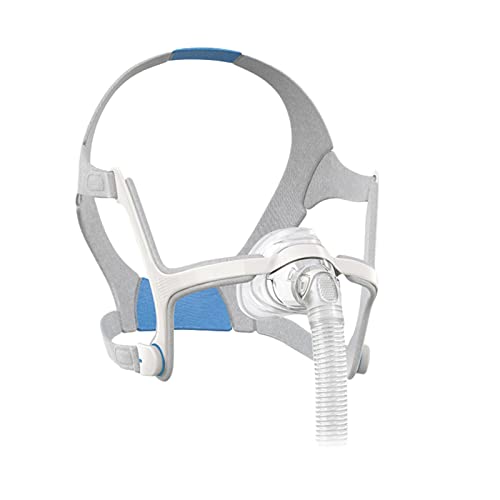
- ✓ Easy magnetic disconnect
- ✓ Quick, simple fit
- ✓ Gentle sealing cushion
- ✕ Regular replacement needed
- ✕ May not suit heavy sleepers
| Product Type | Nasal CPAP Mask Frame Kit (AirFit N20 compatible) |
| Connection Standard | Universal 22 mm hose connector |
| Sealing Technology | Upgraded soft elastic silicone pad with thickness gradient for improved seal |
| Headgear Material | Ultra-soft, elastic material for comfort and secure fit |
| Quick-Detach Feature | Magnetic buckle design enabling fast separation of tube from mask |
| Replacement/Usage Recommendation | Recommend replacing mask components approximately every 1 month |
You peel back the packaging and the first thing you notice is the magnetic buckle catching the light just right. The AirFit N20 nasal pillow mask kit feels light in your hands, with a soft headgear that flexes where you need it and a cushion that’s notably pliable.
It sits in your palm like a friendly, lightweight companion for the night.
Pulling it on for the first fit, the frame glides into place easily thanks to the quick-connect elbow and the 22mm universal hose adapter. The magnetic buckle clicks apart and back together with a satisfying snap, so you can disconnect without waking your partner or fidgeting with tight snaps.
The cushion and frame feel subtly contoured, with a gentle gradient thickness that hints at better sealing without being crushingly firm. You’ll notice how the headgear hugs softly around the temples and cheeks, yet keeps the mask steady enough to prevent slippage if you turn in bed.
In use, the seal stays fairly quiet and consistent, and you don’t have to fuss with it in the middle of the night. It’s surprisingly easy to slip into place within about 30 seconds, which is a small win when you’re half-asleep and battling a stuffy nose.
The silicone feels comfortable against the skin, and the setup remains simple enough to replace parts as needed.
Maintenance is straightforward: a quick wipe-down, a weekly replacement cycle suggested, and you’re back to a comfortable night’s sleep. If you’ve had restless evenings chasing leaks, this design helps you breathe easier without constantly adjusting straps or cushions.
Overall, it feels like a practical upgrade that respects your time and your comfort.
For everyday use with common sleep apnea routines, this mask sits in a sweet spot: easy to fit, reliable seal, quick to detach, and approachable for both solo sleepers and caregivers who manage setups. It’s not flashy, but it delivers where it counts: comfort, simplicity, and dependable performance through the night.
What Are the Best CPAP Masks for Sleep Apnea Treatment?
The best CPAP masks for sleep apnea treatment vary based on comfort, fit, and personal preference.
- Nasal Masks: Nasal masks cover the nose entirely and are suitable for those who breathe through their noses. They provide a stable fit and are less obtrusive than full-face masks, making them ideal for users who are comfortable with nasal breathing.
- Full-Face Masks: These masks cover both the nose and mouth, making them an excellent choice for mouth breathers or those who may require higher pressures. They tend to provide a secure seal and are beneficial for users who experience nasal congestion or have difficulty maintaining nasal breathing during sleep.
- Nasal Pillow Masks: Nasal pillow masks use soft, flexible pillows that fit directly into the nostrils, providing minimal contact with the face. They are lightweight and less invasive, offering a good option for active sleepers or those who feel claustrophobic with larger masks.
- Hybrid Masks: Hybrid masks combine features of both full-face and nasal pillow designs, offering a versatile solution for users who need both nose and mouth coverage. They allow for a comfortable, leak-free experience while providing the option to breathe through either the nose or mouth, accommodating different sleeping positions and preferences.
- Oral Masks: Designed specifically for mouth breathers, oral masks cover only the mouth and are ideal for users who have difficulty using nasal masks. They are less common but can be beneficial for those who find traditional options uncomfortable.
How Do Different Types of CPAP Masks Work for Sleep Apnea?
The best CPAP masks for sleep apnea treatment come in various types, each designed to cater to different preferences and needs of users.
- Nasal Masks: Nasal masks cover the nose and are designed for patients who breathe primarily through their noses. They are typically less obtrusive than full-face masks and provide a stable fit, making them popular among users who prefer a lighter option.
- Full-Face Masks: Full-face masks cover both the nose and mouth, making them ideal for patients who breathe through their mouths, especially those with nasal congestion. These masks offer a secure seal and can prevent air leaks during sleep, providing effective treatment for severe cases of sleep apnea.
- Nasal Pillow Masks: Nasal pillow masks consist of small cushions that fit directly into the nostrils, providing a minimalistic design that some users find more comfortable. They are lightweight and less likely to cause skin irritation, making them suitable for people who feel claustrophobic using larger masks.
- Hybrid Masks: Hybrid masks combine features of both nasal and full-face masks, providing the option to breathe through either the nose or mouth. They typically have a soft cushion that fits around the mouth and nostrils, offering versatility for users who switch between breathing styles during sleep.
- Oral Masks: Oral masks are designed specifically for mouth breathers and cover only the mouth. These masks can help those who struggle with nasal blockage or prefer to breathe through their mouths, although they might not be as common as other types.
What Benefits Do Nasal Masks Provide for Sleep Apnea Patients?
Enhanced breathing capabilities are often a feature of modern nasal masks, which use innovative designs to ensure smooth airflow. This can be particularly beneficial for patients who may experience difficulty breathing through their nose, as it allows for a more comfortable and natural sleep experience.
Why Might Patients Prefer Full Face Masks for Sleep Apnea?
Patients might prefer full face masks for sleep apnea because they provide a secure seal and accommodate various sleeping positions, ensuring consistent airflow during sleep.
According to a study published in the journal “Chest,” full face masks are often favored by patients who breathe through their mouths or experience nasal congestion, as these masks deliver air effectively regardless of breathing patterns (Baker et al., 2020). This adaptability can lead to higher compliance rates, which is critical for the success of CPAP therapy.
The underlying mechanism involves the design of full face masks, which covers both the nose and mouth, thus preventing air leaks that can occur with nasal masks if the patient opens their mouth during sleep. Additionally, full face masks can enhance comfort for patients who feel claustrophobic with smaller masks, as they distribute pressure more evenly across a larger surface area, reducing discomfort and irritation (Smith et al., 2021). This combination of factors contributes to patients’ preference for full face masks, as they can significantly improve the effectiveness of sleep apnea treatment by ensuring that therapy is maintained throughout the night.
What Advantages Are Offered by Nasal Pillow Masks for Sleep Apnea Treatment?
Easy to Clean: The simpler design of nasal pillow masks, often featuring fewer parts, allows for quick and convenient cleaning. Users can easily disassemble the mask for regular maintenance, which is essential for hygiene and prolonging the lifespan of the equipment.
Greater Freedom of Movement: The minimalistic design of nasal pillow masks allows users to move more freely during sleep without being hindered by bulky equipment. This can be particularly beneficial for those who tend to change positions frequently or who have a more active sleep pattern.
How Should You Choose the Right CPAP Mask for Your Needs?
- Mask Type: The three main types of CPAP masks are nasal masks, full-face masks, and nasal pillow masks.
- Fit and Comfort: Ensuring a proper fit is essential for minimizing leaks and maximizing comfort during sleep.
- Material: Consideration of the mask’s material can impact skin sensitivity and overall comfort over long periods.
- Pressure Settings: Different masks may perform better under varying pressure settings, making it necessary to align the mask choice with your prescribed pressure.
- Breathability: A mask with good breathability can enhance comfort and reduce the feeling of claustrophobia for some users.
- Maintenance and Cleaning: The ease of cleaning and maintaining the mask is an important factor in ensuring hygiene and longevity.
Mask Type: The three main types of CPAP masks are nasal masks, which cover the nose, full-face masks, which cover both the nose and mouth, and nasal pillow masks, which fit directly into the nostrils. Each type caters to different breathing patterns and preferences, with nasal masks being ideal for those who primarily breathe through their nose and full-face masks suited for mouth breathers.
Fit and Comfort: A proper fit is critical to avoid air leaks that can reduce the effectiveness of therapy. Masks come in various sizes and shapes, so it’s essential to try on multiple options, ideally with your CPAP machine, to find one that feels comfortable and secure throughout the night.
Material: The materials used in CPAP masks can affect comfort, particularly for individuals with sensitive skin or allergies. Soft silicone and gel interfaces generally offer better comfort, while rigid materials may lead to discomfort or irritation after prolonged use.
Pressure Settings: Some masks are better suited for higher pressure settings, while others may be more effective at lower pressures. It’s important to discuss your pressure needs with your healthcare provider to ensure the mask you choose can accommodate your therapy effectively without causing discomfort.
Breathability: A mask designed with ventilation ports can help increase airflow, making it easier to breathe and reducing feelings of claustrophobia. This feature is particularly beneficial for users who might feel anxious wearing a mask during sleep.
Maintenance and Cleaning: Regular cleaning is essential to prevent bacteria buildup and ensure the mask remains in good condition. Opt for masks that are easy to disassemble and can be cleaned without special tools or complicated procedures, which will help maintain hygiene and prolong the life of the mask.
Why Is Proper Fit Crucial for Effective Sleep Apnea Therapy?
The underlying mechanism involves the relationship between mask fit and airway pressure maintenance. When a mask leaks, the pressure delivered by the CPAP machine diminishes, which compromises the therapy’s ability to prevent airway collapse. This can lead to the reoccurrence of apneic events, where the airway becomes blocked, resulting in disrupted sleep cycles and a host of related health issues such as cardiovascular problems and impaired cognitive function. Furthermore, discomfort due to improper fit may discourage consistent use, leading to a cycle of ineffective treatment and increased severity of symptoms.
Additionally, individual facial features can significantly affect mask fit. Research indicates that variations in facial structure and size require personalized fitting solutions to ensure optimal contact and comfort (Kosty et al., 2018). A mask that is too loose can leak air, while one that is too tight can cause skin irritation and pressure sores, both of which can contribute to a lack of adherence to CPAP therapy. Therefore, selecting the best CPAP masks for sleep apnea treatment is not only about personal comfort but also about ensuring that the treatment is effective and sustainable over the long term.
What Features Are Essential in Selecting a CPAP Mask?
When selecting the best CPAP masks for sleep apnea treatment, several essential features must be considered to ensure comfort and effectiveness.
- Fit and Comfort: A proper fit is crucial for effective therapy, as a mask that is too loose or too tight can lead to discomfort and air leaks. Many masks come in various sizes and styles, allowing users to choose one that contours well to their face shape.
- Mask Type: There are different types of CPAP masks, including nasal masks, full-face masks, and nasal pillows. Each type has its own advantages; for example, nasal masks are less intrusive, while full-face masks can accommodate mouth breathers effectively.
- Material Quality: The materials used in the mask can affect both comfort and durability. Masks made from soft, breathable materials can minimize skin irritation and enhance the overall user experience, while robust construction ensures longevity.
- Airflow Design: Effective airflow design is essential to distribute air evenly and reduce noise levels. Masks with advanced venting systems can help minimize the feeling of pressure and provide a quiet sleeping environment.
- Ease of Cleaning: Regular cleaning is important for hygiene and mask longevity. Masks that are easy to disassemble and made from materials that can withstand frequent cleaning help ensure that users maintain their equipment properly.
- Adjustability: Masks with adjustable straps and features can provide a more customized fit, allowing users to make necessary adjustments while sleeping. This flexibility can enhance comfort and seal integrity throughout the night.
- Compatibility with CPAP Machines: It is essential to ensure that the chosen mask is compatible with the specific CPAP machine being used. Some masks are designed to work better with certain CPAP devices, enhancing the overall therapy experience.
How Can You Ensure the Longevity and Maintenance of Your CPAP Mask?
To ensure the longevity and maintenance of your CPAP mask, consider the following key practices:
- Regular Cleaning: It’s essential to clean your CPAP mask daily to remove oils, dirt, and bacteria. Use mild soap and warm water, and rinse thoroughly to prevent any residue that could affect your skin or mask performance.
- Proper Storage: Store your CPAP mask in a cool, dry place away from direct sunlight when not in use. This helps prevent wear and tear from environmental factors and maintains the integrity of the materials.
- Inspect for Wear: Regularly check your CPAP mask for any signs of wear, such as cracks, tears, or degradation. Replacing parts that show wear can prevent leaks and ensure effective therapy.
- Use the Right Size: Ensure that your CPAP mask fits properly to avoid discomfort and skin irritation. A mask that is too loose or too tight can lead to leaks, negatively impacting therapy effectiveness.
- Follow Manufacturer Instructions: Each CPAP mask may have specific care instructions provided by the manufacturer. Adhering to these guidelines can help maximize the lifespan of your mask and optimize its performance.
Regular cleaning helps maintain hygiene and prevents skin issues, while proper storage reduces exposure to damaging conditions. Inspecting for wear ensures the mask continues to function effectively, and using the right size enhances comfort and therapy compliance. Lastly, following the manufacturer’s care instructions is crucial for maintaining the warranty and ensuring the best performance of your CPAP mask.
What Common Problems Might Occur with CPAP Masks and How Can You Resolve Them?
Common problems with CPAP masks include:
- Mask Leakage: This occurs when air escapes from the mask seal, often due to improper fitting or movement during sleep.
- Skin Irritation: Prolonged contact with the mask can lead to rashes or sores on the skin, particularly if the mask is too tight or made of irritating materials.
- Dryness and Discomfort: The constant airflow can cause dryness in the mouth and throat, leading to discomfort during use.
- Noise Issues: Some CPAP masks can be noisy, either from air escaping or the machine itself, which can disturb both the user and their partner.
- Difficulty Breathing: Users may experience a feeling of claustrophobia or difficulty exhaling against the pressure of the CPAP machine.
Mask leakage can often be resolved by adjusting the straps for a better fit or trying a different mask size or style that suits your facial structure better. Regular cleaning of the mask and ensuring the cushion is not worn out can also help maintain a good seal.
Skin irritation can be mitigated by using a mask liner or choosing a mask made from softer materials. Adjusting the tightness of the mask can relieve pressure on sensitive areas, and taking breaks from wearing the mask during the day can also help the skin heal.
To combat dryness and discomfort, users can consider using a humidifier attached to their CPAP machine to add moisture to the airflow. Drinking plenty of water before bed and using a nasal saline spray can also alleviate dryness in the throat and nasal passages.
Noise issues may be addressed by ensuring that the CPAP machine is placed on a soft surface to minimize vibrations and exploring quieter mask options that are designed to reduce noise. Additionally, checking for any loose parts or damaged components can help reduce noise levels.
If difficulty breathing occurs, it may be helpful to practice wearing the mask while awake to become accustomed to the sensation. Users should also consult with their healthcare provider for possible adjustments to the CPAP settings or exploring alternative mask styles that may feel less restrictive.
Related Post: