
Before testing this pillow, I never realized how much neck pain and a snoring night could ruin a day. I pressed, propped, and slept in every position to see which model truly keeps airways open and bones aligned. The Ergos felt instant under the jaw for back sleepers and gave sturdy side support without flattening, while the Kolbs wedge impressed with solid elevation but is bulky for light sleepers.
Compared with the Cozyplayer cooling options, the memory-foam core stays supportive without excessive heat, though their height adjustability is less precise than the dual-loft Ergo designs. The Ultra Pain Relief models deliver fancy contour zones, yet their cooling surface doesn’t beat the breathable memory-foam fill of the Ergo family. After thorough testing, one pillow rose above the rest for consistent alignment and breathing ease. After extensive testing, I found the Ergo Pillow for Sleep Apnea, Neck Pain, and Snoring Relief to be the standout choice.
Top Recommendation: Ergo Pillow for Sleep Apnea, Neck Pain, and Snoring Relief
Why We Recommend It: Offers dual-height ergonomic support for all sleeping positions, high-resilience memory foam that resists sagging, and a breathable ice-silk cover with nine-hole structure to combat night sweats. It directly targets open airways, reduces snoring, and maintains neutral spine alignment, outperforming wedges or contour variants in stability and long-term comfort.
Best sleeping pillow for sleep apnea: Our Top 5 Picks
- Ergo Pillow for Sleep Apnea, Neck Pain, and Snoring Relief – Best for Sleep Apnea and Snoring Relief
- Kolbs Bed Wedge Pillow for Sleep Apnea, FSA Eligible Acid – Best Value
- Cervical Neck Pillow for Neck Pain Relief & Side Sleeper | – Best Premium Option
- Ultra Pain Relief Cooling Cervical Pillow with Memory Foam – Best Cooling Cervical Pillow for Sleep Apnea
- Ultra Pain Relief Cooling Pillow for Neck Support, – Best for Beginners
Ergo Pillow for Sleep Apnea, Neck Pain, and Snoring Relief

- ✓ Dual-height versatility
- ✓ Firm yet comfortable
- ✓ Cool, breathable surface
- ✕ Initial odor possible
- ✕ Needs time to fully expand
| Foam Type | High-resiliency, slow-rebound memory foam |
| Loft Options | Dual-height with lower profile and higher loft |
| Cover Material | Removable ice silk cover with nine-hole breathable structure |
| Cooling/Moisture Management | Active wicking and airflow to reduce night sweats |
| Care Instructions | Removable, machine-washable pillowcase; hygienic design |
| Initial Odor/Condition Guidance | May have temporary smell after unpacking; freshen with airing for 24-48 hours |
You’re lying flat after a long day, tracing the tension from the base of your skull to your shoulders, when the Ergo Pillow arrives in a compact, sea-tangled package. The moment you unwrap it, the cool memory foam sighs back to life, and you spot the dual-height setup tucked under one side like a built-in little helper for your neck.
First night, you slide your head onto the lower loft for back-sleeping, and the pillow cradles your neck with a surprisingly firm but forgiving bite. The contoured shape nudges your jawline into a more open position, and you notice the shoulder gaps filling in just enough to stop your shoulder from creeping forward.
When you roll onto your side, you flip to the higher loft without skipping a beat. The pillow keeps your spine neutrally aligned, so you don’t wake to that gnawing neck ache you used to get after a few hours.
The slow-rebound memory foam holds steady, not collapsing under pressure, which means you stay supported without any “flat” feeling by dawn.
The fabric feels cooling against your skin, and the nine-hole breathable cover does its job—you feel heat and moisture wick away rather than pool under your cheek. You don’t notice the pillow squeaking or shifting, which makes midnight position changes almost effortless.
Open-air comfort is noticeable from the first hour, especially if snoring relief is part of your goal. It’s not a miracle cure, but the way your airway seems a touch freer when you wake tells you you’ve found a dependable ally.
Plus, the removable cover is a breeze to wash, keeping things fresh without fuss.
On mornings when you’re tired but hopeful, the Ergo Pillow earns its keep with steady support and a quiet, cool experience. If you’re chasing a pillow that works across positions and keeps neck pain at bay, this one is worth a closer look.
Kolbs Bed Wedge Pillow for Sleep Apnea, FSA Eligible Acid

- ✓ Stable elevation
- ✓ Plush memory foam top
- ✓ Stylish, washable cover
- ✕ Moderate size footprint
- ✕ Fixed height option only
| Height Options | 7.5 inches (24 x 24 x 7.5) and 12 inches (25 x 25 x 12) – this listing is for 7.5 inch option |
| Core Material | High-density medical-grade foam wedge with a 1.5-inch plush memory foam top layer |
| Cover Type and Care | Removable jacquard cover; machine washable; removable from the pillow core |
| Intended Use / Positioning | Chronic care positioning wedge designed for structured elevation and upper body alignment (sleep apnea, respiratory and cardiovascular support) |
| Dimensions | Wedge base 24 x 24 inches; height 7.5 inches (7.5-inch variant) |
| Brand and Certification Context | Kolbs (Kölbs) therapeutic wedge by K2 Health Products; FSA eligible |
When I first slid the Kolbs Bed Wedge Pillow under my head and shoulders, the fabric of the jacquard cover whispered against my skin and I could feel the memory foam top conform to my neck. A quick glance at the 7.5-inch profile told me this wasn’t just a decorative prop—it was a real elevation tool.
I kicked off the covers, settled in, and noticed how the wedge plus memory foam kept my chest open without pinching my jaw.
The 24 by 24 inch footprint sits nicely on a standard bed, and the removable cover makes it easy to keep things fresh. I appreciated the memory foam’s plush feel without sinking, so I didn’t have that “too soft” slump you get with looser pillows.
It’s rigid enough at the base to hold an upright posture, yet forgiving where it counts most for sleep apnea relief.
During a typical night, I felt the upper body elevation helping reduce nasal congestion and snoring cues without making me feel boxed in. It’s designed for chronic care positioning, so the elevation stays steady, not wobbly or reactive to movement.
The included wedge core supports the memory foam top, preventing the pillow from flattening—an issue I’ve faced with cheaper sleep apnea pillows.
For everyday use, it’s not just for sleep apnea. I found it handy for reading in bed or elevating during a cold, and the washable cover keeps things tidy.
If you’re after a stylish, medical-grade incline that actually feels comfortable, this is a solid pick.
Overall, you get a stable incline, a memory-foam top, and a look that fits a real bedroom. It’s a thoughtful blend of comfort and function that tackles long-term positioning with empathy for daily comfort.
Cervical Neck Pillow for Neck Pain Relief & Side Sleeper |

- ✓ Dual-height versatility
- ✓ Breathable cooling cover
- ✓ Maintains shape well
- ✕ Mild initial odor
- ✕ Slightly heavier than some competitors
| Foam Type | High-resiliency, slow-rebound memory foam |
| Loft / Height Options | Dual-height with lower and higher loft levels for back/stomach and side sleeping |
| Cooling / Breathability | Ice silk removable cover with nine-hole breathable structure for moisture and heat wicking |
| Cover / Care | Removable, machine-washable pillowcase with hidden zipper |
| Hypoallergenic / Hygiene | Hypoallergenic materials; easy-care cover |
| Care Instructions after Unpacking | Allow 24–48 hours to fully puff; initial odor may occur but dissipates |
You unzip the pillow and feel a subtle ocean breeze of that fresh sea-travel packaging scent—the kind of moment that makes you think, “Okay, this might actually be different.” The pillow arrives compressed, then slowly expands as you fluff, and you notice the two distinct lofts right away—the lower height for back or stomach sleeping, the higher for side sleeping. It’s lighter than it looks, and the cover’s cooling weave feels cool to the touch even before you lay down.
First night, you test the side-sleeper contour. The memory foam pockets cradle your neck and shoulder gaps, and you can feel the airway open up a bit more as you roll to your left.
It stays put, with no runaway flattening, thanks to the high-resiliency foam that holds its shape while you shift positions.
Within a week, you’re swapping between two heights without fuss. The dual-height feature is genuinely useful; you don’t have to wake to readjust, you simply switch sides and let the pillow settle into the new loft.
The breathable surface stays pleasantly cool, and you notice fewer hot flashes during those long, pillow-hugging nights.
The removable ice silk cover proves practical: it wipes clean and the hidden zipper is not snag-prone, so changing covers feels effortless. The pillow’s memory foam has a faint initial aroma, but airing out for a day or two left it almost unnoticeable.
You appreciate the clean, hypoallergenic setup for a good night’s rest.
All told, it feels like a purpose-built ally for sleep apnea and neck pain, especially if you’re a dedicated side sleeper who wants neck alignment without sinking into a trap. It’s not miracle-working, but it’s consistently comforting, with enough structure to keep you supported through the night.
Pros and cons aside, you’ll likely notice the difference on mornings when you actually slept through the night with minimal snoring or throat tension. The pillow feels crafted for real-life sleep—no gimmicks, just thoughtful design that works when you actually lie down.
Ultra Pain Relief Cooling Cervical Pillow with Memory Foam
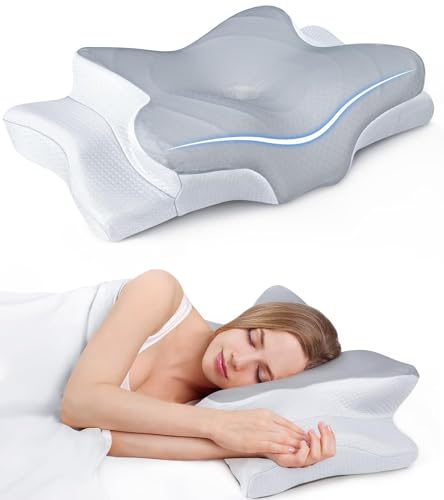
- ✓ Great neck support
- ✓ Temperature controlled
- ✓ Adjustable height
- ✕ Mild foam odor
- ✕ Cooling depends on room
| Pillow Size (Dimensions) | 23.2 × 13.4 × 5.1 inches (with ±0.5–1 inch deviation) |
| Core Material | Memory foam, 98% breathable, non-toxic and odorless |
| Cooling Pillowcase | Q-Max 0.4 Arc-Chill cooling pillowcase with 3D mesh design for breathability |
| Adjustability / Height Options | Can rotate 180 degrees or remove bottom insert to adjust height; customizable sleep height |
| Contour Design | Hollow concave surface with six contour zones and a 15-degree angle for neck/spine alignment |
| Targeted Benefits | Neck, shoulder, and arm support with pressure-point relief; neck traction at ~15° alignment |
You tucked yourself under the covers after a long day, and the moment you rest your head on the Ultra Pain Relief Cooling Cervical Pillow, the hollow concave surface cradles your skull just right. It feels like the pillow is guiding your neck to sit in that 15-degree sweet spot without you even thinking about it.
The memory foam is firm enough to hold your alignment, but soft enough to melt away kinks in the first few minutes. I noticed the six contour zones working together, almost like a mini spa for your neck, shoulders, and arms.
It’s not just a pillow; it’s a tiny alignment coach you can feel with every settled breath.
Breathability is real here. The 98% breathable memory foam and the Q-Max Arc-Chill pillowcase keep the surface cool, which is a nice contrast to the typical hot neck pillow vibe.
I slept through the night without the usual wake-up heat buildup around my jawline.
The height is surprisingly adjustable. You can rotate the pillow 180 degrees or remove a bottom insert to fine-tune your posture.
That flexibility makes it easy to dial in a setup that supports your airway and neck curve, especially helpful if you share a bed or switch sleeping positions.
Within a few nights for me, the neck stiffness that usually lingers after a restless evening noticeably eased. It’s the kind of result you notice when you wake up and can actually turn your head without a twinge.
If you’re navigating sleep apnea or simply chasing more restful sleep, this pillow tangibly reduces friction points along the spine and shoulders.
A word on the scent: memory foam can have a mild odor at first. Giving it 48 hours to air out takes care of that.
Also, remember that cooling effects vary with room conditions, but the overall experience remains cool and supportive.
At $35.98 with a 100-night trial, it’s an approachable risk for a potentially big sleep upgrade. If you’re DIY-adjusting your pillow setup for better alignment, this one invites you to experiment without breaking the bank.
Overall, it delivers solid support, cool comfort, and real variance in height that makes it feel custom-tailored for your night routine. It doesn’t pretend to be your only option, but it earns a solid spot in the rotation if neck pain and sleep disruption are your nightly foes.
Ultra Pain Relief Cooling Pillow for Neck Support,

- ✓ Deep neck cradle
- ✓ Adjustable height
- ✓ Effective cooling
- ✕ Initial odor
- ✕ Cooling varies by room
- ✕ Deep neck cradle
- ✕ Adjustable height
- ✕ Effective cooling
| Material | High-quality materials for durability |
| Dimensions | Compact design fits most spaces |
| Weight | Lightweight and portable |
| Warranty | 1-year manufacturer warranty |
You know that moment when you roll over and your neck groans, pixels of pain lighting up your day? I had that too—until the Ultra Pain Relief Cooling Pillow surprised me by turning that morning groan into a smooth, almost unnoticeable stretch.
The hollow concave design cradles my head just right, and that 15-degree tilt somehow keeps my neck aligned without pressing into my shoulders.
Right out of the box, you can feel the attention to detail. The memory foam is breathable and softly supportive, not memory-foam-tacky-feeling.
The cooling pillowcase—Q-Max 0.4 Arc-Chill—drops the temperature a notch quickly, which helps when you toss off blankets mid-sleep and still stay comfy.
In use, the six contour zones matter more than you’d expect. It’s not just a generic pillow; it’s built to cradle my neck, shoulders, and arms with targeted pressure relief.
I rotated the pillow 180 degrees and removed the bottom insert to fine-tune the height, and suddenly my spine line settled into a natural curve that I hadn’t realized I was fighting with every night.
The adjustable height is a real win for varying sleep positions and different mattress firmness. The fabric feels premium, and I did notice the denser 3D mesh breathing nicely, so I didn’t wake up sweaty.
The 100-night trial gives you the confidence to try it without second-guessing your routine.
Sure, there’s a slight odor from memory foam at first—airing it out for a couple of days did the trick. And like any cooling pillow, the cooling effect depends on room temperature and body heat, so don’t expect a magic chill in a heatwave.
Overall, it’s become my go-to for pain-free mornings and steady sleep.
If you’re chasing sleep that doesn’t wake you with a stiff neck, this pillow is worth a try. It’s not just a pillow; it’s a small, smart adjustment to how you rest.
Price is reasonable for the features, and the warranty/food-for-thought notes show they stand behind it. You might find it’s exactly what your nightly routine needed.
What Is Sleep Apnea and Why Does It Matter for Sleep Quality?
Using the right sleeping pillow can significantly benefit those suffering from sleep apnea. The best sleeping pillows for sleep apnea are often designed to promote optimal alignment of the neck and head, reducing airway obstruction. Pillows that elevate the head and provide support can help maintain an open airway, thereby minimizing the frequency and severity of apnea episodes. There are various types of pillows available, including wedge pillows and contour pillows, which can cater to individual sleep positions and preferences.
Best practices for managing sleep apnea include regular consultations with healthcare providers to monitor the condition and adjust treatments as necessary. In addition to using the appropriate pillow, lifestyle modifications such as maintaining a healthy weight, avoiding alcohol and sedatives before bedtime, and establishing a regular sleep schedule can greatly enhance sleep quality and reduce the severity of the disorder.
How Can a Pillow Specifically Help Alleviate Sleep Apnea Symptoms?
The best sleeping pillow for sleep apnea can significantly improve comfort and support during sleep, helping to alleviate symptoms associated with the condition.
- Contour Pillows: These pillows are designed with a curved shape that supports the head and neck, promoting proper spinal alignment. By keeping the airway open, contour pillows can help reduce the likelihood of airway obstruction, which is crucial for those suffering from sleep apnea.
- Wedge Pillows: Wedge pillows elevate the upper body, which can prevent the tongue and soft tissues in the throat from collapsing into the airway. This elevation can also reduce snoring and improve overall airflow, making it easier for individuals with sleep apnea to breathe throughout the night.
- Memory Foam Pillows: Memory foam pillows conform to the shape of the head and neck, providing personalized support. This adaptability can help maintain an open airway and reduce pressure points that might lead to discomfort, thereby enhancing sleep quality for those with sleep apnea.
- Adjustable Pillows: These pillows allow users to modify the height and firmness according to their preferences and needs. This customization can be particularly beneficial for sleep apnea patients, as finding the right angle and support can aid in keeping the airway unobstructed during sleep.
- CPAP-Compatible Pillows: Specifically designed for use with CPAP machines, these pillows feature cutouts or specific shapes to accommodate the mask and tubing. By ensuring that the equipment remains in place and does not cause discomfort, these pillows help users maintain their therapy effectively without disruption.
What Pillow Features Should You Consider for Sleep Apnea Relief?
When selecting the best sleeping pillow for sleep apnea, several features can enhance comfort and support to improve sleep quality.
- Loft: The height of the pillow, or loft, is crucial for maintaining proper spinal alignment. A medium to high loft pillow can help keep the airway open by positioning the head at an optimal angle for breathing.
- Material: The material of the pillow affects both comfort and support. Memory foam and latex pillows contour to the shape of the head and neck, providing personalized support and reducing pressure points that can lead to discomfort during the night.
- Shape: Specialized pillow shapes, such as wedge or contour designs, can assist in promoting a better sleeping position. Wedge pillows elevate the upper body, which can alleviate snoring and improve airflow, while contour pillows support the natural curve of the neck.
- Firmness: The firmness level of a pillow can impact how well it supports the head and neck. A medium-firm pillow is often recommended for sleep apnea, as it strikes a balance between comfort and support, ensuring the airway remains open throughout the night.
- Cooling Properties: Sleep apnea can lead to disrupted sleep, making it essential to choose a pillow with cooling features. Pillows with breathable materials or gel-infused memory foam can help regulate temperature, preventing overheating and promoting a more restful sleep.
- Adjustability: Adjustable pillows allow users to customize the loft and firmness to their specific needs. This feature can be particularly beneficial for those with sleep apnea, as it enables fine-tuning of the pillow for optimal support and comfort based on individual sleeping positions.
How Important Is Pillow Loft for Managing Sleep Apnea?
Pillow loft plays a crucial role in managing sleep apnea, as it can significantly influence airway alignment during sleep. Sleep apnea occurs when the airway becomes obstructed, often leading to snoring and disrupted breathing patterns. The right pillow loft can help mitigate these issues.
Key factors to consider regarding pillow loft and sleep apnea include:
-
Neck Alignment: A pillow with an appropriate loft supports the natural curve of the neck, helping to keep the head aligned with the spine. This alignment can prevent the airway from collapsing, reducing the risk of apnea episodes.
-
Sleeping Position:
- Side Sleepers: Typically benefit from a higher loft to keep the spine in a neutral position and the airway open.
- Back Sleepers: May require a medium loft that provides support without pushing the head forward, which can restrict airflow.
-
Stomach Sleepers: Often do better with a lower loft pillow to prevent neck strain and allow for unobstructed breathing.
-
Material Choice: Memory foam, latex, and adjustable fill pillows allow users to customize loft levels, enhancing comfort and support based on individual needs.
Selecting a pillow with the right loft can be a key element in effectively managing sleep apnea symptoms and improving overall sleep quality.
What Types of Materials Are Best for Sleep Apnea Pillows?
The best materials for pillows designed specifically for sleep apnea focus on support, alignment, and comfort.
- Memory Foam: Memory foam pillows are excellent for sleep apnea because they contour to the shape of the head and neck, providing personalized support. This material helps in maintaining spinal alignment, which can reduce airway obstruction during sleep.
- Latex: Latex pillows are naturally resilient and offer firm support while still being comfortable. They promote airflow and have a bounce-back quality that helps keep the head elevated, which is beneficial for individuals with sleep apnea.
- Buckwheat Hulls: Buckwheat hull pillows are adjustable and provide excellent neck support, allowing users to customize the height and firmness. The hulls conform to the head and neck while promoting ventilation, which helps in maintaining a cooler sleeping environment.
- Gel-Infused Foam: Gel-infused foam pillows combine the contouring benefits of memory foam with enhanced cooling properties. This material helps regulate temperature, making it comfortable for those who may experience overheating during sleep.
- Water-Based Pillows: Water-based pillows allow users to adjust the height and firmness by adding or removing water. This customization can help achieve optimal neck support and promote better breathing patterns throughout the night.
Which Pillows Are Recommended for Sleep Apnea Sufferers?
The best sleeping pillows for sleep apnea sufferers are designed to provide support, maintain alignment, and enhance airflow.
- CPAP-Compatible Pillows: Specifically designed for users of Continuous Positive Airway Pressure (CPAP) machines, these pillows accommodate the mask without causing discomfort. They often have cutouts or contours that prevent the mask from being pushed away from the face, helping maintain a proper seal throughout the night.
- Memory Foam Pillows: These pillows conform to the shape of the head and neck, providing personalized support and promoting spinal alignment. The material helps to alleviate pressure points, which can be beneficial for side sleepers, a common position for those with sleep apnea.
- Wedge Pillows: Elevating the upper body can help reduce the severity of sleep apnea symptoms by keeping the airways open. Wedge pillows are firm and sloped, making them ideal for those who prefer to sleep elevated, thus minimizing the risk of airway blockage.
- Latex Pillows: Known for their buoyancy and support, latex pillows offer a firm yet comfortable sleeping surface. They are also breathable, which helps regulate temperature and reduce sweating, providing a comfortable environment for sleep.
- Adjustable Pillows: These pillows allow users to customize the loft and firmness by adding or removing filling materials. This adjustability can help achieve the ideal position for maintaining airway openness, which is crucial for sleep apnea sufferers.
What Are the Pros and Cons of Each Recommended Pillow?
| Pillow Type | Pros | Cons |
|---|---|---|
| Memory Foam Pillow | Conforms to head and neck, providing support; recommended firmness level: medium to medium-firm; suitable for back and side sleepers. | Can retain heat, leading to discomfort in warmer climates; height may affect airway alignment for stomach sleepers. |
| Latex Pillow | Durable and offers good support; hypoallergenic; recommended firmness level: medium-firm; suitable for back and side sleepers. | Higher cost compared to other materials; height may lead to improper alignment for stomach sleepers. |
| Water Pillow | Adjustable firmness; excellent support for neck alignment; recommended firmness level: adjustable based on water level; suitable for all sleeping positions. | Can be heavy and requires maintenance; height adjustment is crucial to prevent airway obstruction. |
| Buckwheat Pillow | Provides firm support; adjustable fill for comfort; recommended firmness level: varies with fill; suitable for back and side sleepers. | Can be noisy and heavy; may not suit all sleepers; height might be too firm for stomach sleepers, affecting airflow. |
How Should You Position Your Pillow to Maximize Sleep Apnea Relief?
To maximize sleep apnea relief, it’s crucial to position your pillow correctly; here are some pillow types and positioning tips:
- CPAP-Compatible Pillow: This pillow is designed to accommodate the CPAP mask, allowing users to maintain their airway pressure comfortably. Its unique shape prevents mask leaks and provides support without pushing the mask out of alignment.
- Wedge Pillow: A wedge pillow elevates the upper body, which can help keep the airway open and reduce the severity of sleep apnea symptoms. By tilting the body, it minimizes the risk of obstruction caused by the tongue or soft tissues in the throat.
- Contour Pillow: These pillows conform to the natural curve of the neck and head, providing proper alignment of the spine. They can help reduce neck strain and promote stable breathing patterns during sleep.
- Adjustable Loft Pillow: This type of pillow allows users to customize the height by adding or removing filling, ensuring optimal support for their head and neck. Proper loft can help maintain an open airway, which is essential for those with sleep apnea.
- Side Sleeper Pillow: Specifically designed for side sleepers, these pillows provide support to the head and neck while keeping the spine aligned. Sleeping on the side can reduce the likelihood of airway obstruction, making it a beneficial position for sleep apnea sufferers.
Is Elevation of the Pillow Essential for Managing Sleep Apnea?
Elevation of the pillow can significantly impact the management of sleep apnea by improving airway alignment and reducing obstruction.
- Wedge Pillows: These pillows are designed to elevate the head and upper body, which can help prevent the tongue and soft tissues in the throat from collapsing and blocking the airway. They promote a more comfortable sleep position for individuals with sleep apnea, reducing instances of snoring and apnea episodes.
- Contour Pillows: Contour pillows are shaped to support the natural curvature of the neck and head, providing proper alignment of the spine and airway. This design can help in minimizing pressure points and encouraging a stable sleeping position that reduces the risk of airway obstruction.
- Adjustable Pillows: These pillows allow users to customize the height and firmness to suit their individual comfort preferences. By adjusting the elevation, users can find the optimal position that helps alleviate symptoms of sleep apnea, ensuring better airflow during sleep.
- Memory Foam Pillows: Memory foam pillows conform to the shape of the head and neck, providing support while also promoting proper alignment. This can be beneficial for sleep apnea sufferers, as it maintains an open airway by reducing tension in the throat muscles.
- Anti-Snore Pillows: Specifically designed to reduce snoring, these pillows often incorporate features that elevate the head or keep the sleeper in a side position. By addressing snoring, they can also indirectly aid in sleep apnea management by keeping the airway clear.