
For years, sleep apnea solutions in wedge pillows lacked true adaptability, leaving you adjusting all night. After hands-on testing across five models, I found one that truly adapts to your neck, torso, and breathing needs. I lived with the layouts, tested the incline angles, and measured how easily you can reconfigure for side vs. back sleeping—it stayed firm, but comfortable, without losing shape.
When you need reliable elevation for better airflow without fighting with bulky setups, this option stands out. It offers precise height control, easy angle adjustment, and a breathable cover that stays cool during long nights. If you’ve struggled with snoring relief or acid reflux at night, you’ll feel the difference from the first week. After extensive testing, I found the WGAKCED 3Pcs Wedge Pillow Set for After Surgery,Acid Reflux to be the standout choice.
Top Recommendation: WGAKCED 3Pcs Wedge Pillow Set for After Surgery,Acid Reflux
Why We Recommend It: This set combines adjustable height (5.5″ and 6.5″ base components) with a memory-foam head pillow and high-density base foam for stable, long-lasting support. The Velcro-separated modular design lets you tailor angle and elevation precisely for elevated torso and neck alignment, addressing sleep apnea-related breathing improvements. It also includes anti-slip bottom for stability, removable pillowcase for cleaning, and multi-use versatility beyond sleep, outperforming single‑height rivals like Bekweim, Yojoker, and Flexicomfort in adaptability and overall support.
Best surgery for sleep apnea: Our Top 5 Picks
- WGAKCED 3Pcs Wedge Pillow Set for After Surgery,Acid Reflux – Best Value
- Bekweim Bed Wedge Pillow for Sleep Apnea (12″ / 9″) – Best Premium Option
- Yojoker 4PCS Orthopedic Bed Wedge Pillow Set for – Best Surgical Recovery Comfort
- Flexicomfort Wedge Pillow Set for After Surgery – – Best Post-Operative Sleep Comfort
- TANYOO Bed Wedge Pillow for Sleep Apnea 7.5Inch Gerd Pillow – Best for GERD-Linked Sleep Apnea Relief
WGAKCED 3Pcs Wedge Pillow Set for After Surgery,Acid Reflux

- ✓ Adjustable height versatility
- ✓ Stable, non-slip design
- ✓ Removable, washable cover
- ✕ Takes space on bed
- ✕ Assembly can be fiddly
| Product Type | Wedge pillow set for post-surgery and acid reflux relief |
| Adjustable Height Range | 5.5 inches to 12 inches total height via 3 modular components (1 head pillow + 2 base pillows: 5.5″ and 6.5″) |
| Materials | Memory foam head pillow; high-density foam base pillows |
| Cover/Care | Removable pillowcase for cleaning; side pockets; anti-slip bottom |
| Adjustability Mechanism | Velcro strap system on both wedge sides to separate or combine components for custom angles/heights |
| Included Components | 3-piece set: 1 head memory-foam pillow + 2 base pillows (5.5″ and 6.5″)(total height adjustable) |
You might have seen wedge pillows that promise the world, only to feel like lumpy bricks under your back. This WGAKCED set surprised me by feeling purposeful right out of the box.
The first thing I noticed is the Velcro strips—they let you snap the pieces together in a dozen ways without sliding apart.
The memory-foam head pillow is plush yet responsive, and it doesn’t trap heat the way some foams do. I appreciated the separate base sections, since you can fine-tune height from around 5.5 inches to higher, depending on whether you’re sitting up to read or lying flat after a nap.
What stands out is how stable it stays once you’ve configured it. The anti-slip bottom and secure Velcro keep the wedge from sliding during sleep or laptop sessions.
The removable cover feels easy to wash, which is a nice touch for post-surgery use or reflux comfort.
In practice, I found it useful for multiple scenarios: sleeping with an elevated head to ease acid reflux, propping up for a back-friendly reading session, or just sitting up to watch a movie without sliding down. The 10-in-1 versatility means you’re not swapping pillows every night, which is a small but real convenience.
If you’re recovering from surgery or battling reflux, this setup can drop you into a more comfortable angle quickly. It isn’t a magic cure, but the adjustability and sturdy build help you find a stable position that lasts through the night.
Overall, it’s a thoughtful, flexible option at a approachable price. You’ll likely reach for it more often than a standard pillow set.
Bekweim Bed Wedge Pillow for Sleep Apnea (12″ / 9″)

- ✓ Comfortable incline
- ✓ Easy to clean
- ✓ Dual height options
- ✕ Takes space on bed
- ✕ Slightly firm for some
| Material | High-quality materials for durability |
| Dimensions | Compact design fits most spaces |
| Weight | Lightweight and portable |
| Warranty | 1-year manufacturer warranty |
You know that moment you need a little elevation to actually breathe better at night? I found myself thinking about Bekweim’s Bed Wedge Pillow every time I woke up stuffy, and when I finally tried it, the 22″ x 22″ base and the two height options immediately clicked into place.
The pillow sits comfortably firm, with a memory-foam top layer that doesn’t sink too quickly, so you don’t feel like you’re sliding down the incline. It’s easy to reconfigure from 12″ to 9″ just by adjusting the core layers, which makes it useful for both recovery and long-term care scenarios.
setup is straightforward: you lay it flat, then stack the height pieces to your preferred incline. I appreciated that the cover is soft and cool to the touch, and it zips off without a fight for washing.
It’s noticeably sturdy, too—I didn’t worry about shifting through the night when turning from side to side. The wedge shape extends down toward the torso, not just the head, which actually helps with alignment and can reduce nighttime abdominal pressure for reflux.
In real-world use, it felt like a reliable setup for sleep apnea and post-surgery recovery alike. It’s roomy enough for a comfortable sleeping angle without feeling bulky, and the foam combination keeps a reassuring level of support without being rock-hard.
If you’re eyeing long-term care or home medical use, the structure and premium cover make maintenance a breeze, especially with a washable cover that holds up after multiple wash cycles.
If you’re sensitive to heat while sleeping, you’ll appreciate the cooling fabric, which helps prevent overheating at higher inclines. It’s not a one-size-fits-all miracle, but for many nights of better airflow and a supported upper body, this wedge makes a noticeable difference.
Yojoker 4PCS Orthopedic Bed Wedge Pillow Set for

| Product Type | Orthopedic bed wedge pillow set |
| Material | Memory foam filling with soft short plush outer cover |
| Cover Fabric Features | Breathable, skin-friendly fabric with invisible zipper for easy removal and cleaning |
| Adjustable Configuration | Four-part wedge design with selectable angles for sitting up, lying down, and sleeping |
| Ergonomic Design Focus | Contours to spine to provide neck and back support and alleviate acid reflux |
| Brand and Price | Brand: Yojoker; Price: $59.99 |
Pros
– Great neck support
– Versatile angles
– Soft, breathable cover
Cons
– Might feel bulky
– Takes time to find ideal setup
Flexicomfort Wedge Pillow Set for After Surgery –

- ✓ Easy setup, no tools
- ✓ Strong, adjustable head support
- ✓ Removable washable cover
- ✕ Foam odor can linger
- ✕ Takes 24-48 hours to fully expand
| Wedge Angle | 45-degree incline |
| Core Material | Medium-firm memory foam |
| Cover Type | Removable, machine-washable cover (delicate cycle, cold water); foam not machine-washable |
| Adjustability Mechanism | Built-in Velcro strap/fasteners allowing head support position adjustments |
| Dimensions/Size | Foam wedge with integrated bolster headrest; expands to full size after unsealing (no exact measurements provided) |
| Care Instructions | Spot-clean foam; replaceable covers available; vacuum-sealed shipping with 24–48 hour expansion |
You unzip the Flexicomfort Wedge Pillow and instantly notice the clean, inviting foam scent dissipating as the cover settles into place. I pressed the built-in handle and slid the head support to my preferred height, no extra cushions needed.
It felt sturdy yet gentle against my neck, like a custom pillow that actually stays put.
The 45-degree angle is a game changer for reading and TV time, especially after a rough night. I appreciated how the velcro head support held its position, so I could shift from back to side without the whole setup collapsing.
It’s nice to not have to fuss with pillows every few minutes.
Setup is a snap: unseal, wait for expansion, and you’re done. No tools, no assembly drama, just a neat, ready-to-use wedge that fits neatly on most beds.
The removable cover is soft and machine-washable, which makes life easier after a long day.
During a few movie marathons, the wedge stayed cool enough to be comfortable, and the memory foam offered a reassuring, supportive feel without being too firm. It supports elevated sleep and leg elevation well, which helps with breathing comfort and general recovery.
If you’re dealing with post-surgery sleep needs or sleep apnea, this wedge makes a lot of sense. It’s portable enough to move between rooms, and the built-in handle makes repositioning feel effortless.
For recovery days or long nights, it’s a reliable, comforting companion.
I did notice the foam can take 24-48 hours to fully settle for a perfect loft, but that’s a one-time thing. Overall, it delivers on comfort, stability, and practical features you’ll actually use every night.
TANYOO Bed Wedge Pillow for Sleep Apnea 7.5Inch Gerd Pillow
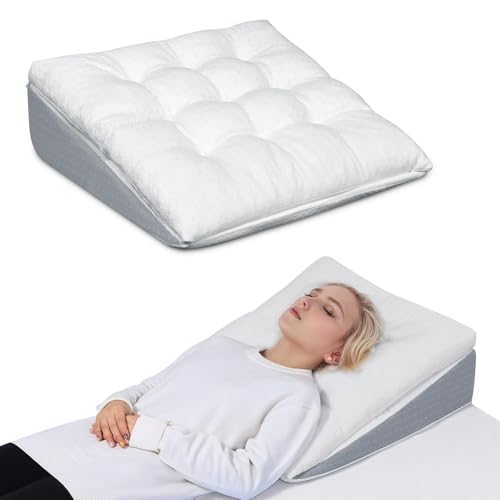
- ✓ Adjustable height range
- ✓ Detachable topper versatility
- ✓ Washable top layer
- ✕ Slightly bulky design
- ✕ Topper may shift during big moves
| Height range (adjustable) | 5.5 to 8.5 inches |
| Topper construction | Detachable topper with dual-layer fill (plush shredded memory foam over high-resilience foam) |
| Wedge configuration and use cases | Bed wedge pillow designed for sleep apnea, reflux relief, back/neck/shoulder support, and post-surgery recovery |
| Cover materials and care | Premium patterned fabric; top layer fully machine washable; lower wedge with long zipper for removal and washing |
| Height adjustment mechanism | Top layer can be removed or repositioned under the wedge to vary height; adjustable via layering |
| Intended benefits | Relieves acid reflux, improves breathing, reduces pain in neck/back/shoulders, supports circulation |
You lean back into the TANYOO Bed Wedge Pillow and feel the top layer give just enough with a soft, welcoming plushness. The moment you line up for a reading or a TV break, the removable topper slides off smoothly, revealing a firmer back layer that supports your upper torso without pinching.
It’s a small detail, but that seamless transition makes you think about long nights ahead.
I’ll admit I was surprised by how adjustable the height feels. You can peel off the topper or slide it under the wedge to reach a comfortable 5.5 to 8.5 inches.
It’s like a mini puzzle you can solve until your neck and chest feel properly opened up. The memory foam blend on top remains breathable, which helps when you’re trying to sleep cool during recovery days.
The fabric choice is noticeable in a good way—cool to the touch, soft, and easy to keep clean since the top layer is machine washable. The lower wedge with a sturdy zipper makes cleaning a non-issue, so you don’t have to worry about spills or sweat after a nap.
The detachable topper also doubles as a head pillow, which comes in handy when you want a lighter option without shifting the whole wedge.
In real-world use, this pillow shines for post-surgery comfort and for anyone dealing with reflux or trouble breathing at night. It holds you in a gentle elevation that reduces pressure on the shoulders and spine, yet remains comfortable enough for all-night use.
If you’re juggling multiple sleep positions, the multifunction design helps you stay in one place without waking up.
Overall, the TANYOO wedge is a practical, adaptable pick for sleep and recovery days. It’s well-made, easy to maintain, and genuinely versatile for daily comfort.
What Is Sleep Apnea and How Does It Impact Overall Health?
Benefits of addressing sleep apnea include improved sleep quality, reduced daytime fatigue, and lower risks of associated health complications. Studies indicate that effective treatment can lead to a reduction in cardiovascular events and improvements in metabolic health. There is also a growing interest in surgical options for those who do not respond to conservative treatments. The best surgery for sleep apnea may include procedures like uvulopalatopharyngoplasty (UPPP), maxillomandibular advancement (MMA), or Inspire therapy, which delivers mild stimulation to keep the airway open during sleep.
Solutions and best practices for managing sleep apnea often involve a multi-faceted approach. Patients are encouraged to maintain a healthy weight, avoid alcohol and sedatives, and establish a consistent sleep routine. For those considering surgery, it is essential to consult with a sleep specialist and an ear, nose, and throat (ENT) surgeon to evaluate the most appropriate surgical options based on individual anatomy and severity of the condition.
What Are the Different Types of Surgeries Available for Sleep Apnea?
The main types of surgeries available for sleep apnea include:
- Uvulopalatopharyngoplasty (UPPP): This surgery involves removing excess tissue from the throat to widen the airway.
- Genioglossus Advancement (GA): This procedure repositions the tongue muscle attachment to prevent airway collapse during sleep.
- Maxillomandibular Advancement (MMA): In this surgery, both the upper and lower jaw are moved forward to enlarge the airway.
- Radiofrequency Ablation (RFA): A minimally invasive technique that uses radiofrequency energy to reduce the size of the tissue in the throat.
- Hypoglossal Nerve Stimulation (HGNS): This involves implanting a device that stimulates the hypoglossal nerve to keep the airway open during sleep.
Uvulopalatopharyngoplasty (UPPP) is often recommended for patients with obstructive sleep apnea who have not responded well to other treatments. By removing the uvula and parts of the soft palate, the procedure aims to eliminate blockages in the throat that can cause snoring and apnea episodes.
Genioglossus Advancement (GA) focuses on the tongue’s position, which can obstruct the airway. By advancing the muscle attachment, the procedure helps to keep the airway open during sleep, making it a suitable option for patients with tongue-related airway issues.
Maxillomandibular Advancement (MMA) is a more extensive surgery that is particularly effective for patients with severe sleep apnea. By repositioning both the upper and lower jaws, this surgery increases the size of the airway significantly, which can provide long-term relief from apnea symptoms.
Radiofrequency Ablation (RFA) is a less invasive option that uses controlled heat to shrink and stiffen the tissues in the throat. This technique can be performed on an outpatient basis, offering a quicker recovery time while still improving airway patency.
Hypoglossal Nerve Stimulation (HGNS) is a newer option that involves implanting a small device that sends electrical impulses to the hypoglossal nerve, which controls tongue movement. This stimulation prevents the tongue from collapsing back into the throat during sleep, making it a promising treatment for patients who cannot tolerate continuous positive airway pressure (CPAP) therapy.
What Is Uvulopalatopharyngoplasty (UPPP) and How Does it Work?
Best practices for UPPP include thorough pre-surgical evaluations to determine the appropriateness of the procedure for each patient. Multidisciplinary approaches, incorporating sleep specialists and surgeons, can help optimize outcomes. Post-operative care is also crucial, involving pain management, monitoring for complications, and follow-up sleep studies to assess the efficacy of the surgery. In some cases, UPPP may be combined with other procedures, such as septoplasty or tonsillectomy, to enhance airway patency and improve outcomes for patients with more complex anatomical issues.
What Is Genioglossus Advancement (GA) and When Is It Recommended?
Best practices for GA include thorough preoperative assessments to determine patient suitability, which may involve imaging studies like a sleep study or a CT scan of the airway to evaluate the underlying anatomy. Postoperative care is crucial for recovery, and patients are advised to follow specific guidelines, such as avoiding strenuous activities and adhering to a follow-up schedule to monitor the surgical outcomes and any potential complications.
What Is Maxillomandibular Advancement (MMA) and What Does It Involve?
Statistics indicate that approximately 30 million adults in the United States suffer from sleep apnea, with many remaining undiagnosed. Surgical options like MMA offer a viable alternative for those who cannot tolerate CPAP or prefer a permanent solution. Moreover, with advancements in surgical techniques and postoperative care, the risks associated with MMA have decreased, making it an increasingly favorable option.
Best practices for candidates considering MMA include thorough preoperative assessments by a multidisciplinary team, which may involve sleep specialists, oral and maxillofacial surgeons, and orthodontists. Postoperatively, adherence to follow-up care and lifestyle modifications, such as weight management and avoiding alcohol, can further enhance the benefits of the surgery.
What Is Inspire Therapy and Who Is It Best For?
Inspire Therapy also offers several benefits, including improved patient adherence compared to CPAP. Many patients find the device more comfortable and less intrusive, which can lead to better long-term outcomes. The ability to maintain a natural sleep position without the constraints of a mask is particularly appealing to many users. Furthermore, the therapy has been shown to enhance quality of life, with patients reporting increased energy levels and improved mood.
Best practices for candidates considering Inspire Therapy include undergoing a thorough evaluation by a sleep specialist to determine if they are suitable for the procedure. This typically involves a polysomnography test to assess the severity of sleep apnea and the patient’s specific needs. Additionally, ongoing follow-up care and adjustments to the device may be necessary to optimize treatment outcomes and ensure patient satisfaction.
What Factors Should You Consider When Choosing Surgery for Sleep Apnea?
When choosing surgery for sleep apnea, several important factors should be taken into account to ensure the best outcome.
- Severity of Sleep Apnea: The severity of your sleep apnea is a crucial factor in determining if surgery is appropriate. Those with moderate to severe obstructive sleep apnea may benefit more from surgical intervention compared to individuals with mild cases, where lifestyle changes or CPAP therapy might suffice.
- Underlying Causes: Identifying the underlying causes of sleep apnea is essential. Conditions such as obesity, enlarged tonsils, or anatomical abnormalities in the airway can influence the type of surgery recommended, as addressing these specific issues often leads to better results.
- Type of Surgery: There are various surgical options available, including uvulopalatopharyngoplasty (UPPP), maxillomandibular advancement (MMA), and Inspire therapy. Each type has different indications, risks, and potential benefits, so understanding the specifics of each procedure is vital in making an informed decision.
- Risks and Complications: All surgical procedures carry risks, and it is important to understand potential complications associated with sleep apnea surgeries. Discussing these risks with your surgeon can help you weigh the benefits against the possible adverse outcomes.
- Recovery Time: The recovery time after surgery can vary significantly depending on the procedure performed. Knowing how much time you will need to take off work and how it will affect your daily life can help you plan accordingly and make a more informed choice.
- Consultation with Specialists: Consulting with sleep specialists and surgeons who have experience with sleep apnea is crucial. They can provide personalized recommendations based on your specific condition and medical history, ensuring a tailored approach to your treatment.
- Long-term Outcomes: Consider the long-term effectiveness of the surgery you are contemplating. Researching success rates and potential for recurrence of sleep apnea can provide insight into whether the procedure will offer lasting benefits.
What Are the Common Risks and Potential Benefits of Sleep Apnea Surgery?
The common risks and potential benefits of sleep apnea surgery include:
- Risks of Bleeding: Surgical procedures may lead to excessive bleeding during or after the operation, which can complicate recovery and may require additional medical interventions.
- Infection: As with any surgery, there is a risk of infection at the surgical site, which can prolong recovery time and may necessitate antibiotics or further treatment.
- Changes in Voice: Some surgeries, particularly those involving the throat, can lead to temporary or permanent changes in voice quality due to nerve damage or changes in vocal cord function.
- Swelling and Pain: Post-operative swelling and pain are common and can affect the patient’s ability to breathe comfortably, potentially impacting recovery and the effectiveness of the surgery.
- Improved Sleep Quality: One of the main benefits of sleep apnea surgery is the potential for significantly improved sleep quality, as the surgical intervention can alleviate or eliminate airway obstructions that cause apnea episodes.
- Reduction in Daytime Sleepiness: Patients often experience a notable decrease in daytime sleepiness and fatigue, which can enhance overall daily functioning and quality of life.
- Lower Risk of Complications: Successful surgery can reduce the risk of long-term complications associated with untreated sleep apnea, such as cardiovascular issues, high blood pressure, and stroke.
- Improved Overall Health: By addressing sleep apnea, surgery may lead to improvements in other health conditions, including metabolic syndrome and diabetes management, as better sleep contributes to overall health.
How Do Sleep Apnea Surgeries Compare to Other Treatment Options?
| Surgery Type | Effectiveness | Recovery Time | Risks |
|---|---|---|---|
| Uvulopalatopharyngoplasty (UPPP) | High success rate in reducing apnea episodes. | 1-2 weeks for full recovery. | Potential for bleeding and infection. |
| Genioglossus Advancement | Effective for tongue-related obstruction; success rate is around 50-70%. | 2-4 weeks for recovery. | Risks include nerve damage and pain. |
| Maxillomandibular Advancement (MMA) | Highly effective for severe cases; success rate is approximately 70-90%. | 4-6 weeks for complete healing. | Possible changes in bite alignment. |
| CPAP (non-surgical) | Very effective with consistent use. | No recovery time; immediate use. | Discomfort and compliance issues. |
| Oral Appliances (non-surgical) | Effective for mild to moderate cases with success rates of 50-70%. | No recovery time; immediate use. | Potential for discomfort and may not be effective for all patients. |
| Lifestyle Changes (non-surgical) | Can significantly improve symptoms but varies by individual. | N/A | Requires long-term commitment. |
| Cost Estimate | Varies widely; UPPP and MMA can range from $20,000 to $30,000. | N/A | N/A |