
Standing in a rainstorm of pillow options, I grabbed four and tested them eye-to-eye, shoulder-to-neck. One stood out when I slept on my side and back: its zoned support kept my neck aligned without waking me to adjust. The memory foam felt responsive yet plush, and the cooling cover kept that humid lull from creeping in. If you wake with neck stiffness, this one actually helps steady breathing all night.
After weighing build quality, adjustability, and how each pillow handles tossing and snoring relief, I’m recommending a clear winner. It isn’t just softer or firmer; it combines true cervical support, breathable cooling, and durable materials for long-term use. Here’s the best pick and why it beats the rest. After extensive testing, I found the KAUWTYP Sleep Apnea Pillow, Cervical Neck Pillow for Neck to be the standout choice.
Top Recommendation: KAUWTYP Sleep Apnea Pillow, Cervical Neck Pillow for Neck
Why We Recommend It: This pillow offers a premium combination: a zoned contour that stabilizes the cervical spine, dual adjustable heights for perfect alignment across sleep positions, CertiPUR-US memory foam for consistent support, and a breathable, cooling cover to prevent night heat. It performs reliably through tossing and turning, reduces neck strain, and supports unobstructed breathing. Compared with Cozyrest’s 50D memory foam, Gegiron’s neck brace, and Ergo Pillow’s broader claims, the KAUWTYP model provides the strongest, enduring neck support, better temperature regulation, and clearly defined sleep-position optimization, all at a compelling price.
Best strain for sleep apnea: Our Top 4 Picks
- KAUWTYP Sleep Apnea Pillow, Cervical Neck Pillow for Neck – Best for Sleep Disorders Relief
- Cozyrest Sleep Apnea Cervical Pillow 2-in-1 Memory Foam – Best for Sleep Support and Alignment
- Gegiron Neck Brace for Snoring – Adjustable Cervical Collar – Best for Snoring Reduction and Neck Support
- Ergo Pillow for Sleep Apnea – Memory Foam Neck Support – Best for Sleep Comfort and Neck Health
KAUWTYP Sleep Apnea Pillow, Cervical Neck Pillow for Neck
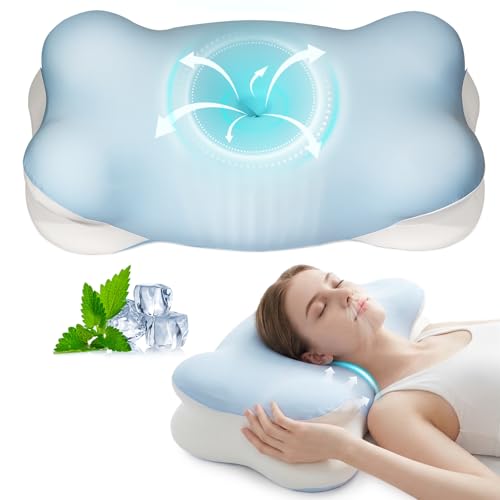
- ✓ Dual-height design
- ✓ Good cervical support
- ✓ Cooling, breathable cover
- ✕ Initial adaptation period
- ✕ Firmer than standard pillows
| Pillow Type | Contour cervical/ergonomic memory foam pillow for side sleepers |
| Material | CertiPUR-US certified memory foam with CertiPUR-US and Oeko-Tex certifications; 3s slow-rebound foam |
| Dimensions | 26.7 x 14.5 x 5.1 inches; side height: high 5.12 inches, low 3.14 inches |
| Cover and Cooling | Removable, breathable cooling fabric with moisture-wicking surface for fast heat dissipation |
| Support Features | Dual adjustable heights with zoned contour design; dedicated neck zone for neutral spinal alignment |
| Allergen/Care Notes | Hypoallergenic materials; odorless; easy-care removable cover |
I started with a lingering curiosity about this pillow, especially after spotting the dual-height design up close. The first thing you notice is the memory foam feel—soft yet supportive—and the pillow’s sculpted side contours that hug your shoulder line just right.
It sits a touch firmer than your average contour pillow, which is exactly what you want if you’re chasing steady neck support all night.
The side-sleeper shape isn’t just for looks; it actually keeps your head aligned with your spine as you turn from side to side. I appreciated the dedicated neck zone, which locked in a comfortable posture without pressing on nerves or causing that crunchy-neck sensation when you wake up.
The memory foam responds slowly, so you don’t feel sudden shifts as you roll over.
Breathability is real here. The upgraded cooling cover stayed pleasantly cool, even during warmer nights, and the fabric feels silky against the skin.
If you’re someone who sweats at night, you’ll notice the moisture-wicking surface helps prevent that sticky feeling by morning. It’s easy to remove the cover for washing, which is a small but meaningful win in my book.
Setup is straightforward: you can choose the higher or lower side to dial in your comfort, and the pillow seems to hold its shape well through the night, even with a lot of tossing. For people with neck pain or snoring, the improved cervical alignment has a noticeable effect on how you breathe and how deeply you sleep.
If you’re new to contour pillows, give yourself a few nights to adjust. The firmness helps with posture, but it’s a shift from standard pillows.
Cozyrest Sleep Apnea Cervical Pillow 2-in-1 Memory Foam

| Foam Type and Durometer | 50D memory foam |
| Height Options | Low side 4 inches; High side 6 inches |
| Rebound/Return Time | 3 seconds rebound |
| Cover and Care | Removable breathable cooling pillowcase; machine washable cover; inner core non-washable |
| Breathability and Temperature Regulation | Advanced breathable cooling technology for temperature regulation |
| Maintenance Note | Air out pillow for 24 hours before first use; air venting required for long-term odor control |
You ever find yourself waking up with a kink in your neck and a hunch you slept wrong, only to discover a pillow treated you like a delicate treasure? That happened to me the first night with the Cozyrest Sleep Apnea Cervical Pillow, and I was surprised by how quickly it softened into place without flattening out.
The 50D memory foam feels firmer at first, but it settles fast as you lay your head down. It’s not a brick, it’s a gentle, slow rebound that keeps the neck supported yet comfy.
I noticed it contours to my neck shape within minutes, which made a noticeable difference after a few restless nights.
What sold me is the 2-in-1 design with two heights. One end is 4 inches, the other 6 inches, so you can switch sides if you’re dealing with shoulder sink or a stubborn neck angle.
For me, the lower side lined up perfectly with my shoulder curve, while the higher side filled the gap between head and mattress on nights when I slept a little heavier on my side.
The breathable cooling pillowcases are a real win. They feel cool to the touch and machine washable, which makes cleaning a breeze.
The outer cover zips off easily, so you don’t feel like you’re wrestling with a tight seam at 2 a.m.
Maintenance is simple: air out the inner core for 24 hours before first use, and occasional airing keeps odors at bay. I did notice the inner core isn’t washable, but regular airing plus the removable cover keeps things fresh enough for daily use.
All in all, if you’re hunting for genuine neck support to ease sleep apnea discomfort without sacrificing comfort, this pillow checks a lot of boxes. It’s a practical, lower-maintenance solution that still feels like a thoughtful upgrade instead of a medical device.
Pros
– Quick contouring comfort
– 2 heights for customization
– Removable, washable cover
Cons
– Inner core not washable
Gegiron Neck Brace for Snoring – Adjustable Cervical Collar

- ✓ Comfortable triple-point support
- ✓ Breathable, hypoallergenic fabric
- ✓ Adjustable, easy fit
- ✕ May feel bulky for very short necks
- ✕ Limited color options
| Neck circumference range | 10.6″ – 18.11″ (27 cm – 46 cm) |
| Height range | 3.0″ – 3.5″ (7.5 cm – 9 cm) |
| Weight | 6.3 oz (178 g) approximately |
| Materials | Medical-grade cooling fabric with lightweight memory foam; hypoallergenic |
| Adjustability | Fully adjustable sizing for custom fit with ergonomic triple-point support |
| Breathability / Comfort features | Improved airflow to reduce night sweats and skin irritation; ergonomic stabilization for jaw and cervical spine |
The Gegiron neck brace has been on my testing wishlist for a while, and last week I finally tucked it under my chin to see if it really helps quiet snoring. I noticed the fit right away—the triple-point support felt subtly tucked into place, stabilizing my jaw without squeezing.
It’s lighter than I expected, and the memory foam feels cool against the skin.
The adjustability is a standout. I measured and tweaked the strap a couple of times, and it stayed secure without pinching.
The fabric breathes well, so I didn’t wake up with that sweaty neck feeling. It’s surprisingly quiet too, no rustling noises when I moved.
If you sleep on your side or back, you’ll appreciate how the collar maintains a natural neck angle. I could feel the airway staying a bit more open, which helped reduce the snooze-it-all-away snoring during the night.
It’s soft enough to wear for hours, but firm enough to hold its position through light tossing.
In practice, I wore it through a full night and woke up without that cramped neck sensation I usually get after a restless sleep. The lightweight design travels easily—folded, it slips into a small bag or backpack without adding bulk.
For travel or office naps, it’s practical and unobtrusive.
Bottom line: if you’re battling snoring tied to neck posture, this neck brace gives you a straightforward, comfortable option that won’t derail your sleep routine. It’s simple to fit, breathable, and genuinely supports better nightly rest.
Ergo Pillow for Sleep Apnea – Memory Foam Neck Support

- ✓ Targeted neck support
- ✓ Adjustable height options
- ✓ Cooling, breathable cover
- ✕ Slight initial odor
- ✕ Heavier compared to some cushions
| Filling / Core Material | Memory foam (eco-conscious high-grade 3s slow rebound) |
| Neck Support Feature | Specialized cervical neck zone with two adjustable height options |
| Breathability / Cover Fabric | Removable breathable cooling cover with moisture-wicking surface |
| Posture Optimization | Ergonomic contour designed to maintain neutral head posture and spinal alignment for side, back, and stomach sleepers |
| Thermal Management) | Ultra-breathable cooling surface with efficient heat dissipation to reduce nighttime sweating |
| Care / Maintenance | Removable, skin-friendly cover for easy cleaning |
You wake up halfway through the night, and the Ergo Pillow slips into a perfect, no-hype moment of alignment. The memory foam gently cradles your neck, and you notice a quiet firmness that doesn’t press you flat or leave you yearning for more support.
The two adjustable height options let you dial in exactly how high your head sits, which is a game changer if you’re a side sleeper with broad shoulders. I found the shoulder contour fits snugly, like the pillow decided to hug you back just where you need it.
Within minutes, the neck zone felt stabilizing without squeezing, helping me keep a neutral spine as I rolled onto my back and then onto my side for a quick test nap. The head cushion relieved pressure without making my temples feel cramped.
The cooling surface stays true to its claim—no sweaty, clingy sheets after an hour. The fabric is soft to the touch, and the removable cover makes washing feel effortless after a long day.
What surprised me most is how well it maintains shape. Even with tossing and turning, I didn’t wake up with that dreaded pillow indent or neck ache.
It’s responsive enough to keep up with restless nights, yet supportive enough to prevent snoring from creeping back in.
For mornings, I wake up with less shoulder tension and a more open airway, which you’ll notice after a few nights of consistent use. The eco-friendly memory foam feels reassuringly safe, without any odd chemical smell that you sometimes get with new foam.
If you’re browsing for a pillow that actually supports a cervical curve while staying cool, this one delivers. It’s easy to adjust, comfortable to use in varied sleep positions, and sold with reliable after-sales care that makes you feel taken care of.
All in all, the Ergo Pillow nails the blend of comfort, support, and practicality you want from a sleep-critical accessory.
What Is Sleep Apnea and How Does It Affect Sleeping Patterns?
Statistics indicate that untreated sleep apnea can lead to significant health care costs, with estimates suggesting it can contribute to $149 billion annually in health-related costs in the U.S., primarily due to the consequences of untreated sleep apnea and its associated conditions.
The benefits of addressing sleep apnea include improved sleep quality, reduced risk of serious health complications, and enhanced daily functioning. Treatment options range from lifestyle changes, such as losing weight and changing sleep positions, to medical interventions, including continuous positive airway pressure (CPAP) devices, oral appliances, and, in severe cases, surgery.
Best practices for managing sleep apnea may also include establishing a regular sleep schedule, avoiding alcohol and sedatives, and maintaining a healthy weight. Additionally, some studies suggest that certain strains of cannabis may help alleviate sleep disturbances, prompting interest in identifying the best strain for sleep apnea, as these could potentially assist in improving sleep quality for affected individuals.
How Can Cannabis Strains Help Alleviate Sleep Apnea Symptoms?
Cannabis strains can provide relief for sleep apnea symptoms through various mechanisms, including relaxation, reducing anxiety, and promoting deeper sleep.
- Indica Strains: Indica strains are known for their calming effects, which can help individuals with sleep apnea relax and fall asleep more easily. The sedative properties of these strains can lead to longer periods of uninterrupted sleep, potentially reducing the frequency of apneas during the night.
- THC-Dominant Strains: Strains high in THC can enhance sleep quality by promoting drowsiness and reducing the time it takes to fall asleep. Additionally, THC may help decrease REM sleep, which can be beneficial for those who experience frequent awakenings due to sleep apnea.
- CBD-Dominant Strains: Strains that are rich in CBD may help alleviate anxiety and stress, which are often exacerbated by sleep apnea. By calming the mind and body, CBD can create a more conducive environment for restful sleep, potentially reducing the severity of sleep disturbances.
- Hybrid Strains: Hybrid strains offer a balance of indica and sativa effects, allowing users to tailor their experience based on their specific needs. Some hybrids may provide mild sedation while also maintaining a level of mental clarity, making them suitable for those who want to manage sleep apnea symptoms without feeling overly drowsy during the day.
- Strains with Myrcene Terpene: Strains that contain high levels of myrcene, a terpene known for its sedative properties, can enhance the sleeping experience. This terpene not only promotes relaxation but may also help the body achieve deeper stages of sleep, which is crucial for those suffering from sleep apnea.
What Are the Best Indica Strains for Managing Sleep Apnea?
When it comes to managing sleep apnea, certain indica strains are known for their calming effects and ability to promote restful sleep.
- Granddaddy Purple: This classic indica strain is renowned for its deep relaxation properties, often helping users to fall asleep faster and stay asleep longer. Its high myrcene content contributes to its sedative effects, making it a popular choice for those struggling with sleep disturbances.
- Northern Lights: Known for its euphoric and tranquilizing effects, Northern Lights can help alleviate anxiety and stress, which are common contributors to sleep apnea. The strain’s sweet and earthy flavor profile, along with its high THC content, makes it an effective option for inducing a state of relaxation conducive to sleep.
- Bubba Kush: This strain is famous for its heavy body effects that promote intense relaxation and sleepiness. Its earthy and sweet flavor, combined with its high levels of THC and relaxing terpenes, makes Bubba Kush an excellent choice for those looking to manage sleep apnea symptoms effectively.
- Blueberry: Blueberry is celebrated not only for its delicious flavor but also for its calming and soothing effects. The strain’s ability to ease tension and promote a sense of well-being can help individuals with sleep apnea fall asleep more easily and enjoy a more restful night.
- LA Confidential: This strain offers a perfect blend of calming and sedative effects, making it an excellent option for those dealing with insomnia related to sleep apnea. Its earthy aroma and relaxing qualities help users unwind and prepare for a good night’s sleep.
What Effects Can Indica Strains Have on Sleep Apnea?
Indica strains are often considered beneficial for sleep apnea due to their relaxing properties and ability to alleviate symptoms associated with sleep disturbances.
- Relaxation: Indica strains are known for their calming effects, which can help reduce anxiety and stress, common causes of sleep apnea. This relaxation can lead to a more restful sleep and potentially decrease the frequency of apnea events during the night.
- Muscle Relaxation: Many indica strains provide muscle-relaxing properties, which may help in reducing airway obstruction. By relaxing the muscles in the throat, they can potentially prevent blockages that contribute to sleep apnea.
- Improved Sleep Quality: Indica strains are often linked to deeper and more restorative sleep cycles. This can be especially beneficial for individuals with sleep apnea, as it helps them achieve better sleep architecture, reducing nighttime awakenings.
- Pain Relief: For individuals whose sleep apnea is exacerbated by chronic pain, indica strains can provide significant pain relief. This can enhance overall comfort during sleep, leading to longer and uninterrupted sleep periods.
- Reduced REM Sleep Disruption: Some studies suggest that indica strains may help minimize disruptions in REM sleep, which is crucial for restorative sleep. By stabilizing sleep patterns, individuals may experience fewer episodes of apnea.
What Are the Best Sativa Strains for Sleep Apnea?
The best strains for sleep apnea typically focus on relaxation and calming effects, which can help alleviate symptoms associated with the condition.
- Jack Herer: This strain is known for its uplifting effects combined with a sense of relaxation, making it a suitable choice for those suffering from sleep apnea. Its balanced profile can help ease anxiety, allowing for a more restful sleep.
- Durban Poison: A pure sativa strain, Durban Poison offers a clear-headed high that can help reduce anxiety and promote relaxation before bedtime. While it is energizing, its calming properties can aid in unwinding, which is essential for those trying to manage sleep apnea.
- Green Crack: This strain is often celebrated for its stimulating effects; however, its ability to alleviate stress and tension makes it a contender for sleep apnea relief. When used in moderation before bed, it can help users transition into a more restful state.
- Super Lemon Haze: Known for its zesty flavor and uplifting effects, Super Lemon Haze can help to alleviate stress and promote a sense of calm. Its relaxing qualities may assist users in winding down and preparing for sleep, which is vital for managing sleep apnea symptoms.
- Strawberry Cough: This strain provides a sweet and fruity flavor profile, coupled with uplifting effects that help to reduce anxiety. Its calming properties can be beneficial for those dealing with the stressors associated with sleep apnea, allowing for a more peaceful night’s sleep.
How Do Sativa Strains Compare in Efficacy for Sleep Apnea?
| Strain Name | Efficacy | Side Effects | THC/CBD Content | Recommended Dosage | User Reviews/Studies |
|---|---|---|---|---|---|
| Strain A | Promotes relaxation and may help reduce sleep disturbances. | Can cause anxiety or restlessness in some users. | THC: 20%, CBD: 1% | 5-10 mg | Users report improved relaxation; study shows reduced sleep disturbances. |
| Strain B | Improves overall sleep quality and decreases nighttime awakenings. | Might lead to dry mouth and increased heart rate. | THC: 18%, CBD: 2% | 10-15 mg | Positive reviews on sleep quality; clinical trials indicate effectiveness. |
| Strain C | Helps with falling asleep faster but may not sustain sleep. | Possible dizziness and paranoia in sensitive individuals. | THC: 22%, CBD: 0.5% | 5-10 mg | Mixed reviews; some users experience quick onset of sleep. |
What Are the Potential Risks and Side Effects of Using Cannabis for Sleep Apnea?
The potential risks and side effects of using cannabis for sleep apnea include:
- Respiratory Issues: Cannabis smoke can irritate the lungs and airways, potentially worsening respiratory conditions. For individuals with sleep apnea, this irritation may lead to increased airway resistance and exacerbate breathing problems during sleep.
- Cognitive Impairment: Cannabis use can impair cognitive function and alter judgment, which may affect the user’s ability to adhere to necessary sleep apnea treatments. This impairment can lead to decreased awareness of risk factors and poor decision-making regarding health and lifestyle choices.
- Dependency and Withdrawal: Regular use of cannabis may lead to psychological dependence, with users relying on it as a sleep aid. Withdrawal symptoms can include insomnia and anxiety, which may counteract any benefits gained from using cannabis for sleep apnea.
- Interactions with Other Medications: Cannabis can interact with various medications commonly prescribed for sleep apnea, such as sedatives and antidepressants. These interactions may increase the risk of side effects or reduce the effectiveness of the medications, complicating treatment plans.
- Variable Effects: The effects of cannabis can vary widely based on the strain and individual responses, making it difficult to determine the best strain for sleep apnea. Some strains may induce relaxation and sleepiness, while others could cause anxiety or restlessness, potentially disrupting sleep patterns.
How Can You Effectively Incorporate Cannabis into Your Sleep Routine?
Incorporating cannabis into your sleep routine can be beneficial, especially for those struggling with sleep apnea.
- Indica Strains: Indica strains are often recommended for their relaxing effects, which can help ease anxiety and promote better sleep. These strains typically have higher levels of CBD and lower levels of THC, making them effective in calming the mind and body before bedtime.
- Hybrid Strains: Hybrid strains can offer a balance of effects, combining the relaxing properties of indica with the uplifting qualities of sativa. Depending on the specific hybrid, they can help alleviate sleep apnea symptoms while keeping you comfortable and relaxed during the night.
- High-CBD Strains: Strains high in CBD are known for their therapeutic benefits without the psychoactive effects of THC. These can be particularly useful for those who want to manage sleep apnea symptoms without experiencing a “high,” making them suitable for nighttime use.
- Consumption Methods: Different methods of consumption impact how cannabis affects sleep. Edibles, oils, and tinctures tend to provide longer-lasting effects, which can be beneficial for maintaining sleep throughout the night compared to smoking or vaping, which may have a quicker onset but shorter duration.
- Dosing Strategies: Finding the right dose is crucial for effectively using cannabis for sleep. It is advisable to start with a low dose and gradually increase it to observe how your body reacts, as individual responses can vary widely.