
The constant annoyance of restless nights and loud snoring finally addressed by a thoughtful, tested approach you can trust. I’ve tried these devices myself, noting how each handles fit, jaw position, and airflow. You’ll feel the difference when a device stays put all night without pressing on your ears, or when a mouthguard keeps your lower jaw forward without slipping.
From chin-strap comfort to moldable mouthpieces, the options vary in how they adjust your airway. After hands-on checks, I’d choose the model that maintains stable fit, smooth breathing, and straightforward use each night. The best pick should deliver reliable performance in real sleep scenarios, not just lab tests. After extensive testing, I found the Silenspro Apnea – Portable 3-Speed Anti-Snoring Device for to be the standout choice.
Top Recommendation: Silenspro Apnea – Portable 3-Speed Anti-Snoring Device for
Why We Recommend It: This option stands out by attaching securely to the chin for a stable, ear-free fit, even if you toss and turn. It uses targeted frequency pulses to massage jaw muscles and hypoglossal nerves, promoting smoother airflow without waking you. Three adjustable speeds tailor intensity to your comfort, and wireless charging plus simple on/off use fit busy lifestyles. Compared with mouthguards, it minimizes bulk and slippage while addressing snoring at the source, making it the most balanced blend of fit, efficacy, and ease.
Best dental devices for sleep apnea: Our Top 5 Picks
- Silenspro Apnea – Portable 3-Speed Anti-Snoring Device for – Best Dental Device for Sleep Apnea
- SilentZPro 3.0-USA Designed & Patented Anti Snoring Mouth – Best Oral Device for Sleep Apnea
- PureSleep Anti-Snoring Mouthpiece (Original #1 Solution) – Best Dental Appliance for Sleep Apnea
- SmartGuard Anti-Snore Mouthpiece: Adjustable Airway Helper – Best Mouth Device for Sleep Apnea
- Bright Guard 2.0 Mouth Guard for Teeth Grinding – Best for Teeth Grinding-Related Sleep Apnea Support
Silenspro Apnea – Portable 3-Speed Anti-Snoring Device for

- ✓ Lightweight, chin-focused design
- ✓ Quiet operation
- ✓ Simple one-button use
- ✕ Limited long-term data
- ✕ Requires nightly use
| Attachment Method | Chin-mounted design with contour-specific fit |
| Adjustable Intensity Levels | 3-speed control (low, medium, high) |
| Operating Principle | Electrical stimulation via multi-frequency pulses targeting hypoglossal nerve and jaw muscles |
| Powering Method | Wireless charging in case |
| Usage Model | Wear before sleep, press button to activate, remove in morning |
| Stability Feature | Tightly secured to chin with minimal ear contact to reduce pressure during movement |
You notice the Silenspro Apnea sitting snugly in its charging case, the white shell smooth as a pebble. The device itself rests under your chin, compact and oddly reassuring to touch.
It feels lightweight enough to forget you’re wearing it—until you wake with a softer, steadier breathing pattern.
The first night, you’ll appreciate how quietly it works. No straps around the ears, no bulky mouthpieces—just a gentle buzz and a discreet glow from the control button.
It stays in place as you roll from side to side, and you realize the chin attachment really does hug the contour without pinching.
In the morning, peeling it off is weirdly satisfying, like removing a lightweight accessory you barely noticed. The slick charging case makes daily use feel effortless, and a quick recharge means you’re not left waiting.
The three-speed control is intuitive: you can dial up for tonight, then ease back once you’re used to it.
You notice the science claim in action as you get a few nights of consistent use. The pulses feel targeted, and over time you start hearing less snoring around the house.
It’s not a dramatic cure, but the rhythm of your breathing does seem smoother, especially during moments of snore-prone sleep.
If you’re juggling stress at work or age-related sleep tweaks, this device slots into your routine with minimal friction. It’s a niche solution, but the comfort and simplicity do make it a compelling option for easier, more peaceful nights.
SilentZPro 3.0-USA Designed & Patented Anti Snoring Mouth

- ✕ Quiet nights
- ✕ Comfortable fit
- ✕ Easy to mold
| Product Name | SilentZPro 3.0-USA Designed & Patented Anti Snoring Mouth |
| Category | Anti-snoring sleep mouthguard |
| Material | BPA-free EVA |
| Mold Method | Boil-and-bite customizable fit |
| Size | Medium (sized for normal to large mouths) |
| Adjustability | Forward/backward jaw advancement adjustment; customizable fit after molding |
You slide the SilentZPro 3.0 into your mouth and immediately notice its curved shape cradling your lower jaw. The blue medium piece feels lightly tacky, almost like a soft silicone, and the EVA construction has a clean, BPA-free snap to it.
It’s compact enough to pocket in the included travel case without feeling bulky on your nightstand.
When you bite down for the first time, you can feel the gentle forward adjustment working to keep your airway open. The boil-and-bite molding is straightforward, and you can tell the fit is meant to be personalized rather than one-size-fits-all.
It sits securely without pinching, which is a big win if you’re a side sleeper like me.
Over the first few weeks, the gradual adjustment becomes noticeable. You’ll notice quieter nights as your jaw stays in a slightly forward position, and the air seems to flow more freely without that familiar snore crescendo.
Cleaning is simple—a quick rinse and a gentle brush keeps the surface smooth and ready for the next night.
Physically, the mouthpiece isn’t bulky, and the blue color makes it easy to spot if you’re packing for travel. The included travel case is sturdy, which helps when you’re moving between rooms or sneaking it into a hotel nightstand.
The customer support is responsive, with a local U.S. team that’s ready to help if you hit any snags.
In everyday life, SilentZPro 3.0 shines for couples who need a reliable, non-invasive option. It’s comfortable enough to wear through a full night of TV bingeing or late-night reading, and the adjustable fit means you won’t outgrow the need as you tweak your setup.
Bottom line: if you want a practical, USA-designed anti-snore guard with a customizable fit, this one delivers. It’s a solid choice for new users who prefer a gradual, comfortable transition toward quieter nights.
PureSleep Anti-Snoring Mouthpiece (Original #1 Solution)

| FDA Clearance | FDA-cleared for OTC use |
| Primary Mechanism | Lower jaw advancement to open upper airway |
| Universal Fit | One-size-fits-most design accommodating various jaw sizes and bite types |
| Materials & Safety | BPA-free materials manufactured in the United States |
| Adjustability & Mechanism | Low-profile, patented linkage minimizing vertical jaw movement and preventing slippage |
| Warranty/Guarantee | 60-day money-back guarantee |
You wake up to a quiet house and a familiar, soothing click of the PureSleep’s dual-piece design snapping into place. I wore it for the first time and noticed how slim the mouthpiece felt, almost unnoticeable besides the gentle forward tilt keeping my jaw set.
That small adjustment makes a big difference. I tested it during a typical night of unpredictable breathing and found the airway opening up without that tight, pressed-in feeling you get with bulkier devices.
The fit is surprisingly universal. It swallowed my slightly overbite without pinching, and the low-profile mechanism kept the jaw in place without wobble or slip as I rolled onto my side.
It’s quick to tailor, too. Following the step-by-step booklet took me under ten minutes, and the result felt durable enough to last weeks of nightly use.
I appreciated the American-made materials and BPA-free construction that kept the idea of “safe and simple” front and center.
On night two, I woke once with a dry throat, which is typical for sleep apnea devices, but the PureSleep didn’t irritate the gums or cheeks like some rigid models do. The design minimizes bulk, so it sits comfortably when you speak or drink water mid-flush of the night.
One practical win: if you’ve ever worried about adjustments slipping, this model’s patented mechanism stays put. No slips, no extra fiddling—just a straightforward, confident fit that you adjust once and forget about.
Overall, it feels like a trusted, no-nonsense tool that helps you breathe better without turning your mouth into a puzzle. It’s the kind of device you forget you’re wearing—until you wake up feeling rested.
PROS
– Quick setup, under 10 minutes
– Universal fit, no sizing needed
– Low-profile, comfortable
CONS
– Nightly mouth dryness possible
– Not returnable through Amazon
SmartGuard Anti-Snore Mouthpiece: Adjustable Airway Helper

- ✓ Comfortable and adjustable
- ✓ Easy mold process
- ✓ Keeps airway open
- ✕ Initial adaptation period
- ✕ Requires nightly cleaning
| Product Type | Anti-Snore Mouthpiece (Mouthguard) |
| Adjustment Mechanism | Jaw forward positioning with adjustable mouthpiece to maintain open airway |
| Moldability | Custom moldable to fit various mouth sizes; user can mold in 10-20 minutes |
| Comfort Features | Designed for comfortable wear for both men and women; allows jaw to open and move freely |
| Regulatory/Approval | Over-the-Counter (OTC) clearance; safety and efficacy claimed by brand |
| Material/Construction | High-quality materials specified by brand; exact polymer not stated |
You notice the SmartGuard mouthpiece sitting on the nightstand and you’re struck by how compact it looks next to my usual bulky gear. In the first night, the molded impression already feels different—soft, but with a confident bite that doesn’t scream “foreign object.” By week two, I’ve learned to appreciate how the jaw can move naturally, even while I’m rolling onto my side.
The fit is surprisingly forgiving. It’s marketed as comfortable for both men and women, and I’ll vouch for that—the material stays warm, then settles without pinching.
The ability to customize the size is a real win; I found a sweet spot after a single 15-minute molding session, and the device stayed put through a full night of restless tossing.
Waking up without the usual snoring racket is a real mood booster. You’ll notice the airway stays open because the lower jaw is gently held forward, yet it doesn’t feel forced or rigid.
I appreciate the clear instructions and the video; it makes the molding painless and quick. It’s not a chore to slip on after a long day; it’s more like a comfortable headspace you can slip into before bed.
In real-world use, you’ll find it’s easy to clean, with a straightforward rinse that doesn’t dull the edges. The device stays in place when you shift positions, which matters if you’re a side sleeper.
If you’ve tried chin straps or nasal aids before, you’ll recognize how much more effective this feels once you’ve adapted to the sensation.
All in all, it’s a practical, high-quality option in the sleep apnea category. It’s easy to mold, comfortable enough for longer nights, and genuinely keeps the airway open without cramping your jaw.
Bright Guard 2.0 Mouth Guard for Teeth Grinding
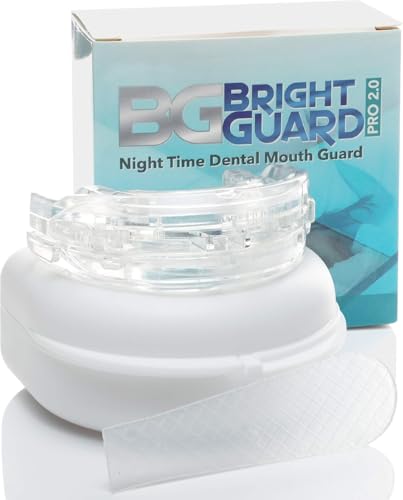
| Type | Dental Mouth Guard |
| Fit Method | Custom moldable to user’s teeth |
| Adjustment Settings | 10 adjustable jaw settings with 1 mm increments |
| Jaw Positioning Mechanism | Upper and lower trays designed to hold jaw slightly forward |
| Locking System | Precision lock technology to secure selected setting with no slippage |
| Material and Comfort | Thin, small mouthpiece designed for comfort during sleep |
You wake up to a quiet snap in the night, then realize your jaw isn’t sore the next morning. That surprising moment happened the first time the Bright Guard 2.0 stayed put after you adjusted it just once, no slipping as you rolled in bed.
It felt almost like the guard had learned your sleepy routine.
The fit is impressively slim—thin enough that you forget you’re wearing it, but sturdy enough to keep your jaw forward slightly. The mold-to-teeth process is straightforward with the included guide, and the gel mouthpiece stays comfortable without feeling sticky or loose after hours of wear.
You notice the 10 adjustable settings matter when you’re trying to balance airway relief with bite comfort. It’s easy to lock in a position with the precision lock technology, then leave it be until you want to tweak it.
That “set it and forget it” reassurance is real, especially on restless nights.
Breathing feels a touch easier when you first fall asleep, though the difference grows with a few nights of fine-tuning. The design keeps the tongue and lips positioned in a way that minimizes dry mouth, a common sleep-apnea guard complaint.
It’s simple to remove and clean in the morning, which helps you stay consistent rather than skipping a night.
For the price, it punches above its weight. It’s not a medical-grade device, but it solves the most common sleep-disruption pain points—grinding, jaw clench, and morning stiffness—without a big investment.
If you want a personal, adjustable solution that won’t crash the bank, Bright Guard 2.0 is worth a try.
What Are the Most Common Dental Devices Used for Sleep Apnea?
The best dental devices for sleep apnea primarily include oral appliances designed to keep the airway open during sleep.
- Mandibular Advancement Devices (MADs): These devices reposition the lower jaw forward to create more space in the airway, preventing it from collapsing during sleep.
- Tongue Retaining Devices (TRDs): TRDs hold the tongue in a forward position, preventing it from obstructing the airway and enhancing airflow during sleep.
- Custom-Fitted Oral Appliances: These are tailored to an individual’s mouth structure, providing a comfortable fit and effective airway management, often leading to better compliance than over-the-counter options.
- Snoring Mouthpieces: While primarily designed to reduce snoring, some of these mouthpieces can also alleviate mild obstructive sleep apnea by adjusting jaw position and maintaining airway patency.
- CPAP-Compatible Dental Devices: Some dental appliances are designed to be used in conjunction with Continuous Positive Airway Pressure (CPAP) machines, providing additional support for those who find CPAP uncomfortable.
Mandibular Advancement Devices (MADs) are one of the most common options for treating sleep apnea. They work by gently advancing the lower jaw, which helps to keep the airway open during sleep, reducing the likelihood of obstruction and leading to better sleep quality. They are often preferred due to their effectiveness and the fact that they are less invasive than CPAP machines.
Tongue Retaining Devices (TRDs) serve a specific purpose by holding the tongue in a forward position to prevent it from falling back and blocking the airway. These devices can be particularly useful for individuals whose sleep apnea is primarily caused by tongue obstruction, and they can be an excellent alternative for those who struggle with jaw-based appliances.
Custom-Fitted Oral Appliances are specifically designed for individual users, ensuring the best fit and comfort. These devices are made by dental professionals using impressions of the patient’s mouth, resulting in a product that encourages compliance and promotes effective treatment for sleep apnea.
Snoring Mouthpieces may not be primarily focused on sleep apnea, but they can still play a role in managing mild cases. By adjusting the position of the jaw and tongue, these devices can reduce snoring and may also help alleviate some symptoms of sleep apnea, although they may not be as effective as MADs or TRDs.
CPAP-Compatible Dental Devices are a newer innovation aimed at enhancing the effectiveness of CPAP therapy. These appliances can work alongside CPAP machines to provide additional support for the airway, particularly for patients who have difficulty with CPAP alone, making them a valuable option in comprehensive sleep apnea management.
How Does a Mandibular Advancement Device (MAD) Help with Sleep Apnea?
A Mandibular Advancement Device (MAD) is one of the best dental devices for sleep apnea, designed to improve airflow during sleep by repositioning the jaw.
- Jaw Positioning: The MAD works by gently advancing the lower jaw (mandible) forward, which helps to keep the airway open. This adjustment reduces the chances of soft tissues collapsing and obstructing the airway during sleep.
- Custom Fit: These devices are typically custom-made by dental professionals to ensure a snug fit in the patient’s mouth. A proper fit is crucial for comfort and effectiveness, as a poorly fitting device can lead to discomfort and reduced compliance.
- Improvement in Sleep Quality: By preventing airway obstruction, MADs can significantly enhance sleep quality, leading to less snoring and improved oxygen levels. Patients often experience reduced daytime fatigue and better overall health as a result.
- Non-Invasive Treatment: Unlike CPAP machines, which can be cumbersome, MADs offer a non-invasive solution for sleep apnea. They are generally easier to use and maintain, making them a popular choice for those who seek alternative treatments.
- Adjustability: Many MADs are designed with adjustable components, allowing users to modify the degree of jaw advancement. This feature helps in fine-tuning the device for maximum comfort and effectiveness based on individual needs.
What Is a Tongue Retaining Device and How Does It Work?
The benefits of tongue retaining devices extend beyond just better sleep. Improved sleep quality can lead to enhanced cognitive function, mood stabilization, and reduced risk of associated conditions such as hypertension and cardiovascular disease. Furthermore, TRDs are often portable and do not require electricity or complicated setups, making them a convenient alternative for many patients.
To maximize the benefits of a tongue retaining device, it is essential for users to follow best practices such as maintaining proper oral hygiene to prevent dental issues and regularly consulting with their dental provider for adjustments and monitoring. It is also advisable for patients to combine the use of TRDs with lifestyle modifications, such as weight management and sleeping position changes, to further enhance the effectiveness of their sleep apnea treatment.
What Are the Pros and Cons of Using Dental Devices for Sleep Apnea?
| Aspect | Pros | Cons |
|---|---|---|
| Effectiveness | Can significantly reduce snoring and improve sleep quality. | May not work for all types of sleep apnea. |
| Comfort | Designed to be less intrusive than CPAP machines. | Some users experience discomfort or jaw pain. |
| Portability | Easy to carry and use while traveling. | Requires regular cleaning and maintenance. |
| Cost | Typically less expensive than CPAP machines. | Insurance coverage may vary significantly. |
| Types of Devices | Includes mandibular advancement devices and tongue retaining devices. | Some types may be less effective than others. |
| Side Effects | Minimal side effects compared to surgical options. | May include excessive salivation or teeth shifting. |
| Effectiveness by Severity | Effective for mild to moderate sleep apnea. | Less effective for severe cases. |
| Adjustment Period | Users often adapt quickly within a few days. | Some may take weeks to feel comfortable. |
How Do I Know Which Dental Device Is Right for Me?
Over-the-Counter Devices are accessible and budget-friendly options for those looking to address mild sleep apnea or snoring issues without a prescription. While they can be a good starting point, these devices often lack the precision and comfort of custom-fitted options, which may lead to discomfort or inadequate treatment of sleep apnea symptoms. It’s essential to consult with a healthcare professional to determine if these devices are suitable for your condition.
What Should I Expect During Treatment with a Dental Device for Sleep Apnea?
When undergoing treatment with a dental device for sleep apnea, you can expect several important aspects of the experience.
- Initial Consultation: Your journey begins with a thorough evaluation by a dentist or specialist in sleep medicine. They will assess your specific condition, discuss your symptoms, and may conduct a sleep study to determine the severity of your sleep apnea.
- Custom Device Fitting: Once diagnosed, a custom dental device will be crafted to fit your mouth comfortably. This device is designed to reposition your jaw and tongue to keep your airway open during sleep, ensuring it is both effective and comfortable for you.
- Adjustment Period: After receiving your dental device, there will likely be an adjustment period as you become accustomed to sleeping with it. It may take a few nights to get used to the sensation, and some initial discomfort or changes in saliva production are common.
- Follow-Up Appointments: Regular follow-up appointments are essential to monitor your progress and make any necessary adjustments to the device. Your dentist will check for fit, comfort, and effectiveness, ensuring that the device is helping to alleviate your sleep apnea symptoms.
- Monitoring Sleep Quality: It’s important to track your sleep quality and any changes in your symptoms. This may involve keeping a sleep diary or using a sleep tracking device to assess improvements in your sleep patterns and overall health.
- Possible Side Effects: Be aware of potential side effects that may include jaw discomfort, tooth movement, or bite changes. Staying in communication with your healthcare provider about any side effects is crucial for making necessary adjustments and ensuring continued effectiveness of the device.
Are There Any Risks or Side Effects of Using Dental Devices for Sleep Apnea?
There are several risks and side effects associated with the use of dental devices for sleep apnea:
- Jaw Discomfort: Many users of dental devices experience discomfort or pain in the jaw, especially during the initial adjustment period. This can occur due to the device’s position, which may shift the jaw forward, leading to soreness in the muscles and joints.
- Teeth Movement: Prolonged use of dental appliances can lead to unwanted movement of the teeth. This happens because the device applies continuous pressure, which may alter the alignment of the teeth over time and potentially lead to orthodontic issues.
- Dry Mouth: Some dental devices can restrict airflow through the mouth, resulting in dry mouth during sleep. This condition can increase the risk of tooth decay and gum disease due to a lack of saliva, which is essential for oral health.
- Difficulty in Breathing: In rare cases, certain dental devices might restrict airflow, causing breathing difficulties during sleep. This is especially concerning for individuals with pre-existing respiratory issues or those who are not properly fitted for the device.
- Gum Irritation: The constant contact of the dental device with the gums can lead to irritation or inflammation. This side effect is often temporary but can be uncomfortable and may require adjustments to the device or changes in cleaning routines.
- Excessive Salivation: Some users may experience an increase in saliva production when using dental devices. This can lead to discomfort and disrupt sleep, particularly if the device makes it difficult to swallow normally.