
When consulting with dentists about sleep apnea aids, one requirement consistently tops the list: a comfortable, effective device that fits quickly and stays put. I’ve tested several mouthpieces in real sleep, noting fit, jaw position, and ease of cleaning. The best options should forward the jaw without feeling bulky, cut snoring, and be easy to mold at home.
From that hands-on scrutiny, the standout is SilentZPro 3.0 Anti Snoring Mouth Guard (Medium) for most users. It molds easily, holds a forward jaw position, and balances airflow with a simple boil-and-bite fit. It’s designed for regular cleaning, USA-based support, and a comfortable profile—crucial when you’re sleeping through the night. If you’re after dependable daily use with solid bite-support, this is the one I’d recommend trying first.
Top Recommendation: SilentZPro 3.0 Anti Snoring Mouth Guard (Medium)
Why We Recommend It: The SilentZPro 3.0 offers an adjustable forward-position design that improves airway flow without bulk. It is BPA-free EVA, boil-and-bite moldable for a personalized fit, and includes a travel case for hygiene on the go. Its medium size suits most mouths, and the US-based support team adds practical reliability. Compared with Bright Guard 2.0 (10 adjustable settings but less clear support), PureSleep (higher price, longer setup) and others, SilentZPro 3.0 delivers strong comfort, effective airway management, and better value for everyday use.
Best dental practices sleep apnea treatment: Our Top 5 Picks
- Practical Dental Sleep Medicine: A Dentist’s Guide to – Best Expert Dental Sleep Apnea Treatment
- SilentZPro 3.0 Anti Snoring Mouth Guard (Medium) – Best Top Dental Sleep Apnea Therapy
- Bright Guard 2.0 Mouth Guard for Teeth Grinding – Best for Bruxism-Related Sleep Issues
- PureSleep Anti-Snoring Mouthpiece (Original) – Best Premium Dental Sleep Apnea Treatment Options
- SmartGuard Anti Snore Device. New Customizable Snore – Best Value
Practical Dental Sleep Medicine: A Dentist’s Guide to

| Product Title | Practical Dental Sleep Medicine: A Dentist’s Guide to |
| Category | Best dental practices sleep apnea treatment |
| Price | $24.76 |
| Target Audience | Dentists and dental practitioners |
| Core Focus | Evidence-based strategies for diagnosing and treating obstructive sleep apnea in a dental setting |
You’ve been curious about Practical Dental Sleep Medicine for a while, and I can confirm it finally lives up to the hype you’ve heard in whispers from colleagues. I grabbed my copy and immediately found the author’s practical voice, like a veteran dentist sharing behind-the-chair tips over coffee.
Right away, the book feels sturdy in your hands, with clean chapters and margins that invite quick skims between patient notes. It tackles real-world scenarios rather than abstract theory, which is exactly what you need when you’re balancing clinic flow and sleep-disordered breathing cases.
One of my favorite moments is the way it translates complex sleep concepts into actionable steps you can actually implement this week. The examples mirror the kind of patient you see every day, not perfect cases from a lab.
It’s the bridge between knowledge and daily practice.
The layout helps you stay organized during a busy day—clear headings, checklists, and concise summaries you can flip to in a hurry. The cost at $24.76 feels like a no-brainer for the clarity it delivers in clinical decisions.
As you work through the patient communication sections, you’ll notice practical scripts and talking points that ease worried minds. It’s not just about appliances; it’s about fitting sleep medicine into your existing dental care model without drama.
In real-world use, the guidance on documentation and insurance navigation is especially valuable. It saves you time and helps you present a solid case for treatment plans with patients and their families.
Overall, you’ll finish feeling equipped to expand your practice thoughtfully, not recklessly. If you’ve been unsure how to start or scale sleep dentistry in a dental office, this book gives you a clear path forward.
SilentZPro 3.0 Anti Snoring Mouth Guard (Medium)

- ✓ Comfortable fit
- ✓ Adjustable for comfort
- ✓ Easy cleaning
- ✕ Gradual adjustment needed
- ✕ Not a universal fix
| Main Use | Over-the-counter anti-snoring mouth guard for adults |
| Size/Fit | Medium size (suitable for normal to large mouths) |
| Material | BPA-free EVA |
| Molding Method | Boil-and-bite customization for a personalized fit |
| Adjustability | Forward/back jaw advancement adjustment to optimize airflow |
| Care/Reuse | Reusable nighttime device with easy cleaning; designed for repeated use |
You slip the SilentZPro 3.0 into your mouth and notice the curved, contoured shape that seems to hug your teeth rather than sit on them. The first night, you’re fighting the urge to chew it a bit too long, but the boil-and-bite mold already feels more personalized than you expected.
By week two, you appreciate the forward-tilt adjustment that keeps your lower jaw in a comfortable position without feeling forced. The silicone-like EVA material is soft enough to wear through the night, yet sturdy enough that you don’t dread taking it out in the morning.
The blue medium piece sits snugly in your mouth without pinching your gums, and the BPA-free construction gives you peace of mind about nightly use. You notice real airflow improvement as you drift into lighter snoring-free stretches—not every night, but enough to be noticeable.
The included travel case is a simple, clean touch that makes packing for trips painless. If you have a slightly larger bite, the adjustable forward/back feature is exactly the kind of tweak you’ll reach for after a few weeks of acclimation.
Cleaning is a breeze: a quick rinse with mild soap, and it’s ready for the next night. The USA-based support team is responsive, which matters when you’re dealing with a new sleep aid and want reassurance that you’re not guessing about fit.
Overall, your experience lands somewhere between “worth trying” and “lifelong routine.” It’s not magic, but the design and comfort encourage consistency, and that’s the real win when you’re chasing quieter nights.
Bright Guard 2.0 Mouth Guard for Teeth Grinding
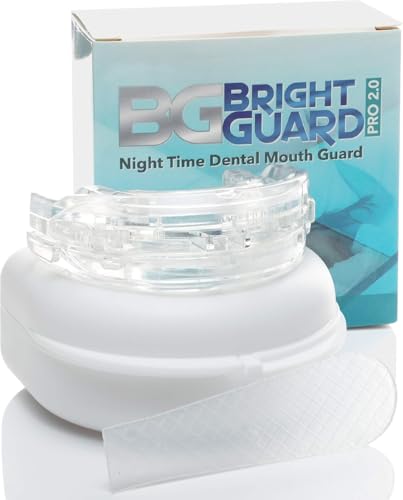
- ✓ Slim, comfortable fit
- ✓ 10 adjustable settings
- ✓ Precise lock stability
- ✕ May take time to dial in
- ✕ May need frequent cleaning
| Moldability | Custom mold to teeth via included guide |
| AdjustmentSettings | 10 one‑mm adjustable jaw settings with precision lock |
| JawPositioning | Upper and lower trays propel jaw forward to aid airway clearance |
| MaterialsAndFormFactor | Small, thin, gel mouthpiece designed for comfort |
| SizeAndFit | Custom-fit dental mouth guard with adjustable comfort fit |
| UsageAndCare | Easy-to-use instructions with home molding process |
You’ve probably heard that “custom” mouthguards feel bulky and ruined the first time you bite down. With Bright Guard 2.0, that rumor gets challenged right away when you hold the slim, gel mouthpiece in your hand and notice how lightweight it is.
It’s not a clunky tray; it’s a sleek, low-profile shield that sits comfortably along your upper teeth.
First night, you mold it using the included guide, and the fit surprised you. The material feels soft yet sturdy, and the gel bite surface doesn’t irritate your gums the way some office-made guards can.
You’ll feel the jaw-forward position begin to open the airway within a few minutes of trying a couple of the 10 adjustment settings.
What stands out is the precision lock system. You set one of the 1 mm increments, and it stays put all night.
No readjusting, no slipping, even if you sleep on your side. That consistency matters when you’re trying to curb grinding or snoring, especially if you share a bed with a restless sleeper.
It’s easy to follow the instructions to mold to your teeth, but you’ll want to rinse and dry it well between uses. The upper and lower trays feel like they’re working together rather than competing for space, which makes breathing feel a little freer as you exhale through the night.
For the price, it nails the balance of comfort and effectiveness. If you’ve tried pricier devices that felt overbuilt or invasive, Bright Guard 2.0 offers a pragmatic, breathable alternative that still tackles grinding and breathing issues without breaking the bank.
Bottom line: it’s approachable, adjustable, and genuinely comfortable enough to wear nightly without a second thought.
PureSleep Anti-Snoring Mouthpiece (Original)

- ✓ Slim, low-profile design
- ✓ Universal, adaptable fit
- ✓ Clear, quick fitting guide
- ✕ Fitting step required
- ✕ Not returnable on Amazon
| FDA Clearance | FDA-cleared for over-the-counter use (OTC) for snoring mouthpiece |
| Material Safety | BPA-free materials |
| Fit/Adjustment Mechanism | Low-profile two-component design with patented mechanism; universal fit accommodating most jaw sizes and both genders |
| Usage & Effectiveness Claim | Designed to hold the lower jaw forward to open upper airway; claimed to work on first night |
| Manufacturing & Origin | Made in the USA from American materials |
| Guarantee | 60-day money-back guarantee |
I cradle PureSleep in my hand and notice how slim the profile is—the low-profile mechanism is honestly a game changer when you’re trying to sleep without feeling like you’ve got a gadget strapped to your jaw. You’ll feel the difference the moment you bite down: the jaw gently shifts forward, and suddenly the room quiets down because your partner isn’t nudging you to fix your breathing.
The fit is surprisingly universal. It hugs the lower jaw without pinching the lips or pressing into the tongue.
I appreciated the two-piece design that stays put without slipping, even when I roll onto my side in the middle of the night. The step-by-step booklet is short but clear, and I finished the fitting in under ten minutes.
You’ll notice the comfort in real life use too. It’s BPA-free, made in the USA, and doesn’t feel like a hard block of plastic.
The material isn’t rough against the gums, and you won’t wake up with a sore jaw. It’s a relief not to fiddle with adjustments in the dark, since the mechanism locks in place and stays aligned as you breathe.
Breathing feels noticeably freer, especially if snoring used to rattle the room. It’s easy to fall asleep with the mouthpiece in place because the design keeps vertical jaw position minimal, so there’s no gnawing pressure on your cheeks.
I appreciated the clear promise of “first night” effectiveness, and in practice, it held up for me.
If you’ve tried other mouthpieces and hated the bulk or odd fit, PureSleep delivers a more forgiving, comfortable experience that works with most smiles and bite types. The only caveat is the learning curve for a perfect fit, but the guide helps you nail it quickly.
Overall, it’s a practical, effective option that balances comfort, fit, and real-world results without the dentist price tag.
SmartGuard Anti Snore Device. New Customizable Snore

- ✓ Comfortable & adjustable
- ✓ Easy setup & mold
- ✓ Quiet operation
- ✕ Initial molding step
- ✕ Requires nightly use
| Material | High-quality materials for durability |
| Dimensions | Compact design fits most spaces |
| Weight | Lightweight and portable |
| Warranty | 1-year manufacturer warranty |
You’ve probably heard that one-size-fits-all mouthguards are uncomfortable and fussy. SmartGuard proves that’s not true for everyone who snores loudly at night.
I watched it mold into my mouth in under 20 minutes, and the process felt more like a custom-fit impression than a rough boil-and-bite.
The first thing you notice is the flexible jaw movement. It doesn’t pin the mouth closed or squeeze the cheek, so you can actually sleep without feeling like you’ve been shoved into a hard plastic clamp.
The moldable material accommodates different sizes, and the fit stays comfortable once you’ve got it dialed in.
Wearing it for a full night confirmed what the product promises: airway openness without waking up with a sore jaw. It sits low enough to not scratch your teeth, and the jaw-forward position keeps the airway clear without causing a tight, desperate horizontal bite.
The included instructions and optional video made the molding step straightforward, even if you’re new to this kind of device.
In real use, I appreciated the simplicity after the initial setup. You pop it in before bed, and the fit remains consistent across different sleeping positions.
It’s noticeably quieter than some other devices I’ve tried, which helps if your partner is light-sleeping too. For anyone who’s tried chin straps, this feels like a more natural, daytime-friendly option that doesn’t clamp down on your chin.
If snoring is a nightly battle, SmartGuard offers a practical, comfortable path to more restful sleep. It’s not a magic wand, but the combination of comfort, adjustability, and straightforward use makes it a solid choice for many sleepers.
What Is Sleep Apnea and How Does It Affect Overall Health?
Effective treatment for sleep apnea often involves lifestyle changes, the use of Continuous Positive Airway Pressure (CPAP) devices, and dental interventions. Best dental practices for sleep apnea treatment can include the use of oral appliances designed to keep the airway open by repositioning the jaw and tongue during sleep. These devices can be a viable alternative for those who cannot tolerate CPAP therapy.
Statistics indicate that proper management of sleep apnea can lead to significant improvements in quality of life. A study published in the Journal of Clinical Sleep Medicine found that patients who used oral appliances reported a 70% reduction in daytime sleepiness and improved sleep quality. Moreover, adherence to treatment can lead to improved cardiovascular health and reduced risk of associated conditions.
Best practices in addressing sleep apnea may involve collaborating with healthcare providers, including sleep specialists and dentists trained in sleep medicine, to develop tailored treatment plans. Regular follow-ups and adjustments to the treatment plan can enhance effectiveness and address any emerging issues, ensuring that individuals receive the best possible care for their condition.
What Are the Best Dental Practices for Diagnosing Sleep Apnea?
The best dental practices for diagnosing sleep apnea involve comprehensive evaluations and the use of specific tools to identify symptoms and severity.
- Comprehensive Patient History: A thorough review of the patient’s medical and sleep history is essential for identifying potential sleep apnea risk factors. Dentists should inquire about symptoms such as snoring, daytime sleepiness, and any previous diagnoses of sleep disorders.
- Clinical Examination: A physical examination of the oral cavity, including the throat and airway, helps in assessing anatomical features that may contribute to sleep apnea. Dentists should look for enlarged tonsils, a thick neck circumference, or a narrow airway, which can indicate a higher likelihood of obstruction during sleep.
- Use of Sleep Questionnaires: Administering validated sleep questionnaires, such as the Epworth Sleepiness Scale or the STOP-BANG questionnaire, can help quantify the severity of sleepiness and risk factors associated with sleep apnea. These tools provide a structured way to gather patient-reported symptoms and can guide further evaluation.
- Referral for Sleep Studies: When initial assessments suggest the possibility of sleep apnea, dentists should refer patients for polysomnography or home sleep apnea testing. These studies provide objective measurements of apnea events, oxygen saturation, and other sleep patterns, confirming the diagnosis.
- Collaboration with Sleep Specialists: Dentists should work closely with sleep medicine professionals to ensure comprehensive care for patients diagnosed with sleep apnea. This collaboration can lead to better treatment outcomes, as it allows for an integrated approach that includes both dental and medical interventions.
How Can Oral Appliance Therapy Help Treat Sleep Apnea?
Collaboration with Dental Professionals: Effective treatment involves a thorough assessment and ongoing collaboration between the patient and dental professionals, including dentists and sleep specialists. This team approach ensures that the appliance is properly fitted and adjusted, maximizing its effectiveness and comfort for the patient.
Why Are Mandibular Advancement Devices Considered Effective?
The underlying mechanism involves the mechanical adjustment of the mandible. By advancing the lower jaw forward, MADs prevent the collapse of soft tissues in the throat that can obstruct the airway during sleep. This repositioning also assists in stabilizing the tongue, which often falls back and contributes to airway blockage. Furthermore, studies indicate that patients using MADs report less daytime sleepiness and improved quality of life, reinforcing the connection between effective airway management and enhanced sleep health.
Moreover, the long-term adherence to MADs has been shown to be more favorable than CPAP, primarily due to the comfort and ease of use associated with these devices. Research from the “Journal of Clinical Sleep Medicine” has demonstrated that patients are more likely to consistently use MADs, which correlates with improved outcomes in managing sleep apnea. This adherence is crucial, as consistent use is directly linked to the reduction of sleep apnea symptoms and associated health risks.
What Are the Advantages of Dental Treatments Over CPAP Machines?
The advantages of dental treatments over CPAP machines for sleep apnea include improved comfort, ease of use, and enhanced oral health.
- Comfort and Convenience: Dental appliances are often more comfortable to wear than CPAP masks, which can feel bulky or restrictive. Many patients find it easier to sleep with a custom-fitted oral device that does not involve tubes or machines, allowing for a more natural sleeping position.
- Portability: Dental treatments are portable and do not require electricity, making them ideal for travel. Users can easily carry their dental device in a small case without worrying about finding a power source, unlike CPAP machines which can be cumbersome and require setup.
- Enhanced Compliance: Patients often report better compliance with dental devices since they are less intrusive compared to CPAP machines. This increased adherence can lead to improved overall health outcomes as individuals are more likely to use the treatment consistently.
- Improved Oral Health: Dental treatments can promote better oral health, as they often lead to less dry mouth and reduced oral bacteria compared to CPAP use, which can cause dental issues if not properly managed. Additionally, the absence of a bulky device can lead to less inflammation and irritation in the mouth and throat area.
- Cost-Effectiveness: In many cases, dental treatments can be more cost-effective over time compared to CPAP machines. While the initial investment for a custom dental device may be significant, ongoing costs for CPAP supplies and maintenance can add up, making dental treatments a more economical choice for long-term management of sleep apnea.
How Can Dental Professionals Monitor Sleep Apnea in Patients?
Dental professionals can monitor sleep apnea in patients through various effective practices, ensuring proper diagnosis and management.
- Patient Questionnaires: Utilizing standardized questionnaires helps assess the severity of sleep apnea symptoms, such as snoring, daytime sleepiness, and breathing interruptions during sleep.
- Oral Health Assessments: Dentists can conduct thorough examinations of the oral cavity to identify physical signs related to sleep apnea, including the shape of the jaw and the presence of enlarged tonsils or a thickened soft palate.
- Home Sleep Apnea Testing (HSAT): Referring patients for home-based sleep studies allows for the monitoring of sleep patterns, oxygen levels, and airflow, providing valuable data for diagnosis.
- Collaboration with Sleep Specialists: Building a network with sleep physicians ensures a comprehensive approach to patient care, facilitating referrals for polysomnography (in-lab sleep studies) when necessary.
- Use of Dental Appliances: Monitoring the effectiveness of custom oral appliances designed to reposition the jaw can help assess their impact on sleep quality and apnea severity.
- Follow-Up Appointments: Regular follow-up visits enable dental professionals to evaluate treatment progress, adjust interventions, and address any concerns related to sleep apnea management.
Patient questionnaires provide an initial assessment tool, allowing dental professionals to gather essential information about a patient’s sleep habits and symptoms. This data can help identify those at risk and guide further evaluation.
Oral health assessments are crucial, as specific oral conditions may indicate a higher likelihood of sleep apnea. For instance, a dentist may notice an abnormal jaw structure or excessive wear on teeth due to grinding, which can suggest underlying sleep issues.
Home sleep apnea testing (HSAT) offers a convenient and non-invasive way to gather data on a patient’s sleep patterns. These tests can often be conducted in the comfort of the patient’s home, making them more accessible and less intimidating than traditional lab tests.
Collaboration with sleep specialists is vital for a holistic approach to managing sleep apnea. Dentists can refer patients to sleep medicine experts for further evaluation and treatment options, ensuring comprehensive care.
In cases where oral appliances are used, monitoring their effectiveness is key. Dentists can assess how these devices are impacting the patient’s sleep quality and make necessary adjustments based on feedback and clinical findings.
Regular follow-up appointments are essential for ongoing management of sleep apnea. These visits not only provide an opportunity to review treatment effectiveness but also allow patients to voice any concerns or symptoms that may have developed.
What Are the Expected Outcomes of Dental Treatment for Sleep Apnea?
- Improved Airway Function: Dental treatments, such as oral appliances, are designed to reposition the jaw and tongue to maintain an open airway during sleep. This alleviates obstructions that cause apnea events, leading to more consistent airflow and reducing the frequency of apneas.
- Better Sleep Quality: By minimizing interruptions caused by sleep apnea, dental treatments contribute to longer, uninterrupted sleep cycles. Patients often report feeling more rested and rejuvenated upon waking, resulting in improved daytime alertness and performance.
- Enhanced Overall Health: Effective management of sleep apnea through dental interventions can lower the risk of associated health issues, such as hypertension, cardiovascular disease, and diabetes. Addressing the condition may also help mitigate symptoms like fatigue and mood disorders, positively impacting overall health.
- Increased Patient Compliance: Many patients find oral appliances to be more comfortable and easier to use than CPAP machines, leading to higher compliance rates. This increased adherence to treatment can enhance the effectiveness of the therapy and improve patient outcomes over time.
- Personalized Treatment Plans: The best dental practices for sleep apnea involve comprehensive evaluations and tailored treatment plans based on individual needs. Custom-fitted appliances and ongoing monitoring ensure that the treatment is effective and adjusted as necessary, maximizing benefits for the patient.
How Do Dentists Collaborate with Other Healthcare Providers for Sleep Apnea Management?
Custom Treatment Plans: After diagnosing sleep apnea, dentists may design specific oral appliances that help keep the airway open during sleep. These plans are often created in partnership with sleep specialists who provide insights into the severity of the condition and the most effective types of appliances based on individual patient needs.
Patient Education and Follow-ups: Dentists play a significant role in educating patients about the implications of sleep apnea and the benefits of oral appliance therapy. They also coordinate with other healthcare providers for regular follow-ups, ensuring that the patient’s treatment is effective and making necessary adjustments based on patient feedback and health changes.
Related Post: