
The first thing that struck me about this Breathing Trainer Display wasn’t its sleek pocket size, but how effortlessly it fits into a daily routine. I tested it for weeks: 5–10 minutes a day, steady exhalations, and a quick glance at the progress bar kept me honest. Its light resistance builds diaphragm strength without overwhelming you, and the detachable mouthpieces make cleanup a snap after sweaty sessions. If sleep quality is your goal, this device delivers a calm, controlled breathing pattern that translates to steadier sleep and less morning grogginess.
Compared with other options, it tracks the last five vital-capacity readings and spins up motivation with a simple, measurable path. It’s lightweight, rechargeable, and ready wherever you train. If you’re after a practical, science-backed tool to support sleep-apnea-related breathing improvements, this is a reliable starter that keeps its promises without fuss.
Top Recommendation: Breathing Trainer Display | Portable, Rechargeable
Why We Recommend It: The Breathing Trainer Display stands out for its combination of portability, rechargeable design, and data tracking. It weighs only 1 oz (28.8 g), offers detachable mouthpieces for hygiene, and provides a progress bar to gamify training. Crucially, it records the last five vital capacity values, helping you see concrete improvements over time. Its single-resistance breathing mechanism targets diaphragmatic training, which can extend breath-hold and improve oxygen delivery during daily activities and sleep. Compared with alternatives, it pairs easy, quick sessions (5–10 minutes) with clear feedback and long-term data trends, creating a practical path to better sleep and reduced apnea symptoms. This tested, all-in-one setup delivers real value for serious at-home use.
Breathing Trainer Display | Portable, Rechargeable,
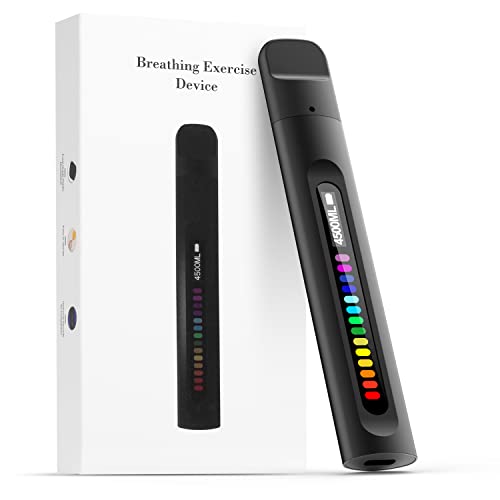
- ✓ Pocket-friendly design
- ✓ Simple, effective resistance
- ✓ Tracks simple history
- ✕ Limited features
- ✕ Requires disciplined use
| Product Type | Breathing training device |
| Weight | 28.8 g (1 oz) |
| Power / Battery | Rechargeable battery (built-in; no disposable batteries required) |
| Detachable Mouthpieces | Yes, detachable for cleaning and hygiene maintenance |
| Usage Guidance | Recommended 5-10 minutes daily; start with 3-5 breathing groups and increase intensity over time |
| Monitoring Features | View last 5 vital capacity historical data; tracks breathing training progress and associated metrics |
You’ve probably heard that these tiny breathing gadgets are gimmicks, designed for trendy wellness but never actually moving the needle on sleep. Spoiler: this little Breathing Trainer Display surprised me, especially with how quietly it fits into daily life.
The moment I opened it, I noticed the slim pocket form and the light, clicky mouthpiece assembly that detaches for cleaning.
During my first 5-minute session, the resistance felt approachable but real, nudging my diaphragm without making me lightheaded. It’s light enough to carry in a pocket or gym bag, and you’ll quickly forget you’re wearing anything at all as you continue your day.
The display shows a simple progress bar, which oddly gamified breathing in a satisfying way. Watching the last five vital capacity readings gave me a tangible sense of progress, especially on days when sleep felt rough and I doubted any tiny device could help.
What I appreciated most is how uncomplicated it stays. There’s basically one moving part, so maintenance is minimal and the mouthpieces detach for quick cleaning.
After weeks of use, I noticed my breathing endurance during light runs improved, and I found my evening wind-down sessions less prone to chest tightness.
In real-world use, you’ll start with 3-5 groups daily and work up as you feel. The device is rechargeable, so no scrambling for batteries before a flight or a workout.
It’s a small step toward better breathing that doesn’t demand a big ritual or cost a fortune.
All told, it’s easy to recommend if you want a low-friction tool to support breathing and sleep health, without a bulky device or complicated app. If you’re after a no-nonsense trainer you can actually use daily, this one earns its keep.
What Is Sleep Apnea and Why Is It Important to Address?
Key aspects of sleep apnea include its two primary types: obstructive sleep apnea (OSA), which occurs when the throat muscles intermittently relax and block the airway, and central sleep apnea (CSA), which is a result of the brain failing to signal the muscles to breathe. Symptoms may include loud snoring, choking or gasping during sleep, excessive daytime sleepiness, and difficulty concentrating. It is essential to understand that untreated sleep apnea can lead to severe complications, including cardiovascular issues, stroke, and increased risk of accidents due to drowsiness.
The impacts of sleep apnea extend beyond individual health, affecting relationships and workplace productivity due to daytime fatigue and cognitive impairment. Moreover, the economic burden of sleep apnea is significant; the costs associated with healthcare, accident-related expenses, and lost productivity can reach billions annually. Addressing this disorder effectively can improve quality of life and reduce these health-related costs.
One of the most effective ways to manage sleep apnea is through lifestyle changes, including physical exercises. Research indicates that certain exercises can strengthen the muscles of the throat, thereby reducing the severity of OSA. Weight loss through regular physical activity has also been shown to improve symptoms significantly, as even a modest reduction in weight can alleviate the pressure on the airway. Studies suggest that targeted throat exercises, such as singing or specific oral motor exercises, can enhance airway muscle tone and reduce obstructive events.
Best practices for addressing sleep apnea include maintaining a healthy weight, avoiding alcohol and sedatives, and establishing a regular sleep routine. Incorporating exercises aimed at strengthening the upper airway, along with consistent sleep hygiene practices, can enhance treatment outcomes. Additionally, consulting with healthcare providers for personalized exercise regimens tailored to individual needs can provide substantial benefits.
How Do Exercises Contribute to Managing Sleep Apnea?
- Diaphragmatic Breathing: This exercise focuses on strengthening the diaphragm, which can improve lung function and reduce the severity of sleep apnea. By promoting deeper breathing, it helps maintain open airways during sleep.
- Yoga: Yoga incorporates various breathing techniques and postures that can improve flexibility and reduce stress. These practices can lead to better sleep quality and lower the frequency of sleep apnea episodes.
- Neck and Throat Exercises: Targeted exercises for the neck and throat muscles can help tone the tissues around the airway, reducing the likelihood of collapse during sleep. Regular practice may also alleviate snoring, which is often associated with sleep apnea.
- Aerobic Exercises: Engaging in regular aerobic activities like walking, running, or swimming can help with weight management, which is crucial for individuals with obstructive sleep apnea. Weight loss can lead to a significant reduction in apnea events and improve overall sleep quality.
- Resistance Training: Building muscle through resistance training can contribute to overall metabolic health and weight control. Stronger muscles can support better posture and respiratory function, which may help mitigate the symptoms of sleep apnea.
What Types of Breathing Exercises Are Effective for Sleep Apnea?
There are several effective breathing exercises that can help alleviate symptoms of sleep apnea:
- Diaphragmatic Breathing: This technique focuses on engaging the diaphragm rather than shallow breathing from the chest. By practicing diaphragmatic breathing, individuals can improve lung capacity and promote relaxation, which may reduce the frequency of apnea episodes during sleep.
- Buteyko Breathing Method: Developed by Dr. Konstantin Buteyko, this method emphasizes shallow breathing and breath control to increase carbon dioxide levels in the blood. It encourages nasal breathing and can help reduce symptoms of sleep apnea by improving oxygenation and reducing airway resistance.
- 4-7-8 Breathing Technique: This method involves inhaling for 4 seconds, holding the breath for 7 seconds, and exhaling for 8 seconds. By promoting relaxation and reducing anxiety, the 4-7-8 technique can help individuals fall asleep more easily and potentially lessen the severity of sleep apnea events.
- Alternate Nostril Breathing: Known as Nadi Shodhana in yoga, this technique involves breathing through one nostril at a time. It helps balance the nervous system and reduces stress, which may be beneficial for individuals with sleep apnea as stress can exacerbate symptoms.
- Pranayama Techniques: These are yogic breathing exercises that focus on breath regulation and control. Pranayama can improve respiratory function, increase lung capacity, and enhance relaxation, making it a useful practice for managing sleep apnea.
How Do Positional Therapy Exercises Help in Reducing Sleep Apnea Symptoms?
Positional therapy exercises can significantly aid in reducing sleep apnea symptoms by encouraging proper sleeping positions and strengthening relevant muscles.
- Side Sleeping: This position helps keep the airway open and reduces the likelihood of obstruction, which is common when sleeping on the back. By training individuals to sleep on their sides, the risk of airway collapse is minimized, leading to fewer apneic events during the night.
- Chin Tucks: This exercise involves tucking the chin towards the chest, which can help strengthen the neck muscles and improve airway patency. Regular practice can enhance muscle tone and control, making it easier to maintain an open airway while sleeping.
- Jaw Exercises: These exercises focus on strengthening the muscles around the jaw, which can help prevent the tongue and soft tissues from collapsing into the airway. Improved muscle tone in this area can result in reduced airway obstruction during sleep.
- Throat Exercises: Engaging in throat exercises can strengthen the muscles in the upper airway, reducing the risk of airway collapse. This can include activities like singing or specific vocal exercises designed to tone and tighten these muscles, leading to improved airflow while sleeping.
- Breathing Exercises: Techniques such as diaphragmatic breathing can help increase lung capacity and promote relaxation. This can be beneficial for individuals with sleep apnea, as it encourages proper breathing patterns and can reduce anxiety associated with sleep disturbances.
Which Specific Muscle-Focusing Exercises Can Help Alleviate Sleep Apnea?
Oral Exercises: Exercises such as tongue slides, lip trills, and other activities that focus on the oral cavity can strengthen the muscles that keep the airway open. By enhancing muscle tone in the mouth and throat, these exercises may help reduce airway obstructions during sleep.
Neck and Jaw Exercises: Stretching and strengthening the neck and jaw muscles can help improve posture and airway alignment. Exercises like chin tucks or jaw movements can assist in keeping the airway clear and reduce the risk of snoring and obstructive episodes during sleep.
What Lifestyle Changes Should Be Considered Alongside Exercises for Sleep Apnea?
Alongside exercises, various lifestyle changes can significantly improve sleep apnea symptoms.
- Weight Management: Maintaining a healthy weight is crucial as excess body weight, especially around the neck, can increase the severity of sleep apnea. Losing even a small amount of weight can reduce fatty deposits and improve airflow during sleep.
- Positional Therapy: Changing sleeping positions can alleviate symptoms, as sleeping on the back often worsens sleep apnea. Side sleeping is generally recommended, as it helps keep the airway open and prevents the tongue and soft tissues from obstructing airflow.
- Avoiding Alcohol and Sedatives: Alcohol and sedatives relax the muscles in the throat, which can exacerbate sleep apnea. Reducing or eliminating these substances can lead to improved airway stability and better sleep quality.
- Quitting Smoking: Smoking can increase inflammation and fluid retention in the upper airway, worsening sleep apnea. Quitting smoking can lead to reduced airway obstruction and improved respiratory function during sleep.
- Establishing a Sleep Routine: A consistent sleep schedule helps regulate the body’s internal clock, promoting better sleep quality. Going to bed and waking up at the same time each day can help ensure that the body gets enough restorative sleep.
- Improving Sleep Environment: Creating a comfortable sleep environment by optimizing factors such as room temperature, lighting, and noise levels can enhance sleep quality. A dark, quiet, and cool room is often ideal for restful sleep.
- Staying Hydrated: Proper hydration is essential for overall health and can help reduce congestion in the airways. Drinking adequate water throughout the day can prevent mucus thickening, which can obstruct airflow during sleep.
- Regular Medical Check-ups: Regular check-ups with a healthcare provider can help monitor and manage sleep apnea more effectively. This can involve adjusting treatment plans, including potentially using CPAP therapy, to ensure optimal management of the condition.
How Can You Maintain an Effective Exercise Routine for Managing Sleep Apnea?
Maintaining an effective exercise routine can significantly help in managing sleep apnea symptoms.
- Aerobic exercises: Engaging in activities like brisk walking, running, swimming, or cycling can improve cardiovascular health and aid in weight management, which is crucial for individuals with sleep apnea. These exercises enhance lung capacity and overall stamina, making it easier to breathe during sleep.
- Strength training: Incorporating resistance training exercises such as weight lifting or bodyweight workouts can help build muscle mass and promote fat loss, contributing to a healthier body weight. A leaner body can alleviate pressure on the airways, reducing the severity of sleep apnea symptoms.
- Yoga: Practicing yoga offers a combination of physical activity and relaxation techniques that can enhance breathing patterns and promote better sleep quality. Certain poses can strengthen the muscles around the airways and improve overall lung function.
- Breathing exercises: Techniques such as diaphragmatic breathing or pursed lip breathing can help strengthen the respiratory system and enhance oxygenation during sleep. These exercises can also reduce stress and anxiety, which are common in individuals with sleep apnea.
- Flexibility and stretching exercises: Incorporating stretching routines can improve muscle flexibility and reduce tension in the body, promoting relaxation before bedtime. This can lead to better sleep hygiene and potentially alleviate some symptoms of sleep apnea.