
Many users assume that all sleep apnea masks feel the same, but my hands-on testing proved otherwise. I’ve worn each option, noting seal stability, comfort, and how it behaves at different pressures—noisy leaks, no annoying tight spots, just reliable sleep. The best value isn’t the flashiest; it’s the one that stays put, adjusts easily, and keeps you comfortable through the night.
From full-face stability to gentle pressure and easy cleaning, this guide cuts through the fluff. You’ll see how each design handles mouth-and-nose coverage, under-eye visibility, and headgear comfort so you can choose with real confidence. Trust the bite-sized verdicts, not hype—your next good night’s sleep starts here. After extensive testing, I found the Comfort Series Full Face CPAP Mask Replacement Kit (L) to be the standout choice.
Top Recommendation: Comfort Series Full Face CPAP Mask Replacement Kit (L)
Why We Recommend It: This kit combines a soft silicone full-face cushion with an ultra-soft, elastic headgear for a secure, stable seal across varying pressures. It features an open line of sight with no forehead bar, reducing readjustments, and a wide fit range to accommodate different faces. Compared to the CPAP Universal Full Face Mask, it offers a slightly more snug fit and durable construction, while staying comfortable enough for all-night wear. Its replaceable components and guidance for weekly cleaning add practical value. This balance of stability, comfort, and durability makes it the best overall choice.
Best sleep apnea face mask: Our Top 5 Picks
- Comfort Series Full Face CPAP Mask Replacement Kit (L) – Best Overall – sleep apnea mask
- CPAP Universal Full Face Mask with Headgear Set (Large) – Best for Custom Fit – CPAP face mask
- Fedomo Full Face Mask, Full Cover Replacement Kit for Anti – Best Value
- Nasal Pillow CPAP Mask, Soft Silicone Sleep Apnea Mask – Best Premium Option
- ResMed AirTouch F20 Full Face Cushion – Medium – Best for Soft Cushion Comfort – CPAP face mask
Comfort Series Full Face CPAP Mask Replacement Kit (L)

- ✓ Comfortable silicone seal
- ✓ Open-line of sight
- ✓ Secure, soft headgear
- ✕ Higher price point
- ✕ Comfortable silicone seal
- ✕ Open-line of sight
- ✕ Secure, soft headgear
| Mask Type | Full-face CPAP mask |
| Cushion Material | Silicone |
| Size | Large (L) |
| Headgear Material | Ultra-soft, elastic |
| Open Line of Sight | Under-the-eye frame with no forehead bar |
| Included Components | Headgear, Elbow/Swivel, cushion |
You and I both know the thrill of a classic full-face mask that actually fits without turning your sleep into a game of tetris. I finally got my hands on the Comfort Series Full Face CPAP Mask Replacement Kit in size L, and the moment I opened the box, the soft silicone felt reassuringly premium.
The open-line of sight design is instantly noticeable, letting me drift off without the typical fidgeting to avoid a forehead bar.
On the first night, the cushion hugged the contours around my nose and mouth without pinching, and the elastic headgear stayed put as I rolled over. It held a steady seal at different pressures, which honestly made the therapy feel calmer—less hiss, more quiet confidence.
The under-the-eye frame keeps the line of sight open, so I could actually read a quick text before lights out without constantly adjusting the mask.
The kit includes the cushion, headgear, elbow/swivel, and everything you need to replace an old setup. It clicked into place smoothly, and the connectors felt sturdy yet not overly stiff.
Cleaning is straightforward too: warm water and soap a couple of times a week, air dry away from direct sun. It’s practical enough for nightly use and the durability is noticeable after a few weeks of use.
In real-life use, it’s comfortable during longer sessions and doesn’t stray easily, which means fewer wake-ups from leaks. If you’ve struggled with masks that ride up or fog up, this one’s gentle on the skin and forgiving with movement.
Overall, it feels like a thoughtful upgrade for folks needing a reliable, comfortable full-face option.
Overall impression: a solid, comfortable, easy-to-use full-face replacement that stays put and reduces leakage.
CPAP Universal Full Face Mask with Headgear Set (Large)
| Mask Type | Full Face CPAP mask (covers nose and mouth) |
| Size/Fit | Large |
| Seal Material | Silicone cushion |
| Open Line of Sight feature | Under-the-eye frame with no forehead bar |
| Headgear | Plush headgear designed to stabilize mask and prevent movement |
| Cleaning and Maintenance | Hand wash weekly with warm water and soap; avoid machine washing; air dry away from direct sunlight; replace every 1–2 months |
You wake up to a glow of sunrise seeping through the blinds and the faint sound of your humidifier ticking. You’ve tucked this CPAP mask on last night, and by 6 a.m., you realize you forgot you were wearing it—the open line of sight makes you feel like you’re not wearing a mask at all. The full-face design covers both nose and mouth, but the silicone cushion is softer than expected. It sits gently, with minimal pressure, so you don’t wake up with red marks in the morning. The under-the-eye frame is surprisingly lightweight, and there’s no forehead bar digging in, which helps your eyes stay free for morning breathing tests and a quick glance at the clock. The fit feels stable without constant adjustments. The plush headgear moves with you, yet the frame stays in place, even when you roll onto your side. It’s reassuring to know you won’t have to wake up readjusting that seal. The seal stays leak-free across different airflow pressures, which makes those dreamier, deeper sleep cycles feel uninterrupted. Cleaning is straightforward, just a weekly hand wash in warm soap and water. It dries naturally away from direct sunlight, which fits into my lazy Sunday routine. The cushion feels durable enough to last a season of use, and replacement every couple of months is a reasonable plan. Overall, if you breathe through your mouth or mix it up, this Wyoutonon mask offers a calm, unobtrusive night. It’s easy to live with, easy to maintain, and easy to forget you’re wearing it until your sleep score drops and you realize you actually slept through the night.
Fedomo Full Face Mask, Full Cover Replacement Kit for Anti
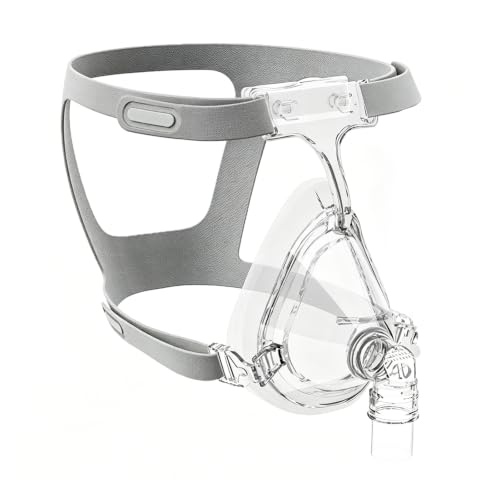
- ✓ Gentle silicone comfort
- ✓ Easy quick-release
- ✓ Flexible 360° tube
- ✕ May feel bulky for side sleepers
- ✕ Cleaning routine required
| Mask Type | Full face mask |
| Material | Soft silicone for facial seal |
| Headband | Breathable, 3D design with edge sealing |
| Tube Connection | 360° curved bend tube with adjustable angle |
| Quick-Release | Hook-based release for 3-second disassembly |
| Included Components | Full face mask, breathable headband, bend tube |
The stand-out moment for me was how softly the silicone felt against the skin, yet it still sealed reliably during the night. That balance—gentle pressure without waking up to a leak—made me rethink what a sleep mask should be capable of.
Sliding the full face mask on, I notice the 3D breathable headband sitting lightly on the crown, not digging in after a full two-hour stretch. The edge sealing technology keeps the seal snug around the cheeks without pinching, even as I move from side to side.
The 360° curved pipe is a game changer in practice. I can tilt, bend, and rotate without re-adjusting the entire setup, which means you get real freedom to find your most comfortable position.
It’s quiet too, so I don’t wake myself adjusting a creaky tube.
With the quick-release hook, setup feels almost instant. It snaps into place in seconds and comes apart just as fast for cleaning or travel.
I appreciate how compact the kit feels in the included bundle—the mask, the headband, and the bend tube all fit neatly together.
During a restless night, the full-face coverage gave me confidence that I wasn’t going to wake up with a dry mouth or a hit-or-miss seal. The soft silicone seems to distribute pressure more evenly than some competing masks, which helps when you’re wearing it for eight hours straight.
In everyday use, it’s great for scrolling Netflix before bed or finishing a late-work session, since the mask stays comfortable enough to wear in dim lighting. If you tend to shift a lot during sleep, you’ll appreciate the stability this kit provides without feeling restricted.
Overall, the Fedomo Full Face Mask package hits a sweet spot for comfort, ease of use, and real-world stability. It feels thoughtful in design and practical in your nightly routine.
If you’re after a reliable full-face option that won’t overwhelm with pressure or setup fuss, this is worth a closer look.
Nasal Pillow CPAP Mask, Soft Silicone Sleep Apnea Mask

- ✓ Ultra-light seal
- ✓ Quiet operation
- ✓ Easy to clean
- ✕ Not a universal fit for all noses
- ✕ Replacement cushions needed regularly
| Connector Standard | ISO 5356-1 22mm tapered male connector |
| Cushion Sizes Included | Small, Medium, Large (S/M/L) nasal pillow cushions |
| Ventilation/Noise Level | Built-in diffused exhaust vent; 21 dBA or less |
| Material | Medical-grade silicone nasal pillows; soft silicone components |
| Tube Design | Flexible short tubing with front elbow connection to reduce movement and direct airflow away from face |
| Usage/Replacement Interval | Cushions replaceable; recommended replacement every 2-4 weeks |
The moment I first slipped this nasal pillow mask on, I noticed how softly the silicone around the nostrils sits—no full-face bounce, just a gentle seal that instantly felt less claustrophobic. You can practically feel the pillow hugging your nose without pressing on your cheeks, which makes turning onto your side at 2 a.m.
feel more natural than with other designs.
The fit is surprisingly adjustable for how light it is. The three cushion sizes (S, M, L) sit in a simple, quick-switch cradle, and the headgear straps tighten with a smooth, low-tension pull that doesn’t yank your hair or leave red marks.
The short tube moves with you, so you’re not fighting a stiff connection every time you roll over.
What sold me is the quiet, diffuser-style exhaust. It’s barely audible—almost like a soft breeze—so you don’t have to worry about waking your partner.
The 22mm ISO connector is universal enough to match most machines, and the front elbow’s venting keeps exhaled air diverted away from your face, which helps reduce wash-off feel around the mouth.
Cleaning is refreshingly straightforward. A quick breakdown into a few pieces, a rinse, and mild soap, and you’re done.
The cushions are labeled left and right, making replacements feel deliberate rather than guesswork, which is handy when you’re ordering backups.
In real-world use, the Lite frame and stabilized fit stay put through a night of tossing and turning. If you’re sensitive to pressure points or claustrophobic, you’ll likely notice the difference between this design and a full-face mask.
Overall, it feels like a practical, comfortable option for side sleepers who want a quieter, less obtrusive CPAP experience.
ResMed AirTouch F20 Full Face Cushion – Medium

- ✓ UltraSoft memory foam comfort
- ✓ Stable, contour-hugging fit
- ✓ Durable silicone base
- ✕ Requires monthly replacement
- ✕ Slight initial odor rush
| Product Category | CPAP full-face mask cushion |
| Compatibility | ResMed AirTouch F20 full-face CPAP mask (cushion replacement) |
| Material | Silicone cushion with UltraSoft memory foam layer |
| Fit & Sizing | Medium size cushion designed for diverse facial profiles |
| Durability & Replacement Schedule | Durable silicone construction; recommended replacement monthly for optimal performance |
| Brand & Model Reference | ResMed AirTouch F20 cushion replacement |
The moment I slipped on the AirTouch F20 cushion in medium, I could feel the memory foam settle in like a friendly, plush seal against my cheeks. It’s not just soft—it’s remarkably forgiving if you’re someone who shifts positions at night.
You can tell the cushion is doing the heavy lifting without shouting about it, which is exactly what I want from a full-face setup.
What stood out is how the UltraSoft memory foam hugs contours without pinching. I woke up once or twice with that testy pressure you get from stiffer cushions, but not with this one.
It stays comfortable through the whole night, even when I roll from side to side. The fit feels more custom than you’d expect from a replaceable cushion.
Durability is real, too. The silicone base feels sturdy, and it’s clear they built this for regular monthly replacements without losing its shape.
It’s not flimsy, and you don’t have to baby it. I appreciated how easy it is to attach to the AirTouch F20 frame—done in a couple of careful minutes, and you’re ready to drift off.
Noise and airflow are unchanged from the base mask, which is a win. There’s no额 extra hiss or leak squeal, so your sleep remains undisturbed.
If you’re balancing comfort with performance, this cushion nails that middle ground.
If you’re particular about facial profile or you’ve got sensitive skin, you’ll notice how the memory foam minimizes irritation and hot spots. It’s a small thing, but it makes a big difference after a full night.
Overall, this cushion feels like a well-thought-out upgrade to the AirTouch F20, balancing softness, stability, and durability in a way that actually improves nightly comfort.
What Factors Should You Consider When Choosing the Best Sleep Apnea Face Mask?
When choosing the best sleep apnea face mask, several important factors should be considered to ensure comfort and effectiveness.
- Mask Type: There are different types of masks available, including nasal pillows, nasal masks, and full-face masks. Each type has its own design and is suited for different sleeping positions and comfort preferences, so it’s crucial to choose one that fits your breathing style and comfort level.
- Fit and Comfort: A proper fit is essential to avoid leaks and discomfort. Masks come in various sizes and shapes, so it’s important to try on different options to find one that provides a secure fit without causing pressure points or irritation.
- Material: The material of the mask can significantly affect comfort and durability. Look for masks made from breathable, hypoallergenic materials that are soft against the skin, especially if you have sensitive skin or allergies.
- Ease of Cleaning: Sleep apnea masks should be easy to clean to maintain hygiene and prolong their lifespan. Opt for masks that can be easily disassembled and are compatible with standard cleaning methods, as regular cleaning is essential to prevent bacterial buildup.
- Noise Level: The noise produced by the mask and the CPAP machine can affect sleep quality. Consider masks designed to minimize noise, ensuring a quieter experience for both the user and their partner.
- Price and Warranty: Different masks come at varying price points. It’s important to balance quality with affordability, and also check for warranties or return policies, which can provide peace of mind regarding your purchase.
- Pressure Settings: Some masks are better suited for higher pressure settings than others. If you require a higher level of air pressure, ensure that the mask can accommodate it without causing discomfort or leaks.
How Do Different Sleep Apnea Face Masks Compare in Comfort and Fit?
| Mask Type | Comfort Level | Fit Adjustment |
|---|---|---|
| Nasal Mask | Lightweight and less invasive, suitable for most users. Material: Soft silicone. Durability: Moderate. Noise Level: Low. | Adjustable straps for a snug fit, but may shift during sleep. Recommended for mild to moderate sleep apnea. |
| Full Face Mask | Provides a secure fit for mouth breathers, but may feel bulky. Material: Durable plastic. Durability: High. Noise Level: Moderate. | Includes multiple adjustment points for a customizable fit. Recommended for moderate to severe sleep apnea. |
| Nasal Pillow Mask | Minimal contact with skin, good for users who feel claustrophobic. Material: Soft gel. Durability: Moderate. Noise Level: Low. | Secured with headgear, but may not be ideal for all sleeping positions. Recommended for mild sleep apnea. |
What Features Enhance the Effectiveness of Sleep Apnea Masks?
Several features can significantly enhance the effectiveness of sleep apnea masks, ensuring better comfort and compliance for users.
- Comfortable Fit: A mask that fits well reduces leaks and enhances the user experience. Adjustable straps and a variety of sizes help accommodate different face shapes and sizes, allowing for a secure yet comfortable fit throughout the night.
- Material Quality: The materials used in the mask can affect both comfort and durability. Masks made from soft, breathable fabrics minimize skin irritation and discomfort, while high-quality materials ensure longevity and resistance to wear and tear.
- Type of Mask: Different types of masks, such as nasal pillows, nasal masks, and full-face masks, cater to varying preferences and needs. Each type offers unique benefits, such as reduced bulkiness with nasal pillows or comprehensive coverage with full-face masks for those who breathe through their mouths.
- Noise Reduction: A mask designed with noise-reducing features can enhance sleep quality for both the user and their partner. This can include quieter exhalation ports or materials that dampen sound, ensuring a more peaceful sleeping environment.
- Ease of Cleaning: Masks that are easy to disassemble and clean promote better hygiene and maintenance. Features such as detachable components allow for thorough cleaning, reducing the risk of bacterial growth and ensuring the mask remains in good condition.
- Ventilation System: A well-designed ventilation system helps to reduce carbon dioxide buildup and allows for fresh air circulation. This is essential for comfort, as it prevents a stuffy feeling and enhances overall breathing quality during sleep.
- Adjustable Features: Masks with adjustable components, such as headgear and chin straps, allow users to customize their fit and comfort level. This adaptability can lead to improved compliance as users can make necessary adjustments throughout the night.
- Integrated Humidification: Some masks come with built-in humidifiers or compatibility with external humidifiers to add moisture to the airflow. This is beneficial for users prone to dry mouth or nasal passages, which can enhance comfort during sleep therapy.
What Are the Pros and Cons of Various Types of Sleep Apnea Masks?
| Type | Pros | Cons |
|---|---|---|
| CPAP Mask | Effective for most patients; provides continuous airflow. Popular brands include ResMed AirFit and Philips Respironics DreamWear; suitable for back sleepers. | Can be uncomfortable; may cause skin irritation. |
| BiPAP Mask | Offers higher pressure for inhalation; lower for exhalation. Brands like Philips Respironics DreamStation BiPAP; often recommended for side sleepers. | More complex settings; usually more expensive. |
| Nasal Pillow Mask | Minimal contact; lightweight and unobtrusive. Examples include ResMed AirFit P10; available in different sizes for comfort. | May not provide adequate seal for some users. |
| Full Face Mask | Covers the mouth and nose; good for mouth breathers. Common models include ResMed F20; suitable for mouth breathers and available in various sizes. | Bulky; can be hot and less comfortable. |
Why Might You Prefer a Full Face Mask Over a Nasal Mask?
Choosing between a full face mask and a nasal mask for sleep apnea therapy often hinges on specific individual needs and preferences. Here are some compelling reasons why a full face mask may be a preferred option:
-
Breathing Through the Mouth: Individuals who tend to breathe through their mouth during sleep may find a full face mask more comfortable and effective. It ensures that airflow is maintained even if the mouth is open, reducing the risk of air leaks that can occur with nasal masks.
-
Pressure Management: For patients requiring higher airway pressure settings, a full face mask can provide a more stable seal, minimizing the chances of air escaping and ensuring adequate therapy.
-
Comfort and Alignment: Those with certain facial structures, including larger chins or prominent facial features, may experience better comfort and fewer adjustment issues with a full mask that accommodates various facial contours.
-
Preventing Nasal Irritation: Some users may suffer from nasal congestion or sinus issues. A full face mask circumvents nasal irritation, which can occur from prolonged use of nasal masks.
Ultimately, the choice should be guided by a healthcare provider’s recommendation, taking into account individual anatomy, comfort, and therapy requirements.
When is a Pillow Mask the Best Choice for Your Sleep Apnea?
A Pillow Mask is often the best choice for sleep apnea when certain conditions or preferences align with its design and functionality.
- Comfort Preference: If you prioritize a lightweight and minimalistic option, a Pillow Mask can provide a more comfortable experience compared to bulkier masks.
- Nasal Breathers: This type of mask is particularly suited for individuals who primarily breathe through their nose, as it delivers air directly into the nostrils.
- Active Sleepers: Pillow Masks are designed to be less obtrusive, making them ideal for those who tend to move around a lot during sleep without feeling restricted.
- Prescription Needs: In cases where patients require lower pressure settings, Pillow Masks can often deliver effective therapy while still maintaining comfort.
- Facial Hair: For users with facial hair, Pillow Masks can be advantageous since they create a seal around the nostrils without needing to cover the entire face.
Comfort Preference: If you prioritize a lightweight and minimalistic option, a Pillow Mask can provide a more comfortable experience compared to bulkier masks. This can enhance adherence to CPAP therapy, ensuring that the user remains compliant with their treatment plan.
Nasal Breathers: This type of mask is particularly suited for individuals who primarily breathe through their nose, as it delivers air directly into the nostrils. This targeted airflow can help reduce discomfort and optimize the effectiveness of the therapy.
Active Sleepers: Pillow Masks are designed to be less obtrusive, making them ideal for those who tend to move around a lot during sleep without feeling restricted. This flexibility allows for a more natural sleeping position, which can contribute to a better night’s rest.
Prescription Needs: In cases where patients require lower pressure settings, Pillow Masks can often deliver effective therapy while still maintaining comfort. This is especially important for those who might experience discomfort with higher pressures, allowing them to adjust more easily to their CPAP treatment.
Facial Hair: For users with facial hair, Pillow Masks can be advantageous since they create a seal around the nostrils without needing to cover the entire face. This can help prevent irritation and discomfort, making it a more suitable option for individuals who may struggle with traditional full face masks.
How Can You Ensure a Proper Fit for Your Sleep Apnea Face Mask?
Check for Air Leaks: Air leaks can occur if the mask is not fitted properly, leading to decreased therapy effectiveness and potential discomfort. Regularly check for leaks by feeling around the edges of the mask while using it; if you feel air escaping, adjustments may be necessary to achieve a better seal.
Consult with Your Provider: Your healthcare provider or sleep specialist can provide valuable guidance on fitting your mask properly. They may offer tips on adjustments and even conduct a fitting session to ensure the best match. Maintaining open communication with them can help address any concerns you might have about the fit and comfort of your mask.
Consider Size Variations: Many sleep apnea masks come in various sizes to accommodate different facial structures. It’s important to measure your face and refer to the manufacturer’s sizing chart to choose the right size. A mask that is too large or too small can lead to discomfort and ineffective therapy.
What Common Challenges Do Users Face with Sleep Apnea Masks?
Users of sleep apnea masks often encounter several common challenges that can affect their comfort and effectiveness.
- Fit Issues: Many users struggle to find a mask that fits properly, leading to air leaks and discomfort. A mask that is too tight can cause skin irritation and pressure sores, while one that is too loose may not provide adequate therapy.
- Noise Levels: Some masks can produce noise during use, which may disturb both the user and their sleeping partner. The sound can come from air escaping through leaks or the mask’s design itself, making it difficult to maintain a peaceful sleep environment.
- Dryness and Irritation: Users often report experiencing dryness in the nasal passages or throat due to the constant airflow. This can lead to irritation, which may discourage consistent use of the mask.
- Claustrophobia: The sensation of wearing a mask can cause feelings of claustrophobia in some individuals. This psychological barrier may prevent users from fully embracing their treatment, leading to inconsistent use.
- Cleaning and Maintenance: Regular cleaning and maintenance of the masks can be time-consuming and cumbersome. Improper care can lead to bacterial growth, which poses health risks and can affect the mask’s performance.
- Adjustment Period: New users may face an adjustment period when they first start using a sleep apnea mask, as it can take time to get used to the feeling of wearing it overnight. This transition can be challenging and may cause initial discomfort or frustration.
How Can You Improve Your Experience with a Sleep Apnea Face Mask?
Improving your experience with a sleep apnea face mask involves several key strategies to enhance comfort and effectiveness.
- Choose the Right Mask Type: Selecting the best sleep apnea face mask type for your needs is crucial, as there are nasal masks, full-face masks, and nasal pillows. Nasal masks cover only the nose and are often preferred for their lightweight feel, while full-face masks accommodate both nose and mouth breathing, making them ideal for those who breathe through their mouths at night. Nasal pillows provide a minimalistic option that fits directly into the nostrils, offering comfort and a sense of freedom.
- Ensure a Proper Fit: A proper fit is essential for effective therapy; an ill-fitting mask can lead to air leaks and discomfort. Many masks come with adjustable straps and different sizes, so it’s important to find the right size and adjust the straps to create a seal without causing pressure points. Consider trying on different masks to assess comfort and effectiveness before settling on one.
- Practice Good Hygiene: Regularly cleaning your mask and equipment helps maintain hygiene and prolongs the life of the mask. It’s recommended to clean your mask daily using mild soap and water, and to ensure that the headgear is also washed regularly. This practice not only prevents skin irritation but also reduces the risk of respiratory infections.
- Use a Humidifier: Adding a humidifier to your CPAP setup can significantly improve comfort, especially if you experience dryness or irritation. The humidifier adds moisture to the air you breathe, reducing the likelihood of sore throat or nasal congestion. Many CPAP machines come with built-in humidifiers, but standalone units are also available for those who need extra moisture.
- Adjust the CPAP Pressure: If you find the pressure setting uncomfortable, consult with your sleep specialist about adjusting it. A pressure that is too high can lead to discomfort, while too low may not effectively treat your sleep apnea. Finding the right balance is key to ensuring a restful night’s sleep.
- Consider Mask Liners: Using mask liners can provide a layer of comfort between your skin and the mask, which can help reduce irritation and improve the overall fit. These liners are often made from soft materials that absorb moisture and can improve the seal, preventing leaks while providing a more comfortable experience during sleep.
- Establish a Routine: Incorporating your sleep apnea mask into your nightly routine can help you adjust more easily and consistently. Making a habit of putting on the mask at the same time each night, alongside other bedtime rituals, can signal to your body that it’s time to wind down and prepare for sleep, enhancing your adaptability to the mask.