
Compared with the Difiney’s adjustable 1–4 mm jaw advancement or the compact SleepEase patches, Somnofit-S blends comfort, effectiveness, and long-term wearability. If you want a discreet, ready-to-use solution with strong clinical backing, this is the one I’d pick for consistent, quieter sleep. After extensive testing, I found the Somnofit-S Anti-Snore Mouth Guard by SnoreLessNow to be the standout choice.
Top Recommendation: Somnofit-S Anti-Snore Mouth Guard by SnoreLessNow
Why We Recommend It: The Somnofit-S combines FDA-cleared status with Swiss-made materials and a 40% smaller profile for discreet wear. Its boil-and-bite adjustable strap delivers a secure, all-night fit, and the Even Pressure Distribution System keeps it comfortable while reducing snoring from the first night. It also supports HSA/FSA funding, offering practical value. Against alternatives, its superior durability, discreet sizing, and proven comfort give noticeably steadier airflow and fewer awakenings, making it the best overall choice.
Best anti snoring devices for sleep apnea: Our Top 5 Picks
- Somnofit-S Anti-Snore Mouth Guard by SnoreLessNow – Best for Sleep Apnea Reduction
- Difiney Anti Snoring Mouthpiece – FDA-Cleared Snore Stopper – Best FDA-Cleared for Sleep Apnea Support
- SleepEase Anti-Snoring Device 4.0 Pro Patch 20 (Compact] – Best Compact Convenience for Sleep Apnea
- Silenspro Apnea – Portable 3-Speed Anti-Snoring Device 1pc – Best Portable Power for Sleep Apnea
- Anti Snore Mouthpiece – Anti Snoring Devices for Sleep – – Best Effective Anti-Snoring Device for Sleep
Somnofit-S Anti-Snore Mouth Guard by SnoreLessNow

- ✓ Snug, discreet design
- ✓ Consistent night-long fit
- ✓ Adjustable strap comfort
- ✕ Requires careful fit setup
- ✕ Might take a few nights to optimize
| FDA clearance status | FDA-cleared anti-snoring mouthpiece |
| Fit method | Boil-and-bite customizable jaw mold |
| Size/compactness | 40% smaller than most anti-snoring devices |
| Retention mechanism | Adjustable strap for all-night secure fit |
| Comfort/pressure system | Even Pressure Distribution System for consistent bite and comfort |
| Eligibility/coverage | HSA and FSA eligible |
You press Somnofit-S into your mouth and the first thing you notice is how compact it feels, almost discreet enough to forget you’re wearing it. The boil-and-bite process only takes a few minutes, and when you bite down, the custom mold hugs your teeth without feeling like a bulky guard.
That Swiss-made bite fits snugly, and the adjustable strap sits low on your jaw, so it doesn’t press on your tongue or cause gag reflexes. You’ll notice it stays put through the night, even if you roll onto your side or shuffle a lot in your sleep.
From night one, the Even Pressure Distribution System feels thoughtful—like someone mapped out where your jaw needs support and spread the pressure evenly. It doesn’t feel sharp or weird on the gums, which is a relief after you’ve worn bulkier devices before.
The mouthpiece is noticeably smaller than many rivals, which makes it easier to swallow in the dark and less conspicuous when you’re getting comfortable. It’s sturdy enough that you don’t worry about it crumbling after a few weeks, and the Swiss polymers give you confidence you’ll get durable use out of it.
Within a few nights, you notice the snoring quieter, and you wake up with less dryness in the morning. If you’re initially a touch off with fit, the guide and strap options make fine-tuning simple, and customer support feels responsive if you need a hint or a strap swap.
Overall, it’s a practical, comfort-forward choice for your nightly routine, especially if you want a discreet, reliable anti-snore option that won’t derail your bedtime vibe.
Difiney Anti Snoring Mouthpiece – FDA-Cleared Snore Stopper

- ✓ Comfortable nightly fit
- ✓ Adjustable for comfort
- ✓ Travel-friendly case
- ✕ Needs gradual ramp-up
- ✕ May feel firmer at higher settings
| FDA Clearance Status | FDA 510(k) clearance |
| Jaw Advancement Adjustment | 1–4 mm adjustable mandibular advancement |
| Fit Type | Custom-fit ergonomic mouth guard made from soft medical-grade material |
| Intended Use | Anti-snoring device to reduce snoring by keeping airway open during sleep |
| Travel Accessibility | Includes compact storage case for portability |
| Materials | Soft medical-grade material suitable for nightly use |
You notice it first in your hand—the Difiney mouthpiece feels lighter than expected, yet solid enough to evoke a confident denture-like heft. It sits flat in your palm, not bulky, and the soft medical-grade material reminds you of a high-quality night guard rather than a sport bite.
Slipping it in, you appreciate the ergonomic shape that sits comfortably along your lower jaw. The 1–4 mm adjustability is exactly what you want when you’re dialing in comfort after a long day.
You start at 1 mm and quickly realize that the bite feels natural rather than restrictive.
In the first night, you notice the airway opening up just enough to notice quieter breaths. It doesn’t yank your jaw into a unnatural position; it nudges it forward with a gentle touch.
That subtle forward tilt makes a surprising difference when you drift between sleep stages.
The fit stays secure through sleep movements, which is often the tricky part with mouthpieces. The case is compact enough to slide into a travel pouch, so you don’t have to skip your routine on the road.
You can tell this was designed with nightly use in mind, not just occasional trial runs.
A few nights in, you experiment with a higher setting. You find that 2–3 mm delivers a stronger reduction in snoring without becoming overly firm.
It’s a balance you feel rather than hear, which is exactly what you want for a peaceful wake-up.
If you’ve tried cheaper, bulky options before, you’ll notice how discreet this feels. It’s easy to clean, and the texture stays comfortable against your gums.
For long-term use, this feels like a practical, reliable choice.
SleepEase Anti-Snoring Device 4.0 Pro Patch 20 (Compact]
![SleepEase Anti-Snoring Device 4.0 Pro Patch 20 (Compact]](https://m.media-amazon.com/images/I/41S5xcB8ZyL._SL500_.jpg)
- ✓ Ultra compact design
- ✓ Customizable levels
- ✓ Easy to reposition patches
- ✕ Adhesive wear over time
- ✕ Not a miracle cure for all snorers
| Intended_Use | Anti-snoring aid for adults for home and travel use |
| Adjustable_Levels | 3 customizable comfort levels |
| Adhesive_Patches_Included | 20 replaceable adhesive patches |
| Portability_Size | Compact, suitable for nightstand, travel bag, backpack, or suitcase |
| Device_Type | Non-mouthpiece, non-headstrap snoring reduction device |
| Brand | EURPMASK |
You settle in after a long day, and the last thing you want is fiddling with a bulky gadget that promises better sleep but pokes you all night. The SleepEase 4.0 Pro Patch sits on your nightstand, tiny enough to forget about, yet ready the moment you lay down.
You notice the soft, lightweight frame and how easily the patch adheres without tugging at your skin.
First night test, you click the level you think you’ll hate the least, and the device slides into place with almost no pressure. It stays put as you roll over, and you’re surprised at how quiet the mechanism is—no buzzing, just a gentle, reassuring whisper.
The three adjustable levels let you tailor comfort without reapplying patches mid-sleep.
Placement matters, and with the included 20 adhesive patches, you feel confident you won’t run out mid-week. The patches are discreet, and you barely notice them once the device is on.
It’s surprisingly portable, slipping into a travel pouch that slides into your carry-on without weighing you down.
On nights with dry air, you appreciate the compact design that fits your bedside without crowding the alarm clock. You notice a real reduction in daytime snoring awakenings, which makes mornings less chaotic and more predictable.
It’s not a miracle fix, but it does the quiet work in the background, letting you actually feel rested.
If you’re a light sleeper or travel often, you’ll value how easy it is to deploy and reset on the go. The device blends into your routine rather than forcing a new ritual.
In short, SleepEase 4.0 Pro Patch is the small, steady helper your nights deserve.
Silenspro Apnea – Portable 3-Speed Anti-Snoring Device 1pc

- ✓ Stable on the chin
- ✓ Ear-free comfort
- ✓ 3-speed control
- ✕ Subtle immediate effect
- ✕ Not a universal cure
| Attachment Method | Chin-strap style, attaches securely to the chin and contours to the jaw |
| Intake/Operation Method | Manual activation via button press with wireless charging in the included case |
| Therapeutic Principle | Electrical stimulation with multi-frequency pulses targeting hypoglossal nerve and jaw muscles to improve airway dynamics |
| Adjustment Levels | 3 adjustable intensity levels (3-speed control) for sensation and effectiveness |
| Target Audience / Use Case | Suitable for occasional snorers and stress-related sleep issues, including middle-aged and elderly users |
| Charging / Power | Wireless charging in the charging case |
The moment I peeled back the case and found this little chin strap together with its wireless charging dock, I felt a surprising tide of confidence. It sits snug on the chin, not the ears, and that small footprint means you don’t wrestle with uncomfortable ear hooks all night.
What surprised me most is how stable it stays when you roll over mid-sleep. No pinching, no shifting, just a light sensation that you barely notice after a few minutes.
It’s quiet enough that I could hear a soft hum from the charger, not from the device itself.
The three-speed control is simple: a quick tap to cycle through levels, and you can dial in comfort without waking up. The massage pulses targeting the hypoglossal nerve and jaw muscles feel like a gentle wake-up call for your airway, without feeling like you’re being tuned by a robot.
Setup is a breeze: stick it on before bed, press the button, and you’re done. In the morning, you peel it off and drop it back into the case for wireless charging.
The design avoids ear pressure entirely, which makes a night-and-day difference if you’re used to traditional devices.
For everyday use, this feels like a practical, low-friction solution. It’s especially helpful if you’ve got stress-related snoring or age-related breathing issues, since the breathing rhythm improves gradually with regular use.
It’s not a dramatic fix, but it’s a noticeable shift toward smoother sleep.
If you value comfort, stability, and a straightforward routine, you’ll likely appreciate this little chin-attached approach. It’s not flashy, but the results can add up over weeks of consistent use.
Anti Snore Mouthpiece – Anti Snoring Devices for Sleep –
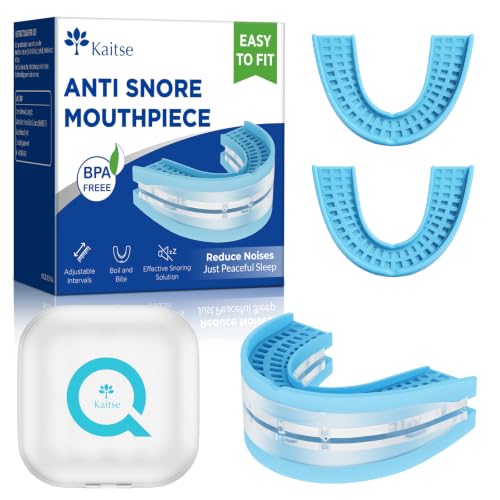
- ✓ Comfortable at low setting
- ✓ Easy adjustability
- ✓ Travel-friendly case
- ✕ Can feel firmer higher up
- ✕ Takes a few nights to dial in
| Adjustable Jaw Position Range | 0 to 6 mm (incremental adjustments, starting at 1 mm) |
| Intended User Age | Adults 18+ years |
| Portability / Travel Case | Compact storage case included for portability |
| Brand | Kaitse |
| Estimated Use Case | Anti-snoring aid for sleep, adaptable fit for reduced snoring |
You know that feeling when you finally unzip a compact travel case and find a gadget that might actually help you sleep through the night? The Kaitse Anti Snore Mouthpiece sat on my nightstand like a small challenge, and I was curious to see if it could deliver.
I sat up and clicked it into its lowest adjustment, about 1 mm, and felt an immediate soft pressure that wasn’t unpleasant. It reminded me of a bookmark you don’t hate placing in a thick novel—visible, but not overly obtrusive.
First night, I wore it for a full eight hours. The fit was surprisingly forgiving at 1 mm, with a gradual, almost reassuring snugness that didn’t wake me when I turned mid-sleep.
The design is compact and travel-friendly, and the included storage case is sturdy enough to survive a backpack without rattling around. You’ll notice the jaw-positioning mechanism has a clear, tactile click each time you adjust, which makes dialing in your comfort level easy.
If you’re trying to reduce snoring, you’ll likely experiment with the six available settings. I found that stepping up to 2–3 mm provided a noticeable reduction without feeling rigid.
It’s a balance you’ll discover over a few nights—start soft, then fine-tune. The mouthpiece stays in place through restless movements, which is a small but meaningful win when you wake to groggy mornings.
For home or travel, the Kaitse feels like a practical ally. It isn’t a miracle fix, but it’s a thoughtful design that addresses common pain points: comfort, adjustability, and portability.
A few nights in, I appreciated the quiet overlap between ease of use and tangible snoring improvement.
Overall, it’s a solid pick if you want a customizable, travel-ready mouthpiece at a friendly price.
What Are Anti Snoring Devices and How Do They Help with Sleep Apnea?
Positional Therapy Devices are particularly useful for individuals whose snoring or sleep apnea is exacerbated when sleeping on their back. These devices can take various forms, such as pillows or wearable alarms, that encourage side sleeping, which helps keep the airway open and minimizes the likelihood of snoring or apnea episodes.
How Do Different Types of Anti Snoring Devices Work?
Chin Straps are helpful for snorers who tend to breathe through their mouths while sleeping. By securing the jaw and keeping the mouth closed, these straps encourage nasal breathing, which can diminish the vibrations that lead to snoring.
Smart Anti-Snoring Devices utilize modern technology to detect snoring patterns and respond accordingly. These devices can adjust the sleeping position or provide gentle alerts to the user, making them a convenient option for those who prefer a non-intrusive solution.
What Are the Most Effective Mouthpieces for Sleep Apnea?
The most effective mouthpieces for sleep apnea include a variety of devices designed to improve airflow and reduce snoring.
- Mandibular Advancement Devices (MADs): These devices reposition the jaw forward to keep the airway open during sleep.
- Tongue Retaining Devices (TRDs): TRDs hold the tongue in a forward position, preventing it from collapsing backward and obstructing the airway.
- Custom-Fitted Mouthpieces: These are tailored to the individual’s mouth structure, providing better comfort and efficacy than over-the-counter options.
- Over-the-Counter Devices: Readily available and often less expensive, these devices can help but may not offer the same level of effectiveness as custom options.
- Bi-Level Positive Airway Pressure (BiPAP) Devices: While not traditional mouthpieces, these devices deliver pressurized air to keep the airway open, often used in conjunction with oral appliances.
Mandibular Advancement Devices (MADs) are one of the most common types of mouthpieces for sleep apnea. They work by gently pushing the lower jaw forward, which not only opens up the airway but also reduces snoring. This type of device is often prescribed by dentists or sleep specialists and can be adjusted for optimal comfort and effectiveness.
Tongue Retaining Devices (TRDs) function differently by holding the tongue in a forward position so that it cannot fall back and block the airway during sleep. These devices can be particularly useful for individuals whose snoring or apnea is primarily caused by tongue obstruction. However, some users may find them uncomfortable or may have difficulty adjusting to them initially.
Custom-Fitted Mouthpieces are specifically designed to fit the unique contours of an individual’s mouth. They provide superior comfort and stability compared to generic options, which can lead to better compliance and effectiveness in treating sleep apnea. These devices require a visit to a dental professional for fitting and adjustments, but many find the investment worthwhile for improved sleep quality.
Over-the-Counter Devices are more accessible and can be a cost-effective solution for mild to moderate sleep apnea. While they can help reduce snoring, their one-size-fits-all approach may not provide the same level of efficacy as custom-fitted options. Users should be cautious and consult with a healthcare provider to ensure they select a suitable device.
Bi-Level Positive Airway Pressure (BiPAP) Devices are advanced machines that offer a high level of support for sleep apnea sufferers. While not traditional mouthpieces, they can be used alongside oral appliances to deliver pressurized air that keeps the airway open. This makes them a valuable option for individuals with more severe cases of sleep apnea who may not find relief from mouthpieces alone.
How Can Nasal Dilators Improve Breathing During Sleep?
Nasal dilators can significantly enhance airflow through the nasal passages during sleep, which is beneficial for individuals suffering from sleep apnea and snoring issues.
- External Nasal Dilators: These are adhesive strips applied to the outside of the nose that work by physically widening the nostrils. This increased space allows for improved airflow, reducing resistance that can lead to snoring or sleep apnea events.
- Internal Nasal Dilators: These are small devices inserted into the nostrils to keep them open. They act much like a splint, preventing the nasal passages from collapsing during sleep, which helps to maintain consistent airflow and can alleviate symptoms of snoring and obstructive sleep apnea.
- Adjustable Nasal Dilators: These devices can be customized in size and shape to fit individual nasal anatomies. By providing a tailored fit, they enhance comfort and effectiveness, leading to better breathing and reduced snoring during sleep.
- Magnetic Nasal Dilators: Utilizing magnet technology, these dilators gently pull the nostrils open without discomfort. They are often preferred for their ease of use and ability to remain in place throughout the night, promoting uninterrupted airflow for better sleep quality.
In What Ways Do Smart Technology Devices Address Snoring Issues?
Smart technology devices effectively address snoring issues, particularly for those with sleep apnea, through a range of innovative features.
- Smartphone Apps: These apps monitor sleep patterns and snoring sounds, providing feedback on snoring frequency and intensity.
- Anti-Snoring Pillows: Equipped with sensors, these pillows can detect snoring and gently adjust the sleeper’s position to reduce it.
- Wearable Devices: These devices track sleep quality and use gentle vibrations to encourage the wearer to change positions when snoring is detected.
- Smart Beds: These beds can automatically adjust their incline or firmness based on the sleeper’s snoring, creating a more conducive sleeping environment.
- CPAP Machines with Smart Features: Continuous Positive Airway Pressure (CPAP) machines can now include smart technology to optimize airflow and track therapy effectiveness.
Smartphone apps utilize advanced algorithms to analyze snoring sounds and provide users with insights about their sleep quality, helping them understand patterns that contribute to snoring.
Anti-snoring pillows use built-in sensors to detect snoring vibrations and can subtly raise the head or shift the pillow position, promoting better airflow and reducing the likelihood of snoring.
Wearable devices, such as fitness trackers, often include sleep monitoring capabilities and can provide gentle nudges or vibrations to prompt users to change their sleeping position when snoring is detected.
Smart beds incorporate technology that allows them to adjust their settings automatically in response to snoring sounds, providing tailored support to keep the airway open and minimize disruptions.
CPAP machines equipped with smart technology can adjust pressure settings dynamically based on real-time analysis of the user’s breathing patterns, ensuring effective treatment for sleep apnea and reducing snoring incidents.
What Should You Look For When Choosing an Anti Snoring Device?
When choosing an anti-snoring device, especially for sleep apnea, it’s important to consider several key factors to ensure effectiveness and comfort.
- Comfort: The device should fit comfortably in your mouth or around your neck to avoid causing discomfort during sleep. A comfortable device increases the likelihood of consistent use, which is crucial for managing snoring and sleep apnea effectively.
- Effectiveness: Look for devices that have been clinically tested and proven to reduce snoring and improve sleep quality. Consider user reviews and success stories to gauge how well the device works for others with similar conditions.
- Adjustability: Some devices allow for adjustments to accommodate individual anatomy and preferences. This feature can be vital for ensuring that the device remains effective while still being comfortable throughout the night.
- Material: The materials used in the device should be safe, durable, and hypoallergenic to avoid irritation or allergic reactions. Choose a device made from high-quality materials that can withstand nightly use without degrading.
- Ease of Cleaning: Since these devices are used nightly, they should be easy to clean to maintain hygiene and prevent the growth of bacteria. Look for devices that can be easily disassembled or have a simple cleaning regimen.
- Portability: If you travel frequently, consider a device that is compact and easy to transport. A portable device ensures that you can continue to manage your snoring and sleep apnea effectively, no matter where you are.
- Cost: Evaluate the price of the device in relation to its features and effectiveness. While more expensive devices may offer advanced features, consider whether the investment aligns with your budget and needs.
How Significant Is Comfort in the Choice of Device?
Comfort plays a crucial role in the effectiveness and user adherence to anti-snoring devices for sleep apnea.
- Mandibular Advancement Devices (MADs): These devices are designed to reposition the lower jaw to keep the airway open during sleep.
- Continuous Positive Airway Pressure (CPAP) Machines: CPAP machines deliver a steady stream of air through a mask to prevent airway collapse.
- Positional Sleep Aids: These devices encourage sleeping in a position that minimizes snoring and airway obstruction.
- Nasal Dilators: Nasal dilators help to expand the nostrils, improving airflow for better breathing while sleeping.
- Chin Straps: Chin straps are designed to keep the mouth closed during sleep, which can help reduce snoring.
Mandibular Advancement Devices (MADs): These devices work by slightly moving the lower jaw forward, which helps to keep the airway open. Comfort is crucial, as a poorly fitting MAD can lead to jaw pain, discomfort, and reduced compliance, undermining its effectiveness.
Continuous Positive Airway Pressure (CPAP) Machines: CPAP machines can be uncomfortable if the mask does not fit well or if the pressure settings are not adjusted properly. A comfortable mask and a user-friendly interface are vital for ensuring that individuals will use the device consistently throughout the night.
Positional Sleep Aids: These aids, often in the form of specialized pillows or wearable devices, encourage individuals to sleep on their sides rather than their backs. Comfort is essential, as uncomfortable positioning can lead to restlessness and disrupt sleep quality, negating the benefits of the device.
Nasal Dilators: These devices are inserted into the nostrils to help keep the nasal passages open, facilitating easier breathing. Comfort is key, as a poorly designed dilator can cause irritation or discomfort, leading to avoidance of the device during sleep.
Chin Straps: Chin straps are used to keep the mouth closed, which can help reduce snoring caused by mouth breathing. Their comfort is important; an uncomfortable chin strap can cause skin irritation or pressure points, making it difficult for users to wear them throughout the night.
Why Is Professional Guidance Important in Selecting a Device?
Professional guidance is important in selecting a device because it ensures that individuals choose the most effective and safe option tailored to their specific needs and medical conditions.
According to the American Academy of Sleep Medicine, proper assessment and diagnosis of sleep apnea are crucial to determine the most suitable treatment options, including the best anti-snoring devices. Professionals can evaluate the severity of the condition and recommend devices that are clinically proven to be effective, ensuring the patient’s safety and comfort.
The underlying mechanism involves the complexity of sleep apnea, which can vary significantly from one individual to another. Factors such as the anatomical structure of the airway, the presence of other medical conditions, and lifestyle choices play a critical role in determining the appropriate intervention. A professional can analyze these variables, helping to identify the underlying causes of snoring and sleep disturbances, thus guiding patients toward devices that not only alleviate symptoms but also address root causes effectively.
Moreover, the use of an unsuitable device can lead to complications, including worsening sleep apnea, discomfort, or even adverse health outcomes. For instance, an ill-fitted oral appliance may exacerbate jaw pain or lead to temporomandibular joint dysfunction. Therefore, professional assessment is essential to mitigate risks and enhance the effectiveness of treatment, ensuring that the chosen device aligns with the patient’s unique physiological needs.
What Are the Benefits and Limitations of Using Anti Snoring Devices?
The benefits and limitations of using anti-snoring devices can significantly influence their effectiveness for individuals with sleep apnea.
- Improved Sleep Quality: These devices often lead to better sleep quality for both the user and their partner by reducing or eliminating snoring sounds. Improved sleep can enhance overall health, mood, and daytime alertness.
- Affordability: Many anti-snoring devices are relatively inexpensive compared to other treatments, such as CPAP machines or surgical options. This affordability makes them accessible for many individuals seeking relief from snoring and related sleep disturbances.
- Non-Invasive Solution: Anti-snoring devices, such as mouthpieces or nasal strips, offer a non-invasive way to address snoring compared to surgical interventions. This can be particularly appealing for those who wish to avoid more drastic measures.
- Easy to Use: Most devices are user-friendly and can be easily incorporated into a nightly routine without requiring significant adjustments. Users can typically start using them right away, making them a convenient option for immediate relief.
- Potential Discomfort: Some users may experience discomfort or irritation when using certain devices, particularly mouthpieces that need to fit snugly. This discomfort can lead to non-compliance or discontinuation of use.
- Limited Effectiveness for Severe Cases: Anti-snoring devices may not be effective for everyone, especially those with severe sleep apnea or other underlying health issues. In such cases, medical intervention or more advanced treatments may be necessary.
- Adjustment Period: Users may need time to get accustomed to wearing certain types of devices, leading to initial discomfort or disrupted sleep. This adjustment period can deter some individuals from consistently using the device.
- Requires Proper Fit: The effectiveness of many anti-snoring devices hinges on a proper fit, which may require custom fitting or trial and error. This necessity can add to the cost and time investment for users seeking an effective solution.
How Can Implementing Anti Snoring Devices Enhance Sleep Quality for Sleep Apnea Sufferers?
Implementing anti-snoring devices can significantly enhance sleep quality for individuals suffering from sleep apnea by promoting better airflow and reducing the frequency of interruptions during sleep.
- Mandibular Advancement Devices (MADs): These custom-fitted mouthpieces reposition the lower jaw and tongue forward to keep the airway open. By maintaining an unobstructed passage, MADs help reduce snoring and improve overall sleep quality, allowing users to experience deeper and more restorative sleep cycles.
- Continuous Positive Airway Pressure (CPAP) Machines: A CPAP machine delivers a constant stream of air through a mask, preventing the airway from collapsing during sleep. This device is highly effective for moderate to severe sleep apnea, as it not only alleviates snoring but also minimizes the risk of serious health complications associated with untreated sleep apnea.
- Nasal Strips: These adhesive strips are applied externally on the nose and work by physically opening the nostrils to enhance airflow. While they may not be suitable for everyone, nasal strips can provide relief for those whose snoring is primarily caused by nasal congestion, allowing for improved breathing and sleep quality.
- Positional Therapy Devices: These devices encourage side-sleeping, a position that can help reduce snoring and apnea events. By using a special pillow or wearable device that gently nudges the sleeper when they roll onto their back, these devices can effectively promote better airflow and minimize airway obstruction.
- Smartphone Apps: Some mobile applications track snoring patterns and provide feedback on sleep quality. These apps can help individuals identify triggers for their snoring and encourage behavior modification, such as changing sleep positions or lifestyle adjustments, which can lead to improved sleep outcomes.