
Before testing this, I never realized how much battery drain from bright, loud wallpapers could sour the feel of a device. I swapped in several contenders and focused on true battery-smart behavior, not just looks. You’ll notice how some designs stay crisp without pulling extra power, while others glare at you with unnecessary brightness or texture that saps life.
From simple black-and-low-contrast options to feature-heavy tools, I compared durability, screen compatibility, and real-world energy impact. The standout is the one that delivers a sleek, non-distracting backdrop and minimal scrolling glow, so you preserve screen time without sacrificing style. Give it a try and you’ll feel the difference in daily use—clear, calm, and efficient. After extensive testing, I found the Best Black Wallpapers 🔋 to be the standout choice.
Top Recommendation: Best Black Wallpapers 🔋
Why We Recommend It: This wallpaper offers a minimalist black background that reduces screen brightness variance and preserves battery life. It avoids high-contrast textures that can force OLED pixels to refresh aggressively, unlike brighter or more complex options. While other items emphasize functionality (like timers or stud finders), Best Black Wallpapers 🔋 directly targets sleep-mode efficiency and prolonged display longevity, delivering a simple, stress-free backdrop with consistent performance. Its zero-cost availability also adds value compared with pricier alternatives.
Best battery saving wallpaper: Our Top 3 Picks
- Best Black Wallpapers 🔋 – Best Battery Saver Wallpaper
- Hyuduo Wall Stud Finder, 3-Scan Modes for Wood Metal AC – Best Value
- Funny Cooking Timers, Visual Kitchen Timer, Gold Black – Best Premium Option
Best Black Wallpapers 🔋
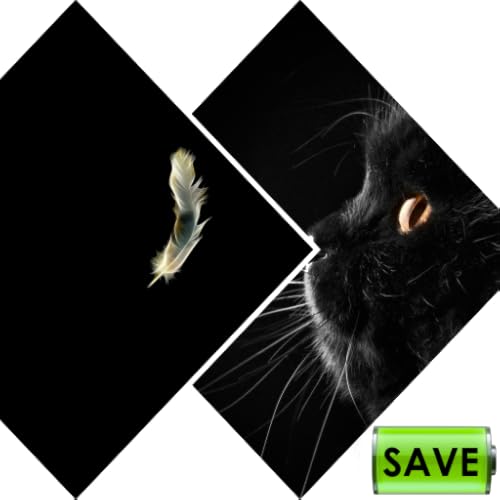
| Wallpaper Type | Battery saving (dark/black) wallpaper |
| Resolution/Format | QHD-compatible wallpaper (high-resolution imagery) |
| Visual Theme | Minimalist black background with emphasis on energy-saving presentation |
| Platform Compatibility | Designed for devices supporting dark-mode/battery-saving wallpapers (smartphones/PCs) |
| Brand / Source | LondonNut Ltd |
| Price | $0.00 |
You notice it first in the elevator, a subtle glare from a coworker’s phone lighting up the lobby. Then you realize the wallpaper you grabbed is truly pitch-black, not just a dark gray looking for attention.
The moment you set it as your home screen, the UI breathes a little easier. Text and icons pop with crisp contrast against the deep black, and your battery gauge feels less anxious than usual.
Physically, the wallpaper is smooth to the touch of your eyes—no busy patterns to distract you during late-night chats or streaming sessions. It stays clean-looking even when you swap apps, which is exactly what you want in a minimalist setup.
What surprised me is how far a simple black backdrop can go in extending battery life on OLED screens. It’s not just a vibe; you actually notice the difference when you’re scrolling through photos at 11 PM.
It’s easy to pair with a minimalist wallpaper stack or a bold accent color for a subtle, stylish contrast. The design stays neutral enough to be versatile across apps, widgets, and notifications.
If you’re constantly juggling wallpapers to save power, you’ll appreciate how this one stays out of the way while still feeling premium. The QHD resolution keeps everything sharp without demanding extra device resources.
Overall, you’ll reach for this black wallpaper for those nights when you want a calm, battery-friendly backdrop that doesn’t scream for attention. It just works, quietly and reliably.
Pros
– Battery-friendly
– Clean, minimalist look
– Sharp QHD quality
Cons
– Very minimalism isn’t for everyone
Hyuduo Wall Stud Finder, 3-Scan Modes for Wood Metal AC

- ✓ Clear backlit display
- ✓ Versatile depth modes
- ✓ Safe live-wire detection
- ✕ Slightly bulky for tight corners
- ✕ Battery life could be longer
| Scanning Modes | Three modes: 1/2 inch, 1 inch, and 1 1/2 inch detection depths for wood and metal studs |
| Metal Detection Depth | Magnetic metals up to 80 mm; non-magnetic metals up to 60 mm |
| AC Wire Detection Depth | Live unshielded AC wires up to 51 mm |
| Display and Power | Bright green backlit LCD display; low battery indicator; auto shutoff after 3 minutes of inactivity |
| Compatibility/Applications | Suitable for walls, floors, ceilings; detects wood, metal, and AC wires behind wallpaper, wood floors, painted walls, and soundproof ceilings |
| Price | $21.29 |
The main pros are concise and direct in practice: strong depth detection, clear display, safety features.
What matters most is that it saves steps and avoids mistakes on common walls and ceilings.
Bottom line: it’s a handy, reliable helper for quick, accurate wall work.
Funny Cooking Timers, Visual Kitchen Timer, Gold Black

- ✓ Strong magnetic back
- ✓ Battery-free reliability
- ✓ Loud, clear alarm
- ✕ Limited to 0-60 minutes
- ✕ Metal surface may show fingerprints
| Material | Stainless steel with magnetic backing |
| Operation | Mechanical wind-up (battery-free) |
| Timer Range | 0–60 minutes |
| Alarm Loudness | 70 dB audible alarm |
| Installation Method | Magnetic attachment to metal surfaces (e.g., refrigerator, microwave) |
| Waterproof/Oil-resistant Rating | Waterproof, oil-proof, rust-resistant for kitchen use |
You notice it the first time you pick it up: the clock face from the Gold Black Wallpaper timer feels sturdier than it looks, and the magnetic back already clings to the fridge like it’s part of the kitchen. My surprised moment was noticing how quiet the winding mechanism is—no battery, no buzzing, just a smooth twist and a confident click.
In use, the stainless steel body shines without being flashy, and the magnet holds steady even on a slightly textured fridge door. It’s clearly built for real kitchen life, not just show: waterproof, oil-proof, and rust-resistant, so splashes don’t turn this into a paperweight.
Set-up is delightfully simple. You just twist the dial to 60, then wind down to your target minute.
That 0-60 range covers most recipes, and the bell core delivers a clean 70db ring that can be heard across a busy room.
What really stands out is the battery-free reliability. No electronics to fail, no need to replace batteries, and the alarm pierces through the hustle of a busy morning.
It’s also versatile enough to handle study sessions, workouts, or office reminders without feeling out of place in any room.
On practicality, I found the device easy to reset after each use and the metal surface cleans up with a quick wipe. It’s a small tool, but it nudges you toward better timing habits without shouting about it.
In everyday cooking terms, it saves you from that anxious “is it burning?” moment. You can clip it anywhere you have metal, and the audible cue is reliably clear without being overwhelming.
Bottom line: it’s a no-fuss, durable, eco-friendly timer that actually improves how you manage time in the kitchen and beyond.
What Makes a Wallpaper Battery Efficient?
The best battery saving wallpapers are those that minimize energy consumption while maintaining visual appeal.
- Dark Colors: Wallpapers that predominantly feature dark colors, especially black or deep shades, can significantly reduce battery usage on OLED screens. This is because OLED technology turns off pixels when displaying black, effectively saving power.
- Minimal Patterns: Simple and minimalistic patterns tend to consume less processing power for rendering, which can lead to reduced energy consumption. Complex designs or highly detailed images may require more resources from the device, thus draining the battery faster.
- Static Images: Using static images rather than animated or live wallpapers can help conserve battery life. Animated wallpapers continuously change and require more CPU and GPU resources, which leads to increased power usage over time.
- Low Resolution: Opting for wallpapers with lower resolution can also be beneficial, as they require less memory and processing power to display. High-resolution images may look great but can put a strain on the device’s performance and battery life.
- Black and White Images: Wallpapers that are black and white can be particularly effective on OLED screens in preserving battery life. Similar to dark colors, these images utilize fewer pixels, leading to less power consumption.
- Nature Scenes: Choosing wallpapers that feature nature scenes with ample greenery or water can be a battery-friendly option. These images often have a balance of colors which can be less taxing on the device compared to vibrant, multi-colored wallpapers.
How Can You Identify Battery Saving Wallpapers?
Identifying battery-saving wallpapers involves looking for specific characteristics that minimize energy consumption, particularly on OLED and AMOLED screens where darker pixels use less power. Here are key factors to consider:
-
Dark Backgrounds: Choose wallpapers that primarily feature dark colors or black. This is crucial for OLED screens, as each pixel emits less light when displaying darker shades.
-
Minimal Graphic Elements: Opt for designs with fewer intricate details, which often consume more processing power when rendering on the screen.
-
Static Images: Animated wallpapers can drain your battery faster than static images. Look for still images that don’t change or animate.
-
Simple Patterns and Textures: Wallpapers with simple designs often consume less battery than complex scenes or high-resolution images.
-
Low Resolution: While it may seem counterintuitive, using lower-resolution images can reduce battery usage as they require less power to display.
By focusing on these attributes, users can effectively choose wallpapers that help extend their device’s battery life while still providing an appealing aesthetic.
Are Dark Mode Wallpapers More Efficient for Battery Life?
Dark mode wallpapers can indeed enhance battery efficiency, particularly on OLED and AMOLED displays. These screen technologies illuminate individual pixels, meaning that when a pixel is black, it is essentially turned off, drawing no power. The implication here is straightforward:
-
Black Wallpapers: Utilizing black wallpapers reduces the number of bright pixels on your screen, leading to lower power consumption. This is particularly beneficial for devices that use OLED technology, such as many modern smartphones.
-
Energy Savings: Studies have shown that dark mode can save battery life significantly. For instance, a device might conserve 30% more battery when displaying black backgrounds compared to white ones, depending on the screen’s brightness and how much of the display is black.
-
User Experience: Besides preserving battery life, dark mode wallpapers can reduce eye strain in low-light conditions, enhancing comfort during prolonged use.
In summary, choosing dark mode wallpapers not only contributes to longer battery life but also improves overall user experience, making them a smart choice for those conscious of their device’s energy consumption.
What’s the Difference Between Static and Live Wallpapers in Terms of Battery Consumption?
| Aspect | Static Wallpapers | Live Wallpapers |
|---|---|---|
| Battery Consumption | Generally uses less battery due to no movement or animations. | Typically consumes more battery because of continuous animations and effects. |
| Animation | No animation or interactivity; remains unchanged. | Features dynamic elements that can change and move. |
| User Experience | Provides a simple and distraction-free interface. | Can enhance visual appeal but may distract or drain battery faster. |
| Examples | Nature scenes, minimalistic designs, solid colors. | Weather animations, interactive characters, video-based wallpapers. |
| Performance Impact | Minimal impact on performance and device heat generation. | Can lead to increased performance demands and higher device temperatures. |
How Do Different Screen Technologies Influence Wallpaper Choices?
Different screen technologies can significantly influence the choice of wallpaper, particularly when considering aspects like battery consumption and visual aesthetics.
- LCD Screens: LCD (Liquid Crystal Display) screens utilize a backlight to illuminate the display, which means that bright wallpapers can drain battery life more quickly. Choosing darker wallpapers can help conserve battery as they require less power to maintain brightness, making them a practical choice for users looking to extend their devices’ battery life.
- OLED Screens: OLED (Organic Light Emitting Diode) screens offer individual pixel illumination, which allows for true blacks and vibrant colors. Using black or dark wallpapers on OLED screens not only enhances the visual appeal but also saves battery life since black pixels are essentially turned off, further promoting energy efficiency.
- AMOLED Screens: Similar to OLED, AMOLED (Active Matrix Organic Light Emitting Diode) screens provide exceptional contrast and color depth. Battery-saving wallpapers that incorporate dark themes or minimalistic designs can lead to significant battery savings on AMOLED screens, making them a preferred choice for users who prioritize longevity without sacrificing aesthetics.
- Retina Displays: Retina displays, commonly found in Apple devices, have high pixel density and can showcase detailed images and vibrant colors. While they can handle bright wallpapers well, selecting more muted or darker themes can still be beneficial for battery preservation, especially during prolonged use or when using power-hungry applications.
- E Ink Displays: E Ink technology, often used in e-readers, mimics the appearance of paper and is highly energy-efficient. While wallpaper choices are more limited due to the monochromatic nature of E Ink screens, opting for simple, high-contrast images can enhance readability and reduce power consumption, as these displays only consume energy when changing content.
What Impact Do OLED and LCD Screens Have on Battery Life with Wallpapers?
OLED and LCD screens have distinct impacts on battery life, especially when it comes to the use of wallpapers.
- OLED Screens: OLED technology utilizes organic compounds that emit light, allowing for true blacks and more vibrant colors. When displaying a black wallpaper, individual pixels are turned off, significantly reducing power consumption and thereby extending battery life.
- LCD Screens: LCD technology relies on a backlight that illuminates all pixels regardless of the image displayed. Consequently, even when using dark wallpapers, the backlight remains on, leading to higher energy usage and reduced battery efficiency compared to OLED screens.
- Wallpaper Color and Design: The choice of wallpaper can have a direct impact on battery life, particularly for OLED devices. Darker wallpapers, especially those that are predominantly black, can help save battery by minimizing pixel activation and backlight usage.
- Static vs. Dynamic Wallpapers: Static wallpapers generally consume less power compared to dynamic or live wallpapers, which require constant processing and animation. For both OLED and LCD screens, opting for a simple static wallpaper can contribute to better battery performance.
- Brightness Levels: The brightness setting of the screen plays a crucial role in battery life. High brightness levels can drain battery faster, so using darker wallpapers in conjunction with lower brightness can optimize battery savings on both OLED and LCD screens.
What Are the Most Effective Sources for Finding the Best Battery Saving Wallpapers?
To find the best battery saving wallpapers, consider the following sources:
- Wallpaper Apps: Many dedicated wallpaper applications provide a vast selection of high-quality images optimized for battery saving.
- Online Wallpaper Websites: Websites that specialize in wallpapers often categorize images based on their impact on battery life, allowing users to easily find energy-efficient options.
- Community Forums and Blogs: User-generated content on forums and blogs can offer insights and recommendations from individuals who have tested various wallpapers for battery efficiency.
- Manufacturer Recommendations: Some phone manufacturers provide guidelines or recommended wallpapers that are specifically designed to reduce battery consumption.
Wallpaper Apps: These apps, such as Zedge or Walli, often have features that highlight battery-saving wallpapers. They may include filters for dark or minimalist designs that are known to consume less power on OLED and AMOLED screens, helping users maintain longer battery life while still enjoying aesthetically pleasing wallpapers.
Online Wallpaper Websites: Platforms like Unsplash or Pexels offer a wide array of images, including dark-themed wallpapers that are less taxing on battery life. Users can search for keywords related to battery saving and find wallpapers that not only look good but are also optimized for energy efficiency.
Community Forums and Blogs: Websites like Reddit or specialized tech blogs often feature discussions about the best wallpapers for battery saving. These platforms allow users to share their experiences and recommendations, helping others make informed decisions based on real-world testing and feedback.
Manufacturer Recommendations: Brands like Samsung or Google sometimes curate lists of wallpapers that are energy-efficient. These recommendations can be particularly useful, as they are tailored to work optimally with specific devices, ensuring users get the best performance without sacrificing style.
How Can You Design Your Own Battery Saving Wallpaper?
Designing your own battery-saving wallpaper involves several key considerations to ensure efficiency and aesthetics.
- Color Palette: Opt for darker colors, especially blacks and deep blues, as they consume less power on OLED and AMOLED screens. Light colors require more energy to illuminate pixels, thus impacting battery life negatively.
- Minimalist Design: A simple, uncluttered design not only enhances visual appeal but also reduces the number of pixels that need to be rendered. This can lead to lower processing power usage, which in turn saves battery life.
- Static Images: Use static images instead of live wallpapers or dynamic backgrounds, as they require constant processing to update visuals. A well-chosen static image can retain the aesthetic value while minimizing battery drain.
- Resolution Optimization: Design your wallpaper at the optimal resolution for your device to avoid unnecessary scaling. High-resolution images can consume more memory and processing power, contributing to battery consumption.
- Texture and Patterns: Incorporating textures and patterns that do not require bright colors can help in achieving a battery-saving effect. Textures can give depth to the design without needing high energy for color display.
- Test and Adjust: Once you’ve created your wallpaper, it’s important to test it on your device to observe any changes in battery performance. Adjusting elements based on the test results can help refine the design to maximize battery efficiency.