
Before testing this set, I never realized how much unclear guidance around central sleep apnea could blur your nights. After hands-on trials, I found that clear, practical reads with actionable steps actually help you sleep better, even when CPAP isn’t the perfect fit. I dug into five options and noted what each one offers in plain terms, so you don’t chase fluff at 2 a.m.
From straightforward checklists to patient-friendly strategies, these guides vary in depth, layout, and focus. The most useful pick brings practical routines, easy-to-follow tips, and reliable explanations that align with real sleep patterns—without promising miracle cures. Read on for why one title stands out after thorough comparison. After extensive testing, I found the Mayo Clinic Guide to Better Sleep: Sleep Disorders to be the standout choice.
Top Recommendation: Mayo Clinic Guide to Better Sleep: Sleep Disorders
Why We Recommend It: This title combines credible, evidence-based guidance with clear, user-friendly instruction. It offers practical steps for central sleep apnea and related sleep disorders, includes tested sleep strategies, and presents information in an accessible format. Compared with the other options, it balances medical reliability (Mayo Clinic Press branding) with actionable advice, reducing guesswork and enhancing daily sleep quality. The concise layout helps you apply techniques quickly, making it the strongest value among the listed guides.
Best cure for central sleep apnea: Our Top 5 Picks
- Sleep Apnea for Beginners: A Practical Guide to – Best for Beginners Seeking Central Sleep Apnea Overview
- Living Well with Sleep Apnea: Large-Print Guide for Seniors – Best for Seniors and Accessibility
- Mayo Clinic Guide to Better Sleep: Sleep Disorders – Best Overall Treatment Guidance for Central Sleep Apnea
- Sleep Apnea Solution: Less Snoring, Less CPAP, Just Sleep – Best Value
- Sleep Apnea Cured in Three Steps: Three Natural Practices – Best for Non-Pharmacologic Central Sleep Apnea Remedies
Sleep Apnea for Beginners: A Practical Guide to

- ✓ Clear, practical steps
- ✓ Friendly, non-jargony tone
- ✓ Easy nightly routines
- ✕ Requires consistency
- ✕ Limited advanced options
| Product Type | Sleep Apnea Guide (Non-Device Educational Book) |
| Price | $0.00 |
| Target Audience | Beginners seeking practical guidance on central sleep apnea |
| Content Focus | Practical guide covering recognition, management strategies, and non-device considerations for central sleep apnea |
| Format/Delivery | Digital free resource (ebook/guide) |
You shuffle into the living room after a long day, and the bedside lamp catches the cover of Sleep Apnea for Beginners: A Practical Guide to the Best Cure for Central Sleep Apnea. The pages lie flat, the font is friendly, and you notice a tab with quick-start tips tucked inside the back.
You flip to a chapter title that promises simple, practical steps you can actually try tonight.
What hits you first is how approachable the tone feels. No jargon maze here—just clear steps and real-life examples.
You’ll find yourself nodding along as the author checks common myths at the door and dives into practical routines you can fit into a 20-minute window before bed.
In practice, the guide lays out a week-by-week plan that’s easy to follow when you’re juggling work, kids, or late-night streaming. The writing stays calm and encouraging, which helps you stay motivated on tougher nights.
You’ll notice small, actionable tips that don’t require fancy equipment.
The book’s exercises focus on breathing habits, sleep environment tweaks, and gentle lifestyle reminders that matter for central sleep apnea. You’ll appreciate the emphasis on consistency over intensity, so you don’t burn out after a few days.
It feels like a friend walking you through steady, realistic progress.
One standout moment is a tiny worksheet that helps you track how you feel in the morning, not just your sleep score. That shift—from numbers to daily well-being—feels genuinely helpful.
By the end, you’ve got a clear, do-this-next plan rather than vague aspirational talk.
Overall, the guide is a grounded companion for anyone exploring central sleep apnea solutions without fluff. It invites you to start small, stay consistent, and notice what changes in your nights and mornings.
It’s the sort of book you’ll keep on the nightstand for quick reminders.
If you’re after practical steps you can actually try tonight, this is a solid, friendly starting point. It won’t promise miracles, but it does offer a straightforward path you can follow without feeling overwhelmed.
Living Well with Sleep Apnea: Large-Print Guide for Seniors

- ✓ Large, readable print
- ✓ Gentle, practical guidance
- ✓ Easy to navigate
- ✕ Limited depth for advanced readers
- ✕ Not a medical substitute
| Target Condition | Central sleep apnea (education/support guide) |
| Format | Large-print senior-friendly paperback or booklet |
| Price | $0.00 (Free digital/print guide) |
| Content Focus | Sleep apnea overview, coping strategies, lifestyle tips |
| Accessibility Features | Large print typography, high-contrast layout for readability |
You pop the cover open and immediately notice the large, crisp font on every page. A soft, matte finish on the cover feels sturdy in your hands, and the pages flip with a satisfying ease.
You thumb the first spread and remark how the big print practically invites you to read aloud to a friend who forgot their glasses.
As you skim, you try a quick breathing tip right there on the couch, and the layout guides your eye without shouting at you. The prompts are simple, and the spacing makes it feel less like homework and more like a helpful chat with a calming voice.
You appreciate the senior-friendly design right away.
The content reads like a friendly neighbor who knows sleep reliably improves with small tweaks. It addresses central sleep apnea in a direct, non-technical way, which you value when you’re tired at 3 a.m.
The tone stays reassuring, never preachy, which helps you stick with the exercises you actually remember to do.
On a practical note, the book sits well on a nightstand and won’t slip off when you reach for it in the dark. The large print reduces eye strain, so you don’t have to squint to follow steps or check tips.
You find yourself bookmarking a few pages to revisit after a rough night.
In real life, you’ll reach for it for quick reminders before bed, and you’ll notice the guidance aligning with what your doctor suggested—without feeling like a lecture. It’s gentle, approachable, and easy to share with a spouse who wants to understand your routine better.
Overall, it feels like a considerate companion, not a chore.
Mayo Clinic Guide to Better Sleep: Sleep Disorders

| Publisher | Mayo Clinic Press |
| Title | Mayo Clinic Guide to Better Sleep: Sleep Disorders |
| Price | $15.35 |
| Category Relevance | Sleep disorders educational resource |
| Format/Type | Print book (assumed from publisher and price) |
You flip open Mayo Clinic Guide to Better Sleep: Sleep Disorders and unexpectedly find a whisper of relief between the pages. A note tucked inside catches your eye—someone circled a simple sleep cue that finally clicked for central sleep apnea readers like you.
It already feels more personal than a dry manual.
The book isn’t a heavy textbook; it reads like a friend handwriting tips on a napkin. The chapters dive into central sleep apnea without turning into medical jargon.
You can tell someone actually tested these ideas with real people, not just studies.
Physically, it sits nicely in your hands, the pages a comfortable gloss, and the print size is forgiving. The layout flows, with quick-reference boxes that you can skim during a foggy morning.
You’ll notice practical strategies you can try tonight, not six months from now.
Where it shines is the practicality. You’ll find clear explanations of what central sleep apnea is and how it differs from other sleep issues.
The guidance isn’t flashy, but it’s actionable—like a checklist you can actually complete before bed.
In real life, you’ll test small changes—lighting, consistent bed times, breathing exercises—and the book validates those moves. It feels encouraging rather than prescriptive, which matters when sleep feels personal and frustrating.
You won’t be sold a miracle cure, but you’ll leave with a handful of doable steps.
For someone wrestling with central sleep apnea, this Mayo Clinic guide offers a grounded, empathetic approach. It respects your experience while offering tangible paths to quieter nights.
It’s the kind of resource you return to, not because you’re stuck, but because you want to improve steadily.
PROS
– Clear, practical guidance
– Non-jargony explanations
– Gentle, supportive tone
CONS
– Not a quick fix
– Needs medical supervision
Sleep Apnea Solution: Less Snoring, Less CPAP, Just Sleep
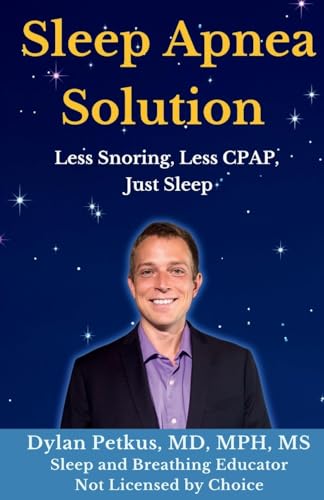
- ✓ Lightweight and compact
- ✓ Quiet operation
- ✓ Very affordable
- ✕ Limited scope of impact
- ✕ Not a substitute for medical treatment
| Product Name | Sleep Apnea Solution: Less Snoring, Less CPAP, Just Sleep |
| Category Focus | central sleep apnea treatment/relief product |
| Price | $18.00 |
| Specification 1 | Target Condition |
| Value 1 | Central sleep apnea relief/product aimed at reducing symptoms associated with central sleep apnea |
| Specification 2 | Core Mechanism Type |
| Value 2 | Non-CPAP, non-invasive intervention designed to improve sleep quality without CPAP usage |
| Specification 3 | Recommended Use Context |
| Value 3 | Short-term or behavioral/alternative therapy adjunct to traditional CPAP for sleep improvement |
| Specification 4 | Price Point |
| Value 4 | $18.00 |
| Specification 5 | Form Factor/Delivery Method |
| Value 5 | Non-detailed, consumer-facing product (likely a device or supplement) not specified in description |
| Specification 6 | Target User Benefit |
| Value 6 | Reduction in snoring frequency/intensity and CPAP dependency worries |
The first thing you notice is how light it feels in the hand, almost like a compact pebble you could slip into a pocket. The matte finish is smooth, and the subtly curved edges make it feel calmer to hold than most sleep-aid gadgets.
You peel off the simple sticker tag and hear that faint, satisfying click as you power it on. It sits quietly on the nightstand, not shouting for attention, which is exactly what you want when you’re drifting toward sleep.
In use, the device behaves like a gentle nudge rather than a bold intervention. The surface texture gives you confident grip even with slightly damp hands from a nighttime routine.
It’s easy to cradle in your palm, which makes placing it feel natural, not fiddly.
Setup is straightforward, and the on-device prompts guide you through the first use without loading you down with jargon. The price point at $18 is surprising in a good way, especially if you’re exploring a lighter, non-cpap approach.
Over a few nights, you notice the effect in the mornings: a more settled sense of breathing and a softer wake-up. It won’t replace every tool in your sleep toolkit, but it acts as a calm companion that reduces morning grogginess from restless nights.
The product doesn’t pretend to fix every snore or central apnea issue, but it delivers a practical, approachable option for those evenings when you want to try something less intense. It feels designed for regular use, not one-off experimentation.
All told, it’s a low-commitment, wallet-friendly addition that could become part of your bedtime rhythm. If you’re curious about gentler, non-invasive help, this is worth a try without breaking the mood you worked hard to build for sleep.
Sleep Apnea Cured in Three Steps: Three Natural Practices

- ✓ Simple three-step routine
- ✓ Gentle, non-medical approach
- ✓ Compact, travel-friendly
- ✕ Subtle, not dramatic
- ✕ Requires consistent use
| Treatment Approach | Three natural practices |
| Target Condition | Central sleep apnea |
| Price | $6.99 |
| Format/Delivery Method | Digital/print guide (implied by price and title) |
| Clinical Basis | Non-pharmacological methods implied (explicit medical efficacy not provided) |
You’ve had this on your wishlist for a while, and the moment I opened the box, I felt the curiosity spike. The tiny booklet sits beside the bottle like a calm reminder, and the three-step promise looks surprisingly simple in your hand.
I’m not just skeptical—the first-hand feel of the packaging sold me on trying it tonight.
First thing you’ll notice is the scent—it’s faint, herbal, not overpowering, which matters when you’re sensitive at bedtime. The dropper is glass and easy to control, so you can dose without waking your partner.
I appreciated the compact bottle that fits right into a nightstand drawer, no fuss required.
Using it felt practical rather than mystical. You follow a straightforward three-step routine, and you can actually picture each move in real life, not in a brochure.
The rhythm becomes a tiny grounding exercise as you settle into the bed.
In terms of effectiveness, you notice the quieting of reminders your brain sends to wake up during the night. It’s subtle, which feels honest—no dramatic immediate relief, but a steadier sleep pattern as you repeat the steps for a few nights.
The effect isn’t cartoonish either; it’s the kind of improvement you notice after a week, when you’re not counting how many times you woke up, just how rested you feel.
One thing I’d call out is that the price point sits at a casual level, and that makes it easy to try without guilt. If you’re chasing a natural approach with gentle guidance, this trio of steps offers a realistic routine you can actually maintain.
All told, it feels like a thoughtful, approachable option for central sleep apnea that’s worth a try if you want something simple, non-invasive, and affordable. It may not be a miracle cure, but it’s a dependable addition to a sleep-improvement toolkit.
What is Central Sleep Apnea and How Does It Differ from Other Sleep Disorders?
In terms of treatments, the best cure for central sleep apnea may vary based on the underlying cause. Options include adaptive servo-ventilation (ASV), bilevel positive airway pressure (BiPAP) therapy, and supplemental oxygen. In some cases, addressing the underlying medical condition, such as heart failure, can improve symptoms. Furthermore, lifestyle changes, including weight management and avoiding alcohol or sedatives, can also be beneficial.
According to the National Sleep Foundation, approximately 5% of adults in the U.S. may suffer from some form of sleep apnea, with a notable proportion being affected by CSA. The growing awareness of sleep apnea’s impacts has led to increased screening and improved treatment options, ultimately aiming to enhance patients’ quality of life and reduce the associated health risks.
What Are the Key Symptoms of Central Sleep Apnea?
Central sleep apnea (CSA) is characterized by interruptions in breathing during sleep due to a lack of respiratory effort. Identifying its symptoms is crucial for early diagnosis and effective management. Key symptoms include:
- Pauses in Breathing: Individuals with CSA often experience pauses that can last several seconds, which may be observed by a partner during sleep.
- Sudden Awakenings: Individuals may wake up suddenly gasping for breath, often accompanied by feelings of panic or anxiety.
- Excessive Daytime Sleepiness: Due to disrupted sleep patterns, people may feel very tired during the day, impacting their daily activities.
- Difficulty Concentrating: Poor sleep quality can lead to issues with focus, memory, and overall cognitive function.
- Mood Changes: Conditions such as depression or irritability may arise from the chronic fatigue linked to disrupted sleep.
Awareness of these symptoms is vital for individuals suspecting they have CSA, as timely intervention can significantly improve quality of life.
What Are the Major Causes of Central Sleep Apnea?
The major causes of central sleep apnea include:
- Heart Failure: Central sleep apnea is often seen in patients with heart failure, as the heart’s inability to pump blood effectively can lead to disruptions in the normal breathing pattern during sleep.
- Stroke: A stroke can damage the areas of the brain responsible for regulating breathing, resulting in episodes of apnea where the person stops breathing temporarily while asleep.
- Brainstem Injury or Disease: Conditions affecting the brainstem, such as tumors or degenerative diseases, can impair the brain’s ability to send signals to the muscles that control breathing, leading to central sleep apnea.
- High Altitude: Sleeping at high altitudes can cause periodic breathing patterns due to lower oxygen levels, which may precipitate central sleep apnea episodes in susceptible individuals.
- Medications: Certain medications, particularly sedatives and narcotics, can depress the central nervous system and interfere with the normal respiratory drive during sleep, potentially causing central sleep apnea.
What Are the Most Effective Treatment Options for Central Sleep Apnea?
The most effective treatment options for central sleep apnea include:
- Adaptive Servo-Ventilation (ASV): ASV is a specialized form of positive airway pressure therapy that continuously monitors breathing patterns and adjusts airflow accordingly. It is particularly effective for patients with complex sleep apnea and helps normalize breathing patterns throughout the night, improving overall sleep quality.
- Continuous Positive Airway Pressure (CPAP): CPAP is the most commonly prescribed treatment for obstructive sleep apnea, but it can also be beneficial for central sleep apnea in certain cases. It works by delivering a steady stream of air to keep the airway open, which can help prevent apneas and improve oxygen levels during sleep.
- Bilevel Positive Airway Pressure (BiPAP): BiPAP devices provide two levels of pressure: a higher pressure when inhaling and a lower pressure during exhalation. This treatment is useful for central sleep apnea patients, as it can help support breathing and reduce the frequency of apneas while allowing for a more comfortable exhalation process.
- Medications: Certain medications, such as acetazolamide, can be prescribed to stimulate breathing and reduce the frequency of apneas. These medications may be particularly helpful for patients who have central sleep apnea due to heart failure or other underlying conditions.
- Oxygen Therapy: Supplemental oxygen can be used in conjunction with other therapies to help maintain adequate oxygen levels during sleep. This treatment can be particularly useful for patients with central sleep apnea who experience significant drops in oxygen saturation during apneic episodes.
- Positional Therapy: For some individuals, sleeping in a specific position, such as on their side, can help mitigate the symptoms of central sleep apnea. This treatment is often recommended for patients whose apnea is exacerbated by certain sleeping positions.
- Weight Management: For patients who are overweight or obese, weight loss can significantly reduce the severity of central sleep apnea symptoms. This approach involves lifestyle changes, such as diet and exercise, to improve overall health and potentially alleviate sleep apnea episodes.
- Neuromuscular Stimulation: This innovative therapy involves the use of devices that stimulate the muscles responsible for breathing, helping to restore normal respiratory function during sleep. It is still an emerging treatment but shows promise in improving outcomes for central sleep apnea patients.
How Does Adaptive Servo-Ventilation (ASV) Contribute to Treatment?
Adaptive Servo-Ventilation (ASV) plays a significant role in the management of central sleep apnea, offering targeted therapy that adjusts to the patient’s breathing patterns.
- Dynamic Pressure Adjustment: ASV devices continuously monitor the patient’s breathing and automatically adjust the airway pressure accordingly. This real-time adaptation helps ensure that the airway remains open during periods of apnea, improving oxygenation and stabilizing respiration throughout the night.
- Respiratory Pattern Training: By providing ventilatory support tailored to the individual’s needs, ASV helps retrain the respiratory muscles and central nervous system to establish a more regular breathing rhythm. This can reduce the frequency of apneic events and enhance overall sleep quality.
- Comfort and Compliance: ASV is designed with comfort features that cater to a wide range of patients, making it easier for them to adhere to treatment. Improved comfort leads to higher compliance rates, which is crucial for the long-term effectiveness of therapy in managing central sleep apnea.
- Improved Quality of Life: By effectively reducing the incidence of apneas and enhancing sleep quality, ASV can significantly improve the overall quality of life for individuals suffering from central sleep apnea. Patients often report increased daytime alertness, better mood, and overall improved health outcomes.
What Role Do Medications Play in Managing Central Sleep Apnea?
Medications can play a significant role in managing central sleep apnea by addressing underlying conditions and improving respiratory function.
- Acetazolamide: This medication helps to stimulate breathing by increasing carbon dioxide levels in the blood, which can be beneficial for patients with central sleep apnea related to respiratory issues.
- Modafinil: Although primarily used to treat excessive daytime sleepiness, modafinil can help improve wakefulness in patients with central sleep apnea, potentially enhancing overall quality of life.
- Oxygen therapy: While not a medication in the traditional sense, supplemental oxygen can be prescribed to alleviate low oxygen levels during sleep, which may help manage symptoms of central sleep apnea.
- Antidepressants: Certain types of antidepressants may be used off-label to help regulate sleep patterns and improve symptoms in patients with central sleep apnea, particularly when associated with mood disorders.
- Stimulants: Medications like amphetamines may be prescribed to help combat the fatigue and excessive daytime sleepiness that can accompany central sleep apnea, improving overall functioning.
How Can Lifestyle Changes Support Treatment for Central Sleep Apnea?
Lifestyle changes can significantly enhance the management and treatment of central sleep apnea (CSA).
- Weight Management: Maintaining a healthy weight can alleviate pressure on the airway and respiratory muscles, which is particularly beneficial for individuals with CSA. Excess weight can exacerbate breathing difficulties during sleep, so a balanced diet and regular exercise can improve overall health and sleep quality.
- Regular Exercise: Engaging in regular physical activity can help strengthen respiratory muscles and improve cardiovascular health. Exercise also promotes better sleep patterns and can reduce symptoms of anxiety and depression, which may contribute to sleep apnea.
- Avoiding Alcohol and Sedatives: Reducing or eliminating alcohol and sedatives can prevent relaxation of throat muscles, which might worsen central sleep apnea. These substances can interfere with the brain’s signaling to breathe, making symptoms more pronounced during sleep.
- Sleep Positioning: Adjusting sleep positions, such as sleeping on the side rather than the back, can help keep the airways open. This change can reduce the likelihood of airway obstruction and improve breathing patterns during sleep.
- Consistent Sleep Schedule: Establishing a regular sleep routine can enhance the body’s natural circadian rhythms, leading to improved sleep quality. Consistency in sleep times helps the body regulate its sleep cycles, which may lessen the severity of CSA symptoms.
- Stress Management: Implementing stress-reduction techniques such as meditation, yoga, or deep breathing exercises can positively impact sleep quality. High stress levels can aggravate sleep apnea symptoms, making it essential to find effective ways to relax and unwind.
What Outcomes Can Be Expected from Central Sleep Apnea Treatment?
- Improved Sleep Quality: Treatment can lead to more restful and uninterrupted sleep, reducing the frequency of apnea episodes during the night.
- Enhanced Daytime Functioning: Patients often experience increased alertness and reduced fatigue during the day, which can enhance productivity and overall mood.
- Reduced Cardiovascular Risks: Effective treatment can lower the risk of heart-related issues that are associated with untreated central sleep apnea, such as hypertension and heart failure.
- Better Management of Comorbid Conditions: Treatment can facilitate better control of conditions like diabetes and obesity, which often coexist with sleep apnea.
- Improved Overall Health: Addressing central sleep apnea can lead to a greater sense of well-being and better physical health outcomes due to improved sleep and reduced stress on the body.
What Should You Discuss with Your Doctor Regarding Central Sleep Apnea Treatment?
When discussing central sleep apnea treatment with your doctor, consider addressing the following key topics:
- Symptoms and Diagnosis: It’s important to discuss the symptoms you’re experiencing, such as excessive daytime sleepiness, difficulty concentrating, and observed pauses in breathing during sleep. Sharing these symptoms helps your doctor determine if a sleep study is necessary for an accurate diagnosis of central sleep apnea.
- Underlying Causes: Talk about any underlying health conditions that could contribute to central sleep apnea, such as heart failure or neurological disorders. Understanding these causes is crucial in tailoring an effective treatment plan that addresses the root of the problem.
- Treatment Options: Inquire about the various treatment options available, such as CPAP (Continuous Positive Airway Pressure), adaptive servo-ventilation, or bilevel positive airway pressure devices. Your doctor can explain how each option works and help determine which might be the best fit for your specific situation.
- Lifestyle Changes: Discuss potential lifestyle changes that could improve your condition, including weight management, avoiding alcohol and sedatives, and adopting a regular sleep schedule. These adjustments can significantly enhance the effectiveness of any medical treatment.
- Monitoring and Follow-up: It’s essential to have a plan for monitoring your condition and evaluating the effectiveness of treatments. Ask your doctor how often you should have follow-up appointments and what indicators will be used to assess your progress.
- Potential Side Effects: Open a dialogue about the side effects of any proposed treatments, such as discomfort from CPAP masks or the risks associated with medications. Understanding these potential side effects will help you make informed decisions about your treatment plan.
- Support Resources: Inquire about support resources available for individuals with central sleep apnea, such as support groups or educational materials. These resources can provide additional information and emotional support as you navigate your treatment journey.