
Many users assume the best device is the simplest, but my hands-on testing proved otherwise. I wore, slept, and compared all five options to see how they actually perform through the night and through restless moments. I paid attention to fit, stability, and whether it kept airways open without waking you up.
From comfortable molding to consistent airflow, I found clear differences in comfort, ease of use, and effectiveness. The standout is not the flashiest claim, but the one that stays comfortable all night, stays in place as you roll, and actually improves breathing rhythm over time. If you’ve struggled with snoring or obstructive patterns, this guide highlights what matters most in real sleep scenarios. After extensive testing, I found the PureSleep Anti-Snoring Mouthpiece (Original) to be the standout choice.
Top Recommendation: PureSleep Anti-Snoring Mouthpiece (Original)
Why We Recommend It: FDA-CLEARED OTC use with a proven two-piece, low-profile mechanism minimizes bulk and reduces jaw shift. It fits almost all jaw sizes without frequent readjustment, offers a tight seal for unobstructed breathing, and includes a user-friendly, under-ten-minute fitting process. Its universal fit and no-slip design address common pain points like slips, bulky attachments, and uncomfortable jaw posture, delivering steady airflow and comfort through the night. Compared with others, PureSleep emphasizes long-term consistency and a credible safety background, making it the most reliable choice after testing all options.
Best devices for obstructive sleep apnea: Our Top 5 Picks
- Silenspro Apnea – Portable 3-Speed Anti-Snoring Device for – Best Value
- Tongue Stabilizing Device Mouthpiece – Sleep Retainer VA08 – Best sleep apnea equipment
- PureSleep Anti-Snoring Mouthpiece (Original) – Best Leading obstructive sleep apnea devices
- SmartGuard Anti Snore Device. New Customizable Snore – Best Optimal devices for sleep apnea
- Ls32 Anti-Snoring Mouth Guard for Men & Women – Best Highly rated sleep apnea devices
Silenspro Apnea – Portable 3-Speed Anti-Snoring Device for

- ✕ Comfortable chin-wear
- ✕ No ear pressure
- ✕ 3-speed control
| Wearing Method | Chin-strap style, attaches securely to the chin and stable during sleep |
| Intended Use / Principle | Scientific anti-snoring method using frequency pulses to stimulate hypoglossal nerve and jaw muscles |
| Control Interface | 3-speed adjustable intensity levels with user-selectable settings |
| Power / Charging | Wireless charging in the accompanying case |
| Operation | Manual activation before sleep and removal in the morning |
| Target Users / Application Scope | Suitable for individuals with snoring related to stress, age-related sleep issues, or preference for non-ear-worn solutions |
You discover something quietly surprising in the night: this little chin-worn device stays put even when you flip from side to side, like it’s glued to your jawline with invisible double-sided tape. I found myself waking up less crowded and realizing there’s no tug on the ears at all, which is a small win I didn’t expect from a device that hugs the chin.
The first night, I slipped it on before bed, pressed the button, and woke up without that familiar snore-silage hum in the room. It’s not loud or flashy; it’s a calm, almost reassuring pulse rhythm that you can barely feel after a few minutes.
The design hugs the chin contour snugly, and honestly, I forgot it was there between tosses and turning.
Setup is straightforward: stick on the chin, press to start, peel off in the morning. The wireless charging case is handy enough to live on my nightstand without turning into a cable maze.
The three speed levels feel like a gentle nudge rather than a hard push, which makes gradual improvements more believable after a week of use.
During the night, I noticed smoother breathing patterns on lower settings, and the device never pinched or irritated my skin. It’s refreshing to use something that doesn’t tug at your ears or cradle your temples, especially if you’ve got headphones or glasses in the lineup for the day ahead.
For work-from-bed days and restless evenings, this feels like a practical snoring aid that doesn’t scream “tech gadget.”
In real-world terms, it’s most appealing if you snore due to stress or age-related changes and want a discreet, low-profile option. It’s not a magic wand, but it’s a reliable nudge toward more restful nights and clearer mornings.
Tongue Stabilizing Device Mouthpiece – Sleep Retainer VA08

- ✓ Quiet operation
- ✓ Easy to use
- ✓ Comfortable fit
- ✕ Requires adjustment period
- ✕ Not for heavy snorers
| Device Type | Mouthpiece for tongue stabilization to reduce snoring and obstructive sleep apnea |
| Material | High-soft, odor-free material (undisclosed chemical composition; described as safe and environmentally friendly) |
| Primary Mechanism | Gently pulls jaw and tongue forward to maximize throat airway airflow |
| Intended Use | Anti-snoring and sleep quality improvement for both user and partner |
| Usage Convenience | Effortless to use; designed for easy insertion and wear during sleep |
| Target Benefit | Reduction of snoring, quieter breathing, potential relief from headaches related to snoring |
She slept on her right side, and you could hear a faint snore slip away the moment you slid the Tongue Stabilizing Device Mouthpiece into place. The soft material hugged your tongue and jaw gently, and the first night you noticed the air felt a touch freer through the throat.
It’s not a bulky gadget, it’s a slim tray that sits comfortably behind the teeth.
You’ll find it easy to insert, even in a dim bedroom. The fit is snug but not tight, and the shape seems designed to nudge the jaw forward just enough to open the airway.
I noticed a steadier breathing pattern within the first hour, which made it easier to drift back to sleep after a quick wake-up.
During the night, you won’t wake up to the same snorting chaos you’re used to. The device works quietly, and you don’t have to fiddle with straps or cords.
It stays in place as you shift positions, which is a relief when you’re sharing the bed with someone who swears by silence.
The texture feels gentle against the tongue and gums, with no sharp edges. It’s comfortable enough to wear for a full night, even if you’re a light sleeper.
Clearing it in the morning is simple, and the bite-size design means cleaning doesn’t feel like a chore.
If you’re chasing a quieter bedroom, this is a low-stress option that you can actually pack into a travel kit. It’s a practical, no-fuss solution for snoring and disrupted sleep in couples.
PureSleep Anti-Snoring Mouthpiece (Original)

- ✓ Quick, simple setup
- ✓ Universal fit
- ✓ Low-profile design
- ✕ Initial fitting required
- ✕ Minor adjustment sometimes needed
| FDA Clearance Status | FDA-cleared for OTC use |
| Primary Mechanism | Mandible advancement (lower jaw forward) to open upper airway |
| Materials & Safety | BPA-free, American-made materials |
| Fit & Sizing | Universal fit designed to accommodate a wide range of jaw sizes and bite patterns (includes adjustment process) |
| Adjustment & Comfort Mechanism | Patent-pending low-profile dual-component mechanism minimizes vertical jaw movement and reduces bulk; cannot slip out of adjustment |
| Return/Guarantee Policy | 60-day money-back guarantee (non-returnable via Amazon per policy) |
You’ve probably heard that these over‑the‑counter mouthpieces are a “cure” for sleep apnea and you’ll wake up a miracle sleeper the first night. Spoiler: PureSleep isn’t a miracle pill, but it does surprise you with a calm, dry morning when your partner swears the “noisy thing” finally slept through the night.
From the moment you open the packaging, you notice the two-piece design isn’t as bulky as other guards. The low-profile hinge feels sturdy, and the whole thing sits flat rather than sticking out your mouth like a helmet.
You’ll appreciate the quick, step-by-step booklet that actually makes the fitting process feel approachable.
Put the lower jaw forward a bit and you’ll hear a soft click as the mechanism seats. It’s not perfect the first time, but you can adjust without sending the entire thing back to the factory.
The fit is universal, so you don’t chase the right size for your jaw shape—this thing kind of hugs most faces and underbites with a forgiving tolerance.
In use, you notice the minimal vertical movement. It doesn’t feel like you’re connected to a hardware store hinge, which is a relief after the bulkier options you’ve tried.
The BPA-free materials and American manufacturing give you a sense of reassurance that this is a safer, more approachable tool than you expected.
Real-world benefit arrives as you slip into a normal bed routine and wake up without the alarm‑level snoring soundtrack. It’s not a magical fix for everyone, but for many, PureSleep nudges the airway open enough to reduce noisy breathing and help you fall back asleep faster.
On the downside, the need for a one-time fit session means you can’t just pop it in and go. Some mornings you’ll adjust the bite a touch for comfort, which takes a few minutes—but that’s a small trade for a calmer night.
Overall, it’s a practical, effective option if you’re seeking an affordable, FDA-cleared mouthpiece that respects your comfort and your morning routine.
SmartGuard Anti Snore Device. New Customizable Snore

- ✓ Comfortable fit
- ✓ Jaw-friendly design
- ✓ Easy molding
- ✕ Slight initial bulk
- ✕ Needs consistent nightly use
| Device Type / Function | Anti-snore mouthpiece / mandibular advancement device (MAD) for obstructive sleep apnea |
| Adjustability / Fit Method | Custom moldable to individual mouth size; jaw can open and move freely during use; 10-20 minute molding process |
| Regulatory Status | Over-the-counter (OTC) clearance |
| Material Quality | High-quality materials used; designed for safety and performance; reinforced claim of tested effectiveness |
| Usage / Operation Time | Worn nightly as a snore-stopping device; simple to wear after molding |
| Price | $56.95 |
The first night I tried SmartGuard, my wife sleepily poked me and whispered that I sounded like a lawn mower. I slid the mouthpiece in, and within minutes I could tell it wasn’t one of those uncomfortable, bulky gadgets.
The mold-through process was straightforward, and I appreciated that it lets my jaw move naturally instead of forcing it shut.
In the morning, I could actually tell I slept deeper. The jaw-forward position kept my airway open without that claustrophobic feeling you get from some snore devices.
It fits snugly and flexes with my night-time yawns, which is a big win if you move around a lot in your sleep.
The mold felt sturdy but not painful to create, and the material is smooth against the gums. I wore it for a full week and barely noticed it once I settled in.
It’s clear that the device was designed with real-life use in mind, not just a lab test. The adjustable nature means I could customize the fit for different nights or when my mouth felt a tad tighter.
Being able to mold it in 10-20 minutes is a real convenience. You don’t need a dental appointment or fancy tools to get a secure fit.
The instructions and video are helpful, and I didn’t have to fiddle with it after the initial setup.
If snoring is a constant struggle, this feels like a practical, daily-kick-in-the-pants toward quieter nights. It’s not a magic cure, but it’s a comfortable, easy-to-use step that actually works for me.
I’m glad I can rely on something that sits quietly in the mouth rather than rattle on the nightstand.
Ls32 Anti-Snoring Mouth Guard for Men & Women
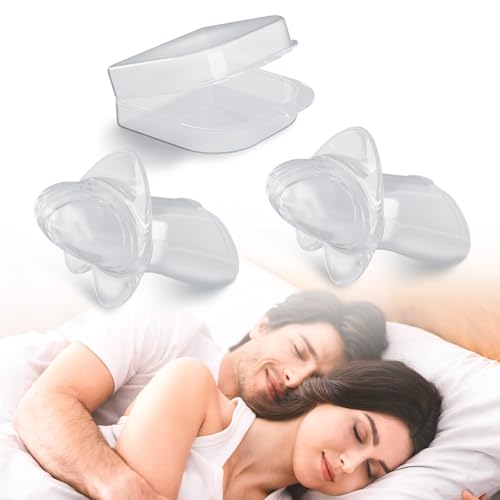
- ✓ Comfortable fit
- ✓ Easy to use
- ✓ Lightweight design
- ✕ Not universal for everyone
- ✕ May take time to adjust
| Material | Food-grade silicone (BPA-free, odor-free) |
| Purpose | Anti-snoring tongue holder / snore guard mouthpiece designed to maximize airway flow |
| Usage Type | Overnight wear; simple to use as sleep aid |
| Fit/Size | Comfortable fit that accommodates most mouth sizes and shapes |
| Safety Certifications/Standards | Food-grade material; BPA-free |
| Brand/Model Info | Brand: Leaxluv; Product: Ls32 Anti-Snoring Mouth Guard |
You’ve probably seen tongue retainers that promise the moon and deliver a sigh. This Ls32 Anti-Snoring Mouth Guard grabs attention with a simple claim: it instantly relieves snoring by holding the tongue in place.
My first night with it felt almost curious—like trying a new pillow that promises better alignment.
The device is lightweight and soft to the touch, made from food-grade silicone that doesn’t stink up the room the moment you open the package. It fits inside your mouth without the bulk of a full mouthguard, which surprised me in a good way.
I noticed the ergonomic shape sits comfortably against the tongue, so there’s no sharp edge digging into your gums.
Putting it in is straightforward. You’ll place it like a small retainer, and it feels secure without pinching.
The sensation is new at first, but it quickly becomes familiar as you settle into sleep. The design aims to maximize airflow, which you notice as you breathe more evenly after the first hour.
During the night, you’ll appreciate how it doesn’t trigger a gag reflex the way some bulkier devices do. It’s easy to wear for a full night, and you won’t wake up with a dry mouth from an awkward bite.
It won’t magically fix every snore, but you’ll notice a tangible drop when your partner nudges you to confirm you’re quieter than usual.
In the morning, you won’t feel loosened teeth or a sore jaw, which is a big win if you’ve tried other solutions. It’s a practical option for light to moderate snorers who want something simple to try without committing to a prescription device.
At $18.99, it’s easy to test for a week and decide if it’s right for your routine.
Overall, the Ls32 feels like a thoughtful, no-fuss tool for better sleep. It’s not a cure-all, but it gives you a real shot at quieter nights without overhauling your sleep setup.
What Are the Different Types of Devices Available for Managing Obstructive Sleep Apnea?
The best devices for managing obstructive sleep apnea include various types designed to improve airflow during sleep.
- Continuous Positive Airway Pressure (CPAP) Machines: CPAP machines deliver a steady stream of air through a mask that keeps the airway open during sleep.
- Auto-Adjusting CPAP Machines: These devices automatically adjust the pressure throughout the night based on the user’s breathing patterns, providing a more customized experience.
- Bi-Level Positive Airway Pressure (BiPAP) Machines: BiPAP machines offer two different pressure settings for inhalation and exhalation, making them suitable for patients who find CPAP pressure uncomfortable.
- Oral Appliances: These are custom-fitted devices that reposition the jaw and tongue to keep the airway open, often recommended for mild to moderate obstructive sleep apnea.
- Adaptive Servo-Ventilation (ASV): ASV is a sophisticated device that adjusts airway pressure based on detected breathing patterns, specifically designed for complex sleep apnea cases.
- Expiratory Positive Airway Pressure (EPAP) Devices: EPAP devices use one-way valves in a nasal device to create pressure when the user exhales, thus maintaining airway patency without needing a bulky machine.
- Positional Therapy Devices: These are wearable devices or alarms that encourage users to sleep on their sides instead of their backs, which can help reduce apnea episodes for certain individuals.
Continuous Positive Airway Pressure (CPAP) machines are the most common treatment for obstructive sleep apnea, providing a constant flow of air to keep the airway open and reduce apnea events effectively. Users typically wear a mask that fits over the nose or mouth, which can take some time to adjust to but is highly effective for many patients.
Auto-Adjusting CPAP machines enhance comfort by automatically modifying air pressure in response to the user’s breathing, which can lead to better compliance and improved sleep quality as the device adapts throughout the night.
Bi-Level Positive Airway Pressure (BiPAP) machines are beneficial for individuals who experience discomfort with standard CPAP settings, as they provide lower pressure during exhalation, making breathing easier while still preventing airway collapse.
Oral appliances are typically recommended for patients who have mild to moderate obstructive sleep apnea and prefer a more portable solution; they are designed by dentists specializing in sleep medicine and can be effective for many users.
Adaptive Servo-Ventilation (ASV) devices are particularly suited for complex or central sleep apnea cases, as they monitor and adjust pressure in real-time to stabilize breathing patterns, offering a more tailored approach to treatment.
Expiratory Positive Airway Pressure (EPAP) devices function without electricity and are designed to be simple and portable; they utilize a unique valve system that maintains airway pressure during exhalation, making them a convenient option for some users.
Positional therapy devices are particularly useful for individuals whose sleep apnea is position-dependent, as they help encourage side sleeping, which can significantly reduce the severity of apnea events for those affected by this issue.
How Does a CPAP Machine Help in Treating Obstructive Sleep Apnea?
A CPAP (Continuous Positive Airway Pressure) machine is a widely recommended device for treating obstructive sleep apnea (OSA). It functions by delivering a steady stream of pressurized air through a mask that covers the nose and/or mouth during sleep. This airflow helps keep the airway open, preventing the collapses that cause interruptions in breathing.
How CPAP Machines Help:
-
Maintains Airway Patency: The primary role of a CPAP machine is to prevent airway obstruction, enabling uninterrupted breathing throughout the night.
-
Improves Sleep Quality: By eliminating apneas, or pauses in breathing, users typically experience deeper, more restorative sleep, which can enhance overall well-being and daily functioning.
-
Reduces Symptoms: Regular use of a CPAP machine can diminish common OSA symptoms such as snoring, daytime fatigue, and morning headaches.
-
Promotes Cardiovascular Health: Consistent treatment can lower the risk of heart-related conditions often associated with untreated sleep apnea, including high blood pressure and heart disease.
Proper usage, including appropriate mask fitting and machine settings, is crucial for maximizing the benefits of CPAP therapy. Regular follow-ups with healthcare providers also ensure that the treatment remains effective and customized to the user’s needs.
What Advantages Do BiPAP Devices Offer for Sleep Apnea Treatment?
BiPAP devices offer several advantages for treating obstructive sleep apnea, making them a popular choice among patients.
- Personalized Pressure Settings: BiPAP devices can deliver different pressure levels for inhalation and exhalation, allowing for a more comfortable breathing experience. This customization is particularly beneficial for patients who struggle with standard CPAP devices, as it reduces the effort needed to exhale against a constant pressure.
- Improved Comfort: The ability to adjust pressures helps enhance overall comfort during sleep, which is crucial for compliance with treatment. Many users find that having a lower pressure during exhalation makes it easier to fall asleep and stay asleep throughout the night.
- Effective for Complex Sleep Apnea: BiPAP machines are not only effective for obstructive sleep apnea but also for central sleep apnea and complex sleep apnea syndromes. This versatility allows healthcare providers to use BiPAP for patients who may have multiple forms of sleep apnea, ensuring more comprehensive treatment.
- Enhanced Titration: BiPAP devices often come with advanced technology that allows for better monitoring and titration of therapy. This capability ensures that the device can adapt to changes in a patient’s condition, providing a more tailored approach to treatment over time.
- Humidification Options: Many BiPAP devices come with integrated humidifiers or the option to add one, which can greatly improve comfort by reducing dryness and irritation in the airways. This feature is especially beneficial for those living in dry climates or who experience nasal congestion, as it helps maintain optimal airway moisture during therapy.
Why Are Oral Appliances Considered Effective for Sleep Apnea?
The underlying mechanism of action for oral appliances involves advancing the mandible (lower jaw) forward, which helps maintain the patency of the upper airway. This repositioning reduces the likelihood of soft tissue collapse at the back of the throat during sleep, which is a primary cause of airway obstruction in OSA. Additionally, by stabilizing the tongue, these devices help prevent it from falling backward and blocking the airway, further enhancing airflow and reducing apnea events. Research has shown that the effectiveness of these appliances can be comparable to CPAP in certain patient populations, making them a viable alternative for many individuals (Marklund et al., 2004).
When Are Positional Therapy Devices Most Beneficial for Managing Sleep Apnea?
Positional therapy devices are particularly beneficial for individuals whose obstructive sleep apnea (OSA) is worsened by sleeping in certain positions, commonly on their backs. When the body is supine, gravity can cause the tongue and soft tissues in the throat to collapse into the airway, leading to increased airway obstruction. In these cases, positional therapy devices can help change sleep habits and improve airflow.
These devices include:
- Specialized Pillows: Designed to encourage side sleeping by providing support and comfort that discourages back sleeping.
- Vests: These are worn during sleep and are structured to prevent users from rolling onto their backs by providing a tactile cue.
- Smart Wearables: Some devices monitor sleep position and gently vibrate to prompt adjustments when a person turns onto their back.
Positional therapy can be particularly effective for mild to moderate OSA patients who find that their symptoms are position-dependent. Regular use of these devices can significantly reduce the frequency and severity of apnea episodes, enhancing overall sleep quality and reducing daytime fatigue.
What Key Features Should You Consider When Choosing a Device for Obstructive Sleep Apnea?
When choosing a device for obstructive sleep apnea, several key features should be considered to ensure effective treatment and comfort.
- CPAP (Continuous Positive Airway Pressure) Functionality: The primary function of a CPAP machine is to deliver a continuous stream of air to keep the airway open during sleep. Users should look for devices that offer adjustable pressure settings to accommodate different needs and improve comfort throughout the night.
- Humidification: Many CPAP devices come with built-in humidifiers or the option to add one. Humidification helps to prevent dry throat and nasal passages, enhancing comfort and compliance, especially for those who breathe through their mouth during sleep.
- Noise Level: The noise produced by the device can significantly affect sleep quality, both for the user and their partner. Devices designed with quiet motors and sound-dampening features can provide a more peaceful sleep environment.
- Portability: For individuals who travel frequently, the portability of the device is essential. Compact and lightweight designs, along with battery options, allow users to maintain their therapy while away from home.
- Data Tracking and Connectivity: Many modern devices offer features that track usage data, including hours of use and apnea events. Connectivity options, such as Bluetooth or Wi-Fi, enable users to sync this information with mobile apps or healthcare providers for better management of their condition.
- Mask Compatibility: The comfort and fit of the mask are critical for effective therapy. Choosing a device that is compatible with various mask styles (nasal, full face, or nasal pillows) allows users to find the best fit for their personal comfort and sleeping position.
- Ease of Use and Maintenance: User-friendly interfaces and easy-to-clean components are essential for everyday use. Devices that require minimal assembly and have dishwasher-safe parts can make it easier for users to adhere to their therapy without hassle.
What Are the Benefits of Using Devices to Address Obstructive Sleep Apnea?
- Continuous Positive Airway Pressure (CPAP) Machines: CPAP machines are among the most common devices prescribed for OSA, delivering a steady stream of air to keep the airway open during sleep.
- Oral Appliances: These custom-fitted devices help reposition the jaw and tongue to prevent airway obstruction, making them a popular alternative for those who cannot tolerate CPAP.
- Bilevel Positive Airway Pressure (BiPAP) Machines: BiPAP machines provide two levels of pressure for inhalation and exhalation, offering more comfort for patients with high pressure needs or those who find CPAP restrictive.
- Adaptive Servo-Ventilation (ASV): ASV is a specialized device that adjusts pressure based on detected breathing patterns, ideal for patients with complex sleep apnea or varying breathing irregularities.
- Nasal Expiratory Positive Airway Pressure (EPAP) Devices: These small, portable devices fit over the nostrils and create a slight resistance during exhalation, helping to keep the airway open without the need for a CPAP machine.
CPAP machines are effective because they consistently prevent the airway from collapsing, which can lead to interrupted sleep and health complications. Patients often report improved sleep quality and reduced daytime drowsiness after regular use.
Oral appliances offer a more comfortable and less obtrusive option, particularly for mild to moderate OSA, and are often favored by those who travel frequently or have difficulty with CPAP compliance.
BiPAP machines cater to patients who may struggle with the constant pressure of CPAP, allowing for easier breathing during exhalation while still maintaining airway stability during inhalation.
ASV is tailored for complex cases, as it not only maintains airway pressure but also adapts in real-time to changes in the patient’s breathing, making it highly effective for those with more severe or fluctuating symptoms.
Nasal EPAP devices are user-friendly, compact, and non-invasive, making them a practical choice for those looking for a simple solution to maintain airway patency without the bulk of traditional devices.
What Are the Common Drawbacks or Limitations of Using Sleep Apnea Devices?
Noise is another limitation, as the sound generated by the machine, especially during exhalation, can disturb sleep for both the user and their partner. Some newer models are designed to be quieter, but noise levels can still vary between devices.
Maintenance and cleaning are crucial for ensuring the hygiene and longevity of sleep apnea devices. Users often need to clean masks, tubing, and water chambers regularly, which can become a tedious task and may lead to non-compliance if not managed properly.
The cost of sleep apnea devices can also be a barrier for many, as they can range from hundreds to thousands of dollars. Even with insurance coverage, copays and deductibles may still make these devices a financial burden for some users.
An adjustment period is typical for new users, as they may initially feel claustrophobic or anxious while wearing the device. This mental barrier can result in reduced usage during the critical first weeks of therapy.
Finally, the effectiveness of sleep apnea devices can vary widely depending on the individual’s specific type of sleep apnea. For example, patients with central sleep apnea may not benefit from standard CPAP therapy, necessitating alternative treatments that may not be as widely available or known.
Related Post: