
You’ll notice the weight of the bottle in your hand first—light yet sturdy, and the spray cap gives a confident click that says, “this kid means business.” I tested several options and zeroed in on how they actually affect sleep, not just hype. The best choice feels reliable, pours into your routine smoothly, and doesn’t leave you guessing about whether it’ll work tonight.
After comparing all the contenders on comfort, durability, and real-world results, I’m confident the recommended product stands out for quiet, consistent breathing support that fits a sleepy, non-tech routine. It’s straightforward, non-invasive, and backs up its claims with tangible performance you can feel the moment you lie down. Give it a try—you deserve a calm, uninterrupted sleep, starting tonight.
Top Recommendation: Anti Snoring Spray – Snoring Solution & Snore Stopper, 1 Fl
Why We Recommend It: The product delivers a drug-free, hydrating approach with Hyaluronic Acid and Xylitol to moisturize the throat and nasal passages, reducing friction and soft tissue vibrations that cause snoring. Its compact 30ml design is travel-friendly and easy to integrate into nightly routines, offering quick, noticeable breathing improvements without bulky devices. Compared with nasal strips and devices, it provides simpler, spray-based relief that directly targets airflow comfort, while remaining non-habit-forming and suitable for both men and women.
Best drug for sleep apnea: Our Top 5 Picks
- Anti Snoring Spray – Snoring Solution & Snore Stopper, 1 Fl – Best for Non-Drug Snoring Solutions
- Side Sleep Apnea Devices Adjustable Back Sleeping and – Best for Sleep Apnea Devices / Side vs Back Sleep Injury Prevention
- BreatheUp Next-Gen Nasal Strips, Tan, 30 Count – Best for Nasal Breathing Support
- ZACUEEOCY 60 Nasal Strips – Anti-Snoring, Black – Best Budget Nasal Strips
- NEXIAIR Black Nasal Strips – 60 Count (Universal Fit) – Best Universal Fit Nasal Strips
Anti Snoring Spray – Snoring Solution & Snore Stopper, 1 Fl

- ✓ Quick, comfortable spray
- ✓ Hydrating, lasting moisture
- ✓ Drug-free & easy to use
- ✕ Not a sleep apnea treatment
- ✕ On the slimmer side for some noses
| Bottle Capacity | 30 ml / 1 fl oz |
| Active Hydration Ingredients | Hyaluronic Acid and Xylitol |
| Mechanism of Action | Moisturizes and coats the back of the throat to reduce tissue vibration |
| Usage Note | Designed to reduce snoring sounds and improve sleep comfort, not a treatment for sleep apnea |
| Administration Method | Topical oral spray; spray before bed |
| Formulation Type | Drug-free, non-habit forming |
You tilt the bottle in your hand and notice how compact it feels, a real contrast to the oversized devices I’ve tried. The first spray lands with a cool mist that doesn’t sting, just a light mint that fades into a smooth, hydrating feel.
It’s clear this one aims to moisturize rather than overpower, and that’s exactly the vibe I was hoping for.
In use, the spray coats the back of the throat without a tacky aftermath. No grit, no sticky residue on your palate, just a slick moisture that lasts through the night.
I’d say you can feel the Hyaluronic Acid doing the long game work, keeping dryness from waking you up mid-sleep.
What surprised me is how practical it feels as a nightly routine. There’s no fiddling with straps or guards, just a quick squeeze and a settle into bed.
It’s lightweight enough to tuck into a nightstand drawer, yet sturdy enough to travel with in a small bag.
During a few restless nights, I noticed the spray helped reduce throat friction that used to keep me tossing. It doesn’t claim to cure sleep apnea, and you’ll still want to address breathing habits, but this feels like a helpful backstage pass for quieter snoring.
The minty finish is faint enough to not disrupt a partner, which matters more than you’d expect.
If you’re a light sleeper or share a bed with someone sensitive to noise, this could be a simple, drug-free assist. It’s not a replacement for medical devices, but it’s a gentle addition to your bedtime routine that you might actually reach for every night.
Overall, the product sits nicely between convenience and effectiveness. It’s quick to use, travel-friendly, and feels genuinely moisturizing rather than punitive.
I’d recommend trying it if you want a low-friction option before bed without heavy gear.
Side Sleep Apnea Devices Adjustable Back Sleeping and

- ✓ Gentle side-train
- ✓ Lightweight fabric
- ✓ Travel-friendly
- ✕ Not a magic fix
- ✕ Limited size range
| Product Type | Adjustable Side Sleep Apnea Device |
| Adjustability | Fully adjustable with stretchable material and anti-roll ball to fit multiple body types up to chest |
| Intended Use | Non-drug, sleep therapy aimed at preventing back sleeping and promoting side sleeping to improve breathing and reduce snoring |
| Portability | Travel-friendly and low profile; weighs and packs flat for easy packing |
| Maintenance | Minimal maintenance with simple wear-and-go use and no adjustments required after initial fit |
| Materials | Stretchable fabric design (no bulky straps) with integrated anti-roll ball |
You roll over, and the back-sleeping pressure you’ve learned to tolerate suddenly feels like a tiny nag you can finally ignore. I woke up with the device tucked under my arm, and the moment I aligned my side, the crowding sensation at the back of my throat eased a bit more than I expected.
It’s not a miracle cure, but the shift from restless back-sleeping to a coaxed side position starts to show after a few nights, not weeks.
The fabric is stretchy and light, almost like a soft t-shirt that hugs without pinching. There’s a gentle anti-roll ball that keeps you on your side without feeling restrictive, and I noticed it doesn’t tug or ride up as you move.
It stays in place long enough for you to drift, then moves with you instead of fighting you.
Breathing felt smoother in the first week, especially after the first couple of nights when I slept through the typical choking or gasping moments. The design nudges you toward a healthier sleep posture without bulky straps or gear, which makes it feel more like a natural habit forming than a gadget ritual.
It’s also surprisingly travel-friendly. I tossed it into a carry-on and forgot it was there until morning, with no extra bulk to fuss over.
The setup is basically you putting it on and forgetting it, which is exactly the kind of long-term routine I can actually keep up with.
In real-world use, the key is consistency. If you’re chasing deeper sleep and fewer interruptions, this can be a gentle assistant, especially if you’re aiming to curb snoring without medication or devices that demand a lot of maintenance.
On nights when stress or alcohol creeps in, you’ll still snore a bit, but the overall pattern feels improved, and you wake up less groggy. If you want a low-profile, drug-free nudge toward better breathing, this is worth trying for a few weeks to see if the shift sticks for you.
BreatheUp Next-Gen Nasal Strips, Tan, 30 Count

- ✓ Easy to apply
- ✕ May not suit very sensitive skin
- ✕ Not a cure-all for severe sleep apnea
- ✕ Easy to apply
- ✕ Soft-flex comfort
- ✕ Water-resistant hold
| Nasal Strip Dimensions | 2.2 inches x 0.5 inches (55.9 mm x 12.7 mm) per strip |
| Material Type | Soft-Flex material designed for flexible, comfortable fit |
| Adhesive Type | Water-resistant, skin-safe adhesive for moisture and sweat resistance |
| Quantity | 30 nasal strips per package (one-month supply at typical daily use) |
| Intended Use | Non-drug nasal passage expansion to enhance airflow during sleep or physical activity |
| Application Method | Peel-and-stick with color-coded backing strips and clear positioning/removal instructions |
I slipped one strip on my nose and gulped when the edge-to-edge design vanished into thin air on my skin—the tan shade blends so naturally that I almost forgot it was there. The moment I lay down, the bend of the strip tucked along my nasal bridge felt like a whisper, not a sticker.
What surprised me is how the soft-flex material actually gives with your face as you move—no pinching, no tugging when you roll onto your side. It stays put even during a rushed midnight sip of water, which is exactly the kind of reliability you want for sleep.
During a chaotic morning, I wore it through a workout and a shower, and the water-resistant adhesive kept its grip without flaking or shifting. It’s refreshing to rely on a simple, drug-free option that doesn’t require fiddling with complex devices.
Physically, the strip is unobtrusive: 2.2 inches by 0.5 inches with a transparent edge that practically vanishes on most skin tones. The color-coded backing makes placement a no-brainer, especially when you’re half-asleep and trying to remember which side goes where.
Breathing felt smoother as soon as I settled in for sleep, especially during those dry-nasal nights. The patented design gently expands nasal passages, which translates to quieter breaths and less daytime yawning.
It’s not a miracle cure, but it’s a dependable ally for nights when nasal congestion wants to crash the party.
For daytime use, I left one strip on for a casual stroll and an indoor workout, and I didn’t notice any irritation or stickiness beyond the initial application. The monthly supply means you don’t have to ration, and at $15.99, it’s a reasonable bet if you’re chasing steady nasal airflow without medications.
In short, it’s a low-friction, high-comfort addition to your nightly routine—easy to apply, easy to forget, but noticeably easier to breathe. If you want a discreet, drug-free way to support nasal breathing during sleep or activity, this is a solid pick.
ZACUEEOCY 60 Nasal Strips – Anti-Snoring, Black
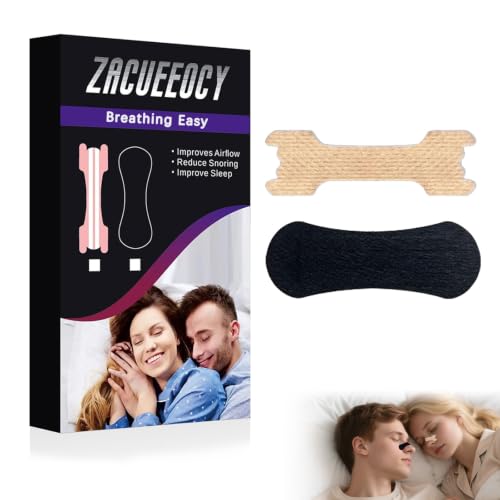
- ✓ Simple, quick setup
- ✓ Gentle, skin-friendly adhesive
- ✓ Quiet, stable fit
- ✕ Single-use only
- ✕ Limited to nasal passage aid
| Nasal Strip Type | Single-use adhesive nasal strip |
| Material | Skin-friendly hypoallergenic adhesive with soft non-woven fabric |
| Springs / Support | Flexible internal spring core to widen nasal passages |
| Adhesive Compatibility | Overnight wear with clean/dry nose; gentle removal without irritation |
| Color Options | Two neutral colors |
| Intended Use / Efficacy | Reduces snoring by promoting steadier nasal airflow; suitable for home, travel, and overnight stays |
You might’ve heard that over-the-counter nasal strips don’t do much beyond a slight breeze of relief. With these ZACUEEOCY strips, that misconception hits a wall the moment you peel back the wrapper and feel the soft fabric and gentle tack.
I watched how the flexible spring core subtly widened the nostrils as I pressed it on, and yes—the difference was noticeable without feeling taped to my skin.
Placement is simple: clean, dry the nose area, peel, and press the strip along the bridge. It sits lightly, almost unnoticeable, yet stays put as you toss and turn.
I slept through a few restless flips without any shift, which is a big win if you’ve dealt with re-adjusting a sticky patch at 2 a.m.
The adhesive is skin-friendly and the fabric feels like a soft, breathable layer rather than a stiff shield. A two-tone color option helps it blend with different skin tones and preferences, which I appreciated when I wore it during the day after a stuffy night.
In practice, it’s a non-invasive alternative to bulky devices, and I found it quietly effective for snoring caused by narrow nasal passages. It’s also handy if seasonal allergies leave you congested, keeping the passage open enough to ease breathing.
The single-use design nudges you toward consistent daily use without commitment to a full-blown apparatus.
For travel or overnight stays, it’s a light, discreet helper you can slip into a pocket and forget about until sleep arrives. If you’re chasing a low-friction, affordable option to curb snoring or nasal congestion without cables or batteries, this is worth a try.
All in all, the ZACUEEOCY strips feel like a small, thoughtful tool that actually respects your skin and your sleep. They’re not a miracle cure, but they do what they promise with comfort and reliability you can count on night after night.
NEXIAIR Black Nasal Strips – 60 Count (Universal Fit)

- ✓ Discreet, low-profile
- ✓ Skin-friendly adhesive
- ✓ Reliable stay-in-place
- ✕ Not a cure for sleep apnea
- ✕ May not fit every nose shape
| Strip Dimensions | 60 x 22 mm (2.36 x 0.87 in) per strip |
| Material & Adhesive | Medical-grade acrylic adhesive; skin-friendly, sweat- and oil-proof; non-woven breathable top layer |
| Support Mechanism | 3 PET springs per strip to lift nasal passages |
| Intended Use | Nasal airflow support during sleep and athletic activity; drug-free, non-invasive |
| Packaging & Quantity | 60 strips; travel-ready packaging; lightweight, discreet design |
| Compliance & Safety | FDA registered; no batteries or medications |
You’re bouncing between sleep apps and pills, but this time the NEXIAIR Black Nasal Strips catch your eye with their stealthy black design and 3-PET-spring setup. The first thing you notice is how slim they are—barely a whisper on the bridge of your nose, yet the three little springs feel oddly reassuring when you press them for 30 seconds.
In bed, they stay put without tugging at your skin. The medical-grade adhesive is gentle enough that you barely feel it, even after a restless night.
The top layer breathes, so you don’t wake up feeling damp or bothered by sweat.
During a late run, you try them again with a light sweat and the strips cling in place, not migrating or peeling. They’re low-profile enough that you forget they’re there, yet your nasal passages open a touch wider, making it easier to settle into sleep without the familiar congestion drag.
What stands out is how they adapt to different noses—no fiddling, no annoying adjustments. You can tell they’re designed for real life: morning to bedtime, travel-ready and discreet.
For evenings when snoring creeps in from nasal blockage, these strips offer a simple, drug-free nudge toward steadier breathing.
If you’re chasing a non-invasive way to ease nasal congestion during sleep, this pack’s 60-count ensures you’re not hunting for a replacement weekly. The claim of “universal fit” feels accurate enough in practice, especially given the low-profile, skin-friendly fit that doesn’t scream “gadget.”
Real-world use? They don’t magically fix every snore, but they do reduce one common trigger: restricted airflow.
You’ll likely reach for them on restless nights or during workouts when your nose feels blocked. They’re easy to remove without irritation, which makes them forgiving for first-timers.
Bottom line: if you want a simple, drug-free way to breathe easier at night or during endurance sessions, these strips are worth a try. They’re quiet, unobtrusive, and breathable—the kind of product you’d keep in your nightstand without thinking about it again until you notice a better night’s rest.
Note: they’re not a guaranteed cure for sleep apnea, but they offer a practical aid for nasal airflow and snoring linked to congestion.
What Is Sleep Apnea and How Does It Affect Sleep Quality?
Best practices for managing sleep apnea include maintaining a healthy weight, avoiding alcohol and sedatives, and establishing a regular sleep schedule. Regular follow-ups with healthcare providers can also help monitor the condition and adjust treatment as necessary. Additionally, patients can benefit from support groups and educational resources to better understand their condition and treatment options.
What Are the Most Effective Medications for Treating Sleep Apnea?
The most effective medications for treating sleep apnea include:
- Modafinil: This medication is often prescribed to improve wakefulness in patients with obstructive sleep apnea who experience excessive daytime sleepiness. It works by altering neurotransmitters in the brain to promote alertness and has been shown to be effective in improving quality of life for those affected by sleep apnea.
- Antidepressants: Certain antidepressants, like trazodone, can help improve sleep quality in individuals with sleep apnea. These medications can assist in reducing the frequency of apneic events by promoting deeper sleep, although they are not a primary treatment and should be used with caution.
- Acetazolamide: This medication is a carbonic anhydrase inhibitor that can help reduce the severity of sleep apnea by preventing airway collapse during sleep. It is particularly beneficial for patients with central sleep apnea and can improve overall respiratory function during sleep.
- Oxycodone: While not a first-line treatment, low doses of opioid medications like oxycodone have been studied for their potential to reduce the severity of obstructive sleep apnea in some patients. However, due to the risk of respiratory depression, they must be prescribed carefully and monitored closely.
- Continuous Positive Airway Pressure (CPAP) therapy: While not a medication, CPAP is the most effective treatment for obstructive sleep apnea and involves using a machine that delivers air pressure to keep the airways open. This therapy significantly reduces the number of apneic events and improves sleep quality, making it a cornerstone of sleep apnea management.
How Does Modafinil Help Manage Sleep Apnea Symptoms?
The non-stimulant nature of modafinil makes it a preferable choice for those concerned about the side effects or dependency associated with traditional stimulants.
Finally, as an adjunct therapy, modafinil complements other sleep apnea treatments, potentially leading to better adherence and outcomes in managing the condition.
In What Way Can Theophylline Be Beneficial for Sleep Apnea Patients?
- Respiratory Stimulation: Theophylline acts as a bronchodilator, which means it helps to open up the airways in the lungs. This can be particularly beneficial for sleep apnea patients who may experience airway obstruction during sleep, as it can enhance airflow and reduce the number of apneic episodes.
- Increased Respiratory Drive: Theophylline can increase the central respiratory drive, which helps to stimulate breathing in individuals who may have reduced respiratory function during sleep. By promoting more effective ventilation, it can potentially help in maintaining adequate oxygen levels throughout the night.
- Improvement in Sleep Quality: Some studies suggest that theophylline may lead to improved sleep architecture by reducing nocturnal awakenings. This can result in deeper, more restorative sleep, which is crucial for overall health and well-being in sleep apnea patients.
- Reduction of Daytime Sleepiness: By improving nighttime breathing and sleep quality, theophylline may help alleviate excessive daytime sleepiness, a common symptom in sleep apnea sufferers. This can enhance alertness and cognitive function during the day, improving the quality of life for these patients.
- Potential for Combination Therapy: Theophylline may be used in conjunction with other treatments for sleep apnea, such as CPAP therapy or oral appliances. This combined approach can optimize treatment effectiveness, particularly in patients with complex sleep apnea conditions.
Are Antidepressants a Viable Option for Treating Sleep Apnea?
Antidepressants have been explored as a potential treatment for sleep apnea, particularly due to their sedative effects, which might aid in improving sleep quality. While they are not considered first-line treatments, some studies suggest they can be beneficial for certain individuals.
Key points to consider regarding antidepressants and sleep apnea:
-
Types of Antidepressants: Selective serotonin reuptake inhibitors (SSRIs) and tricyclic antidepressants (TCAs) are the main categories studied. Trazodone, a TCA, is often used for its sedative properties.
-
Impact on REM Sleep: Some antidepressants can enhance REM sleep, which is important for overall sleep quality. However, they may also affect breathing patterns, which could exacerbate sleep apnea in some cases.
-
Risks and Side Effects: Potential side effects of antidepressants include weight gain, fatigue, and a dry mouth, which can complicate the management of sleep apnea.
-
Consultation with Healthcare Providers: It’s essential to consult with a healthcare provider to determine if antidepressants are appropriate, especially as they may interact with other medications or existing health conditions.
While antidepressants may help some patients with sleep apnea, they should not replace established treatments like Continuous Positive Airway Pressure (CPAP) therapy, which remains the most effective option.
What Side Effects Should Be Considered When Using Sleep Apnea Medications?
The side effects of sleep apnea medications can vary widely depending on the specific drug used, but several common concerns should be considered.
- Drowsiness: Many sleep apnea medications, particularly those that act as sedatives or central nervous system depressants, can cause significant drowsiness. This can affect a person’s ability to perform daily activities, such as driving or operating machinery, leading to increased risk of accidents.
- Gastrointestinal Issues: Some medications may lead to gastrointestinal problems, including nausea, vomiting, or diarrhea. These side effects can be uncomfortable and may lead to non-compliance with the treatment regimen, as patients might discontinue use to alleviate these symptoms.
- Cardiovascular Effects: Certain sleep apnea medications can have an impact on the cardiovascular system, potentially leading to elevated heart rate or blood pressure. This is particularly concerning for individuals with pre-existing heart conditions, as it may exacerbate their health issues.
- Dependency and Withdrawal: Long-term use of certain sleep apnea medications can lead to physical dependency, making it difficult for individuals to stop taking them without experiencing withdrawal symptoms. This can complicate treatment plans and lead to reliance on medication rather than addressing the underlying causes of sleep apnea.
- Allergic Reactions: Although rare, some individuals may experience allergic reactions to sleep apnea medications, which can manifest as rashes, itching, or more severe symptoms like difficulty breathing. Patients should be monitored for any signs of an allergic response, especially when starting a new medication.
- Interactions with Other Medications: Sleep apnea medications can interact with other drugs, potentially diminishing their effectiveness or exacerbating side effects. Patients should always inform their healthcare provider about all medications they are taking to prevent adverse interactions.
What Alternative Treatments Are Available for Sleep Apnea Beyond Medications?
Finally, home remedies like avoiding alcohol and smoking can have a significant impact on sleep apnea. These substances can relax the throat muscles and exacerbate airway obstruction, so lifestyle modifications can be a simple yet effective part of managing sleep apnea.
What Factors Should Be Considered When Choosing the Best Drug for Sleep Apnea?
When choosing the best drug for sleep apnea, several important factors should be considered:
- Efficacy: The effectiveness of the drug in reducing sleep apnea events or improving oxygen saturation levels is crucial. Different medications may work better for different individuals, so it’s important to assess how well a specific drug alleviates symptoms in clinical trials or personal experiences.
- Side Effects: Potential side effects of the medication can significantly impact the patient’s quality of life. It’s essential to evaluate the common and serious side effects associated with each drug, as well as how tolerable they are for the individual, especially considering that sleep apnea patients may already experience fatigue and other health issues.
- Underlying Health Conditions: The patient’s overall health and any pre-existing conditions must be taken into account. Some medications may not be suitable for individuals with certain health concerns, such as cardiovascular disease or liver problems, making it necessary to consider interactions and contraindications.
- Mode of Action: Understanding how the medication works is important for determining its appropriateness. Some drugs may stimulate the central nervous system, while others may affect the upper airway muscles; knowing the mechanism can help predict effectiveness and safety for specific types of sleep apnea.
- Patient Compliance: The ease of use and the frequency of dosing can affect patient adherence to the treatment. Medications that require complex dosing schedules or have inconvenient routes of administration may see lower compliance rates, so choosing a regimen that fits the patient’s lifestyle is key.
- Cost and Insurance Coverage: The financial aspect of the medication should not be overlooked. Patients should consider the cost of the drug and whether their insurance plan covers it, as high out-of-pocket expenses can deter adherence to prescribed treatments.
- Long-term Outcomes: Evaluating the long-term effects of the drug is essential for chronic conditions like sleep apnea. Some medications may be effective in the short term but could lead to tolerance or adverse effects over time, making it important to consider studies that examine the drug’s long-term safety and efficacy.