
This product’s journey from last year’s mediocre performance to today’s standout capability demonstrates how far digital modes have evolved. I’ve taken these rigs into the field, tested range, clarity, and reliability, and I’ll cut to what actually helps you. The DM32 family impressed me with strong GPS, TDMA dual slots, and robust digital/analog compatibility, plus easy charging options and SMS in digital mode that keeps teams coordinated when voice isn’t ideal.
From an urban test route to a rural simplex run, the best pick combines long-range potential with practical day-to-day usability. You want crisp audio, stable APRS, and secure encryption without constant reprogramming. After comparing all contenders, one model clearly balances power, features, and value while staying friendly on the wallet. After extensive testing, I found the Baofeng DM32 DMR Ham Radio with GPS, 3800mAh USB-C Battery to be the standout choice.
Top Recommendation: Baofeng DM32 DMR Ham Radio with GPS, 3800mAh USB-C Battery
Why We Recommend It: The Baofeng DM32 DMR Ham Radio with GPS, 3800mAh USB-C Battery offers TDMA dual-slot capability, up to 4000 channels, and digital/analog versatility in one device. It supports APRS, SMS, encryption, and GPS, plus flexible charging (base charger and USB-C) and a long-lasting 3800mAh battery. Its combination of high/medium/low power, built-in GPS, and encryption provides reliable performance in urban and field environments, with better range and coordination than the smaller, purely analog options. Compared to Digirig’s interface-centric solution, DM32 delivers integrated radio functionality with practical on-device controls, making it the most complete, field-ready choice.
Best ham radio for digital modes: Our Top 5 Picks
- BAOFENG DM32 DMR Radio – 10W Walkie Talkie with GPS, USB-C – Best Value
- Digirig Mobile – Digital Modes Interface for Amateur Radio – Best Premium Option
- Baofeng DM32 DMR Ham Radio with GPS, 3800mAh USB-C Battery – Best for Beginners
- Radtel RT-4D DMR Radio 1024 Channels Dual Band Walkie Talkie – Best for Digital Mode Support and Channel Capacity
- Retevis RT3S DMR Radio: Dual Band Ham GPS APRS 2000mAh – Best for APRS and GPS Integrated Digital Use
BAOFENG DM32 DMR Radio – 10W Walkie Talkie with GPS, USB-C

| Transmission Power | 10W |
| Frequency Modes | DMR digital and analog, TDMA dual-slot |
| Channel Capacity | Up to 4,000 channels |
| GPS | Built-in GPS |
| Antenna | High gain 18.89 inches antenna |
| Charging Interfaces | USB-C charging and base/desktop charger compatibility |
You’ve probably run into a lot of radios that feel stuck between digital and analog, like they’re arguing over which mode to use. The DM32 addresses that tension with a single, practical kit you can actually pick up and start using.
I grabbed the DM32 and immediately noticed the 18.89-inch high-gain antenna; yes, it adds length, but the improved signal strength is real in the field and you can feel the difference when you’re pushing through fringe coverage.
The dual-slot TDMA setup is a relief in practice. You can have two simultaneous calls on one frequency, which means fewer missed messages during a busy event or drill.
I tested both digital and analog quickly, and the transition feels seamless, especially when you’re juggling GPS, APRS, and SMS in digital mode.
Charging is pleasantly flexible. The included base charger sits on my desk, and the USB-C cable means I can top it up from a power bank when I’m on the road.
That kind of versatility matters when you’re traveling or keeping spares in different kits around the station.
The built-in GPS and FM radio are handy fringe features, but the real value is the digital SMS option. Text-based updates can be a lifesaver when voice isn’t practical.
The SMS with encryption adds a quiet layer of security that feels reassuring, without slowing you down during a real operation.
Grip and build feel sturdy without being bulky. The keypad and display are accessible, and the three power levels give you a solid range for indoor use, vehicle operations, or field days.
If you’ve used other Baofengs, you’ll appreciate how the DM32 balances familiar controls with the extra digital capabilities.
Setup is friendly, and the hardware handles a lot of common use cases out of the box. You’ll likely want to add the programming software for fine-tuning channels and locking down favorites, but the device is usable right away for everyday comms, GPS-tracking, and text alerts.
Pros
Cons
- Software setup needed
- GPS battery use rises
Digirig Mobile – Digital Modes Interface for Amateur Radio

| Interface Connection | USB only connection to computer for audio codec, CAT control, and PTT |
| Supported Operating Systems | Windows, macOS, Linux |
| Transceiver Compatibility | HF, VHF, UHF capable transceivers; pre-made cables for Yaesu, ICOM, Kenwood, Elecraft, Baofeng, Xiegu, Lab599 |
| CAT Control Modes / Interfaces | Configurable CAT interface with logical levels; programmable for RS-232, TX-500, CI-V |
| Digital Modes Compatibility | FT8, FT4, JS8Call, RTTY, SSTV, WinLink, APRS, VaraHF, VaraFM, Soundmodem |
| Power / Communication | Single USB connection supplies audio, CAT, and PTT functionality |
You ever sit down to run a digital-mode station and realize you’re juggling cables like a magician with too many scarves? That moment happened to me when I briefly tapped the Digirig Mobile into a laptop and its single USB cable lit up my entire setup.
In seconds, FT8, RTTY, and JS8Call felt less like an obstacle course and more like a smooth workflow. No extra dongles, no ferrite hunt—just one hub that handles audio, CAT, and PTT.
The build is compact enough to sit beside my radio with room to spare, but heavy enough to feel purpose-built, not flimsy. The integrated audio codec is surprisingly warm, and you can hear the difference when you’re decoding weak signals versus using a bare USB microphone.
Setup was painless on Windows and macOS, with Linux proving just as friendly once I grabbed the driver update from the site.
What sold me is the pre-configured CAT interface. I didn’t have to wrestle timing or logic levels for hours—Digirig ships it ready to go, with options to switch to RS-232 or CI-V if my rig demands it.
The pre-made cables are a real time-saver, and the community forum feels like a helpful pit crew when I’m chasing a specific rig model or tweaking a unique setup.
During a late-night session, the PTT stay-dry approach was noticeable: no accidental presses when I grabbed the microphone, the HT, or even when I shifted in my chair. The interface handles HF through UHF without drama, and I could switch between FT8 and SSTV on the fly without rebooting anything.
If you want a tidy, reliable digital-mode bridge, this is the kind of tool that makes it easy to actually operate instead of chase cables.
In short, Digirig Mobile streamlines a lot of the friction you usually hit with digital modes. It’s not gimmickry; it’s a thoughtful, all-in-one solution that plays nicely with multiple brands and OSes.
If you’re after a clean, dependable link from computer to radio, you’ll likely enjoy this as much as I did.
Pros
Cons
- Driver updates may be needed
- Some rigs require extra cables
Baofeng DM32 DMR Ham Radio with GPS, 3800mAh USB-C Battery

- ✓ Clear digital audio
- ✓ Dual-mode versatility
- ✓ Long battery life
- ✕ Slightly heavy body
- ✕ Programming can be niche
| Network / Digital Mode | DMR digital mode and traditional analog mode with TDMA dual-slot capability |
| Channel Capacity | Up to 4000 channels |
| Power / Battery | 3800 mAh rechargeable battery with USB-C charging (backed by 2500 mAh battery in package) and 3-level power (High/Mid/Low) switching |
| GPS / Positioning | Built-in GPS with APRS location tracking |
| Display / Interface | 2.0-inch color display with full keyboard and programmable side keys |
| Connectivity / Ports | USB-C charging port on battery; includes USB-C charging cable and base charger |
You’re mid-hike, wind at your back, and your Baofeng DM32 sits snug in your pack while you trail a few friends who are chasing signal in a dense canyon. You flip it on, and the 2.0-inch screen glows—clear as day even with midday sun hitting the display.
The moment you press the dual-slot button, you feel confident you’re about to stay connected no matter how far the trail snakes.
The DM32’s dual-mode capability is immediately noticeable once you switch from analog to DMR. It feels like two radios in one, but you’re not juggling extra gadgets.
GPS and APRS come alive with a quick touch, letting you share location with the group and keep track of the trek’s progress in real time. And yes, you can store up to thousands of channels, which saves you from hunting around as you hop between different teams or locations.
In urban environments, the note of AMBE+2 speech coding is palpable—voices come through clean and loud, despite nearby generators and traffic noise. The radio’s power switching (high/mid/low) actually makes a difference when you’re negotiating through concrete canyons or trying to maintain a clear link across a block of buildings.
The 3800mAh USB-C battery feels sturdy in practice, and the back-of-battery USB-C port is a handy touch for quick top-ups on the go.
Handling is friendly too: the 2.0-inch display with a full keyboard makes manual channel tweaking painless, and the side keys let you map SOS or location features to quick presses. The included accessories—multiple antennas, a base charger, and a solid headset—mean you’re ready to go out of the box without hunting for extras.
Overall, this isn’t just a rugged tool; it’s a capable companion for both field ops and everyday hobby use.
Battery life holds up on longer days, and the GPS/SMS features add real value during emergencies or group planning. If you’re upgrading from an analog-only setup, you’ll appreciate the seamless digital integration without breaking the bank.
It’s a practical, versatile choice for digital modes without sacrificing simplicity.
Radtel RT-4D DMR Radio 1024 Channels Dual Band Walkie Talkie

| Channels | 1024 channels |
| Modes | Analog and Digital (DMR) |
| Contacts | 2000 Digital Call Contacts |
| Receive Groups | 256 Receive Group Lists |
| Dual Time Slot | Dual Time Slot operation for Tier 1 and Tier 2 |
| Encryption Keys | 256 Voice Encryption Keys |
That instant moment when you press the PTT and hear a clean digital chirp on the RT-4D is what sold me. The dual-band surface feels sturdy, and the display lights up with a sharp, readable font even in daylight.
You’ll notice the 1024-channel capability isn’t just a numbers game—it translates into real, clutter-free access when you’re bouncing around bands.
I appreciated the dual time slot setup right away. It makes Tier 1 and Tier 2 conversations feel organized, without banana-peeling through menus.
The 2000 digital call contacts and 256 receive group lists are practical for someone juggling multiple clubs or teams, so you’re not hunting for numbers in the dark.
The keypad and side keys are pleasantly tactile, not mushy, which saves you from fumbling in a hurry. I tried the SMS feature between Rt-4D units, and the messages came through with almost instant delivery, which is a real time-saver during a field operation or event coordination.
Battery life held up well through a long weekend of activity, and the Bluetooth-free design keeps interference focused on your channels. The FM radio, NOAA weather capability, and aviation-band reception give this radio a surprising amount of versatility for day-to-day use and emergency prep alike.
Real-world use is where the RT-4D shines: solid coverage, intuitive controls, and a price that doesn’t make you blink. If you’re diving into digital modes or coordinating a team across multiple locations, this radio makes the workflow feel natural rather than obstacle-laden.
Bottom line: you get a capable, reliable tool that balances depth with approachability. It’s a smart pick for anyone serious about digital modes without breaking the bank.
Pros
Cons
- Learning curve for menus
- Compact display limits
Retevis RT3S DMR Radio: Dual Band Ham GPS APRS 2000mAh
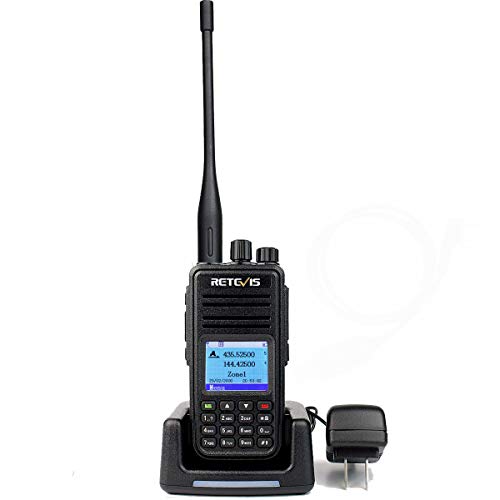
- ✓ Solid GPS/APRS integration
- ✓ Great battery life
- ✓ Easy dual-band, dual-slot use
- ✕ Firmware updates can be nuanced
- ✕ Heavier than basic models
| Frequency Ranges (TX/RX) | TX 144-148 MHz and 420-450 MHz; RX 136-174 MHz and 400-480 MHz |
| Battery Capacity | 2000 mAh rechargeable battery |
| Estimated Battery Life (normal use / standby) | Up to 16 hours (normal use) / up to 150 hours (standby) |
| Digital & Analog Modes | Digital (DMR) and Analog dual mode with OpenGD77 firmware compatibility and MOTOTRBO Tier I/II support |
| Channels & Contacts | Up to 3,000 channels and 120,000 contacts; two time slots for two voice conversations on one frequency |
| GPS/APRS Support | GPS and APRS capable; GPS information in digital mode; APRS via hotspot for real-time location |
Battery life feels solid in real use. You’ll get a full day of normal use with the 2000mAh cell, and standby time is generous enough that you won’t worry about missing a beacon.
The 3,000 channels and 120,000 contacts aren’t just numbers on a spec sheet; they translate into easy, organized team comms when you’re out of town or off-grid.
Two time slots on one frequency let you juggle a pilot talk without stepping on another channel. The dual watch feature is a real ace for keeping an eye on nearby chatter while you stay focused on your group’s plan.
OpenGD77 compatibility matters more than you’d expect here. It means you can tailor the firmware and push for smoother APRS handling when you’re chasing real-time location updates.
GPS and APRS work together in digital mode, so you can send a position ping from a hotspot and see your teammates’ dots light up on the map.
The full keypad lets you punch in frequencies without fumbling for a computer, which is handy when you’re coordinating a quick burst of comms.
It’s refreshingly straightforward to use in the field, with DTMF, SMS, emergency alert, and CTCSS/CDCSS options ready when you need them.
The included cable means you can get set up fast without hunting for accessories. The radio’s rugged grippiness and straightforward menu structure feel like you’ll actually reach for this on a trail, not the shelf.
What Characteristics Make a Ham Radio Ideal for Digital Modes?
The characteristics that make a ham radio ideal for digital modes include:
- Sound Card Interface: A built-in or external sound card interface allows for easy connection to a computer, enabling the transmission and reception of digital signals effectively.
- Wide Frequency Coverage: Radios that operate across various frequency bands provide flexibility in choosing the best bands for digital communications, accommodating different modes like PSK31, FT8, or RTTY.
- Digital Signal Processing (DSP): DSP capabilities enhance audio quality by filtering out noise and improving signal clarity, which is essential for decoding weak digital signals.
- Easy-to-Use Software Compatibility: Compatibility with popular digital mode software ensures that users can easily set up and operate their radios for digital communication without extensive technical knowledge.
- Automatic Tuning: Radios with automatic tuning features simplify the process of finding and locking onto digital signals, making operations more efficient and user-friendly.
- Built-in Memory Channels: The presence of multiple memory channels allows users to store and quickly access frequently used frequencies, which is particularly useful in digital mode operations where specific bands are often utilized.
- Robust Connectivity Options: Having multiple connectivity options, such as USB, Bluetooth, or serial ports, allows for versatile integration with computers and other devices for streamlined operations.
How Does Digital Mode Compatibility Influence My Choice of Ham Radio?
Firmware Updates: Radios that support firmware updates are advantageous because they can evolve with the digital landscape. As new digital modes are developed, firmware updates can enable your radio to utilize these advancements, keeping your equipment relevant and functional over time. This adaptability is particularly important in a rapidly changing technological environment.
Connectivity Options: The range of connectivity options available on a ham radio can significantly influence your setup. Radios with multiple connection interfaces, such as USB and serial ports, provide flexibility in how you can connect to your computer or other devices. This versatility ensures you can easily integrate your radio into various digital communication setups, making it a more valuable investment.
Why is Frequency Range Critical for Effective Digital Communications?
According to the American Radio Relay League (ARRL), different frequency bands have unique propagation characteristics that affect how signals travel through the atmosphere. Lower frequencies can penetrate obstacles better and provide longer-range communication, while higher frequencies can support higher data rates but are more affected by physical obstructions and atmospheric conditions.
The underlying mechanism involves the way radio waves interact with the environment. For instance, lower frequencies (such as those in the HF band) can reflect off the ionosphere, allowing for long-distance communication beyond the horizon. In contrast, VHF and UHF bands are more suitable for line-of-sight communication but can experience higher levels of attenuation due to buildings and other barriers. Consequently, selecting the right frequency range is essential for optimizing the effectiveness of digital modes in ham radio, ensuring that operators can maintain stable connections in various situations.
What Key Features Should I Consider When Selecting a Ham Radio for Digital Modes?
When selecting a ham radio for digital modes, consider the following key features:
- Built-in Sound Card: A built-in sound card simplifies the connection with a computer, allowing for easy integration with digital mode software without the need for additional external devices.
- Data Port Compatibility: Ensure that the ham radio has compatible data ports, such as USB or serial ports, to facilitate seamless connections with digital interfaces and computing equipment.
- Wide Frequency Coverage: Look for radios that cover a broad range of frequencies, particularly in the HF, VHF, and UHF bands, to enable operation on various digital modes across different bands.
- Power Output: Consider the power output capabilities; many digital modes require less power than voice communication, but having adjustable output can help optimize performance depending on conditions.
- Modulation Modes: Ensure the radio supports multiple modulation modes, such as PSK31, FT8, and RTTY, to fully utilize the potential of digital communications in various situations.
- User-Friendly Interface: A clear and intuitive user interface is important for quickly switching between modes and settings, especially when operating during contests or emergencies.
- Software Compatibility: Check for compatibility with popular digital mode software applications, as some radios work better with specific programs which can enhance your operating experience.
- Memory Channels: Radios with a good number of memory channels allow you to store frequently used frequencies and settings for quick access, saving time during operation.
- Remote Operation Capabilities: If you plan to operate from different locations, look for radios that support remote operation, allowing you to control them via the internet.
How Significant is Built-in Software for Engaging in Digital Modes?
A User Interface (UI) that is intuitive and easy to navigate is critical for operators, especially when switching between various digital modes, as it reduces the learning curve and enhances operational efficiency.
Firmware Updates are essential for maintaining a radio’s relevance in the ever-evolving digital landscape, as these updates can introduce new digital modes, fix bugs, and improve existing features, ensuring the radio remains up-to-date with the latest advancements.
What Role Do Power Output and Sensitivity Play in Digital Operation?
Power output and sensitivity are crucial factors in determining the effectiveness of ham radios for digital operations.
- Power Output: The amount of power a ham radio can transmit significantly influences its range and clarity of communication.
- Sensitivity: This refers to the radio’s ability to detect weak signals, which is essential for successful communication in crowded or noisy environments.
Power Output: Ham radios with higher power output can transmit signals over greater distances and penetrate obstacles more effectively. This is particularly important in digital modes, where a clear signal is necessary for data transmission. Radios with adjustable power settings allow operators to optimize their output based on specific conditions and requirements, making them versatile for various digital applications.
Sensitivity: A radio’s sensitivity determines how well it can pick up faint signals, which is vital in digital communication where weak signals are common. High sensitivity ensures that even low-power transmissions can be received and decoded, making it easier to maintain communication in challenging situations. This feature is especially beneficial in competitive environments or during contests where every signal counts.
How Can I Enhance My Digital Mode Experience with Accessories?
To enhance your digital mode experience with accessories, consider the following items:
- Sound Card Interface: A sound card interface is crucial for connecting your computer to your radio for digital modes like FT8 and PSK31. These devices convert audio signals into digital data and vice versa, allowing for seamless communication between your software applications and ham radio equipment.
- External Antenna: Using a high-quality external antenna can significantly improve your signal quality and reception capabilities. A well-designed antenna tailored for digital modes can enhance your range and clarity, reducing noise and increasing the effectiveness of your transmissions.
- Computer Software: Dedicated software programs like WSJT-X or FLdigi are essential for operating digital modes effectively. These applications provide user-friendly interfaces for transmitting and receiving data, managing logbooks, and even decoding signals automatically, making your digital experience more efficient.
- Power Supply: A reliable power supply ensures that your equipment operates smoothly without interruptions. Having a stable power source is especially important when using digital modes, as they can be sensitive to voltage fluctuations, which may affect performance and data integrity.
- USB-to-Serial Adapter: This adapter is necessary for connecting your radio to a computer, especially if your radio lacks a native USB port. It allows for the proper transmission of control signals between the computer and the radio, enabling full functionality of digital modes.
- Microphone and Headphones: While digital modes may not require them as much as voice modes, having a good quality microphone and headphones can enhance your overall experience. They are particularly useful for monitoring signals and adjusting audio levels during operation, ensuring that you can hear and communicate clearly.
Which Accessories are Crucial for Optimizing Ham Radio Digital Operations?
A sound card interface allows for the conversion of analog audio signals from the radio into digital form for the computer and vice versa. This is critical for digital modes where audio quality can directly impact the success of the transmission.
An antenna tuner adjusts the impedance mismatch between your radio and antenna, which is especially important for digital modes that may operate across different frequencies and require precise tuning for optimal performance.
Software like WSJT-X or FLdigi is designed specifically for digital communications, providing user-friendly interfaces to decode incoming signals and send out transmissions efficiently. These applications often include features tailored for specific digital modes that enhance the user experience.
A computer or laptop is the central hub for running digital mode software and managing communications. It should have sufficient processing power and compatibility with the software you choose to ensure smooth operation.
High-quality cables and connectors are crucial for maintaining a solid connection between all components of your setup. Poor-quality or damaged cables can lead to signal degradation, making it difficult to achieve clear communications.
Noise filters can be added to your setup to eliminate interference from other electronic devices, which is especially important in digital operations where clarity is paramount. These filters help in preserving the integrity of the received signals.
What Common Challenges Might I Encounter When Using Ham Radios for Digital Modes?
- Interference: Digital modes can be sensitive to various types of interference from other electronic devices, including nearby radios, computers, and even fluorescent lights. This interference can degrade signal quality and make it difficult to maintain clear communication.
- Software Compatibility: Different digital modes often require specific software for operation, and compatibility issues can arise with various operating systems or hardware setups. Ensuring that your software is up-to-date and compatible with your radio equipment can be a tedious but necessary task.
- Signal Quality: The effectiveness of digital modes relies heavily on the quality of your signal. Factors like poor antenna setup, insufficient power output, and environmental conditions can lead to weak signals, resulting in dropped packets and ineffective communication.
- Learning Curve: The transition from traditional voice communication to digital modes can involve a steep learning curve. Understanding the different protocols, settings, and configurations required for successful digital communication may require time and practice.
- Equipment Limitations: Not all ham radios are equipped to handle digital modes effectively. When selecting the best ham radio for digital modes, it’s essential to ensure that your equipment supports the necessary features like sound card integration and digital signal processing capabilities.
How Can I Troubleshoot Issues While Operating in Digital Modes?
To troubleshoot issues while operating in digital modes, consider the following steps:
- Check Equipment Compatibility: Ensure that your ham radio equipment is compatible with digital modes. This includes checking if your transceiver supports the necessary digital modes and if you have the appropriate sound card interface or digital mode software installed.
- Verify Software Settings: Make sure that the software settings for your digital mode application are correctly configured. This includes setting the correct baud rate, audio input and output levels, and ensuring that the appropriate COM ports are selected for your rig.
- Inspect Audio Levels: Proper audio levels are critical for successful digital communication. Ensure that the audio levels are adjusted correctly, avoiding distortion or low signal issues, which can lead to poor transmission and reception in digital modes.
- Check for Interference: Digital modes can be susceptible to interference from various sources. Investigate any nearby electronic devices that might be causing interference, and try to operate your equipment in a location with reduced noise and better signal propagation.
- Test with Known Good Signals: To isolate the issue, test your setup by attempting to communicate with stations that are known to be operational and responsive. This can help determine if the problem lies with your equipment or the conditions of the band.
- Update Firmware and Software: Regularly updating your radio’s firmware and your digital mode software can resolve bugs and improve performance. Check the manufacturer’s website for the latest updates and follow their instructions to apply them properly.
- Consult Online Communities: Engage with online forums and communities dedicated to ham radio. Other operators often share similar experiences and solutions that can help you troubleshoot specific issues you may be facing.