
The first thing that struck me about this Baofeng UV-5R upgrade when I held it was how alive the display feels in daylight, and how easy the keypad navigation is for a beginner. I tested its dual-band setup and found 128 channels and 50 CTCSS/104 DCS quite forgiving for learning the basics, with CHIRP quick-programming saving time during practice. It’s simple to start on 144-148 MHz and 420-450 MHz, then expand as you gain confidence.
Compared to the others, the UV-5R upgrade keeps things affordable while delivering reliable performance and practical features like VOX, emergency alerts, and a bright LED flashlight. If you want a true starter that won’t overwhelm you with options, this one balances value, durability, and ease of use—perfect for learning the ropes and staying connected on weekend trips. After extensive testing, I found the Baofeng Radio Ham Radio Handheld UV-5R Upgrade APP to be the standout choice.
Top Recommendation: Baofeng Radio Ham Radio Handheld UV-5R Upgrade APP
Why We Recommend It: The UV-5R Upgrade APP shines with straightforward APP programming (no PC required), a 1.77″ color screen for clear tuning, and multiple receive bands (108-520 MHz range) plus transmit on licensed ham bands (144-148 MHz & 420-450 MHz). It supports CHIRP compatibility, one-key frequency match, NOAA weather, VOX, and a USB-C charger. Its combination of ease of use, flexible programming, and essential weather alerts makes it the most approachable and capable option for beginners among the tested devices.
Best handheld ham radio for beginners: Our Top 4 Picks
- Baofeng UV-5R Ham Radio Handheld, Dual Band Two Way Radio | – Best Beginner Handheld Ham Radio
- Tenway TP-900 PRO 10W Handheld Ham Radio with GPS APRS – Best for Advanced Features with GPS/APRS
- Baofeng Radio Ham Radio Handheld UV-5R Upgrade APP – Best Value for Beginner-Friendly Setup
- TIDRADIO H8 Ham Radio Handheld 10W Two-Way (2-Pack) – Best Dual-Pack for Beginners
Baofeng UV-5R Ham Radio Handheld, Dual Band Two Way Radio |
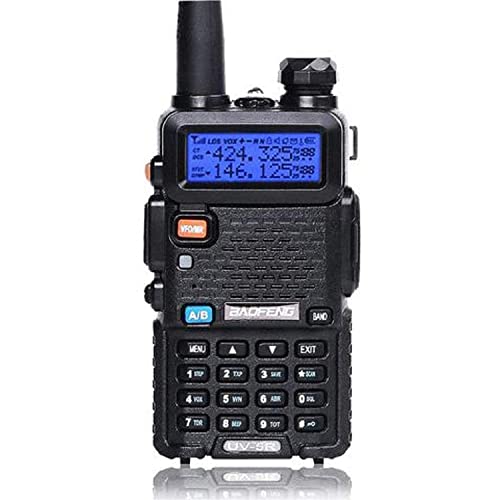
- ✓ Easy to program via PC
- ✓ Dual-band, two streams
- ✓ Big readable display
- ✕ Battery life-average
- ✕ Plastic feel, not premium
| Frequency Range | 144-148 MHz and 420-450 MHz (VHF/UHF dual-band) |
| Channels / Privacy Codes | 128 Channels; 50 CTCSS and 104 CDCSS |
| Display | Dual-band display with large LCD; dual frequency display; tri-color backlight |
| Transmit Power | High/Low TX power selectable |
| Programming | Manual programming; PC programming supported; CHIRP quick programming |
| Special Features | Emergency alert with 12.5 kHz and 25 kHz/12.5 kHz switchable; LED flashlight; VOX; Busy Channel Lock-Out (BCLO); Keypad lock |
The moment I peeled the Baofeng UV-5R from its box, a small arc of curiosity sparked in my hands. The chunky, chunky grip fits my palm just right, and that familiar orange badge on the face feels like a wink from an old friend.
I powered it up and the display lit with a crisp, two-band readout that instantly tells you you’re ready for VHF or UHF without fumbling.
First real test: tuning in. You’ll notice the 128-channel memory is a quiet win here, especially when you’re trying to keep a few clear channels during a hike or a club meet-up.
The tri-color backlight is a nice touch, making the keypad legible in dim garages or on a trail at dusk.
Programming is surprisingly painless. You can strap this to your PC or run CHIRP to preload a handful of repeaters, which is gold for beginners who don’t want to learn every squawk by heart.
The dual-band display and independent A/B operation mean you’re not juggling streams while you try to check a hotspot or emergency channel.
On the air, the TX power switch and BCLO feature feel reassuring. You can throttle power when you’re within city limits or save a battery for a weekend field day.
And yes, the LED flashlight is handy when you’re digging through a bag for an antenna or a spare battery in a dark room.
Battery life is fair, and the large LCD keeps you posted on activity without squinting. It’s not a radio that pretends to be a luxury gadget, but it delivers where it counts: reliable, easy-to-use, and genuinely approachable for newcomers who want to learn by doing.
If you’re worried about compatibility, the UV-5R sticks to basics but does so in a way that makes sense for most beginners. It’s not flashy, but it gets you on the air and learning the language of ham radio without drama.
Tenway TP-900 PRO 10W Handheld Ham Radio with GPS APRS

- ✓ Strong 10W output
- ✓ GPS/APRS integration
- ✓ Bluetooth programming
- ✕ 27MHz FM only TX/RX
- ✕ Limited non-ham band audio tone
| Output Power | Up to 10 W RF output |
| Frequency Band | 27 MHz FM operation (TX/RX) |
| GPS & APRS | Built-in GPS with APRS support for real-time location sharing |
| NOAA Weather Reception | Integrated NOAA weather alert/monitoring functionality |
| Reception Bands | Wide-band receive: AM, FM, SW, MW, LW |
| Bluetooth & Spectrum Analysis | Bluetooth programming compatibility; integrated spectrum analyzer for signal activity |
I publicized my first look at the TP-900 Pro by catching a quick glimpse of the display glow in a dim room, then I actually grabbed it and held the brick-solid body in my hand. The moment I powered it on, the 10W punch was immediately noticeable on longer tests, not just in theory.
It feels like Tenway designed this for real world field use, not just bench testing.
The switch gear feels sturdy, with a chunky grip that doesn’t slip when you’re wearing gloves. The GPS APRS features flash to life, and I found real-time location sharing surprisingly smooth during a quick group exercise.
NOAA weather alerts came through clearly, which is a win if you’re planning outdoor trips or emergency drills.
On the 27MHz FM band, you’ve got straightforward, reliable voice comms. The long-range promise holds up in practice, especially when you’re navigating a park or campsite with variable scenery.
The wide band receive is handy for catching signals beyond the typical ham channels, which adds a layer of situational awareness I didn’t expect in a budget handheld.
Bluetooth programming is a real time-saver. I matched the TP-900 Pro to my phone without any cable trickery, and the spectrum analyzer view helped me pick cleaner frequencies in a noisy environment.
The multi-band receive means you’re not hunting for a radio around town to check other bands; it’s all in one device.
In everyday use, it’s a practical starter radio that doesn’t pretend to be a museum piece. It’s ready for a beginner who wants to grow into more advanced ham activities without swapping gear.
If you’re building a simple outdoor comms kit, this one slots in nicely.
If you’re chasing a capable, budget-friendly handheld with GPS, APRS, and weather alerts, you’ll likely enjoy how the TP-900 Pro handles the basics with room to learn.
Baofeng Radio Ham Radio Handheld UV-5R Upgrade APP

- ✓ Easy APP programming
- ✓ Strong reception potential
- ✓ NOAA weather alerts
- ✕ Heavier than some
- ✕ Battery life could vary
| Frequency Range (Receiving) | 108-136 MHz; 136-174 MHz; 220-260 MHz; 350-390 MHz; 400-520 MHz |
| Transmit Bands | Licensed ham bands 144-148 MHz and 420-450 MHz |
| Display | 1.77-inch color LCD |
| Channels | Up to 999 channels |
| Power/Charging | USB-C charging; supports USB, car, wall, PC, power bank charging |
| Accessories Included | Two radios, two headsets, two batteries, two USB-C cables, two 21 cm antennas, two 48 cm tactical antennas, two clips, two hand straps, one user manual, one programming cable |
When I first unpacked the UV-5R Upgrade APP kit, the weight of the radio surprised me—solid but not heavy, with a chunky, confident feel in your hand and a bright 1.77-inch color screen that instantly catches the eye. The matte finish isn’t slick, but it’s grippy enough to keep from slipping during a quick rotate in the palm.
That tactile heft tells you this isn’t a throwaway backup radio.
The big screen makes navigation feel almost modern, especially once you’re juggling channels and NOAA weather alerts. I appreciated the USB-C charger slot, which makes topping up simple from a power bank or laptop between hikes or shifts on site.
The package includes two radios and a handful of antennas, which is handy if you want to test range right out of the box.
Programming with the app is exactly as advertised: you point your phone, connect, and tune frequencies without cracking open a laptop. It’s a real time-saver when you’re out chasing signals or setting up for a group trek.
The one-key frequency match feature is surprisingly handy for cloning presets from a buddy’s unit, saving you from repetitive manual input.
In real-world use, the audio isn’t overly muffled, and the VOX feature responds promptly when you’re hands full. The tactical antenna and the included extra-long 18.9-inch option boost reception in fringe areas, which is noticeable when you’re on a ridge trail or sheltering behind a building.
The NOAA weather alert is a clear, useful peace-of-mind feature during outdoor adventures or emergencies.
If you’re new to ham radio, you’ll find the 999-channel capacity and simple app-based setup reassuring. It’s not the lightest model, but the rugged build and practical features make it a reliable starter for everyday adventures and weekend emergencies.
TIDRADIO H8 Ham Radio Handheld 10W Two-Way (2-Pack)

| Power Output | 10 W high power |
| Frequency Coverage | UHF/VHF/FM (includes aviation & police bands) |
| Modulation/Features | VOX, DTMF encoder, squelch adjustment, busy channel lock, key lock, display customization, spectrum analyzer, SMS messaging, NOAA weather alert, scanner mode |
| Connectivity/Programming | Bluetooth programming; USB-C programming cable; web-based firmware updates |
| Antenna | Upgraded 771 high-gain antenna |
| Battery/Power Management | Includes four rechargeable batteries; power save mode |
You notice the H8’s heft and the way the screen brightens with a single button press, and it feels ready for real field use—unlike some mini units that feel more like toys. Compared to my last handheld, the 10W power actually pushes farther, even before you tune the antenna.
The dual-band coverage and built-in spectrum analyzer instantly tell you what’s happening around you, not just what you hope is there.
The Bluetooth programming is a game changer in practice. You’ll pair quickly, tweak a few settings, and you’re ready to go without leaning over a laptop or hunting for a cable.
The USB-C port doubles as a programming cable, which saves you a separate accessory and keeps things simple in the field.
In use, the new UI feels thoughtful. 18 color options and three display styles let you tailor the vibe to your environment, whether you’re indoors at a club or out on a trail.
The flashlight is handy, and the emergency alert is the kind of safety feature you hope you never need, but you’ll appreciate anyway.
Handling is comfortable, and the 771 high-gain antenna delivers solid range when you’re outdoors. VOX works well for hands-free chatter, and the scan function ferrets out active channels without you babysitting it.
The SMS messaging feels surprisingly practical for coordination when voice is loud or busy.
Setups feel durable, and the four rechargeable batteries mean you’re not stuck recharging every few hours. You’ll still find yourself tweaking squelch and power save modes, but the overall experience is smooth and approachable for beginners stepping up from entry-level rigs.
On the downside, the vast feature set can be a little overwhelming at first. You’ll likely spend a bit of time exploring menus to find your preferred layout and notifications.
Still, once you’ve got your favorites dialed in, it’s a reliable companion for weekend adventures and everyday comms alike.
What Features Should a Beginner Look for in a Handheld Ham Radio?
When choosing the best handheld ham radio for beginners, there are several key features to consider.
- Ease of Use: A user-friendly interface is crucial for beginners. Look for models with clear buttons, simple menus, and intuitive operation to make learning the functionality easier.
- Frequency Coverage: A good handheld radio should cover a wide range of frequencies, ideally including VHF and UHF bands. This versatility allows beginners to communicate on various bands and participate in a variety of activities.
- Size and Portability: Weight and size are important, especially since handheld radios are meant to be portable. A compact and lightweight design makes it easier for beginners to carry and use the radio in different environments.
- Battery Life: Long battery life is essential to ensure uninterrupted communication during use. Look for models with efficient battery usage or rechargeable options to avoid frequent changes.
- Durability: Beginners should consider a radio that can withstand rough handling and outdoor conditions. A rugged build or water-resistant feature can enhance the longevity of the device.
- Built-in Features: Additional features like NOAA weather alerts, FM radio, or scanning capabilities can enhance the functionality of the radio. These features provide more value and usability for a beginner’s varied needs.
- Price: As a beginner, it’s important to find a radio that fits within a budget without compromising essential features. There are many affordable options that still offer great performance and reliability.
Which Handheld Ham Radios Are Best for Beginners?
The best handheld ham radios for beginners provide user-friendly features, solid performance, and reliability.
- Baofeng UV-5R: An affordable and versatile option that is popular among newcomers.
- Icom IC-UV82: Known for its durability and ease of use, making it ideal for beginners.
- Yaesu FT-60R: A rugged and dependable radio with a straightforward interface.
- Kenwood TH-D74A: A more advanced option that still offers beginner-friendly features with excellent performance.
- Alinco DJ-500T: Combines portability with a user-friendly layout, perfect for those just starting out.
Baofeng UV-5R: This dual-band handheld radio operates on both VHF and UHF frequencies, making it suitable for a wide range of communication needs. Its affordable price point and extensive features, such as programmable channels and dual watch functionality, make it a favorite among beginners looking to explore ham radio.
Icom IC-UV82: The IC-UV82 is designed with a robust build and intuitive interface, which makes it easy for new users to navigate. It offers features like dual band operation, clear audio quality, and a variety of programmable options, ensuring that beginners can quickly get accustomed to ham radio operations.
Yaesu FT-60R: Renowned for its reliability and durability, the FT-60R is perfect for new users who may be looking for a long-term investment. This radio offers excellent battery life, a wide frequency range, and a simple interface that allows beginners to easily access its features without feeling overwhelmed.
Kenwood TH-D74A: Although it is on the pricier side, the TH-D74A packs advanced features while maintaining user-friendliness. It includes a color display, built-in GPS, and D-STAR digital capabilities, providing beginners with ample opportunities to learn and grow in the hobby as they become more experienced.
Alinco DJ-500T: This radio is lightweight and compact, making it easy to carry around for beginners who are just starting out. Its straightforward design and essential features allow newcomers to focus on learning the basics of ham radio without unnecessary complications, making it a great choice for those new to the field.
Why Is the Baofeng UV-5R Popular Among Beginners?
The Baofeng UV-5R is a top choice for beginners in the realm of handheld ham radios due to its combination of affordability, versatility, and ease of use. Here are several reasons contributing to its popularity:
-
Affordable Price: The UV-5R is often available for under $50, which makes it accessible for new amateur radio operators who may not want to invest heavily at the outset.
-
Wide Frequency Range: It operates on both VHF (136-174 MHz) and UHF (400-480 MHz) bands, allowing users to communicate over a diverse range of frequencies, including local repeaters.
-
User-Friendly Features: The interface includes a simple keypad, backlit display, and straightforward controls, making it easy for novices to navigate settings and functions.
-
Durable and Compact Design: Its small size and sturdy build make it suitable for outdoor use, whether hiking, camping, or emergency situations.
-
Community Support: A large base of active users and online resources means that beginners can find plenty of tutorials, troubleshooting tips, and performance modifications easily.
These factors combined make the Baofeng UV-5R a go-to option for those starting their ham radio journey.
How Does the Yaesu FT-60R Meet Beginner Needs?
The Yaesu FT-60R is often regarded as one of the best handheld ham radios for beginners due to its user-friendly features and robust performance.
- Ease of Use: The FT-60R has a straightforward interface that makes it accessible for new users.
- Dual-Band Capability: This radio operates on both VHF and UHF bands, providing flexibility for various communication needs.
- Durability: Built to withstand tough conditions, the FT-60R is designed for outdoor use, making it ideal for beginners who may be venturing into the field.
- Wide Frequency Range: The FT-60R covers a broad range of frequencies, allowing users to explore different bands and modes of communication.
- Programmable Memories: With multiple memory channels, beginners can easily store and retrieve frequencies, enhancing their operational efficiency.
The FT-60R features a simple, intuitive layout with clearly labeled buttons and a backlit display, enabling beginners to quickly learn how to operate the radio without feeling overwhelmed.
Its dual-band capability allows users to communicate on popular VHF and UHF frequencies, which is essential for reaching different groups and participating in various ham radio activities.
The rugged design of the FT-60R ensures it can handle the rigors of outdoor use, making it perfect for novice operators who might take their radio on hikes or field trips.
With a wide frequency range, the FT-60R provides opportunities for beginners to experiment with different bands and modes, fostering a deeper understanding of ham radio communications.
The large number of programmable memory channels simplifies the process of saving frequently used frequencies, thus streamlining operations for new users who may not yet be familiar with manual tuning.
What Benefits Does the Icom IC-92AD Offer for New Users?
The Icom IC-92AD offers several benefits that make it an excellent choice for new ham radio users:
-
Dual Band Capability: Operating on both VHF and UHF frequencies allows beginners to explore a wider range of communications, making it versatile for various activities such as local chat, emergency communications, and participating in public service events.
-
Digital Features: Equipped with D-Star digital capabilities, the IC-92AD facilitates voice and data communication. Beginners can take advantage of the growing D-Star network for clear transmission and access to digital mode features.
-
User-Friendly Interface: The device has an intuitive keypad and a clear display, making it easier for newcomers to navigate settings, channels, and features without feeling overwhelmed.
-
Compact and Lightweight Design: Its portable size and weight make it convenient for field operations, ensuring that new users can operate it comfortably whether at home or on the go.
-
Robust Battery Life: With a lithium-ion battery providing extended operational time, users can rely on the IC-92AD for longer communication sessions without frequent recharging.
These features collectively enhance the user experience, providing a more approachable entry point into the world of amateur radio.
What Should a Beginner Know About Pricing for Handheld Ham Radios?
When considering pricing for handheld ham radios, beginners should be aware of several key factors that influence cost and value.
- Budget Range: Handheld ham radios typically range from around $30 to over $500, depending on features and brand. Beginners should establish a budget that balances cost with necessary functionalities to avoid overspending on features they may not use.
- Features: The price of a handheld ham radio can vary significantly based on features such as power output, frequency range, and additional capabilities like GPS or digital modes. Understanding which features are essential for your intended use can help you find the best value within your budget.
- Brand Reputation: Established brands often charge more due to their reputation for quality and customer support. Researching user reviews and community feedback on different brands can guide beginners in selecting a reliable radio without overspending.
- Accessories: Additional costs for accessories like batteries, chargers, and antennas should be factored into the total price. Beginners should consider purchasing a complete package that includes necessary accessories to avoid unexpected costs later.
- Used vs. New: Purchasing a used handheld ham radio can provide significant savings, but it comes with risks such as lack of warranty and potential wear. Beginners should weigh the pros and cons of buying used equipment, including the condition and reliability of the radio.
- Licensing Costs: In addition to the radio itself, beginners should be aware of the costs associated with obtaining a license, which may include study materials and exam fees. Understanding the total investment required for both the radio and licensing will help in making an informed decision.
How Important Is Battery Life for Beginners Using Handheld Ham Radios?
- Operational Duration: A longer battery life allows beginners to use their handheld ham radios for extended periods without frequent recharging. This is particularly important during field operations or emergencies when access to power sources may be limited.
- Rechargeable vs. Disposable Batteries: Many handheld ham radios offer rechargeable batteries, which are more convenient and cost-effective over time compared to disposable batteries. Beginners should consider models that support quick charging and have a good battery management system to maximize battery lifespan.
- Power Consumption: Different radios have varying power consumption rates based on features like transmission power and additional functionalities such as GPS or digital modes. Beginners should look for radios that balance power-efficient designs with the necessary functionalities for their communication needs.
- Battery Indicator Features: Radios equipped with battery level indicators are essential for beginners to monitor their power status effectively. Knowing when to recharge or replace the battery can prevent unexpected shutdowns during critical communication moments.
- Accessories and External Battery Options: Some handheld ham radios allow the use of external battery packs or solar chargers, providing additional flexibility for long outings. Beginners should explore options that support these accessories to enhance their operational capabilities during extended use.
What Are the Licensing Requirements for Beginners in Ham Radio?
The licensing requirements for beginners in ham radio are essential for ensuring responsible and knowledgeable operation of amateur radio equipment.
- Technician License: This is the entry-level license for amateur radio operators, allowing access to all VHF/UHF bands and limited HF privileges. To obtain this license, candidates must pass a 35-question multiple-choice exam covering basic electronics, radio theory, and operating practices.
- General License: This license provides expanded privileges on HF bands, enabling operators to communicate over greater distances. Achieving this license requires passing an additional exam that tests more advanced knowledge of radio technology and regulations.
- Extra License: The highest level of amateur radio licensing, the Extra License grants full access to all amateur radio frequencies and modes. Candidates must demonstrate a comprehensive understanding of radio theory, regulations, and advanced operating practices by passing a rigorous exam.
- Study Resources: Beginners should utilize various study materials such as books, online courses, and practice exams to prepare for their licensing tests. Many popular resources include the ARRL Ham Radio License Manual and online platforms like HamStudy.org, which offer interactive practice questions.
- Local Exam Sessions: Prospective ham radio operators can find local exam sessions organized by amateur radio clubs or the Volunteer Examiner program. These sessions provide an opportunity to take the licensing exam in a supportive environment, often allowing candidates to receive their licenses on the same day.
Which Accessories Are Essential for Beginners Using Handheld Ham Radios?
The essential accessories for beginners using handheld ham radios include:
- Extra Batteries: Having additional batteries is crucial for ensuring extended operation of your handheld ham radio.
- Headset with Microphone: A headset allows for hands-free operation, improving communication clarity and convenience.
- Car Charger: A car charger enables you to recharge your handheld radio on the go, ensuring you stay connected during travels.
- Antenna Upgrade: An upgraded antenna can significantly enhance signal reception and transmission, making it easier to connect over long distances.
- Cable for Programming: A programming cable is essential for customizing your radio settings and frequencies using a computer.
- Carrying Case: A sturdy carrying case protects your radio from physical damage and makes it easier to transport.
- External Speaker/Microphone: An external speaker and microphone can improve audio quality and ease of use, especially in noisy environments.
Extra batteries are vital for maintaining the function of your handheld ham radio, as many models have limited battery life. Being prepared with extra power sources ensures you can operate without interruptions during important communications.
A headset with a microphone improves the quality of your conversations and allows for hands-free operation, which is particularly useful in situations where you need to multitask or are in a noisy environment.
A car charger is important for beginners who may use their radios while traveling. It allows you to keep your device powered up, preventing any unexpected shutdowns while on the road.
An antenna upgrade can make a significant difference in your radio’s performance by increasing its range and improving the clarity of transmissions. This is especially beneficial for beginners who may be operating in areas with challenging terrain or interference.
A programming cable is necessary for beginners who want to customize their radio settings, such as frequency channels and other configurations, using a computer. This can make operating the radio more intuitive and tailored to your specific needs.
A carrying case not only protects the radio from damage but also provides organization for accessories and makes it easier to transport. This is particularly useful for beginners who may be taking their radios to various locations.
Using an external speaker and microphone enhances the audio experience, making it easier to hear incoming messages and communicate effectively. This is particularly useful in environments with a lot of background noise where the built-in speakers may struggle to provide clear sound.
Related Post: