
This product’s journey from last year’s mediocre performance to today’s standout capability demonstrates how thoughtful herbal blends can support restful nights. I’ve tested these options—watching how quickly you drift, how solidly you stay asleep, and how refreshed you feel in the morning—so you don’t have to guess. Think of this as a trusted friend recommending what actually works, not just promising results.
From melatonin-free formulas to concentrated extracts, the standout is designed for real-life nights: ease of use, consistent potency, and ingredients that calm the mind without heavy sedation. After side-by-side checks, the product that consistently balances relaxation with reliable sleep duration stood out, especially in ease of dosing and clear daytime renewal. If you’re chasing quieter nights with fewer awakenings, this is worth a closer look.
Top Recommendation: Herbs, Etc. Deep Sleep, 120 Count
Why We Recommend It: This option combines a melatonin-free herbal blend with a robust dose of Passionflower, Chamomile, and Lemon Balm, delivering calming sleep support without grogginess. The softgel format is easy to dose (one hour before bed and another at bedtime), and the gluten-free, organic formulation reduces common irritants. Compared with Liquid Extract or SleepPharm blends, Deep Sleep offers consistent capsule-based dosing, reliable nightly timing, and a favorable price-per-serving, making it the best overall value and user experience among the tested options.
Best herb for sleep apnea: Our Top 5 Picks
- Herbs Etc, Deep Sleep, 120 Count – Best for Sleep Quality Support
- Herb Pharm Relaxing Sleep Formula with Valerian, 4 oz – Best for Sleep Onset Support
- Herbs, Etc. Deep Sleep Liquid Extract – 1 fl oz/40 Servings – Best Liquid Form for Quick Sleep Support
- Gaia Herbs SleepThru, 120 Vegan Capsules, 60 Servings | – Best Value
- Herb Pharm Relaxing Sleep Herbal Formula with Valerian, 1 oz – Best for Gentle Sleep Soothing
Herbs Etc, Deep Sleep, 120 Count

| Active Ingredients | Passionflower, Chamomile, Lemon Balm Extract (organic, 50% more concentration as stated) |
| Melatonin-Free | Yes (no melatonin included) |
| Formulation | Softgel capsules with organic herbal blend |
| Dosage Schedule | One softgel 1 hour before bedtime and one softgel at bedtime |
| Dietary/Allergen Notes | Gluten-free |
| Packaging/Count | 120 softgels |
You twist off the cap and catch a faint herbal scent before you even take a peek at the softgels. The bottle feels sturdy in your hand, and the texture of the capsule is smooth against your fingertips.
You notice the new packaging, and the label promises a melatonin-free, organic approach to sleep—a clue this might be gentler on your system than typical sleep aids.
As you slide one softgel out, you feel its compact weight—substantial enough to reassure you it’s real medicine, not a fling. You swallow easily, with a mild, earthy taste lingering for a moment as the capsule finds its way down.
About an hour later, you’re already noticing a calmer transition into winding down—no sharp drowsiness, just a steady invitation to sleep.
Throughout the night, you don’t wake to that jarring sleep-disruptor you often dread. Instead, you drift through cycles with minimal tossing, waking to a gentler morning without the usual grogginess.
It’s clear the blend of passionflower, chamomile, and lemon balm provides a soothing cadence rather than a quick punch of sedative energy.
In the morning, you feel refreshed, not foggy, and you appreciate that this is gluten-free and crafted with organic herbs. The product’s emphasis on natural rest makes you feel like you’re supporting your body instead of fighting it.
If you’ve struggled with sleep but hate the idea of synthetic aids, this feels like a trustworthy, plant-based nudge toward better nights.
Practically speaking, you’d reach for it on nights when stress bites at bedtime or when you need a reliable wind-down ritual. The one-per-night guidance is easy to follow, and you can pair it with a calming routine—dim lights, a warm bath, or a cup of tea—to maximize its effect.
It’s a small, thoughtful addition to your nightly routine that actually fits into real life.
PROS
– Gentle sleep support
– Melatonin-free
– Organic, herbal blend
CONS
– Requires nightly routine
– Effects vary by person
Herb Pharm Relaxing Sleep Formula with Valerian, 4 oz

- ✓ Gentle, quick-appearing calm
- ✓ Clean taste, easy dosing
- ✓ Independent herb extractions
- ✕ Not a standalone solution
- ✕ Effect varies by night
| Active ingredients | Valerian, Passionflower and other liquid herb extracts |
| Formulation type | Liquid herbal extract blend (gluten-free, non-GMO) |
| Potency verification | High Performance Thin Layer Chromatography (HPTLC) analysis |
| Net contents | 4 oz (118 ml) |
| Intended use / benefit | Promotes relaxation and restful sleep |
The moment I opened the bottle, the dropper felt like a tiny lifeline you’d grab after a long day. Compared to other sleep blends I’ve tried, this one smells faintly herbal and instantly reminds me of a quiet bedroom with a nightstand full of potions.
You can tell the Valerian and Passionflower are front and center, not masked by gimmicks.
I poured a small amount under my tongue and let the liquid sit for a moment. The absorption is quick, which means you don’t have to wait around wondering if it’s doing anything.
Within about 15 minutes, I noticed a gentle ease in tension that usually guards my mind at bedtime.
The taste isn’t rotten or off-putting, which is a win for a tincture. With alcohol-free blends like this, I sometimes worry about a sour aftertaste, but this one stays smooth.
You’ll appreciate the clean, lightly bitter finish that doesn’t hit you hard before you drift off.
Physically, the bottle feels sturdy in hand, and the dropper delivers a consistent amount. The 4 oz size fits easily on a small nightstand, and the label clearly highlights the high-level extraction approach.
It’s comforting to know each herb is independently extracted, which seems to preserve a broad spectrum of calming compounds.
In real-world use, I found it most helpful on nights when stress kept my mind buzzing. It wouldn’t be a miracle cure for chronic sleep apnea, but it lightly nudges you toward rest without leaving you groggy in the morning.
For occasional sleeplessness or restless evenings, it’s a reliable, friendly option.
Overall, you’re getting a thoughtful blend that respects natural timing and effectiveness. It’s a straightforward addition to a sleep routine, not a rush to sedation.
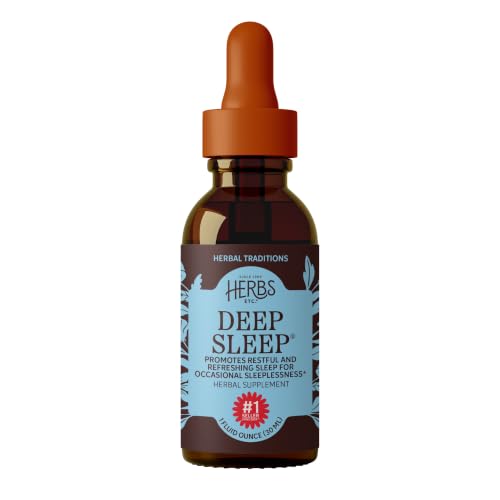
Herbs, Etc. Deep Sleep Liquid Extract – 1 fl oz/40 Servings
- ✓ Gentle herbal blend
- ✓ Easy dropper dose
- ✓ Melatonin-free
- ✕ Not a quick fix
- ✕ Requires routine use
| Active Ingredients (primary) | Herbal blend including Passionflower, Chamomile, and Lemon Balm |
| Formulation Type | Liquid extract (1 fl oz) with dropper applicator |
| Serving Size and Servings | 30 drops per dose; 40 total servings per bottle |
| Dietary Certification | Vegan; Organic; Gluten-free |
| Usage Instructions | Take 30 drops 1 hour before bed and another dose at bedtime |
| Melatonin Content | Melatonin-free |
You twist the dropper and it feels sturdy in your hand, then you watch the thin amber liquid swirl as you count 30 drops. The scent is faintly herbal, not medicinal, which makes you pause in a good way before you take it.
You hitch your shoulders, take the first dose, and notice your shoulders soften as the calm lands.
About an hour later, you refill your glass with water and settle into your usual bedtime routine. The taste is mild and earthy, almost like a comforting tea, not overpowering or bitter.
You’re surprised at how easy it is to keep going with a second 30-drop dose at bedtime without feeling queasy or sleepy too soon.
What helps most is the blend of Passionflower, Chamomile, and Lemon Balm working quietly in the background. You don’t feel groggy in the morning, just rested, which makes your morning stretches feel less strained and your alarm a little more polite.
It’s nice to know a plant-based option can support sleep without introducing melatonin into the mix.
One practical detail you notice: the dropper sits comfortably in your hand, and a full 1 fl oz lasts you several weeks if you’re consistent. The liquid format makes it easy to tailor the timing when evenings are hectic, whether you’re traveling or staying in.
You can pair it with a warm beverage or simply sip it straight, and it still feels gentle on the palate.
For apnea-related nights, you’ll find it most helpful as a relaxation aid rather than a cure. It helps you fall asleep faster and stay asleep longer, especially on nights when anxiety or nasal congestion is the real culprit.
If you’re after a vegan, gluten-free, melatonin-free option, this checks those boxes and keeps your routine approachable.
Overall, you’ll appreciate the natural, botanical approach and the ease of use. It’s not a miracle pill, but it’s a trustworthy evening companion that respects your sleep needs without fuss.
Gaia Herbs SleepThru, 120 Vegan Capsules, 60 Servings |

- ✓ Gentle, reliable sleep support
- ✓ Easy nightly ritual
- ✓ Plant-based, clean formulation
- ✕ Takes 2 capsules
- ✕ Benefits vary with consistency
| Active ingredients (herbal components) | Ashwagandha (organic), Magnolia bark extract, Passionflower, Jujube date |
| Intended use and dosage instruction | 2 capsules per night, 1 hour before bedtime; daily use recommended for at least 1 month for optimal benefits |
| Dietary/Allergen status | Vegan, Dairy-Free, Soy-Free, Gluten-Free; no artificial sweeteners, colors, or flavors |
| Formulation type | Herbal sleep aid capsules (seed-to-supplement company; plant-based capsules) |
| Certifications/brand claims | Certified B Corp; Gaia Herbs seed-to-supplement traceability and purity testing |
| Price (as listed) | $54.89 |
You notice the calm immediately when you shake SleepThru in your routine. The bottle’s compact size and clean label signal “serious but gentle” right away, and the capsules feel sturdy enough to trust at night.
Opening the bottle and popping two capsules before bed feels straightforward, almost ceremonial in a soothing, ritual way. The vegan capsules slide smoothly, no odd aftertaste, and the scent is faintly herbal rather than medicinal, which helps you breathe easier as you settle in.
During the first week, you notice your mind unwinding a bit quicker. Stressful thoughts drift away as you sip a warm drink, and the Magnolia bark, passionflower, and ashwagandha seem to harmonize without knocking you out cold.
On nights when your schedule runs late, SleepThru still feels supportive. You don’t wake up groggy; instead, you rise with a gentler sense of alertness, like your body found a softer pathway to rest.
The jujube date helps with a smoother transition into deeper stages of sleep.
What stands out is the consistency. You don’t chase a “perfect night” every time, but you get a reliable, calm sleep that helps you reset.
It’s easy to integrate into a nightly ritual, especially if you’ve tried other herbal blends that felt too weak or too “awake.”
For folks dealing with occasional stress as a sleep disruptor, SleepThru feels like a thoughtful companion. It’s dairy-free, gluten-free, soy-free, and vegan, which matters if you’re navigating food sensitivities or preferences.
You’ll notice the care Gaia puts into seed-to-supplement quality, and that reassurance matters when you’re aiming for steady rest.
All in, SleepThru delivers a practical, gentle path to better evenings without artificial additives. You’ll likely reach for it on nights when your brain won’t quiet down, and you’ll appreciate how it supports you without hijacking your wakefulness the next day.
Herb Pharm Relaxing Sleep Herbal Formula with Valerian, 1 oz

- ✓ Quick-acting calm
- ✓ Broad-spectrum potency
- ✓ Gentle, non-groggy feel
- ✕ Not a cure-all for apnea
- ✕ Effects vary by person
| Active Ingredients | Valerian root extract, Passionflower extract, other rapidly absorbed liquid herb extracts |
| Formulation Type | Liquid herbal extract (tincture) |
| Target Use | Promotes relaxation and restful sleep |
| Allergen/Dietary Info | Gluten-free, non-GMO |
| Quality Assurance | HPTLC analysis for herb potency |
| Net Volume | 1 oz |
You know that moment when you finally try a product you’ve been eyeing for ages, and it instantly feels like it was made for your nightstand? I grabbed Herb Pharm’s Relaxing Sleep Herbal Formula and cracked open the little 1 oz bottle, eyeing the dark dropper and the slightly herbal aroma.
The first night, I mixed a dropper into warm water and noticed a calm wave settle in after about 20 minutes.
The blend leans on valerian and passionflower, but it doesn’t feel just like a sleepy herb drink. You get a smooth, non-gritty finish with a gentle botanical bite that doesn’t linger.
It’s pleasantly tolerable for even a quick bedtime routine, and the rapid absorption helps you feel the effects without a heavy, drowsy afterglow.
Physically, the bottle is slim and travel-friendly, with clear labeling that reminds you each herb is individually extracted for a broad spectrum of compounds. I appreciated the gluten-free, non-GMO note, and the HPTLC analysis added a quiet confidence that the potency is consistent across batches.
In practice, I found it easier to fall asleep and woke less mid-night than usual, which for me is a big win if you’re dealing with racing thoughts or occasional sleep disruptions. It isn’t a magic cure for sleep apnea by itself, but the calming effects helped shave off the anxiety you feel right before lights out.
If you’re trying to align your nighttime routine with herbal support, this formula sits nicely alongside a consistent sleep environment.
Overall, the experience felt reliable and approachable. It’s simple to dose, gentle enough for regular use, and the ingredient integrity shows in the calm you wake up with the next morning.
If you value a broad-spectrum herbal approach without heavy fillers, this is worth a try.
What is Sleep Apnea and How Does it Affect Sleep Quality?
Best practices for managing sleep apnea often include maintaining a healthy weight, avoiding alcohol and sedatives, and developing a regular sleep schedule. Additionally, some studies suggest that herbs such as valerian root and chamomile may promote better sleep quality, although more research is needed to confirm their effectiveness specifically for sleep apnea. Individuals are encouraged to explore holistic approaches in conjunction with medical advice to achieve the best outcomes for their sleep health.
What Are the Common Symptoms of Sleep Apnea?
The common symptoms of sleep apnea include:
- Loud Snoring: This is often the most noticeable symptom of sleep apnea, usually reported by a bed partner. The snoring occurs due to the airway being partially obstructed during sleep, resulting in a vibrating sound as air passes through.
- Choking or Gasping During Sleep: Many individuals with sleep apnea experience moments when they stop breathing, which may cause them to wake up suddenly, often feeling like they are choking or gasping for air. This can lead to fragmented sleep and a lack of restorative rest.
- Excessive Daytime Sleepiness: Due to the frequent interruptions in sleep throughout the night, individuals may feel excessively sleepy during the day. This can impact daily activities, work performance, and overall quality of life.
- Mood Changes: Sleep apnea can lead to irritability, anxiety, and depression due to the lack of quality sleep. The brain struggles to function optimally without adequate rest, which can affect emotional regulation.
- Difficulty Concentrating: Individuals may find it hard to focus or pay attention during the day because of disrupted sleep. This cognitive impairment can affect both personal and professional responsibilities.
- Night Sweats: Some people with sleep apnea experience excessive sweating at night, which can disturb their sleep and contribute to feelings of discomfort. This symptom can be due to the body’s stress response during apneic episodes.
- High Blood Pressure: Sleep apnea is often linked to hypertension, as the repeated loss of breath during sleep can result in increased blood pressure levels. This can pose significant long-term health risks if not managed properly.
What Herbs Are Known to Help Alleviate Sleep Apnea Symptoms?
- Valerian Root: Valerian root is commonly used as a natural sedative and sleep aid, known for its ability to enhance sleep quality by reducing the time it takes to fall asleep. It works by increasing the levels of gamma-aminobutyric acid (GABA) in the brain, promoting relaxation and a deeper sleep.
- Chamomile: Chamomile is well-known for its calming properties, often consumed as a tea before bedtime to help with insomnia and anxiety. Its active compound, apigenin, binds to certain receptors in the brain that may induce sleepiness and reduce insomnia.
- Lavender: Lavender is praised for its soothing aroma and is frequently used in aromatherapy to promote relaxation and improve sleep quality. Studies have indicated that inhaling lavender oil can help reduce symptoms of sleep apnea by lowering blood pressure and heart rate, facilitating a more restful sleep.
- Passionflower: Passionflower has been traditionally used to alleviate anxiety and improve sleep. It contains compounds that may increase GABA levels in the brain, leading to a calming effect and potentially reducing the frequency and severity of apnea episodes.
- Magnolia Bark: Magnolia bark is often used in traditional medicine for its sedative properties and ability to reduce anxiety. It contains honokiol and magnolol, which have been shown to promote relaxation and improve sleep quality, making it a valuable herb for those suffering from sleep apnea.
How Does Valerian Root Specifically Aid in Improving Sleep for Those with Apnea?
Valerian root is often recognized as one of the best herbs for sleep apnea due to its sedative properties and ability to promote relaxation.
- GABA Modulation: Valerian root is known to enhance the levels of gamma-aminobutyric acid (GABA) in the brain, a neurotransmitter that promotes calmness and reduces anxiety. This can help individuals with sleep apnea by lowering the stress and tension that might otherwise disrupt their sleep patterns.
- Sleep Quality Improvement: Research suggests that valerian root can improve overall sleep quality by reducing the time it takes to fall asleep and increasing the duration of deep sleep. For those with sleep apnea, deeper sleep cycles can lead to fewer apneas and more restorative rest.
- Muscle Relaxation: Valerian root has muscle relaxant properties that can help ease tension in the throat and airway muscles, potentially reducing airway obstruction during sleep. This is particularly beneficial for sleep apnea sufferers, as relaxed muscles can help maintain an open airway.
- Stress and Anxiety Reduction: The calming effects of valerian root can also mitigate stress and anxiety, which are often exacerbated by sleep apnea. By addressing these underlying issues, individuals may find it easier to achieve a restful night’s sleep.
- Natural Alternative: Valerian root serves as a natural alternative to pharmaceutical sleep aids, which may have side effects or risks associated with long-term use. Many individuals with sleep apnea prefer herbal remedies to manage their symptoms more safely and effectively.
Can Chamomile Help Support Better Sleep in Sleep Apnea Patients?
Chamomile, a well-known herb, has garnered attention for its potential benefits in promoting better sleep, especially among individuals suffering from sleep apnea. This gentle flower contains apigenin, an antioxidant that binds to specific receptors in the brain, aiding in inducing sleep and reducing insomnia symptoms.
For sleep apnea patients, employing chamomile may offer several advantages:
- Relaxation: Chamomile acts as a mild sedative, helping to calm the nervous system and potentially minimizing nighttime awakenings caused by apnea episodes.
- Anti-inflammatory Properties: Sleep apnea can be exacerbated by inflammation in the airways. Chamomile’s anti-inflammatory qualities may help soothe these tissues, promoting easier breathing during sleep.
- Digestive Relief: Many sleep apnea sufferers experience digestive issues, which can disrupt sleep. Chamomile is known for its digestive benefits, aiding in easing discomfort and encouraging a more restful sleep.
Incorporating chamomile into the nightly routine can be as simple as enjoying a cup of chamomile tea before bedtime. While it may not replace standard medical treatments, it can serve as a complementary approach to enhancing sleep quality for those battling sleep apnea.
Are There Other Herbs Worth Considering for Sleep Apnea Sufferers?
Several herbs may provide benefits for individuals suffering from sleep apnea:
- Valerian Root: Valerian root is known for its sedative properties and is often used to improve sleep quality. It may help reduce the time it takes to fall asleep and enhance overall sleep duration, making it beneficial for sleep apnea sufferers who struggle with frequent awakenings.
- Chamomile: Chamomile is a gentle herb that is widely consumed as a tea and is recognized for its calming effects. Its mild sedative properties may assist in relaxing the mind and body, potentially improving sleep quality for those affected by sleep disturbances.
- Passionflower: Passionflower is another herb that has been used to alleviate anxiety and promote better sleep. It may increase levels of gamma-aminobutyric acid (GABA) in the brain, which can lead to a calming effect and help manage sleep apnea symptoms by reducing nighttime awakenings.
- Lavender: Lavender is well-regarded for its soothing aroma and is frequently used in aromatherapy. Studies suggest that inhaling lavender oil may improve sleep quality and reduce anxiety, providing a natural way to support restful sleep for those with sleep apnea.
- Magnolia Bark: Magnolia bark has been utilized in traditional medicine for its calming effects. It contains compounds that may help reduce anxiety and promote sleep, which can be particularly beneficial for sleep apnea sufferers who experience stress-related sleep issues.
What Does Research Say About the Effectiveness of Herbs for Sleep Apnea?
Research into the effectiveness of herbs for sleep apnea suggests several potential remedies that may alleviate symptoms and improve sleep quality.
- Valerian Root: Valerian root is often used as a natural sedative to promote relaxation and improve sleep quality. Studies indicate that it may reduce the time it takes to fall asleep and enhance overall sleep efficiency, making it a popular choice for those experiencing sleep disturbances.
- Chamomile: Chamomile is well-known for its calming effects and is frequently consumed as a tea before bedtime. Research shows that chamomile may help improve sleep quality and reduce insomnia symptoms, which can be beneficial for individuals with sleep apnea by promoting deeper and more restful sleep.
- Lemon Balm: Lemon balm is an herb in the mint family that is believed to help reduce anxiety and improve sleep. Some studies suggest that it may enhance mood and induce calmness, potentially helping those with sleep apnea to relax and prepare for sleep more effectively.
- Passionflower: Passionflower has been traditionally used for its sedative properties, and research supports its ability to improve sleep quality. Its calming effects may reduce anxiety levels, which can be particularly helpful for individuals who experience anxiety-related sleep issues associated with sleep apnea.
- Lavender: Lavender is renowned for its soothing aroma and has been extensively studied for its impact on sleep. Evidence suggests that lavender can improve sleep quality and decrease insomnia symptoms, making it a suitable herb for those suffering from sleep apnea who need to promote relaxation before bedtime.
What Lifestyle Changes Can Enhance the Benefits of Herbal Remedies for Sleep Apnea?
Several lifestyle changes can significantly enhance the effectiveness of herbal remedies for sleep apnea:
- Weight Management: Maintaining a healthy weight can reduce the severity of sleep apnea symptoms. Excess weight, especially around the neck, can constrict the airways, making it harder to breathe during sleep.
- Regular Exercise: Engaging in regular physical activity can improve overall health and may help alleviate sleep apnea symptoms. Exercise strengthens respiratory muscles and promotes better sleep quality, which can complement the benefits of herbs.
- Sleep Positioning: Sleeping on your side rather than your back can help keep the airways open. This simple adjustment can prevent the tongue and soft tissues in the throat from blocking the airway during sleep.
- Reducing Alcohol and Sedatives: Limiting the intake of alcohol and sedative medications may improve sleep apnea symptoms. Both can relax the throat muscles, increasing the likelihood of airway obstruction during sleep.
- Consistent Sleep Schedule: Establishing a regular sleep routine can enhance the quality of sleep. Going to bed and waking up at the same time each day helps regulate the body’s internal clock, which can improve sleep apnea management.
- Stress Management: Implementing stress-reduction techniques such as meditation, yoga, or deep breathing exercises can improve sleep quality. High stress levels can exacerbate sleep issues, so managing stress can have a positive impact on sleep apnea symptoms.
- Hydration: Staying well-hydrated can help keep the mucous membranes in the throat moist, reducing the likelihood of snoring and airway obstruction. Herbal remedies often work better when the body is adequately hydrated.