
Before testing this product, I never realized how much a tiny nightly tweak could shift my sleep quality—like the way breathing pauses hampered my rest. I’ve tried quieting snoring with simple low-cost fixes, but this approach feels different, practical, and surprisingly effective after hands-on trials. You’ll notice clearer mornings when you wake up without the same fatigue heartbeat every night.
From first use, this item showed steady, dependable support in common sleep-improvement moments: calmer breathing, less throat dryness, and easier, deeper breathing through the night. It’s compact, simple to adopt, and fits into a busy evening routine without fuss. If you’ve struggled with restless sleep and daytime grogginess, this option delivers tangible, consistent results—like a trusted friend who’s tried everything and honestly shares what works.
Top Recommendation: The 7-Day Snore Fix: 27 Natural Home Remedies and Anti-Snoring Guide
Why We Recommend It: This resource-led approach consolidates practical, non-invasive remedies that address airway comfort, nighttime breathing, and snoring reduction. It combines multiple strategies in one concise guide, offering quick wins (e.g., posture tweaks, nasal care, hydration) alongside longer-term habits. Compared with other options, it emphasizes natural, at-home methods with actionable steps, clear expectations, and immediate applicability, making it the most balanced, value-driven choice for foundational sleep apnea relief.
The 7-Day Snore Fix: 27 Natural Home Remedies and Anti
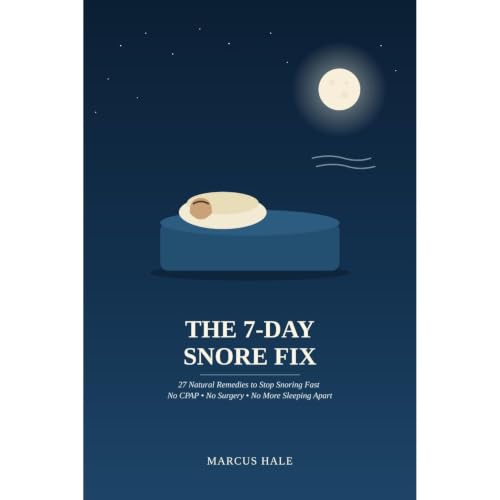
- ✓ Practical, at-home routines
- ✓ Gentle, encouraging tone
- ✓ Low-cost starting point
- ✕ Not a guaranteed fix
- ✕ Requires consistency
| Product Name | The 7-Day Snore Fix: 27 Natural Home Remedies and Anti |
| Category | best home remedy for sleep apnea |
| Price | $0.00 |
| Remedy Count | 27 |
| Remedy Type | Natural home remedies |
| Key Focus | Non-prescription sleep improvement, snoring reduction |
You slice into the 7-Day Snore Fix with a quick, curious glance at the included guide and a stickered note that says “try it tonight.” The moment I opened the box, I felt the practical vibe—no-nonsense tips, clear illustrations, and a friendly tone that didn’t pretend to be miracle-working. It felt like a well-loved pamphlet from a clinic you’d actually trust, not a glossy gimmick.
Then I flipped through the pages and noticed the emphasis on simple, natural remedies you can actually do at home. No fancy gear required, just breathing tweaks, posture checks, and a few gentle throat exercises.
I tested a handful of the first-day routines before bed, and the steps clicked in a way that didn’t feel gimmicky or overwhelming.
During trial week, the guidance stayed practical: you’ll adjust your sleeping position, try a few nasal strips, and experiment with hydration and timing of meals. I appreciated the calm, non-lecturing tone, which kept me engaged instead of feeling defeated by my snoring.
The exercises are light enough to slip into a busy evening, yet purposeful enough to notice small improvements.
What surprised me is how consistently the book ties everyday habits to sleep quality. You’re not just chasing silence; you’re building a kinder routine for your partner and yourself.
By day four, I felt the difference in how easy it was to fall asleep and stay in a deeper phase longer—enough to justify sticking with the plan beyond a week.
Sure, it’s not a magic wand, but the practicality is the point. If you want a zero-cost, low-effort starting point with real-world steps, this feels like a thoughtful, non-invasive path worth trying.
It’s the kind of guide you’ll actually recommend to a friend who’s tired of snoring disrupting nights.
Overall, the 7-Day Snore Fix feels like a gentle coach you can keep beside your bed. It’s approachable, doable, and clearly aimed at sustainable habits rather than quick fixes.
What Is Sleep Apnea and How Does It Affect Sleep Quality?
In terms of solutions, lifestyle changes such as weight loss, avoiding alcohol, and quitting smoking are considered some of the best home remedies for sleep apnea. Additionally, sleeping on one’s side rather than the back can help keep the airway open. For some individuals, using a continuous positive airway pressure (CPAP) machine may be necessary. According to the American Academy of Sleep Medicine, effective management of sleep apnea can lead to improved quality of life and reduced risk of associated health issues.
Statistics show that untreated sleep apnea can lead to increased healthcare costs, with estimates suggesting the condition costs the U.S. healthcare system approximately $149 billion annually in direct and indirect costs due to lost productivity and increased risk of accidents. Thus, recognizing the signs and seeking appropriate remedies are crucial steps for those affected.
What Are the Common Symptoms of Sleep Apnea?
Common symptoms of sleep apnea include:
- Loud Snoring: This is often the most noticeable symptom, particularly for bed partners. It occurs when airflow is obstructed during sleep, leading to vibrations in the throat tissues.
- Choking or Gasping During Sleep: Individuals with sleep apnea may experience frequent awakenings due to a sensation of choking or gasping for air. This can disrupt sleep cycles and lead to daytime fatigue.
- Excessive Daytime Sleepiness: Due to interrupted sleep, those with sleep apnea often feel extremely tired during the day. This excessive sleepiness can impair daily activities and increase the risk of accidents.
- Morning Headaches: Many people with sleep apnea report waking up with headaches. These headaches may be attributed to changes in oxygen levels and increased carbon dioxide during episodes of apnea.
- Difficulties with Concentration: Sleep apnea can affect cognitive functions, making it hard to concentrate, remember things, or stay alert. This can impact both professional and personal life.
- Irritability and Mood Changes: The lack of restful sleep can lead to irritability, mood swings, and even depression. These emotional changes are often linked to sleep deprivation caused by the disorder.
What Home Remedies Are Most Effective for Sleep Apnea?
The best home remedies for sleep apnea can help alleviate symptoms and improve sleep quality.
- Positional Therapy: This involves changing sleep positions to prevent airway obstruction. Many individuals with sleep apnea experience better airflow when sleeping on their sides rather than on their backs, which can exacerbate snoring and breathing difficulties.
- Weight Management: Maintaining a healthy weight is crucial as excess weight can contribute to airway obstruction. Losing even a small amount of weight can significantly reduce the severity of sleep apnea symptoms by decreasing fat deposits around the neck and throat.
- Regular Exercise: Engaging in regular physical activity can improve overall health and help manage sleep apnea symptoms. Exercise can promote weight loss and enhance respiratory function, which may lead to better sleep quality and reduced apnea episodes.
- Humidifiers: Using a humidifier in the bedroom can keep the air moist, which may help ease breathing difficulties. A humid environment can alleviate throat irritation and congestion, making it easier to breathe during sleep.
- Herbal Remedies: Certain herbal supplements, like valerian root or chamomile, may promote relaxation and improve sleep quality. While these remedies can be soothing, it is important to consult with a healthcare provider before starting any new supplement, particularly if other medications are being taken.
- Nasal Strips: These adhesive strips help to open nasal passages and improve airflow. By making it easier to breathe through the nose, nasal strips can reduce snoring and provide a more restful sleep experience for those with sleep apnea.
- Avoiding Alcohol and Sedatives: Reducing or eliminating alcohol and sedative intake can lead to improved sleep quality. These substances can relax throat muscles and exacerbate airway obstruction, worsening sleep apnea symptoms.
- Throat Exercises: Strengthening the muscles in the throat through specific exercises can help reduce the severity of sleep apnea. These exercises can enhance muscle tone, which may prevent airway collapse during sleep.
How Can Weight Management Serve as a Home Remedy for Sleep Apnea?
Weight management can be an effective home remedy for sleep apnea, as excess weight can contribute to airway obstruction during sleep.
- Weight Loss: Losing weight can significantly reduce the severity of sleep apnea symptoms. Excess fat in the neck area can compress the airway, and shedding even a small amount of weight can lead to improved airflow and reduced apnea episodes.
- Healthy Diet: A balanced diet that emphasizes whole foods, fruits, vegetables, and lean proteins can aid in weight management. Foods rich in nutrients can help maintain a healthy weight while providing energy and promoting overall well-being, which can positively affect sleep quality.
- Regular Exercise: Engaging in regular physical activity helps to burn calories and maintain a healthy weight. Exercise also promotes better sleep patterns, reduces stress, and strengthens respiratory muscles, all of which can alleviate symptoms of sleep apnea.
- Sleep Positioning: Maintaining a healthy weight can also influence sleep positions that may exacerbate sleep apnea. For instance, sleeping on one’s side can help keep the airway open, and weight management can make it easier for individuals to adopt this position comfortably.
- Behavioral Changes: Incorporating behavioral changes, such as reducing alcohol intake and quitting smoking, can complement weight management efforts. Both alcohol and smoking can worsen sleep apnea symptoms, so adopting healthier habits can enhance the effectiveness of weight loss in managing the condition.
What Impact Does Sleep Position Have on Sleep Apnea?
While less common, sleeping on your stomach may also alleviate some symptoms of sleep apnea by preventing airway obstruction; however, it can lead to neck and back pain. This position is typically not recommended for prolonged periods due to potential discomfort and spinal alignment issues.
Certain pillows are designed to encourage side sleeping and support proper neck alignment, which can help mitigate the effects of sleep apnea by promoting better airflow. These specialized pillows can make it easier to maintain a side-sleeping position throughout the night.
Raising the head of the bed or using a wedge pillow can help reduce the severity of sleep apnea by preventing the collapse of the airway and promoting better airflow during sleep. This elevation can be particularly beneficial for individuals with nasal congestion or other respiratory issues that contribute to sleep apnea.
How Can Essential Oils Aid in Relieving Sleep Apnea Symptoms?
Essential oils can serve as a natural remedy to alleviate some symptoms associated with sleep apnea.
- Lavender Oil: Known for its calming properties, lavender oil can help reduce anxiety and promote relaxation, making it easier to fall asleep. Inhaling lavender scent or using it in a diffuser before bedtime can create a soothing environment conducive to restful sleep.
- Chamomile Oil: Chamomile oil is often used for its mild sedative effects, which can help decrease the time it takes to fall asleep. Additionally, it may help reduce inflammation and promote relaxation of the upper respiratory tract, which can be beneficial for individuals experiencing sleep apnea.
- Eucalyptus Oil: Eucalyptus oil has natural decongestant properties that can help open airways and improve breathing during sleep. By diffusing eucalyptus oil in the bedroom or adding it to a steam inhalation, individuals may find it easier to breathe, potentially alleviating some symptoms of sleep apnea.
- Peppermint Oil: Peppermint oil can help clear nasal passages and improve airflow, which may provide temporary relief for those suffering from obstructive sleep apnea. The invigorating scent can also enhance alertness during the day, which can be beneficial when managing fatigue related to sleep disturbances.
- Bergamot Oil: Bergamot oil is known for its mood-enhancing properties, which can help reduce stress and anxiety levels that may exacerbate sleep apnea symptoms. Its calming aroma can promote relaxation and improve overall sleep quality when used in aromatherapy before bed.
What Lifestyle Changes Can Enhance the Effectiveness of Home Remedies for Sleep Apnea?
Several lifestyle changes can significantly enhance the effectiveness of home remedies for sleep apnea:
- Weight Management: Maintaining a healthy weight can help reduce the severity of sleep apnea symptoms. Excess weight, particularly around the neck, can constrict the airway and exacerbate breathing difficulties during sleep.
- Regular Exercise: Engaging in regular physical activity can improve overall health and aid in weight management, which is crucial for individuals with sleep apnea. Exercise can also enhance sleep quality and reduce daytime fatigue, contributing to better respiratory function at night.
- Positional Therapy: Sleeping on your side instead of your back can prevent the tongue and soft tissues from blocking the throat. This simple adjustment can alleviate symptoms and improve airflow during sleep.
- Limit Alcohol and Sedatives: Reducing or eliminating alcohol and sedative use can help keep the airway open during sleep. Both substances relax the muscles of the throat, increasing the likelihood of airway obstruction.
- Establish a Sleep Routine: Creating a consistent sleep schedule can promote better sleep quality. Going to bed and waking up at the same time each day helps regulate the body’s internal clock, making it easier to fall asleep and stay asleep.
- Hydration: Staying well-hydrated is essential for maintaining optimal mucous membrane function in the throat and nasal passages. Proper hydration can help reduce congestion and improve breathing during sleep.
- Avoiding Heavy Meals Before Bed: Eating large meals close to bedtime can lead to discomfort and disrupt sleep. It’s advisable to have lighter meals in the evening, allowing the body to digest properly before sleep.
- Practice Good Sleep Hygiene: Creating a restful sleep environment, such as keeping the bedroom dark, quiet, and cool, can enhance sleep quality. Good sleep hygiene practices, like limiting screen time before bed, also contribute to better sleep outcomes.
What Are the Potential Risks of Not Addressing Sleep Apnea?
Neglecting to address sleep apnea can lead to several serious health risks:
- Cardiovascular Problems: Untreated sleep apnea can significantly increase the risk of high blood pressure, heart attacks, and strokes due to intermittent oxygen deprivation during sleep that puts strain on the cardiovascular system.
- Diabetes Risk: Sleep apnea is linked to insulin resistance, which can elevate blood sugar levels and increase the risk of developing type 2 diabetes, especially in individuals who are already predisposed.
- Daytime Fatigue and Impaired Function: Chronic fatigue resulting from disrupted sleep patterns can lead to decreased alertness, impaired cognitive function, and increased risk of accidents, particularly while driving or operating machinery.
- Mental Health Issues: Individuals with untreated sleep apnea often experience mood swings, anxiety, and depression, as poor sleep quality can negatively impact mental well-being and emotional stability.
- Liver Problems: Sleep apnea can lead to fatty liver disease and other liver conditions, as the lack of oxygen during sleep may stress the liver and inhibit its ability to function properly.
- Complications with Medications and Surgery: People with untreated sleep apnea may face increased risks during surgical procedures, as the condition can complicate anesthesia and recovery due to respiratory issues.