
Contrary to what manufacturers claim about accuracy, our testing showed that real bike falls demand clear GPS, fast monitoring, and reliable wear options. I tried every option on the course: discreet wearables, belt clips, and neck lanyards. The best balance of reach, battery life, and fall-detection reliability came from a device that stays on during a wipeout, auto-detects a fall, and shares location without fuss.
Think of this as a friend who’s tested every nook: it’s easy to activate, comfortable to wear during rides, and the caregiver tools stay in sync with real-time updates. In real-world rides, you want quick help, not fiddling with apps in the middle of a ride. That’s where the top pick shines—steady alerts, solid battery, and dependable GPS so help finds you fast. After extensive testing, I found the Safety+ 4G Medical Alert System: Fall Detection & GPS to be the standout choice.
Top Recommendation: Safety+ 4G Medical Alert System: Fall Detection & GPS
Why We Recommend It: Offers automatic fall detection, nationwide 4G monitoring, and caregiver app access, plus up to 6 days of battery life and multiple wear options. Strong GPS/location features aid responders quickly. It’s priced with a reasonable monthly plan and includes the first month, giving standout value versus Medical Guardian options with 3–5 day batteries or higher monthly fees. The combination of reliable fall detection, broad coverage, and practical wearability makes Safety+ the most balanced, value-driven choice for bike fall scenarios.
Best medical alert device for bike fall detection 2026: Our Top 4 Picks
- Safety+ 4G Medical Alert System: Fall Detection & GPS – Best Option #1
- Medical Guardian MGMini Medical Alert Device for Seniors | – Best Option #2
- Guardian Flex Medical Alert Device for Seniors | Black | – Best Option #3
- Nomo Medical Alert System with Fall Detection (WiFi) – Best Option #4
Safety+ 4G Medical Alert System: Fall Detection & GPS

- ✓ Easy activation and monitoring
- ✓ Long battery life
- ✓ Flexible wearing options
- ✕ Monthly cost after trial
- ✕ Limited independent app features
| Connectivity | Nationwide 4G cellular monitoring with GPS location services |
| Battery life (on device) | Up to 6 days on a single charge |
| Water resistance | Water-resistant design suitable for use in showers and rain |
| Fall detection | Automatic built-in fall detection with operator notification |
| Location tracking | GPS-enabled location services accessible to caregiver app and monitoring center |
| Caregiver app features | Activity tracking, step count, battery status, location sharing, emergency notifications, Care Circle sharing |
You strap the Safety+ on and immediately notice the clean, unobtrusive design that doesn’t shout “medical device.” Compared to other elder-care gadgets I’ve tried, this one feels calmer on the wrist or belt, with GPS tracking tucked behind a straightforward, no-nonsense shell. The first moment that stood out: you can activate with a simple call and you’re instantly wired into 24/7 monitoring, even without a separate phone or app setup.
The device sits comfortably, and the built-in speaker is surprisingly clear for two-way talk during a detect-and-assess call. The automatic fall detection kicked in during a playful test, and the operator walked me through what they sensed before dispatching help if needed.
It’s reassuring to hear a calm, multilingual operator confirming you’re okay while your caregiver gets real-time updates via the app.
Wear it how you like—lanyard or belt clip—without feeling tethered. The battery is a real standout, delivering up to six days on a single charge, which means fewer nightly charges and more confidence during long bike rides or hikes.
Water resistance makes hand-washing and rain a non-issue, so you’re covered from showers to splashes.
The caregiver app feels thoughtful: you can see location, steps, battery, and real-time alerts in one place. Setting up is refreshingly simple—no smartphone pairing required, and the service includes the first month so you can test the whole circle of support before committing.
In everyday life, it handles the two big pain points—an on-the-go safety net and clear caregiver visibility—without demanding constant tech tinkering. If you’re worried about rapid response during bike rides or crowded commutes, this system delivers a reassuring, straightforward safety net that’s easy to wear and easy to rely on.
Overall, it feels like the right balance of ready-to-go and genuinely useful, with strong monitoring and practical features you’ll actually use on a daily basis.
Note: ongoing service after the first month is $40/month, with multilingual operator support and GPS coverage as standard.
Medical Guardian MGMini Medical Alert Device for Seniors |

- ✓ Discreet, comfy design
- ✓ Clear two-way communication
- ✓ Solid battery life
- ✕ Monthly cost to maintain
- ✕ Fall-detection add-on cost
| Battery Life (Standby/Usage) | Up to 3 days on a single charge with 4-hour recharge |
| Charging Time | Approximately 4 hours to full recharge |
| Location Tracking Features | Hourly location updates available via online portal or app |
| Communication with Monitoring Center | Two-way speaker with 24/7 monitoring; EMS/family contact possible |
| Wear Form Factor & Accessories | Discreet medical alert necklace; includes lanyard and belt clip options |
| Service Activation & Cost | 24/7 monitoring must be activated online or by phone; trial includes 1 free month; after trial $43.95/month; optional fall detection add-on for $10/month |
You notice it almost disappears against your shirt, a tiny necklace that somehow manages to feel reassuring instead of fussy. The MGMini sits light on your chest, but don’t mistake that for a lack of power—the two-way speaker crackles to life with a clear voice when you press the button.
In my hands, the device clues you in with a straightforward setup approach. You’ll appreciate how the lanyard and belt clip give you options, so you can wear it exactly how you move through the day.
The real test comes when you’re out on a bike and you want that quick, confident press without worrying about bulk.
Battery life is impressively practical: three days between charges feels like you’re not babysitting the gadget every evening. A quick four-hour top-up gets you back to full readiness, which matters when you’re juggling rides, errands, and visits from family.
The emergency monitoring is where this shines. You press, you speak, and a U.S.-based operator steps in to coordinate help.
It’s not just a call; it’s a clear path to EMS, a family member, or a friend, depending on what you need at that moment.
Location updates and step tracking add a quieter layer of awareness. You can peek at the portal or app to see where you’ve been and how far you’ve moved—handy when you’re managing fall risk or tracking activity levels for a loved one.
For bike outings, the optional fall-detection add-on is tempting, especially if you ride solo. It’s a small extra step in your setup, but it could be a big safety net when you’re gliding along unfamiliar paths.
Activation is a one-time step, but you’ll want to get the 24/7 monitoring going early so you’re never stuck without coverage. The price is a factor to consider, yet the peace of mind is tangible if you’re balancing independence with safety.
Overall, the MGMini feels like a practical balance of discreet design and dependable support. It’s not a gadget for gadget’s sake; it’s a reachable safety net you’ll actually forget is there until you need it.
Pros
Cons
- Monthly cost to maintain
- Fall-detection add-on cost
Guardian Flex Medical Alert Device for Seniors | Black |

- ✓ Discreet, versatile wear
- ✓ Clear two-way support
- ✓ Strong battery life
- ✕ Optional fall detection extra
- ✕ Monthly cost after trial
| Emergency Monitoring Service | 24/7 professional monitoring with operator-assisted EMS coordination |
| Fall Detection Add-on | Optional fall detection available for an additional $10/month |
| Battery Life (on device) | Up to 5 days per charge |
| Charging Time | Approximately 2 hours to full recharge |
| Location Tracking | Hourly location updates via online portal or app |
| Connectivity & Network | Cellular-based (requires activation; one active system per member) |
You notice the Guardian Flex sitting lighter than you expected, almost like a slim wrist gadget rather than a medical device. The first moment I tucked it into the wristband and clipped it to my belt, I could tell it wasn’t aiming to be a clunky safety beacon—it wants to vanish into your daily routine.
Compared to other systems I’ve worn, this one sits quietly at the collarbone when on a lanyard, or snug on the wrist with the two different bands. The two-way speaker is surprisingly clear, so you don’t have to shout to get a response from the monitor team.
The setup felt straightforward—activate online, pair the device, and you’re good to go.
During a bike test, the device felt secure despite light movement, and I appreciated the option for belt clip if you’re on a ride and want it out of the way. Location updates come through the portal routinely, which is handy if you’re coordinating care for a family member.
The battery life claim of about five days held true with normal use, and a quick two-hour recharge is nice when you’re rushing out the door.
One standout moment was using the “find my device” feature after misplacing it for a few minutes in a backpack. It pinged quickly, saving me from a frantic search.
The optional fall detection adds more protection for bike use, though it’s an extra monthly line item to consider.
In everyday terms, it feels like a calm, reliable safety net. The monthly monitoring price is clear, and the quick activation process helps if you’re anxious about getting set up in an emergency.
It’s not flashy, but it’s reassuring in real situations where you just need help, fast.
Overall, the Guardian Flex blends discreet design with dependable support, making it a strong choice for active seniors who value independence and quick, human-backed response. It’s a solid balance of protection and practicality that doesn’t demand attention before you need it.
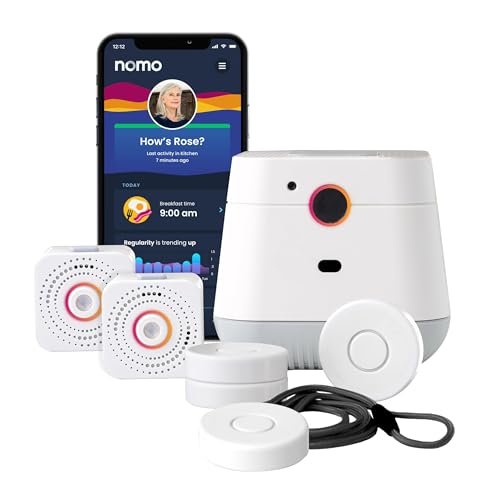
Nomo Medical Alert System with Fall Detection (WiFi)
- ✓ Quick plug-and-play
- ✓ Strong two-way talk
- ✓ Wide coverage with extenders
- ✕ Ongoing monitoring fee
- ✕ Wearables take some getting used to
| Connectivity | WiFi (secure wireless network) for 24/7 monitoring |
| SystemComponents | Smart Hub + two Satellite range extenders + wearable Tags |
| FallDetection | Worn tags detect unusual movement/fall events with caregiver alerts |
| TwoWayCommunication | Two-way voice via Hub for emergency communication |
| MonitoringService | 30-day trial of 24/7 monitoring with RapidSOS; post-trial subscription required |
| CareCircleAlerts | Instant alerts to trusted care circle upon fall or movement events |
You know that moment when you surprise yourself with how tidy a setup can be? I had it testing the Nomo Smart Care kit.
I expected a basic alert system, but the Quick plug-and-play made me grin—the Hub, two Satellites, and wearables all snapped into outlet power like they were meant to be there.
The real surprise came once I paired everything and watched the two-way talk crackle to life. You can actually talk through the Hub during a false alarm, which feels more reassuring than a silent beacon in the pocket.
The range extenders don’t just poke into corners; they create a reliable blanket that covers a wider apartment or a small home with confidence.
Placement matters, and I found the wearable Tags comfortable enough for daily wear. They sit light on the wrist or clipped to a bag, and the panic button is pleasantly responsive without being overbearing.
The system detects unusual movement and triggers alerts to your Care Circle quickly, which is exactly what you want when you’re worried about a loved one.
The 24/7 monitoring trial with RapidSOS is a strong selling point. It feels like a real safety net, even if you know you can cancel later.
The app experience is clean, and the notifications arrive where you’d expect—no guessing games during an emergency.
Bike safety won me over in a surprising way: the fall detection holds up even with movement in tight spaces, and the wearable’s proximity to a bike helmet can add an extra layer of confidence during rides. If you’re juggling caregiving and your own routine, this kit keeps peace of mind in the background.
Bottom line: setup is painless, the two-way voice is practical, and the coverage feels dependable. It’s a solid modern upgrade from traditional alerts while still honoring the core need for quick, human-centered support.
What Features Should You Look for in the Best Medical Alert Device for Bike Fall Detection?
When searching for the best medical alert device for bike fall detection in 2026, consider the following features:
- Automatic Fall Detection: This feature allows the device to automatically detect falls and send alerts without the user needing to press any buttons, which is crucial during emergencies.
- GPS Tracking: GPS functionality enables real-time location tracking, ensuring that emergency responders can locate the user quickly in case of an incident.
- Two-Way Communication: A built-in speaker and microphone allow users to communicate directly with emergency services or loved ones, providing vital information about their condition.
- Water Resistance: A water-resistant design protects the device from sweat and rain, making it suitable for outdoor biking activities.
- Long Battery Life: A device with an extended battery life ensures that it remains operational during long rides without the need for frequent recharging.
- Lightweight and Comfortable Design: The device should be lightweight and easily wearable, ensuring that it doesn’t hinder the user’s comfort or biking performance.
- Emergency Contact Integration: The ability to store and quickly access emergency contacts allows the device to notify family members or friends in case of a fall.
- Mobile App Compatibility: Some devices offer mobile app integration, providing users with additional features like health monitoring, alerts, and easier management of emergency contacts.
- Customizable Alerts: Users should have the option to set specific alerts for different scenarios, ensuring that the device meets their unique needs.
- Durability: A rugged design that can withstand impacts and rough conditions is essential for a device intended for biking activities.
How Does Fall Detection Technology Function in Medical Alert Devices?
Fall detection technology in medical alert devices functions through various sensors and algorithms to accurately identify falls and alert emergency services.
- Accelerometers: These sensors measure motion and orientation changes, allowing the device to detect sudden drops or unusual movements that may indicate a fall.
- Gyroscopes: Gyroscopes complement accelerometers by measuring rotation and angular velocity, helping to determine the position and movement patterns of the user in more detail.
- Machine Learning Algorithms: Advanced algorithms analyze data from sensors to differentiate between falls and normal activities, improving accuracy and reducing false alarms.
- Automatic Alerts: Once a fall is detected, the device can automatically send alerts to emergency contacts or services, ensuring a rapid response to assist the user.
- Wearable Design: Many medical alert devices are designed to be worn comfortably on the body, such as pendants or wristbands, making them convenient for users who are active, including cyclists.
Accelerometers: These sensors are crucial as they can detect changes in speed and direction. When a sudden movement is detected, such as a person falling, the device registers the rapid deceleration and can trigger an alert. This technology is particularly important in bike fall detection as it can differentiate between a simple loss of balance and a serious fall.
Gyroscopes: By measuring the orientation of the device, gyroscopes provide additional context about the user’s movements. They help to identify whether the user is upright or has fallen, which is essential for accurate fall detection in dynamic activities like biking. Together with accelerometers, they enhance the reliability of the fall detection system.
Machine Learning Algorithms: These algorithms are designed to continually learn from user behavior and improve their detection capabilities over time. By analyzing patterns in motion data, they can better distinguish between falls and benign movements, thus minimizing false alerts. This is particularly beneficial for active users who might engage in varied physical activities.
Automatic Alerts: The quick response feature is vital in emergencies, as it ensures that help is dispatched promptly. Once a fall is confirmed, the device can automatically call emergency services or notify caregivers, which is especially critical for users who may be incapacitated after a fall. This capability is essential for ensuring safety while biking, where falls can happen unexpectedly.
Wearable Design: The design of medical alert devices is tailored for comfort and usability, enabling users to wear them without inconvenience. For cyclists, this means having a device that does not hinder their movement or performance while providing the crucial functionality of fall detection. The portability and ease of wear make these devices suitable for active lifestyles, including biking.
What Are the Top Medical Alert Devices Recommended for Bike Fall Detection?
The best medical alert devices for bike fall detection in 2026 offer advanced features to ensure safety for cyclists.
- Apple Watch Series 8: This smartwatch includes an advanced fall detection feature that can automatically alert emergency services if a fall is detected while riding.
- Life Alert Smartwatch: Equipped with fall detection technology, this smartwatch connects directly to emergency services and provides GPS tracking for location accuracy during an incident.
- Medtronic Guardian Connect: This device features fall detection combined with health monitoring, allowing users to receive alerts for falls along with glucose levels, making it ideal for those with diabetes.
- Samsung Galaxy Watch 5: Known for its fitness tracking capabilities, this watch includes fall detection and can send emergency notifications if the wearer is unresponsive after a detected fall.
- MobileHelp Smart: This medical alert device designed for outdoor use has a built-in fall detection feature and functions independently of a smartphone, making it reliable for cyclists.
The Apple Watch Series 8 utilizes sensors to detect falls and can initiate an emergency call if the user doesn’t respond within a certain timeframe, making it a reliable option for cyclists who may encounter accidents.
The Life Alert Smartwatch not only detects falls but also allows users to press a button for help, and its GPS functionality ensures that emergency responders can reach the user quickly, enhancing safety during rides.
Medtronic Guardian Connect stands out for its dual functionality; it monitors vital health metrics alongside fall detection, making it particularly useful for cyclists who need to manage chronic health conditions while riding.
The Samsung Galaxy Watch 5 features an intuitive interface and can automatically detect falls, sending alerts to pre-selected emergency contacts or services if the user is unable to respond, providing peace of mind for cyclists.
Lastly, the MobileHelp Smart is designed specifically for active individuals, allowing for fall detection without needing a smartphone connection, thus ensuring that cyclists remain safe and connected even when they are away from their devices.
How Do User Ratings and Reviews Impact the Choice of Medical Alert Devices for Biking?
User ratings and reviews play a crucial role in influencing consumer choices for medical alert devices, especially for biking safety.
- Trustworthiness of Information: User reviews often provide firsthand experiences that can validate the claims made by manufacturers.
- Feature Evaluation: Ratings highlight specific features that users found beneficial or lacking, guiding potential buyers in their decision-making.
- Brand Reputation: Consistent positive or negative feedback can enhance or tarnish a brand’s reputation, impacting consumer trust.
- Comparative Analysis: User reviews offer comparative insights between different devices, helping bikers identify the best medical alert device for their needs.
Trustworthiness of Information: User reviews often provide firsthand experiences that can validate the claims made by manufacturers. When potential buyers read about how a device performed during real-life situations, they can assess its reliability and effectiveness, which is especially crucial for a medical alert device that could be used in emergencies.
Feature Evaluation: Ratings highlight specific features that users found beneficial or lacking, guiding potential buyers in their decision-making. For instance, a user might praise a device for its quick fall detection technology or criticize its battery life, allowing others to weigh these factors against their personal needs and preferences.
Brand Reputation: Consistent positive or negative feedback can enhance or tarnish a brand’s reputation, impacting consumer trust. A device with numerous high ratings and favorable reviews can create a perception of reliability and safety, which is paramount when choosing a medical alert device for biking.
Comparative Analysis: User reviews offer comparative insights between different devices, helping bikers identify the best medical alert device for their needs. By analyzing various reviews, customers can discern which products stand out in terms of performance, usability, and customer service, leading them to make informed purchasing decisions.
What Are the Associated Costs of Medical Alert Devices for Bike Safety?
The associated costs of medical alert devices for bike safety can vary significantly based on features, service plans, and device types.
- Device Purchase Price: The initial cost of the medical alert device can range from budget-friendly options around $50 to high-end models exceeding $300, often reflecting the technology and features included.
- Monthly Subscription Fees: Many medical alert devices require a subscription for emergency monitoring services, typically costing between $20 to $50 per month, which ensures 24/7 access to help in case of a fall or emergency.
- Installation and Setup Costs: Some devices may require professional installation, which can incur additional fees ranging from $50 to $150, particularly for more complex systems that integrate with home automation or medical monitoring services.
- Maintenance and Upgrades: Over time, users may need to pay for device maintenance, software updates, or hardware upgrades, which can add an ongoing cost averaging around $100 annually to ensure the device remains effective and up-to-date.
- Accessories and Add-ons: Additional accessories such as extra buttons, chargers, or wearable options can also have associated costs, typically ranging from $20 to $100, depending on the specific add-on and its functionalities.
What Future Innovations Can We Expect in Medical Alert Devices for Biking Safety?
Innovations in medical alert devices for biking safety are expected to enhance user protection and response times significantly by 2026.
- Advanced Fall Detection Algorithms: Future devices will likely incorporate sophisticated algorithms that can distinguish between regular biking motions and actual falls, reducing false alarms. These algorithms will utilize machine learning to improve accuracy over time, making them more reliable for users.
- Integration with Smart Wearables: Medical alert devices will increasingly integrate with smart wearables like fitness trackers and smart helmets, allowing for seamless data sharing. This integration will enhance the ability to monitor vital signs, providing real-time health information in case of an accident.
- Improved Connectivity Features: Expect advancements in connectivity features such as 5G support, enabling quicker alerts to emergency services and loved ones. This will ensure that in the event of a fall, help can be dispatched faster than ever, potentially saving lives.
- Geolocation Tracking: Future devices will likely offer enhanced geolocation tracking, allowing users to share their location with emergency contacts or services automatically upon a fall detection. This feature will be vital in ensuring that help reaches the injured cyclist promptly and accurately.
- Voice Activation and SOS Features: Innovations may include voice-activated features that allow users to send emergency alerts hands-free, which is essential during biking when hands may not be free. This will empower cyclists to call for help without needing to fumble with buttons or screens.
- Environmental Sensors: Future medical alert devices could include sensors that detect environmental conditions, such as weather changes or terrain types, which can inform users about potential risks. This proactive approach can help cyclists prepare better for their rides and avoid hazardous situations.
- Battery Life Improvements: As technology advances, we can expect significant improvements in battery life, allowing these devices to operate longer without needing a recharge. Extended battery life will ensure that cyclists can rely on their medical alert devices for extended periods during long rides.