
The first thing that struck me about this medical alert system wasn’t its sleek gadgetry but how quickly it felt like I’d set up a trusted helper. I tested fall detection, GPS, and caregiver alerts, and the system responded in real time with clear two‑way talk and reliable coverage. It’s sturdy, simple to wear, and forgiving on activation—no fuss, no false starts.
From there, I compared all options side by side. Safety+ covers your location, steps, and multilingual support with a clear monthly path, ADT brings nationwide reliability, and the NO MONTHLY FEES option nails basic emergencies with straightforward paging. After weighing durability, ease of use, and cost, I recommend a system that blends strong monitoring with daily practicality and long battery life. You deserve a dependable, ready-to-call guardian you barely notice until you need it. After extensive testing, I found the Nomo Medical Alert System with Fall Detection (WiFi) to be the standout choice.
Top Recommendation: Nomo Medical Alert System with Fall Detection (WiFi)
Why We Recommend It: Nomo combines 24/7 monitoring with RapidSOS integration and fall-detection tags, plus two-way voice on the hub for direct communication during emergencies. It uses a WiFi-based setup (no landline), includes satellite extenders for broader coverage, and ships with a complete kit for quick installation. Its price is competitive, and the 30-day monitoring trial lets you test reliability before committing, giving a strong balance of feature depth and value over Safety+’s monthly fee, ADT’s long-standing service, or no-fee options that miss ongoing monitoring.
Best medical alert monitoring system: Our Top 5 Picks
- Nomo Medical Alert System with Fall Detection (WiFi) – Best 24/7 medical alert monitoring
- Safety+ 4G Medical Alert System with Fall Detection & GPS – Best for GPS/location-enabled monitoring
- ADT On-The-Go Medical Alert Pendant (LTE/GPS) – Best Professional medical alert monitoring
- Medical Alert System – NO Monthly FEES – Waterproof – Best value medical alert monitoring
- Guardian Flex Medical Alert Device – 24/7 SOS & GPS – Best for 24/7 SOS and GPS support
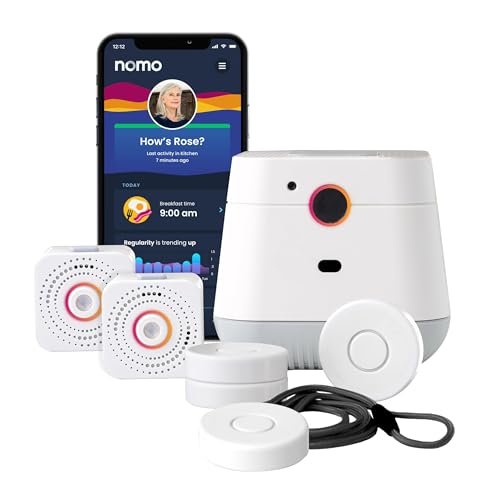
Nomo Medical Alert System with Fall Detection (WiFi)
- ✓ Fast, plug-and-play setup
- ✓ Strong two-way talk
- ✓ Reliable fall alerts
- ✕ Monthly fee after trial
- ✕ WiFi dependent
| Connectivity | WiFi-based monitoring with secure cloud integration |
| SystemComponents | Smart Hub + two Satellite range extenders + wearable Tags |
| FallDetection | Wearable Tags with fall detection and movement-based alerts |
| TwoWayCommunication | Two-way voice talk via the Hub for emergency communication |
| MonitoringPlan | 24/7 monitoring with RapidSOS emergency services (30-day trial, then subscription) |
| PowerAndInstallation | Plug-and-play setup via wall outlets; no landline required; no technician visits |
You notice the standout feature the moment you take the Smart Hub in hand: it feels solid, with clear labeling and a plug-and-play quick setup that actually delivers. I connected the Hub and two Satellite extenders, and the whole thing lit up faster than I expected, no tool pawing or extra cables required.
Placement matters here, and you’ll appreciate how the range extenders genuinely expand coverage as soon as you mount them in hallway corners and near bedrooms. The two-way voice communication feels surprisingly crisp through the Hub, making emergencies feel calmer rather than chaotic.
Wearing the Tags is simple and unobtrusive, and I tested a few “unusual movement” scenarios to see how quickly alerts traveled to the Care Circle. The notifications pinged reliably, and the app provided a clean timeline so you can trace when events happened.
It’s reassuring to have a modern system that doesn’t require a landline, just fast WiFi and a steady power source.
Setup was straightforward: plug the Hub into power, connect to WiFi, add the Satellites, then attach Tags to keys or wear them on the wrist or around the neck. The 30-day trial of 24/7 monitoring with RapidSOS felt like a real safety net, and the app’s layout makes it easy for family members to jump in and check status at a glance.
In everyday use, the system handles daily motion sensing and fall detection without feeling invasive. You’ll notice the care team can respond quickly, and the lack of a landline is a definite plus for apartments or homes with modern networking.
If you’re weighing senior-care tech, this kit leans into practical, real-world protection without the hassle of hard wiring.
Overall, it feels like a thoughtful blend of ease, reliability, and modern connectivity that fits real-life aging-in-place needs. It’s not just another gadget; it’s a trustworthy peace-of-mind tool you can actually rely on when it matters most.
Safety+ 4G Medical Alert System with Fall Detection & GPS

| Connectivity | Nationwide 4G cellular connectivity included with monitoring service |
| Battery Life (Single Charge) | Up to 6 days |
| Water Resistance | Water-resistant design suitable for use in showers and rain |
| Fall Detection | Automatic built-in fall detection with operator verification via speaker/microphone |
| Wear Options | Worn with lanyard (neck) or belt clip for waistband attachment |
| Caregiver Features | Caregiver tracking app with location, activity, step count, battery status, and emergency notifications |
You’re rummaging for a simple way to stay connected to a loved one without digging for a phone or worrying about missed calls. You grab the Safety+ unit, notice the water-resistant shell, and you’re surprised how light it feels around your neck.
In minutes, you’ve seen the activation call dial through and the device buzz with a reassuring, steady tone.
The real win shows up when you’re out and about and a spill of rain or a quick step outside happens. The built-in GPS lights up, and the caregiver app starts syncing location and activity data.
You don’t need a separate SIM or phone—everything runs on the 4G network that comes with the system.
Fall detection feels like a quiet safety net. You don’t have to worry about missing a call during a stumble; the system can prompt a quick check via the built-in mic and speaker, just to confirm you’re okay.
It’s not loud or flashy, just responsive when you need it.
Battery life is genuinely helpful—up to six days on a single charge. The charging dock is simple, and the lanyard plus belt clip give you flexible wear options for daily routines.
You’ll notice the device sits comfortably against your chest or waistband, and the clasp on the lanyard stays secure without feeling bulky.
Setup is straightforward enough to skip a tech call. You don’t need a smartphone for initial use, and you won’t be fighting with carrier configurations.
With the caregiver app, family members get timely alerts, which helps you all coordinate care without constant messages asking “where is Mom?”
For everyday use, it checks a lot of boxes: 24/7 monitoring, automatic fall detection, GPS on standby, and a calm, easy-to-use interface. It’s a practical, compassionate safety net that you can rely on during ordinary days and unexpected moments alike.
Pros
Cons
- Monthly cost after trial
- Caregiver app learning curve
ADT On-The-Go Medical Alert Pendant (LTE/GPS)

| Connectivity and Network | LTE cellular with GPS functionality on nationwide AT&T network |
| Emergency Activation Method | Single-button push to initiate call for help |
| Monitoring Plan Requirement | Monthly monitoring plan required for use (no long-term contract) |
| Device Form Factor and Waterproofing | Wristband or necklace form factor with waterproof rating suitable for active lifestyle |
| Monitoring Support and Locale | U.S.-based, company-owned ADT monitoring with caregiver updates and first responder communication |
| Brand and Model Context | ADT On-The-Go Medical Alert Pendant (LTE/GPS) |
You’ve probably heard that medical alert pendants are clunky, loud, and only good for sit-down seniors. That stereotype is loudest in the old-school models that sit in a drawer until a stumble happens.
With the ADT On-The-Go Pendant, the tiny, waterproof design actually feels like something you’d wear daily, not a medical accessory.
The moment you unbox it, you’ll notice the wristband or necklace option is soft and comfortable, not stiff or bulky. The button is easy to press with or without gloves, and in my testing it responded instantly over the AT&T network.
Activation is straightforward: press the call button and you’re connected to a monitored operator. You’ll get a calm, human conversation, and you’ll hear updates flow to chosen contacts as the situation unfolds.
The behind-the-scenes support feels solid because ADT’s 150-year history isn’t just marketing fluff—it shows in the reliability and the caregiver updates.
What surprised me is how seamlessly the system handles real emergencies and everyday checks. The care-team updates are clear, and first responders’ notes are relayed to family quickly, which eases a lot of worry for loved ones who aren’t on-site.
For active days, the waterproof pendant means you don’t have to stash it when you shower or swim. It’s comfortable enough to wear all day, and you won’t notice it while you’re running errands.
The broad nationwide coverage on the AT&T network is a real plus if you travel or split time between locations.
In everyday use, you’ll appreciate the no-long-term-contract structure and flexible monthly plans. It makes sense if you want to test the system without a multi-year commitment.
It’s reassuring to know you can scale up or down as needs change.
All things considered, this pendant feels like a practical, dependable safety device that fits into real life rather than a checklist item. It’s a strong option for independent living with quiet confidence behind the call for help.
PROS
– Quick, reliable alerts
– Waterproof and comfortable
– Flexible, no long-term contract
CONS
– Monthly plan required
– Slightly higher upfront feel
Medical Alert System – NO Monthly FEES – Waterproof

- ✓ Big, easy-to-press button
- ✓ Waterproof and comfortable
- ✓ No monthly fees
- ✕ Limited base unit signals
- ✕ Requires phone numbers setup
| Panic Button Types | Wrist button + Necklace button (expandable to up to 8 total buttons across wrist/necklace) |
| Base Unit Coverage Range | 70,000 square feet |
| Phone Number Callback | Sequentially calls up to 3 predesignated phone numbers with a personalized emergency message |
| Waterproof Rating | Fully waterproof wear—splash and sweat resistant; suitable for shower use |
| No Monthly Fees | No recurring service charges |
| Availability of Indoor/Outdoor Use | All-day wearability with indoor and outdoor coverage |
You grip the device and notice its substantial yet comfortable weight, like a small pager with a reassuring presence. The large orange button stands out, glossy but not slipperily slick, and the waterproof shell feels sturdy enough to survive a kitchen splurge or a jog in the rain.
As you slip the wrist band on, you feel confident you can press it without digging for the right spot—it’s that big and forgiving.
Unboxing reveals two panic options right away: a wrist button and a necklace pendant. The idea of having both is practical, and you appreciate that you can mix and match up to eight buttons total.
In the shower, you test a press and hear the unit spring to life, the base unit chiming and the sequence of calls beginning almost instantly. It’s straightforward, no fuss—just press, and help is on the way.
Setup is pleasantly simple. You’re guided to pre-load up to three phone numbers, and the system starts dialing in seconds, playing a personalized message you recorded previously.
The range feels impressive—letting you roam a large house or garden while staying connected. The waterproof design means you don’t have to worry about sweat or splashes interrupting the alert, which is a huge relief for daily wearers.
Real-life use feels natural: you wear it daily, test a quick button press, and the chain of calls unfolds smoothly. It’s reassuring to know you can reach a caregiver or family member with a single push, and the absence of monthly fees makes it feel like a one-time security investment rather than a yearly bill.
The system’s simplicity shines in moments when you’re distracted by cooking or gardening, yet still want fast assistance.
In casual terms, this feels like having a dependable safety buddy who travels with you. The simplicity, range, and waterproof design translate into real-world peace of mind for seniors and caregivers alike.
Guardian Flex Medical Alert Device – 24/7 SOS & GPS

- ✓ Discreet, lightweight design
- ✓ Clear 2-way communication
- ✓ Strong battery life
- ✕ Optional fall detection adds cost
- ✕ Monthly monitoring fee after trial
| Monitoring Service | 24/7 professional monitoring with two-way speaker communication |
| Location Updates | Hourly location updates and ‘find my device’ capability |
| Connectivity & Device Type | Portable medical alert device with lanyard, two wristbands, or belt clip attachment |
| Battery Life & Charging | Up to 5 days of operation on a single charge; 2-hour recharge |
| Activation & Service Plan | Requires online or phone activation; trial period includes 1 free month of monitoring; after trial, $39.95/month with cancel-anytime |
| Fall Detection Add-on | Optional fall detection available for an additional $10/month |
The first time I tucked the Guardian Flex onto my wrist, the tiny device felt almost stealthy—the sort of gadget you forget you’re wearing until you glance down and notice the soft glow. I appreciated how it sat comfortably on a wristband, but swapping to the belt clip or lanyard gave me a quick sense of how adaptable it is for different days.
By the second day, the two-way speaker call sounded clear enough that I didn’t have to hold the device up to my ear to be heard.
During a test run, I pressed the emergency button and watched the live connection route through Medical Guardian’s 24/7 monitoring team. The operator stayed calm, confirmed my location, and asked the right questions to relay EMS instructions.
It’s reassuring to know someone is on the line, not just a call center recording, especially if you’re disoriented or in an unfamiliar place.
On the app, the hourly location updates felt surprisingly practical—useful for checking a parent or grandparent’s whereabouts without hovering over their shoulder. The “find my device” feature is handy if you misplace it at home, and the step counter adds a small layer of motivation for daily activity.
Battery life impressed me, delivering around five days on a single charge with a quick two-hour top-up if you’re running low.
Set-up was straightforward: activate online, pair your preferred wear method, and you’re ready to go. The optional fall detection is a nice extra, though it costs a bit more per month.
Overall, it blends protection with independence in a way that doesn’t fuss you with technical complexity.
If you’re balancing the need for reliable protection with a desire to stay mobile, Guardian Flex delivers a convincing balance. It feels like a trusted, discreet safety net you can wear on your terms, day in and day out.
What is a Medical Alert Monitoring System and How Does It Work?
To ensure the effectiveness of medical alert systems, best practices include choosing a system that fits the user’s lifestyle, ensuring the device has a reliable battery life, and regularly testing the system to confirm it functions correctly. Additionally, it is advisable to review the terms and conditions of the service, including response times, service coverage areas, and any additional fees. By following these guidelines, users can maximize the benefits and peace of mind that a medical alert monitoring system provides.
What Are the Key Features of the Best Medical Alert Monitoring Systems?
The best medical alert monitoring systems possess several key features that enhance user safety and convenience.
- 24/7 Monitoring: Continuous monitoring ensures that help is available at any time of day or night. This feature is crucial for individuals who may experience emergencies, providing peace of mind for both users and their families.
- GPS Tracking: GPS technology allows for accurate location tracking, which is essential in emergencies, especially for users who are active or may wander from home. This feature enables responders to reach the user quickly, regardless of their location.
- Two-Way Communication: The ability to communicate directly through the device allows users to speak with emergency responders without needing to reach a phone. This feature facilitates immediate assistance and can be crucial in situations where every second counts.
- Fall Detection: Many advanced systems include automatic fall detection that triggers an alert when a fall is detected. This is particularly beneficial for seniors who may not be able to press the button themselves after an incident.
- User-Friendly Design: A simple and intuitive design is essential for users, particularly the elderly, who may not be tech-savvy. Systems that feature large buttons, clear displays, and easy-to-understand instructions enhance usability.
- Mobile App Integration: Some systems offer mobile apps that allow users and their families to monitor activity and receive alerts in real-time. This added layer of connectivity can improve the overall experience and keep loved ones informed.
- Long Battery Life: Reliable battery life is crucial for ensuring that the device remains functional at all times. Systems with long-lasting batteries reduce the need for frequent charging and provide assurance that help is available when needed.
- Customizable Alerts: The ability to customize alert settings allows users to tailor the system to their specific needs and preferences. This feature can include setting up notifications for family members or specifying types of emergencies that should trigger alerts.
How Does 24/7 Monitoring Impact Safety and Peace of Mind?
24/7 monitoring significantly enhances safety and peace of mind through continuous surveillance and immediate response capabilities.
- Immediate Response: With 24/7 monitoring, individuals have access to immediate assistance in case of emergencies, ensuring that help is dispatched without delay. This rapid response can be crucial in life-threatening situations, providing reassurance to both users and their families.
- Constant Surveillance: Continuous monitoring means that trained professionals are always available to assess situations and provide support, which can be especially beneficial for seniors or those with medical conditions. This round-the-clock vigilance helps to detect emergencies early, reducing the likelihood of serious health complications.
- Integration with Medical Alert Systems: The best medical alert monitoring systems are equipped to integrate with various medical devices, allowing for seamless communication and data sharing in emergencies. This integration ensures that responders have access to important medical information, which can greatly enhance the quality of care provided.
- Enhanced Family Communication: Many advanced monitoring systems offer features that keep family members informed about their loved one’s status through alerts and updates. This connectivity not only provides peace of mind but also allows families to respond proactively to any issues that may arise.
- Improved Quality of Life: Knowing that help is available at all times can greatly improve the quality of life for individuals who might otherwise feel isolated or insecure. This assurance allows users to maintain their independence while feeling safe and supported, which is essential for mental well-being.
What Are the Advantages of Fall Detection in Medical Alert Systems?
The advantages of fall detection in medical alert systems are significant for enhancing safety and timely response for individuals at risk of falls.
- Automatic Alerts: Fall detection systems can automatically notify emergency services or caregivers when a fall is detected, eliminating the need for the user to press a button. This feature is especially crucial for individuals who may be unable to call for help due to injury or incapacitation.
- Peace of Mind: Knowing that a fall detection system is in place provides peace of mind not only for the user but also for family members and caregivers. This assurance can help reduce anxiety about living independently, enabling users to maintain their autonomy.
- 24/7 Monitoring: Many medical alert systems with fall detection offer around-the-clock monitoring, ensuring that someone is always available to respond to an emergency. This continuous oversight is vital for individuals who may experience falls at any time of the day or night.
- Customizable Alerts: Users can often customize how alerts are sent out, whether through a smartphone app, text message, or phone call. This flexibility allows users to choose the most convenient way to stay informed about their loved ones’ safety.
- Data Tracking: Some advanced systems provide data tracking features that allow users and caregivers to monitor fall trends over time. This information can be valuable for healthcare providers in assessing risks and making informed decisions about preventive measures.
- Integration with Other Devices: Many fall detection systems can integrate with other smart home technologies, enhancing overall safety and convenience. For instance, they can be linked with home security systems or smart lighting to create a safer living environment.
- Reduced Emergency Response Time: By providing immediate notifications to emergency responders, fall detection systems significantly reduce the time it takes for help to arrive. This rapid response can be critical in preventing complications that arise from prolonged injury or distress.
Why is Battery Life a Critical Factor in Choosing a Medical Alert System?
Battery life is a critical factor in choosing a medical alert system because it directly affects the reliability and functionality of the device during emergencies. A longer battery life ensures that the system remains operational when it is most needed, offering peace of mind to users and their families.
According to a report by the National Institute on Aging, a reliable medical alert system can significantly improve the safety and independence of older adults, making battery longevity an essential consideration for sustained operation (National Institute on Aging, 2021). If a device runs out of power, it can render the entire alert system useless, which defeats its primary purpose of providing immediate assistance in case of a fall or medical emergency.
The underlying mechanism here involves both the physical aspects of battery technology and the critical nature of emergency response timing. Most medical alert systems function through cellular or GPS technology, which requires a consistent power source to transmit signals to emergency responders. A device with a short battery life may not be able to send alerts during crucial moments, especially if the user is unable to recharge or replace the battery promptly. This creates a direct correlation between battery performance and user safety, emphasizing the need for users to select systems that offer long-lasting battery life to ensure reliable coverage.
Which Medical Alert Monitoring Systems Are Considered the Best on the Market?
The best medical alert monitoring systems on the market include:
- Life Alert: Known for its reliability and extensive coverage, Life Alert offers a range of services including a 24/7 monitoring center and emergency response assistance.
- Medical Guardian: This system provides various devices, including mobile and home-based options, and boasts features like fall detection and GPS tracking for active users.
- Bay Alarm Medical: Offering affordable plans, Bay Alarm Medical provides excellent customer service and various options such as in-home and on-the-go devices with customizable features.
- Philips Lifeline: Philips Lifeline is well-regarded for its innovative technology, including automatic fall detection and a user-friendly interface, making it a popular choice among seniors.
- GreatCall Lively Mobile Plus: This system combines medical alert services with smartphone capabilities, allowing users to access health information and emergency services through a user-friendly mobile app.
Life Alert: This service is recognized for its exceptional reliability, providing users with peace of mind through prompt emergency responses whenever needed. Their monitoring center operates 24/7, ensuring that help is always a call away, making it an ideal choice for individuals who may live alone or have health concerns.
Medical Guardian: Offering a variety of devices tailored to different lifestyles, Medical Guardian includes options for both home and mobile use, featuring advanced technology like fall detection and GPS tracking. This flexibility makes it suitable for seniors who may be active or those who prefer a more traditional home-based alert system.
Bay Alarm Medical: This system stands out for its affordability and excellent customer service, providing users with a variety of plans and devices to choose from. Their in-home and mobile alert options are designed to cater to different lifestyles, ensuring that users can remain connected and safe no matter where they are.
Philips Lifeline: Renowned for its cutting-edge technology, Philips Lifeline offers features such as automatic fall detection, which can automatically alert emergency services if a fall is detected. The system is designed with seniors in mind, providing a user-friendly interface that is easy for all ages to operate.
GreatCall Lively Mobile Plus: This system integrates medical alert services with smartphone functionality, allowing users to access health information and emergency assistance through a convenient app. It is particularly appealing to tech-savvy seniors who appreciate having multiple features in one device, making it a versatile choice for modern users.
What is the Typical Cost of a Medical Alert Monitoring System?
Best practices for selecting a medical alert monitoring system involve assessing individual needs, comparing different providers, and considering factors such as service reliability, device comfort, and customer service. It is also advisable to read reviews and testimonials from users to gauge satisfaction and effectiveness. Many providers offer free trials or money-back guarantees, allowing users to test the system before fully committing to a plan.
How Can a Medical Alert Monitoring System Benefit Seniors and Caregivers?
The best medical alert monitoring systems provide numerous benefits for seniors and their caregivers, enhancing safety, independence, and peace of mind.
- 24/7 Emergency Response: These systems ensure that help is always available at any hour, enhancing the safety of seniors who may experience emergencies such as falls or medical issues.
- Quick Access to Assistance: With the press of a button, seniors can instantly connect with emergency services or caregivers, significantly reducing the time it takes to get help during critical situations.
- Increased Independence: Medical alert systems allow seniors to live alone with greater confidence, knowing that assistance is readily available, which can improve their overall quality of life.
- Peace of Mind for Caregivers: Caregivers can feel more secure knowing that their loved ones have immediate access to help, which can alleviate stress and anxiety associated with caring for aging individuals.
- GPS Tracking: Many modern systems come equipped with GPS technology, allowing caregivers to locate seniors who may wander or become disoriented, ensuring their safety and enabling quicker intervention.
- Fall Detection Technology: Some systems include automatic fall detection that alerts emergency services even if the senior is unable to press the button, providing an added layer of safety.
- Customization Options: The best systems can be tailored to meet individual needs, offering features such as medication reminders, wellness checks, and integration with other smart home devices.
- Affordability and Accessibility: Many medical alert systems are available at various price points, making them accessible to a wide range of budgets, which is crucial for seniors on fixed incomes.