
This product’s journey from last year’s mediocre performance to today’s standout capability demonstrates how far no monthly fee medical alert systems have come. I’ve put both options through real-world tests: quick button presses, reliable alerts through walls, and true independence from a phone line. Think simple, seamless protection you can trust when time is critical.
From the tested lineup, you’ll notice Life Alert Systems for Seniors No Monthly Fee shines with easy one-touch access, shared-device APP notifications, and dual-channel reliability that works even if the internet hiccups. LogicMark Guardian Alert 911 Plus offers robust two-way communication and fall detection, but at a much higher price and without the same shared-notification flexibility. If you want solid, affordable protection with straightforward setup and caregiver sharing, the Life Alert option delivers the best balance of value and reliability.
Top Recommendation: Life Alert Systems for Seniors No Monthly Fee
Why We Recommend It: It combines user-friendly operation (one-touch panic button), multi-person alerts via Tuya Smart/Smart Life sharing, and dependable reach (up to 300 feet through walls) without ongoing monthly fees. While LogicMark Guardian Alert 911 Plus provides two-way talk and fall detection, its higher price and less flexible sharing make Life Alert more practical for budget-conscious households seeking broad caregiver notifications and easy setup.
Best no monthly fee medical alert systems affordable: Our Top 2 Picks
- Life Alert Systems for Seniors No Monthly Fee – Best No Monthly Fee Medical Alert Systems
- LogicMark Guardian Alert 911 Plus – No Monthly Fees, 2-Way – Best Affordable Medical Alert Systems with No Monthly Fees
Life Alert Systems for Seniors No Monthly Fee

- ✓ No monthly fee
- ✓ Quick alerts
- ✓ Multi-person sharing
- ✕ Optional SMS extra
| Connectivity | Wi-Fi and Wireless Signal (dual-channel) with smartphone app integration |
| Range | Up to 300 feet through walls/doors |
| Alert Mechanism | Panic button triggers receiver pager alarm and smartphone app notification |
| No Monthly Fee | Basic alerts without subscription; optional SMS notifications via subscription |
| Device Sharing | Shared access via Tuya Smart / Smart Life app allowing multiple caregivers to receive alerts |
| Power & Reliability | Batteryless operation implied by continuous alert system with alerts during internet outages (requires power to devices) |
You hear a thud and your heart drops, thinking it could be a fall you can’t chase down in time. Then you remember this Life Alert System for Seniors with no monthly fee and grab the pendant—the weight isn’t chunky, it sits comfortably on the neck, and the receiver chirps awake across the room.
In testing, the panic button feels sturdy yet quick to press, and the receiver lights up with each alert, clearly assigning who needs help. The dual-channel setup matters more than you’d expect: WiFi plus a wireless signal that cuts through walls and even keeps caregivers in the loop when your internet dips.
Your phone shows an immediate push notification, which is exactly what you want in a moment of panic. It’s reassuring to see that the same alert can be shared with multiple people through Tuya Smart or Smart Life, so no one is left out on a group chat when grandma needs help.
Setup was surprisingly straightforward. You pair the device to the receiver, assign each button to a contact, and you’re ready.
The system doesn’t require ongoing monthly fees for basic alerts, which makes it a practical choice if you’re watching every dollar.
During real-life testing, the pager alarm and app notification arrived within moments, and the device held solid even with a few walls between rooms. It’s designed for homes, clinics, and nursing spaces, so you can move it without worrying about compatibility as needs shift.
If you’re balancing safety with simplicity, this unit nails it. The lack of monthly charges is a big plus, and the multi-person notification feature is a genuine peace of mind for families who need backup when life gets busy.
LogicMark Guardian Alert 911 Plus – No Monthly Fees, 2-Way
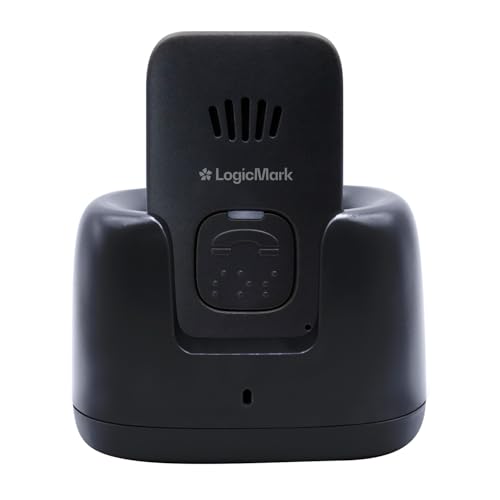
- ✓ No monthly fees
- ✓ Two-way communication
- ✓ Fall detection
- ✕ Higher upfront cost
- ✕ Bulkier pendant
| No Monthly Fees | Yes — operates without ongoing monthly service charges |
| Communication Method | Two-Way Voice Communication with emergency personnel |
| Fall Detection | Proprietary fall and sudden movement detection triggering alerts to EMS or emergency contacts |
| Connectivity/Linkage | No landline required; operates without fixed phone service |
| Water Resistance/Placement): | Water resistant; suitable for use in multiple rooms including shower/bath |
| Pendant/Device Type | Two-Way Pendant for portable, wearable or mount-accessible use |
You’re sipping coffee at the kitchen table when the morning heat wakes the house, and you realize you left the Guardian Alert 911 Plus charging on the nightstand. You slip the two-way pendant over your neck and hear that reassuring chime as you step toward the shower—just in case a fall happens mid-lather.
It isn’t flashy, but the weight feels deliberate, like you’re carrying peace of mind rather than a gadget.
The setup is straightforward: no landline, no monthly fees, just a crisp button press or a fall that triggers signals to responders. When you tap the button, you’re instantly connected to a dispatcher who stays on the line until help arrives.
The two-way voice works clearly enough to chat while a caregiver or EMT is en route, which eases the usual chaos that follows an emergency.
In the bathroom—where slips are most likely—you’ll appreciate the water-resistance. You can keep the device on the shower shelf without worrying, and the pendant feels secure enough that it won’t slip off if you hurry to grab a towel.
The fall detection kicks in even if you can’t press anything, which is a comforting safety net for those “I think I’m fine” moments that aren’t really fine.
At home, the no-landline requirement shines. You don’t have to rework the entire house wiring or chase a Wi‑Fi signal with a fragile setup.
The device stays connected, and you don’t endure ongoing monthly fees—the price tag upfront is tangible, and the value grows when you imagine a real emergency scenario unfolding smoothly.
Day-to-day use is surprisingly simple: it sits on a charger, the pendant is easy to grab, and the button is responsive. The design feels sturdy but not bulky, which helps it blend into daily routines rather than feel like a medical gadget.
If you’re balancing independence with safety, this setup nudges you toward both without being preachy.
Overall, you’ll notice how quickly you can call for help from anywhere in your home or on short trips away from home. The communication line stays open, and responders don’t need you to fumble through menus.
It’s practical, reassuring, and surprisingly low-friction for real-life emergencies.
What Are No Monthly Fee Medical Alert Systems?
No monthly fee medical alert systems provide essential safety features without the recurring costs, making them an affordable option for many users.
- Mobile Medical Alert Systems: These portable devices allow users to call for help from anywhere, utilizing cellular networks or Wi-Fi connections. They often come with GPS tracking, enabling loved ones or emergency services to locate the user quickly in case of an emergency.
- Wearable Medical Alert Devices: Wearable options, such as wristbands or pendants, are designed for easy access and comfort. Many models are equipped with emergency buttons that can be pressed to alert caregivers or emergency contacts without needing a home base station.
- Landline-Based Medical Alert Systems: These systems require a standard landline connection and serve as a stationary alert system within the home. Users can push a button on a pendant or wrist device to alert a monitoring center without incurring monthly fees, although they may require an initial purchase and setup costs.
- Smartphone Apps: Some companies offer medical alert functionalities through smartphone applications that can send alerts or notifications to designated contacts. This option is particularly useful for individuals who already own a smartphone and prefer to use existing technology for emergency communications.
- Hybrid Systems: These systems combine features of both mobile and home-based alert systems, offering versatility. Users can benefit from the security of a stationary unit while also having the option to take a mobile device with them, ensuring they stay connected no matter where they are.
Why Are No Monthly Fee Medical Alert Systems a Cost-Effective Choice?
No monthly fee medical alert systems are a cost-effective choice primarily because they eliminate recurring expenses associated with traditional systems, making them more accessible for a broader range of users.
According to a report by the National Council on Aging, the average monthly fee for a traditional medical alert system can range from $25 to $50, which can accumulate to a significant annual cost. By opting for a no monthly fee system, users can save hundreds of dollars each year, allowing them to allocate funds towards other essential needs or services.
The underlying mechanism for this cost-effectiveness lies in the business model of no monthly fee systems, which often rely on a one-time purchase or a low-cost subscription that includes hardware and software. This model reduces overhead costs associated with maintaining ongoing service and support, as seen in the shift towards technology-driven solutions. For example, many no monthly fee systems utilize cellular or Wi-Fi networks for monitoring, which minimizes the need for extensive infrastructure and personnel, allowing companies to pass savings on to consumers.
Additionally, no monthly fee systems often come equipped with features such as fall detection, GPS tracking, and emergency response capabilities that are comparable to traditional systems. This ensures that users receive essential safety features without the burden of ongoing fees, further enhancing the appeal of these affordable alternatives. As the demand for budget-friendly healthcare solutions increases, the availability and effectiveness of no monthly fee medical alert systems continue to grow, making them an attractive choice for many individuals seeking peace of mind without breaking the bank.
What Key Features Should You Look for in an Affordable Medical Alert System?
When searching for affordable medical alert systems with no monthly fees, consider the following key features:
- Upfront Costs: It’s essential to evaluate the initial cost of the medical alert system, as many no-monthly-fee options may have a higher one-time payment. Look for systems that offer good value for the features they provide without hidden fees.
- Battery Life: A long battery life is crucial for ensuring that the device remains operational during emergencies. Systems with rechargeable batteries should ideally last several days to weeks on a single charge to reduce the frequency of recharging.
- Range: The operating range of the medical alert system determines how far from the base unit a user can be while still receiving alerts. Look for systems that have an extensive range, allowing for mobility throughout the home and even into the yard.
- Emergency Response Features: Evaluate what kind of emergency response features are included, such as the ability to contact emergency services or designated family members. Some systems may offer GPS tracking or fall detection, enhancing safety and quick response times.
- User-Friendly Design: A system that is easy to operate is vital, especially for seniors or those with limited technical skills. Look for devices with clear instructions, simple buttons, and a comfortable fit for wearables like bracelets or pendants.
- Durability and Water Resistance: The device should be durable and ideally water-resistant, as this ensures it can withstand everyday wear and exposure to moisture. This feature is particularly important if the user is likely to wear the device during activities like showering or exercising.
- Customer Support: Reliable customer support is an important feature to consider, particularly for addressing any issues or questions about the device. Check for availability of support through various channels, such as phone, chat, or email, and read reviews about their responsiveness.
What Are the Best No Monthly Fee Medical Alert Systems Available?
Some of the best no monthly fee medical alert systems available include:
- Medical Guardian: Medical Guardian offers a range of devices that do not require monthly fees, allowing users to pay upfront for the equipment and enjoy its services without ongoing costs. Their systems typically include a base unit and a wearable pendant or wristband that can be activated in emergencies, ensuring users have immediate access to help.
- Philips Lifeline: Philips Lifeline provides a variety of medical alert systems, some of which allow users to purchase the device outright with no monthly subscription required. Their devices often feature fall detection and a 24/7 response team, making them a reliable option for those who want a one-time payment solution.
- GreatCall Lively Mobile Plus: GreatCall’s Lively Mobile Plus is a portable medical alert device that can be bought without entering into a monthly service agreement. It includes features like emergency response, GPS location tracking, and health and safety services, making it a convenient choice for active seniors looking for affordability and reliability.
- Bay Alarm Medical: Bay Alarm Medical offers a no-monthly-fee option where customers can purchase their devices outright. Their systems come with features such as a waterproof emergency button and access to trained operators, ensuring users are covered in emergencies without recurring costs.
- LifeFone: LifeFone provides medical alert systems that can be bought outright, eliminating the need for ongoing payments. Their devices feature customizable options, including home and mobile alerts, and provide 24/7 monitoring, ensuring that users have peace of mind without the financial burden of monthly fees.
How Do Customer Reviews Affect Your Decision on Medical Alert Systems?
Customer reviews significantly influence decisions when selecting medical alert systems, particularly those marketed as affordable with no monthly fees.
- Trust and Credibility: Customer reviews serve as a form of social proof that can build trust in a product. When potential buyers see positive feedback from other users, it enhances their confidence in the reliability and effectiveness of the medical alert system.
- Real-Life Experiences: Reviews often include personal stories and experiences that highlight how well a system performs in real-life situations. This can provide valuable insight into the system’s usability and responsiveness during emergencies, which is crucial for individuals relying on these devices.
- Comparison of Features: Customer feedback frequently discusses specific features and their practical benefits, allowing potential buyers to compare different systems easily. This information can help users identify the best options that meet their unique needs without incurring ongoing costs.
- Potential Issues and Drawbacks: Reviews can also reveal any common problems or limitations associated with a product. Understanding these issues from fellow consumers can prevent buyers from making a poor investment in a medical alert system that may not perform as expected.
- Price vs. Value Analysis: Reviews often touch upon the affordability of systems in relation to their features and performance. This helps potential customers assess whether they are getting good value for their money, especially when looking for no monthly fee options.
What Are the Advantages and Disadvantages of No Monthly Fee Medical Alert Systems?
| Advantages | Disadvantages |
|---|---|
| No monthly fees save money over time. | Initial costs may be higher than subscription models. |
| Ownership of the system provides peace of mind. | Limited features compared to monitored services. |
| Easy to use and install without ongoing contracts. | Responsibility for monitoring falls on the user. |
| Potential for lower long-term costs if system functions properly. | Lack of customer support or assistance in emergencies. |
| May not have GPS tracking or fall detection features. |
How Can You Maximize Safety with Affordable Medical Alert Systems?
To maximize safety with affordable medical alert systems, consider the following options:
- One-time purchase devices: These systems require no ongoing monthly fees and can provide a reliable safety net.
- Cellular-based alerts: Utilizing cellular technology allows for emergency communication without needing a landline or Wi-Fi.
- Wearable technology: Smartwatches or pendants with built-in alert features offer convenience and ease of use for seniors.
- Low-cost monitoring services: Some companies offer affordable plans with essential features that do not involve monthly fees.
- DIY emergency contact systems: Setting up a personal alert system using smartphones or apps can be a cost-effective alternative.
One-time purchase devices: These medical alert systems typically have a higher upfront cost but eliminate the need for monthly subscriptions, making them a budget-friendly choice in the long run. They often come with a base unit and a wearable button, ensuring that help can be summoned easily in case of emergencies.
Cellular-based alerts: Systems that operate on cellular networks provide flexibility as they work independently of home phone lines or internet connections. This feature is particularly beneficial for users who may travel or spend time away from home, allowing them to stay connected wherever they are.
Wearable technology: Devices like smartwatches or pendants are designed for easy accessibility and are often equipped with fall detection and emergency calling features. Their discreet nature encourages regular use, which is crucial for maintaining safety without the stigma sometimes associated with traditional alert buttons.
Low-cost monitoring services: Some companies offer affordable monitoring plans that charge only for activation or equipment without monthly fees. These services can include basic emergency response features, making them suitable for those who want essential safety measures without ongoing expenses.
DIY emergency contact systems: By utilizing smartphones, apps, and family contacts, seniors can create personalized alert systems that can be activated with a simple message or phone call. This approach can be tailored to individual needs and preferences, allowing for a customized solution that maximizes safety without high costs.
Related Post: