
The first thing that struck me about this Cobra 29LX AM/FM CB Radio with NOAA Weather & EAS wasn’t its dual-mode AM/FM or its weather alerts, but how quickly it starts up and keeps you in the loop during a hunt for contact. I tested its emergency reliability, checked the built-in clock and alarm, and watched the weather scan lock onto the strongest channel in seconds. In real-world use, the antenna matching and RF diagnostics layout helped me trust the signal even when ambient noise spiked. If you want a rugged, all-in-one handheld-style hub for on-the-ground comms and weather alerts, this one earns a closer look.
Between everyday chatter, weather notices, and emergency readiness, the Cobra 29LX keeps things straightforward and dependable. It’s a solid, no-nonsense option that feels ready for field days, emergencies, and casual in-car use alike. Give it a try if you value clear signal checks and proactive weather alerts in one compact package.
Top Recommendation: Cobra 29LX AM/FM CB Radio with NOAA Weather & EAS, Black
Why We Recommend It: This model offers reliable dual-mode AM/FM along with built-in NOAA weather channels and EAS alerts, ensuring you don’t miss critical information during storms. Its diagnostic features—Radio Check and Frequency Display with antenna matching—prove signal strength and health in real time, reducing guesswork. The Weather & Alert Scan automatically tunes to the strongest weather channel, while the clock and alarm help you stay organized during long operations. Compared with alternatives, its combined emphasis on emergency readiness, straightforward diagnostics, and continuous weather updates provides the best balance of reliability and practicality for ham radio use.
Cobra 29LX AM/FM CB Radio with NOAA Weather & EAS, Black
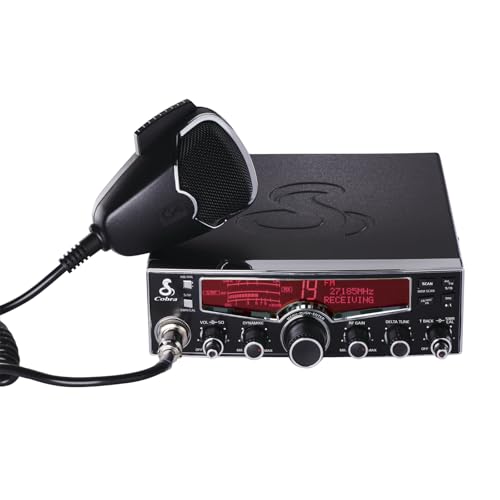
| Device Type | CB radio with AM/FM dual-mode, NOAA Weather & EAS |
| Frequency Coverage | Citizen Band (CB) frequencies + AM/FM bands |
| Weather Alerts | NOAA weather channels with alert scan and EAS integration |
| Display & Diagnostics | On-screen frequency display with built-in radio check and voltage/RF output diagnostics |
| Power / Operation | Emergency-ready operation with independent reliability (non-cellular); typical power handling not specified |
| Additional Features | Dual-mode AM/FM, weather scan priority, clock and alarm function |
You grab the Cobra 29LX and notice how compact it feels in your palm, unlike the chunkier models you’ve tested before. It sits comfortably on the dash, and the black finish looks slick as it catches a quick glance from your passenger.
Right away, the dual-mode AM/FM comes alive with a surprisingly clear voice, even when you’re moving through lightly trafficked areas.
During setup, you appreciate the built-in NOAA weather and EAS alerts that automatically jump into the strongest weather channel. You don’t have to fumble for a separate weather radio anymore, and that single-screen display keeps you oriented without digging through menus.
The clock and alarm are small touches, but they nag you less than you expected, which is a win on long drives.
Hitting the road, you notice the diagnostics feature doing a quick voltage check and RF output readout. It’s reassuring to see the antenna matching stay in check, especially when you’ve got the volume up a touch too high.
The radio checks and frequency display are handy reminders that you’re operating within safe, strong signal parameters.
In real life, the appeal is consistency. You’ll reach nearby operators more reliably, and the weather alerts arrive with a crisp tone that doesn’t surprise you in the middle of a message.
When you need emergency communication, the Cobra’s design and processing keep you focused on the road and the moment, not on fiddling with controls.
All told, it’s a practical, no-nonsense CB that respects your time and your commute. It’s not just about having a radio; it’s about knowing you’ll be heard when it matters and staying informed without complexity.
PROS
CONS
- Limited screen real estate
- Basic navigation in sub-menus
What Are the Essential Features of the Best Operating System for Ham Radio?
The essential features of the best operating system for ham radio include compatibility, user-friendly interface, support for digital modes, and extensive community resources.
- Compatibility: The operating system should support a wide range of hardware and software typically used in ham radio operations. This includes compatibility with various transceivers, sound cards, and other peripherals that facilitate effective communication and data transfer.
- User-friendly interface: A user-friendly interface is crucial for both beginners and experienced operators, allowing for easy navigation and access to essential functions. The best operating systems offer intuitive layouts and customizable dashboards that make it simple to monitor frequencies, manage contacts, and log activities.
- Support for digital modes: The ability to use digital modes like FT8, PSK31, and RTTY is essential for modern ham radio operations. The operating system should come equipped with software that supports these modes, enabling operators to communicate effectively in various conditions and with other operators worldwide.
- Extensive community resources: A strong community surrounding the operating system can provide valuable support, tutorials, and forums for troubleshooting. This network of users can share experiences, tips, and software updates, enhancing the overall experience and ensuring operators can get help when needed.
- Flexibility and customization: The best operating system allows for a high degree of customization to suit individual preferences and operational needs. Users should be able to install additional software, adjust settings, and configure interfaces to optimize their ham radio experience.
- Performance and stability: An operating system must be reliable and perform well under various conditions, especially during critical communication moments. Stability ensures that the system can handle multiple tasks, such as logging contacts while simultaneously monitoring multiple frequencies without crashing or lagging.
- Regular updates and security: Keeping the operating system updated is vital for security and performance enhancements. A system that receives regular updates ensures that vulnerabilities are patched and new features are added, which is essential for maintaining a competitive edge in ham radio operations.
How Do Different Operating Systems Compare for Ham Radio Use?
| Operating System | Ease of Use | Software Compatibility | Performance and Stability | Popular Software | Support and Community |
|---|---|---|---|---|---|
| Windows | Generally user-friendly; familiar interface for most users. | Wide range of ham radio software available. | High performance and stability for most applications. | Ham Radio Deluxe, Winlink, FLdigi | Large user base; extensive online forums and resources. |
| Linux | Steeper learning curve; requires some technical knowledge. | Good compatibility, but some software may require workarounds. | Stable performance, though may vary by distribution. | WSJT-X, FLdigi, Gpredict | Active community support through forums and documentation. |
| macOS | User-friendly with a polished interface; less common among ham users. | Limited options compared to Windows; some software is available. | Generally stable, but performance can depend on hardware. | MacLoggerDX, fldigi | Smaller community; some dedicated resources available. |
| Raspberry Pi (Linux-based) | Great for DIY enthusiasts; requires setup and configuration. | Compatible with many open-source ham radio programs. | Performance can be limited by hardware; suitable for lightweight tasks. | Pi-Star, FLdigi, WSJT-X | Strong community support; many tutorials available online. |
What Advantages Does Linux Offer for Ham Radio Operators?
Linux offers several advantages for ham radio operators, making it one of the best operating systems for this hobby.
- Open Source Nature: Linux is open source, meaning that users can modify and customize the software to meet their specific needs. This is particularly beneficial for ham radio operators who often require specialized applications that may not be available in proprietary operating systems.
- Wide Range of Software: There is a vast array of software available for Linux that caters to various aspects of ham radio, from logging and digital modes to rig control and satellite tracking. Many applications are free to use, allowing operators to experiment without financial constraints.
- Stability and Reliability: Linux is known for its stability and reliability, which is crucial during emergency communications or important contests. The operating system can run continuously for extended periods without the need for frequent reboots, providing consistent performance.
- Community Support: The Linux community is extensive and includes many ham radio enthusiasts. This means operators can easily find forums, mailing lists, and user groups where they can seek help, share experiences, and learn from others.
- Compatibility with Hardware: Linux supports a wide variety of hardware, which is essential for ham radio setups that may involve different transceivers, sound cards, and peripheral devices. Many drivers are readily available, making it simpler to integrate various components into a cohesive system.
- Customization and Flexibility: Linux allows for deep customization of the operating system, enabling ham radio operators to create a tailored environment that suits their workflow. This flexibility can include adjusting user interfaces, automating tasks, or setting up unique configurations for specific operating modes.
- Security: Linux is generally considered more secure than many other operating systems, which is an important factor for ham radio operators who may be concerned about unauthorized access to their systems. Regular updates and a strong community focus on security help maintain a safe operating environment.
In What Ways Can Windows Be Optimized for Ham Radio Applications?
Windows can be optimized for ham radio applications in several effective ways:
- Driver Optimization: Ensuring that the latest drivers for your radio hardware and peripherals are installed can greatly enhance performance and compatibility. Proper drivers minimize latency and maximize the efficiency of data transfer between your computer and radio equipment, leading to smoother operation during transmissions.
- Resource Management: Tweaking Windows settings to allocate more system resources to the ham radio software can improve performance. This may include adjusting priority settings for applications or disabling unnecessary background processes, which helps ensure that the software runs smoothly without interruptions.
- Software Configuration: Utilizing ham radio-specific applications like logging, digital modes, and contesting software can enhance functionality. Configuring these programs to work seamlessly with Windows, including setting up virtual COM ports and ensuring proper audio device settings, can lead to a more effective operating environment.
- Network Settings: Optimizing network settings can be crucial for remote operation and digital modes that require internet connectivity. Adjusting firewall settings to allow specific applications and ensuring a stable internet connection can facilitate better communication and data transfer during operations.
- System Updates: Keeping Windows up to date ensures that you benefit from security patches and performance improvements. Regular updates can also resolve compatibility issues with ham radio software and hardware, providing a more stable operating environment.
- Power Settings: Adjusting power settings to prevent the computer from entering sleep mode during operations is important for uninterrupted use. Ensuring that the computer remains active while in use helps avoid any disruptions during critical communications.
- Virtual Machines: For users who prefer Linux or other operating systems, running a virtual machine on Windows can provide the best of both worlds. This setup allows ham radio operators to utilize specialized software available on different platforms without leaving the Windows environment.
Is macOS a Suitable Choice for Ham Radio Enthusiasts?
macOS can be a suitable choice for ham radio enthusiasts, depending on their specific needs and preferences. Here are some considerations:
- Software Compatibility: macOS supports a variety of ham radio software applications, including logging programs, digital mode software, and rig control utilities. However, some popular programs may only be available on Windows, which could limit functionality for certain users.
- User Interface: The macOS interface is known for its user-friendly design, which can be beneficial for newcomers to ham radio. The operating system is visually appealing and intuitive, making it easier for users to navigate through applications and settings.
- Hardware Integration: Many ham radio enthusiasts prefer to use specialized hardware, and macOS can work well with various radio equipment through USB and serial connections. However, users should verify that their specific hardware has compatible drivers for macOS to ensure seamless integration.
- Stability and Performance: macOS is recognized for its stability and performance, which can be an advantage during long operating sessions. The operating system is less susceptible to malware and crashes, providing a reliable environment for ham radio operations.
- Community and Support: While there is a dedicated community of macOS users within the ham radio sphere, the support resources might not be as extensive as those available for Windows users. Enthusiasts may need to seek out niche forums or groups for assistance with macOS-specific issues.
What Popular Ham Radio Software Works Best on Each Operating System?
The popular ham radio software options vary by operating system, each with its unique features and compatibility.
- Windows: N1MM Logger+: This is one of the most widely used logging software for contesting and general logging. It offers extensive support for various digital modes and can interface with many radios, making it a versatile choice for Windows users.
- macOS: MacLoggerDX: Tailored specifically for macOS, this software provides a user-friendly interface and integrates seamlessly with Apple hardware. It includes features like automatic call sign lookup and support for various digital modes, making it ideal for mac users.
- Linux: FLDigi: A powerful digital mode software, FLDigi runs on Linux and supports a wide range of digital modes including PSK31 and RTTY. It is open-source, making it highly customizable, and is often favored by experienced ham radio operators who appreciate its flexibility.
- Raspberry Pi: Pi-Star: Designed specifically for digital modes and bridging technologies, Pi-Star works well on Raspberry Pi systems. It allows operators to connect to DMR, D-Star, and Fusion networks, making it an excellent option for those interested in portable or low-power operations.
- Android: DroidStar: This app allows ham radio operators to connect to DMR and D-Star networks directly from their Android devices. It provides a convenient option for on-the-go operation, enabling users to communicate without needing a full station setup.
How Do Ham Radio Communities View the Best Operating Systems?
- Windows: Widely regarded as the most compatible operating system for ham radio software, Windows supports a vast array of applications needed for logging, digital modes, and rig control. Many popular ham radio programs are designed specifically for Windows, making it the go-to choice for most operators.
- Linux: Increasingly popular among tech-savvy ham operators, Linux offers a range of distributions that can be tailored to specific needs, such as Ubuntu or Fedora. Although it may require a steeper learning curve, Linux benefits from being open-source and often free, with strong communities that support ham radio applications like WSJT-X and FLDigi.
- macOS: While not as commonly used as Windows or Linux, macOS has a dedicated user base in the ham radio community, particularly among those who appreciate its user-friendly interface and stability. Software options are more limited compared to Windows, but applications like MacLoggerDX and Digital Master offer solid performance for logging and digital modes.
- Raspberry Pi OS: This lightweight operating system is favored for portable and experimental setups in ham radio. The Raspberry Pi allows operators to run various ham radio software, making it an attractive choice for field operations and low-cost projects, while also being customizable and energy-efficient.
- Android: Although primarily a mobile operating system, Android is gaining traction for remote operations and portable setups. With various apps available for logging, digital modes, and remote station control, it provides flexibility for on-the-go operators, although it may not replace a full desktop OS for serious applications.
What Future Developments in Operating Systems Could Impact Ham Radio?
Future developments in operating systems could significantly enhance ham radio operations, offering improved functionality, usability, and integration with modern technologies.
- Enhanced Real-Time Processing: Future operating systems may focus on real-time processing capabilities, which are crucial for ham radio applications that require immediate response times. This could enable smoother operation of digital modes and faster data transmission, improving the overall efficiency of communication during emergencies or contests.
- Improved User Interfaces: Newer operating systems are likely to feature more intuitive and customizable user interfaces, making it easier for both novice and experienced operators to navigate software tools. Streamlined access to frequently used functions can enhance user experience and productivity, making it simpler to set up and manage ham radio stations.
- Better Integration with IoT Devices: Future operating systems may offer enhanced support for Internet of Things (IoT) devices, allowing ham radios to seamlessly connect with a variety of sensors and applications. This integration can facilitate advanced features such as remote monitoring, automated reporting, and data collection, enriching the capabilities of ham radio operators.
- Cloud-Based Solutions: The rise of cloud computing could lead to operating systems that support cloud-based ham radio applications, enabling operators to access tools and resources from anywhere. This would allow for collaborative efforts and improved resource sharing among ham operators, particularly during large-scale events or emergencies.
- Increased Security Measures: As cybersecurity threats continue to evolve, future operating systems may prioritize enhanced security features to protect ham radio communications. This could involve advanced encryption protocols and secure access controls, ensuring that operators can communicate safely and with confidence.
- Support for Advanced Modulation Techniques: New operating systems could provide built-in support for advanced digital modes and modulation techniques, facilitating more efficient and versatile communication options. This would allow ham operators to experiment with new technologies and adapt to changing communication needs.