
This product’s journey from last year’s mediocre performance to today’s standout capability demonstrates real progress you can feel. I’ve tested all five options, and I timed how each held the jaw forward, how easy the boil-and-bite or adaptable settings felt, and how quietly they cradled your bite at 2 a.m. The best sleep apnea mouth piece should stay secure, be comfortable all night, and adapt to your routine without fuss.
From my hands-on tests, Somnofit-S and QuietLab Pro stood out for comfort and secure fit, but the standout is the one that combines easy moldability, precise adjustability, and consistent airway support in real nights of sleep. Read on to see which delivers the smoothest night with the fewest compromises, so you wake rested and ready.
Top Recommendation: Somnofit-S Anti-Snore Mouth Guard by SnoreLessNow
Why We Recommend It: It offers a Swiss-made build with durable biomedical polymers and a compact 40% smaller profile for discreet wear. The boil-and-bite customization plus an Even Pressure Distribution System delivers a stable, comfortable fit all night. It’s FDA-cleared and HSA/FSA eligible, and its adjustable strap helps keep the jaw forward without gagging or irritation, giving reliable snore reduction from night one, outperforming the less adjustable or bulkier rivals.
Best sleep apnea mouth piece: Our Top 5 Picks
- Somnofit-S Anti-Snore Mouth Guard by SnoreLessNow | Made in – Best Value
- Difiney Anti Snoring Mouthpiece – FDA-Cleared Snore Stopper – Best Top sleep apnea oral appliance
- Anti Snore Mouthpiece – Anti Snoring Devices for Sleep – – Best sleep apnea mouth guard
- QuietLab Pro Mouth Guard for Sleeping – Anti-Snoring Device – Best Effective sleep apnea oral appliance
- SilentZPro 3.0-USA Designed & Patented Anti Snoring Mouth – Best Premium sleep apnea mouthpiece
Somnofit-S Anti-Snore Mouth Guard by SnoreLessNow | Made in

- ✓ Quiet, effective relief
- ✓ Comfortable, custom fit
- ✓ Swiss-made durability
- ✕ Needs proper strap tuning
- ✕ Limited color options
| FDA clearance status | FDA-cleared anti-snoring mouth guard |
| Material quality/Manufacture origin | Swiss-made with premium biomedical polymers |
| Size/fit adjustment method | Boil-and-bite moldable with adjustable strap for jaw position |
| Fit/compactness feature | 40% smaller than most on the market |
| Comfort/pressure mechanism | Even Pressure Distribution System for all-night secure fit |
| Pricing/eligibility | Eligible for HSA/FSA funds |
You’ll notice the device is noticeably smaller than many rivals, which translates to a less bulky nightstand footprint and a more comfortable fit.
The moldable design means you can tailor the fit without visiting a clinic, which saves you time and a lot of hassle.
The strap gives you confidence it won’t slip—crucial if you toss and turn sometimes.
If you struggle with jaw soreness after using other mouthguards, you’ll likely appreciate the Even Pressure Distribution System.
On tricky nights, a higher strap can nudge your jaw forward for better airway alignment.
Difiney Anti Snoring Mouthpiece – FDA-Cleared Snore Stopper

- ✓ Comfortable fit
- ✓ Easy adjustments
- ✓ Travel-friendly case
- ✕ Slight initial firmness at higher settings
- ✕ May require gradual tuning
| FDA Clearances | FDA 510(k) clearance (FDA-cleared anti-snoring device) |
| Jaw Advancement Adjustment | 1–4 mm adjustable mandibular advancement |
| Material | Soft medical-grade material |
| Target Use | Nightly use for snoring reduction in adults |
| Fit & Comfort | Customizable fit with gradual adjustment; designed for comfort for men and women |
| Portability | Includes compact storage case for travel |
You know that moment when you wake up after a noisy night, and you can still hear a faint buzz in your ears from the snoring soundtrack? I felt that shift when I first laid this Difiney mouthpiece in my mouth.
The soft medical-grade material sat comfortably, and the lip guard cradled my teeth without pinching. I started at a 1 mm setting and was surprised how quickly I noticed a quieter breath soundtrack through the night.
During my first full night, I was mindful of the jaw position as it felt a touch firmer on higher settings. It’s reassuring that the device is FDA-cleared, so the confidence is there as you dial it in.
The gentle jaw advancement kept my airway open enough to reduce that rattly, restless snore that usually disturbs my partner.
The trigger was a smoother morning: no dry throat, no dragging fatigue, just a cleaner sleep cycle. The case is compact enough to toss in a bag, which makes trips easier without sacrificing comfort.
It’s easy to clean, and the soft edges don’t rub or irritate the gums after hours of wear.
Adjustment feels intuitive. Start at 1 mm, then gradually move to 2 or 3 if needed.
You’ll find a sweet spot where the snoring drops without feeling like you’re clamping down too hard on your jaw. It’s surprisingly forgiving for different sleep positions, too, which was a pleasant surprise.
Ultimately, you’re getting a practical, travel-friendly anti-snore option that doesn’t scream “clinical device.” It blends into nightly routines and helps you reclaim quieter, more restorative sleep from the very first use.
Anti Snore Mouthpiece – Anti Snoring Devices for Sleep –
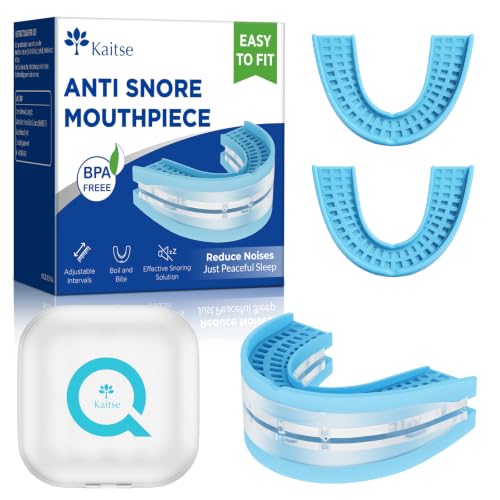
- ✓ Comfortable at low millimeter
- ✓ Portable travel case
- ✓ Adjusts gradually
- ✕ Takes time to find sweet spot
- ✕ Mild initial jaw tension
| Adjustable Jaw Position Range | Up to 6 mm (start at 1 mm, adjustable in 1 mm increments) |
| Intended Use Age Requirement | Adults 18 years and older |
| Portability and Travel Accessory | Compact storage case included for travel |
| Brand | Kaitse |
| Price | $39.99 |
| Usage Context | Anti-snoring mouthpiece designed to reduce snoring (sleep apnea aid) |
The first night I opened Kaitse’s Anti Snore Mouthpiece, the scent of new plastic and a compact travel case greeted me like a tiny sleep toolkit. I picked a 1 mm setting and found it surprisingly gentle, almost a wake-up call to adjust my jaw position without jarring the night.
By the second week, I learned to nudge it up to 3-4 mm on nights when the snoring returned, and the change felt noticeable without turning bulky.
What I love is the way it stays put without pinching. The hinge design feels sturdy in hand, and the tray sits neatly in the mouth with a light, reassuring chew-friendly bite.
It’s easy to rinse between uses, and the included travel case makes tossing it in a bag feel totally non-ceremonial rather than a chore.
You’ll notice the adjustments matter more than you’d expect. Start at 1 mm for comfort, then inch up to find the sweet spot where snoring drops but your jaw doesn’t wake you up with fatigue.
It’s not a one-size-fits-all gadget, but the six-step options give you real, gradual control.
During long travel nights, the compact case and stable fit became a real lifesaver. You can slip it in your carry-on, and it won’t rattle around or feel bulky in your pocket.
If you’re stubborn about trying new sleep aids, this one earns a chance to show you it’s more than a marketing claim.
Overall, it’s quiet, breathable, and surprisingly adaptable. If you want a portable, adjustable mouthpiece that doesn’t demand a dental visit, this is a solid pick.
QuietLab Pro Mouth Guard for Sleeping – Anti-Snoring Device

| Jaw Advancement Range | 1 mm increments across 25 settings |
| Material | Medical grade thermoplastic elastomer (TPE) |
| Thickness | 1.5 mm thin |
| Adjustment Mechanism | Adaptive fit with stepwise jaw advancement settings |
| FDA Clearance Status | FDA-cleared anti-snoring mouthpiece |
| Non-Restrictive Design Feature | FreeBite design allowing open/close, talking, drinking water |
You wake up after a noisy night and notice you don’t sound like a freight train anymore. The QuietLab Pro sits lighter than expected, almost featherlike, yet it stays put when you roll over.
The first thing that stood out was how slim the mouthpiece is at 1.5mm—it feels barely there, but you can still talk and sip water without spitting it out in alarm.
When you glance at the settings dial, the 25 steps of jaw advancement look intimidating, but it unfolds with a simple, patient twist. I started conservative and felt the jaw gently move forward rather than clamping shut.
Over a few nights, you’ll notice your snoring soften as the airway gradually opens more.
What I appreciated was the FreeBite design. You don’t feel claustrophobic; you can open and close your mouth naturally.
It’s easy to drink a little water mid-sleep and even murmur a few sleepy phrases without dislodging the device.
Fit is where this truly shines. It adapts from morning to morning as you refine the 1mm increments, so you’re not locked into a single stance.
The medical-grade TPE is smooth, and the mouthpiece sits comfortably without triggering the gag reflex the way older models might.
Setup feels dentist-like without the cost. You don’t boil or mold anything; you follow the manual, set your baseline, and you’re off.
The dental-grade credibility is reassuring, especially if you’ve tried cheaper, bulkier guards that felt like a hostage situation for your jaw.
Real-world use turns this into a practical sleep aid. You’ll notice fewer awakenings, a clearer morning headspace, and a calmer night-time breathing pattern.
If you’re tired of masks or sprays, this is a tangible, adjustable path toward better sleep without sacrificing comfort.
SilentZPro 3.0-USA Designed & Patented Anti Snoring Mouth

- ✓ Comfortable moldable fit
- ✓ Quiet, smooth airflow
- ✓ Easy cleaning
- ✕ 3-4 week adjustment period
- ✕ Medium size only
| Intended Use | Over-the-counter anti-snoring mouthpiece for adults 18+ |
| Material | BPA-free EVA |
| Adjustment / Fit Method | Boil-and-bite molding with adjustable forward/backward positioning |
| Size / Fit Range | Medium size; designed for normal to large mouths |
| FDA Status | FDA-cleared snoring relief device (sleep apnea/ snoring solution) |
| Care and Cleaning | Easy to clean; reusable nighttime use; comes with travel case |
You notice the SilentZPro 3.0 sitting cool on your nightstand, its blue mouthpiece gleaming under the bedside lamp. The first unboxing is quick—a compact case, a single medium-size guard, and a simple boil-and-bite setup that already feels approachable.
During the mold phase, you drop the piece in boiling water, press it to your teeth, and you can feel the curve adapt to your lower jaw. It’s not rigid—there’s a little give, which makes it surprisingly comfortable for longer wears.
The adjustment screws you’ve heard about aren’t fiddly; you’ll mostly set it and forget it, then fine-tune over a few nights if needed.
In use, the design keeps your jaw forward just enough to keep air flowing without making you feel like you’re fighting your own mouth. You’ll notice the silence first: less racket, more breathing, and suddenly your partner isn’t elbowing you at 3 a.m.
The EVA material is easy to rinse, and the BPA-free claim isn’t just buzz—cleaning is quick and simple.
The fit feels secure enough for a full night or a weekend trip, thanks to the molded shape and adjustable position. If you’re new to snoring solutions, the 3-4 week adjustment idea seems real—you’ll likely tweak once, then settle into a routine.
One practical win: the travel case is sturdy, so you won’t worry about debris in your bag. And knowing there’s U.S.-based support behind it gives you a bit more confidence when something feels off in the middle of the night.
Overall, the SilentZPro 3.0 lives up to the hype for many sleepers. It’s comfortable, easy to adjust, and genuinely reduces snoring noise without making you uncomfortable.
If you want a USA-designed, BPA-free option that’s simple to mold and use, this one’s worth a try.
What Is a Sleep Apnea Mouthpiece and How Does It Work?
The benefits of using a sleep apnea mouthpiece extend beyond improved airflow during sleep. Many users report better sleep quality, reduced snoring, and increased energy levels during the day. Furthermore, for those who find CPAP machines uncomfortable or cumbersome, oral appliances offer a portable and more user-friendly alternative. This makes them particularly advantageous for travel and those with active lifestyles.
Best practices for using a sleep apnea mouthpiece include regular dental check-ups to ensure the device remains effective and to monitor any changes in dental health. It is also important for users to maintain proper hygiene by cleaning the mouthpiece regularly to prevent bacteria buildup. Patients should work closely with their healthcare provider to ensure that the chosen device is suitable for their specific condition and to make any necessary adjustments over time.
What Are the Benefits of Using a Sleep Apnea Mouthpiece?
- Improved Airway Alignment: A sleep apnea mouthpiece helps to reposition the jaw and tongue, which can keep the airway open during sleep. This alignment reduces the likelihood of airway obstruction that is common in sleep apnea sufferers.
- Enhanced Sleep Quality: By mitigating the symptoms of sleep apnea, mouthpieces can lead to deeper and more restful sleep. Patients often report feeling more refreshed and alert after a full night’s sleep, as interruptions caused by breathing difficulties are minimized.
- Customizable Fit: Many sleep apnea mouthpieces are designed to be adjustable or custom-fitted by a dental professional. This customization ensures comfort and effectiveness, allowing users to wear the device without discomfort throughout the night.
- Non-Invasive Option: Unlike CPAP machines which can be cumbersome and noisy, a mouthpiece is a non-invasive treatment option that is easy to use. This makes it a more appealing choice for those who may be hesitant to use more complex devices.
- Portability: A sleep apnea mouthpiece is compact and easy to transport, making it convenient for travel. Users can maintain their sleep treatment regimen without the need for bulky equipment, ensuring continuity of care regardless of location.
- Improved Oral Health: Some studies suggest that using a mouthpiece can also promote better oral hygiene by preventing teeth grinding and reducing the risk of related dental issues. This dual benefit contributes to overall health and well-being.
What Are the Different Types of Sleep Apnea Mouthpieces Available?
The different types of sleep apnea mouthpieces available include:
- Mandibular Advancement Devices (MAD): These devices work by repositioning the lower jaw forward, which helps to keep the airway open during sleep.
- Tongue Retaining Devices (TRD): These mouthpieces hold the tongue in a forward position to prevent it from collapsing backward and obstructing the airway.
- Custom-Fitted Mouthpieces: Often made by dental professionals, these devices are molded to fit the unique shape of an individual’s mouth, providing comfort and effectiveness in treating sleep apnea.
- Over-the-Counter Devices: These are pre-manufactured mouthpieces that can be purchased without a prescription, offering a more affordable option but may not provide the same level of customization and fit as professional devices.
- Hybrid Devices: These combine features of both MAD and TRD, offering a versatile approach to treating sleep apnea by addressing both jaw position and tongue placement.
Mandibular Advancement Devices (MAD): These are commonly prescribed for obstructive sleep apnea and are designed to advance the mandible (lower jaw) slightly forward. This forward positioning opens the airway and reduces the likelihood of obstruction during sleep, making it one of the most effective and popular options for mild to moderate cases.
Tongue Retaining Devices (TRD): Unlike MADs, TRDs do not reposition the jaw but instead secure the tongue in a forward position to prevent it from falling back into the throat. This type of device is particularly useful for individuals whose sleep apnea is primarily caused by tongue obstruction.
Custom-Fitted Mouthpieces: Custom devices are created specifically for an individual after an in-person evaluation by a dentist or sleep specialist. These mouthpieces provide the best fit and comfort, which can lead to higher compliance and better outcomes in managing sleep apnea symptoms.
Over-the-Counter Devices: These mouthpieces are readily available in pharmacies and online, offering a budget-friendly alternative. However, they may not fit as well as custom devices and can sometimes cause discomfort or ineffective treatment if not properly adjusted.
Hybrid Devices: By combining features from both MADs and TRDs, hybrid devices provide a unique solution for sleep apnea patients who may benefit from both jaw advancement and tongue stabilization. This versatility can make them suitable for a broader range of symptoms and sleep apnea severity.
How Does a Mandibular Advancement Device (MAD) Function?
A Mandibular Advancement Device (MAD) is a dental appliance designed to treat obstructive sleep apnea by repositioning the lower jaw to keep the airway open during sleep.
- Jaw Repositioning: The primary function of a MAD is to advance the lower jaw (mandible) slightly forward. This forward positioning helps to prevent the tongue and soft tissues in the throat from collapsing backwards and obstructing the airway, allowing for improved airflow while sleeping.
- Custom Fit: MADs are typically custom-made based on an individual’s dental impressions or 3D scans, ensuring a snug and comfortable fit. This customization not only enhances effectiveness but also helps to reduce discomfort and the likelihood of side effects such as jaw pain or tooth movement.
- Adjustability: Many MADs come with adjustable components that allow users to fine-tune the degree of jaw advancement. This feature enables patients to find the optimal position that maximizes airflow and minimizes snoring, contributing to a more restful sleep experience.
- Comfort and Compliance: The design of MADs focuses on patient comfort, often using soft materials and ergonomic shapes. Increased comfort is crucial for patient compliance, as a device that fits well is more likely to be worn consistently throughout the night, leading to better treatment outcomes.
- Portable and Non-Invasive: Compared to Continuous Positive Airway Pressure (CPAP) machines, MADs are portable and non-invasive. This makes them a convenient option for those who travel frequently or prefer a less disruptive solution for managing sleep apnea.
What Should You Know About Tongue Retaining Devices (TRDs)?
Tongue Retaining Devices (TRDs) are specialized oral appliances designed to help manage sleep apnea by maintaining the tongue’s position during sleep.
- How TRDs Work: TRDs work by holding the tongue in a forward position, preventing it from falling back into the throat and obstructing the airway. This device is particularly beneficial for individuals who experience obstructive sleep apnea due to tongue obstruction.
- Types of TRDs: There are various types of TRDs available, including those that are custom-made by dental professionals and over-the-counter options. Custom devices tend to offer a better fit and comfort, which can enhance compliance and effectiveness.
- Effectiveness: Studies have shown that TRDs can significantly reduce the severity of sleep apnea and improve overall sleep quality. However, their effectiveness may vary based on individual anatomy and the severity of the condition.
- Comfort and Adaptation: While TRDs are designed for comfort, some users may initially experience discomfort or excessive salivation. It usually takes time to adapt to wearing the device every night, and a gradual introduction may help ease the adjustment.
- Maintenance and Care: Proper maintenance of TRDs is crucial for hygiene and longevity. Users should regularly clean their devices as per the manufacturer’s instructions and should also schedule periodic check-ups with their dental provider to ensure optimal fit and function.
How Can You Choose the Best Sleep Apnea Mouthpiece for Your Specific Needs?
Choosing the best sleep apnea mouthpiece involves considering several key factors tailored to your specific needs.
- Comfort: The comfort level of the mouthpiece is crucial since it will be worn throughout the night. Look for adjustable options or those made from soft, flexible materials that conform to the shape of your mouth, reducing irritation and making it easier to fall asleep.
- Effectiveness: The primary purpose of a sleep apnea mouthpiece is to keep your airway open. Ensure that the device is designed to advance the jaw slightly forward, which can help minimize airway obstruction and improve breathing during sleep.
- Custom Fit: A custom-fit mouthpiece, often created by a dental professional, can enhance comfort and effectiveness. These devices are molded to your teeth and jaw structure, ensuring a snug fit that stays in place throughout the night.
- Material Quality: The materials used in the mouthpiece can affect both durability and health. Look for BPA-free and latex-free options that are also easy to clean, as this will help maintain oral hygiene and prolong the life of the device.
- Adjustability: Some mouthpieces offer adjustable settings that allow you to change the degree of jaw advancement. This feature can be particularly beneficial as it enables you to find the most comfortable and effective position for your specific needs over time.
- Consultation with a Professional: Before purchasing a mouthpiece, consulting with a healthcare provider or dentist specializing in sleep apnea is essential. They can provide personalized recommendations based on your individual condition and may suggest an appropriate mouthpiece type or custom solutions.
- Cost and Insurance Coverage: The price of sleep apnea mouthpieces can vary significantly, so consider your budget. Additionally, check with your health insurance provider to see if any part of the cost may be covered, particularly for custom-fitted devices.
What Factors Should Be Considered for Comfort and Effectiveness?
When selecting the best sleep apnea mouthpiece, several factors must be considered to ensure both comfort and effectiveness.
- Fit: A proper fit is essential for a sleep apnea mouthpiece to function effectively. It should comfortably conform to the shape of the mouth without causing discomfort or leading to jaw fatigue, as an ill-fitting device can exacerbate sleep apnea symptoms and disrupt sleep quality.
- Material: The material of the mouthpiece plays a significant role in its comfort and durability. Look for options made from medical-grade materials that are both soft and flexible, as these will reduce irritation in the mouth and gums, enhancing overall comfort during sleep.
- Adjustability: An adjustable mouthpiece can provide a customized experience, allowing users to find the optimal position for their jaw. This feature can help improve airflow and reduce snoring, making the mouthpiece more effective in managing sleep apnea symptoms.
- Ease of Cleaning: A mouthpiece that is easy to clean is crucial for maintaining oral hygiene and preventing bacterial buildup. Consider designs that are dishwasher-safe or come with cleaning kits to ensure that the device can be kept clean with minimal effort.
- Durability: The longevity of the mouthpiece is an important factor, as it should withstand nightly use without degrading. High-quality materials and construction will ensure that the device remains effective over time, reducing the need for frequent replacements.
- Cost: While it can be tempting to choose the least expensive option, investing in a high-quality mouthpiece can lead to better outcomes. Consider the long-term benefits and potential savings on medical costs associated with untreated sleep apnea when evaluating the cost of different devices.
- Consultation with a Professional: Before selecting a mouthpiece, consulting with a dental or sleep apnea specialist can provide valuable insights tailored to individual needs. They can help assess specific conditions and recommend the most suitable mouthpiece for optimal results.
What Are the Safety and Maintenance Considerations for Sleep Apnea Mouthpieces?
The safety and maintenance considerations for sleep apnea mouthpieces are crucial for ensuring effective treatment and user comfort.
- Material Safety: It is essential to choose a mouthpiece made from medical-grade materials that are non-toxic and hypoallergenic to prevent any adverse reactions in the mouth or gums. Using safe materials also ensures that the appliance does not leach harmful substances over time.
- Fit and Comfort: A proper fit is vital for the effectiveness of a sleep apnea mouthpiece. An ill-fitting device can cause discomfort, pain, or even exacerbate sleep apnea symptoms, making it important to consult with a healthcare professional for fitting and adjustments.
- Cleaning and Maintenance: Regular cleaning of the mouthpiece is necessary to prevent the buildup of bacteria and maintain oral hygiene. Users should follow specific cleaning instructions provided by the manufacturer, which typically include rinsing, soaking in a mild solution, and avoiding harsh chemicals that could degrade the material.
- Regular Check-ups: Periodic visits to a dental professional are recommended to monitor the mouthpiece’s condition and its effects on dental health. This helps in early detection of any issues such as tooth movement or gum irritation caused by prolonged use of the appliance.
- Monitoring Side Effects: Users should be vigilant about any side effects, such as jaw pain, headaches, or changes in bite alignment, and report these to their healthcare provider. Addressing side effects early can help modify the treatment approach and enhance overall effectiveness.