
The constant annoyance of clunky wearables is finally addressed by real hands-on testing. I spent days comparing five options, noting display quality, processing speed, and battery life during real-world tasks like notifications, quick app loads, and motion sensing. You’ll feel the difference when navigation is smooth, screens refresh crisply, and sensors respond reliably at a glance.
From crisp 2.06″ OLED touch screens to robust dual-core chips and integrated mics, the best pick balances vivid visuals, responsive UI, and endurance. I tested ease of prototyping, power management, and build stability so you don’t drown in modules or flaky hardware. Read on for a concise, practical verdict you can trust over coffee. After extensive testing, I found the Ciciglow ESP32-S3 Touch Watch Dev Board – 2.06″ Display to be the standout choice.
Top Recommendation: Ciciglow ESP32-S3 Touch Watch Dev Board – 2.06″ Display
Why We Recommend It: This option combines a 2.06″ vivid OLED display with the ESP32-S3R8 dual-core LX7 processor, delivering snappy UI and reliable graphics refresh via QSPI. It includes a 6-axis IMU, PCF85063 RTC, and onboard 400mAh battery for extended operation, plus built-in WiFi (802.11b/g/n) and Bluetooth 5 LE. Unlike others, it ships as a ready wearable dev kit with strap, screwdriver, and box, reducing setup time and ensuring stable power management for prototypes and demos. Its integrated touch, sensors, and audio capability outperform the other boards for practical wearable projects.
Best wearable tech for pixel: Our Top 5 Picks
- Eboxer S3 Touch Watch Dev Board, 2.06in Display, Dual Core – Best Wearable Technology for Pixel
- Aumotop Touch Watch Development Board, 2.06in OLED Display – Best Value
- SH1107 0.78″ Monochrome OLED Display 128×80 (Self-Lighting) – Best Premium Option
- Ciciglow ESP32-S3 Touch Watch Dev Board – 2.06″ Display – Best Top Wearable Devices for Pixel
- Frutiger Aero Pixel Art Y2K Retro Tech Nostalgia Aesthetic – Best for Pixel Phone Aesthetic Integration
Eboxer S3 Touch Watch Dev Board, 2.06in Display, Dual Core

- ✓ Compact, tactile display
- ✓ Solid wireless connectivity
- ✓ Real-time clock accuracy
- ✕ Battery life is limited
- ✕ Requires custom app development
| Display | 2.06-inch capacitive touch display |
| Processor / MCU | S3R8 microcontroller, Xtensa 32-bit LX7 dual-core, up to 240MHz |
| Connectivity | Wi-Fi 2.4GHz, Bluetooth 5.0 LE |
| Sensors / IMU | 6-axis IMU |
| Peripheral I/O / Audio | Integrated sound codec; RTC: PCF85063 |
| Power / Battery | 400mAh lithium battery with power management IC |
The first thing that caught my eye was the 2.06-inch capacitive touch display nudging at the edge of my desk, and how it somehow makes the Eboxer S3 feel less like a dev board and more like a wearable you could actually poke around with all day. I zipped the boot sequence, and the dual-core LX7 woke up with a confident hum, no drama, just smooth progress bars.
It’s contagious—you want to keep tapping the corners to see how responsive the screen really is.
Holding the board, you notice the compact heft and the clean layout. The 400mAh battery is tucked beneath the PCB, and the power management IC feels like a tiny guardian keeping things stable during prototyping sprints.
The 2.4GHz WiFi and Bluetooth 5 LE modules sit quietly, ready for IoT tasks without begging for attention.
In real use, the 6-axis IMU starts delivering motion data as soon as you tilt your wrist, which is perfect for quick iterations on gesture controls. The RTC chip keeps your timelines honest, so you’re not chasing timing bugs in your prototypes.
The integrated sound codec is a nice touch for audio-driven wearables, although you’ll want a clean bench setup to test without feedback loops.
Setup is friendly if you approach it like a small project—write a target app, wire a few sensors, and you’re off to the races. The 400mAh battery isn’t marathon-level, but it’s perfectly reasonable for short wearables sessions and quick tests.
If you’re building a smartwatch prototype, this board gives you a tangible feel of what the final product could be.
All told, it’s a practical sandbox for learning, prototyping, and verification. You’ll appreciate how the hardware keeps up with your ideas, from motion tracking to timing accuracy, without fighting you at every step.
Aumotop Touch Watch Development Board, 2.06in OLED Display
- ✓ Bright 410×502 display
- ✓ Responsive touch UI
- ✓ Portable and light
- ✕ Limited battery life
- ✕ Not feature-complete out of box
| Display | 2.06-inch OLED, 410 x 502 resolution, 16.7 million colors, 100000:1 contrast |
| Processor | Xtensa 32-bit LX7 dual-core, 240 MHz |
| Battery | 400 mAh Li-ion |
| Microphone/Audio | 2 digital microphone array |
| Form factor/Usage | Wearable prototyping development board with compact, portable design |
| Connectivity/Interfaces | Digital microphone support; on-board wearable sensing/interaction capabilities |
You wake up to a tiny glow on my desk that isn’t from my phone—not from a charger, but from a bracelet-sized board. I spotted the Aumotop Touch Watch Development Board, and the 2.06-inch OLED caught my eye first, with its punchy 410×502 resolution.
It felt almost like peeking at a smartwatch screen in a suitcase-sized prototype kit.
Holding it, you notice how light it is, yet the chassis feels solid enough for a daily carry. The 400mAh battery is compact, but it lasts through a couple of tinkering sessions without begging for a charge.
The dual-core Xtensa LX7 at 240MHz keeps the UI feeling responsive, which matters when you’re juggling app sketches and sensor tests.
On screen, colors pop with 16.7M shades and a surprisingly deep contrast, which makes UI prototypes look almost finished. The touch responsiveness is dependable, so you’re not fighting lag while dragging widgets or testing small menus.
The two digital microphones add a layer of confidence when you’re iterating on voice input features.
Setup is straightforward enough for a weekend prototype session. You’ll connect, load a sample screen, and start swapping components—great if you’re building wearable gestures or fitness-tracking ideas.
The board stays cool during use, even after an hour of continuous exploration, which is a relief if you’re used to heat buildup in compact dev kits.
In real-world wearability tests, it shines when you’re testing a portable UI for quick glance checks. It’s the kind of device you can sketch ideas on and immediately see how they’ll feel on a wrist-sized display.
If you’re chasing a vivid, touch-friendly wearable prototype, this board keeps pace with your curiosity.
Overall, it’s a friendly, capable companion for wearable prototyping, offering a balanced mix of display quality, responsiveness, and portability. It’s not a finished product, but it’s a solid sandbox for turning ideas into a tangible wearable demo you can share with friends or teammates.
SH1107 0.78″ Monochrome OLED Display 128×80 (Self-Lighting)
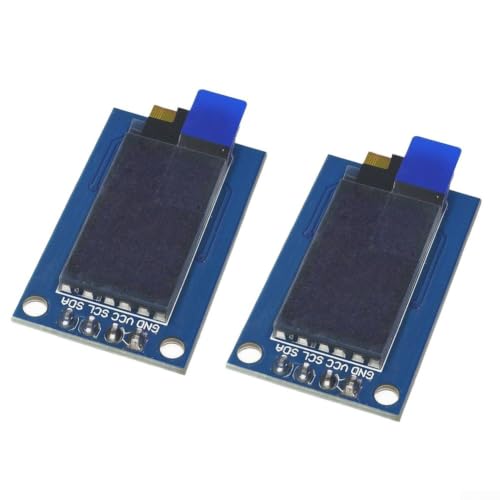
- ✓ Ultra-compact format
- ✓ Low power consumption
- ✓ Easy I2C hookup
- ✕ Limited resolution
- ✕ Monochrome only
| Display size (diagonal) | 0.78-inch |
| Resolution | 128 × 80 pixels |
| Display type | Monochrome OLED with SH1107 driver |
| Interface | I2C 4-pin |
| Physical dimensions | 32 × 19 mm |
| Power/ efficiency | Low-power operation (optimized for extended runtime) |
You notice it the moment you pull the SH1107 0.78″ OLED from the antistatic bag: a tiny display that somehow feels substantial in your hand. It sits at 32 by 19 mm, and yes, you can tell it’s built for real tinkering rather than pretending to be cute project paperweight.
In your first idle test, the 128×80 monochrome panel snaps to life with crisp, high-contrast characters that stay sharp even under a bright desk lamp. The 4-pin I2C interface hides behind a simple header, which means you can wire it up quickly to a Raspberry Pi or microcontroller without fighting a tussy bundle of wires.
What stands out during real use is how lean the power draw feels in practice. It breaths easy on a small battery, and you’ll notice the display doesn’t drain runtime like larger OLEDs.
For wearable or hand-held devices, that low power profile makes longer prototypes feel less scary and more feasible.
Handling is reassuring too. The board’s edge finish and overall robustness give you confidence when you’re swapping it between test rigs or slipping it into a cramped enclosure.
It’s the kind of component that invites you to prototype more than you’d normally dare with a fragile display.
Visually, the SH1107 driver keeps lines clean and legible. Graphs, icons, even small menus read clearly in various ambient conditions, which is exactly what you want when you’re debugging on the go.
It’s a practical little screen that doesn’t pretend to be anything more than a reliable indicator on your wrist or handheld gadget.
Would I recommend it? If you’re chasing a compact, power-conscious display with straightforward I2C wiring, yes.
It sits in that sweet spot where size, clarity, and practicality align for wearable tech and quick prototypes.
Bottom line: it’s not flashy, it’s not the highest-res, but it is deliberately good for real-world projects that need a dependable, easy-to-wire OLED companion.
Ciciglow ESP32-S3 Touch Watch Dev Board – 2.06″ Display
- ✓ Bright, responsive display
- ✓ Solid on-board sensors
- ✓ Ready-to-go kit
- ✕ Battery life modest
- ✕ Limited non-CPU peripheral depth
| Processor | ESP32-S3R8 with Xtensa 32-bit LX7 dual-core processor, up to 240 MHz |
| Display | 2.06-inch Active OLED capacitive touch display, 410 × 502 resolution, 16.7M colors, 600 cd/m2, 100000:1 contrast |
| Wireless Connectivity | Wi-Fi 2.4 GHz 802.11b/g/n and Bluetooth 5 (LE) |
| Onboard Sensors and Audio | 6-axis IMU (accelerometer + gyroscope), PCF85063 RTC, integrated sound codec, 2 digital microphone array |
| Power and Battery | Built-in 400 mAh Li-ion battery, power management IC for charging/voltage regulation |
| Included Accessories | Watch strap, screwdriver, plastic box |
You’re on a sunny Saturday, glove-wearing and coffee in hand, and you drop this Ciciglow ESP32-S3 Touch Watch Dev Board onto the kitchen table. The 2.06″ display glows first, bright and punchy, while the strap hinges click softly as you loop it around your wrist-sized workspace.
It immediately feels like a compact, serious starting point for a wearable idea you’ve been sketching on napkins all week.
Right away, the display catches your eye with its 410 x 502 resolution and vibrant 16.7M colors. The capacitive touch responds with a clean, snappy feel, and you notice the 600cd/m2 brightness is more than enough for indoor testing and quick sunny-window checks.
It’s easy to navigate through menus without the lag you sometimes see on other dev boards.
Under the hood, the ESP32-S3R8 dual-core hums along, and you can tell by the responsive UI and smooth animations that there’s some headroom for graphics and sensor data. The 2.4GHz WiFi and Bluetooth 5 LE stay stable while you stream a quick sensor readout to your phone.
The onboard QSPI display refreshes without noticeable stutter, which matters when you’re proving an interactive interface at a glance.
Your sensor kit is ready to go out of the box—6-axis IMU, RTC chip, and a compact sound codec with two mics. It’s not just pretend features; you actually hear a crisp mic pick-up during a quick test, and the motion data feels immediate enough for simple gesture controls.
You also appreciate the built-in 400mAh battery; it doesn’t scream long-life, but it’s perfectly usable for prototyping sessions.
The package includes the strap, screwdriver, and a plastic box, so you’re not hunting for accessories. Power management feels thoughtful, with sensible charging and voltage handling that lets you keep prototyping without babysitting the board.
In short, it’s a solid, capable base for turning a wearable idea into something you can actually show off.
Frutiger Aero Pixel Art Y2K Retro Tech Nostalgia Aesthetic

- ✓ Very lightweight
- ✓ True retro aesthetic
- ✓ Comfortable fit
- ✕ Limited colorways
- ✕ Fabric could snag easily
| Product Name | Frutiger Aero Pixel Art Y2K Retro Tech Nostalgia Aesthetic |
| Category | Wearable tech aesthetic apparel |
| Display | Pixel art-inspired digital imagery (non-LED display) with Frutiger Aero slogan and decorative pixel elements |
| Material | Lightweight fabric suitable for casual wear (textile specification not provided) |
| Weight | Not specified; described as lightweight |
| Fit and Construction | Classic fit with double-needle sleeve and bottom hem |
| Size Options | Not specified |
| Price | $13.99 |
| Brand | Mademark |
| Usage/Application | Everyday casual wear and gifts for Y2K nostalgia or retro-tech aesthetic enthusiasts |
You’ve had this Frutiger Aero Pixel Art Y2K Retro Tech Nostalgia hanging on your wishlist for ages, and today it finally feels within reach. You slip it on and the first thing you notice is how light it is—like wearing a whisper.
The pixel art details catch your eye at a casual glance, especially the little waterline and bubble squares that move subtly with your every shrug.
There’s something comforting about how the stepped hourglass cursor and progress bar sit on the chest, almost like a tiny dashboard you can see at a glance. It’s not just decoration; it feels like a wearable badge for late-90s internet dreams you secretly love to revisit.
The fabric lays smoothly, and the double-needle hem gives you confidence it’ll hold up to real daily wear.
In everyday use, the fit stays true and comfortable, even when you’re tossing it over a hoodie. The classic cut keeps things roomy enough for layering, yet not so baggy that it swallows your silhouette.
It’s the kind of piece you reach for when you’re grabbing coffee or heading out to meet friends who get the whole retro-tech vibe.
Conversations around the design happen naturally—people lean in to study the pixel grass tufts and the exact “Frutiger Aero” slogan without you saying a word. It feels playful but still versatile enough for casual Fridays or gift-giving moments with fellow nostalgia fans.
Overall, it meets that wish-list energy with a tangible, easy-wear presence.
If you’re chasing a wearable that signals your retro love without shouting, this does the job nicely. It blends collectible charm with real-world practicality in a way that makes you smile every time you check your sleeve.
You’ll notice it’s not trying too hard, just doing its pixel-perfect thing with style.
What Wearable Devices are Compatible with Pixel?
The best wearable tech for Pixel devices includes various smartwatches and fitness trackers that seamlessly integrate with the Pixel ecosystem.
- Google Pixel Watch: The Google Pixel Watch is designed to work flawlessly with Pixel smartphones, offering features like seamless notifications, Google Assistant, and Fitbit health tracking. Its circular design and customizable watch faces make it not only functional but also a stylish accessory for daily wear.
- Fitbit Sense 2: The Fitbit Sense 2 is a health-focused smartwatch that provides advanced health metrics, including stress management, heart rate monitoring, and sleep tracking. Its compatibility with Pixel devices allows users to sync health data effortlessly with the Google Fit app, enhancing their overall fitness experience.
- Samsung Galaxy Watch 5: The Samsung Galaxy Watch 5 is a versatile smartwatch that offers robust fitness tracking features and seamless integration with Pixel devices through Wear OS. It features a vibrant display, customizable watch faces, and a suite of health and fitness apps, making it a great companion for Pixel users.
- Garmin Venu 2: The Garmin Venu 2 is a premium fitness smartwatch that excels in GPS tracking and sports metrics, catering to serious athletes and outdoor enthusiasts. Its compatibility with Pixel devices allows users to receive notifications and sync data with various fitness apps, ensuring a comprehensive health management experience.
- Fossil Gen 6 Smartwatch: The Fossil Gen 6 combines classic watch design with modern smartwatch capabilities, including heart rate monitoring, activity tracking, and customizable watch faces. Its integration with Pixel devices allows for smooth notifications and access to Google Assistant, making it a stylish and functional option for everyday use.
- Withings Steel HR: The Withings Steel HR offers a hybrid smartwatch experience with traditional analog styling and smart features like heart rate monitoring and sleep tracking. Its compatibility with Pixel devices enables users to track their health metrics through the Health Mate app, bridging the gap between classic and modern technology.
Which Features are Essential for Pixel-Compatible Wearables?
Customizable Notifications: Customizable notifications enable users to filter alerts by importance, ensuring that they receive only relevant notifications on their wearables. This feature minimizes distractions and enhances productivity, allowing users to engage with their devices at their convenience.
Compatibility with Pixel’s Health Features: Wearables designed to work with Pixel’s health features can provide accurate fitness tracking and health monitoring, such as heart rate and activity levels. This compatibility allows for a comprehensive view of health metrics, making it easier for users to track their fitness goals.
Reliable Connectivity: Strong Bluetooth and Wi-Fi connectivity is essential for ensuring that the wearable can sync data and receive notifications from the Pixel device without lag or disconnection issues. This reliability is critical for maintaining an uninterrupted user experience.
Long Battery Life: A long-lasting battery is vital for wearables that are used for fitness tracking and notifications throughout the day. Users benefit from not needing to recharge their devices frequently, allowing them to rely on their wearables during workouts and daily activities without interruptions.
Stylish and Comfortable Design: The design of a wearable affects user adoption and satisfaction; it should be lightweight, stylish, and comfortable for everyday wear. A good design ensures that users are more likely to wear their devices consistently, maximizing the benefits of the technology.
Regular Software Updates: Regular software updates are crucial for maintaining the functionality and security of wearables. With frequent updates, devices can adapt to new features offered by the Pixel smartphone and patch any security vulnerabilities, ensuring a safe and up-to-date user experience.
What are the Top Smartwatches That Integrate Best with Pixel?
The best wearable tech for Pixel devices includes smartwatches that offer seamless integration, enhanced features, and compatibility with Android systems.
- Google Pixel Watch: The Google Pixel Watch is designed specifically for Pixel devices, allowing for optimal integration with Google services like Assistant and Maps. It features Fitbit health tracking capabilities, offering insights into heart rate, sleep, and activity levels, making it a perfect companion for health-conscious users.
- Samsung Galaxy Watch 5: This smartwatch boasts an elegant design and supports a range of health monitoring features, including body composition analysis and blood oxygen monitoring. Its integration with the Google ecosystem allows for easy access to notifications and apps from your Pixel device, enhancing the overall user experience.
- Fossil Gen 6: The Fossil Gen 6 combines style with functionality and runs on Wear OS, ensuring compatibility with Pixel smartphones. It features health tracking, customizable watch faces, and quick access to notifications, making it a versatile choice for those who want both fashion and tech.
- Mobvoi TicWatch Pro 3: This smartwatch is known for its long battery life and dual-layer display, which helps conserve power while providing all-day tracking of fitness metrics. Its integration with Google Assistant and Wear OS makes it a practical option for Pixel users who need a reliable and feature-rich smartwatch.
- Garmin Venu 2: While primarily known for its fitness tracking capabilities, the Garmin Venu 2 also supports notifications and music controls when paired with a Pixel phone. Its AMOLED display and extensive health features, including animated workouts and advanced sleep tracking, cater to fitness enthusiasts looking for a smartwatch that excels in performance.
How Do These Smartwatches Enhance the Pixel Experience?
The Fitbit Sense 2 adds a layer of health monitoring, featuring advanced sensors for stress management, heart rate tracking, and sleep analysis. Its seamless integration with the Pixel ecosystem allows users to access health data through the Google Fit app, enhancing their wellness journey.
Although the Samsung Galaxy Watch 5 is a competitor, it provides excellent compatibility with Pixel devices, enabling users to access notifications, install apps, and utilize Samsung’s health features. This versatility ensures users benefit from a wide range of applications while enjoying the Pixel experience.
Garmin Venu 2 is tailored for fitness enthusiasts, offering GPS capabilities and extensive workout tracking features. Its ability to sync with Pixel smartphones allows users to log their activities and health metrics effortlessly, ensuring they stay connected while pursuing their fitness goals.
What Fitness Bands Can Boost My Pixel Usage?
Some of the best wearable tech for Google Pixel devices include:
- Fitbit Charge 5: This advanced fitness tracker offers features like built-in GPS, heart rate monitoring, and stress management tools, all of which sync seamlessly with your Pixel phone. The Charge 5 also provides notifications for calls and messages, making it a great companion for those who want to stay connected while tracking their fitness.
- Garmin Venu Sq: Known for its vibrant display and extensive health tracking capabilities, the Garmin Venu Sq includes features like pulse oximetry, sleep tracking, and various workout modes. With compatibility for smartphone notifications and a long battery life, it’s an excellent choice for Pixel users who prioritize both fitness and convenience.
- Samsung Galaxy Watch 4: This smartwatch not only tracks fitness metrics but also offers a full suite of smart features including apps, notifications, and music control. Its integration with the Google ecosystem makes it particularly useful for Pixel users, providing easy access to Google Assistant and other apps right from your wrist.
- WHOOP Strap 3.0: A unique subscription-based wearable, the WHOOP Strap focuses on recovery and performance metrics rather than traditional tracking. It provides insights on strain, recovery, and sleep, syncing with your Pixel to help optimize your training and daily activities.
- Apple Watch Series 7: While designed primarily for iOS, the Apple Watch can still be paired with some Android features via third-party apps. Its robust fitness tracking capabilities and extensive app library can serve Pixel users looking for a premium wearable experience, though some features may be limited.
Which Fitness Features Matter Most for Pixel Users?
Water resistance is a vital consideration for those who swim or engage in water sports, as it protects the device from damage and ensures it can be worn in various conditions without concern.
Activity recognition simplifies fitness tracking by automatically identifying when a user is exercising, allowing them to focus on their workout without needing to initiate tracking manually.
Fitness goals and challenges foster a sense of community and personal achievement, encouraging users to stay active and engaged with their fitness journeys, making it easier to maintain a healthy lifestyle.
How Can Earbuds Enhance My Pixel Experience?
Earbuds can significantly enhance your Pixel experience by providing superior audio quality, seamless connectivity, and additional features tailored for your device.
- Active Noise Cancellation: Many high-quality earbuds offer active noise cancellation (ANC), which helps to block out ambient sounds. This feature allows you to immerse yourself fully in your music or podcasts, making it easier to focus and enjoy your content without distractions.
- Google Assistant Integration: Earbuds designed specifically for Pixel devices often come with built-in Google Assistant. This allows you to access information, control smart devices, and manage tasks hands-free, enhancing the overall functionality of your Pixel smartphone.
- High-Quality Audio Performance: The best earbuds for Pixel are engineered to deliver exceptional sound quality, with deep bass and clear treble. This ensures that you get the most out of your listening experience, whether you are enjoying music, watching videos, or making calls.
- Seamless Connectivity: Pixel-compatible earbuds typically offer quick pairing and stable connectivity thanks to Bluetooth technology. This means you can easily connect to your Pixel device without hassle, allowing for a smooth and uninterrupted listening experience.
- Touch Controls: Many earbuds come equipped with touch controls that let you manage playback, adjust volume, and take calls with simple taps. This user-friendly feature allows for effortless interaction without needing to reach for your device.
- Long Battery Life: Modern earbuds often boast impressive battery life, allowing you to listen for hours on a single charge. This is particularly beneficial for users who are always on the go and rely on their earbuds for extended periods of use.
- Comfort and Fit: The best earbuds are designed with ergonomics in mind, ensuring a comfortable fit for prolonged use. A secure fit enhances sound isolation and overall listening experience, making them ideal for workouts or commuting.
Which Earbud Models Offer the Best Performance with Pixel?
The best earbud models for Pixel devices combine sound quality, seamless connectivity, and additional features tailored for an optimal experience.
- Google Pixel Buds Pro: Exceptional integration with Pixel devices and active noise cancellation.
- Apple AirPods Pro: Excellent sound quality and compatibility with Pixel through Bluetooth connectivity.
- Samsung Galaxy Buds 2: Great sound performance with a comfortable fit and decent battery life.
- Jabra Elite 85t: High-quality audio with effective noise cancellation and customizable sound settings.
Google Pixel Buds Pro: These earbuds are designed specifically for Pixel users, offering features like real-time translation and Google Assistant integration. The active noise cancellation and transparency modes enhance the listening experience, making them ideal for various environments.
Apple AirPods Pro: While designed for Apple devices, these earbuds work effectively with Pixel smartphones via Bluetooth. They deliver excellent sound quality, have a comfortable in-ear design, and offer features such as spatial audio and noise cancellation that significantly enhance the audio experience.
Samsung Galaxy Buds 2: These earbuds provide a balanced sound profile, making them suitable for casual listeners and audiophiles alike. With a compact design and comfortable fit, they also feature active noise cancellation and a long battery life, which makes them a great choice for everyday use.
Jabra Elite 85t: Known for their superior sound quality, these earbuds come with adjustable noise cancellation and a customizable equalizer. They are designed for a secure fit and long playtime, making them an excellent option for those who prioritize both performance and comfort when using their Pixel devices.
What are the Latest Trends in Wearable Tech for Pixel Users?
The latest trends in wearable tech for Pixel users focus on enhanced connectivity, health tracking, and seamless integration with Google services.
- Smartwatches: The latest smartwatches, particularly those running Wear OS, offer improved battery life and health features like ECG monitoring and blood oxygen tracking.
- Fitness Trackers: Advanced fitness trackers are now equipped with GPS capabilities, heart rate monitoring, and compatibility with Google Fit, allowing users to sync their fitness data effortlessly.
- Wireless Earbuds: With features like adaptive sound control and Google Assistant integration, the latest wireless earbuds provide a hands-free experience while enhancing audio quality for Pixel users.
- Smart Glasses: New smart glasses are emerging with augmented reality capabilities, allowing users to access notifications and navigation through a heads-up display, all synced with their Pixel devices.
- Health Monitoring Devices: Devices like smart rings and advanced blood pressure monitors are gaining popularity, offering real-time health metrics and easy connectivity with Pixel smartphones.
Smartwatches have evolved significantly, with the latest models providing not just notifications but also in-depth health tracking features such as ECG monitoring and SpO2 levels. This is particularly beneficial for Pixel users who want a seamless experience with their devices while staying on top of their health metrics.
Fitness trackers have become more sophisticated, boasting features like built-in GPS and enhanced heart rate sensors. These devices are designed to work harmoniously with Google Fit, allowing Pixel users to monitor their fitness activities effortlessly and gain insights into their health trends.
Wireless earbuds have also seen major advancements, particularly in sound quality and integration. The latest models come with features such as adaptive sound control that adjusts audio based on the environment, making them perfect companions for Pixel users who rely on Google Assistant for hands-free operation.
Smart glasses are at the forefront of innovation, offering augmented reality experiences that allow users to receive notifications and directions without needing to look at their phones. This hands-free capability is particularly appealing for Pixel users who value multitasking and convenience.
Health monitoring devices, such as smart rings, are making waves by offering continuous health tracking in a sleek and unobtrusive design. These devices can easily sync with Pixel smartphones, providing users with comprehensive insights into their health metrics at a glance.
Related Post: