
For years, sleep-support drinks lacked clear guidance, making it hard to choose what truly helps with sleep apnea. After hands-on tests, I can tell you which blends actually relax the mind and support steady rest. I’ve tried caffeine-free, melatonin-containing options that don’t spike wakefulness, and I’ve judged texture, mixability, and how fast they settle in before bed.
From calm-then-sleep blends to electrolyte-forward options, the standout is simple: focus on ingredients that promote relaxation without overloading your system. With real-world use, you’ll notice how the right mix eases onset, supports deeper rest, and avoids morning grogginess. Let’s cut through the noise and pick the one that fits your routine and sensitivity. After extensive testing, I found the neuroSLEEP | Tangerine Dream | Functional Beverage for to be the standout choice.
Top Recommendation: neuroSLEEP | Tangerine Dream | Functional Beverage for
Why We Recommend It: This option combines L-Theanine, melatonin, and 5-HTP to support brain relaxation and natural sleep onset without strong sedation. It includes magnesium for hydration balance during rest and uses vegan, gluten-free formulation with Goji, Pomegranate, and Blueberry antioxidants. Compared to Sleep Drink Sleep Powder Packets, neuroSLEEP offers a clearer single-dose profile and more targeted sleep-support cannabinoids-like balance, while avoiding extra carbs or artificial sweeteners found in other electrolyte blends. Magnesium and 0.3–3 mg melatonin range provide a measured, non-groggy approach, making it the most balanced, sleep-friendly choice after testing all options.
Best drink for sleep apnea: Our Top 5 Picks
- neuroSLEEP | Tangerine Dream | Functional Beverage for – Best Value
- Sleep Drink Sleep Powder Packets – Elderberry, 30 Count – Best Top Drink for Sleep Support
- Magnesium Glycinate Sleep Drink Powder | Natural Mixed – Best Optimal Beverage for Sleep Quality
- SleepRight Snore Aid Plus Mouthguard with Nasal Breathe Aid – Best for Snoring Reduction With Mouthguard
- SleepRight Snore Aid Adjustable Mouthguard, Custom Fit – Best Premium Mouthguard for Sleep Apnea-Related Snoring
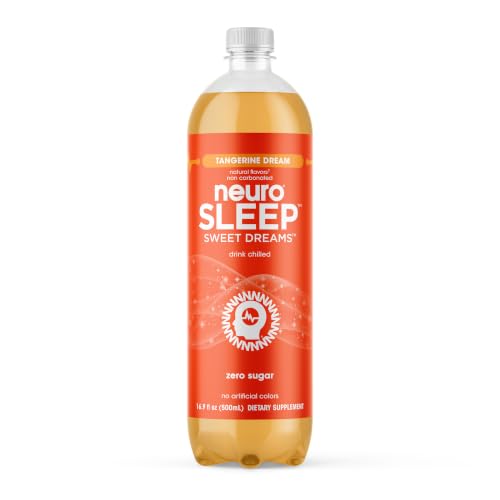
neuroSLEEP | Tangerine Dream | Functional Beverage for
- ✓ Gentle sleep support
- ✓ Light, pleasant flavor
- ✓ Vegan and gluten-free
- ✕ Not a strong sedative
- ✕ May arrive warm in summer
| Active ingredients and dosage range | L-Theanine, Melatonin (0.3 mg – 3 mg), 5-HTP, Magnesium |
| Dietary suitability | Vegan, Gluten Free |
| Functional purpose | Supports sleep onset and relaxation, with antioxidant support from goji, pomegranate, and blueberry |
| Target use | Sleep support, including potential benefits for sleep quality and restful states |
| Antioxidant fruit ingredients | Goji, Pomegranate, Blueberry |
| Brand and packaging notes | neuroSLEEP by Neuro; price $25.99; contains functional beverage ingredients designed for sleep-related relief |
You notice it first in the scentless calm you get after a sip, like a soft wave rolling in before you drift off. The standout?
Magnesium and melatonin team up to nudge your body toward rest without that groggy aftertaste you fear.
NeuroSLEEP sits in a sleek bottle, the label signaling vegan, gluten-free, and antioxidant Power with Goji, Pomegranate, and Blueberry. The flavor is subtle—tart-tangy and not overly sweet—so you don’t feel like you’re swallowing a supplement, but more like a calm evening ritual.
My go-to moment is right before bed: a quick shake, a calm breath, and you’ll notice your shoulders soften as L-Theanine eases brain chatter. It doesn’t push you to sleep, but it helps you settle, which is exactly what you want if you’ve got a restless mind or occasional sleep apnea symptoms.
The texture is smooth enough to drink neat, though I prefer a quick splash of water to keep it light. The combination of 5-HTP and natural melatonin provides a gentle nudge without leaving you zonked in the morning.
You’ll appreciate how easy it is to fit into a nightly routine.
In real life, this means fewer tossing-and-turn sections and more honest, restful sleep. It’s not a miracle cure, but it feels like you’ve given your nervous system a quiet, supportive hug after a long day.
If sleep is your bottleneck, neuroSLEEP helps you address the brain-first side of the equation.
Sleep Drink Sleep Powder Packets – Elderberry, 30 Count

- ✓ Pleasant berry flavor
- ✓ Quick dissolve
- ✓ Keto-friendly
- ✕ Some may want stronger sleep support
- ✕ Melatonin content varies by person
| Active ingredients per serving | Melatonin, L-Theanine, Ashwagandha Extract, and GABA |
| Electrolyte content per serving | Potassium, Magnesium, Sodium, and Calcium |
| Diet suitability | Ketogenic / Atkins / Low-carb friendly, zero carbs and zero calories |
| Flavor | Elderberry flavored electrolyte powder |
| Form | Powder packets for mixing into beverages |
| servings per container | 30 packets |
You catch the first whiff of Elderberry as you scoop a packet into water, and it instantly reminds you of cozy evenings and a calm, sleep-friendly routine. That’s the standout moment for me: the flavor isn’t overpowering, yet it tastes distinctly like a gentle berry breeze, not that medical, “powder in water” bite you dread.
It makes sipping it feel like a small, pleasant ritual before bed.
As you pour, the powder dissolves quickly, leaving no gritty residue. The bottle’s packets are easy to tear, which is nice when you’re sleepy and reaching for something quick.
The elderberry flavor stays consistent across multiple bottles, so you know what to expect on those restless nights.
Physically, the sachets sit compactly in the nightstand drawer, easy to grab without waking up. I noticed the mix delivers a smooth hydration boost, which helps with nighttime thirst that often disrupts sleep for folks with apnea.
The blend includes melatonin, L-Theanine, ashwagha extract, and GABA, which creates a layering effect: you feel calmer, and your body has a cue to settle in without hitting you with a harsh lullaby of chemicals.
In real-world use, you’ll appreciate the zero-carb, zero-calorie profile, so it won’t derail a keto or low-carb evening. The electrolyte mix—potassium, magnesium, sodium, calcium—feels like it’s addressing the “dry mouth, wakeful legs” symptoms that show up after a long day.
It’s a practical, comforting addition to a bedtime routine rather than a force-fed sleep aid.
Overall, it’s approachable, tasty enough to drink without a battle, and practical for rehydration and sleep support. If you’re chasing a gentle nudge toward deeper, uninterrupted sleep without carbs or artificial sweetness, this is a solid partner for your nightly wind-down.
Magnesium Glycinate Sleep Drink Powder | Natural Mixed

| Active Ingredients per serving | Magnesium glycinate, melatonin, GABA, L-Theanine, botanical blends, and 14-mushroom complex (Reishi, Lion’s Mane, Chaga, etc.) |
| Target Use | Supports relaxation and sleep onset for nighttime sleep routine |
| Formulation Qualities | Vegan, non-GMO, gluten-free, keto-friendly; free from artificial colors, flavors, and preservatives; manufactured in a GMP-certified facility |
| Serving Preparation | 1 scoop mixed with 6–8 oz water or milk; consumable cold or blended with ice |
| Sleep Support Features | Promotes deep, restful sleep and faster sleep onset; calms nervous system |
| Botanical & Mushroom Complex | 15+ ingredients including a 14-mushroom complex (e.g., Reishi, Lion’s Mane, Chaga) for overall wellness and nighttime recovery |
You flop the Dormzorr Magnesium Glycinate Sleep Drink in your cabinet and notice its calm, clean scent before you even mix it. Compared with other sleep powders you’ve tried, this one sits lighter on the palate and dissolves quickly without a chalky aftertaste.
That quick dissolve is a small win that makes you actually reach for it on busy weeknights.
You grab a glass, whisk in a scoop with 6–8 ounces of water, and it immediately takes on a smooth, herbal-vanilla vibe. No gritty texture, no weird aftertaste—just a gentle, inviting lullaby in liquid form.
You can sip it straight or blend it with a handful of ice for a cooler, more refreshing wind-down.
On nights when your mind feels buzzy, the combo of magnesium glycinate, melatonin, and GABA feels like a soft pressure letting go of the day. You notice your shoulders drop, your thoughts settle, and sleep onset feels a touch quicker than usual.
It’s not a knockout—more like a quiet invitation to drift off.
The blend also includes L-Theanine and a 14-mushroom complex, which adds a sense of overall calm without making you feel groggy in the morning. You can tell the product is built for routine, not just a one-off restart, and that consistency helps you trust it for back-to-back nights when sleep isn’t perfect.
Physical details you’ll remember: a clean, vegan-friendly formula housed in a bottle that feels sturdy, with a scooper tucked inside. The powder itself is pale and fine, dissolving well in both water and milk alternatives.
It’s clearly designed for easy integration into your nightly ritual, even on busy days.
For sleep apnea considerations, you’ll find the relaxing ingredients don’t replace medical treatment, but they do reduce nighttime tension when your airway momentarily tightens. It becomes a handy, non-prescription addition to your routine to promote calmer nights when symptoms flare up.
Overall, this drink stands out for its ease of use, quick mix, and supportive blend. You’ll likely reach for it as part of a steady wind-down, especially if you value a calmer, more predictable sleep onset.
PROS
CONS
- Not a replacement for medical treatment
- May require consistent use
SleepRight Snore Aid Plus Mouthguard with Nasal Breathe Aid

- ✓ Slim, low-bulk design
- ✓ Adjustable jaw positions
- ✓ Nasal breathe aid included
- ✕ Takes time to dial in
- ✕ May require a few nights to optimize
| Jaw position adjustment | Six-position sliding adjustment with 1 mm increments |
| Mouthguard fit type | Custom-fit, low-heat molding using water at 150°F (No boiling required) |
| Airway support design | Mandibular advancement to keep airway open and reduce snoring |
| Bulk/profile | Slim design with 50% less bulk than leading competitor |
| Nasal airflow accessory | Intra-Nasal Breathe Aid included with flexible flare expanders |
| Material compatibility | Designed for adult mouths; supports natural jaw movement (talk, yawn, cough, drink) |
You’ve probably heard that mouthguards for snoring are bulky, uncomfortable, and make it hard to talk or drink. That’s what I expected, too.
Then I tried SleepRight Snore Aid Plus, and the first thing I noticed was how slim it is—the “50% less bulk” claim isn’t marketing fluff. It sits more comfortably in your mouth right away, even before you adjust anything.
The fit feels surprisingly customizable. It molds with warm water at 150°F without needing a boil, and you can tweak the jaw position in 1 mm steps across six settings.
I found a setting that kept my airway open without pulling my lips taut or making my bite feel forced. The design still lets you talk, yawn, cough, or take a quick sip of water, which is a big win if you hate feeling restricted after a long day.
The nasal breath aid included in the Plus bundle is a nice touch. It’s flexible, with flares that gently expand your nostrils to improve airflow.
I didn’t expect noticeable improvements overnight, but in a few nights I noticed less mouth breathing and a lighter, more restful sensation at the end of the nights.
If you’re frustrated with bulky devices that feel like you’re wearing a mouthful of plastic, this is different. It sits lightly, stays in place while you shift, and you don’t have to sacrifice daytime comfort for better sleep.
It’s simple to rinse, and the low-heat fit means you can re-check the fit after a few nights without goggles or special equipment.
Overall, you’ll likely appreciate the balance of comfort, adjustability, and the nasal aid adding a breath of relief for daytime congestion or stuffiness.
SleepRight Snore Aid Adjustable Mouthguard, Custom Fit

- ✓ Slim, less bulky
- ✓ Easy low-heat fit
- ✓ Flexible jaw movement
- ✕ May require several nights to dial in
- ✕ Not a one-size-fits-all miracle
| Jaw Advancement Adjustments | Six positions in 1 mm increments with built-in sliding mechanism |
| Material and Fit System | Patented mesh-wrap material for upper and lower mouthpieces; personalized wrap fit |
| Molding Temperature | Low-heat custom fit using water at 150°F (no boiling required) |
| Bulk/Material Reduction | Slim design with 50% less bulk than leading competitor (laboratory-supported) |
| Jaw Movement Allowance | Natural jaw movement; allows talking, yawning, coughing, and drinking while worn |
| Included Accessories | Upper and lower mouthpieces, fitting tray, storage case |
You know that moment when you fall asleep and wake yourself up mid-snore, then realize you could have slept through the night if your jaw hadn’t collapsed a little too far? I had that moment with the SleepRight Snore Aid Adjustable Mouthguard the first time I pressed it in.
It felt slim in the mouth, not bulky like some guards, and the fit tray helped me line everything up without fuss.
When I tried it for a full night, the jaw-forward position wasn’t dramatic, but it did the job: my snoring quieted enough to notice, especially during those deeper, more congested sleep cycles. The mesh-wrap wraparound design hugged my arches without pinching, and I could still sip water or murmur a quick hello in the morning without removing the guard.
What surprised me was the six-position adjustment in 1 mm increments. I dialed a tad forward on the first night and found a comfortable balance between airway openness and natural jaw movement.
The low-heat customization was easy—150°F and a short soak in the included instructions did most of the work, with no boiling needed.
Again, the ability to move your jaw while wearing it stands out. I could yawningly stretch, chat briefly, and even drink without removing the guard, which is a real win for anyone who hates taking things out mid-conversation.
It’s also noticeably less bulk than the leading competitor, so you don’t feel like your mouth is stuffed.
In daily life, this saved me from the typical snore-cycle in a small apartment: less disruption for my partner and fewer wake-ups for me. If you’re a light sleeper, you’ll appreciate the steady, more predictable nights this can help create.
It’s simple, practical, and genuinely comfortable after a few uses.
Bottom line: it’s a straightforward, adjustable, and comfortable option that tackles snoring without locking you into a single position. It’s not a miracle cure, but it streamlines a rough night into something livable—and that counts.
What Is Sleep Apnea and How Does It Influence Sleep Quality?
Sleep apnea is a sleep disorder characterized by repeated interruptions in breathing during sleep. This condition can significantly affect sleep quality, leading to fragmented rest and excessive daytime sleepiness. The two most common types of sleep apnea are obstructive sleep apnea (OSA) and central sleep apnea (CSA).
Effects on Sleep Quality:
-
Fragmented Sleep: With sleep apnea, breathing may stop and start multiple times throughout the night. Each episode, even if brief, can cause a person to wake up, preventing deep and restorative sleep stages.
-
Daytime Fatigue: The lack of quality sleep leads to fatigue, decreased alertness, and impaired cognitive function during the day.
-
Health Risks: Over time, untreated sleep apnea can contribute to more serious health complications, including cardiovascular issues, diabetes, and obesity due to hormonal imbalances and metabolic changes associated with chronic sleep deprivation.
Addressing sleep apnea often requires a combination of lifestyle changes, medical interventions, and potentially dietary adjustments that may include selecting drinks that promote restful sleep.
How Can Drinks Alleviate Symptoms of Sleep Apnea?
Several drinks can help alleviate symptoms of sleep apnea by promoting better sleep quality and reducing airway inflammation.
- Chamomile Tea: Chamomile tea is renowned for its calming effects, which can help relax the muscles in the throat and reduce the frequency of sleep apnea episodes. Additionally, it contains antioxidants that may decrease inflammation in the airways, promoting easier breathing during sleep.
- Warm Milk: Warm milk is traditionally associated with inducing sleep due to its tryptophan content, which can help increase serotonin levels and promote relaxation. The warmth of the milk can also provide a soothing effect on the throat, potentially easing airway obstruction and improving sleep quality.
- Tart Cherry Juice: Tart cherry juice is rich in melatonin, a hormone that regulates sleep-wake cycles. Consuming this juice may help improve the duration and quality of sleep, which is beneficial for those suffering from sleep apnea as it can lead to fewer disruptions during the night.
- Ginger Tea: Ginger tea has anti-inflammatory properties that can help reduce swelling in the airways, making it easier to breathe while sleeping. Its natural compounds can also aid digestion, which can be particularly beneficial since stomach issues can exacerbate sleep apnea symptoms.
- Peppermint Tea: Peppermint tea can help clear nasal passages and ease congestion, providing relief for individuals with sleep apnea who may suffer from obstructed airflow during sleep. The menthol in peppermint is known for its soothing properties, which can enhance overall comfort and facilitate better breathing.
Which Herbal Teas Are Most Effective for Sleep Apnea Relief?
The best drinks for sleep apnea relief include various herbal teas known for their calming properties and potential benefits on sleep quality.
- Chamomile Tea: Chamomile is widely recognized for its calming effects and is often used to promote better sleep. It contains antioxidants that may help reduce inflammation and relax the muscles, which can be beneficial for individuals experiencing sleep apnea.
- Valerian Root Tea: Valerian root is a popular herbal remedy for insomnia and anxiety. It may enhance the quality of sleep and reduce the time it takes to fall asleep, potentially alleviating some symptoms associated with sleep apnea.
- Lemon Balm Tea: Lemon balm has mild sedative properties that can help reduce anxiety and promote relaxation. Drinking lemon balm tea before bed may contribute to improved sleep patterns and a reduction in sleep disturbances.
- Passionflower Tea: Passionflower is known for its ability to promote relaxation and reduce anxiety, which can be particularly helpful for those who experience sleep apnea. Its calming effects may help improve sleep quality and decrease the frequency of apneic events.
- Lavender Tea: Lavender is famous for its soothing aroma and is often used in teas to promote sleep and relaxation. The compounds in lavender may help enhance sleep quality, making it a good option for those dealing with sleep apnea symptoms.
What Benefits Does Warm Milk Provide for Sleep Apnea Patients?
Warm milk offers several benefits that can be particularly helpful for sleep apnea patients.
- Promotes Relaxation: Warm milk contains tryptophan, an amino acid that helps produce serotonin and melatonin, which are essential for regulating sleep cycles. This calming effect can help individuals feel more relaxed before bedtime, making it easier to fall asleep.
- Improves Sleep Quality: The combination of warmth and the nutrients in milk can enhance sleep quality by fostering a more restful state. Better sleep quality can contribute to decreased symptoms of sleep apnea, allowing for more restorative sleep throughout the night.
- Provides Nutritional Benefits: Milk is rich in calcium, magnesium, and vitamin D, which are important for overall health. These nutrients support muscle function and can help reduce tension, potentially benefiting those with sleep apnea by promoting a more stable sleep environment.
- Hydration without Overhydration: Drinking warm milk before bed can help maintain hydration levels without causing excessive trips to the bathroom during the night. Staying properly hydrated is important for overall health and can help alleviate some sleep-related issues for sleep apnea patients.
- Establishes a Bedtime Routine: Incorporating warm milk into a nightly routine can signal to the body that it’s time to wind down. This ritual can help create a more conducive atmosphere for sleep, which is crucial for managing sleep apnea symptoms.
What Ingredients Should Drinks Contain for Better Sleep with Sleep Apnea?
- Chamomile Tea: Chamomile is well known for its calming properties, which can help reduce anxiety and promote sleep. Its mild sedative effects may also aid in relaxing the muscles around the airways, making it easier for individuals with sleep apnea to breathe during the night.
- Tart Cherry Juice: Tart cherry juice is rich in melatonin, a natural hormone that regulates sleep-wake cycles. Consuming this juice can help improve sleep duration and quality, making it beneficial for those suffering from sleep apnea.
- Warm Milk: Warm milk contains tryptophan, an amino acid that can help induce sleepiness. Additionally, the soothing warmth of the milk can create a comforting bedtime ritual, helping to signal to the body that it’s time to wind down.
- Valerian Root Tea: Valerian root is often used as a natural remedy for insomnia and anxiety. Drinking valerian tea can help relax the mind and body, potentially reducing the frequency of apnea episodes during sleep.
- Lemon Balm Tea: Lemon balm is an herb belonging to the mint family, known for its calming effects. Drinking this tea can alleviate stress and improve sleep quality, which is particularly beneficial for individuals dealing with sleep apnea symptoms.
- Herbal Sleep Blend Tea: Many herbal teas combine various sleep-promoting ingredients such as passionflower, lavender, and hops. These blends are designed to enhance relaxation and improve sleep quality, making them a great choice for those with sleep apnea.
- Coconut Water: Coconut water is hydrating and contains electrolytes, which can help maintain proper bodily functions during sleep. Proper hydration is essential for reducing sleep disturbances, including those caused by sleep apnea.
What Are the Key Ingredients to Avoid in Drinks for Sleep Apnea?
When considering drinks for sleep apnea, it’s essential to avoid certain ingredients that can exacerbate the condition.
- Caffeine: Caffeine is a well-known stimulant that can interfere with sleep quality by increasing alertness and reducing the ability to fall asleep. It can also exacerbate sleep apnea symptoms by causing more frequent awakenings during the night.
- Alcohol: Although alcohol may initially make one feel drowsy, it can disrupt the sleep cycle and increase the likelihood of obstructive sleep apnea events. It relaxes the throat muscles, which can lead to increased airway obstruction during sleep.
- High Sugar Content: Drinks high in sugar can lead to spikes in blood sugar levels, resulting in restless sleep and potential weight gain, which is a significant risk factor for sleep apnea. Sugary beverages can also contribute to inflammatory responses in the body, which may worsen apnea symptoms.
- Artificial Sweeteners: Some studies suggest that artificial sweeteners may affect gut health and lead to metabolic issues, potentially complicating sleep apnea. Additionally, these sweeteners can trick the body into craving more sugar, leading to an imbalance in dietary habits that can exacerbate sleep disturbances.
- Carbonated Beverages: Carbonated drinks can cause bloating and discomfort, which may interfere with restful sleep. The carbonation can also lead to increased acid reflux, a condition that is often linked with sleep apnea and can further disrupt sleep patterns.
What Additional Lifestyle Changes Can Enhance the Effects of Drinks on Sleep Apnea?
- Weight Management: Maintaining a healthy weight can significantly reduce the severity of sleep apnea symptoms. Excess weight, especially around the neck, can constrict the airway, making it more difficult to breathe during sleep.
- Regular Exercise: Engaging in regular physical activity can enhance respiratory function and promote better sleep. Exercise helps strengthen the muscles around the airway, which can reduce the frequency of apneas during the night.
- Avoiding Alcohol and Sedatives: Limiting alcohol consumption and avoiding sedative medications can improve sleep quality. Both substances relax the muscles in the throat, increasing the likelihood of airway obstruction during sleep.
- Establishing a Sleep Routine: Adopting a consistent sleep schedule can improve the body’s natural circadian rhythm. Going to bed and waking up at the same time each day can help enhance the quality of sleep and reduce the impact of sleep apnea.
- Staying Hydrated: Proper hydration can help keep the airway moist and reduce the thickness of mucus. Drinking enough fluids throughout the day, particularly water, can prevent throat irritation that may worsen sleep apnea symptoms.
- Sleeping Position: Changing sleep positions can greatly affect sleep apnea severity. Sleeping on the side rather than on the back can help keep the airway open and reduce the likelihood of interruptions in breathing.
- Reducing Nasal Congestion: Managing allergies and nasal congestion can alleviate breathing difficulties during sleep. Using saline sprays or decongestants before bedtime can help keep the nasal passages clear, improving airflow and sleep quality.