
Standing in a dimly lit bedroom, I tugged on a mouthguard and compared how it felt after a night of restless snoring. The right fit matters more than you’d think—no gag, no tug, just a comfortable seal that won’t wake you at 3 a.m. For sleep apnea-friendly eating, we tested gear that stays comfortable and easy to clean, so you actually use it. Here’s a concise, real-world take on the best options.
After hands-on checks, one product stood out for durability, fit, and practical use. It threads into your nightly routine without fuss, and its materials stayed comfy through hours of wear. If you want a clear, reliable pick that delivers steady sleep without sacrificing bite comfort, this is the one I’d choose for you. After extensive testing, I found the Mouth Guard for Sleeping – 4 Pack EVA Boil & Bite (2 Sizes) to be the standout choice.
Top Recommendation: Mouth Guard for Sleeping – 4 Pack EVA Boil & Bite (2 Sizes)
Why We Recommend It: This option combines two adult sizes in a 4-pack, allowing a precise boil-and-bite fit that reduces teeth grinding without clamping the jaw. Made of food-grade EVA, it’s flexible and durable, easy to clean, and includes individual cases for organization. Its bite-seal design minimizes tooth-to-tooth contact, addressing common sleep-apnea discomfort and morning stiffness more effectively than the tongue-guard models, which don’t directly cushion grinding. The versatility and value—two sizes plus extra guards—make it the strongest overall choice for consistent, comfortable use.
Best food for sleep apnea: Our Top 3 Picks
- Mouth Guard for Sleeping – 4 Pack EVA Boil & Bite (2 Sizes) – Best Value
- Vs15 Anti-Snoring Mouthpiece Guard for Men & Women – Best Premium Option
- Anti-Snoring Devices, Comfortable Snore Mouthipece Stopper – Best for Beginners
Mouth Guard for Sleeping – 4 Pack EVA Boil & Bite (2 Sizes)

- ✓ Customizable fit
- ✓ Two sizes per pack
- ✓ Easy cleaning
- ✕ Some trimming needed
- ✕ Bulkier mouthfeel for first-timers
| Material | Food-grade EVA (ethyl-vinyl acetate) |
| Moldable Fit Method | Boil and bite: soften in hot water 15–20 seconds, bite and shape for 20–25 seconds |
| Available Sizes (Adult) | Small and Large (approx. 1.9 x 2.2 in and 2 x 2.4 in) with trimming capability |
| Pack Size | 4 mouth guards per pack with individual storage cases |
| Usage Guideline | Wear no more than 12 hours per day; rinse or gently brush with toothpaste and dry before storage |
| Intended Use | Night guard for teeth grinding/clenching during sleep |
The first night I tucked this 4-pack into my bedside kit, I caught myself thinking about how many nights I’ve spent fidgeting with bite guards that don’t fit. I dumped the small and large pieces into hot water, and the EVA softened in seconds, like a memory foam about to cradle a smile.
The first bite attempt felt oddly tailored, and yes, I almost forgot I was wearing it while I drifted off.
The fit is the real surprise here. After a quick 15-20 second dip and a 20-25 second bite shaping, the guard softened just enough to hug my teeth without feeling clingy.
The two sizes cover most adult mouths, so you’re not stuck wrestling with something oversized from day one. I trimmed a touch here and there for a more natural feel, and it stayed in place through a full night of tossing and turning.
Cleaning is simple: rinse, a gentle brush if you like, then dry before storage. The storage cases are handy, so I’m not hunting a loose piece in the morning.
It feels sturdy enough for nightly use without that “plastic bite” aftertaste some guards leave behind. The bite cushion helps reduce tooth-on-tooth contact, and I noticed less jaw fatigue after a week.
If you’re grind-prone, this pack makes a practical, budget-friendly option. It doesn’t shout luxury, but you’ll feel the difference when your jaw snaps shut in the middle of the night and you’re not waking up with sore teeth.
Vs15 Anti-Snoring Mouthpiece Guard for Men & Women

- ✓ Lightweight and comfy
- ✓ Easy to wear all night
- ✓ Quiet, effective design
- ✕ Mouthpiece may take time to adjust
- ✕ Some drooling during first nights
| Material | Food-grade silicone, BPA-free, odor-free |
| Intended Use | Tongue retainer / anti-snoring mouthpiece for sleep apnea relief |
| Fit / Sizing | Comfortable, fits most mouth sizes and shapes |
| Usage Type | Easy-to-wear sleep aid designed to be worn overnight |
| Manufacturer / Brand | Leaxluv |
| Price | $18.99 |
You slip this little mouthpiece on and the first thing you notice is how lightweight it feels in your mouth—like a soft silicone bite that doesn’t clog your jaw. The texture is smooth, almost creamy, and it sits low enough that you can swallow and breathe without a hiccup.
It’s quiet on the nightstand, not a bulky gadget, which already makes you think you might actually forget you’re wearing it after a few minutes.
From the moment you clamp it in, you feel a gentle pull that positions your tongue forward. It’s not tight or pinching; it’s a subtle guidance that opens the airway a little wider.
The fit is forgiving: it accommodates different mouth shapes without rubbing or shifting as you drift toward sleep.
Sleep feels more relaxed as you exhale and settle in. There’s less of that snorey vibration in the back of your throat, and you notice you’re not waking yourself up with noises.
It’s easy to wear all night, and you don’t have that cotton-dry mouth sensation you sometimes get with other devices.
In the morning, you notice your partner slept a bit more soundly, which is a small win you’ll take. Cleaning is straightforward—a quick rinse and a pat-dry, with no hard-to-reach seams catching saliva.
It’s simple, practical, and genuinely helps you breathe easier as you sleep.
Overall, it feels like a sensible, affordable option that doesn’t demand dramatic changes to your routine. If snoring has been a nightly drumline, this tongue holder might just quiet the beat long enough for real rest to happen.
Anti-Snoring Devices, Comfortable Snore Mouthipece Stopper
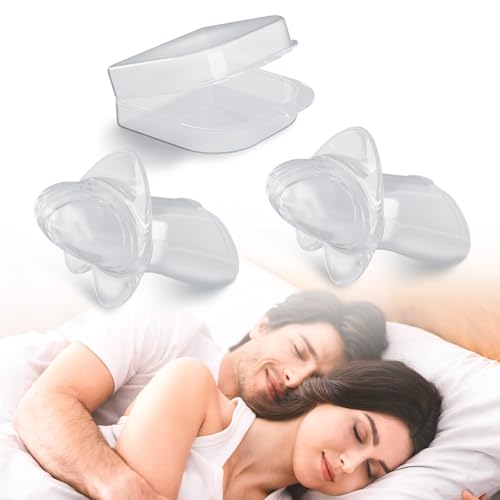
| Material | Food-grade silicone, BPA-free |
| Target Use | Anti-snoring tongue holder / mouthpiece for sleep apnea relief |
| Fit / Sizing | Comfortable fit designed to accommodate most mouth sizes and shapes |
| Usage | Worn overnight as a snore-stopping mouthguard |
| Effectiveness Claim | Maximizes airflow to reduce snoring during sleep |
| Brand / Price | Brand: Leaxluv; Price: $18.99 |
You slip this mouthpiece in, and the first thing you notice is how gentle the silicone feels against your tongue. It sits low enough to avoid gag reflexes, yet firm enough to keep your airway open.
In the quiet of the bedroom, you can feel a steadier breath—and yes, you notice the reduction in snoring vibrations around the pillow already.
During the first night, I appreciated how slim and lightweight it is. It doesn’t bulk up your mouth, so you can still drink water without same-level fuss.
The fit is fairly universal; it hugs comfortably without pinching, even if you move a lot in your sleep.
One practical detail that stood out: the tongue guard stays placed without constant adjustment. You’ll find it easier to fall asleep, because the device doesn’t twitch or shift as you turn from side to side.
The silicone’s odor-free, BPA-free claim isn’t just marketing—there’s no odd taste, just a clean feel.
Breathing feels more open as you breathe through the nose and mouth in sync. It’s not a miracle cure, but it reduces the rumble enough to lighten partner-snoring tensions.
If you’ve tried bulky mouthguards before, this one’s refreshingly straightforward and easy to wear all night.
Overall, it delivers a practical, no-fuss solution for everyday snoring. You’ll likely notice a more peaceful sleep pattern after a few days, with less wake-ups from restless snoring.
It’s a solid choice if you want a simple, affordable option that actually feels comfortable.
PROS
CONS
- Not a miracle cure
- May require a break-in period
What Foods Are Most Effective for Reducing Sleep Apnea Symptoms?
- Fruits and Vegetables: High in vitamins, minerals, and antioxidants, fruits and vegetables help reduce inflammation in the body. Foods like berries and leafy greens are particularly beneficial as they contain compounds that can improve blood flow and oxygenation during sleep.
- Whole Grains: Whole grains such as brown rice, quinoa, and oats are rich in fiber, which aids in weight management. Maintaining a healthy weight is crucial for sleep apnea sufferers as excess weight can increase pressure on the airways.
- Lean Proteins: Foods like chicken, turkey, and fish provide essential amino acids while being lower in fat compared to red meats. These proteins can help maintain muscle mass, which is important for keeping the throat and airway open during sleep.
- Healthy Fats: Sources of healthy fats, such as avocados, nuts, and olive oil, can help reduce inflammation and support heart health. Monounsaturated fats found in these foods can also aid in weight loss efforts, making it easier to manage sleep apnea symptoms.
- Dairy Products: Low-fat dairy options like yogurt and milk can provide calcium and promote muscle relaxation. However, individuals who are lactose intolerant might want to consider lactose-free options to avoid any potential digestive issues that could disrupt sleep.
- Herbs and Spices: Garlic, ginger, and turmeric contain anti-inflammatory properties that may help reduce swelling in the throat and respiratory tract. Incorporating these spices into meals can not only enhance flavor but also support overall respiratory function.
How Do Omega-3 Fatty Acids Contribute to Sleep Quality?
Omega-3 fatty acids play a significant role in enhancing sleep quality, particularly for individuals dealing with sleep apnea.
- Reduction of Inflammation: Omega-3 fatty acids are known for their anti-inflammatory properties, which can help reduce airway inflammation and improve breathing during sleep. This is particularly beneficial for those with sleep apnea, as inflammation in the upper airway can exacerbate breathing difficulties at night.
- Regulation of Sleep Hormones: Omega-3s can influence the production of melatonin, the hormone responsible for regulating sleep-wake cycles. By supporting melatonin levels, omega-3 fatty acids may help individuals fall asleep faster and improve overall sleep duration.
- Improved Sleep Architecture: Some studies suggest that omega-3 fatty acids can enhance the quality of sleep by promoting deeper sleep stages. This means that individuals may experience more restorative sleep, which is crucial for overall health and well-being.
- Support for Brain Health: Omega-3 fatty acids are essential for brain function and can help reduce anxiety and depression, conditions that often co-occur with sleep disorders. By alleviating these issues, omega-3s may indirectly improve sleep quality.
- Cardiovascular Benefits: Omega-3s contribute to heart health by lowering blood pressure and improving circulation. Better cardiovascular health can lead to improved oxygen flow during sleep, which is vital for those suffering from sleep apnea.
Why Are Antioxidants Important in Sleep Apnea Management?
Antioxidants play a significant role in managing sleep apnea by combating oxidative stress, which is often elevated in individuals with this condition. Elevated oxidative stress can worsen inflammation and lead to the dysfunction of various bodily systems, including those involved in respiratory health.
Incorporating antioxidant-rich foods into the diet can provide protective benefits and help manage symptoms associated with sleep apnea. Key antioxidants include:
-
Vitamins A, C, and E: Found in colorful fruits and vegetables, these vitamins neutralize free radicals and reduce inflammation. For example, oranges, berries, and spinach are excellent sources.
-
Flavonoids: These compounds, present in tea, dark chocolate, and berries, have anti-inflammatory properties that can improve airway function and overall sleep quality.
-
Selenium: This mineral acts as a powerful antioxidant, found in foods like Brazil nuts and fish, contributing to immune function and cellular health.
Regular consumption of these foods not only enhances antioxidant status but also supports overall health, potentially leading to better sleep quality and reduced symptoms of sleep apnea. Prioritizing a diet rich in antioxidants can bolster the body’s defenses, aiding in the management of this condition.
Which Foods Should Be Avoided to Lower the Risk of Sleep Apnea?
To lower the risk of sleep apnea, it is advisable to avoid certain foods that can exacerbate the condition:
- Processed Foods: These foods often contain high levels of sodium, sugars, and unhealthy fats, which can lead to weight gain and inflammation. Increased weight, particularly around the neck, can worsen sleep apnea symptoms by narrowing the airway.
- Fried Foods: Foods that are deep-fried are typically high in trans fats and calories, contributing to obesity and inflammation. Consuming these can lead to weight gain, which is a significant risk factor for developing sleep apnea.
- Alcohol: Alcohol relaxes the muscles in the throat, which can increase the likelihood of airway obstruction during sleep. It can also disrupt sleep patterns, making it harder to get restorative sleep, further aggravating sleep apnea symptoms.
- Heavy Meals Before Bed: Eating large meals, especially those high in carbohydrates or fats, can cause discomfort and indigestion, making it difficult to sleep. This can exacerbate sleep apnea symptoms by increasing the likelihood of airway obstruction during sleep.
- Dairy Products: Full-fat dairy products can increase mucus production in some individuals, potentially leading to airway blockage. Additionally, their high-fat content can contribute to weight gain, further increasing the risk of sleep apnea.
- Refined Carbohydrates: Foods like white bread, pastries, and sugary cereals can lead to spikes in blood sugar levels, promoting weight gain and inflammation. This weight gain can increase the risk of obstructive sleep apnea by narrowing the airways.
How Do Lean Proteins Support Better Sleep for Those with Apnea?
Lean proteins can contribute significantly to better sleep for individuals with sleep apnea through various mechanisms.
- Turkey: Turkey is rich in tryptophan, an amino acid that the body converts into serotonin and melatonin, both of which are crucial for regulating sleep cycles. Consuming turkey, particularly before bedtime, may help enhance sleep quality and duration, making it a beneficial choice for those suffering from sleep apnea.
- Chicken: Lean chicken provides not only protein but also essential nutrients like B vitamins, which are important for energy regulation and overall health. The protein content aids in muscle repair while avoiding the heaviness that fatty meats can cause, thus promoting better sleep without discomfort.
- Fish: Fish, particularly fatty varieties like salmon and tuna, contains omega-3 fatty acids and vitamin D, both associated with improved sleep quality. Omega-3s can help reduce inflammation and may also positively influence the body’s sleep-wake cycle, making fish a smart addition to the diet for those with sleep apnea.
- Legumes: Beans and lentils are excellent sources of plant-based protein and are high in fiber, which can help stabilize blood sugar levels. Stable blood sugar is essential for preventing sleep disruptions, and the protein content supports overall muscle repair and recovery during sleep.
- Eggs: Eggs are another great source of protein and contain significant amounts of tryptophan. Eating eggs can lead to the production of sleep-regulating hormones, making them a versatile food option that can be incorporated into meals throughout the day to support nighttime rest.
- Greek Yogurt: Greek yogurt is high in protein and contains probiotics, which can support gut health and digestion. A healthy digestive system is linked to better sleep quality, and the protein can help keep you feeling satiated throughout the night, minimizing the likelihood of sleep disturbances.
Which Fruits and Vegetables Promote Healthier Sleep Patterns?
The best foods for promoting healthier sleep patterns, especially for those dealing with sleep apnea, include:
- Cherries: Cherries, particularly tart cherries, are a natural source of melatonin, the hormone responsible for regulating sleep-wake cycles. Consuming cherries or cherry juice may help increase melatonin levels in the body, potentially improving sleep quality.
- Kiwi: Kiwi is rich in antioxidants and serotonin, which can contribute to better sleep. Studies have shown that eating kiwi before bed can significantly improve sleep onset, duration, and efficiency, making it an excellent choice for those with sleep disturbances.
- Bananas: Bananas are high in potassium and magnesium, both of which help relax muscles and nerves. They also contain tryptophan, an amino acid that the body uses to produce serotonin and melatonin, enhancing sleep quality.
- Fatty Fish: Fatty fish like salmon and mackerel are high in omega-3 fatty acids and vitamin D, both of which may contribute to better sleep quality. These nutrients can help regulate serotonin levels, promoting a more restful night’s sleep.
- Spinach: Spinach is loaded with magnesium, which is crucial for maintaining healthy sleep patterns. This leafy green supports muscle relaxation and the production of melatonin, making it a great addition to pre-bedtime meals.
- Oats: Oats are a good source of melatonin and complex carbohydrates, which can boost insulin levels and help tryptophan enter the brain more effectively. Including oats in your evening routine can promote a feeling of fullness and enhance sleep quality.
- Almonds: Almonds are another excellent source of magnesium, which is known to improve sleep quality. A small handful of almonds before bed can help your body relax and prepare for a restful night’s sleep.
- Turkey: Turkey is famously rich in tryptophan, which may help induce sleepiness. Including turkey in your evening meal can increase the production of serotonin and melatonin, potentially leading to improved sleep patterns.
- Honey: Honey can help regulate blood sugar levels and promotes the release of melatonin. A teaspoon of honey before bed can provide a natural source of glucose that helps your brain to switch off and prepare for sleep.
What Lifestyle Changes Work Best Alongside Dietary Adjustments?
Incorporating lifestyle changes can significantly enhance the effectiveness of dietary adjustments for managing sleep apnea.
- Weight Management: Maintaining a healthy weight can reduce the severity of sleep apnea symptoms. Excess weight, especially around the neck, can put pressure on the airway, making it more likely to collapse during sleep.
- Regular Exercise: Engaging in regular physical activity can improve overall health and help with weight loss, which is beneficial for those with sleep apnea. Exercise can also improve sleep quality and reduce daytime sleepiness, further alleviating symptoms.
- Sleep Positioning: Adjusting sleep positions can have a significant impact on sleep apnea severity. Sleeping on the back can exacerbate the condition, so trying side sleeping may help keep the airway open and reduce snoring.
- Avoiding Alcohol and Sedatives: Alcohol and sedatives can relax the throat muscles and increase the likelihood of airway obstruction during sleep. Reducing or eliminating these substances can lead to better sleep quality and decreased apnea episodes.
- Establishing a Sleep Routine: A consistent sleep schedule can promote better sleep hygiene and improve overall sleep quality. Going to bed and waking up at the same time every day helps regulate the body’s internal clock, making it easier to fall asleep and stay asleep.
- Managing Allergies: Allergies can exacerbate sleep apnea symptoms by causing nasal congestion and making breathing more difficult during sleep. Addressing allergies through medications or environmental changes can help improve airflow and reduce apnea events.
- Reducing Caffeine Intake: Limiting caffeine consumption, especially later in the day, can improve sleep quality. Caffeine can disrupt sleep patterns and lead to insomnia, which is particularly problematic for individuals with sleep apnea.